Threads: A makeup course by Antonia Rosa and an interview with photographer Djenice Duarte
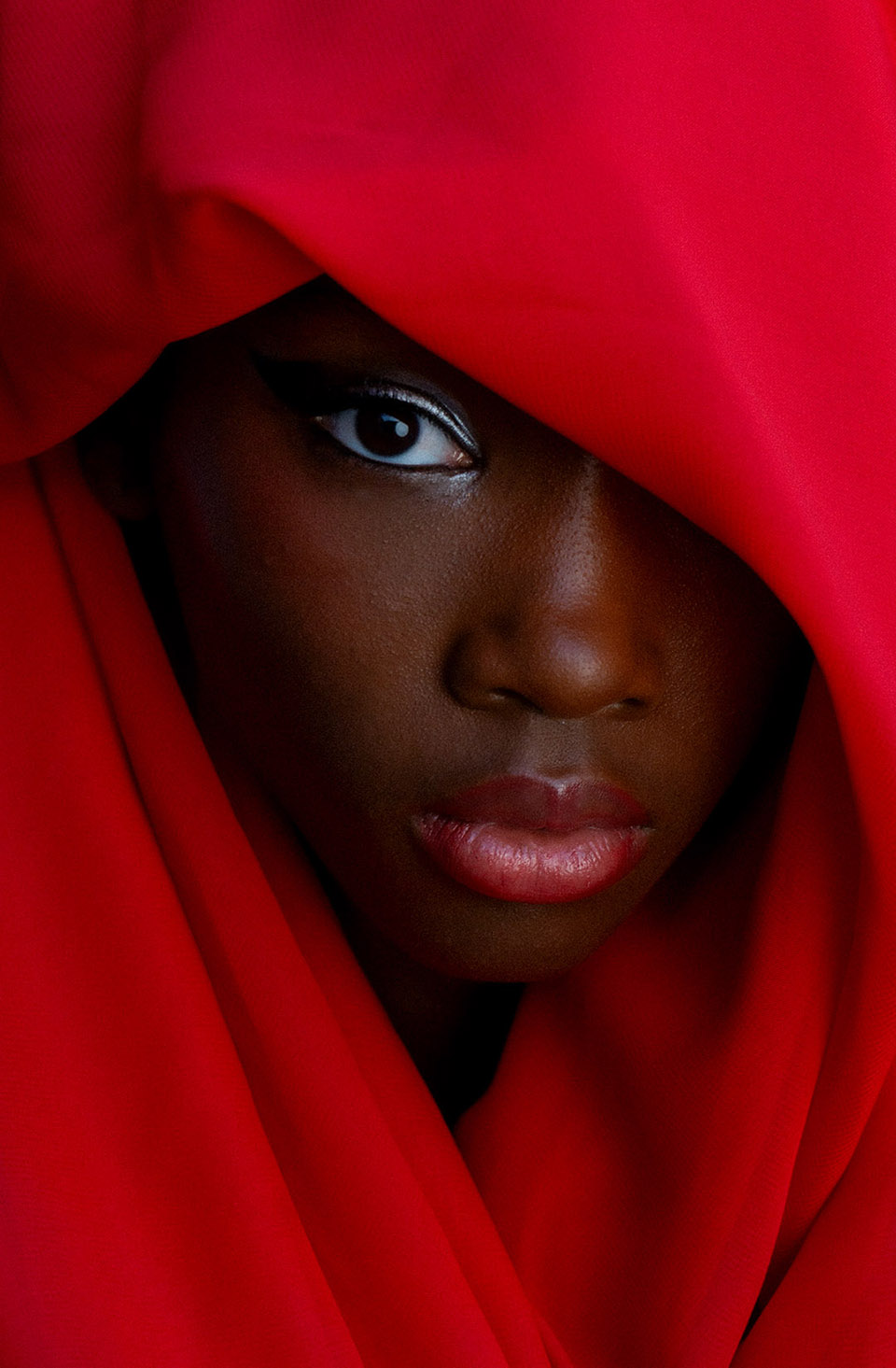
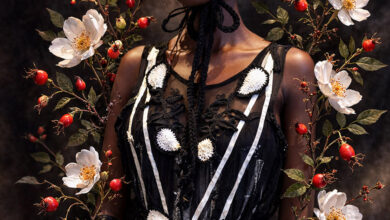
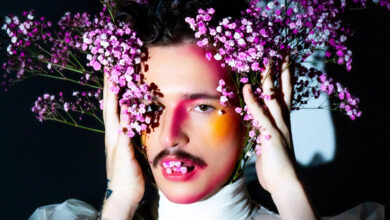
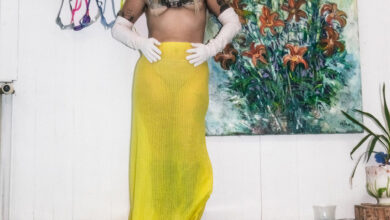
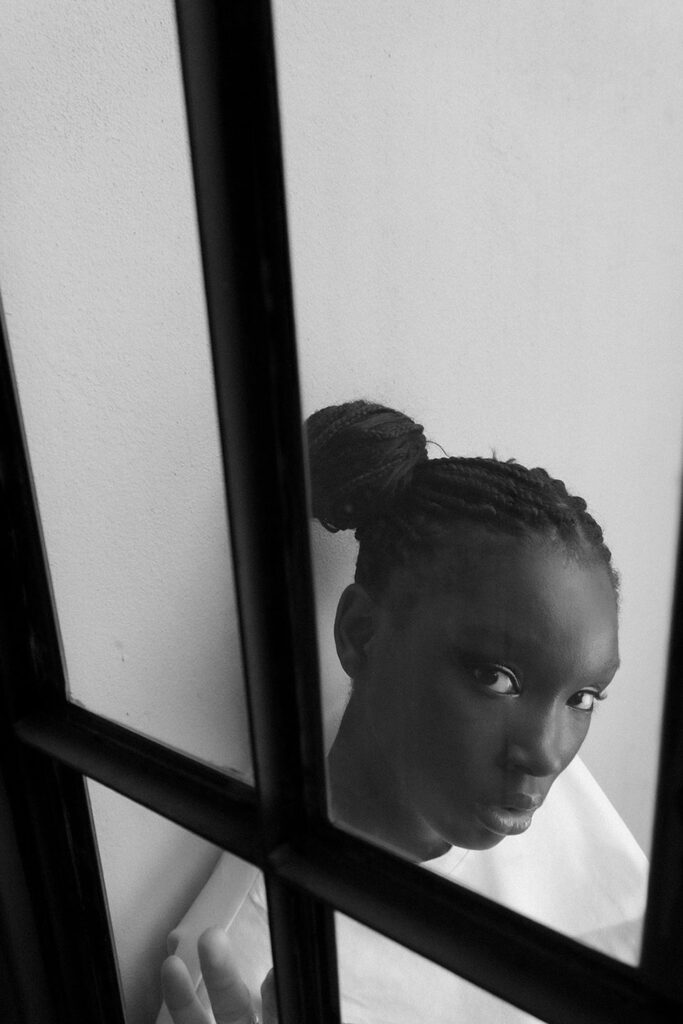
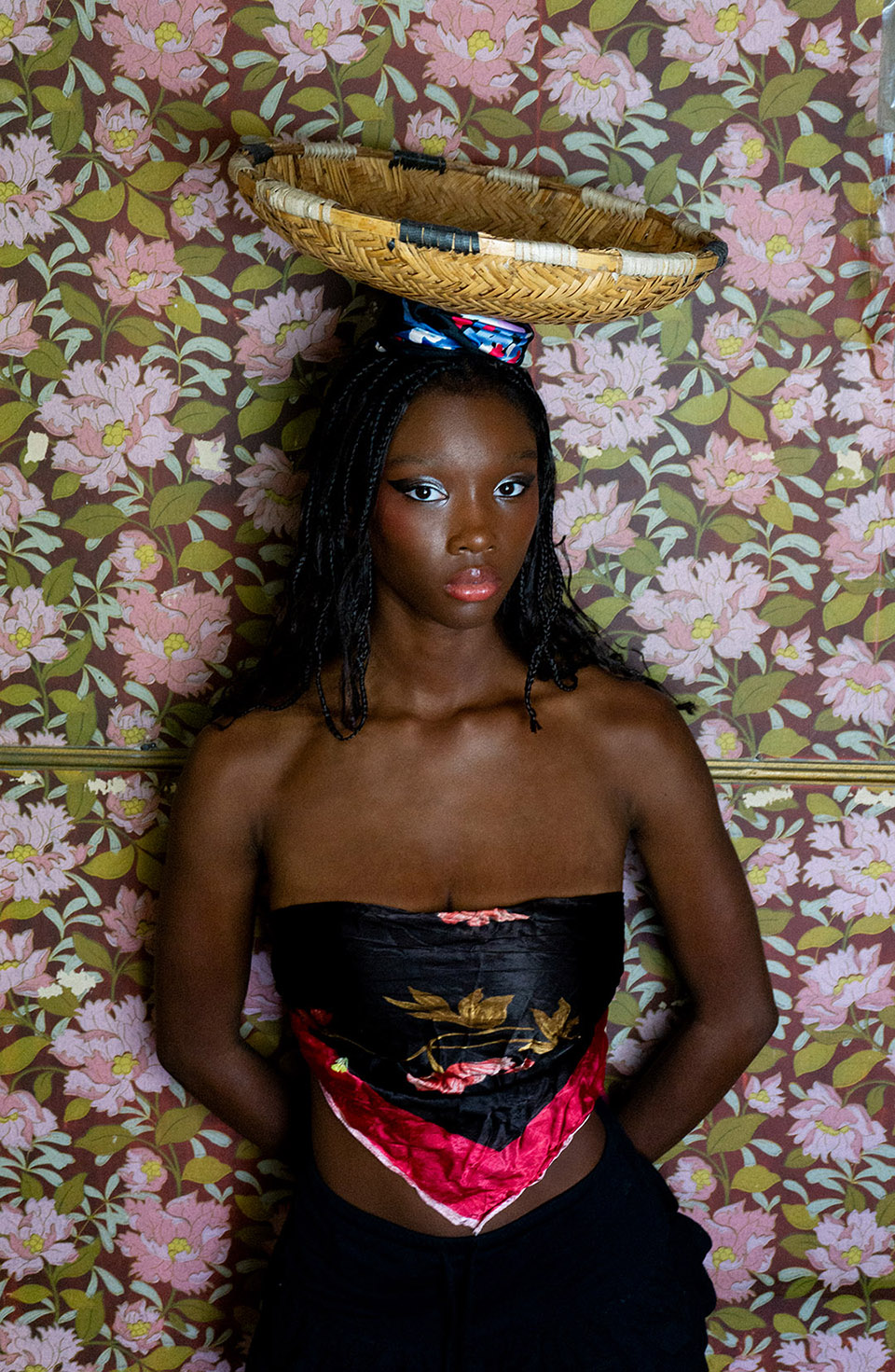
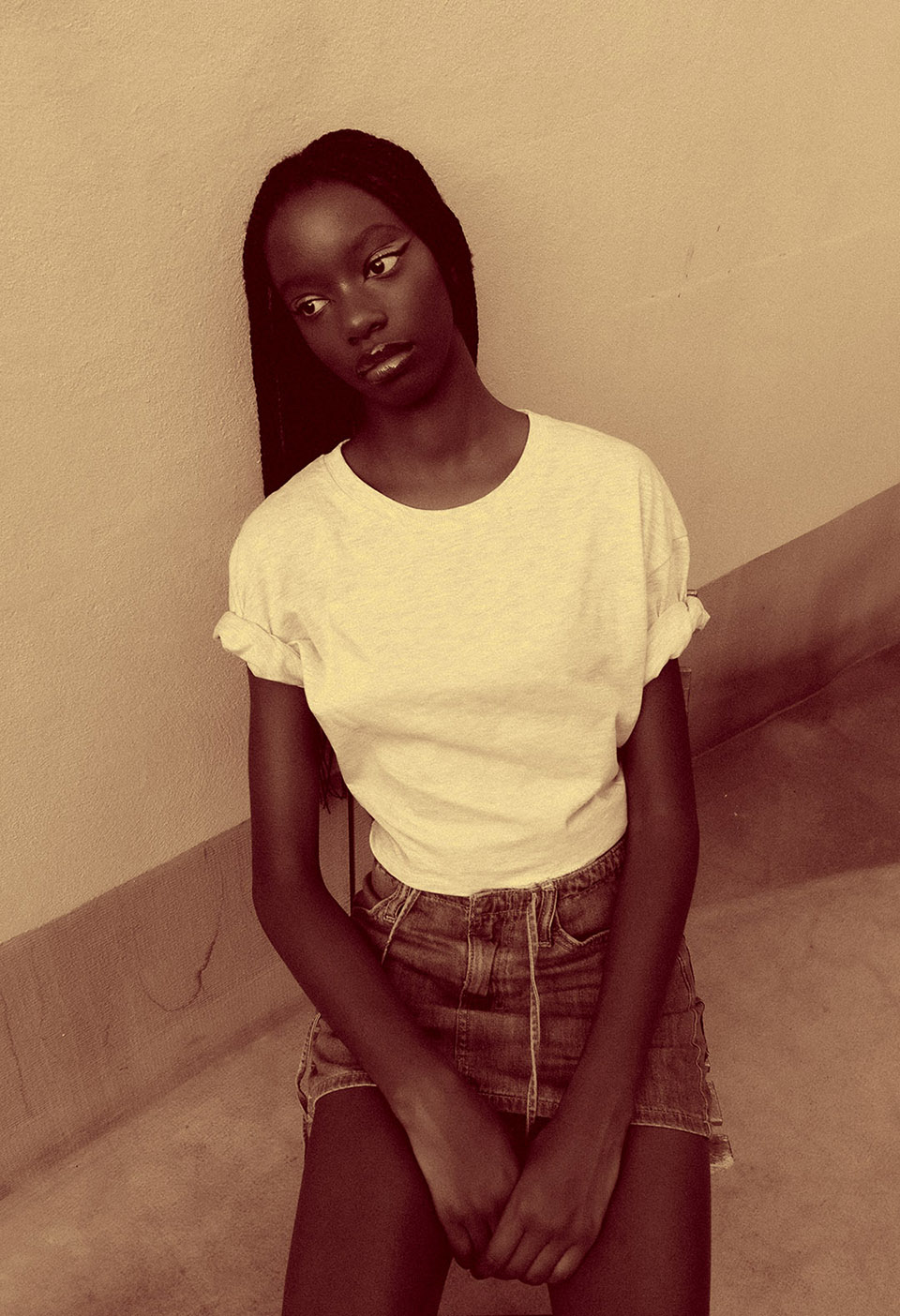
This beauty-course editorial by Antonia Rosa is a tribute to memory, heritage, and the women whose quiet strength shaped photographer and model Djenice Duarte. Inspired by the legacy of her great-grandmother and the rituals passed down through generations, Djenice transforms personal history into an intimate visual narrative.
Photography & styling Djenice Duarte
Beauty direction Antonia Rosa
Makeup artists Mariana Colaço,Oleksandra Dorofyeyeva and Catarina
Models Kelly Sun, Lara Casimiro, Shirley from Face Models
Words Daniela Abranches
Beauty often begins long before the click of a camera — in the gestures, voices and rituals that form us.
When photographer and model Djenice Duarte joined Antonia Rosa’s beauty course to create this editorial, she didn’t look outward for inspiration. Instead, she turned inward, returning to the women who had marked her life: By revisiting her grandmother and great-grandmother, Djenice explores how ideas of beauty are passed down through simple gestures that shaped her sense of beauty.
Below, we run her images alongside an intimate conversation about her dual artistic life: years spent in front of the lens as a model, and her recent evolution behind the camera as a photographer.
Makeup artist Mariana Colaço
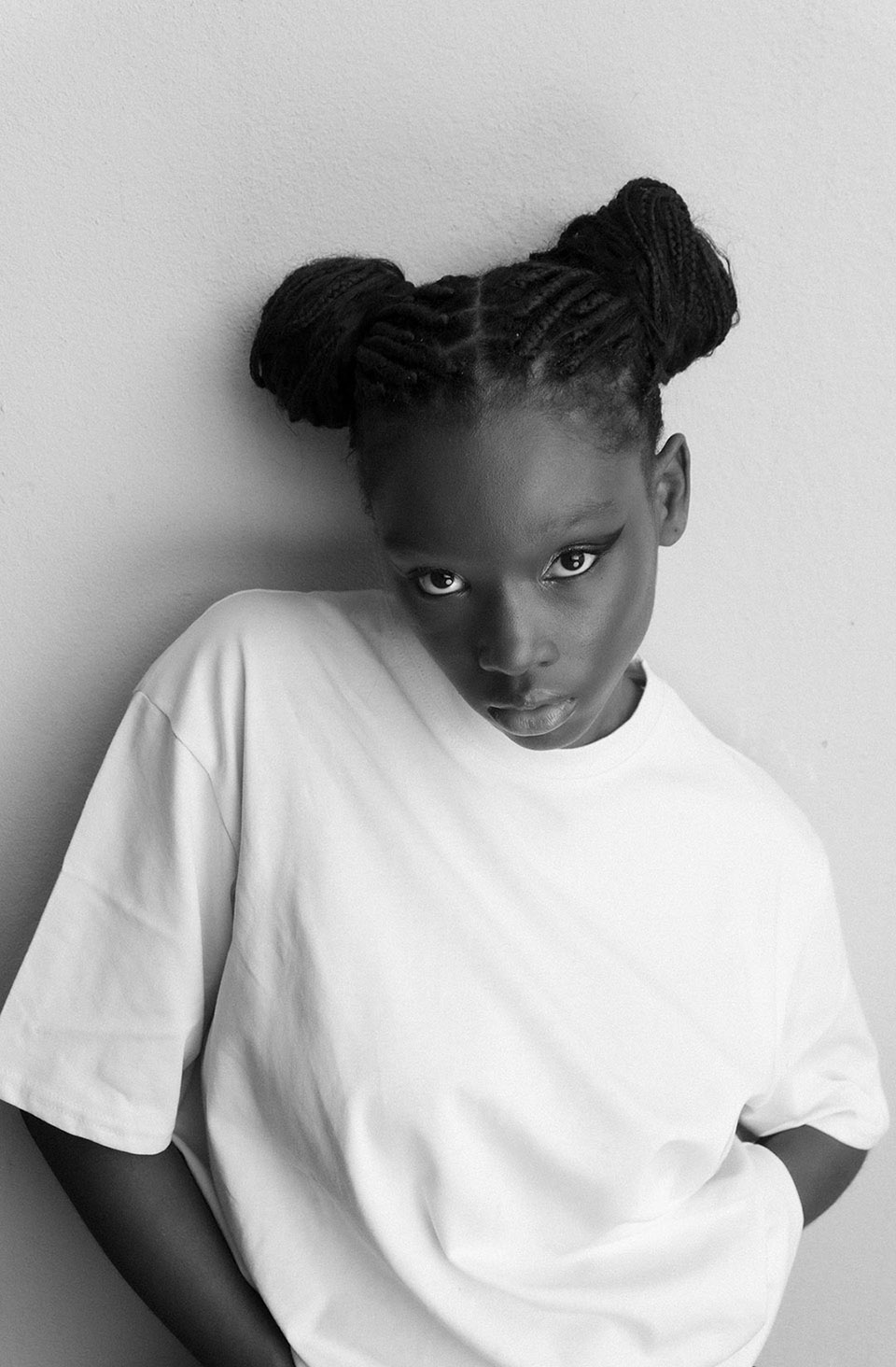
Model Lara Casimiro
ZOOT: Can you tell us a little about where you grew up and what your childhood was like?
Djenice: I was born on a small island in Cape Verde, in a big family and a close-knit community where everyone knew each other and helped one another. If you needed a bit of sugar, you just knocked on your neighbor’s door and they were happy to share. I was the one the boys always called when it was time to play football. The streets were full of kids, running, shouting, and laughing — we played until nightfall, when the sky turned dark.
ZOOT: How has your family history shaped you, both as a person and as an artist?
Djenice: I grew up with my grandmother, who had a deep passion for music. She was raised on an island known as the “Morna island” because morna, a traditional Cape Verdean music genre, is at the heart of its culture. Morna is played slowly, filled with emotion and soul. My grandmother was always singing while she cooked, and that’s where the love for music in my family comes from. I don’t have the gift of singing myself, but I feel music deeply.
In my family, we are all tall, and I have a beautiful aunt who loved to walk like a runway model. I never thought about becoming a model, but the passion for it started to grow after I was discovered in my city by a Cape Verdean photographer who was living in Paris.
ZOOT: Was there a moment when you realised photography wasn’t just an interest, but your main creative path?
Djenice: To be honest, I developed a passion for styling when I began modeling. On my free days, I would sit on the sofa, always searching and learning more about fashion and styling.
Eventually, I started styling and photographing my friends using my own clothes. But I noticed something interesting: my friends seemed to love the photos more for how the pictures turned out than for the outfits themselves. That made me curious, so I decided to apply to a school to study both styling and photography. I was accepted into the photography program and I fell in love with it. It made me forget about styling for a while.
The more I do photography, the more I feel the need to create and to express something deeper through my work.
ZOOT: Did modeling contribute to your desire to pursue photography, or was the passion already there?Djenice: Modeling played a big part in developing my passion for photography, not just because I was in front of the camera, but because I fell in love with everything happening behind the scenes. I was especially drawn to the photographers capturing backstage photos of the models, focusing on the details and moments that usually go unnoticed.
ZOOT: What have you learned as a model that has been most impactful for you as a photographer?
Djenice: [I’ve learned to trust] the models. They know their bodies, their best angles, and how they want to express themselves. That’s why when I’m shooting, I let them move and pose naturally. But if I notice they don’t have much experience, I guide them gently to help bring out their best.
ZOOT: Has photography changed the way you relate to other models when you’re behind the lens?
Djenice: Now that I’m on the other side of the lens, I feel a greater responsibility. I’m the one who has to give the models confidence and create an environment where the work can happen smoothly. I’ve become more patient, kind, and attentive to their needs.
ZOOT: Does being a photographer change the way you act as a model — and does modeling still influence how you shoot?
Djenice: Yes, absolutely. Because I understand the lights and angles better now, I try to bring to life the vision that the photographer wants and not just what I want.
Makeup artist Kat
Model Kelly Sun
ZOOT: Who are some photographers or artists who inspire you — and why?
Djenice: Throughout my modeling career, I had an agent who was also a photographer. His name is Urivaldo Lopes. I was always around him before and during shoots, watching him work and being part of the process. Seeing how he prepared, how he directed, how he gave his full energy to each shoot was fascinating. Now, every time I’m behind the camera, I remember him.
I think I can honestly say that he’s my inspiration. The way he gives everything for the image, the passion, the focus, the emotion, thats something I truly admire and try to carry with me in my own work.ZOOT: What themes or emotions are you most drawn to capturing in your photography?
I like my photos to feel genuine. I don’t like to force people to do something they’re not comfortable with. What matters most to me is making them feel seen, confident, and at ease. I always try to remind them that they are beautiful in their own skin and everything else is just extra.
ZOOT: Can you expand on how your grandmother and great-grandmother inspired this beauty shoot with Antonia?
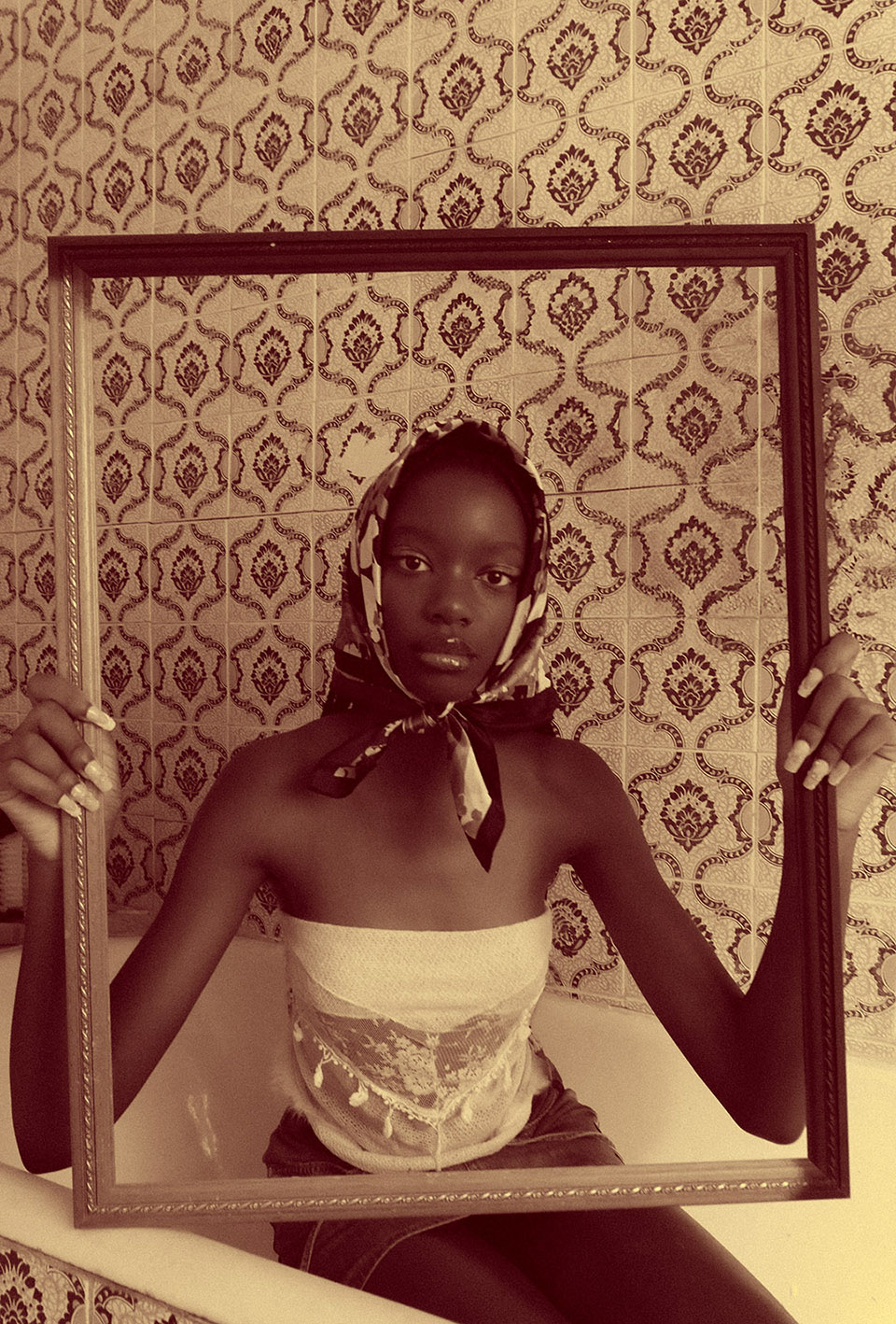
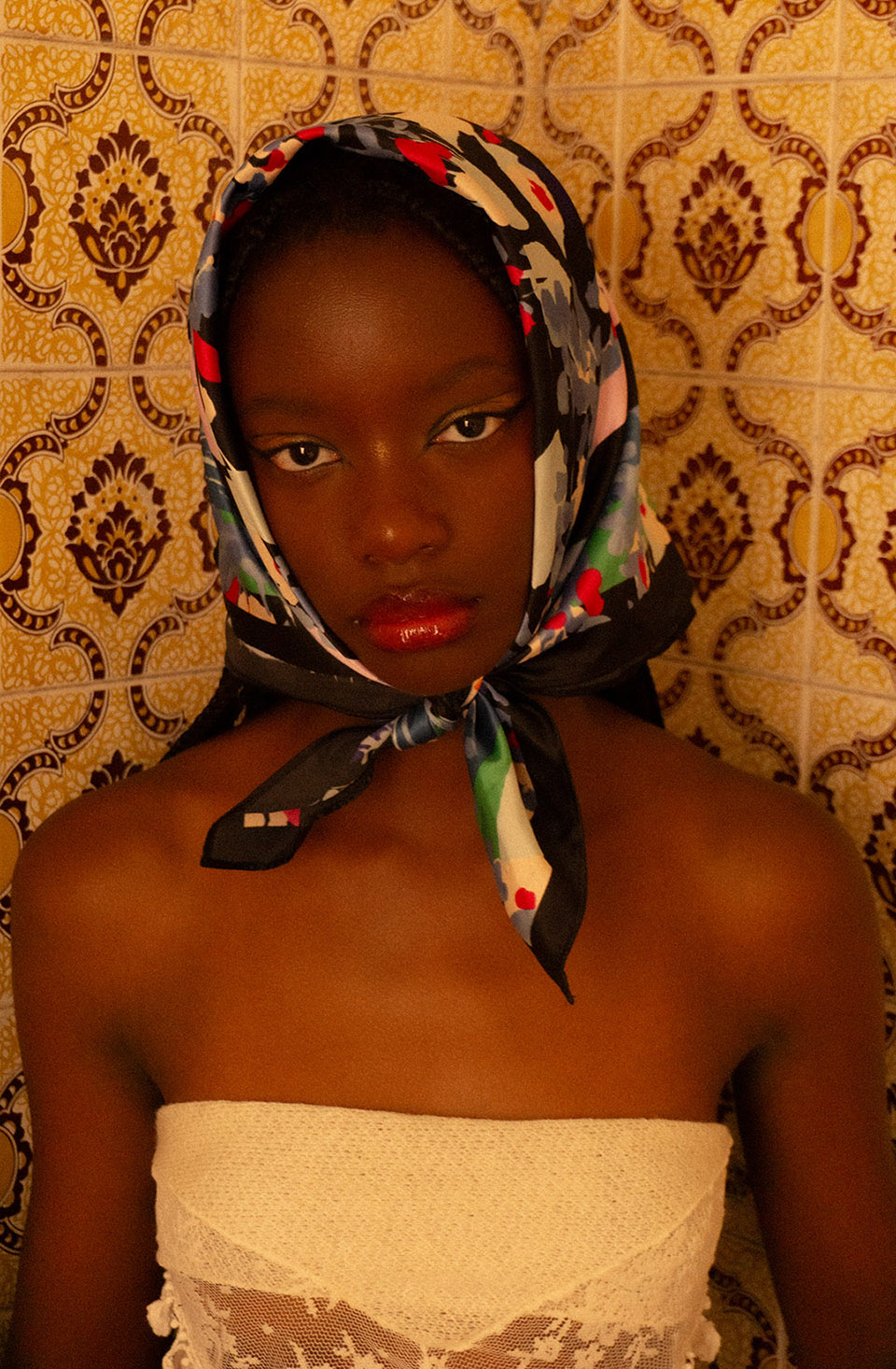
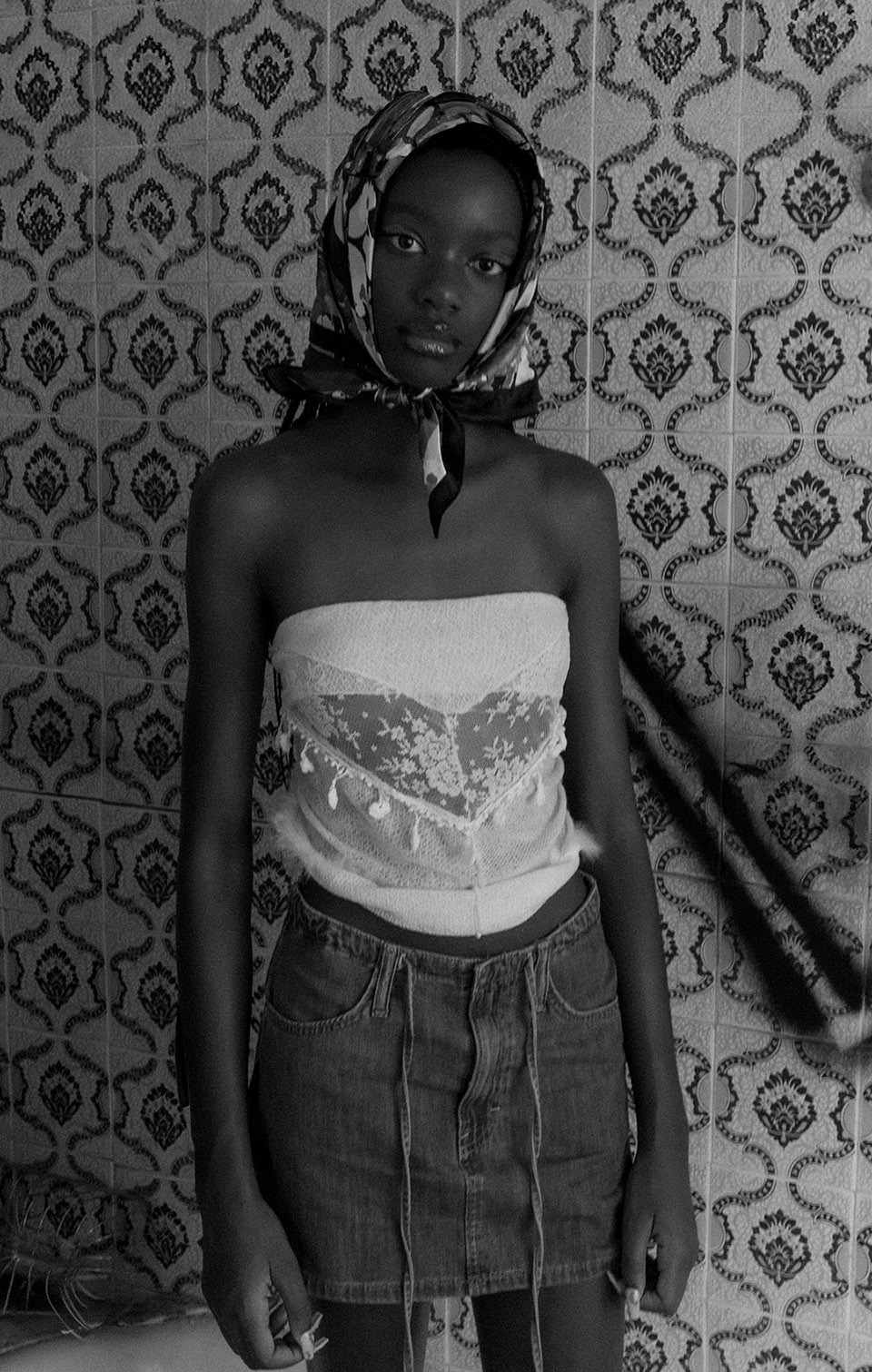
There was a time when my great-grandmother lived with us because she was sick. She had this long, beautiful white hair, and every morning she asked me to braid it, and I loved doing it. Afterward, she would wrap a beautiful floral scarf around her head, and it made her look so elegant.
When I was shooting, I remember her and those days. When I saw the models, they were so naturally beautiful and full of presence that they reminded me of her. And my grandmother is a beautiful Black woman with so much charisma, and I try to capture that same energy in my photos – that strength, softness, and grace.
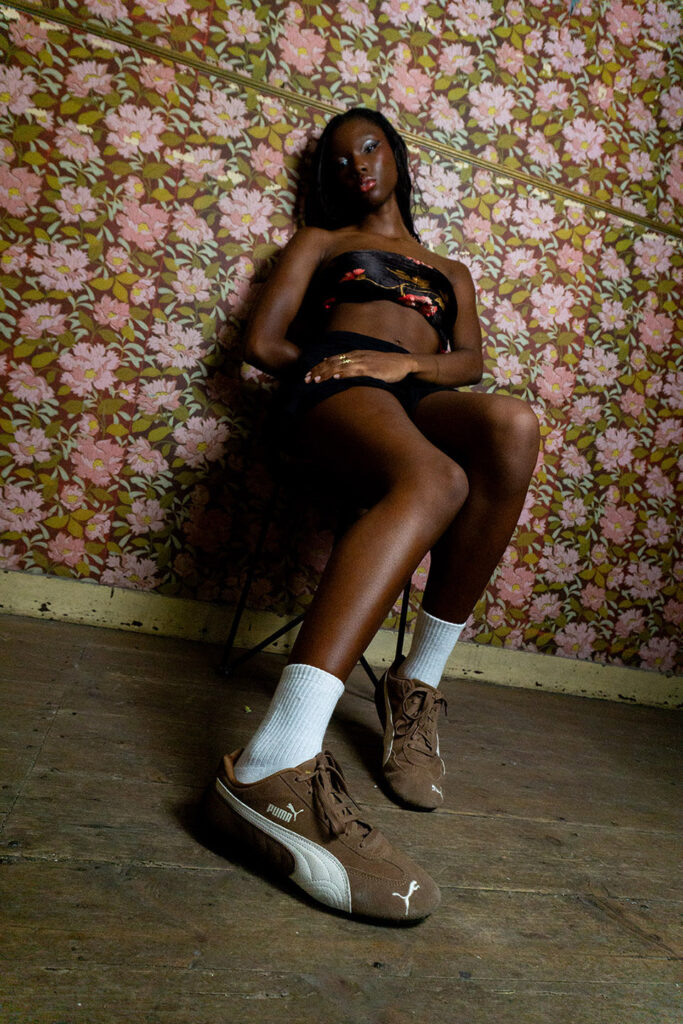
Even the house where I was shooting brought back memories. The wallpaper, the bathroom, everything reminded me of those joyful days I spent with them. And the scarf I used on the shoot is the one she used at that time.ZOOT: Do you think your modeling background gives you a unique advantage when photographing people?
I can say that my experience as a model gives me an advantage when it comes to guiding poses. But there are many other things I’ve learned through studying photography. Being behind the lens is a completely different experience. I see everything in a way I never could when I am modeling. The light, the composition, the story , it’s like a whole new world.
ZOOT: What inspires you most when you pick up your camera today?
Djenice: The colors of the background, the styling of the model, the model’s energy, and the teamwork behind the scenes, all of it plays a role in creating a powerful image.
ZOOT: How do sustainability and responsibility influence your work — and how do you see these values developing in the fashion industry?
Djenice: Sustainability and responsibility influence my work in both practical and emotional ways. I come from a place where people value what they have: we reuse, we share, we create with what’s available. That mindset has stayed with me.
I believe fashion and photography don’t need to rely on excess to be meaningful. Often, the most powerful images come from simple settings, genuine emotions and honest storytelling. When I shoot, I prefer to work with what feels natural, whether it’s reusing clothing pieces, styling from personal wardrobes, or choosing locations that already carry history and character.
I also try to create a respectful environment for everyone involved, where people feel seen and appreciated. That, to me, is also part of being responsible. I see the fashion industry slowly moving in a better direction, and there’s more conversation around ethical production, diversity, mental health and the environmental impact of fashion.
I think the next step is to make sure those values aren’t just trends, but truly part of how we work, collaborate and create. As an artist, I want to be part of that change, not just in words, but in action and intention.
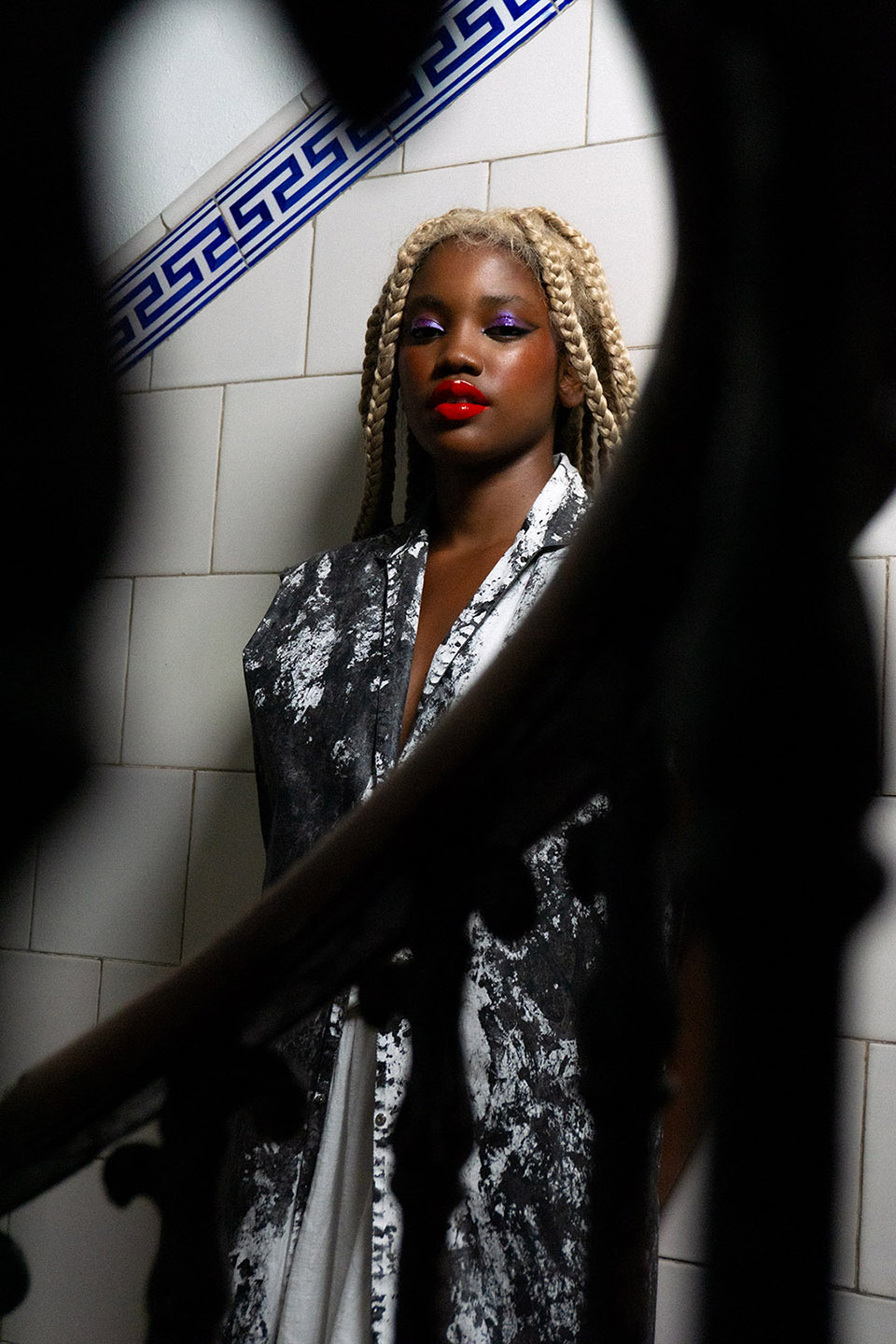
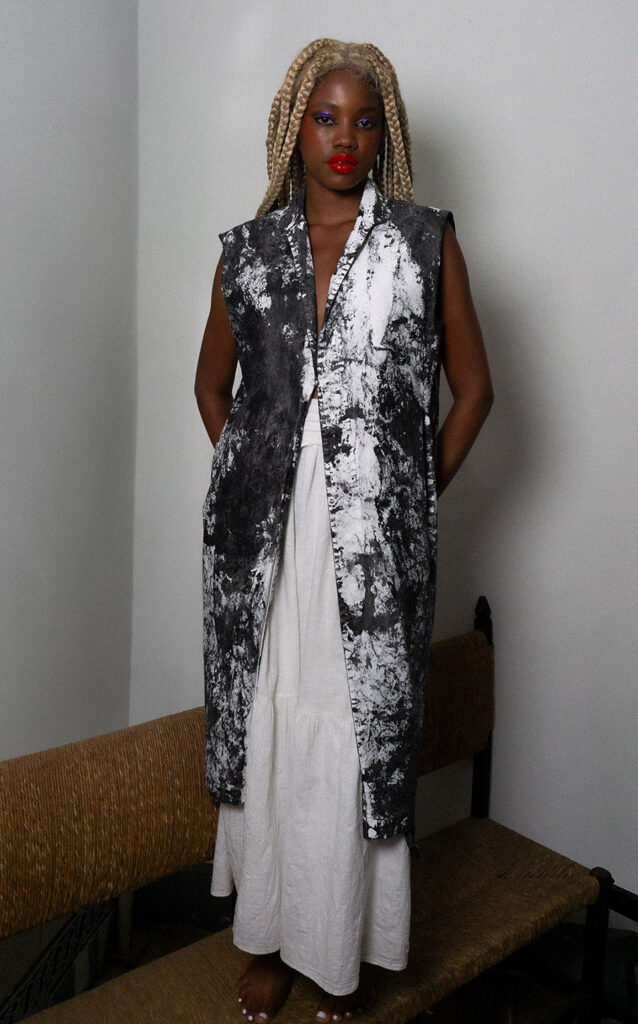
Make up Sacha Dorofyeyeva
Model Shirley
ZOOT: In today’s political and social climate, do you feel photography can play a role in addressing current issues?
Djenice: Yes, I believe photography can be a powerful tool to address social and political issues. Images have a unique way of communicating emotions and stories that words sometimes can’t.
As someone who grew up in Cape Verde, in a community full of culture, strength and resilience, I know how important it is to show the beauty and truth of everyday people, especially those who are often underrepresented. Through photography, we can highlight identity, celebrate diversity, challenge stereotypes and bring visibility to communities that are overlooked.
For me, it’s about capturing authenticity – showing people as they are, in their own skin, with their own stories. Even a simple portrait can hold power when it reflects real emotions and lived experiences.
In today’s climate, where so much is filtered and curated, I think honest photography can cut through the noise. It can spark conversation, create empathy, and inspire change and that’s a responsibility I take seriously in my work.
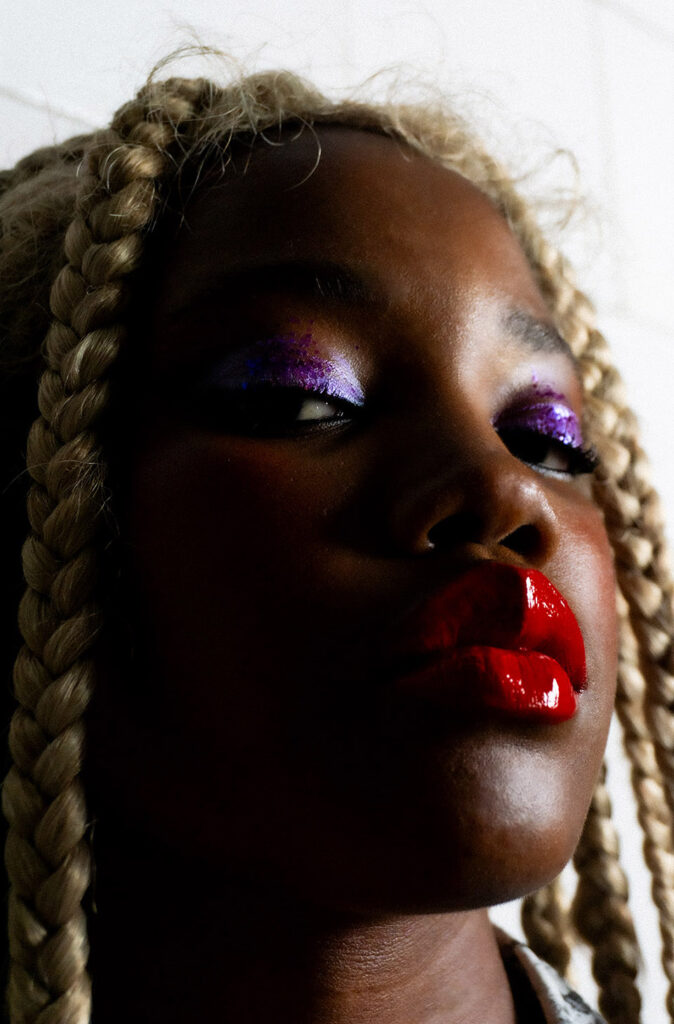
ZOOT: Do you see your art as a form of resistance — and if so, what are you resisting?
Djenice: Yes, I do see my art as a form of resistance, not in an aggressive way, but through presence, visibility, and intention. I come from a small island, from a culture full of beauty, history and strength, but also from a place that is often invisible to the outside world.
I’m resisting the idea that only one version of beauty deserves to be seen. For me, art is not just about aesthetics, it’s about truth, identity, and connection.
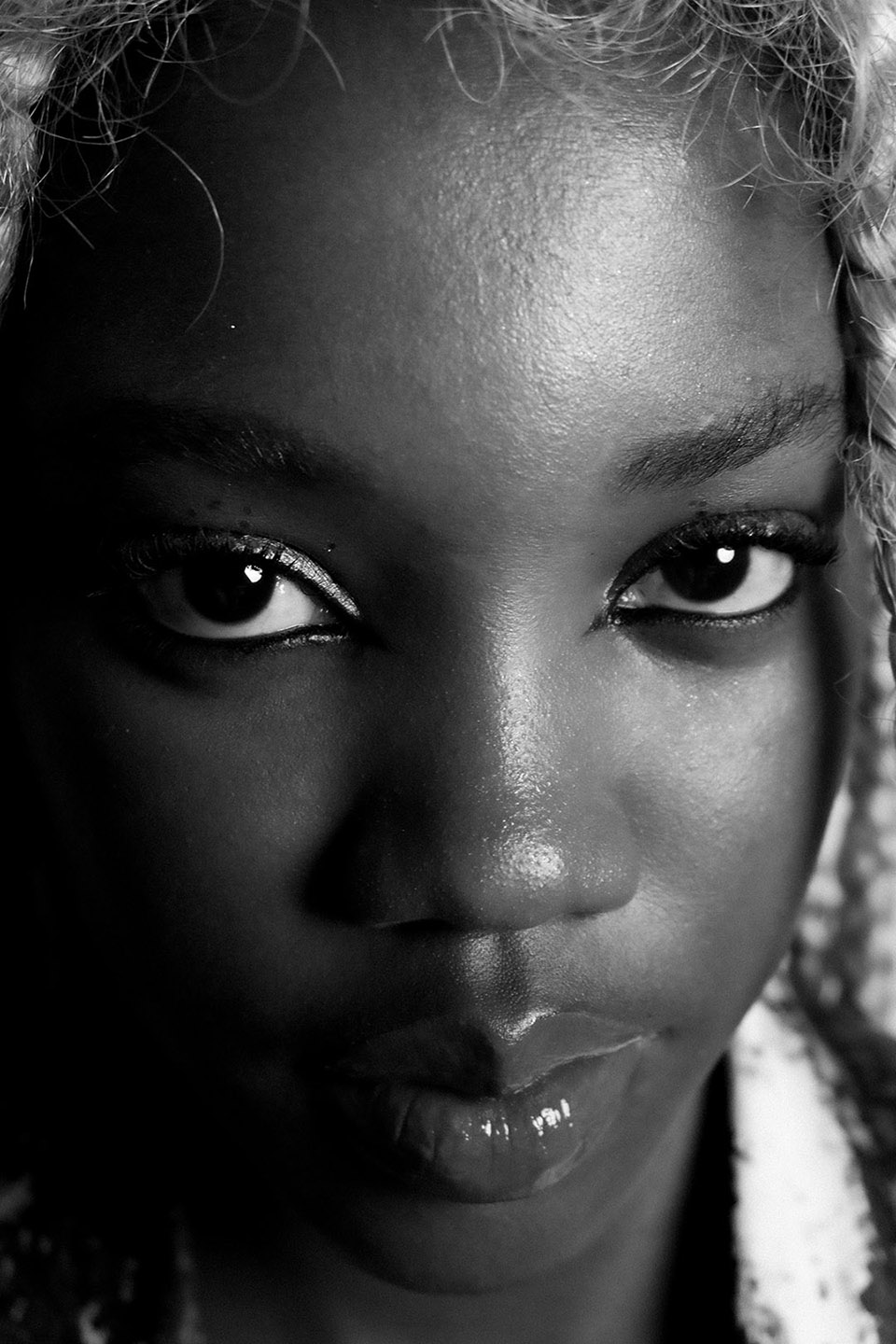
Thank you Djenice!