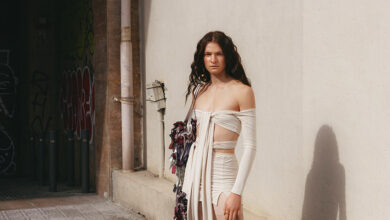
Viviano SS26: Romantic vintage aesthetics forged in chaos
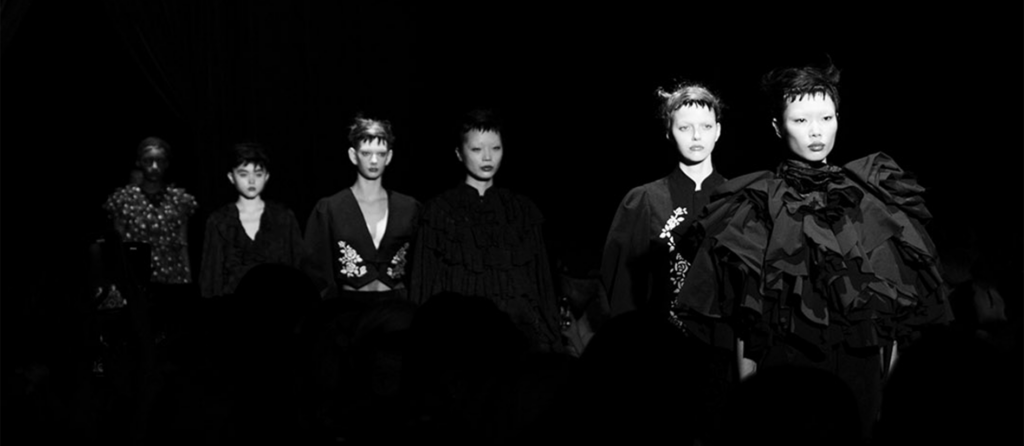
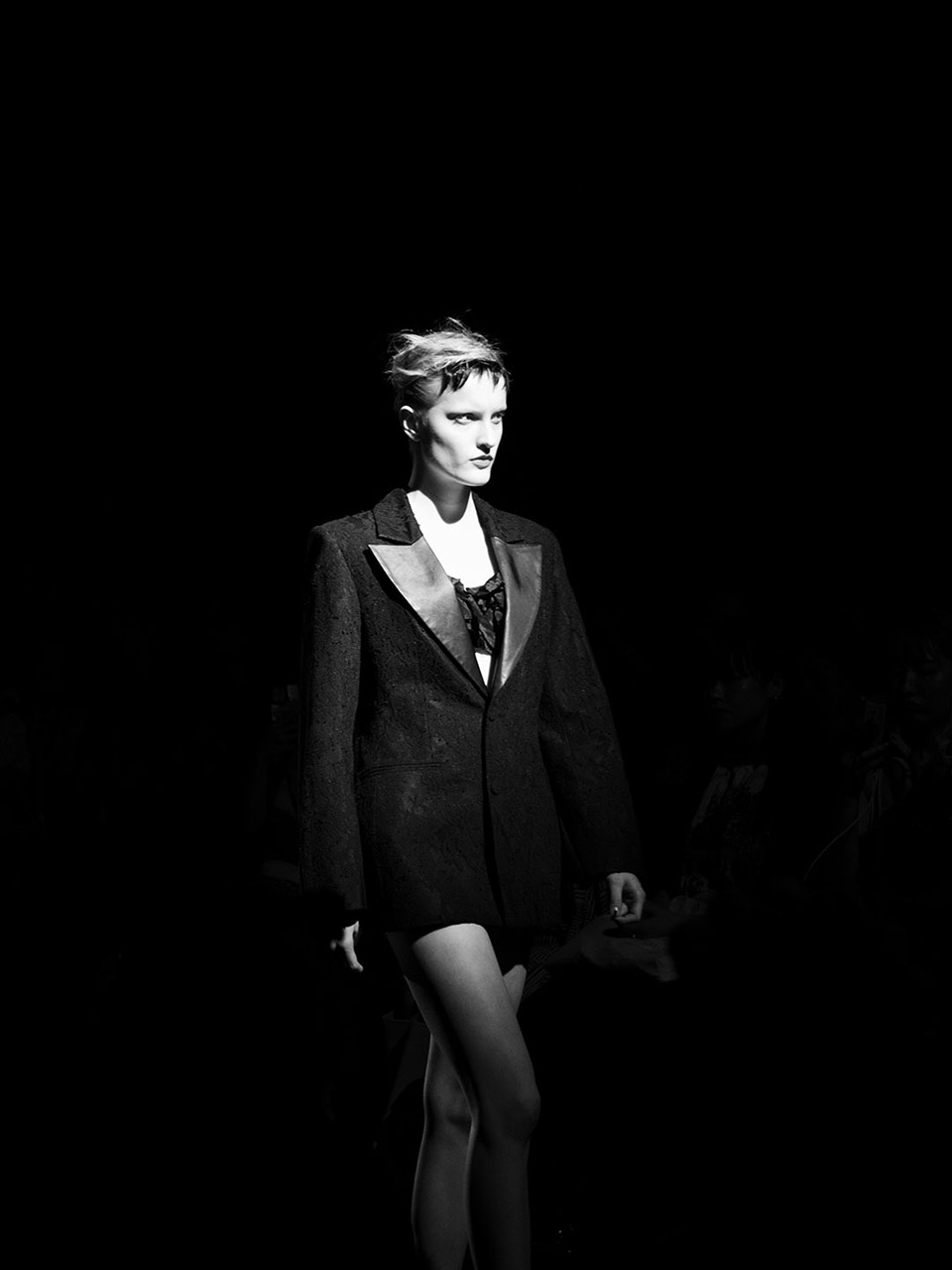
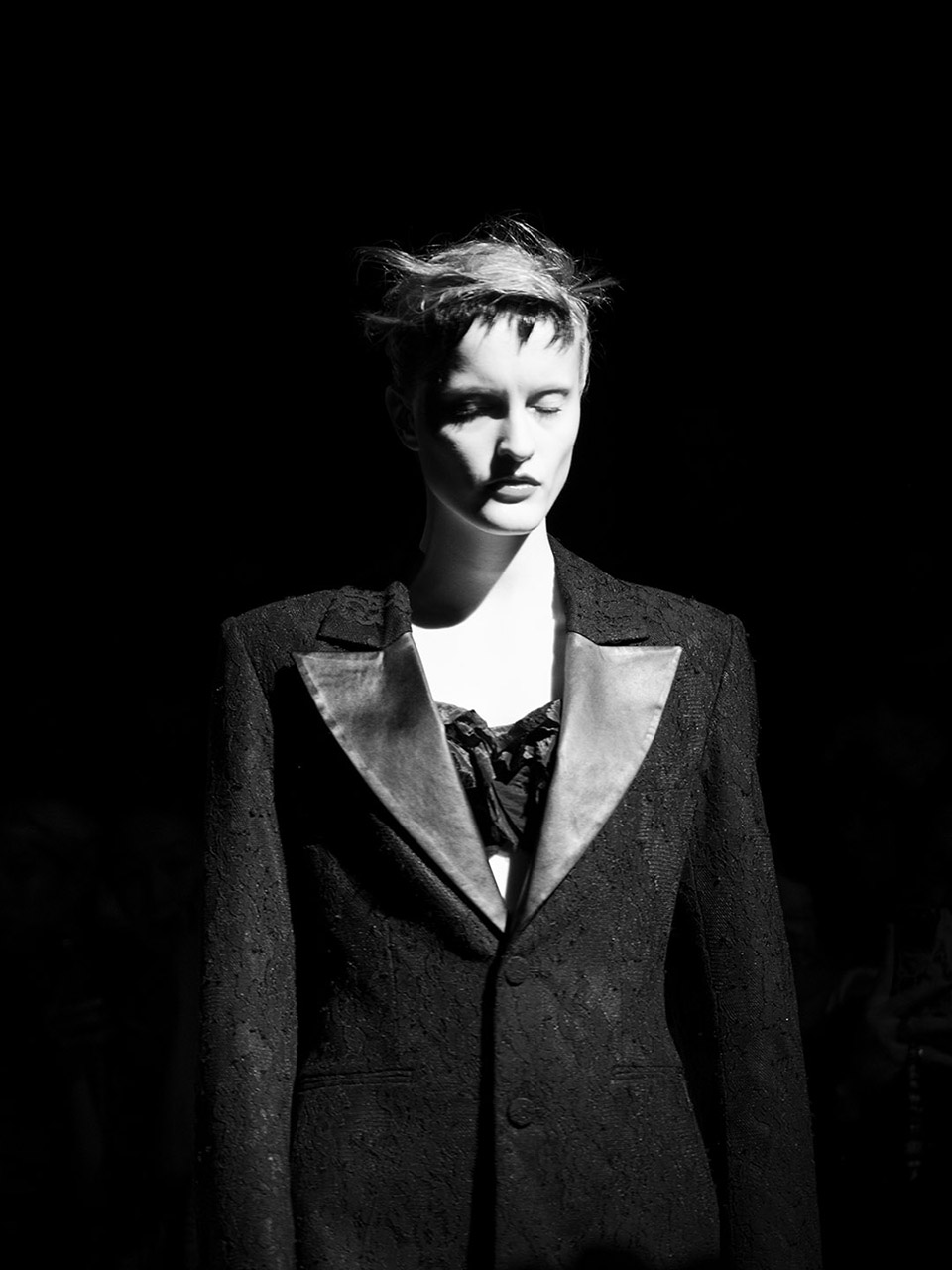
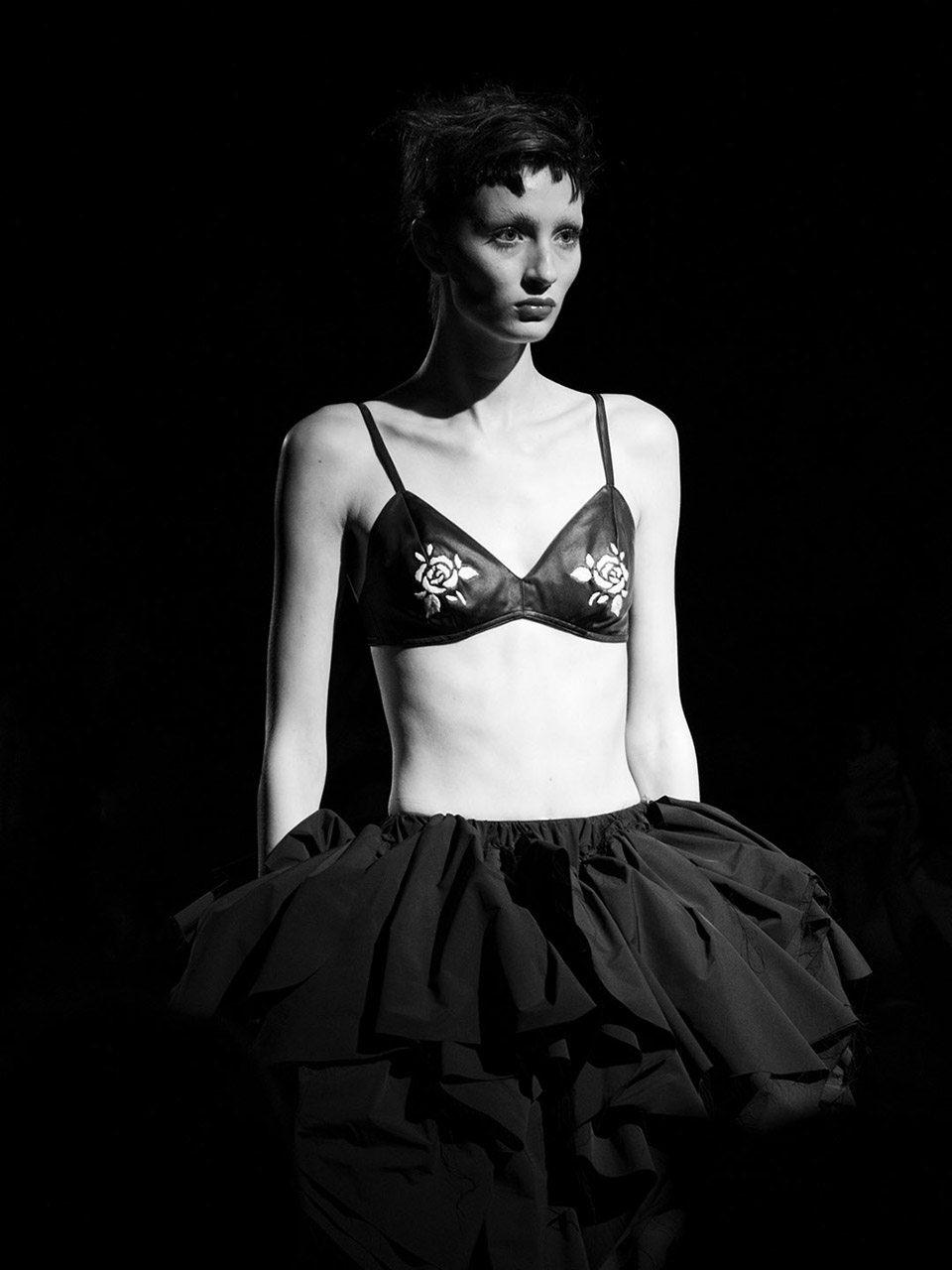
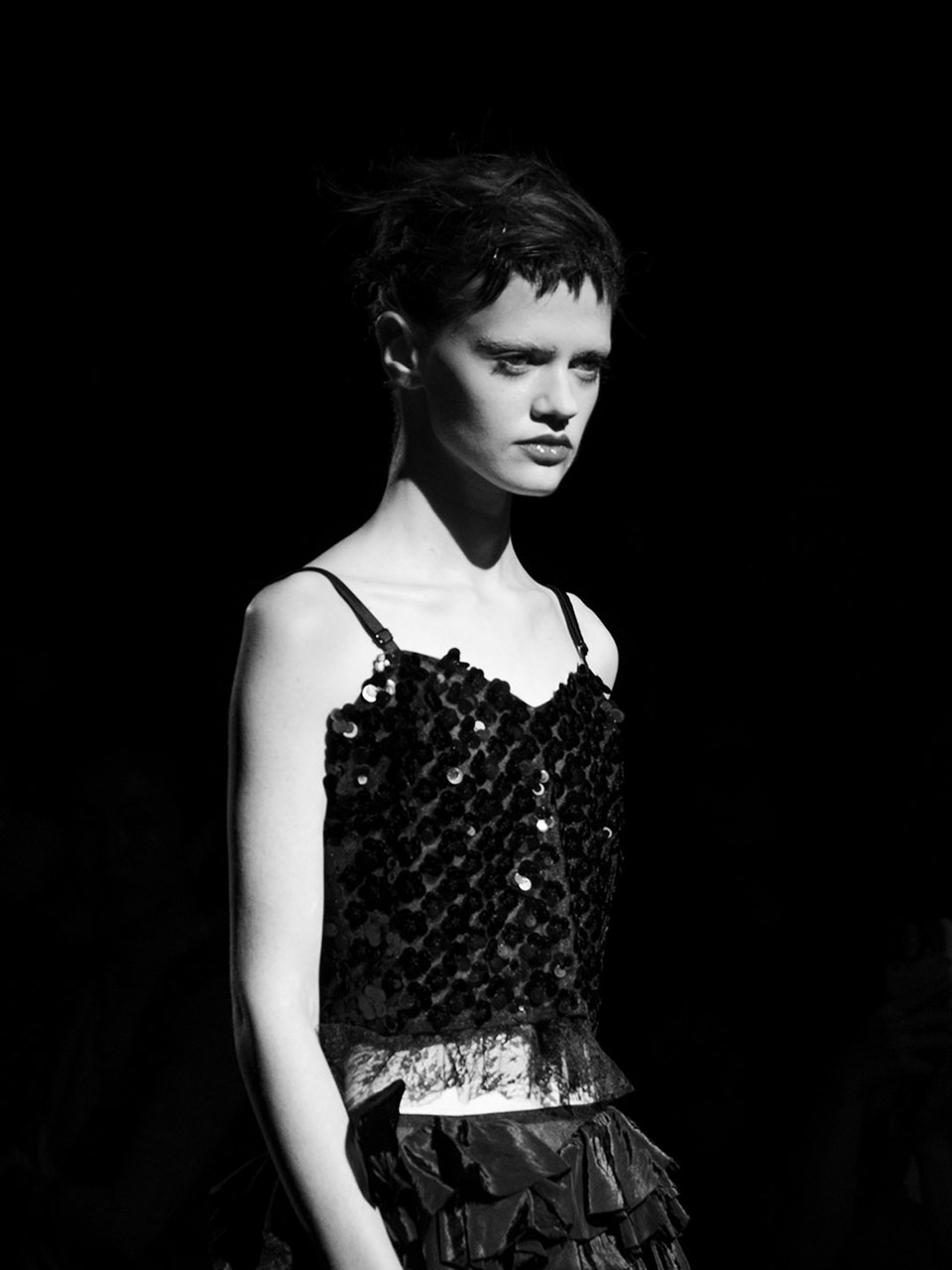
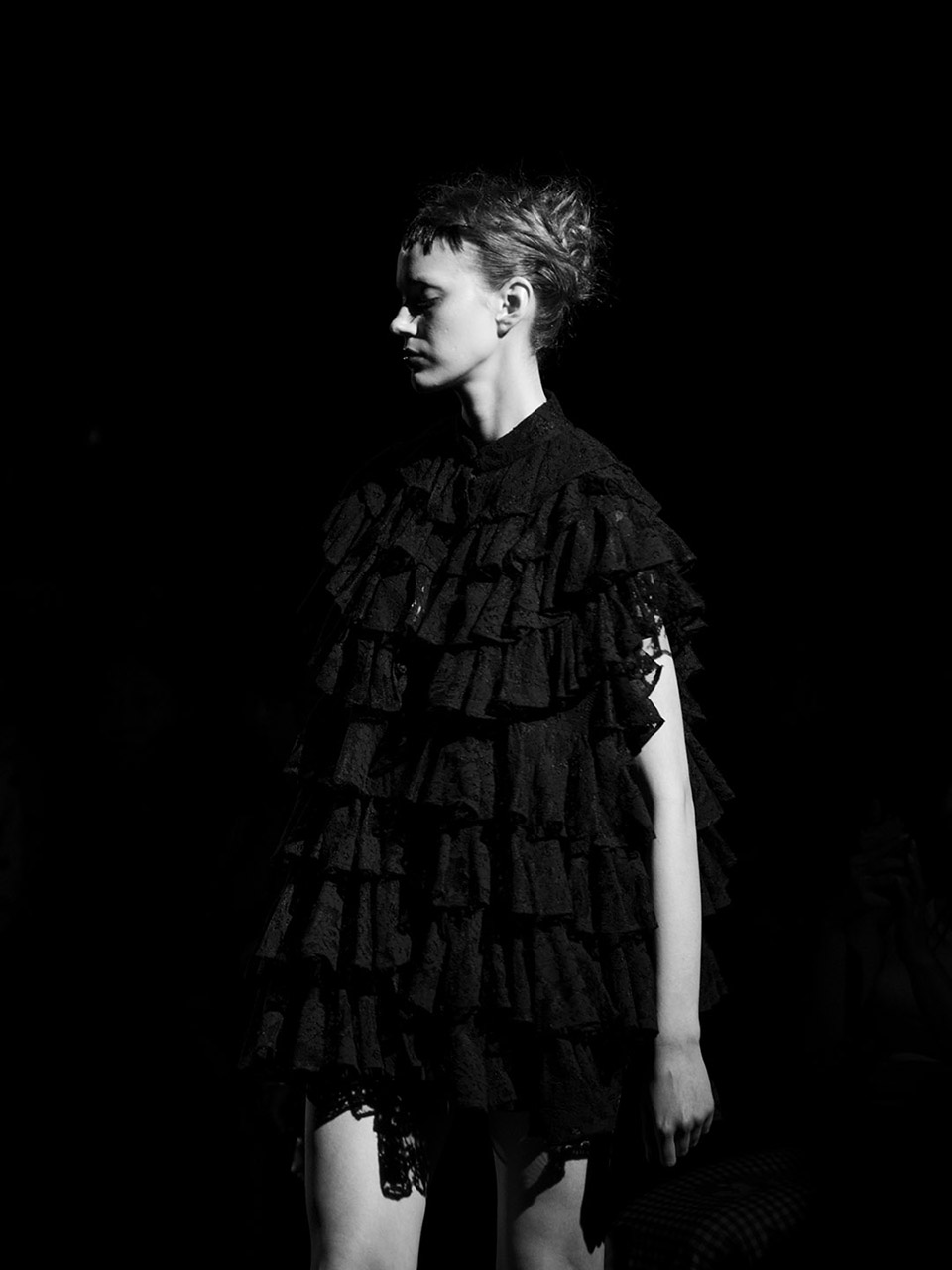
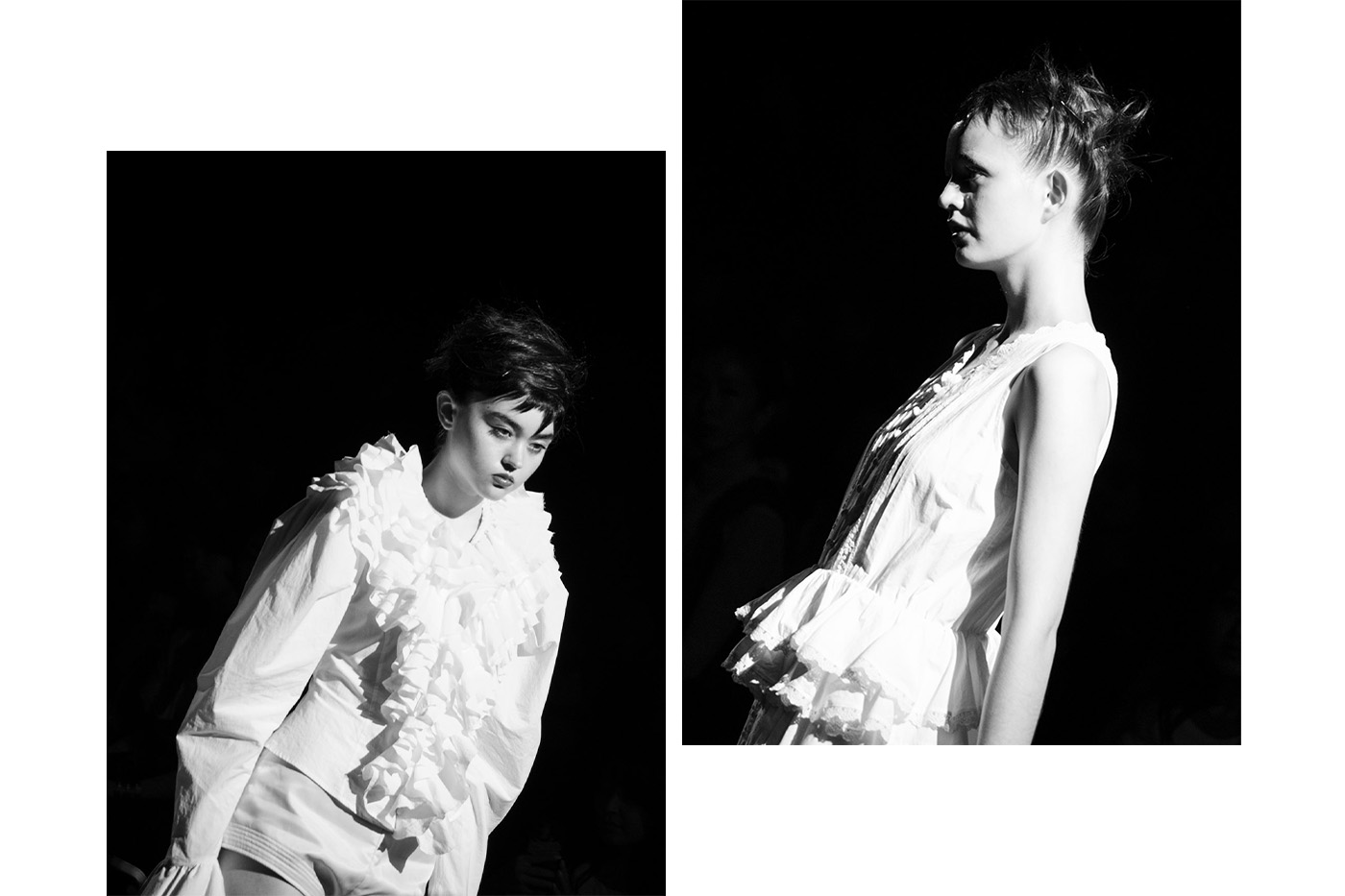
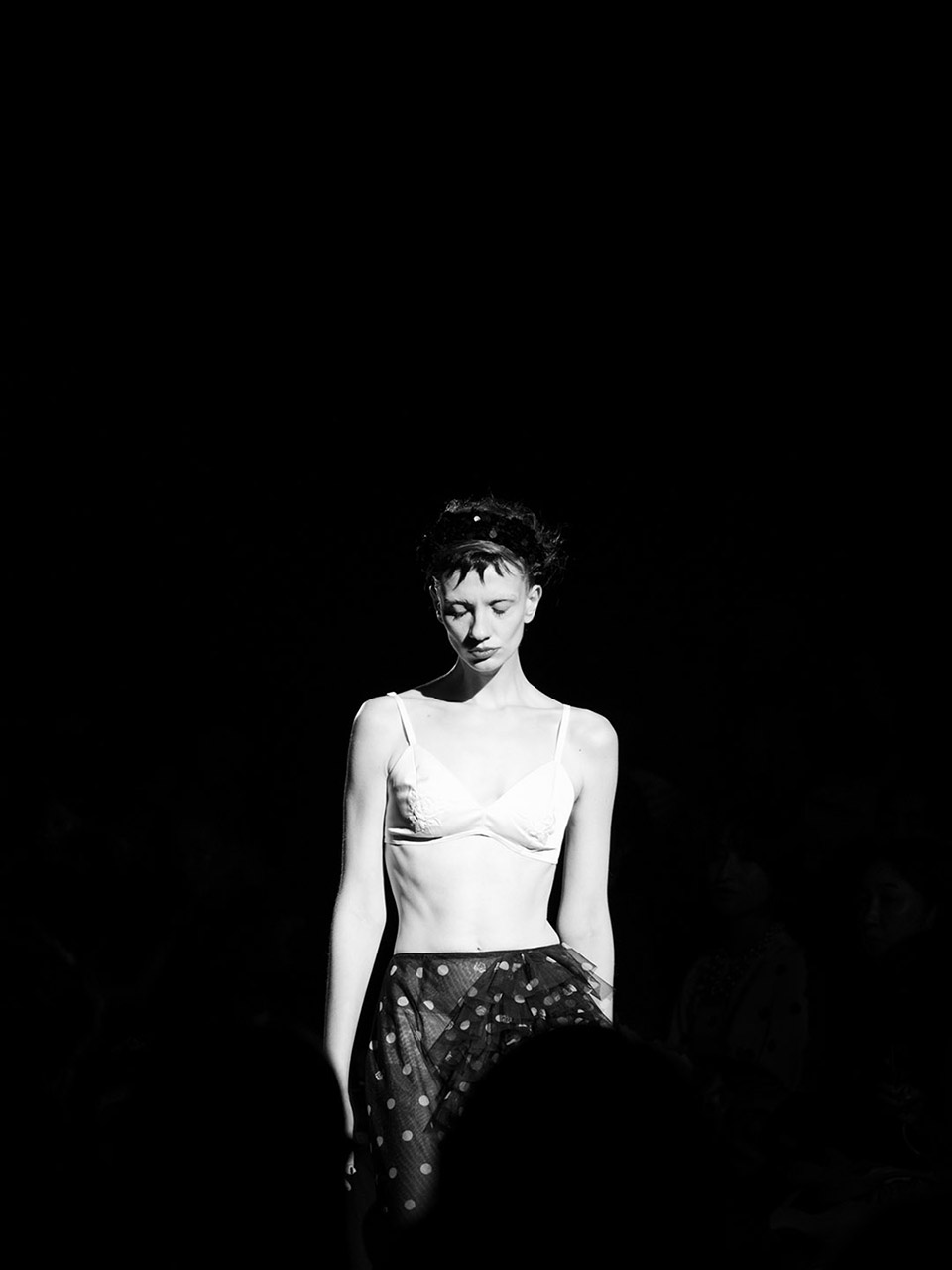
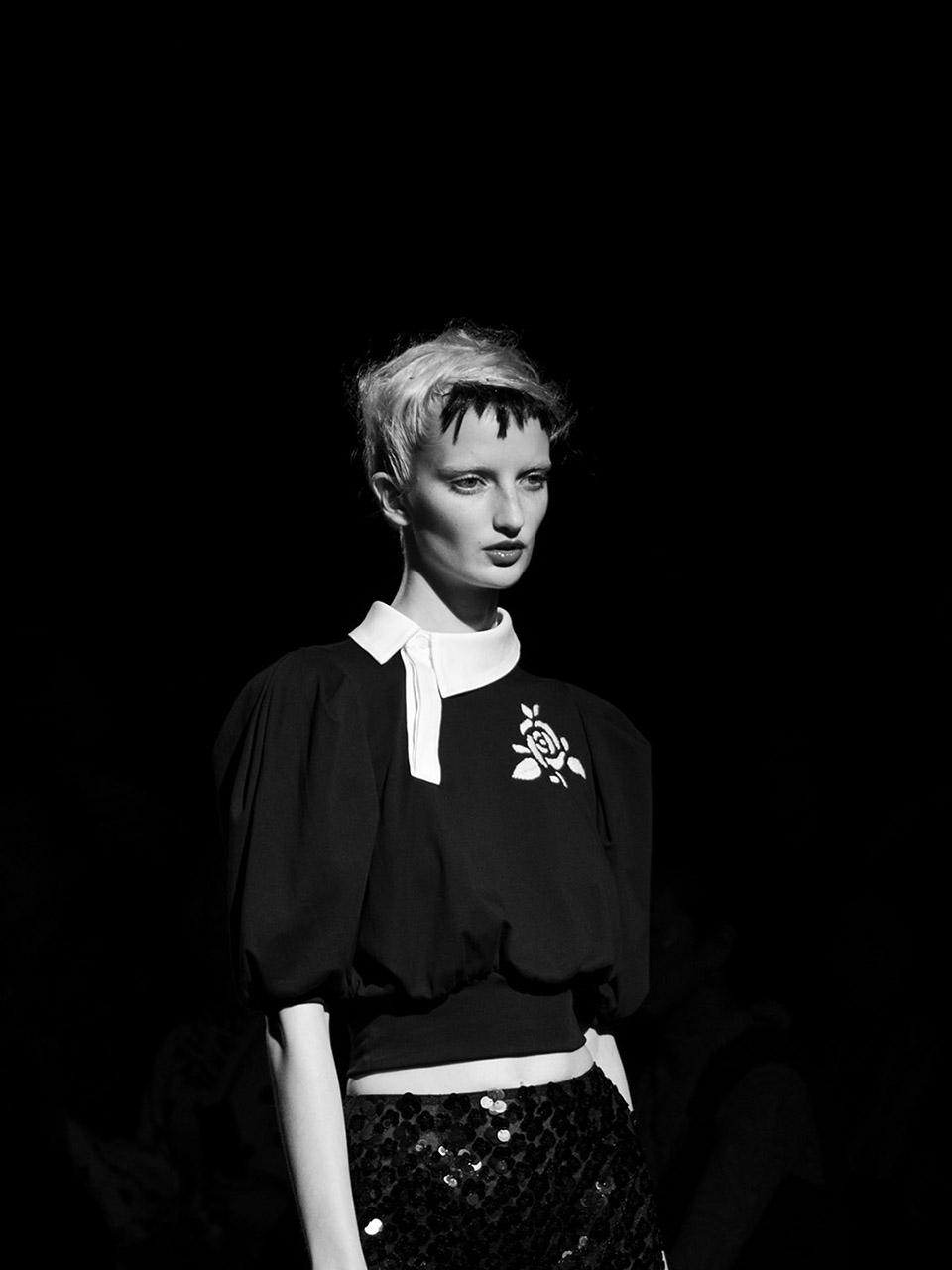
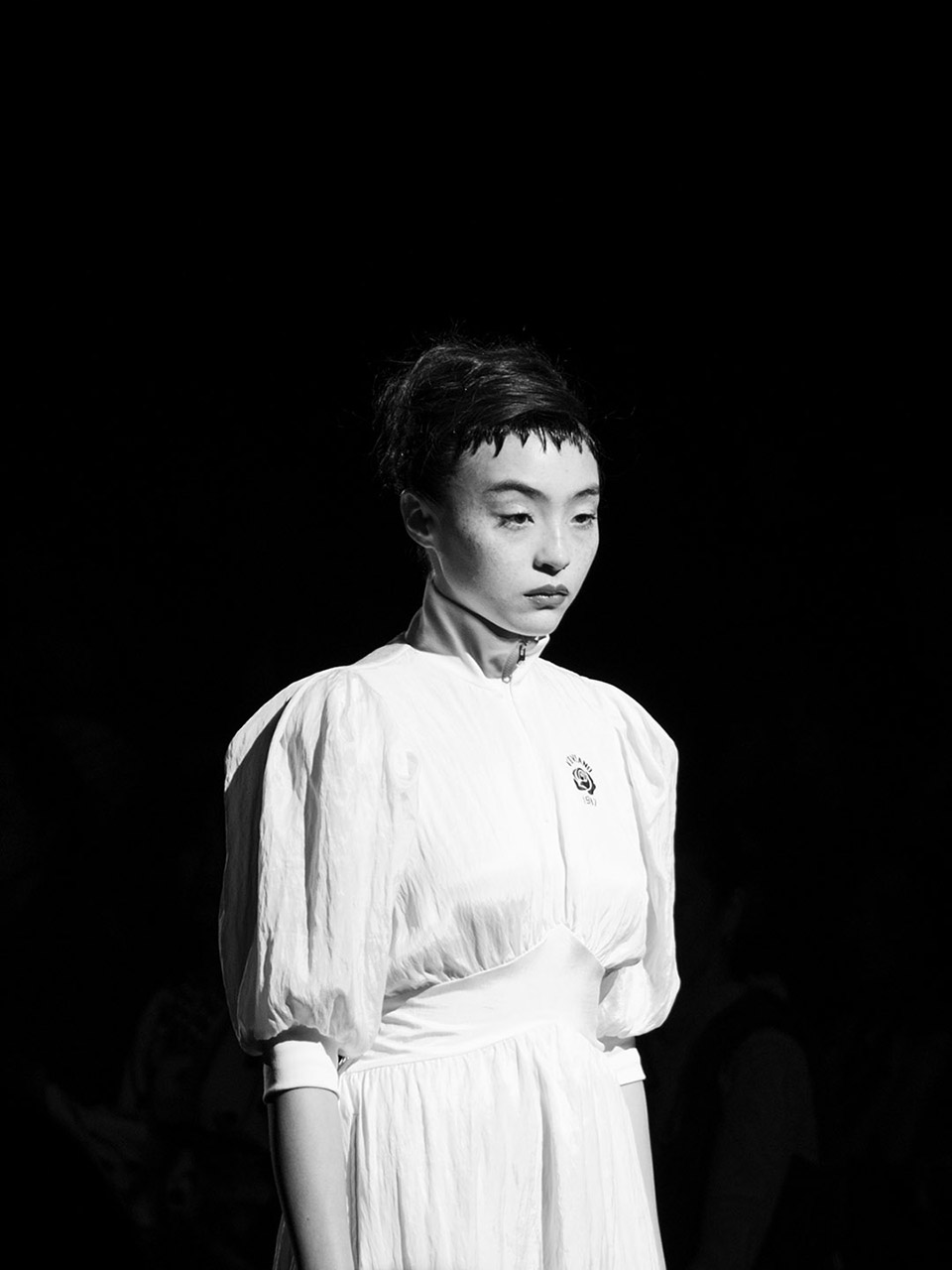
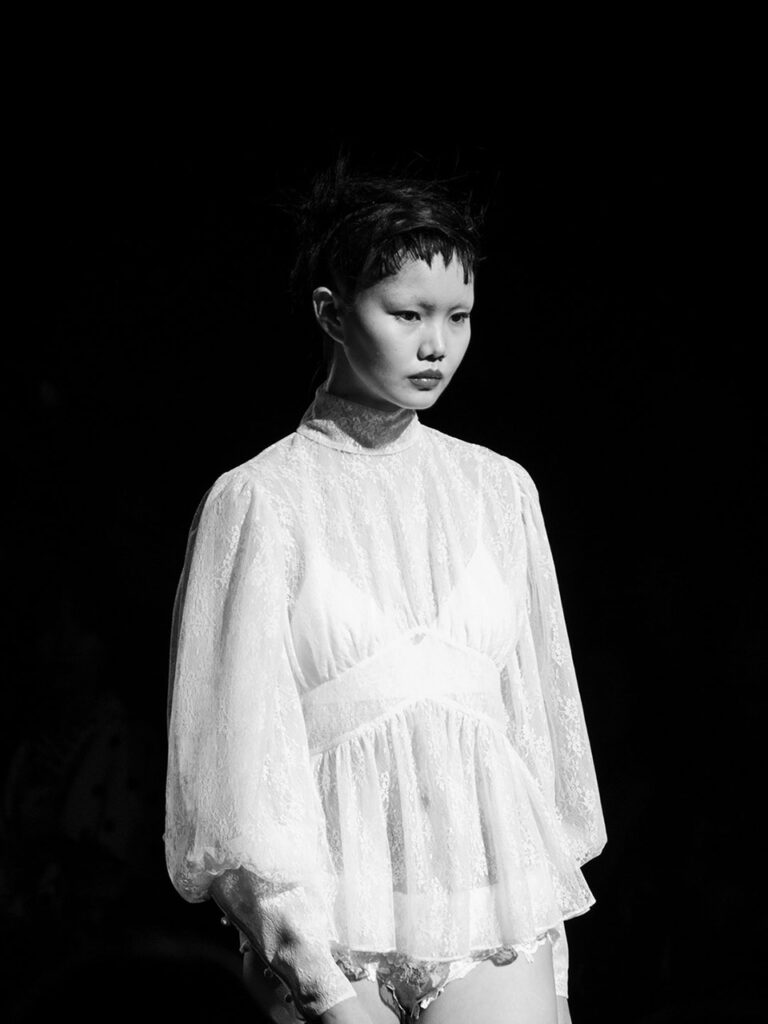
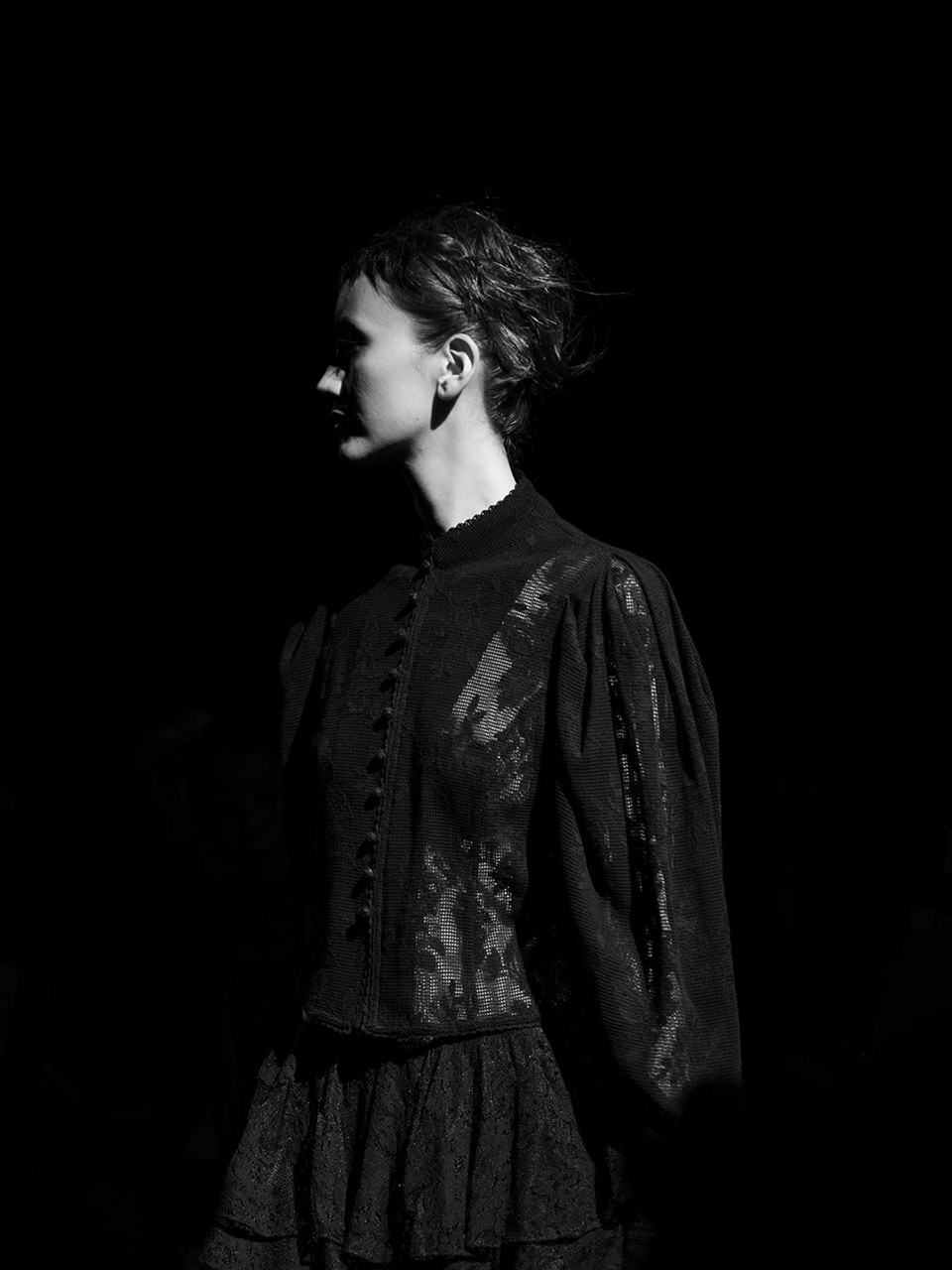
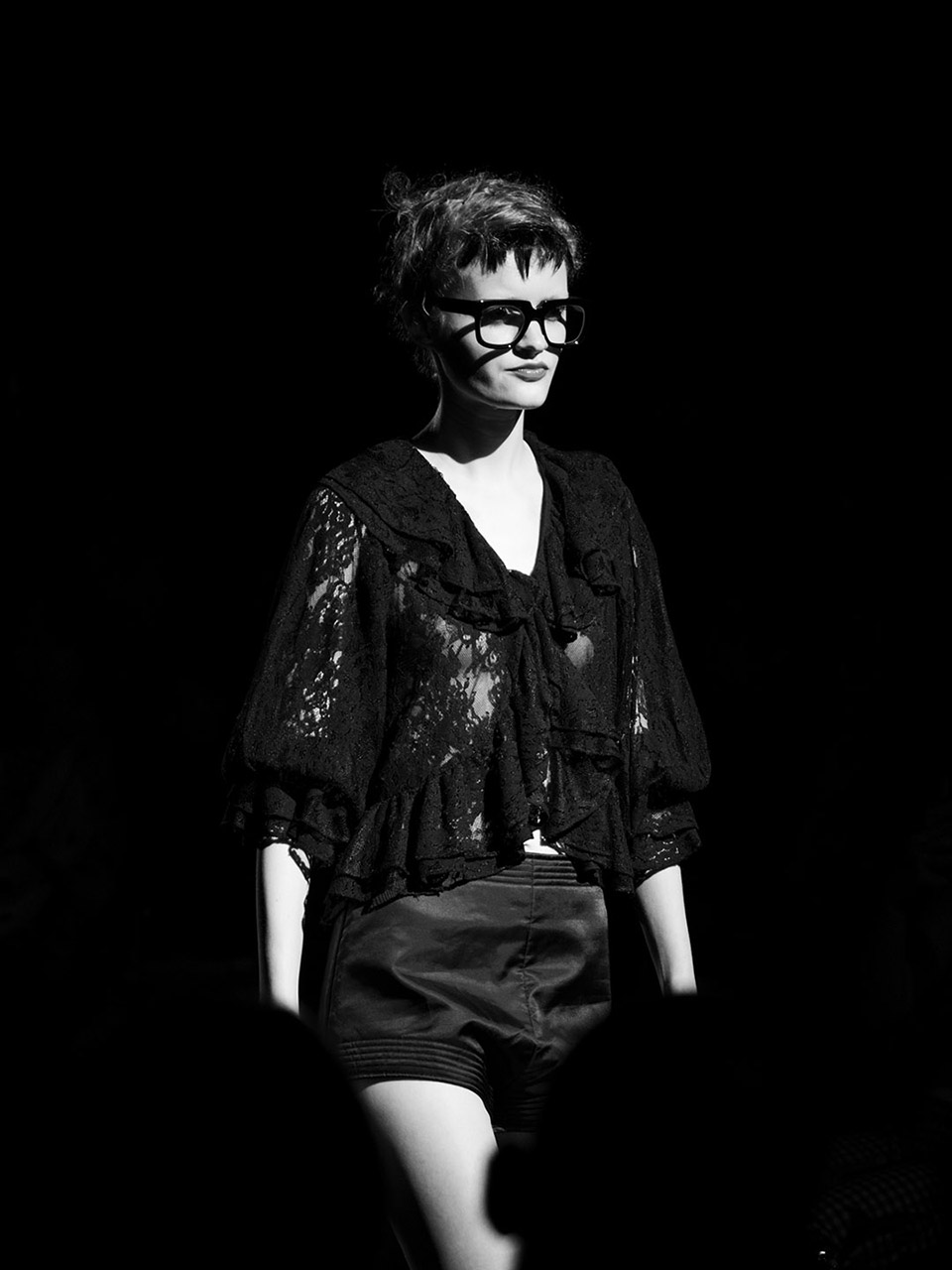
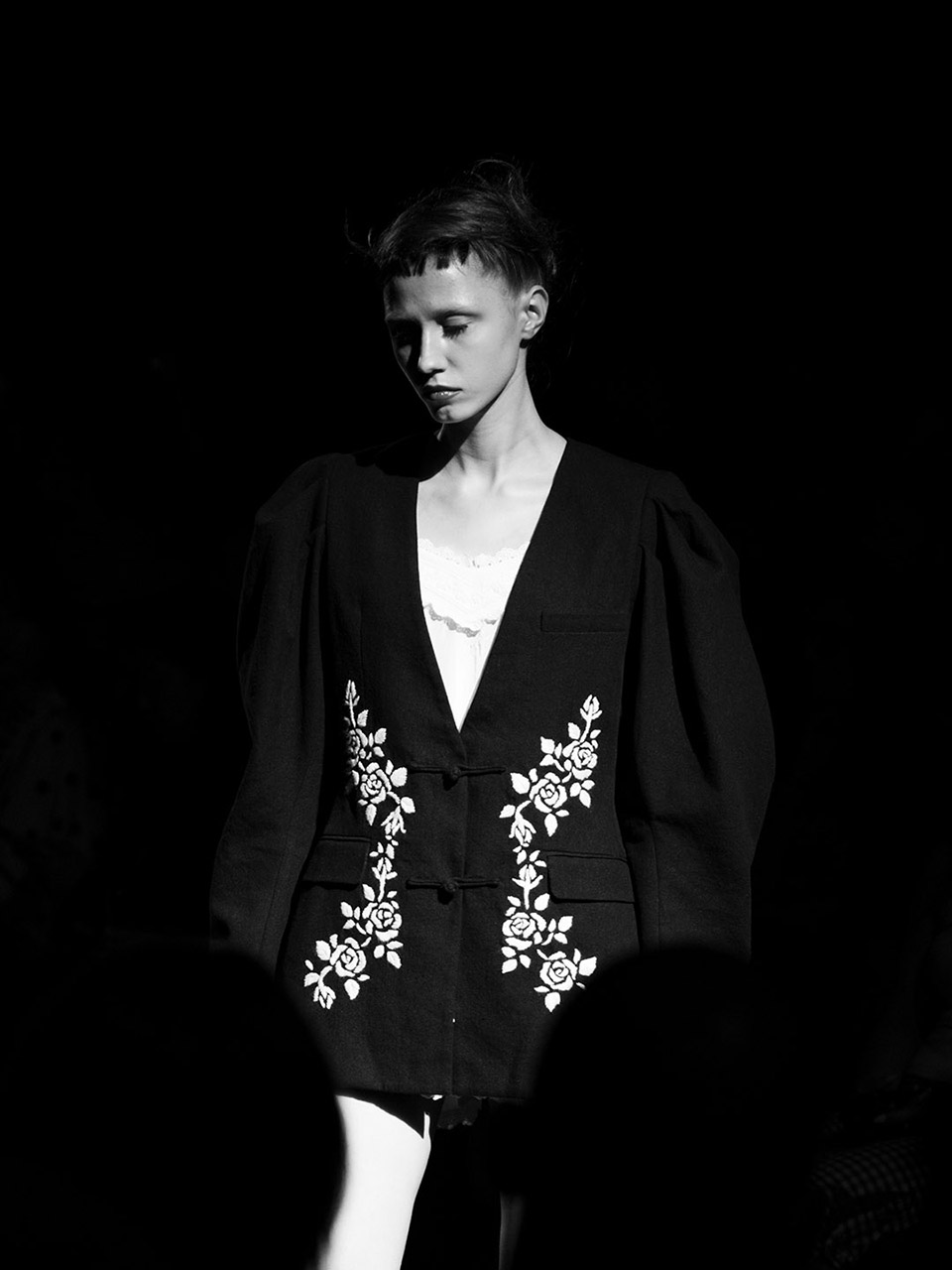
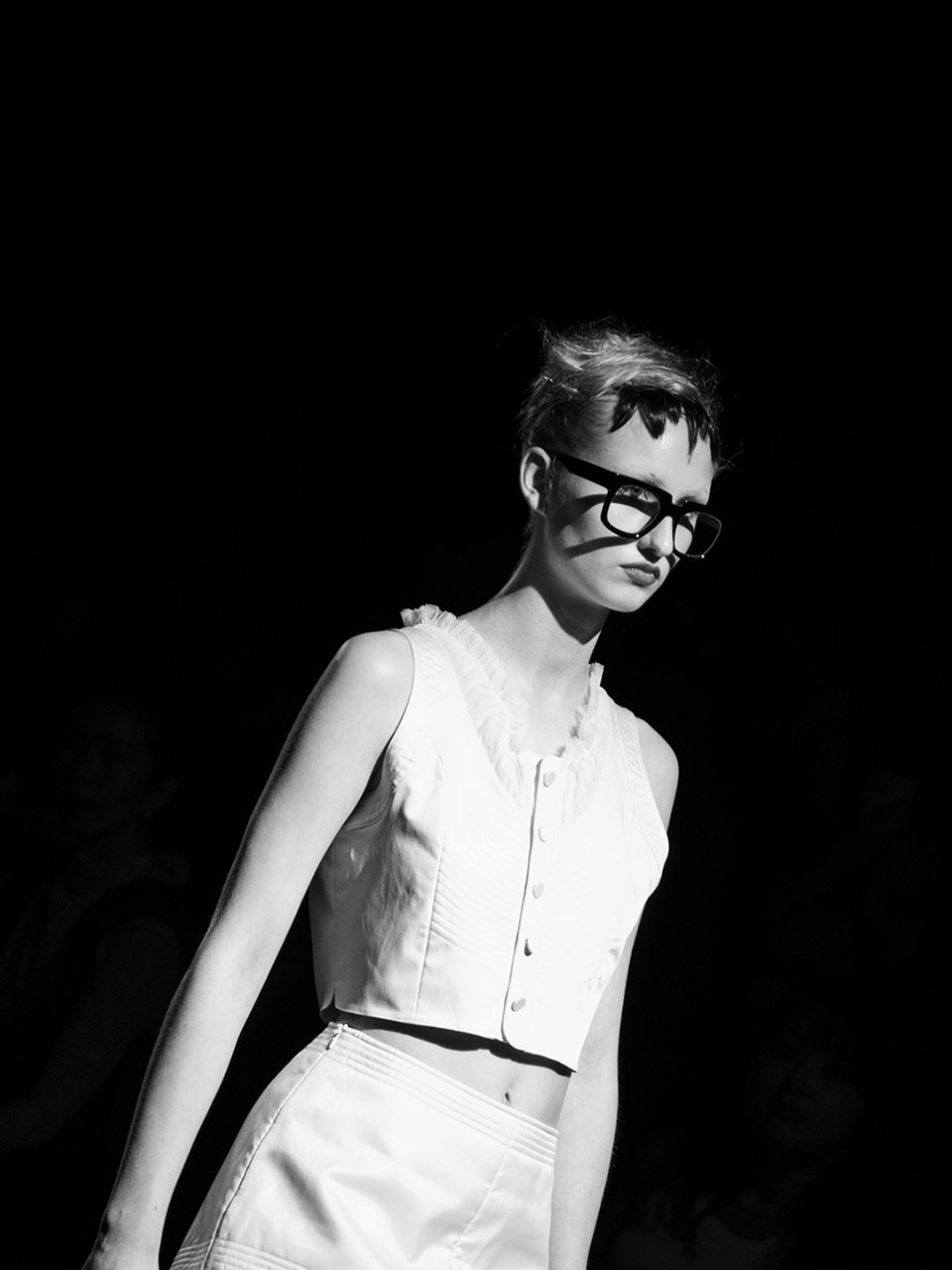
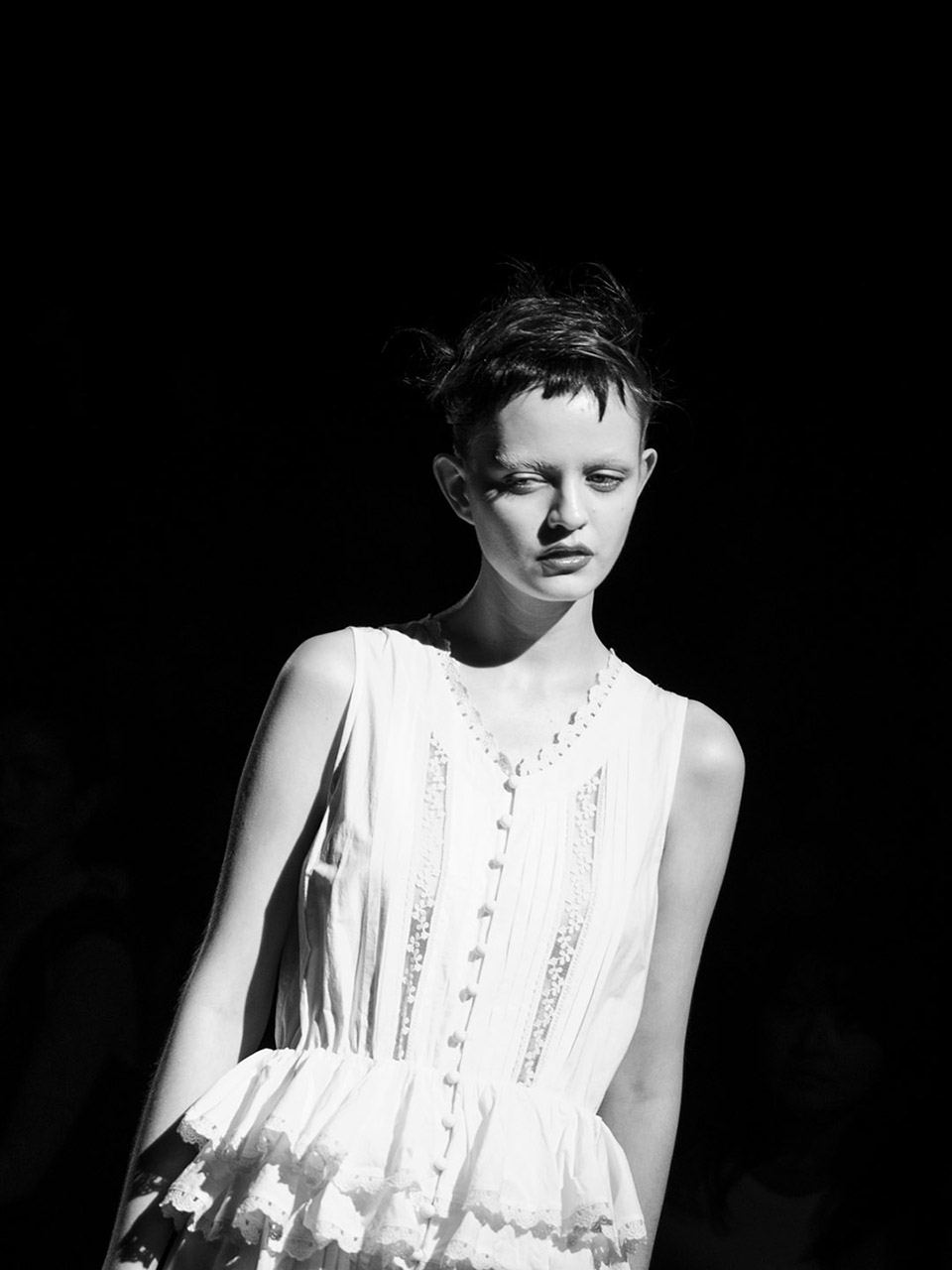
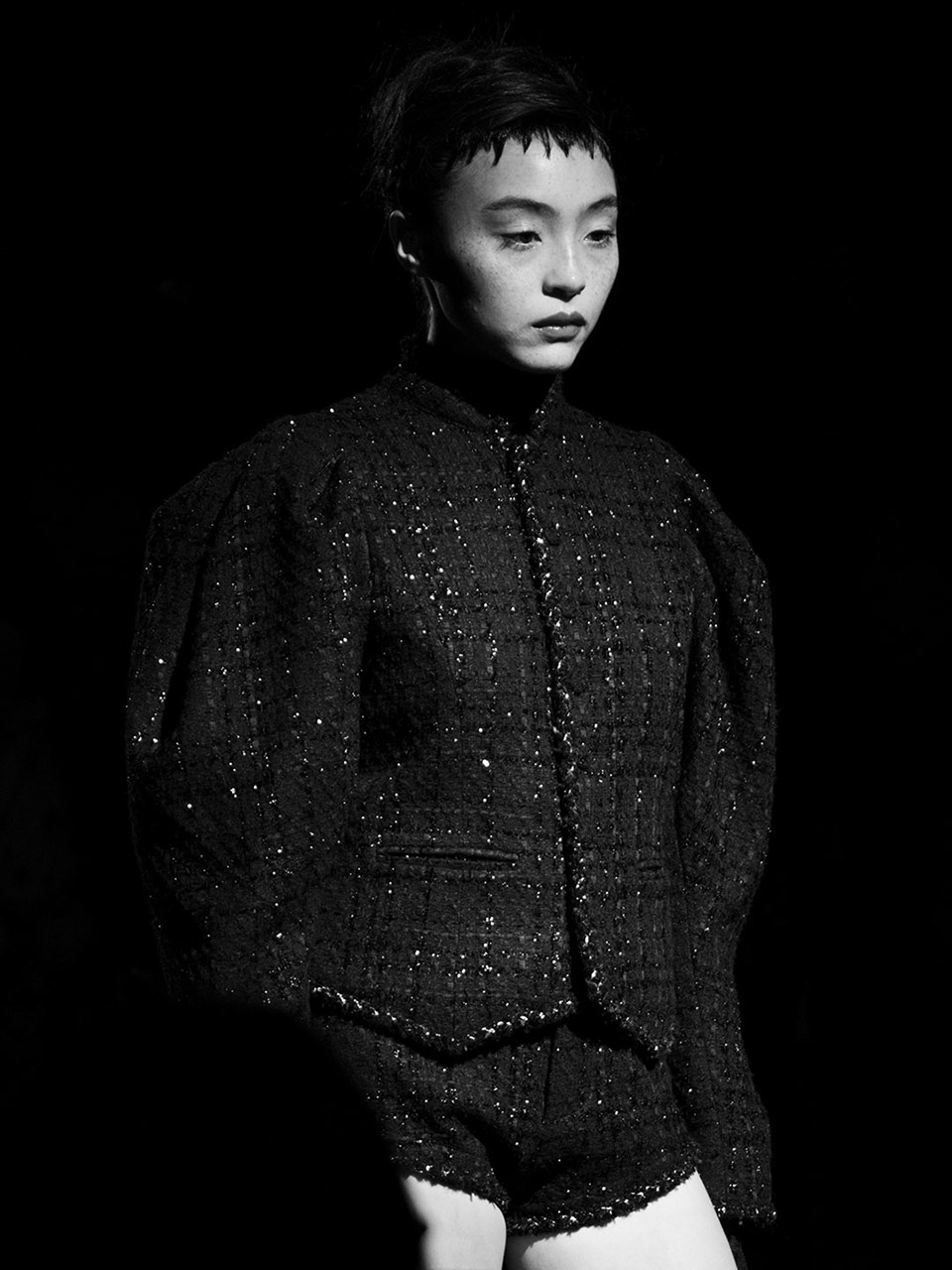
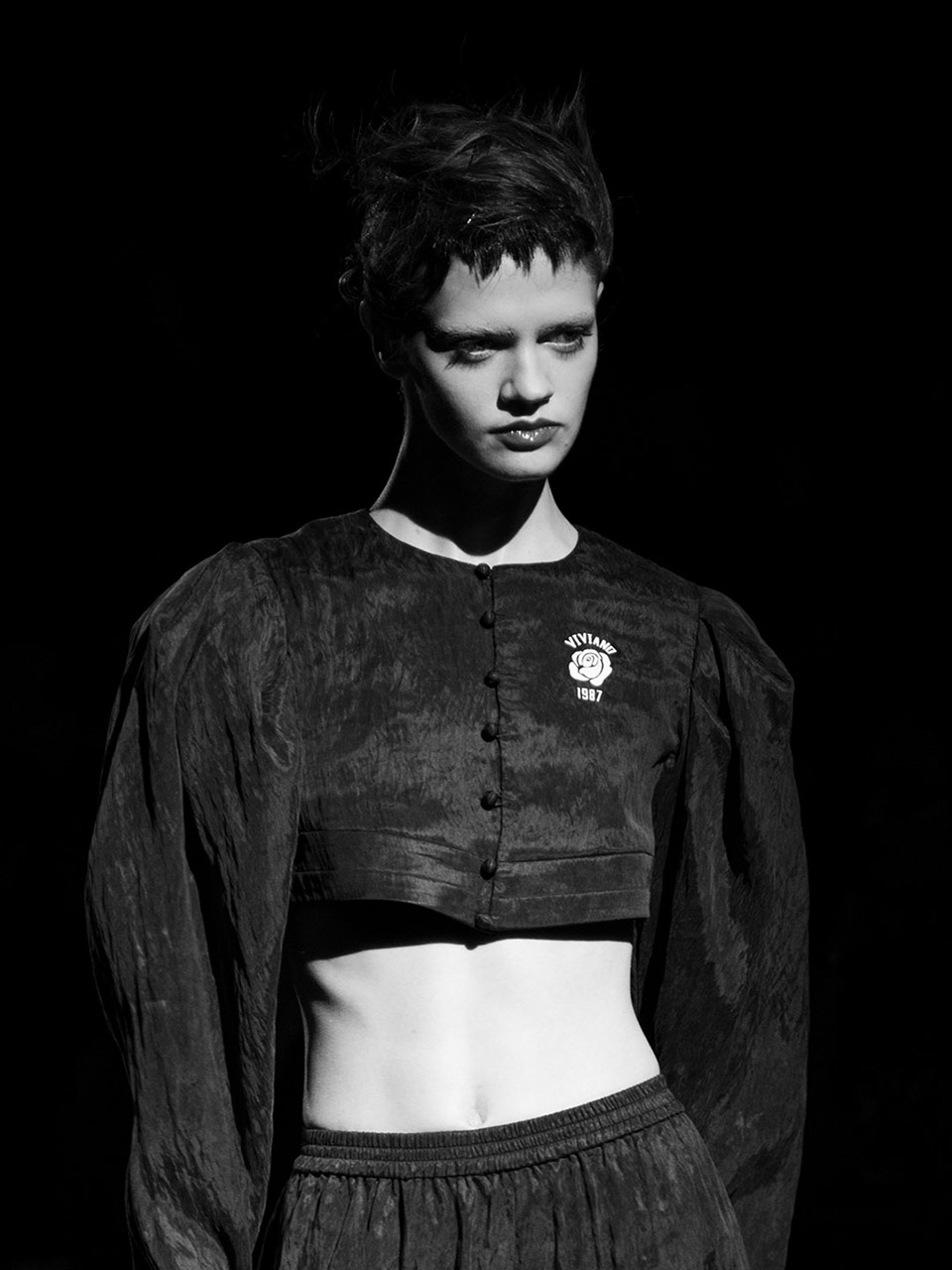
VIVIANO’s SS26 collection, Neo-Romanticism, shows how memory, craft, and cross-cultural influence remain relevant in an industry moving at breakneck speed. While his earlier work often channelled emotion through colour, this season strips the palette back to black and off-white, revealing a different kind of clarity. In the absence of colour, the bones of his design language surface, and his maximalism relies entirely on structure and textile, exposing the sharp technicality of his pattern-cutting. In this interview with ZOOT, designer Viviano Sue breaks down the contradictions, the chaos, and the craft that shape his world.
All photos courtesy VIVIANO
Interview Andrea Probosch
Layout and words Rita Vaz Baptista
Special thanks to Ash Smith at Lobby PR
Viviano Sue has built a distinct voice in Tokyo fashion through sculptural pattern-making, couture-informed construction, and a careful blending of Eastern and Western influences. His work balances technical precision with emotional depth, creating pieces that feel both meticulously crafted and unexpectedly expressive.
For SS26, he turns to Neo-Romanticism, a study in restraint, craft, and couture-adjacent detail that refuses to adhere to the fast paced rythem of the fashion industry. ZOOT spoke to Viviano Sue via email about chaos, construction, and why human-made things still matter. The full conversation is below, and it’s worth reading every word.
ZOOT: VIVIANO has become a distinctive voice in Tokyo fashion. How would you describe your brand’s essence for someone encountering it for the first time?
Viviano: Thank you for your kind words. If I were to sum it up in one sentence, it would be: “Romantic vintage aesthetics forged in chaos.”
ZOOT: Your work thrives on playful contradictions—fantasy vs. reality, theatricality vs. everyday wear. How did this whimsical ambiguity become central to your vision?
Viviano: Our brand theme is “Chaos in shimmer through the veil of order.” Drawing from cultural contexts, daily life, and reality, we bring together a multitude of colors and fabrics. At first glance, they may seem chaotic, but in fact they are meticulously reorganized with structure and intent. Humanity is forever caught between reality and ideals, contradictions that endlessly fascinate me. My work is essentially about exploring how opposing elements can be reconciled and transformed into compelling design.
ZOOT: You were born in China, grew up in the U.S., and now design in Tokyo. How do these diverse cultural influences shape your aesthetic and creative process?
Viviano: I was born in the United States to a Chinese father and spent my childhood moving between China and the U.S. After university, I came to Japan on my own to study fashion and begin this journey. Growing up, I was fortunate to experience diverse cultures and artistic worlds. When I design, I don’t consciously think about “Eastern” or “Western” influences—it’s something that naturally surfaces rather than something I deliberately insert.
ZOOT: Tulle is such a signature of your collections—what continues to draw you to this fabric?
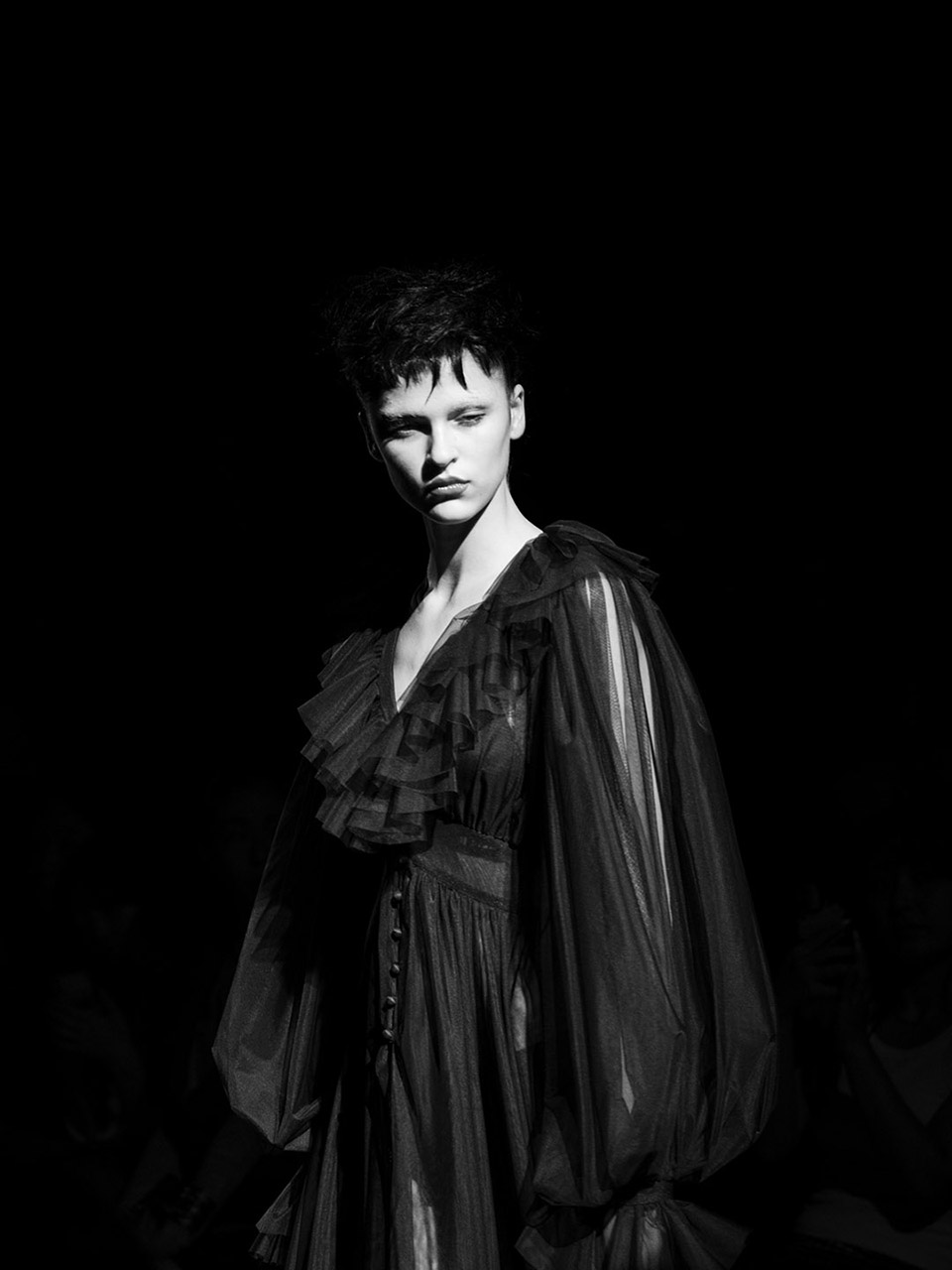
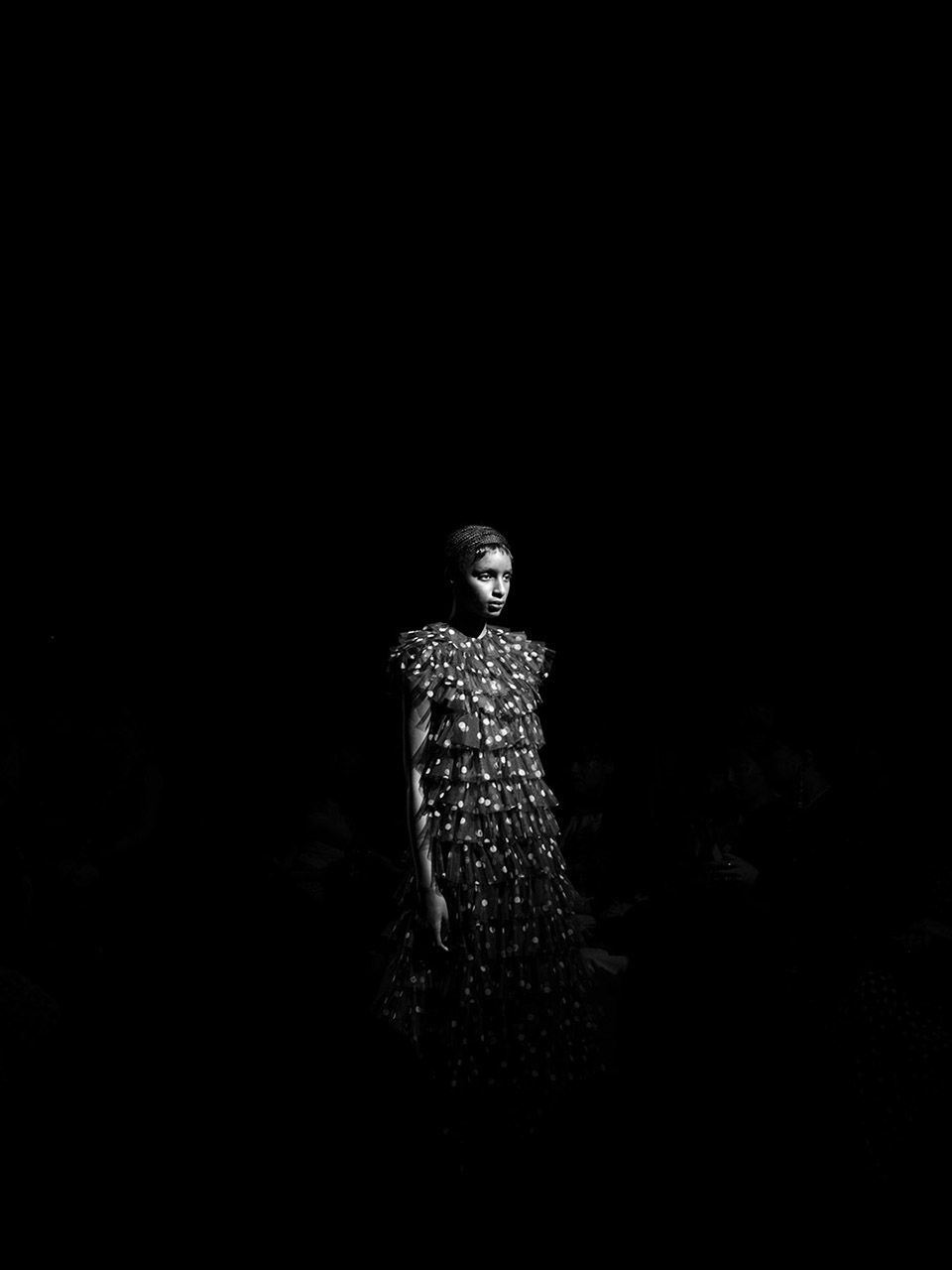
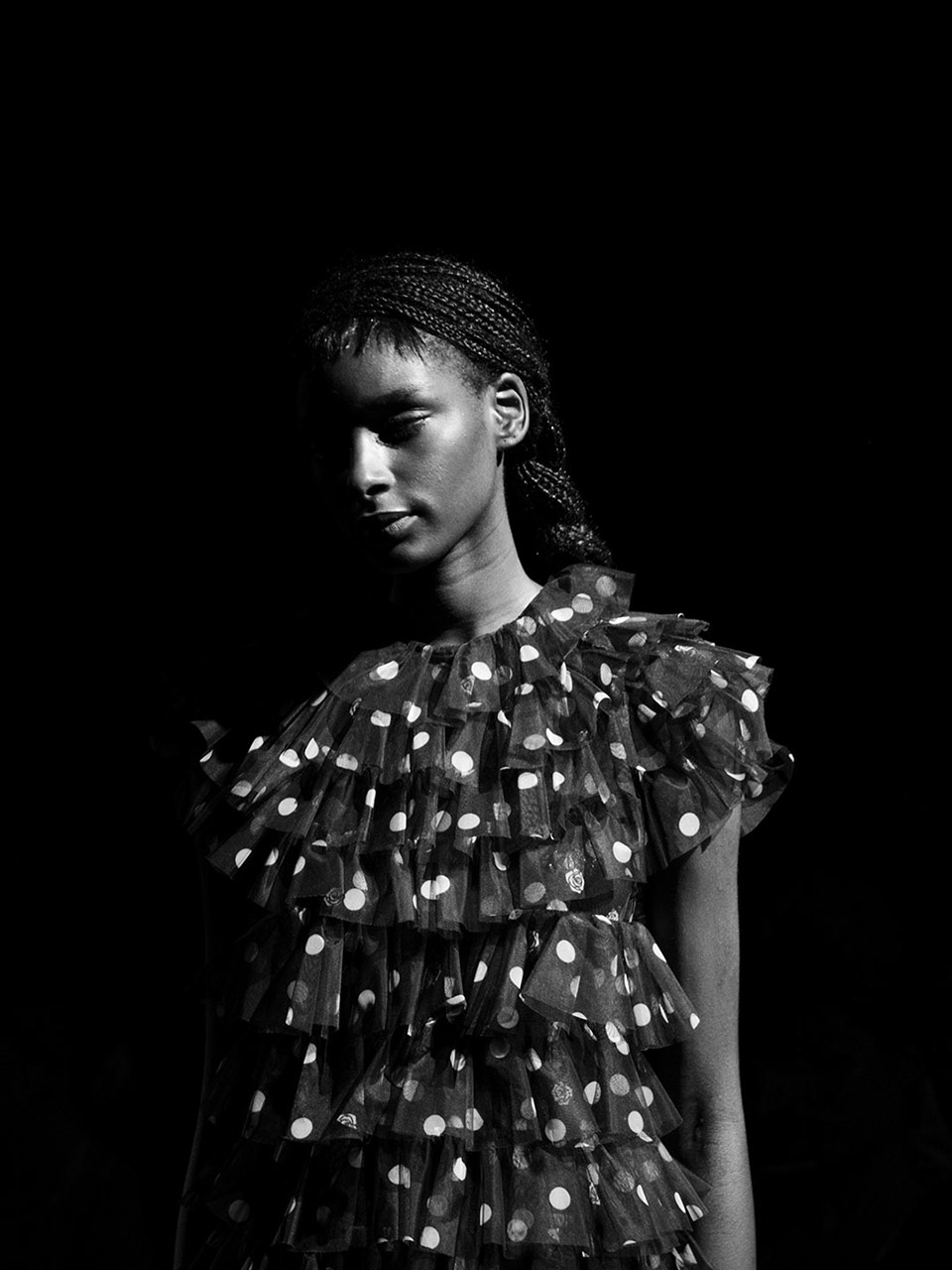
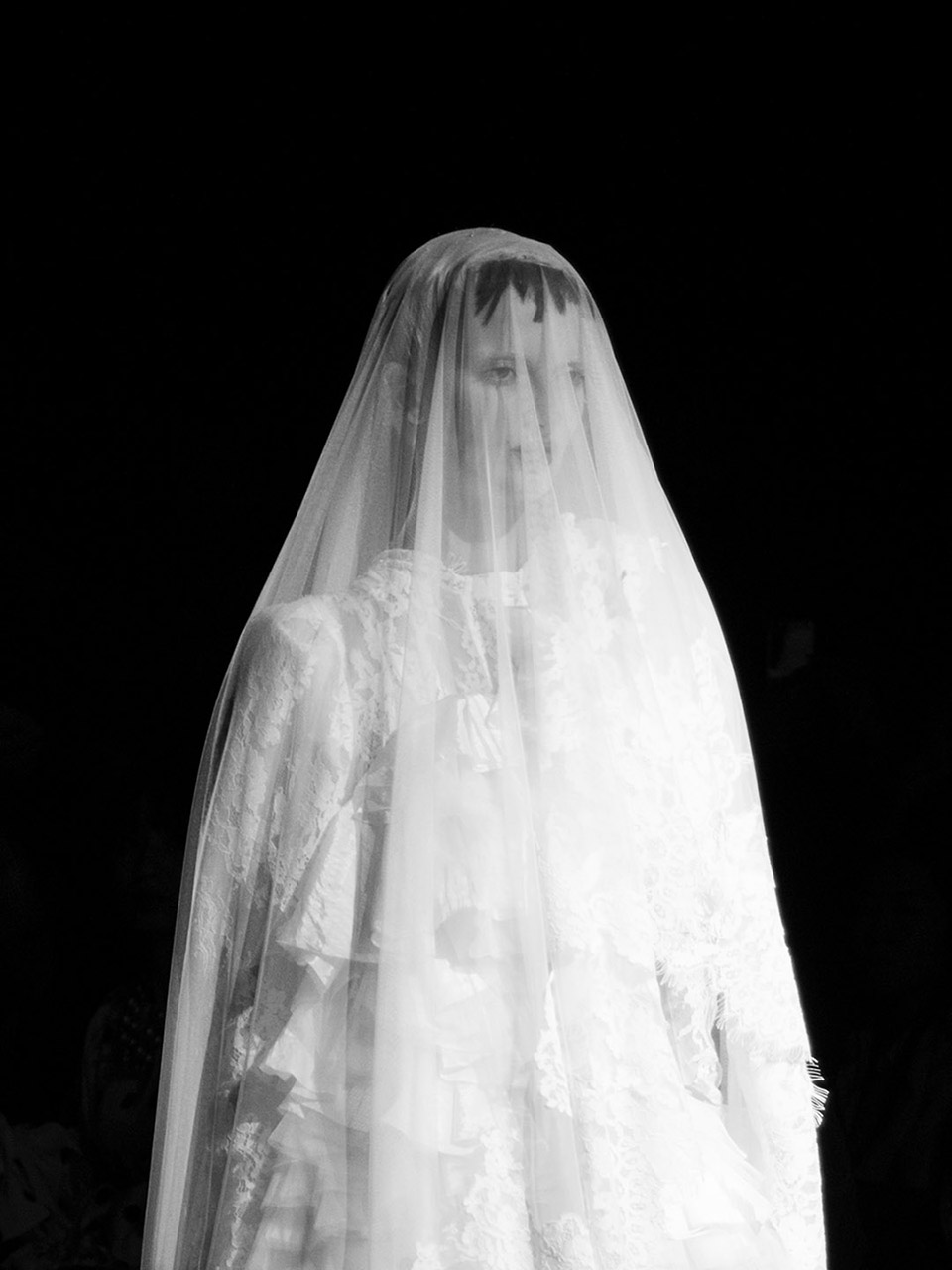
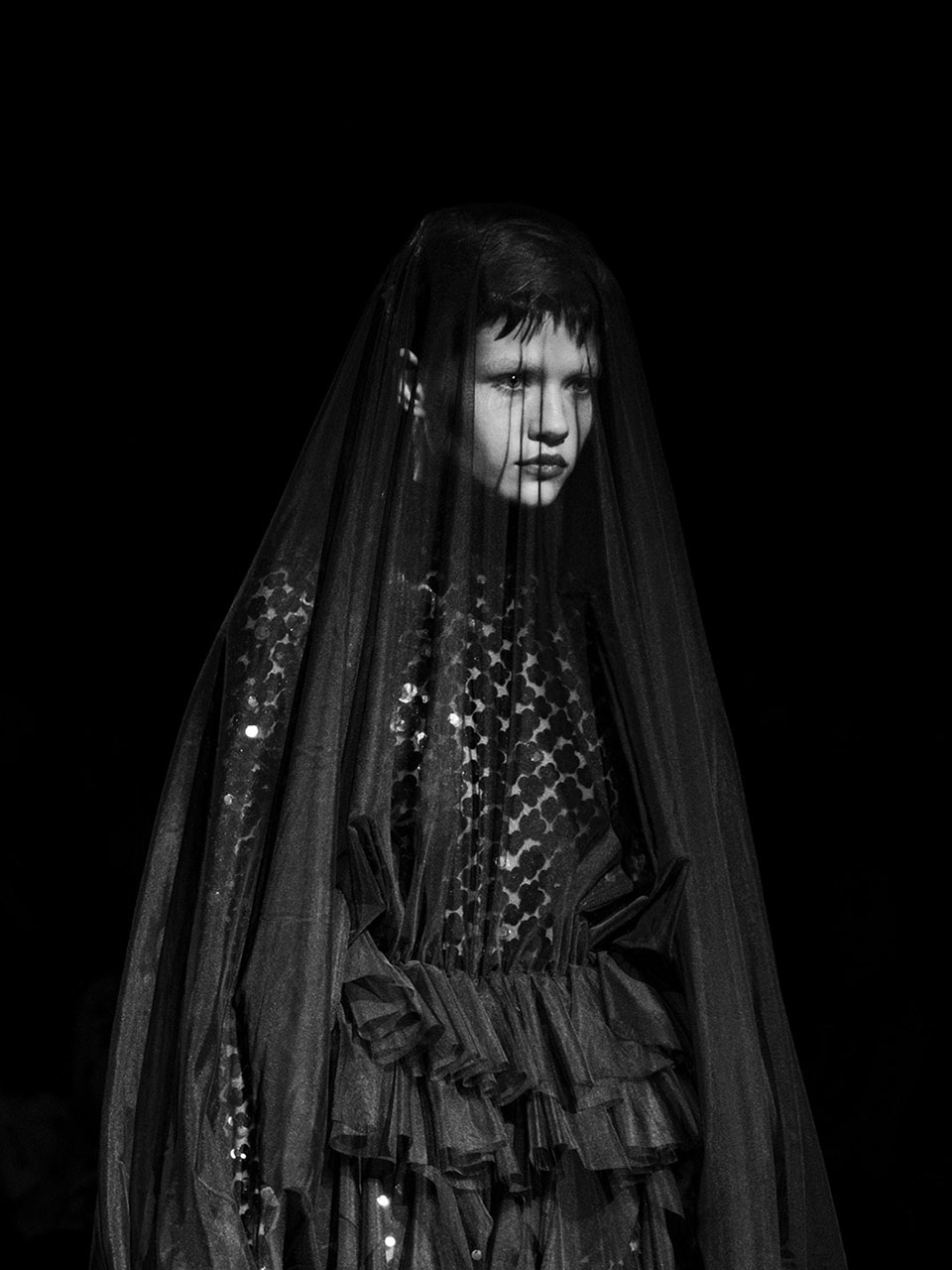
Viviano: While tulle remains one of my favorite materials, it is no longer the defining fabric of the brand. I have always loved gowns—ever since being inspired by McQueen and Galliano—and tulle has traditionally been a key element in them. In our SS2026 season, however, I explored a wider range of couture-like fabrics such as moiré, lace, and fine wool. What intrigues me is not tulle itself, but the challenge of translating the delicacy of haute couture into pieces that uplift daily life through wearability.
ZOOT: Your work thrives on playful contradictions—fantasy vs. reality, theatricality vs. everyday wear. How did this whimsical ambiguity become central to your vision?
Viviano: Our brand theme is “Chaos in shimmer through the veil of order.” Drawing from cultural contexts, daily life, and reality, we bring together a multitude of colors and fabrics. At first glance, they may seem chaotic, but in fact they are meticulously reorganized with structure and intent. Humanity is forever caught between reality and ideals, contradictions that endlessly fascinate me. My work is essentially about exploring how opposing elements can be reconciled and transformed into compelling design.
ZOOT: Tulle is such a signature of your collections—what continues to draw you to this fabric?
Viviano: While tulle remains one of my favorite materials, it is no longer the defining fabric of the brand. I have always loved gowns—ever since being inspired by McQueen and Galliano—and tulle has traditionally been a key element in them. In our SS2026 season, however, I explored a wider range of couture-like fabrics such as moiré, lace, and fine wool. What intrigues me is not tulle itself, but the challenge of translating the delicacy of haute couture into pieces that uplift daily life through wearability.
ZOOT: Your silhouettes—sculptural yet joyous—find a balance between drama and wearability. How do you achieve that tension?
Viviano: I draft all patterns myself, as this is the most direct way to translate imagination into form. Every design begins with an idea, and the next step is always to determine how to construct it. My knowledge of pattern-making and three-dimensional cutting is my strongest tool in creating this tension.

ZOOT: Your silhouettes—sculptural yet joyous—find a balance between drama and wearability. How do you achieve that tension?
Viviano: I draft all patterns myself, as this is the most direct way to translate imagination into form. Every design begins with an idea, and the next step is always to determine how to construct it. My knowledge of pattern-making and three-dimensional cutting is my strongest tool in creating this tension.


ZOOT: You’ve cited Rei Kawakubo as an inspiration. Many associate Tokyo’s avant-garde with Comme des Garçons—do you see your work as part of that lineage, or something distinct?
Viviano: She has inspired countless designers, myself included. The way she disrupts and challenges fashion left a lasting impact on me. I was fortunate to attend a Comme show in Paris, and the visceral experience is unforgettable. I do feel we share a rebellious spirit—rejecting the mainstream, embracing refinement in an age of speed and mass production. Still, I believe our brand carries its own distinct cultural background and aesthetic voice.
ZOOT: Your designs often blur gender boundaries. How does fluidity factor into your creative language?
Viviano: I never consciously consider gender when designing. Fashion, to me, is not defined by such boundaries. While we have both menswear and womenswear lines, this division exists mainly to help buyers and audiences navigate the collections. Within menswear, there is softness; within womenswear, strength. They don’t interfere with each other but instead enrich the whole.
ZOOT: Digital culture—from gaming aesthetics to social media—shapes how people imagine identity. Does that influence your design vision?
Viviano: The internet is a powerful tool for sharing our work, though it also leaves less time for reflection. With AI advancing rapidly, I often wonder: if machines can replace so much, what remains of humanity? I believe what endures are creations born from human hands—things machines cannot replicate—just like haute couture of the past.
ZOOT: Your shows feel theatrical and immersive—do you consider them extensions of the collection, or standalone artworks?
Viviano: The shows are carefully designed to reflect each season’s theme and create an immersive experience. Within limited resources, every team member contributes their fullest imagination, making the show a collective artwork.
ZOOT: How does VIVIANO address sustainability and ethical considerations in its design and production processes?
Viviano: Our philosophy is to create timeless garments that can be preserved for the future. In line with this, we oppose mass production and consumption. We use recycled fibers and carefully chosen fabrics so our garments can be enjoyed and maintained for a long time.
ZOOT: Tokyo is all about tradition meets futurism, restraint meets boldness. How does the city influence the world of VIVIANO?
Viviano: Tokyo is a city of contradictions and chaos. Living here has given me fresh perspectives: while it keeps pace with rapid change, it also holds deep respect for tradition and history. This balance has been a profound source of inspiration.


ZOOT: Your use of color is often daring and emotionally resonant. What kinds of emotions or ideas do you aim to evoke through your palettes, and why did you decide to use only black and white for SS26?
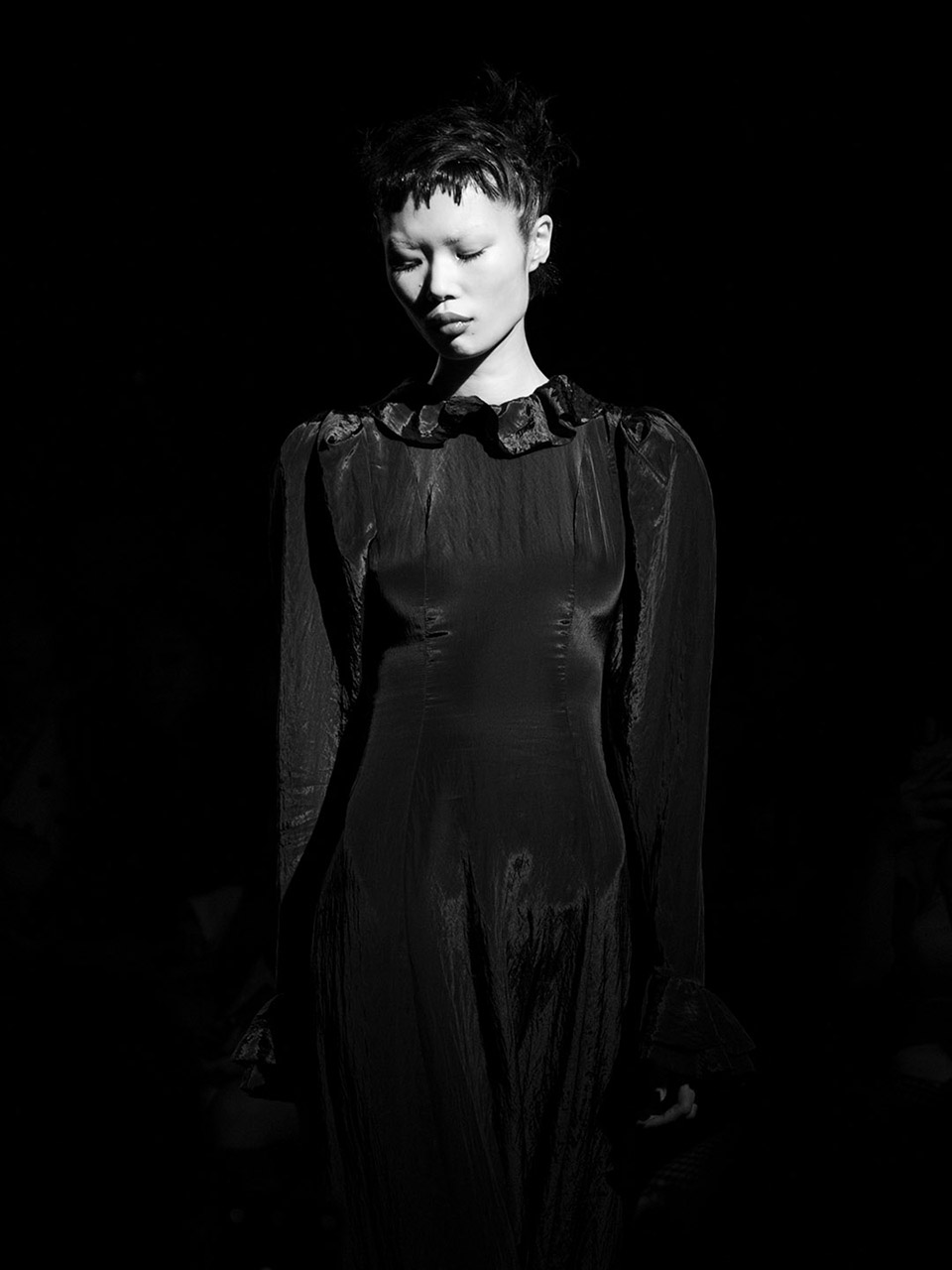
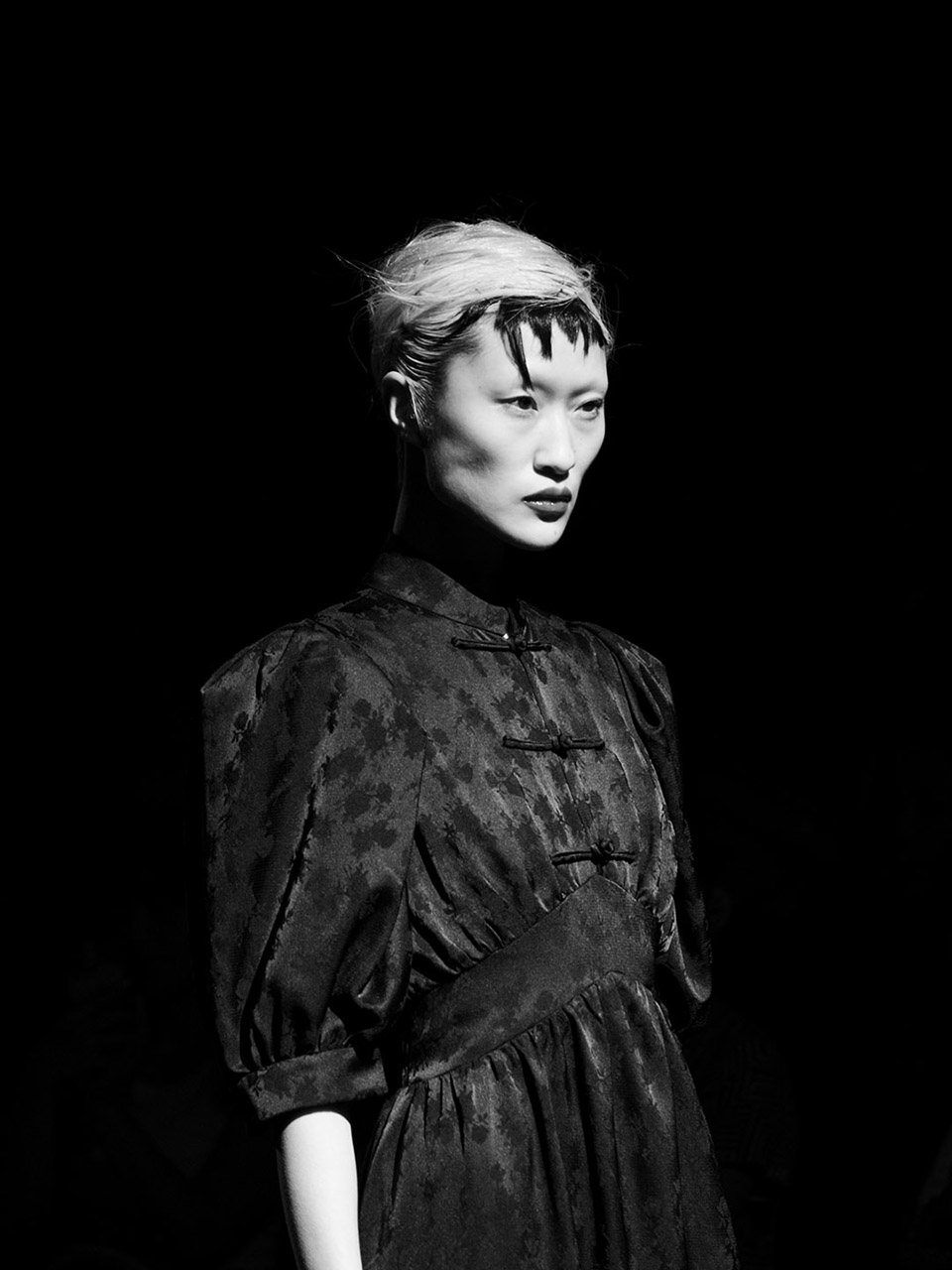
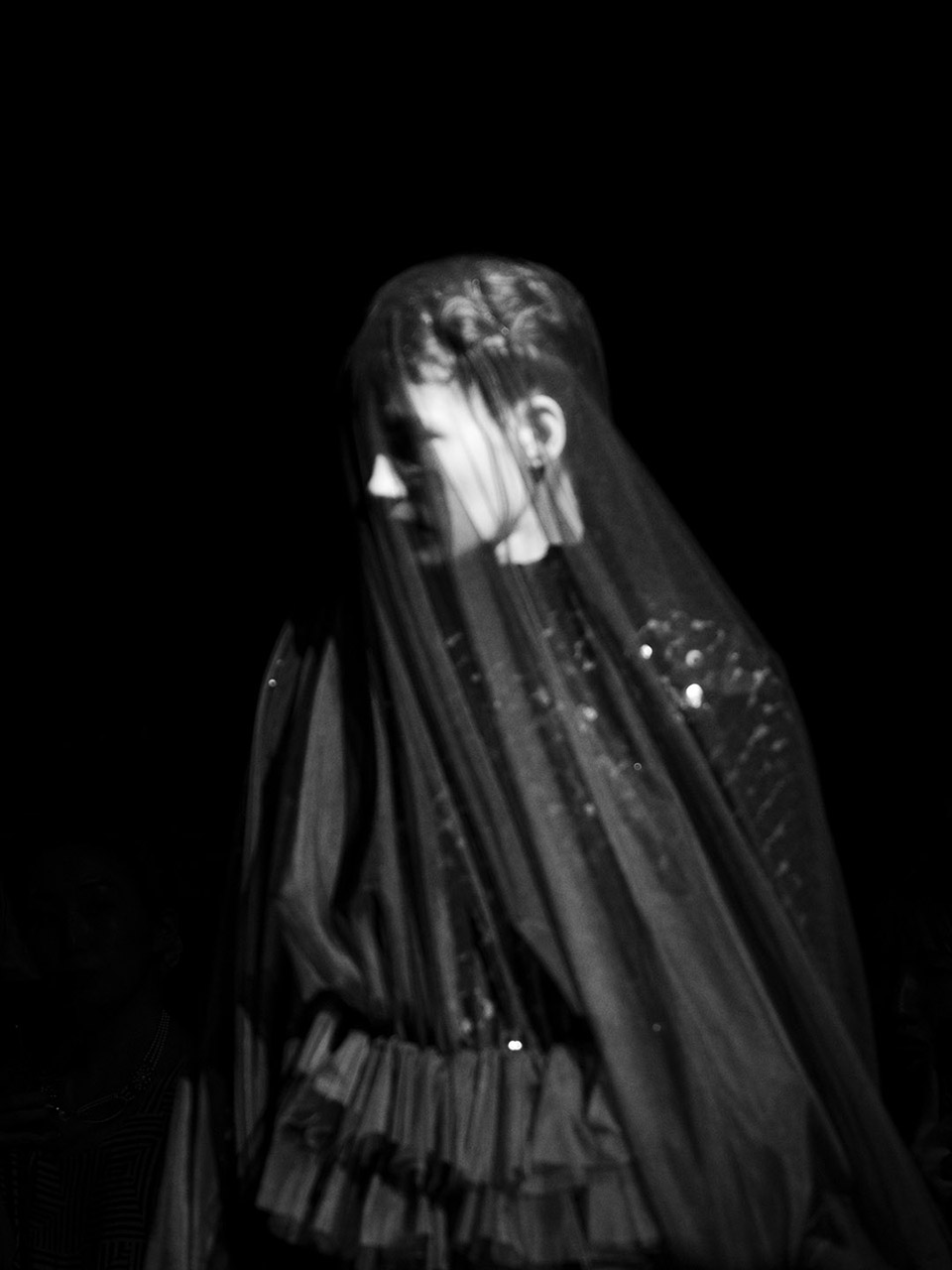
Viviano: Color is often my most direct expression of emotion—conflict, joy, anger. I hope people can sense our intent through the palettes we choose. For SS2026, however, we stripped away one of the brand’s most iconic elements. The collection is built on black and layered shades of off-white, using nearly 20 different fabrics to create depth and texture. Without color, focus shifts to craftsmanship and detail.

ZOOT: In today’s world—amid social movements, climate concerns, and shifting values—how do you see your role as a designer evolving, and who or what is inspiring you or concerning you now, inside fashion or beyond it?
Viviano: This is a complex question. The world is shifting rapidly, inevitably influencing our industry. Fashion may not be “essential,” but it brings as much joy and spirit as any other field. The saying “people are defined by what they wear”reflects its significance. Recently, I’ve noticed how design is sometimes overshadowed by consumption—of garments, of ideas. My concern is whether people will continue to value each creation. One unforgettable moment for me was Galliano’s final haute couture show at Maison Margiela—its ideas, craftsmanship, and garments remain timeless.

To boot…
VIVIANO
www.vivianostudio.com I @vivianostudio
PR @lobby.pr
All photos courtasy VIVIANO.
SHOW CREDITS
Show Direction: Shige Kaneko
Stylist: Mana Yamamoto
Hair: Asashi
Make-up: Asami Taguchi
Manicurist: Moeko Nakamura
Casting: Daisuke Shimana
Music: Yu Miyashita