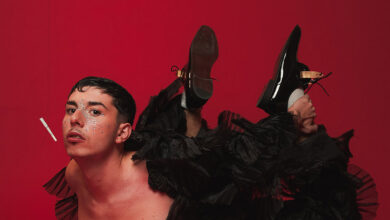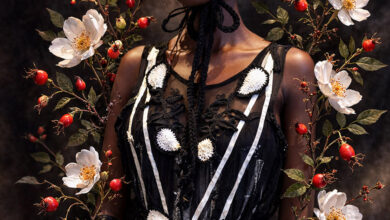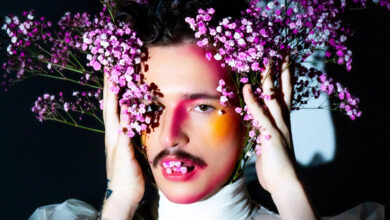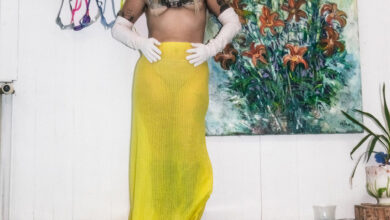
Introducing Alexandra
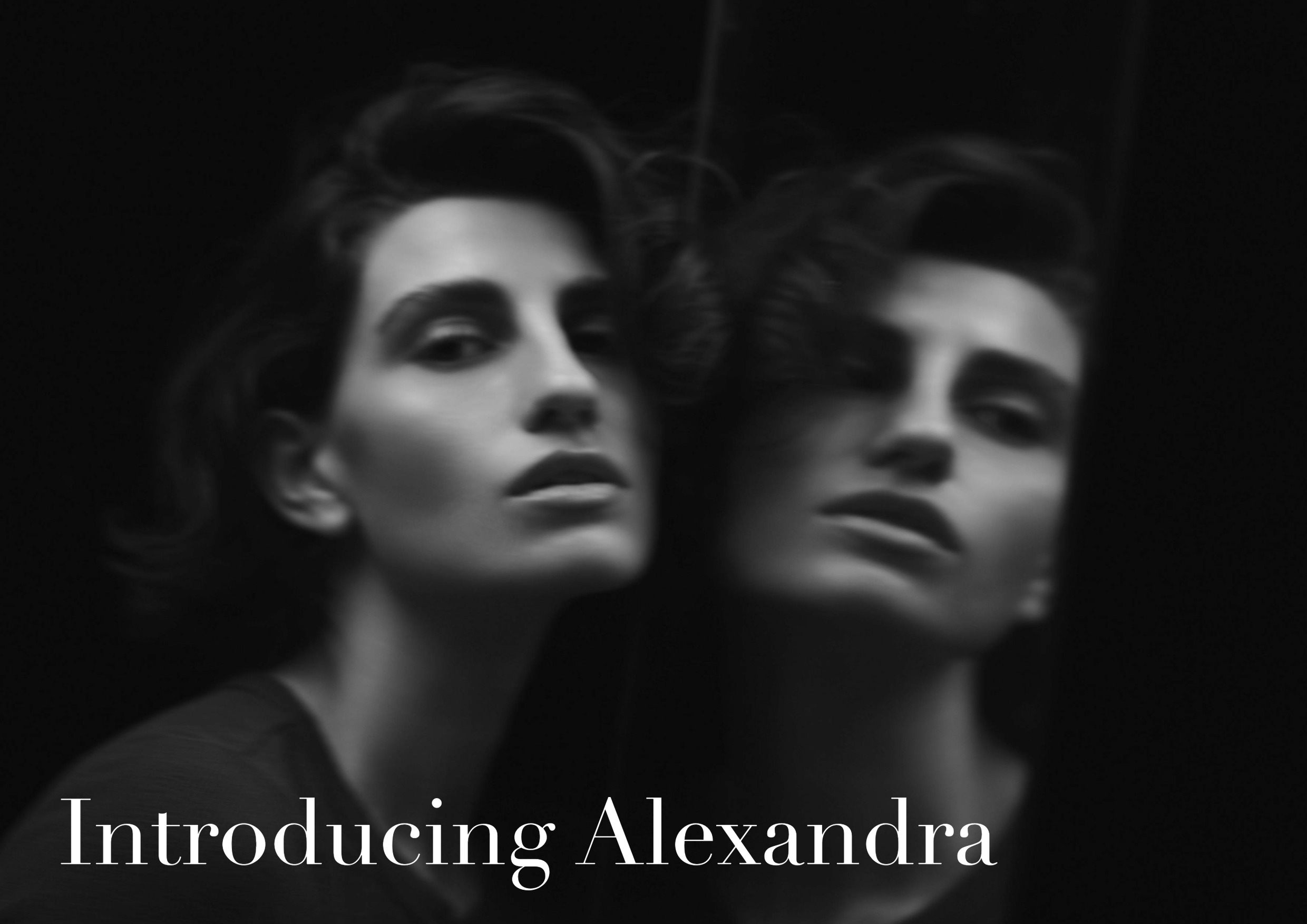
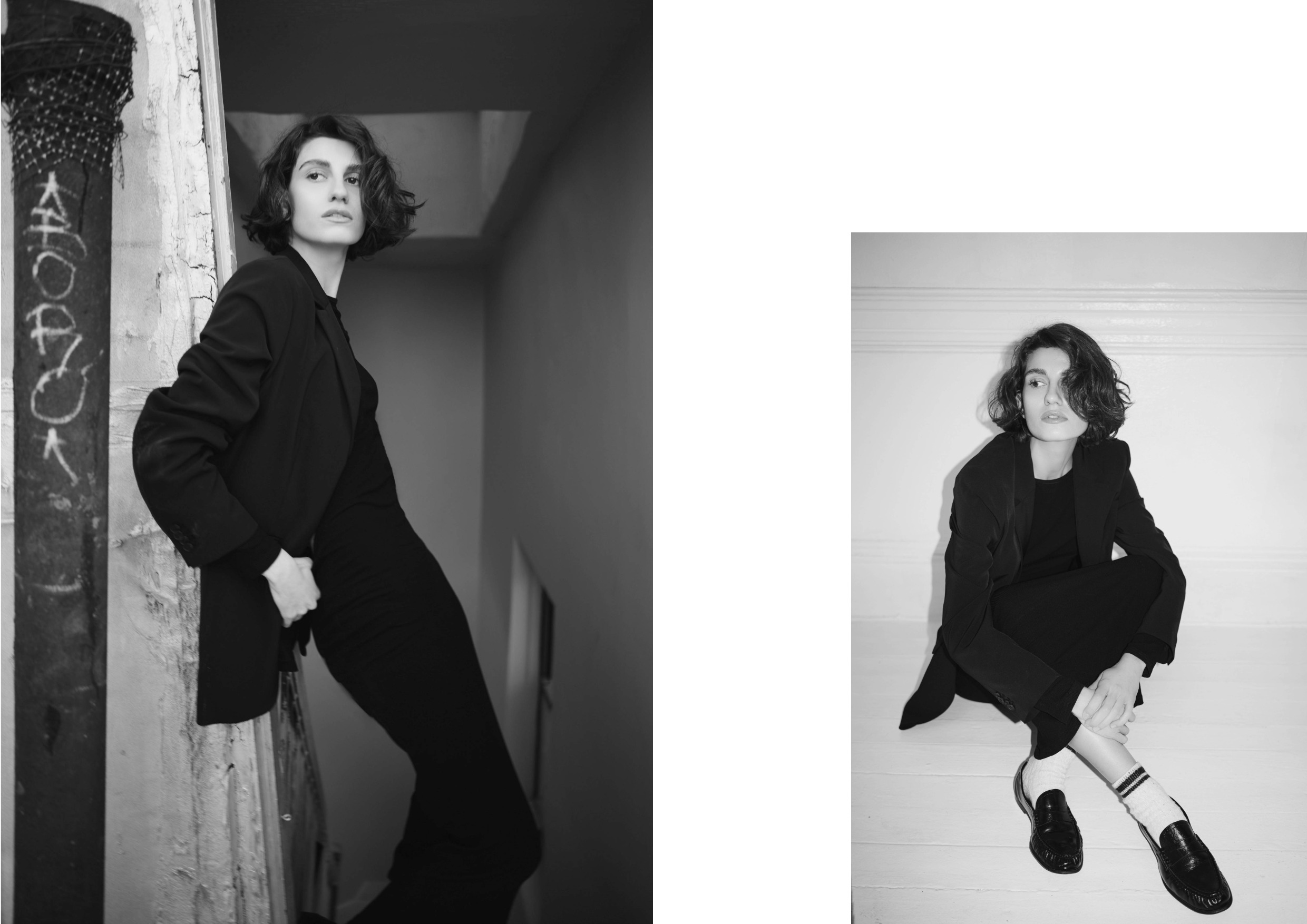
Greek model Alexandra Papagianni works between New York and Europe. Originally from Veria in central Macedonia, she carries a strong sense of origin into an international career that now spans nearly a decade.
Photos Mike Kobal
Talent Alexandra Papagianni
From Soul Artist MGMT
Interview Daniela Abranches
Layout Rita Vaz Baptista
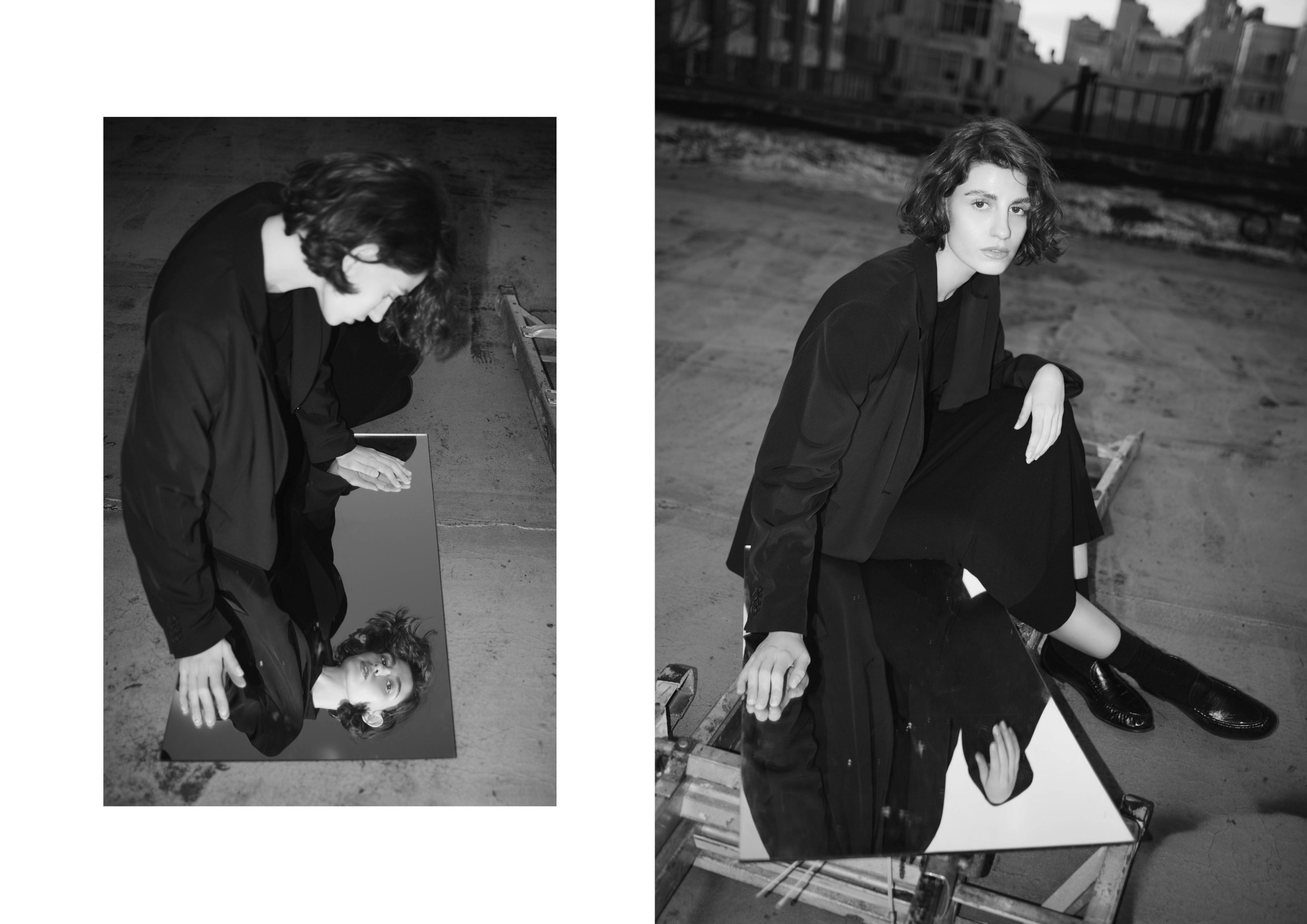
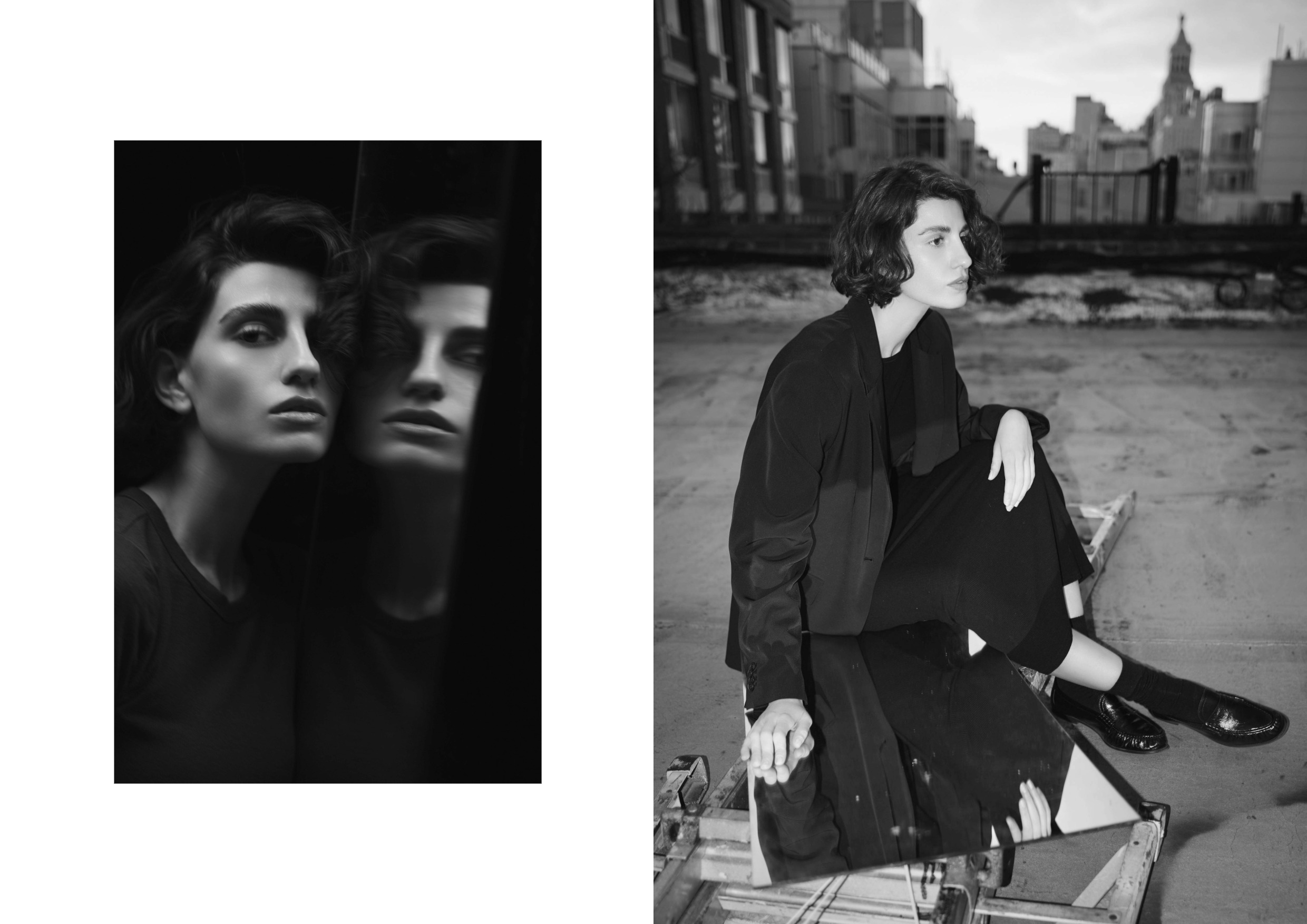
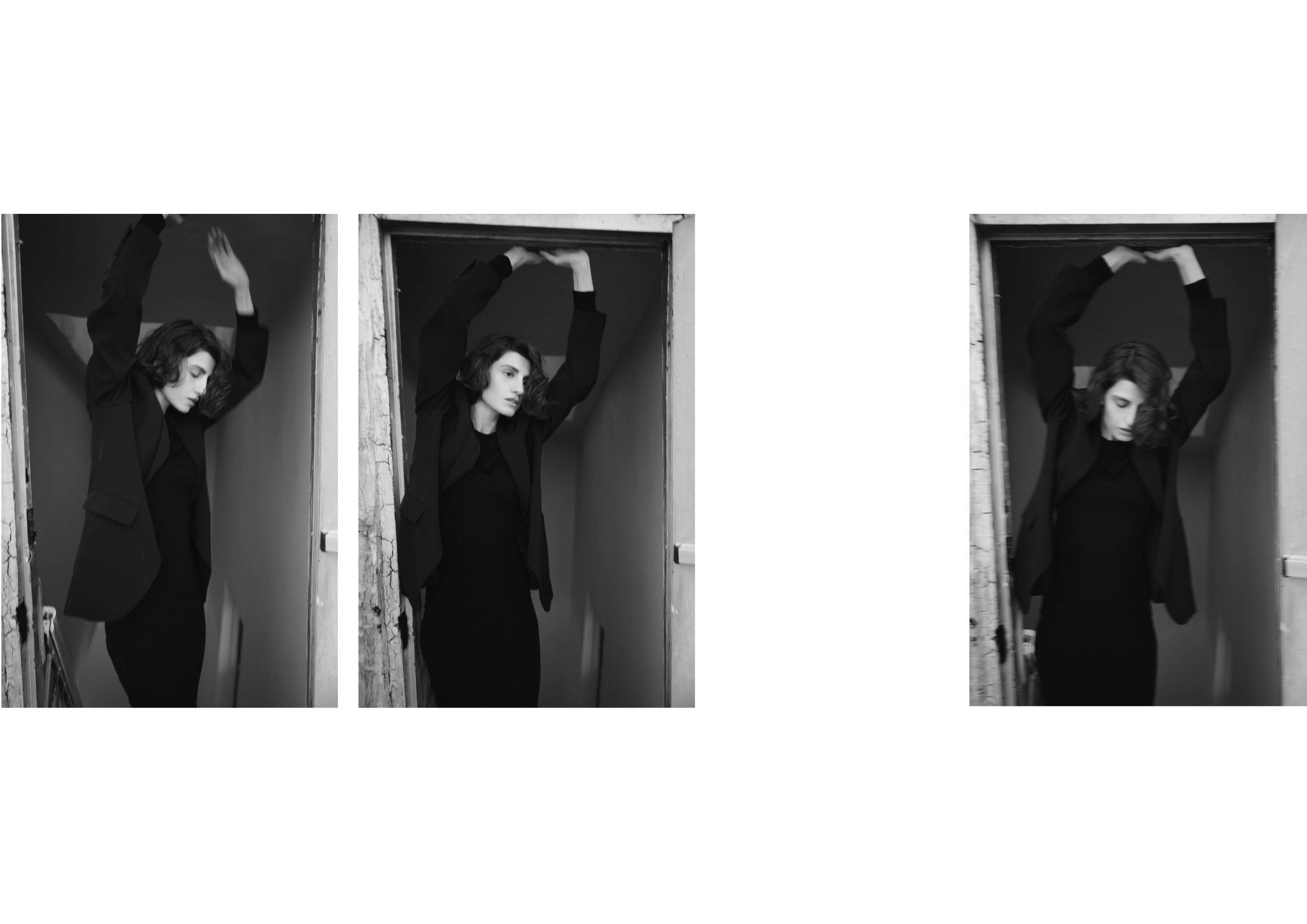
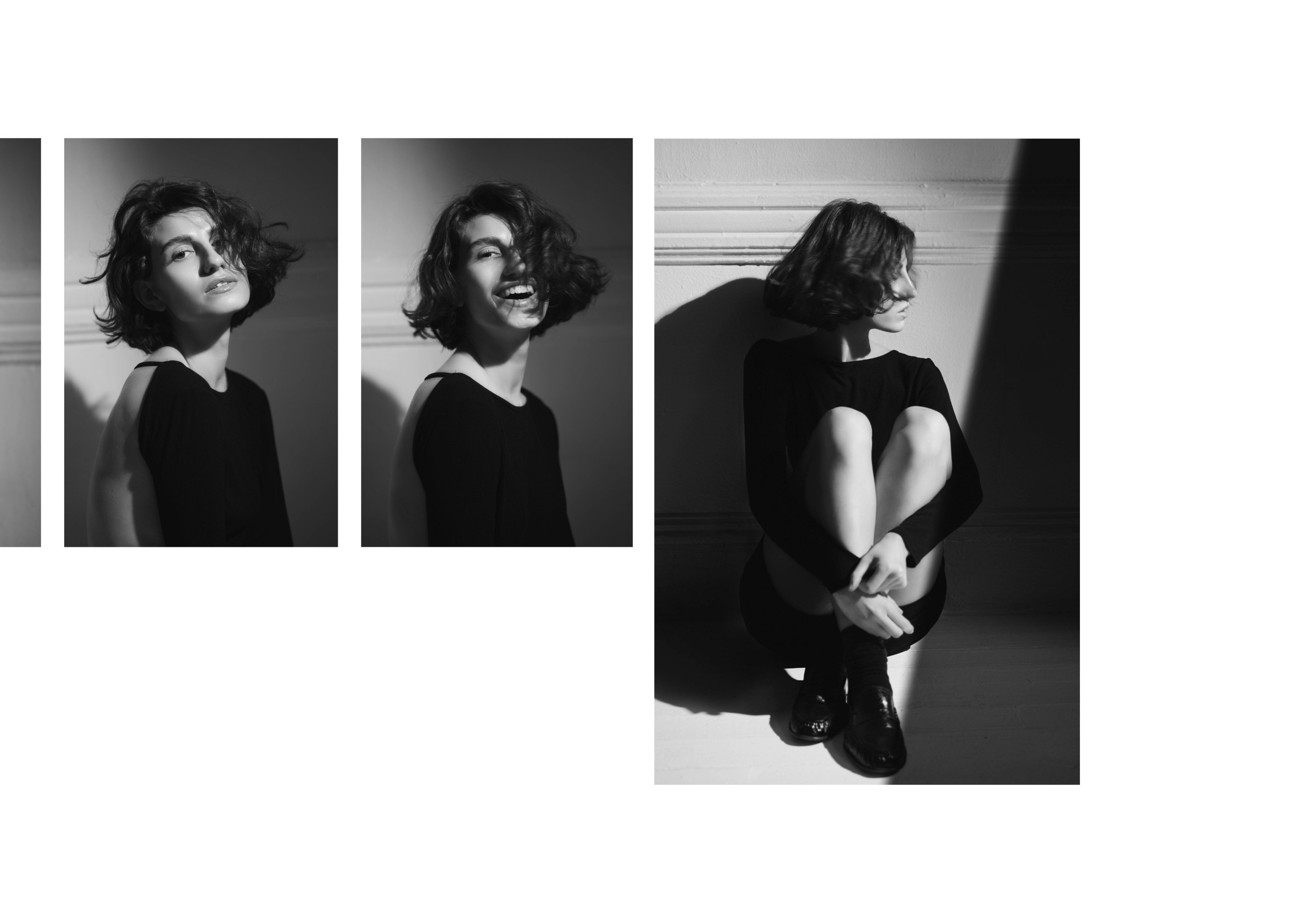
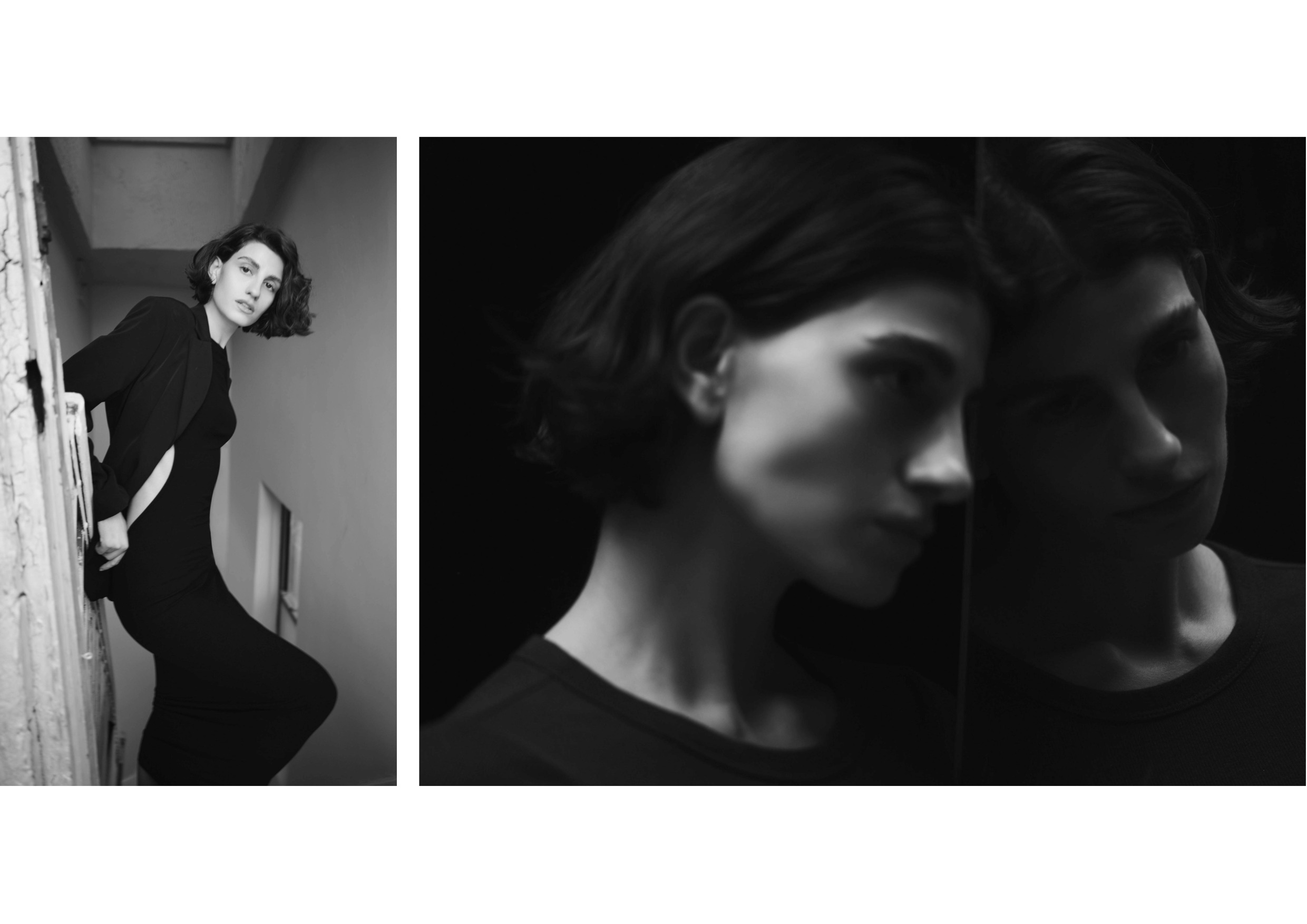
Photographed in New York by Mike Kobal, she reflects on her unexpected start in modeling, the realities of a nomadic industry, and the values that shape her perspective — spanning beauty standards, image culture, democracy, responsibility, and belonging.
We spoke with Alexandra about independence, resilience, and why confidence today is less about visibility — and more about self-trust.
ZOOT: For readers meeting you now, can you please introduce yourself?
Alexandra: I’m Alexandra, a Greek model based between New York and Europe. Working primarily in fashion and editorial I’ve been in the industry for almost a decade! Volleyball has always been part of my life as I used to be volleyball player for seven years
ZOOT: You come from Veria, an ancient Greek city in central Macedonia. How was it growing up there? Is there something from that period of your life that you always carry with you?
Alexandra: I come from Veria a small quiet town in central Macedonia and just 10 minutes away is Vergina the birthplace of Alexander the Great and the site of royal tombs including that of his father king Phillip ll. My name is directly connected to that history which gives me the sense of continuity and origin. Growing up there gave me a feeling of safety and belonging, I’m full with good memories.
ZOOT: When did modelling first enter your life? Was it an obvious choice, or did you have other dreams in mind?
Alexandra: Modelling came unexpectedly. It wasn’t something I had planned. One random day, my mom and I decided to go shopping in Thessaloniki, when someone from the fashion industry stopped us and offered me a contract with my very first modeling agency. The idea was to earn my own money and become more independent and somehow, I found myself taking part in the biggest beauty competition in Greece and, just four months later, in Milan.
ZOOT: We’re seeing a comeback of rigid “image culture” and stereotypes. If you could erase or reform one beauty stereotype, which one would you choose — and what would you replace it with?
Alexandra: If I could change one beauty stereotype, it would be the idea that beauty has to fit into one narrow standard. I’d replace it with real diversity different ages, bodies, faces, and stories. I’d also love to bring back the raw, effortless ’90s vibes, when individuality mattered more than perfection and people felt real, not over-produced.
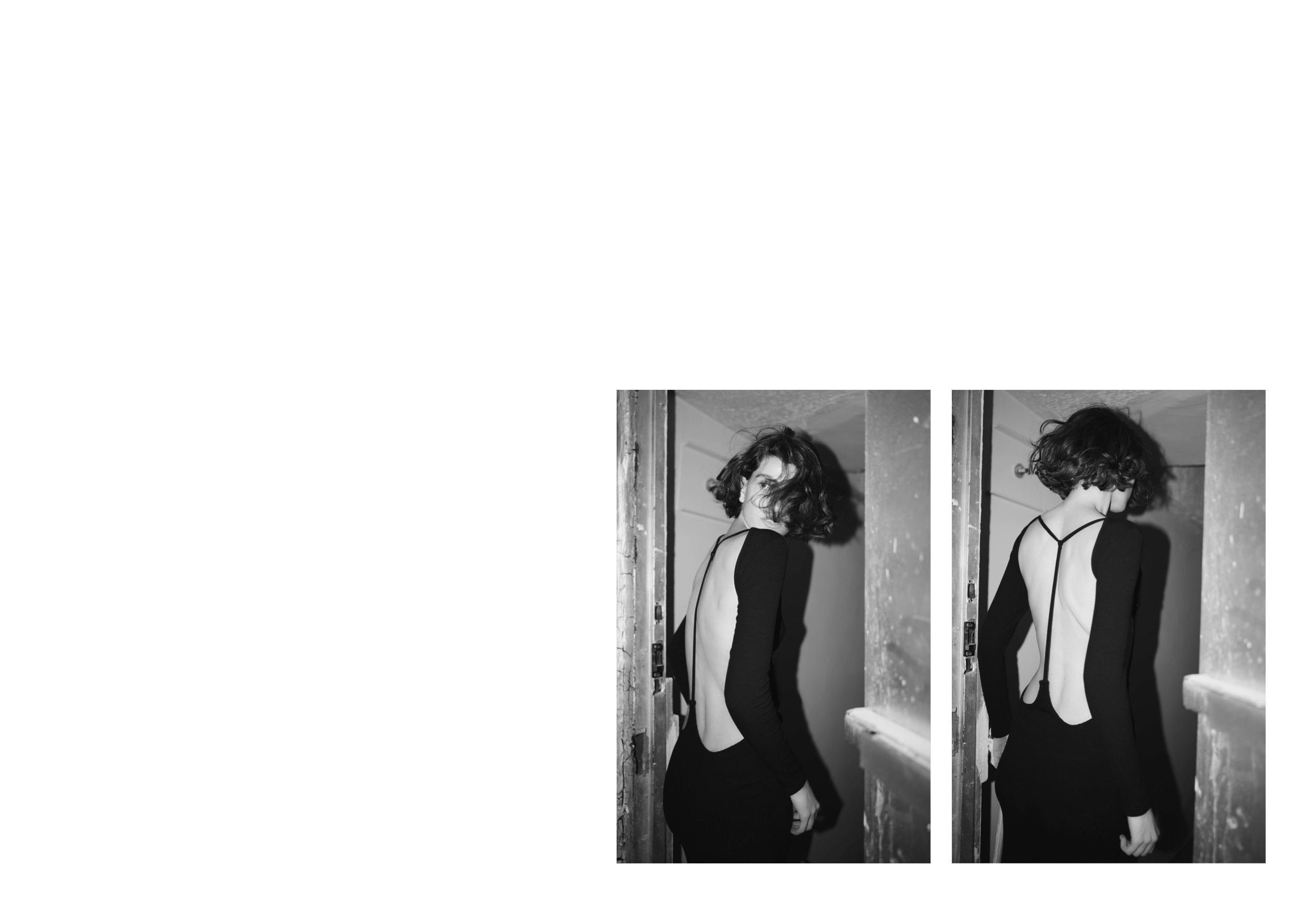
ZOOT: What are your personal beauty and wellness rituals?
Alexandra: Keep it simple. Stay consistent. Stay true to who you are. Quality sleep, daily movement, proper hydration, skincare that protects your skin barrier, and real nourishment.
When you listen to your body and treat it with respect, the results naturally follow.
ZOOT: Modelling can be a nomadic life — moving between cities, short stays, shared apartments, always adapting. How do you deal with that sense of displacement, and what helps you build resilience and a feeling of “home” while constantly in motion?
Alexandra: Modeling is a nomadic life cities, short stays, shared apartments. You learn to adapt wherever you are, and that’s something I’ve grown into over the years. I’ve developed my own routines and ways to stay grounded, so home isn’t a place, it’s the balance you carry with you.
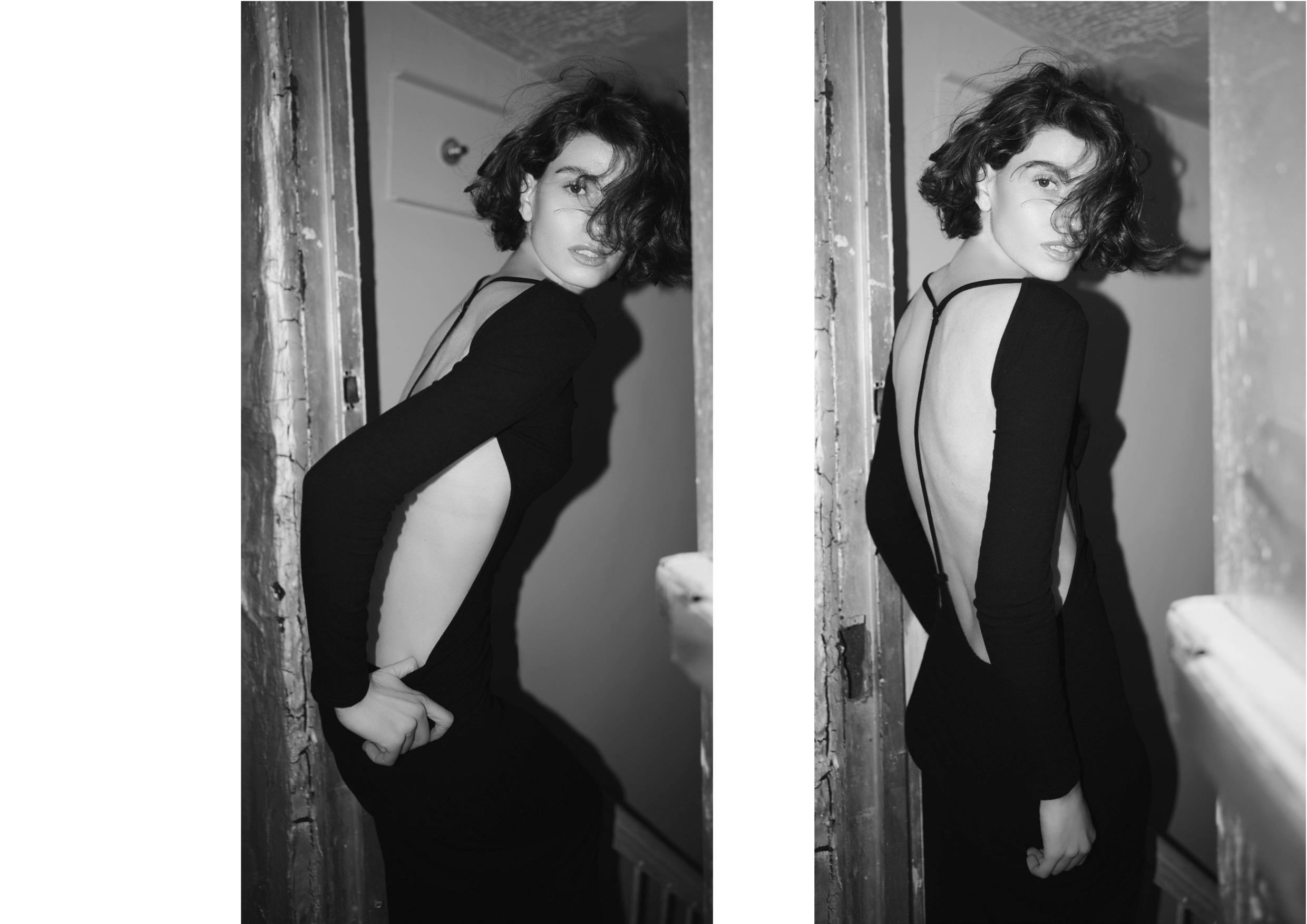
ZOOT: Greece gave the world so much philosophical thinking. Aristotle spoke about citizens shaping the polis. Today it can feel like we’re shaping something even bigger: a shared world.
When you look at what we’re leaving behind — conflict, inequality, pressure on rights, a stressed planet — what do you think we’re getting wrong, and what would you most want to protect for the next generation?Alexandra: Greece has contributed so much to philosophical thought. Aristotle spoke of citizens shaping the polis, and today we have the opportunity and responsibility to shape something even larger: a shared, interconnected world.
ZOOT: Plato’s Allegory of the Cave feels eerily current: images everywhere, shadows that look like truth, and now AI that can manufacture reality. How do you stay informed without getting trapped in noise, and how do you test your own beliefs?
Alexandra: Plato’s Allegory of the Cave is about how easy it is to mistake shadows for reality. Today, with images everywhere and AI creating things that aren’t real, it feels very current. I stay grounded by questioning what I see, checking different sources, and being honest with myself. It’s about finding the truth in the noise and staying aware of my own beliefs.
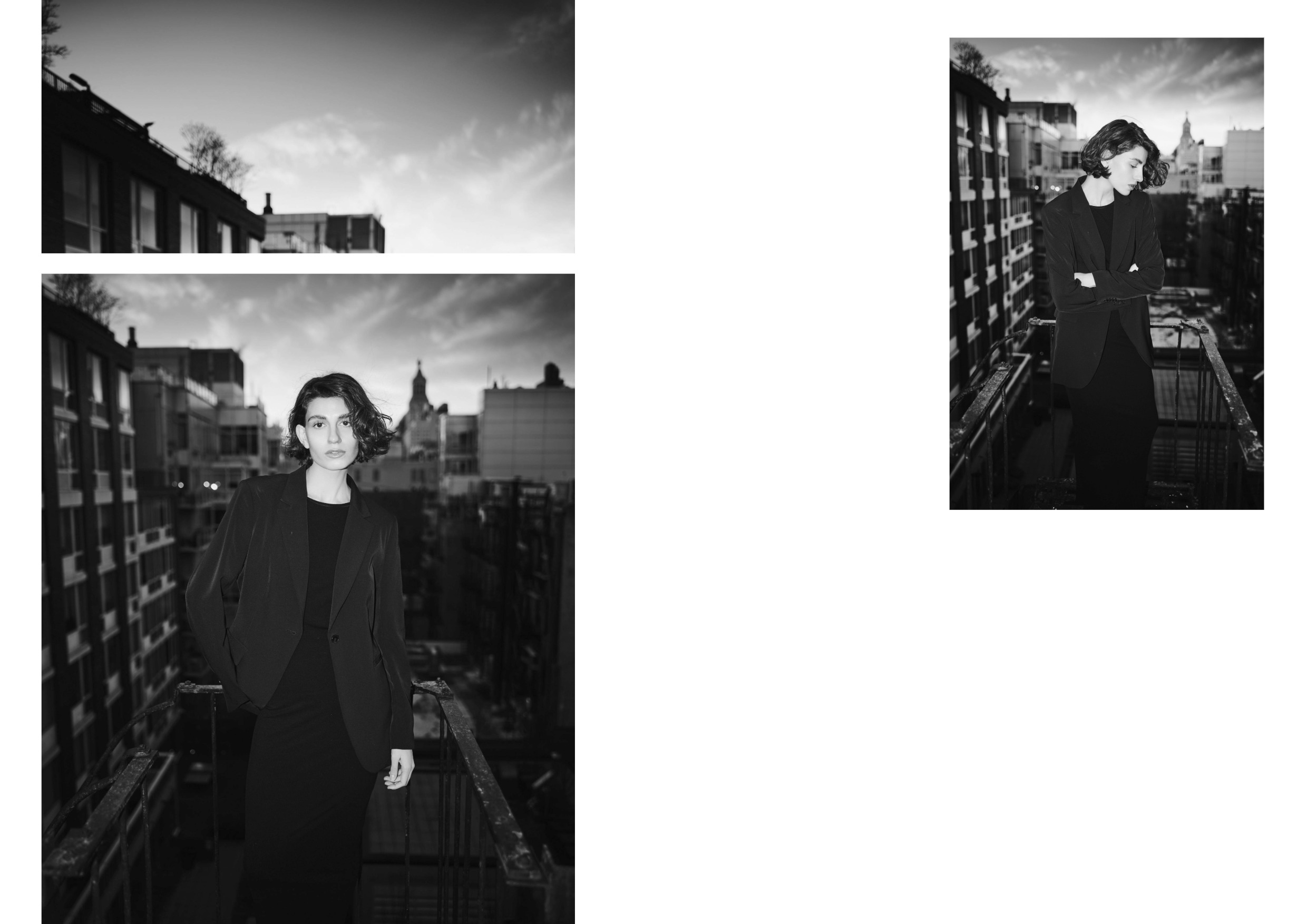
ZOOT: Greece is also linked to the origins of democracy, the Athenian system of demokratia (“rule by the people”) was the first known example of a direct democracy, where citizens took an active role in government.When you sense democratic values being weakened, what do you want to remind people of?
Alexandra: Democracy has kept the world standing for thousands of years because it’s built on participation, not passivity. When democratic values feel weakened, I think it’s important to remember that democracy only works when people stay engaged, informed, and respectful of each other . It’s not just a system it’s a shared responsibility that allows societies to evolve, stay balanced, and move forward together.
ZOOT: The Greeks have an ancient concept of hospitality called xenia, based on generosity, gift-giving, and reciprocity. Historically, welcoming strangers was seen as both a moral duty and a political responsibility. In a world where migration is often met with suspicion, what would you like to say to countries and communities receiving refugees and immigrants trying to rebuild their lives?
Alexandra: In Greece, we call it philoxenia hospitality. In the past, a stranger often needed just a little water, food, or a place to rest. Some had lost their way, others were exhausted from wars. I believe this is where humanity truly lies: in helping, understanding, and respecting one another. If we all thought this way, our future could be far more beautiful without wars, fear, or hatred.
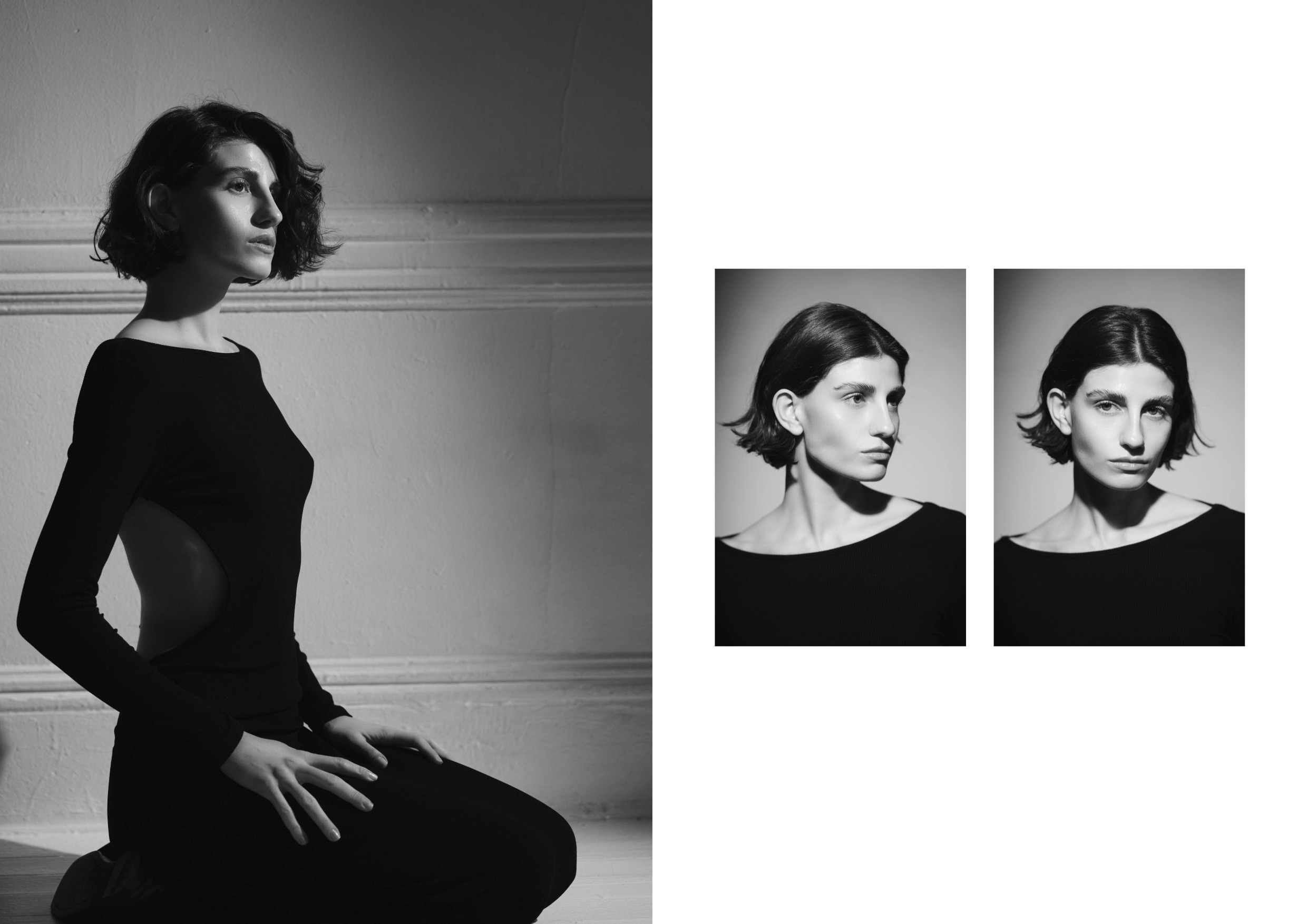
ZOOT: Do you think fashion has a responsibility here — either by integrating newcomers into creative work and employment, or by changing how people imagine “the other”? What would meaningful action look like to you?
Alexandra: Yes, fashion has a responsibility. It reaches a lot of people and shapes how we see others. Real action means giving newcomers real jobs, fair opportunities, and a place in the industry not just visibility. When fashion includes people in real ways, it helps break stereotypes and makes society more open and respectful.
ZOOT: Coming from Greece, where intense fire seasons have become a clear marker of the climate era, and living in New York, where recent storms show how quickly extreme weather can affect daily life — have experiences like these changed how you think about the future? Being surrounded by fashion, how do you balance aspiration with responsibility, especially around consumption?
Alexandra: Beyond the difficult fire seasons, Greece has a warm climate that I wouldn’t easily change. New York is very different cold winters, hot summers but here it’s about the future and my career. It’s the perfect city to build your dreams and work hard toward your goals. In that sense, no climate can stop you. Life here wasn’t easy at first, but over time I’ve adapted, and now New York feels like a part of me. Being in fashion, this also makes me more conscious choosing quality over excess and thinking more carefully about the impact of what we create and consume.
ZOOT: What does confidence mean to you now, compared to when you first entered the industry?
Alexandra: When I first entered the fashion industry, confidence meant being seen and accepted. Now, it’s about knowing my value, trusting my experience, and choosing the right environments. Confidence for me is quieter it’s professionalism, consistency, and staying true to myself without needing constant validation.
ZOOT: For models starting out today, what is your most important advice? What are the do’s and don’ts? What matters most in becoming a model — beauty, attitude, or something else? And what practical casting advice would you give?
Alexandra: My most important advice is to be patient and professional. This industry takes time. Do show up prepared, be kind, listen, and respect everyone on set.
Don’t compare yourself to others or chase trends that don’t suit you.
Beauty matters, but it’s not everything. What really lasts is attitude, consistency, and reliability.
For castings, keep it simple: clean hair, natural makeup, simple clothes, and confidence. Be yourself! Casting directors are looking for personality as much as looks.
ZOOT: Outside of fashion, what nourishes you intellectually or emotionally — books, art, movement, silence?
Alexandra: Outside of fashion, I enjoy taking time for myself and spending quality moments with my loved ones. I love reading books about psychology and how we can handle different situations in life. I also enjoy staying active and exercising regularly. Recently, I learned about an art exhibition focused on the human body, and I found it fascinating to see how artists interpret the body in creative and unexpected ways.
Thank you Alexandra!
To boot…
MIKE KOBAL, photographer
@globalshutter I www.mikekobal.com
View more of Mike´s work on ZOOT here.