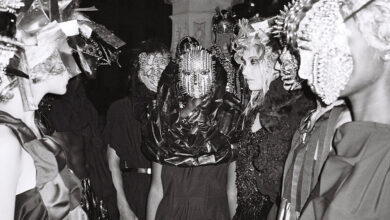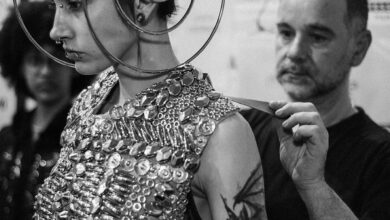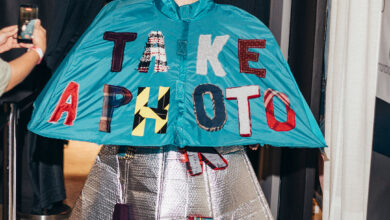
Eaten by work

In a culture that worships exhaustion and calls it ambition, rest is branded as laziness.
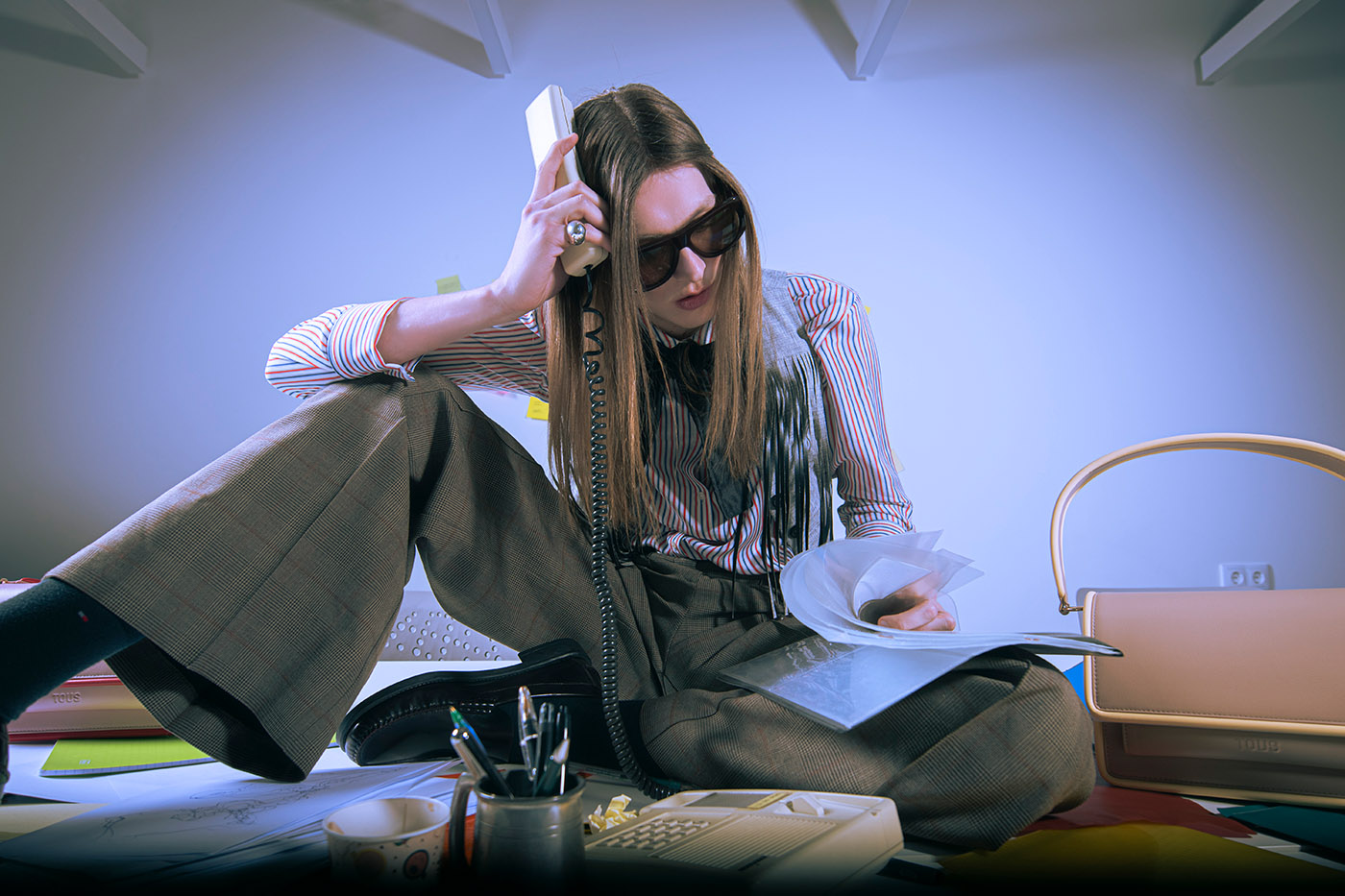
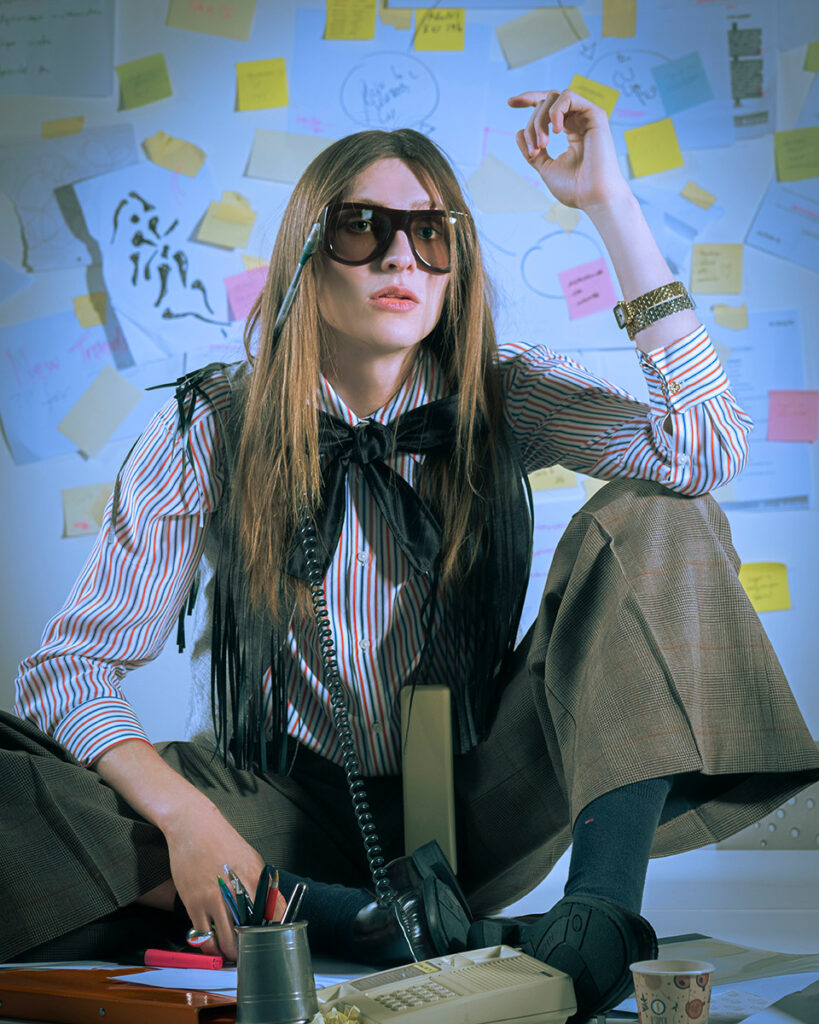
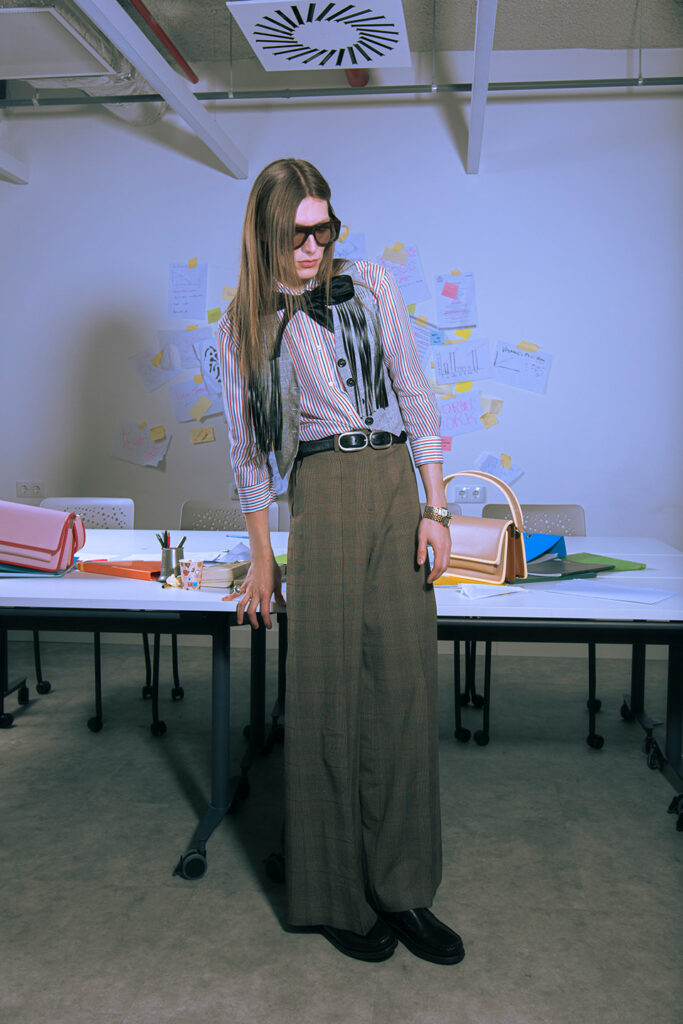
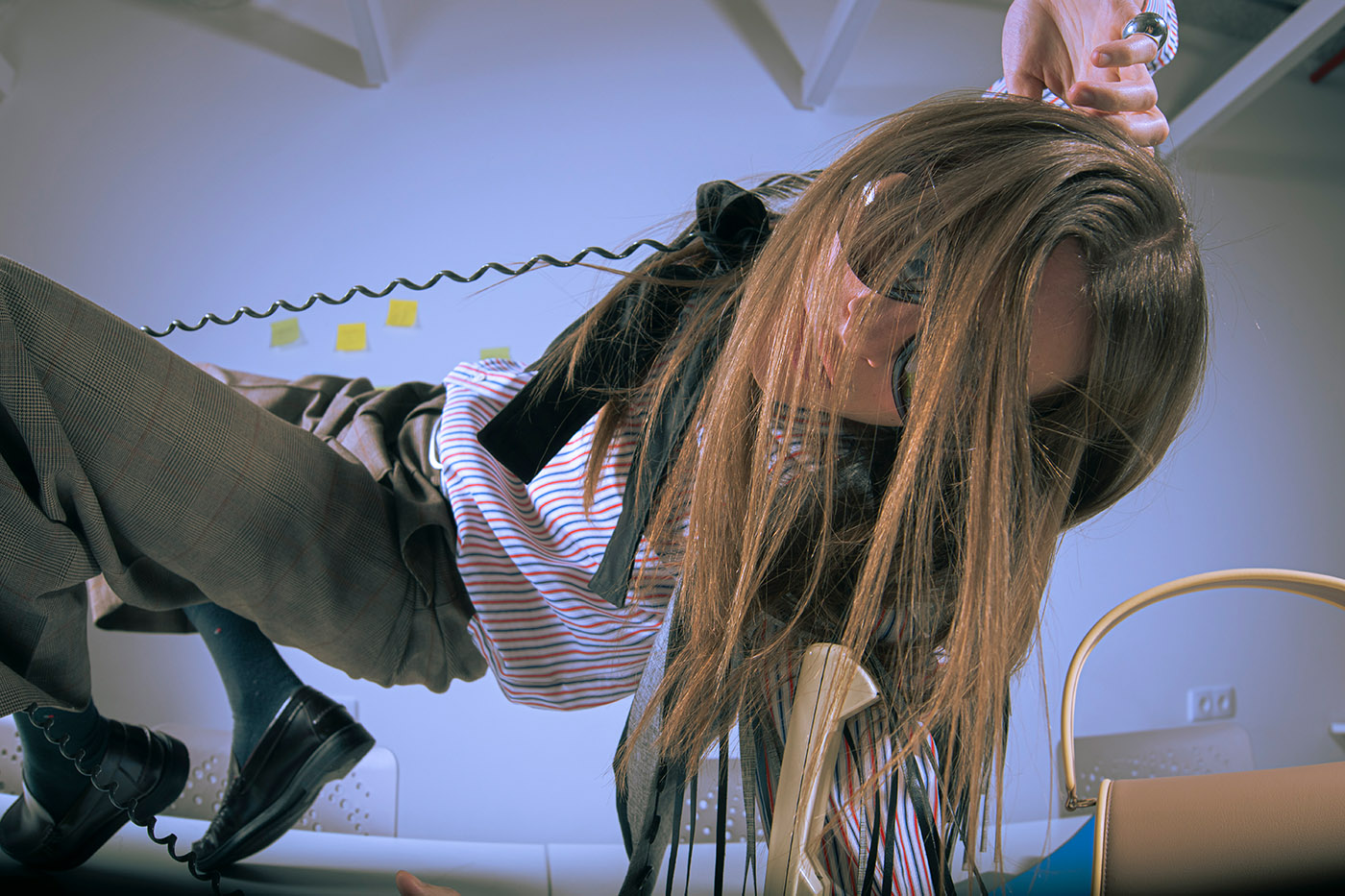
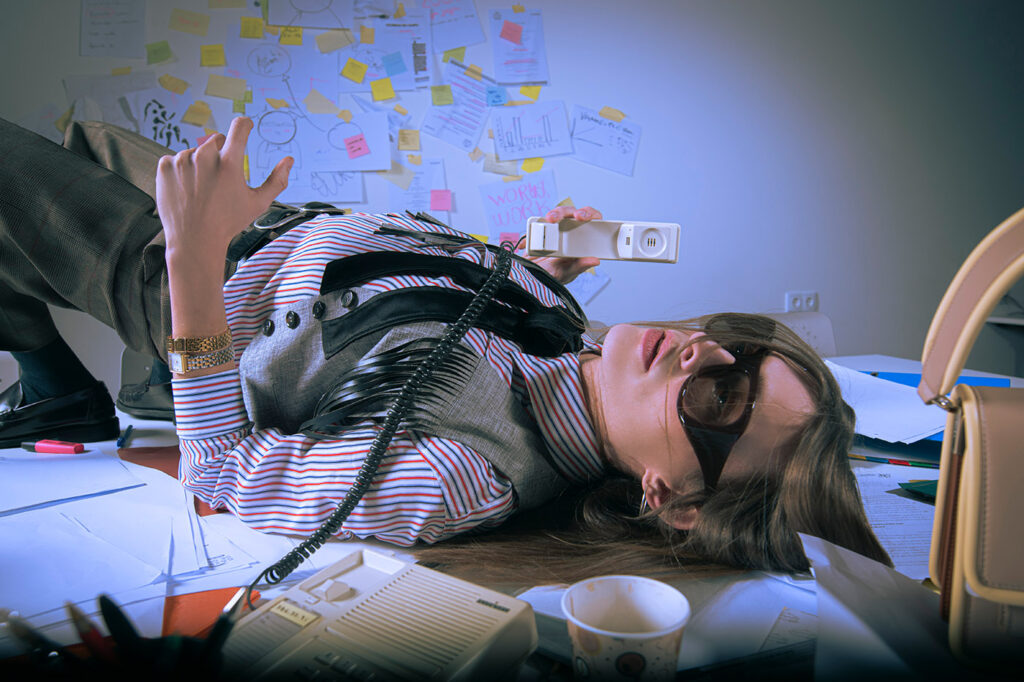
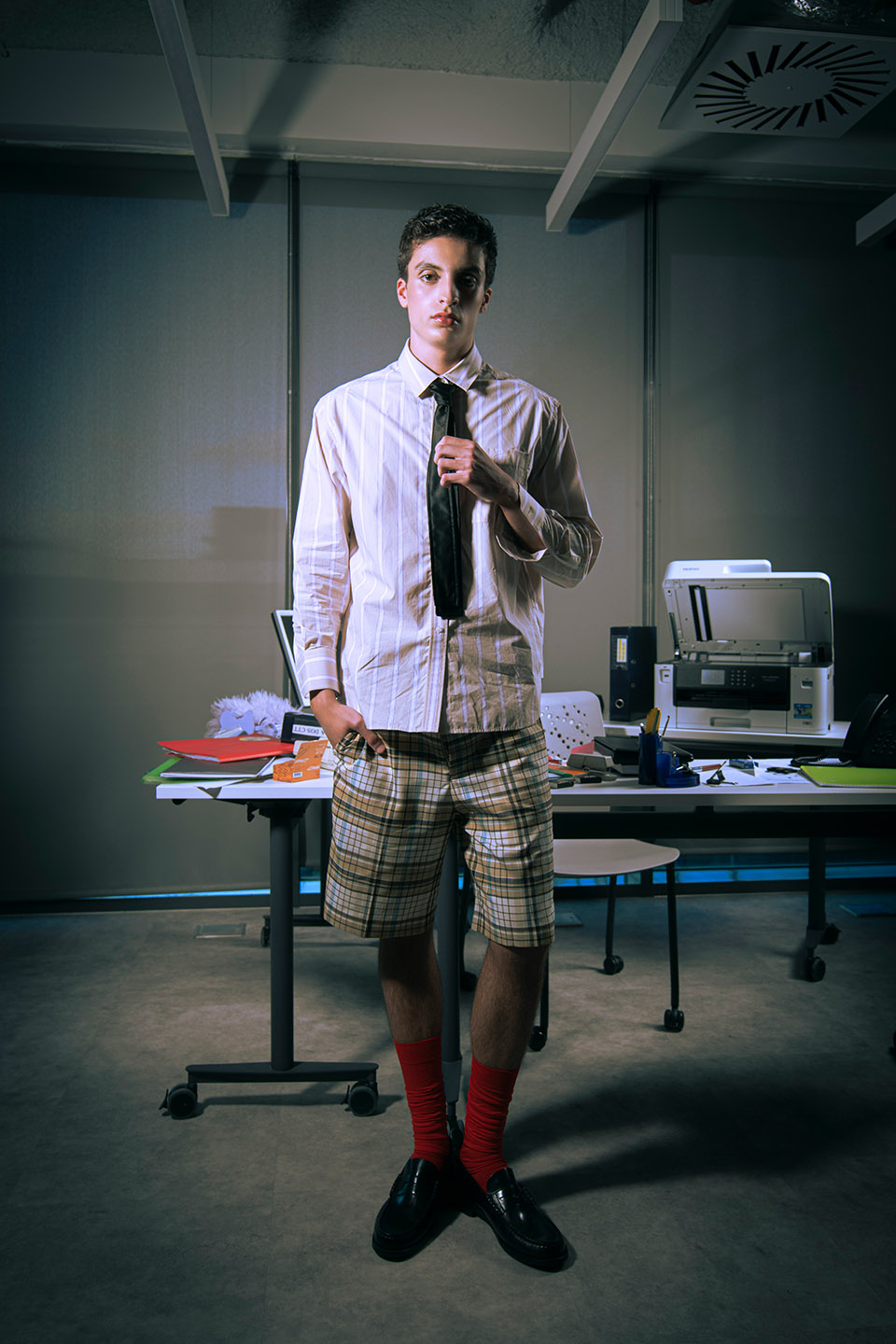
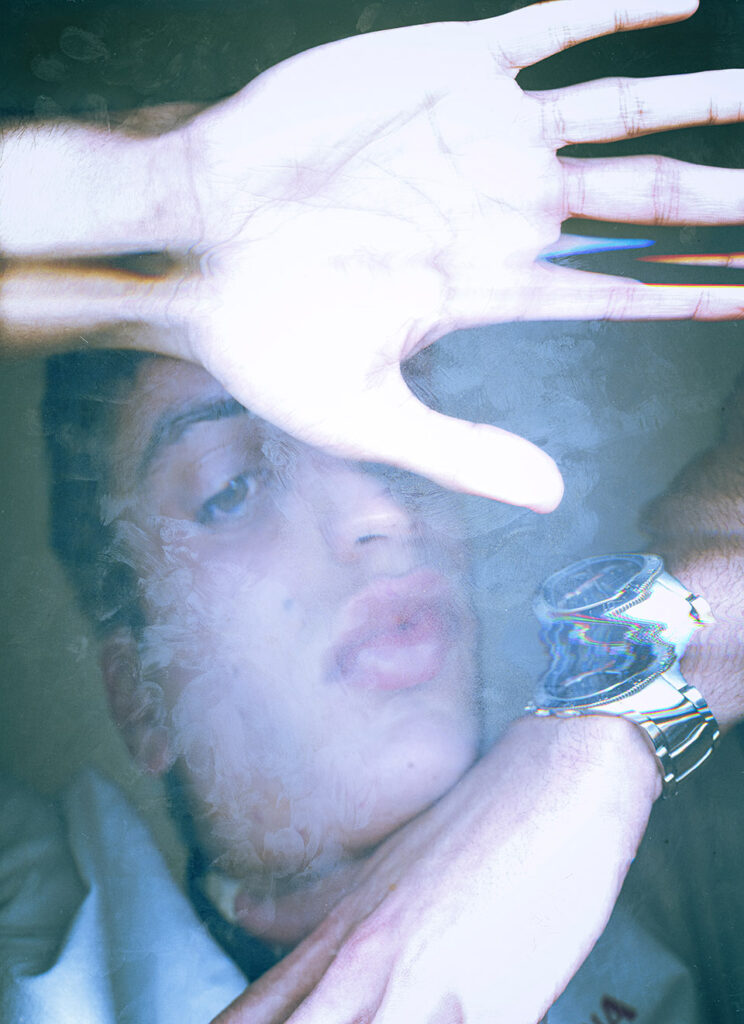
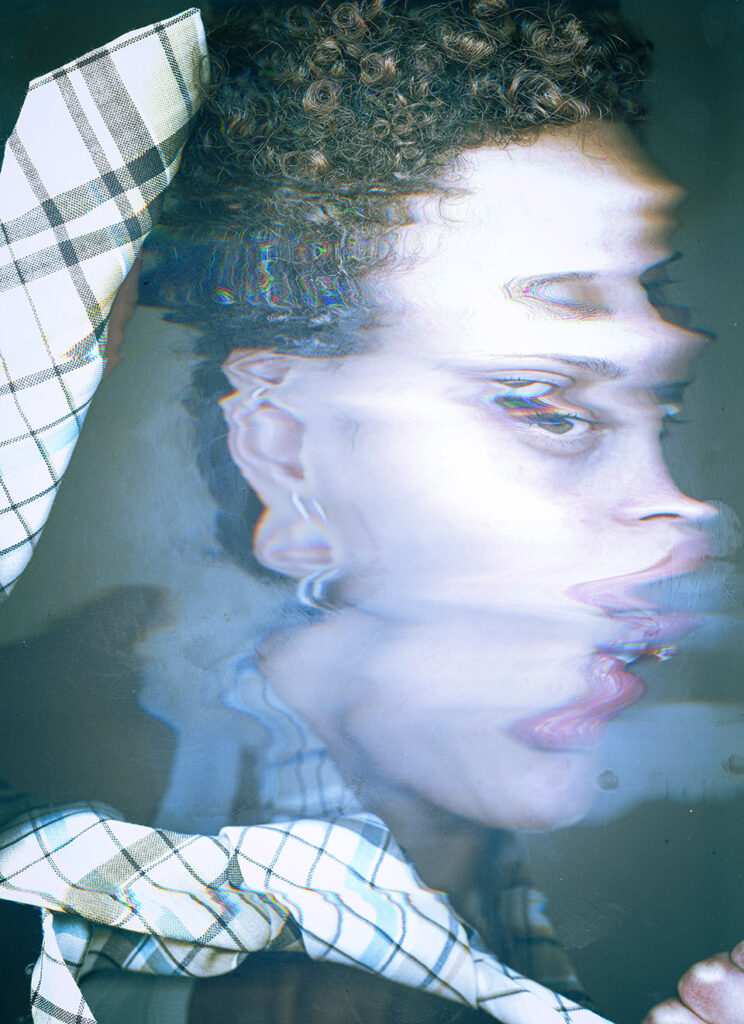
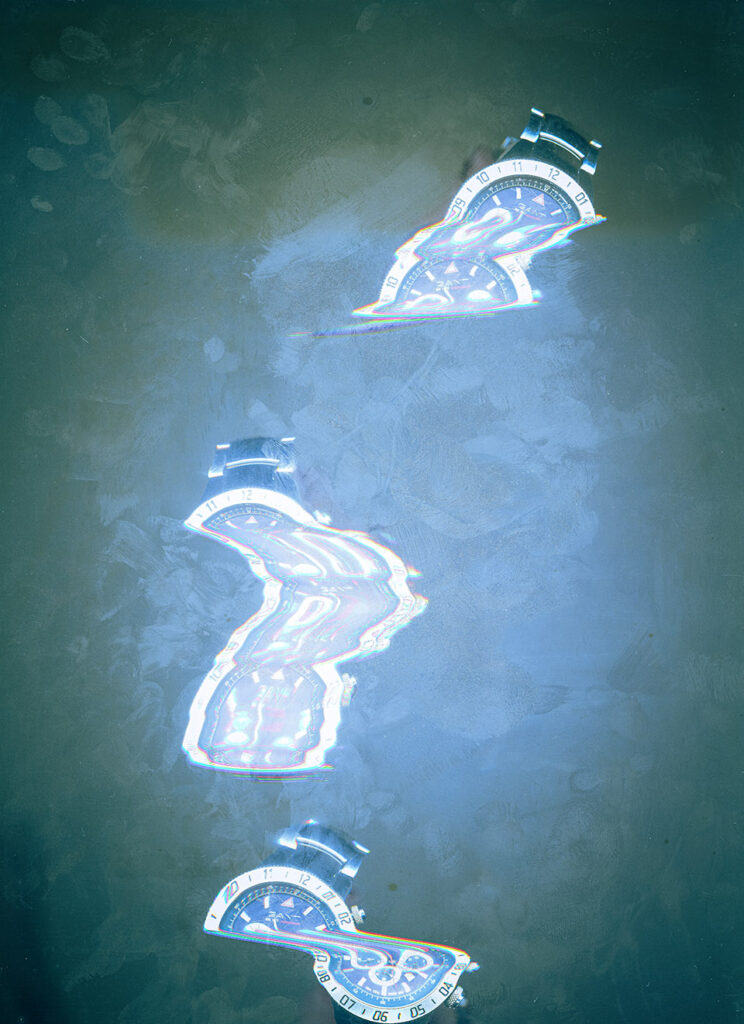
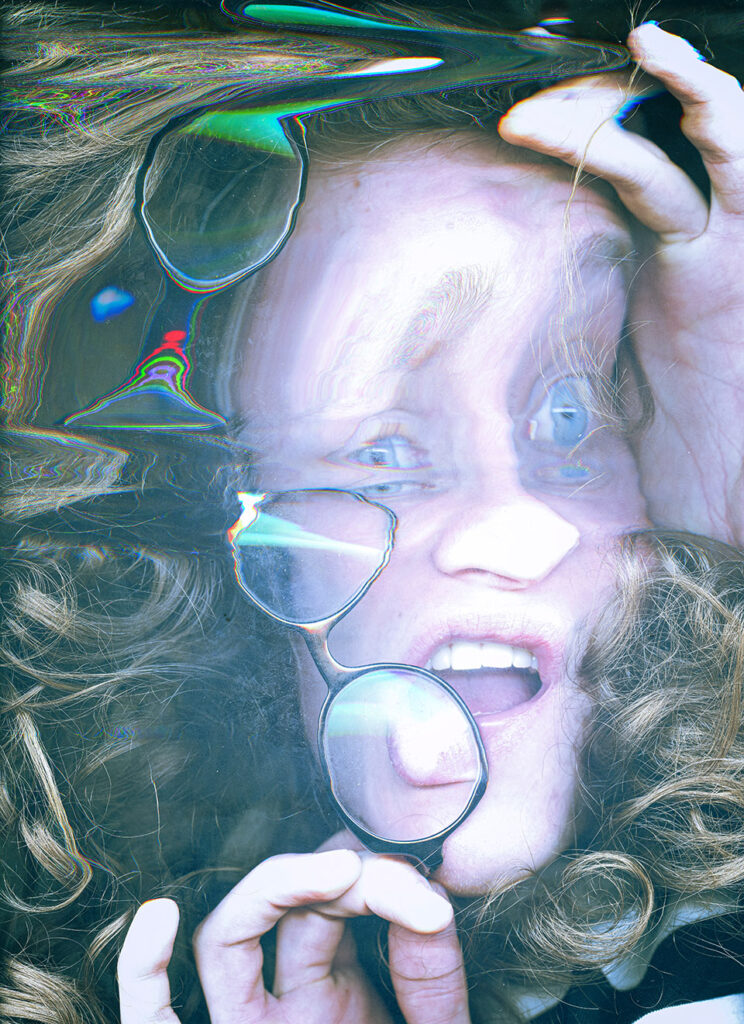
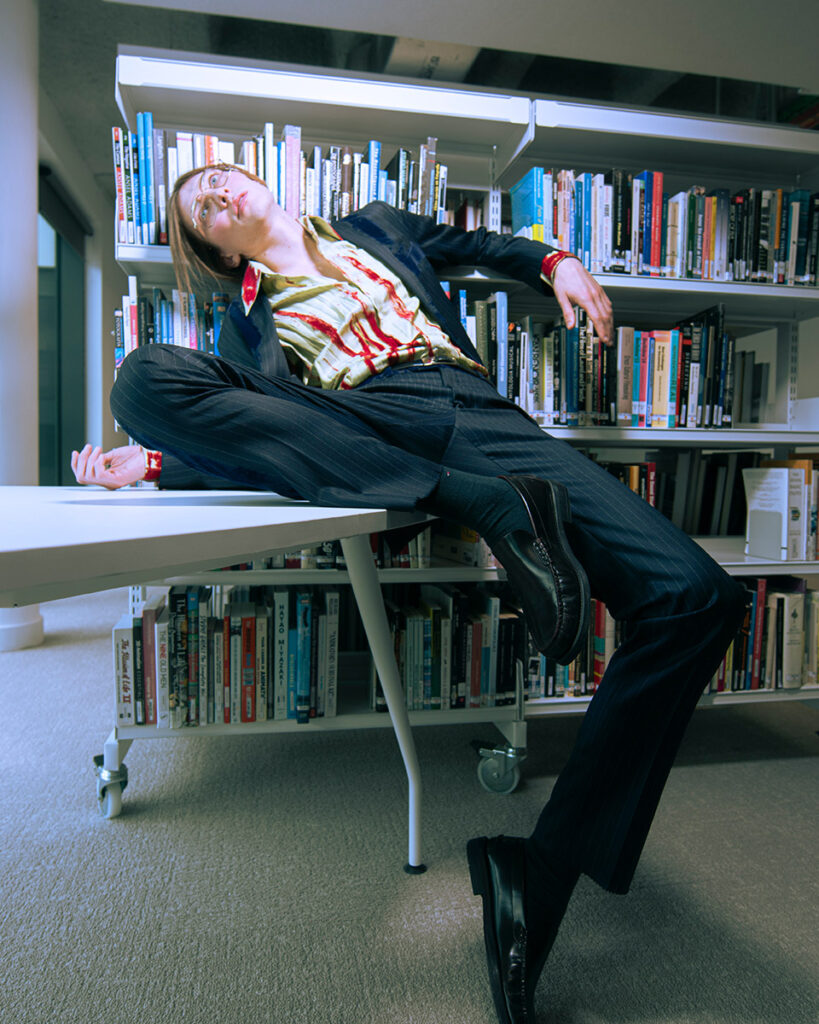
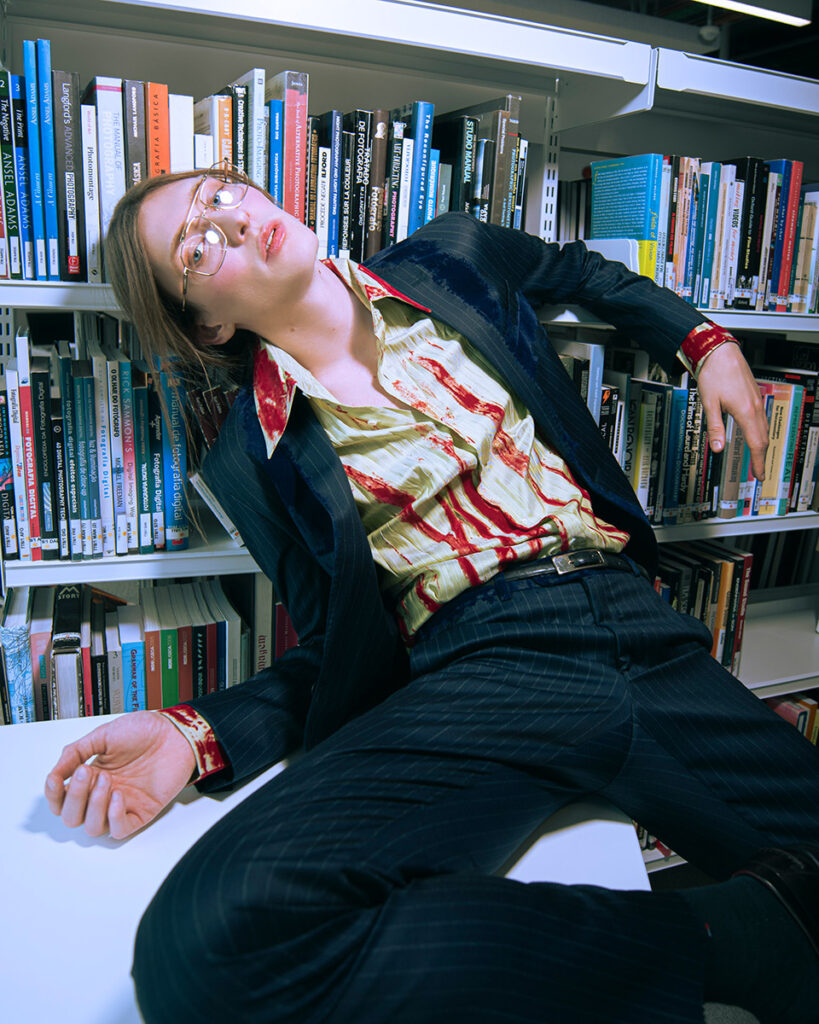
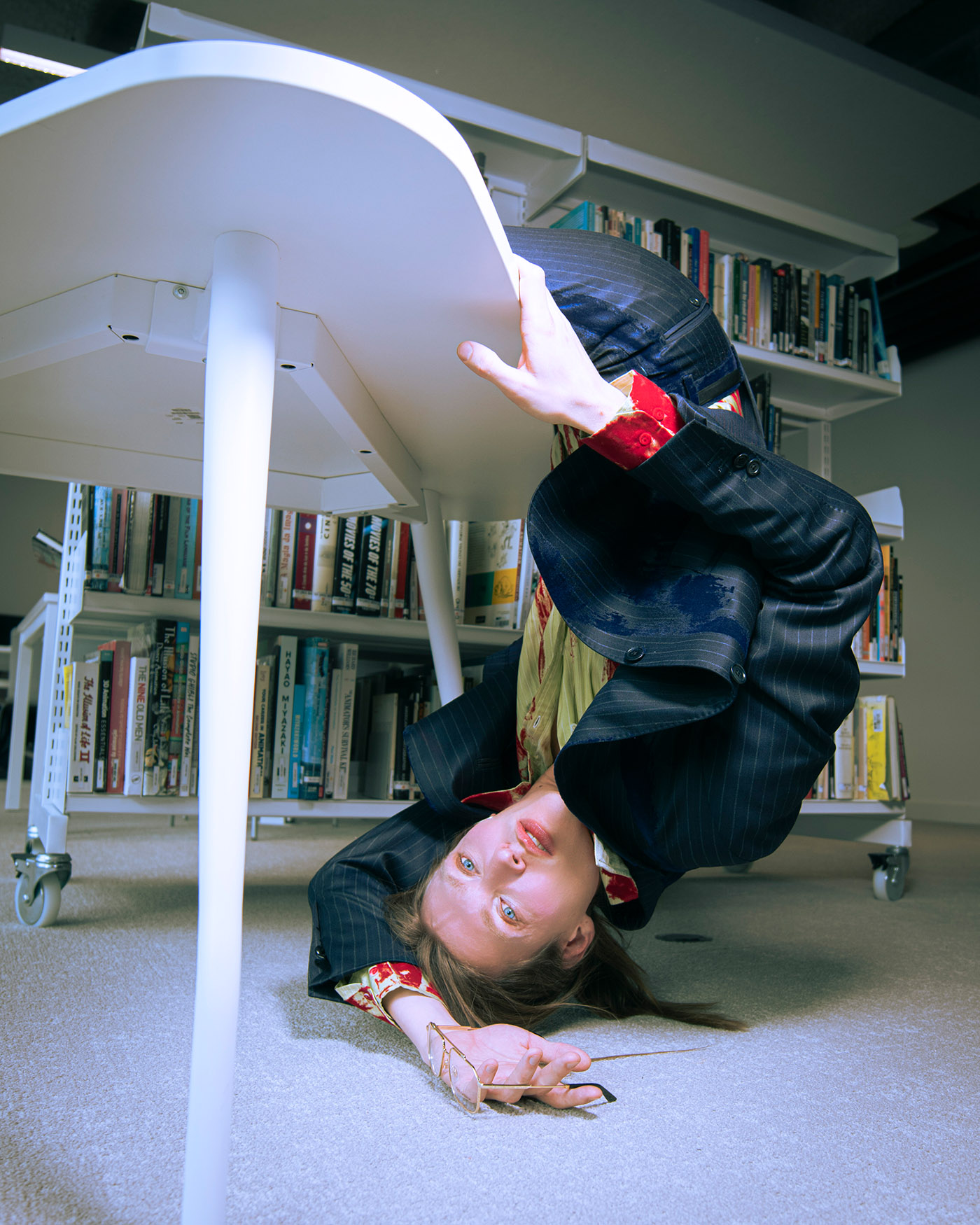
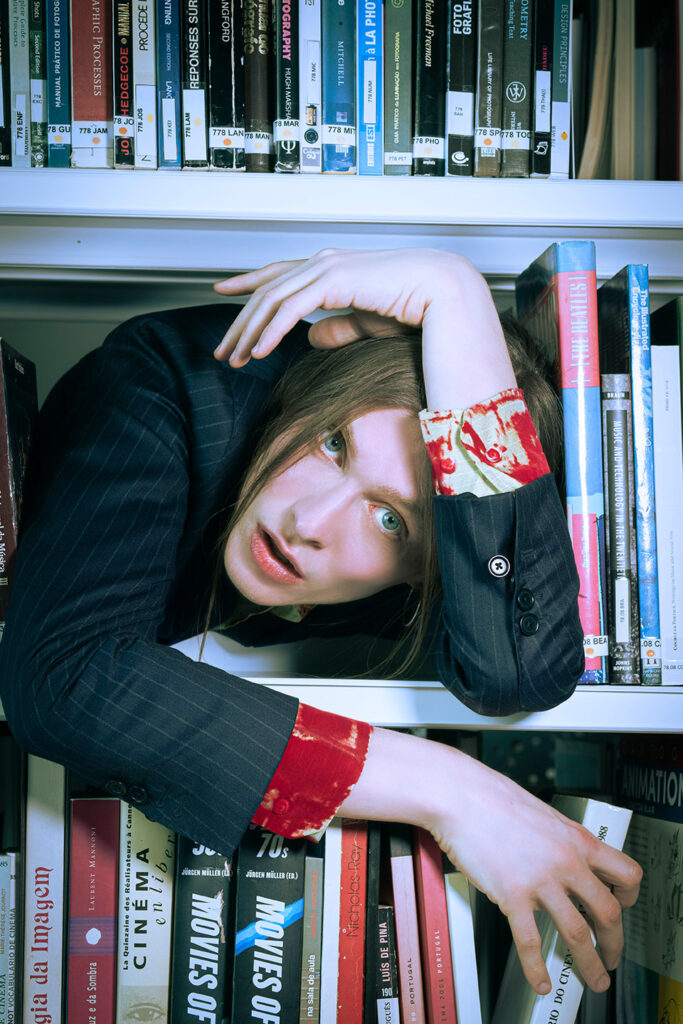
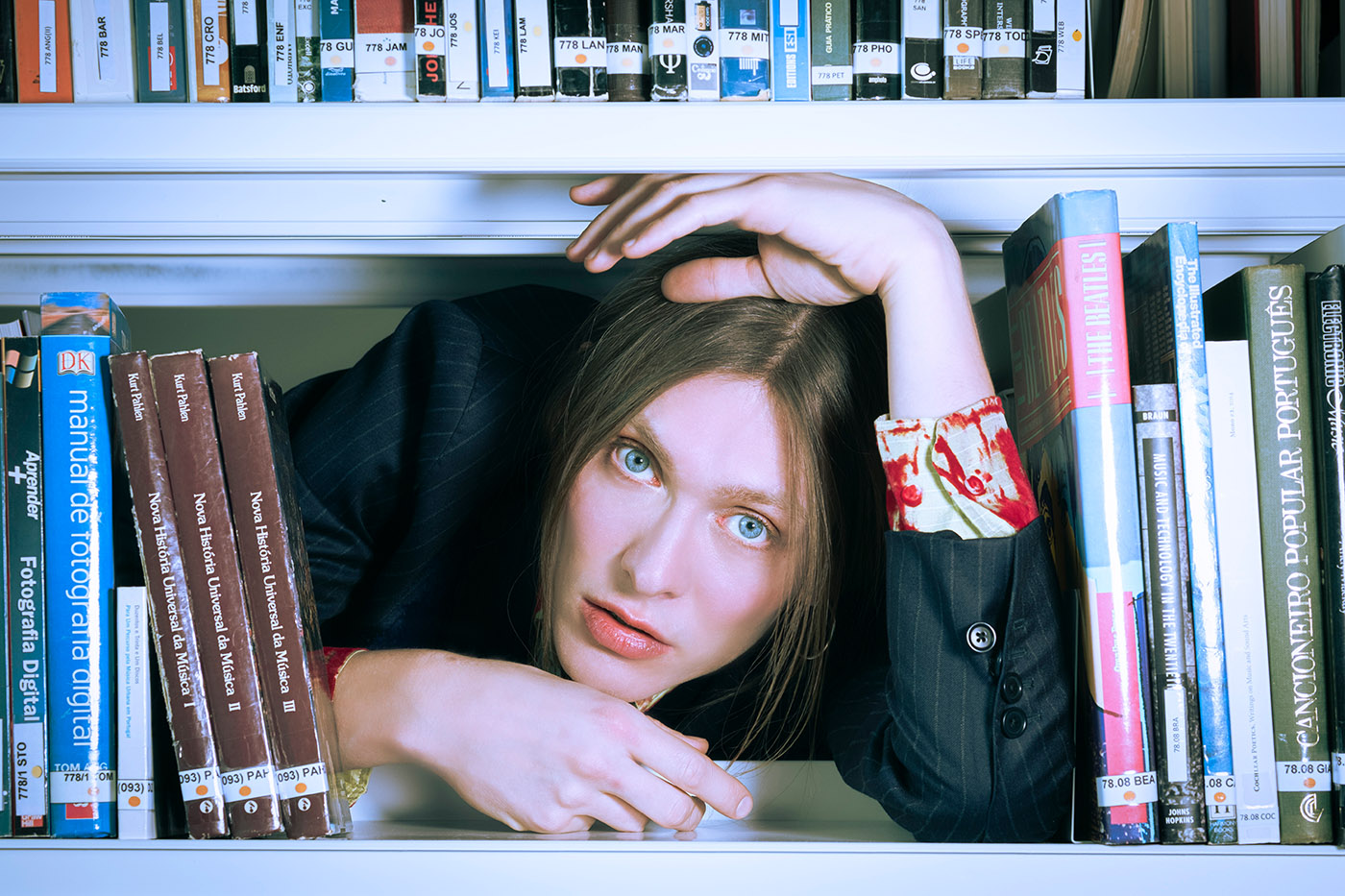
“Eaten by Work”, produced by a young Gen Z team, questions why productivity became personality — and who benefits from our constant acceleration.
Somewhere along the way, being busy became moral. Exhaustion became proof of relevance. Stepping off the treadmill? Unmotivated. Replaceable. Soft.
Somewhere along the way, being busy became moral. Exhaustion became proof of relevance. Stepping off the treadmill? Unmotivated. Replaceable. Soft.
We were taught to build careers, curate visibility, and optimize every hour, but never how to exist without performing.
This editorial challenges the hustle myth. How do we want to work?
Maybe the real question isn’t how much we work, but why our worth depends on it.
Maybe the most radical act isn’t grinding harder.
Maybe it’s refusing to be consumed.
Creative Direction Fábio Girão
Photography Bárbara Martons
Assisted by Inês Cardoso
Syling Fábio Girão
Production Fábio Girão & Bárbara Martons
Assisted by Manu Bandeira
BTS Film Carol Maya
Set Designer: Tiago Pais
Models Jean Roland, Juliane Santos & Martim Carmo from Papaya Management
Makeup Rita Tavares
Hair João Batalha
Location IADE ; Fábrica-IADE
From the age of six, a path is laid out for us: years of school where we spend more time than at home, then university, and finally a job. Preferably corporate. Preferably demanding. Preferably all-consuming.
Each phase takes a piece of our time, our energy, our attention. And we accept it. Not always because it feels right, but because it feels normal. Because we figured that this is the only path to success.
As children, we are wildly alive and full of curiosity. We play, draw, paint, build and imagine. We want to be a thousand different things. We explore simply for the sake of it.
Then, slowly, we have less and less time to ourselves. Until one day, we no longer draw, play or create.
Eventually, we stop asking what we like. And worse – we forget how to answer.
Who are you?
Not what do you do. Not your job title. Not your degree.
What does it actually mean to be successful?
There may be as many definitions of success as there are people in the world.
Do all of them include a great career? Do we truly accept, without judgment, the people whose definitions don’t include one?
Work matters. It gives structure, purpose, independence. It can be meaningful, creative, even fulfilling. This editorial is not a rejection of work itself. It’s a rejection of a system where work becomes the only acceptable source of identity. Where it suffocates everything else. Where it quietly replaces who we are with what we produce.
When work consumes all our time, it doesn’t just exhaust us – it annuls us.
Maybe the problem isn’t that we work hard.
Maybe it’s that we’ve forgotten how to exist outside of work.
And maybe success isn’t about climbing endlessly upward, but about making sure that, along the way, we don’t disappear.
If you couldn’t mention your job, how would you describe yourself?
This is a hard question, because sometimes you spend so much time at work that you feel that you are your job. But I would describe myself as a excited and talkative person, who enjoys every moment – I really enjoy living!
Bárbara, photographer
I’d describe myself as a curious and sensitive person. Someone who observes a lot, feels deeply, and is always trying to understand people, places, and myself a little better. I value connection, creativity, and moments of stillness as much as movement.
Manu, producer




Do you feel pressure to prioritize your career over other parts of your life?
Actually this is what I’ve been doing for the last two years – building a creative career. It’s very difficult, and at the beginning you work more than you actually live. And at some point you have to put aside some parts of your life, but you’re doing it for yourself.
Bárbara, photographer

Yes, definitely. There’s a constant, sometimes unspoken pressure to always be available, productive, and moving forward. It can make rest or personal time feel like something you need to justify, even though it’s essential.
Manu, producer

Yes, especially in the fashion industry in Portugal where there are not so many opportunities, but at the same time I create this pressure on myself.
fábio, Creative Director

Is there something you used to love doing that you no longer make time for?
I used to have a lot of hobbies, but I haven’t been able to practise any of them in the last months. I miss writing poetry and painting a lot.
Bárbara, photographer
Yes. Doing things without an end goal, like reading just for pleasure, writing without sharing, or spending entire afternoons offline. Those things slowly disappear when work becomes central to everything.
Manu, producer
If you had two extra free hours every day, how do you think you’d actually spend them?
The ideal solution would be to exercise and rest, but I would probably work during those extra two hours as well.
bárbara, photographer
Honestly, I’d probably use them very simply: moving my body, being outside, cooking, or doing absolutely nothing. I think real rest looks quieter than we imagine.
Manu, producer
If you had to describe a fulfilling life in three words, what would they be?
Happiness, mental health and friends.
bárbara, photographer
Balanced. Curious. Connected.
Manu, Producer


I would say family, memories and fulfilment
Fábio, Creative Director

How does working long hours show up in your body or mind in ways you didn’t notice at first?
At first it feels normal, even exciting. Over time, it shows up as fatigue, tension, difficulty switching off, and a kind of mental noise that follows you even when you’re supposed to be resting.
manu, producer
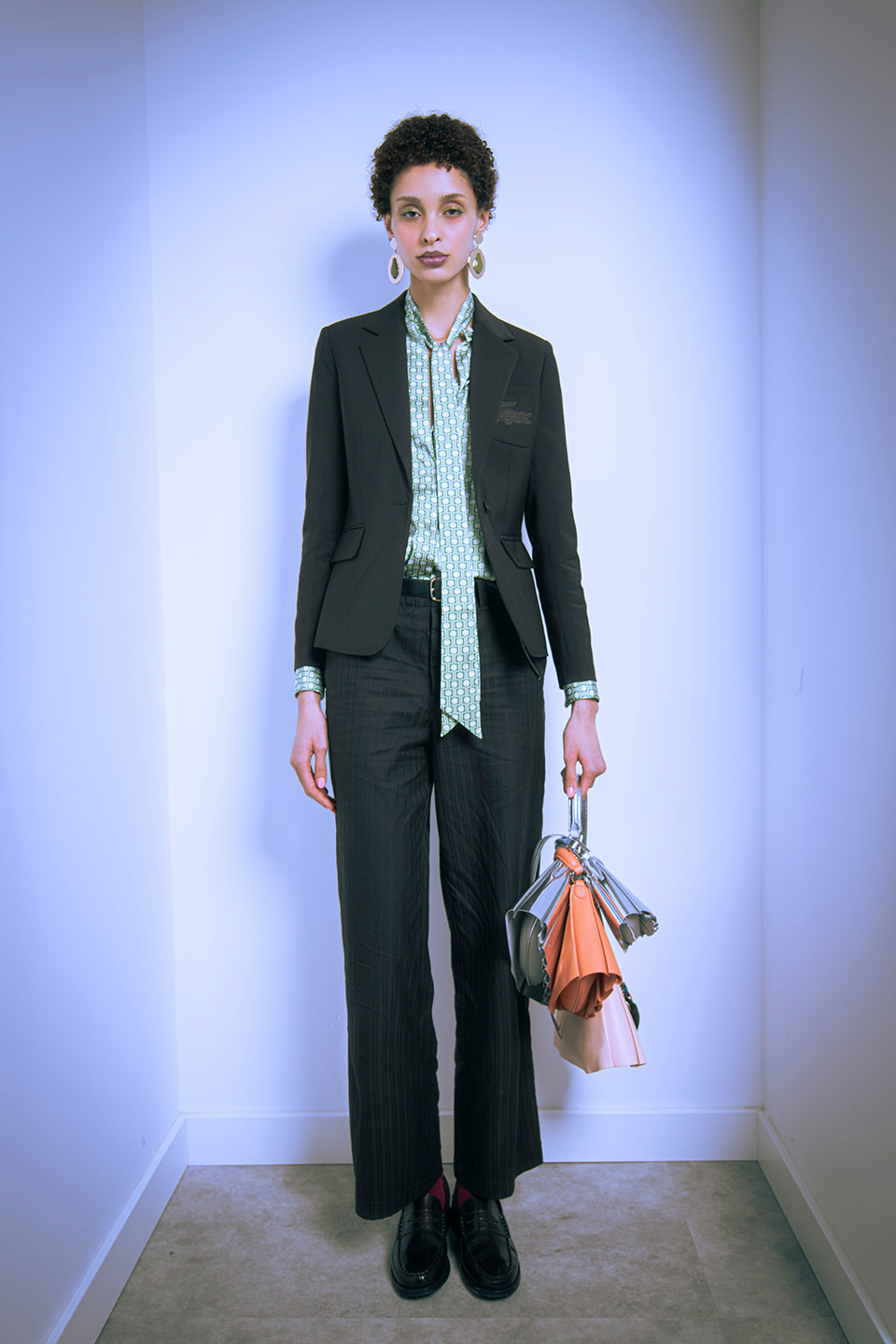
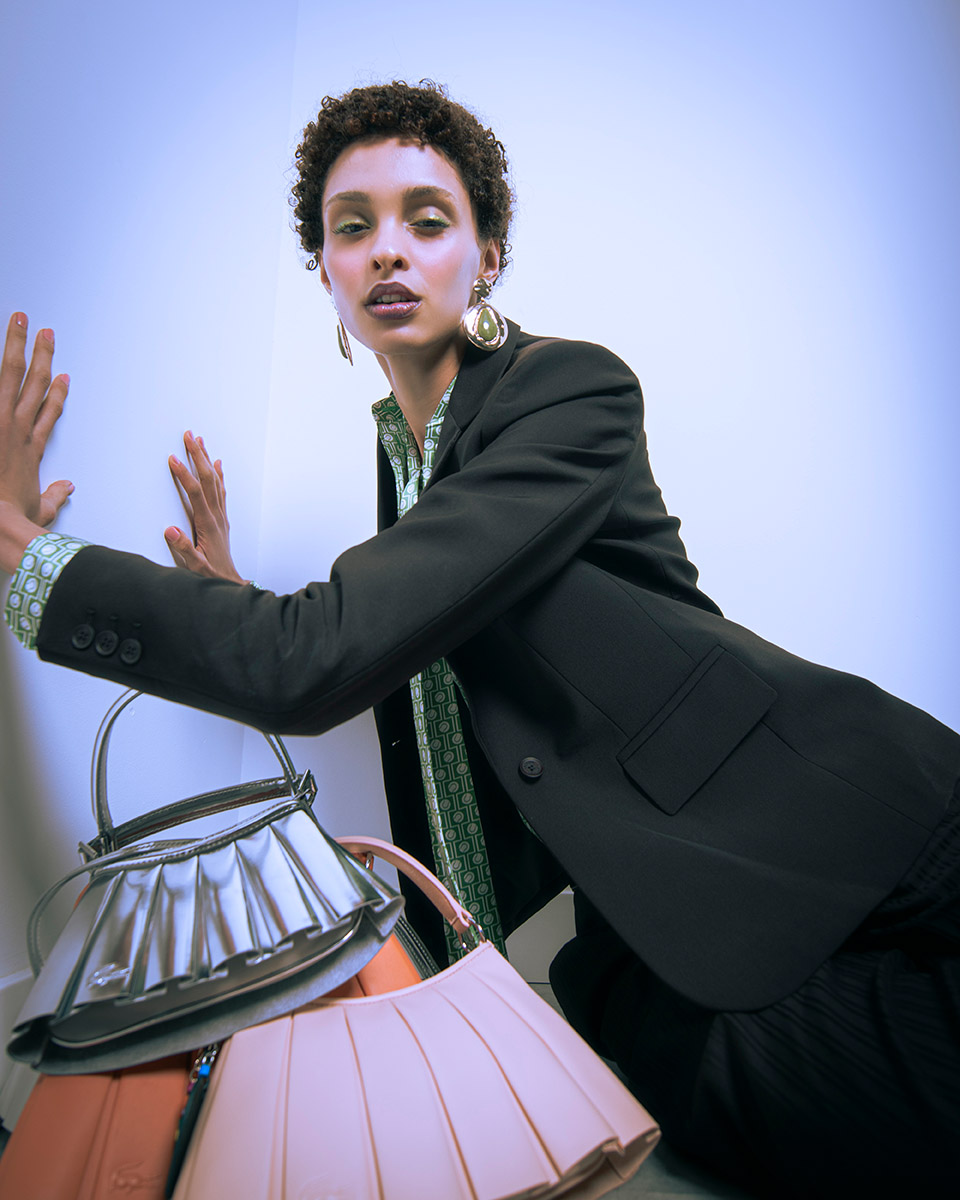
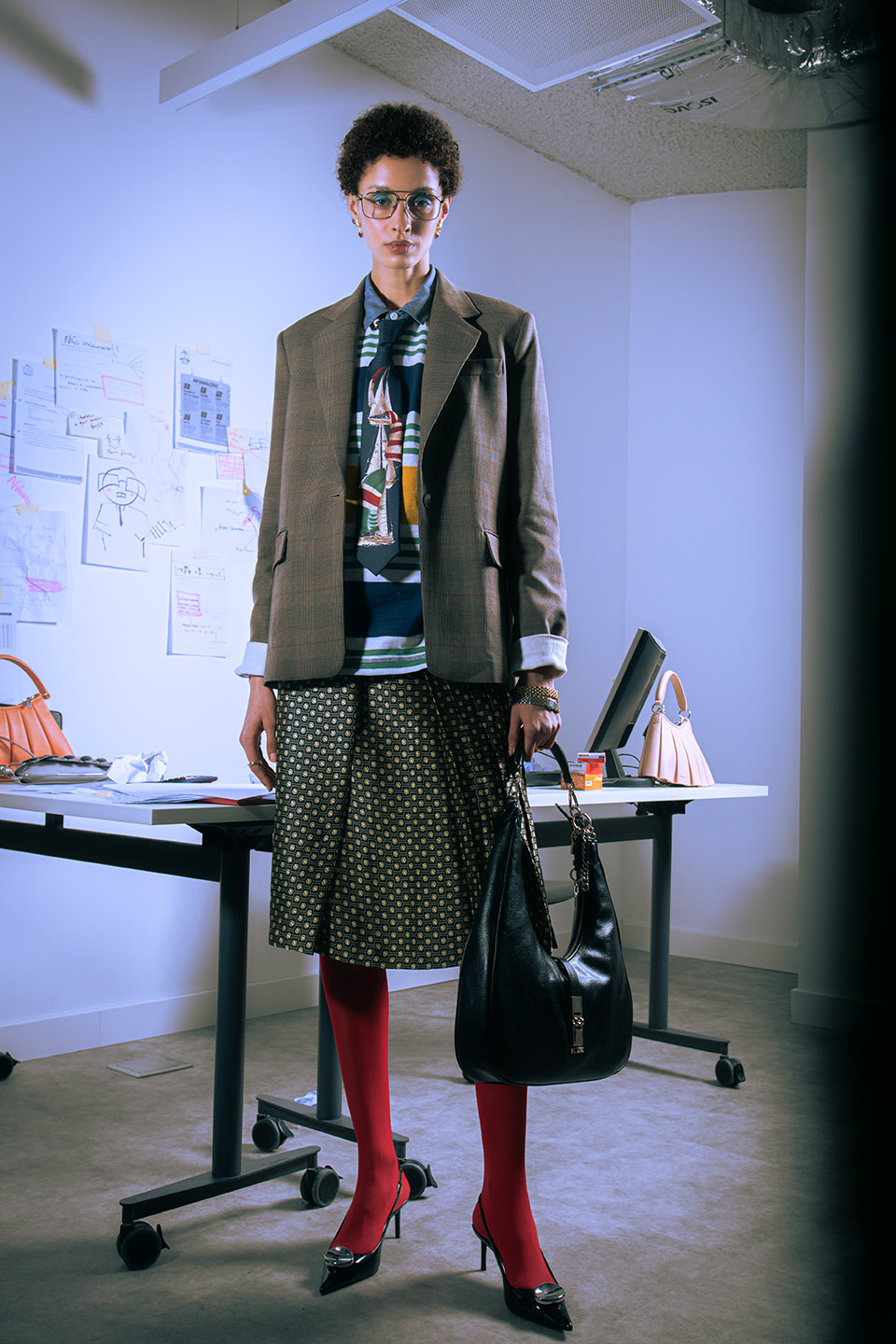
LACOSTE blazer, pants and bags; MANGO earings; Seaside shoes.
It depends on the work. When I’m on a shoot, I completely forget everything: to eat, to drink water. But if I sit at the computer for long hours, I’m definitely going to feel back pain. I think the problem is working long hours every day and working a lot in general, because you stop having time to exercise and socialize. You start thinking only about work and forgetting your needs and the fact that you are human. So I think it is very important to undergo psychotherapy. It’s mandatory in my routine, to take care of my mind.
bárbara, Photographer

When I get to a phase of the day where I start to feel in autopilot mode and I’m no longer properly present, I often find myself arriving home and not feeling like talking to anyone, ending up not giving much attention to those whom I love.
fábio, Creative Director
What would a healthier relationship with work look like for you?
I think when you can balance the work with the “normal” life, like social life and taking care of you as a person. And not be available 24hours 7days at week.
Bárbara, photographer
A healthier relationship would mean clearer boundaries, more trust in rest, and understanding that productivity isn’t the same as self-worth. Still working hard, but not at the expense of my well-being.
manu, producer
Probably a relationship where I wake up everyday grateful for doing what i do and anxious for new projects every time I finish one, anxious in the sense of “I can’t wait to start another project!”
fábio, Creative Direction

REFERENCES
ALVES/GONÇALVES @m.alves.goncalves
CHLOÉ @chloé | www.chloe.com
DOLCE & GABBANA @dolcegabbana | www.dolcegabbana.com
E.P.ATEL’YE @e.p.atelye
GANT @gant | www.gant.com
KALEOS @kaleoscollection |www.kaleoscollection.com
LACOSTE @lacoste | www.lacoste.com
LUIS CARVALHO @luiscarvalhoofficial | www.luiscarvalho.net
MANGO @mango | www.shop.mango.com
ONE @onewatchcompany_ | www.onewatchcompany.com
SEASIDE @seaside.oficial |www.seaside.pt