Antonia’s reverie: Spotlight on Astrid Werdnig
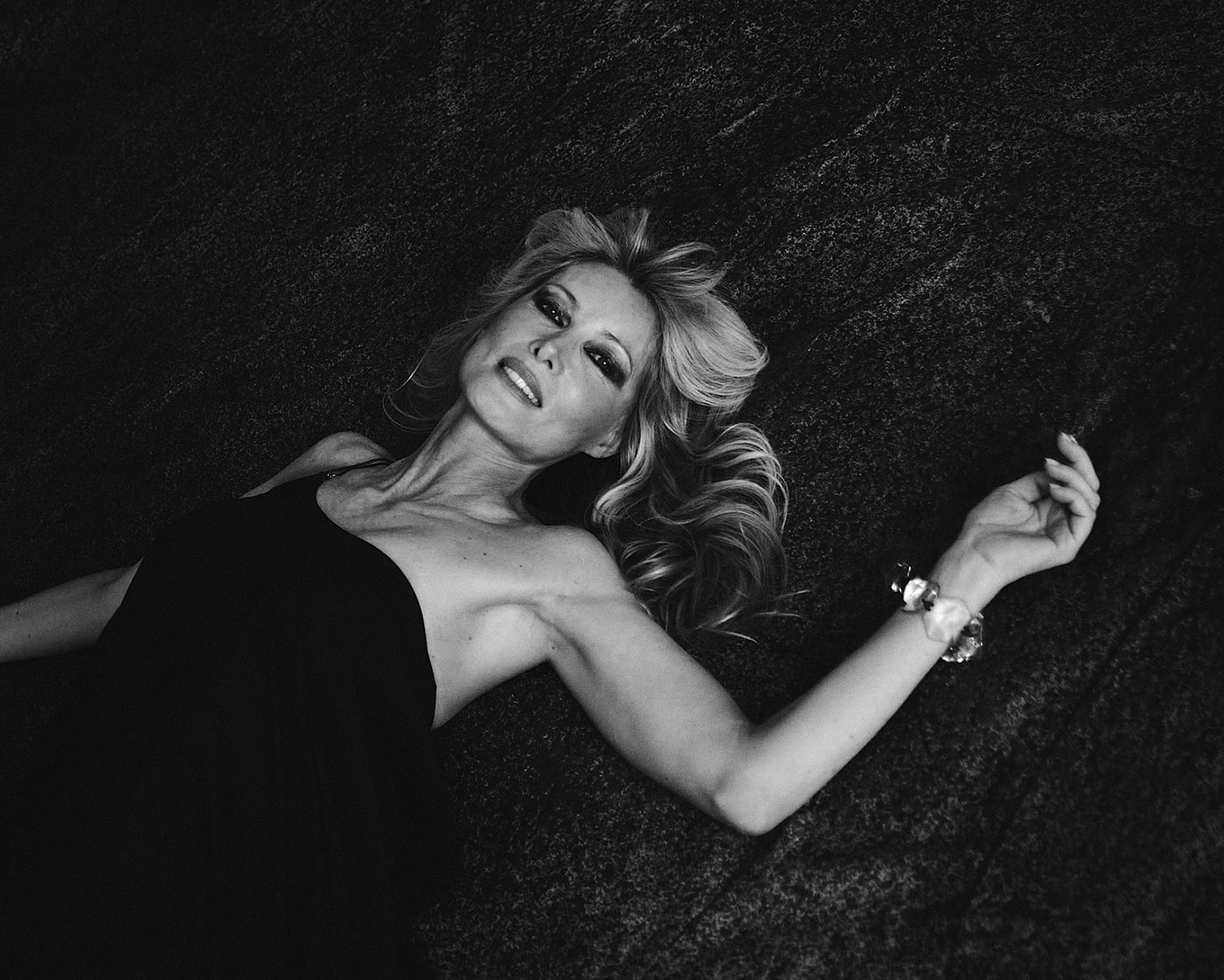
In a city as dazzling and dynamic as Lisbon, I meet people who fascinate me everywhere — when going out at night, walking down the street or even in my studio. Their beauty, their attitude, their way of being sparks my senses and my spirit. In honor of the people who inspire me and make life more brilliant for all, this series is my labour of love to mark the moments.
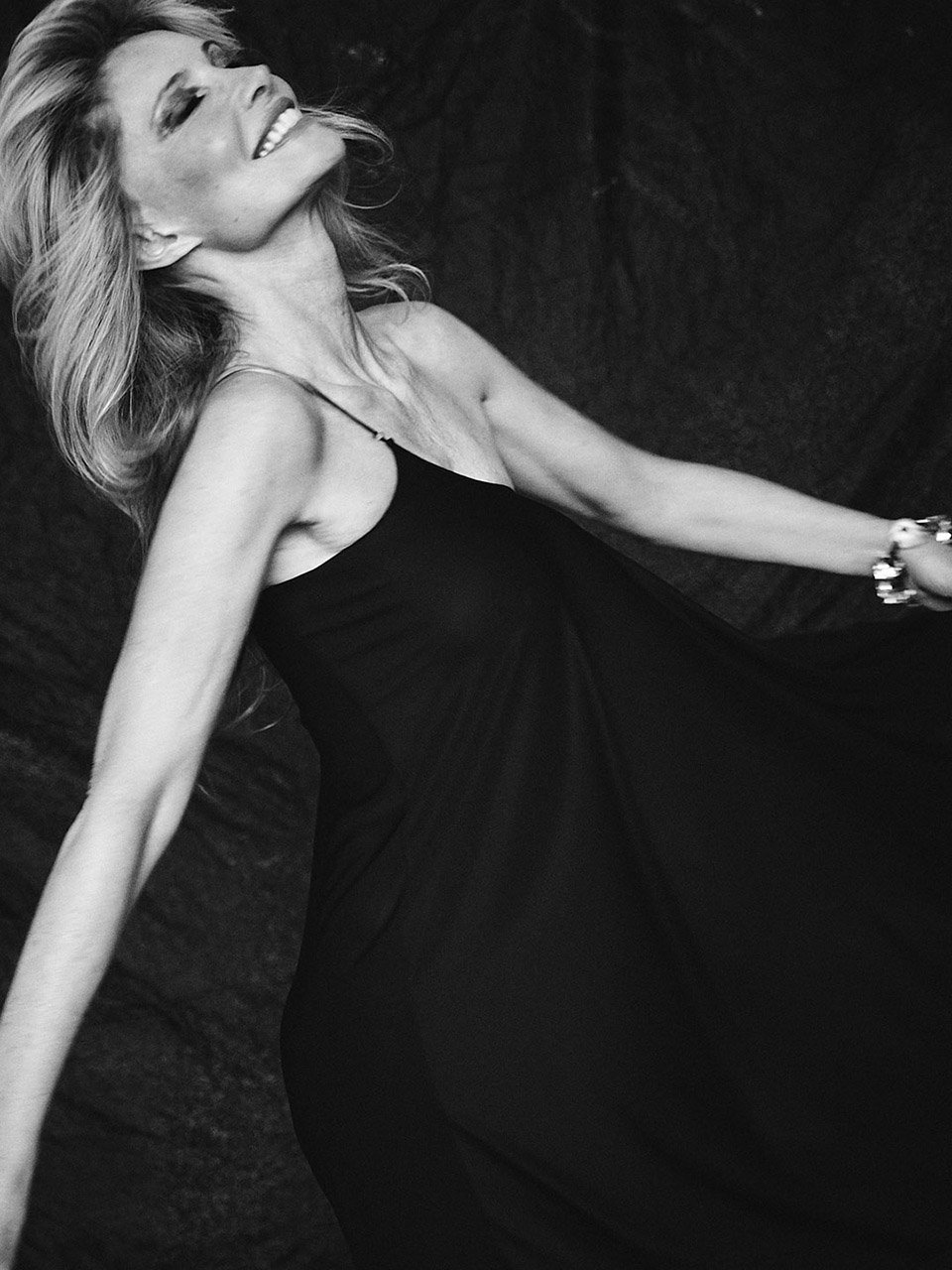
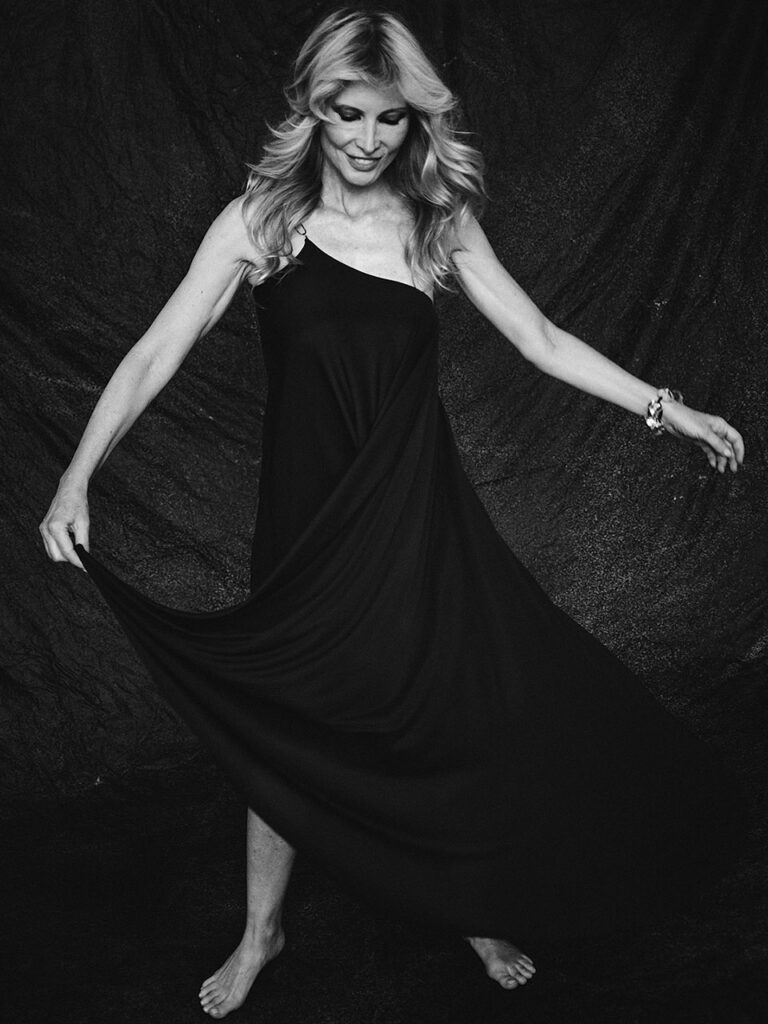
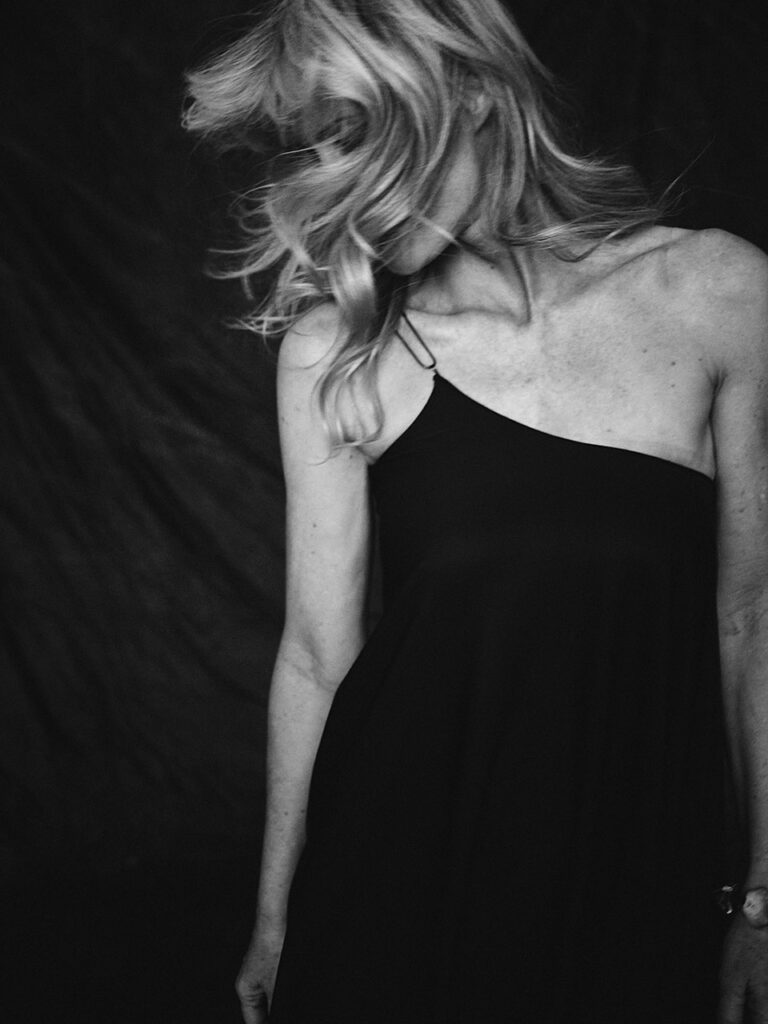
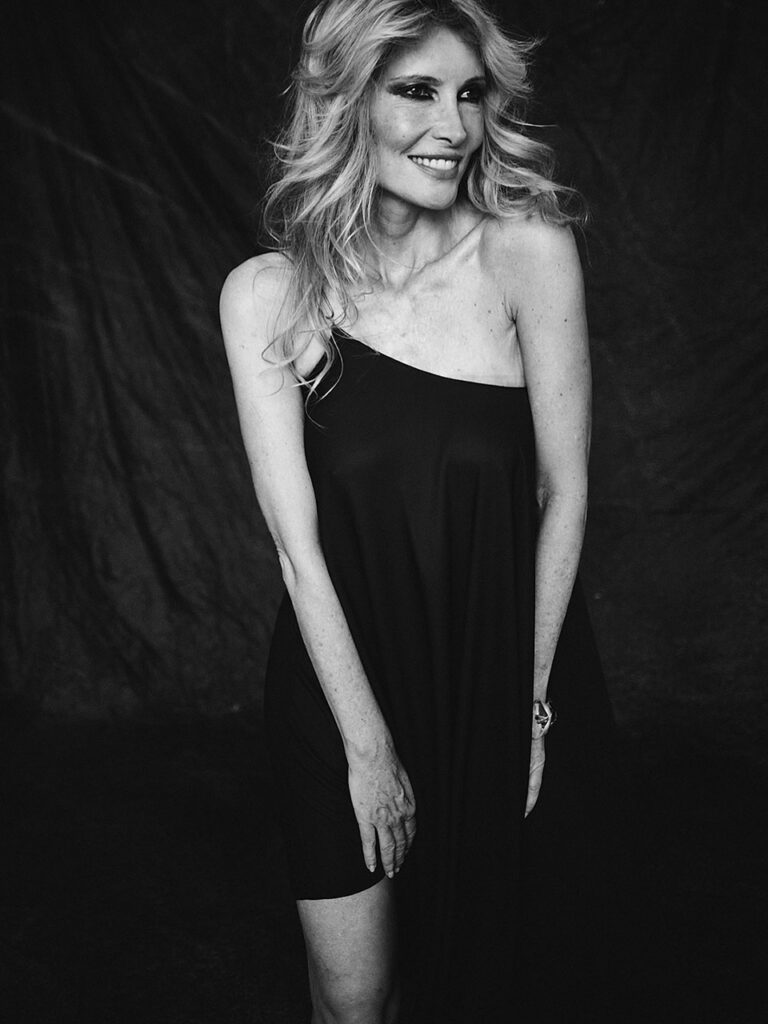
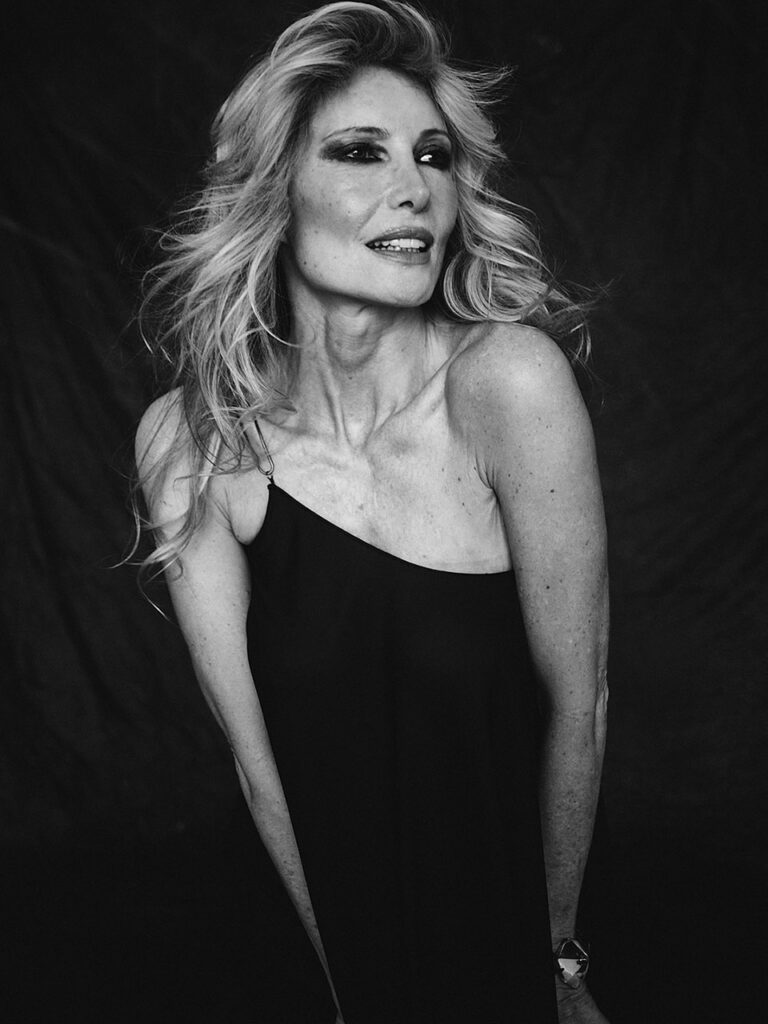
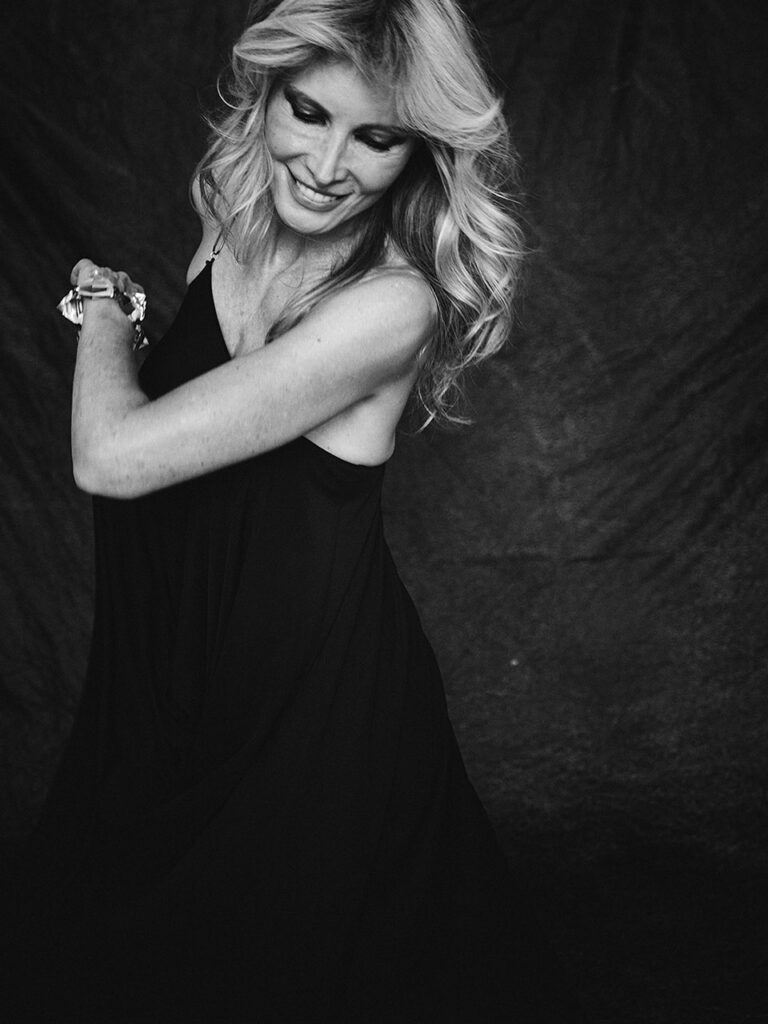
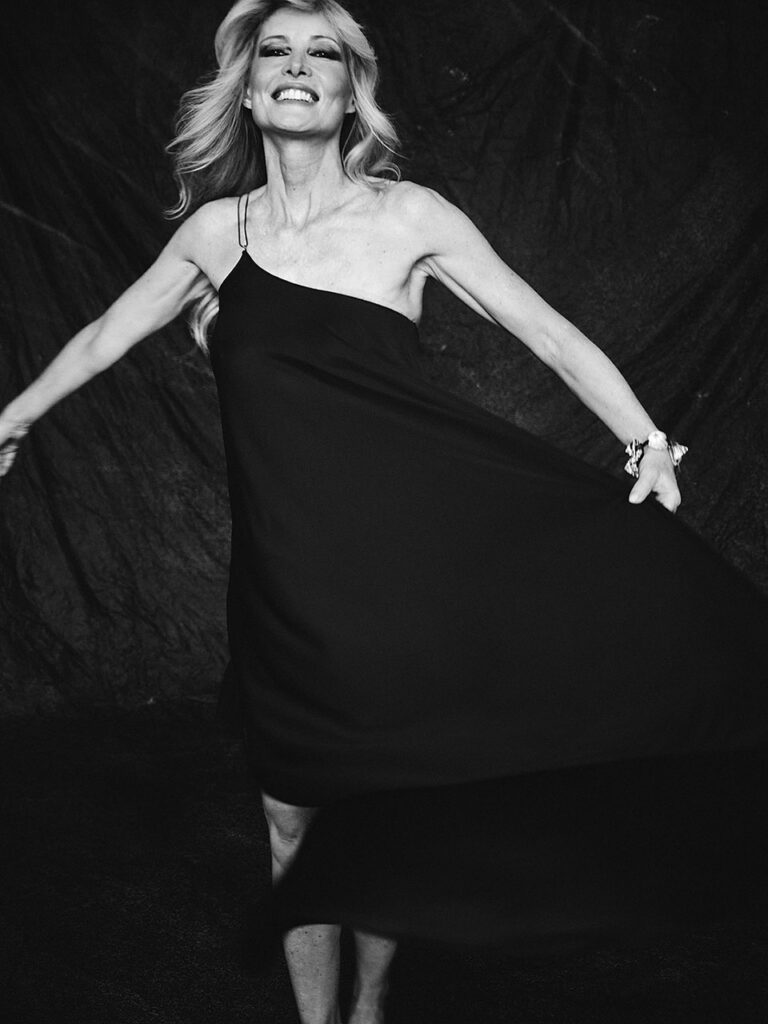
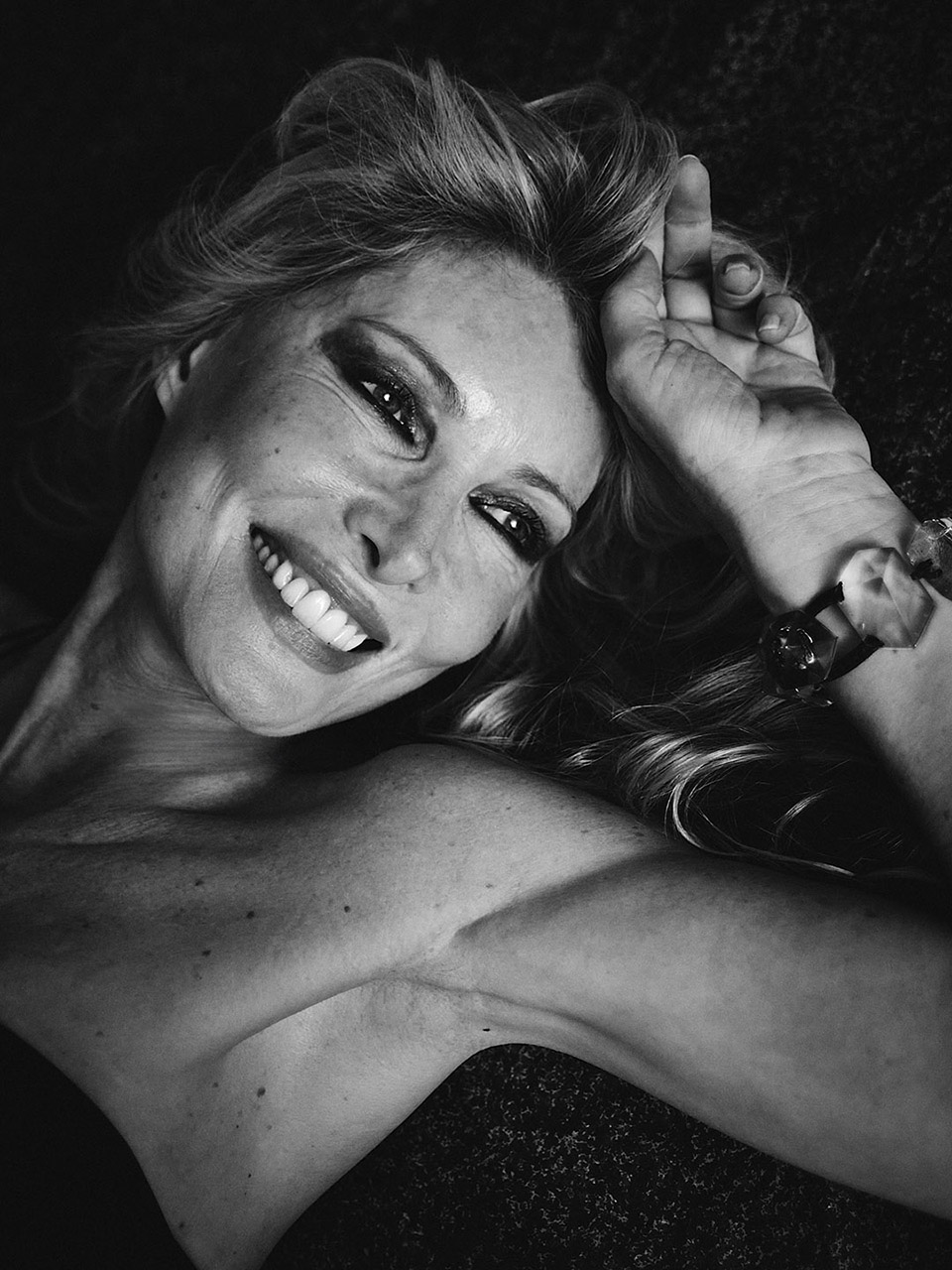
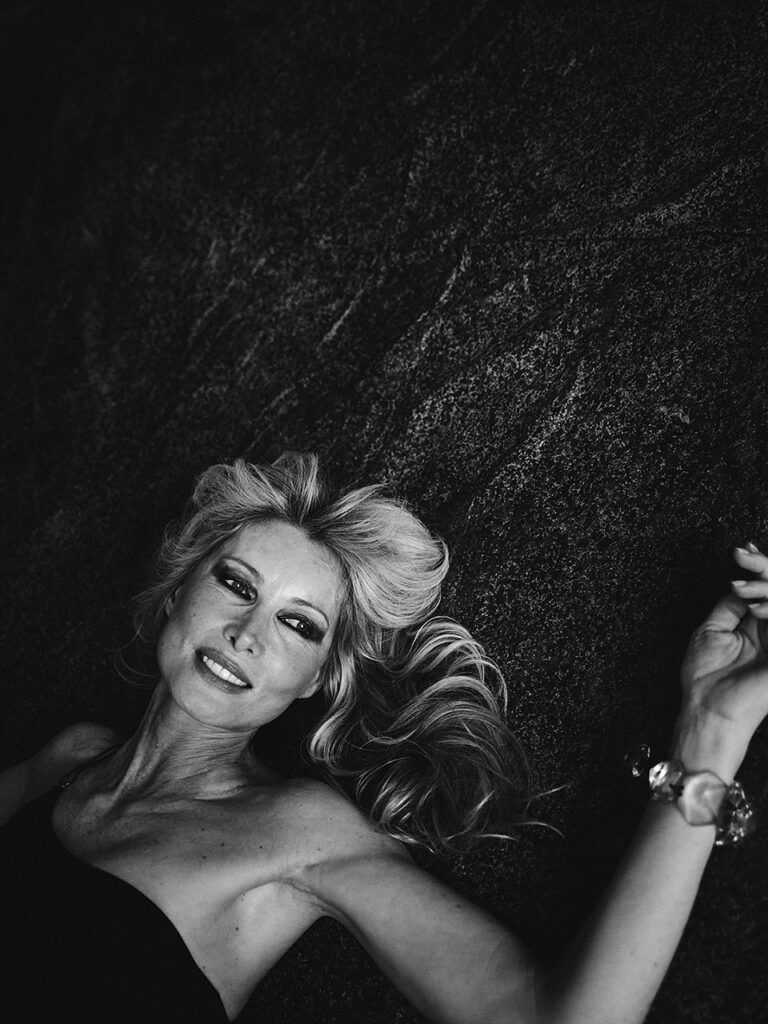
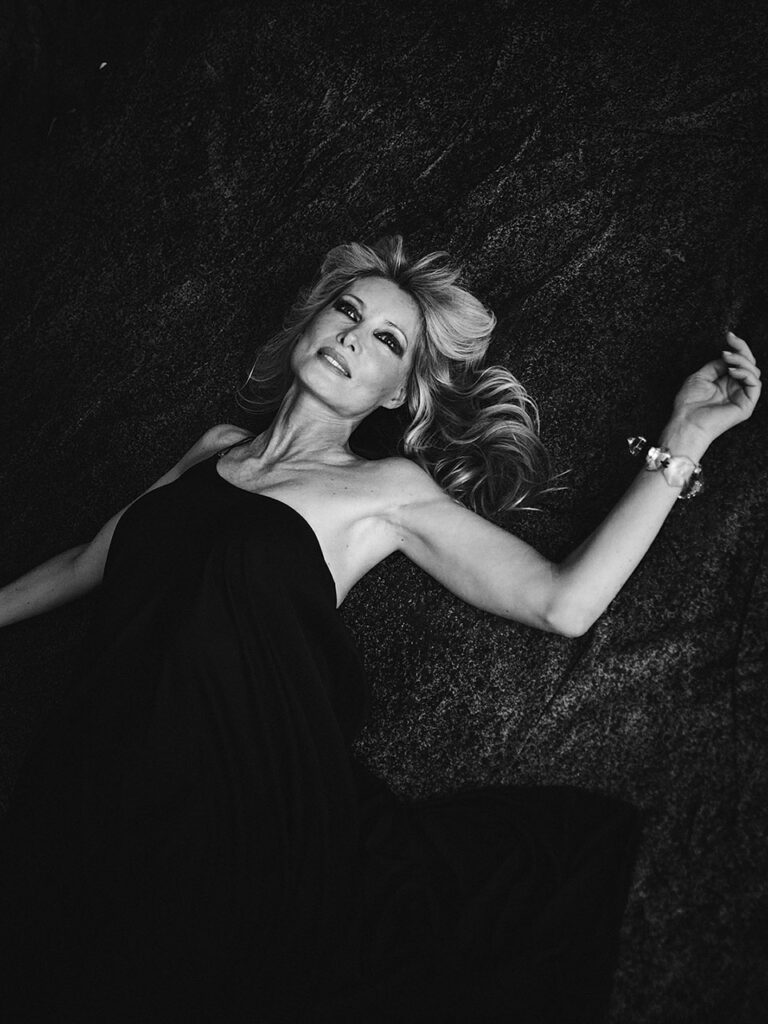
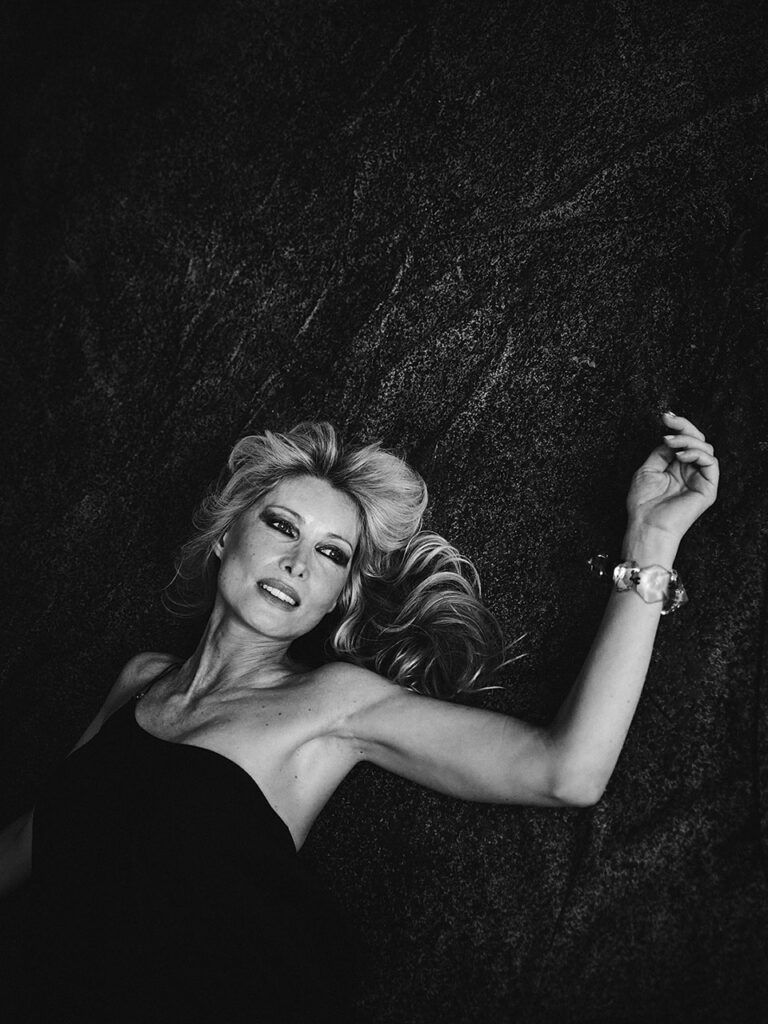
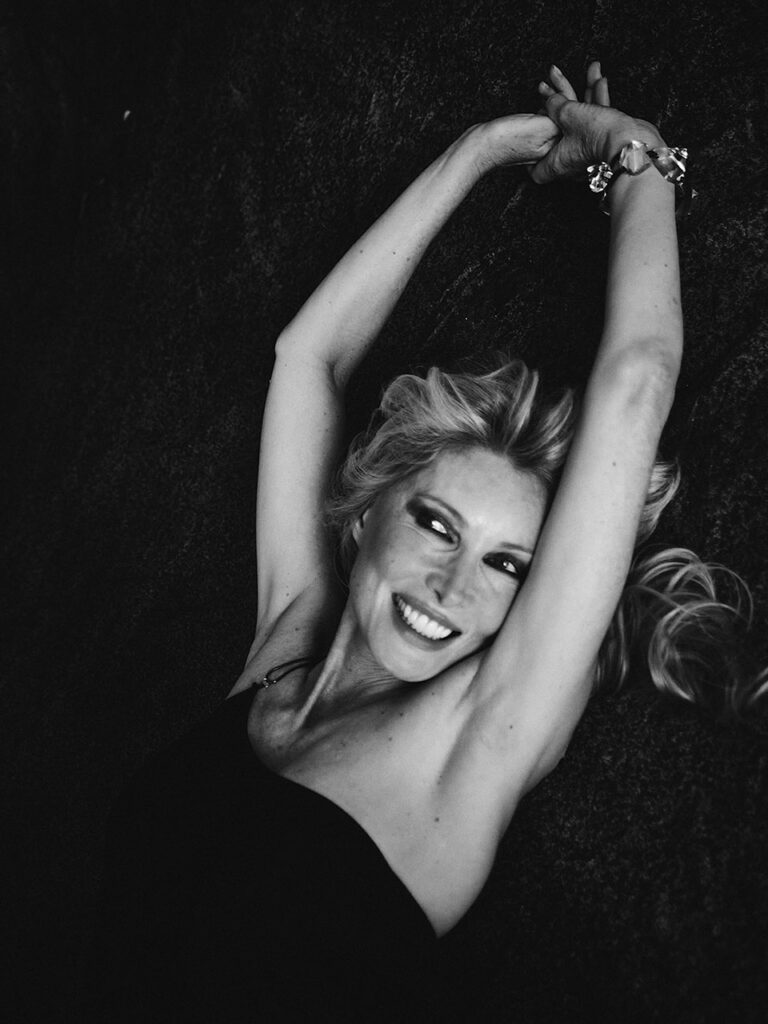
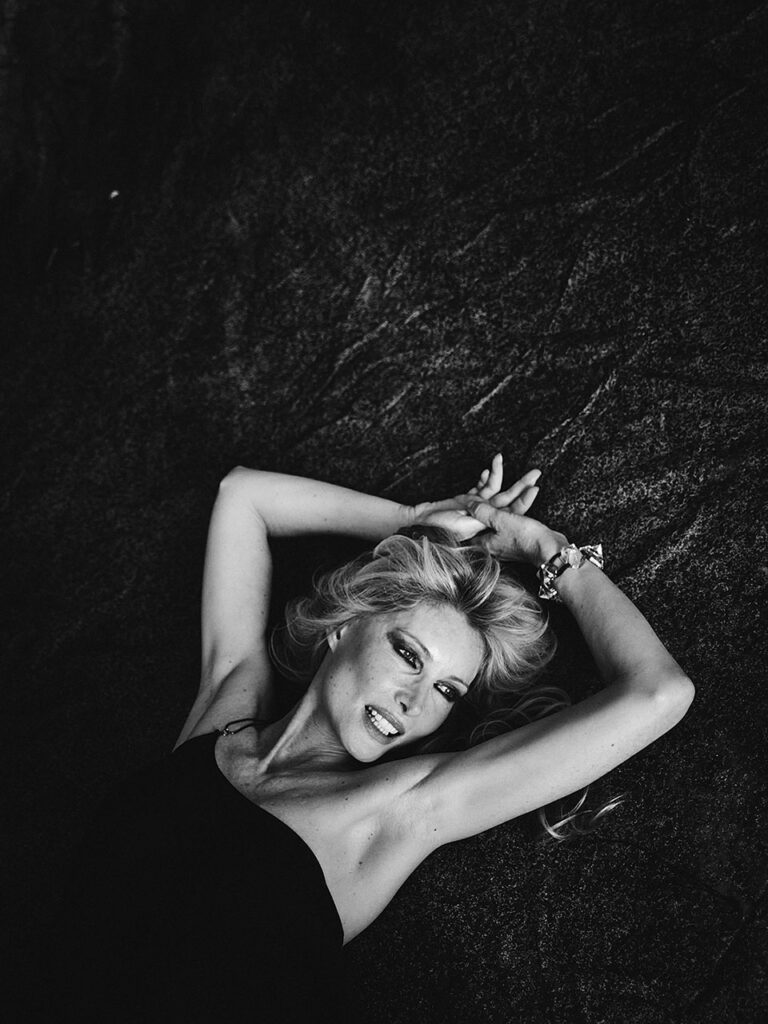
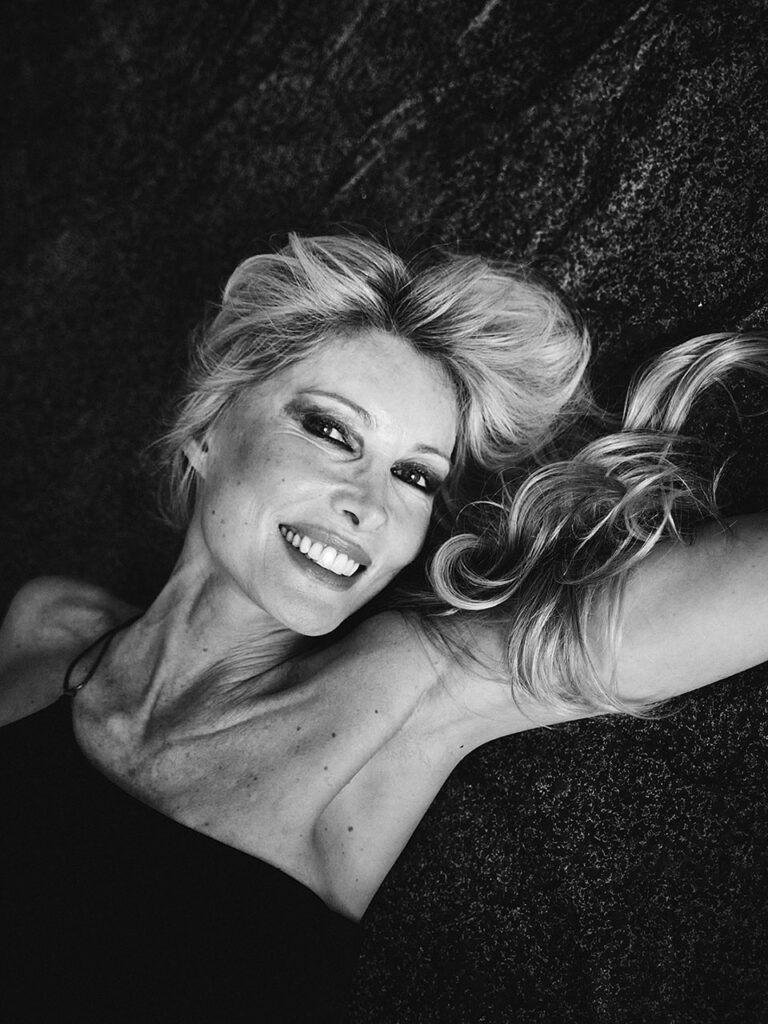
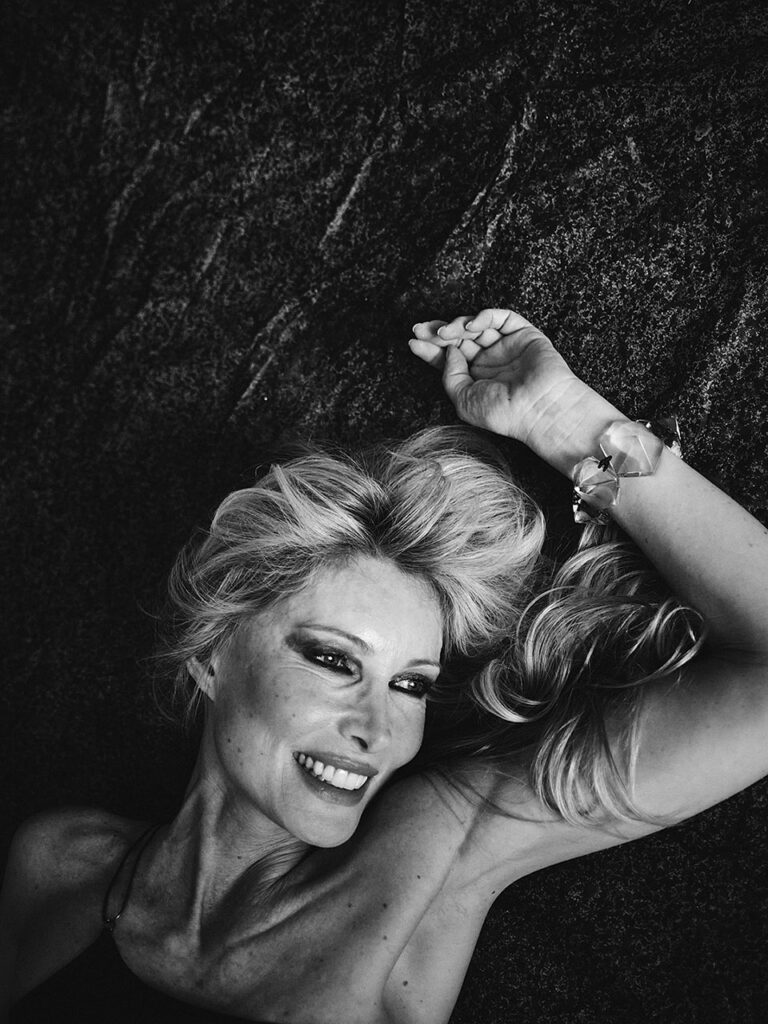
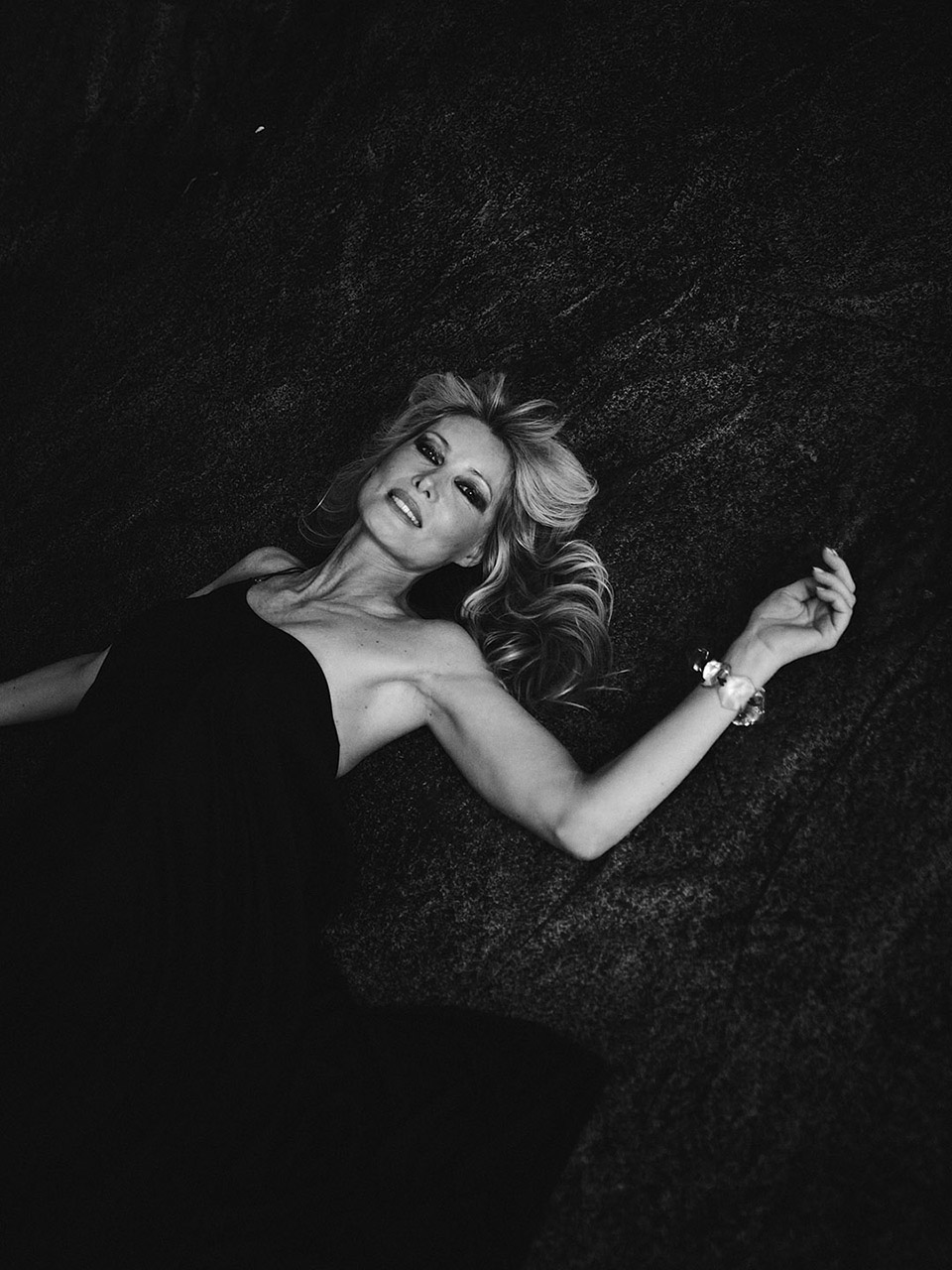
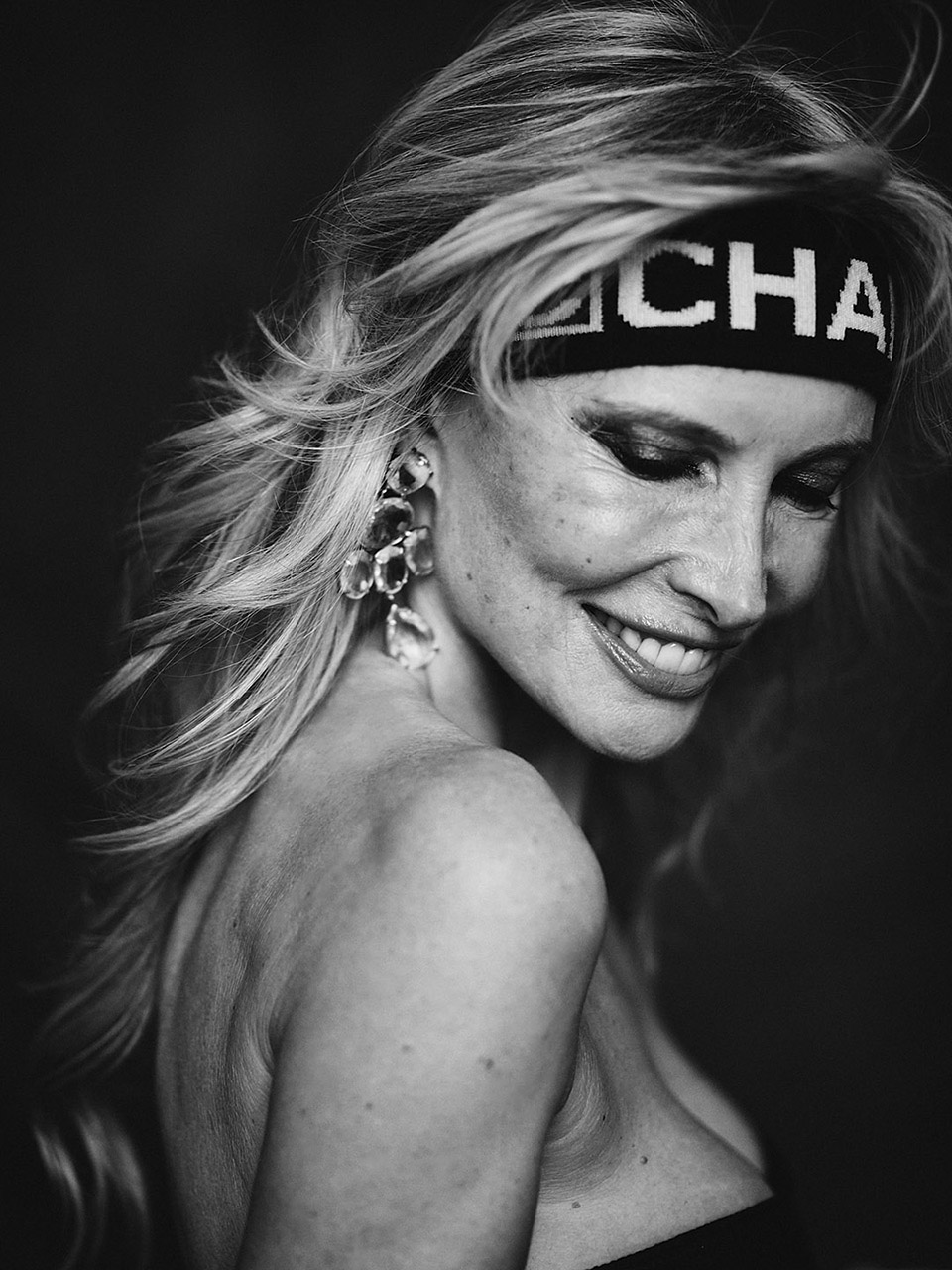
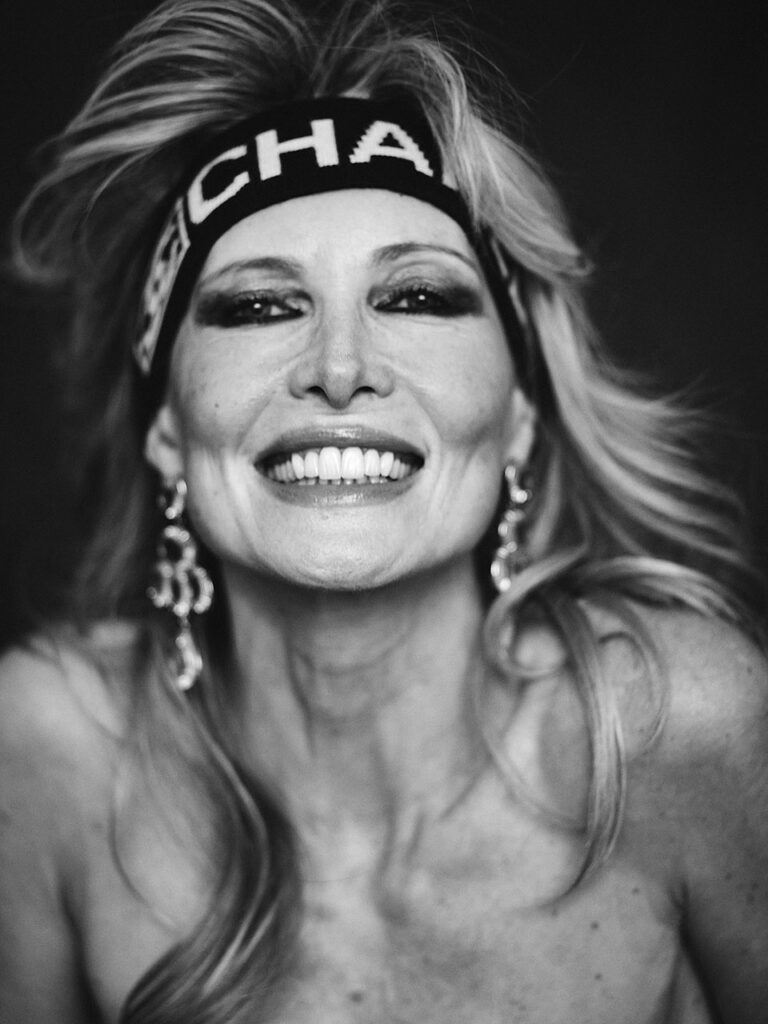
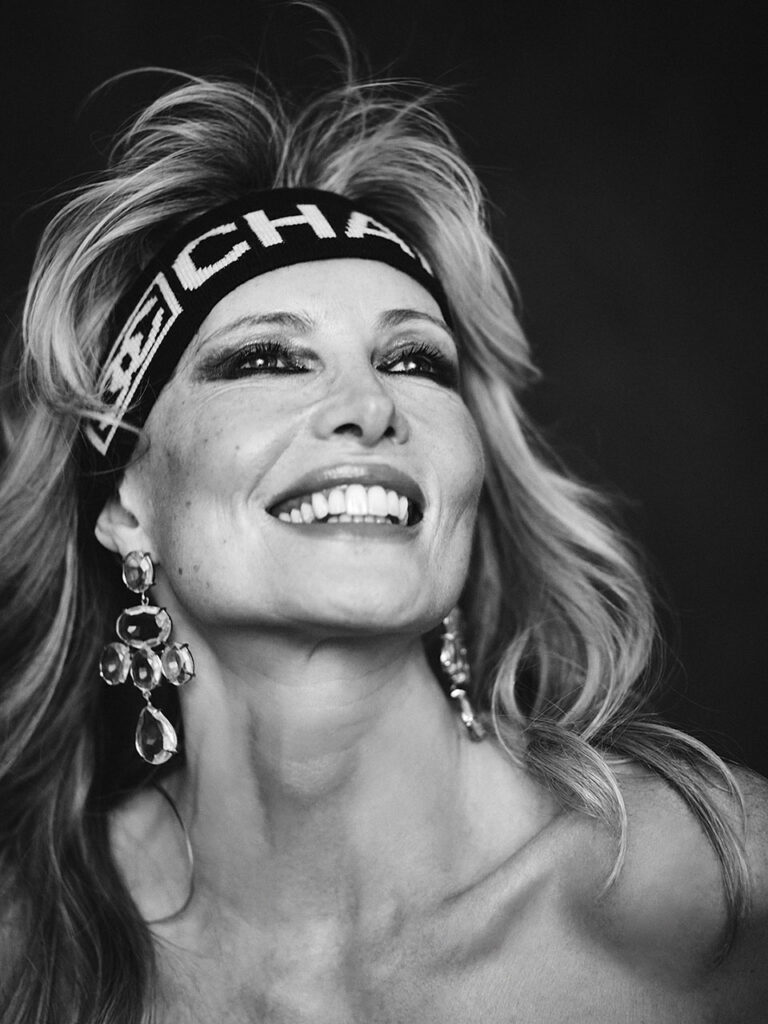
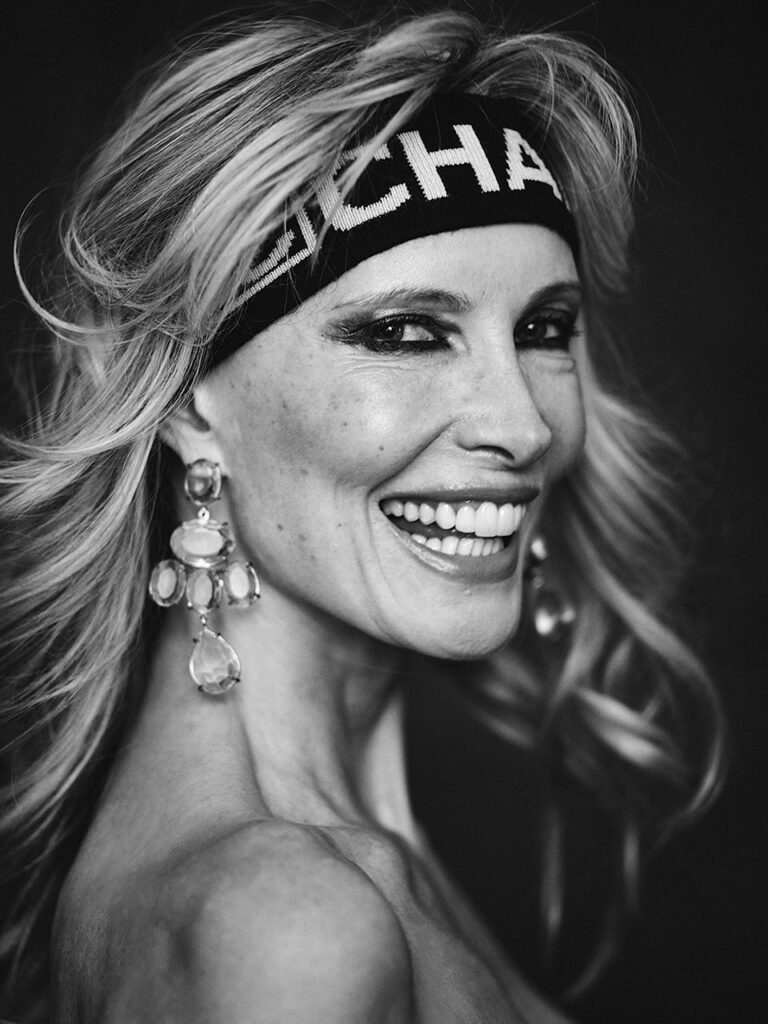
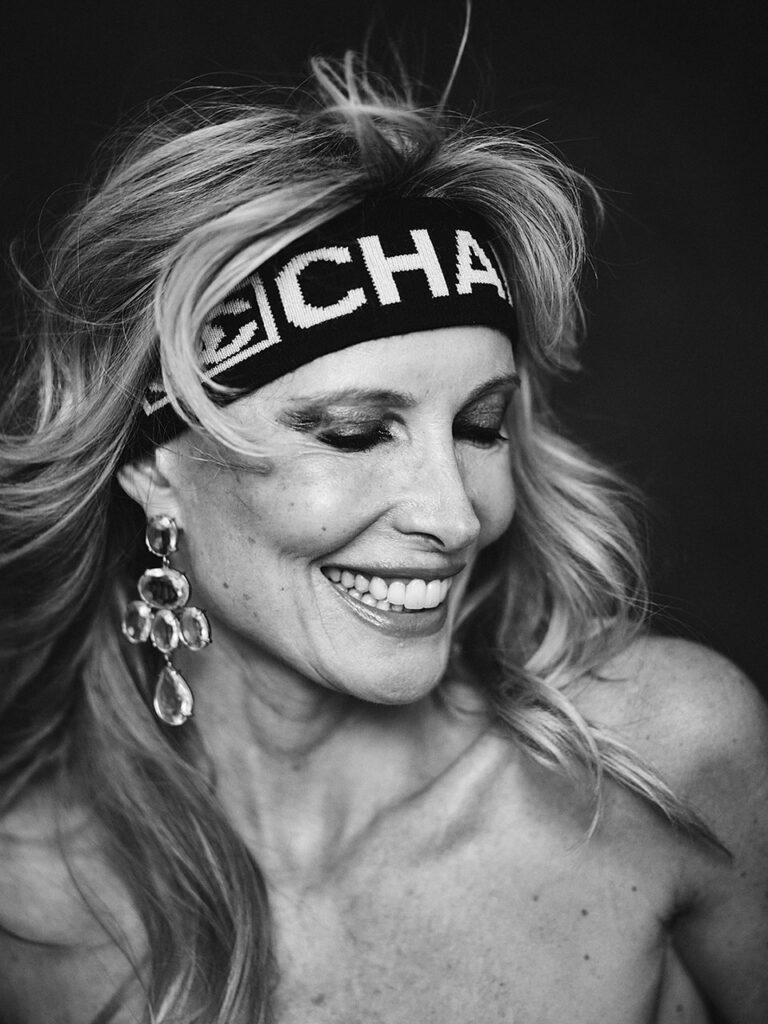
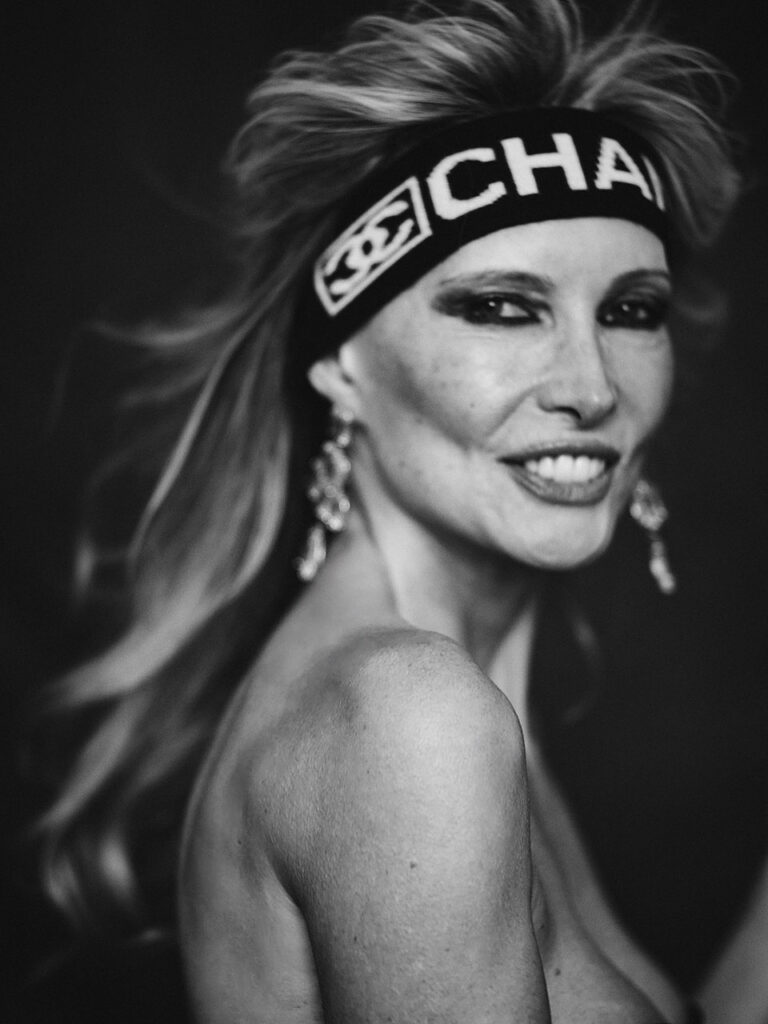
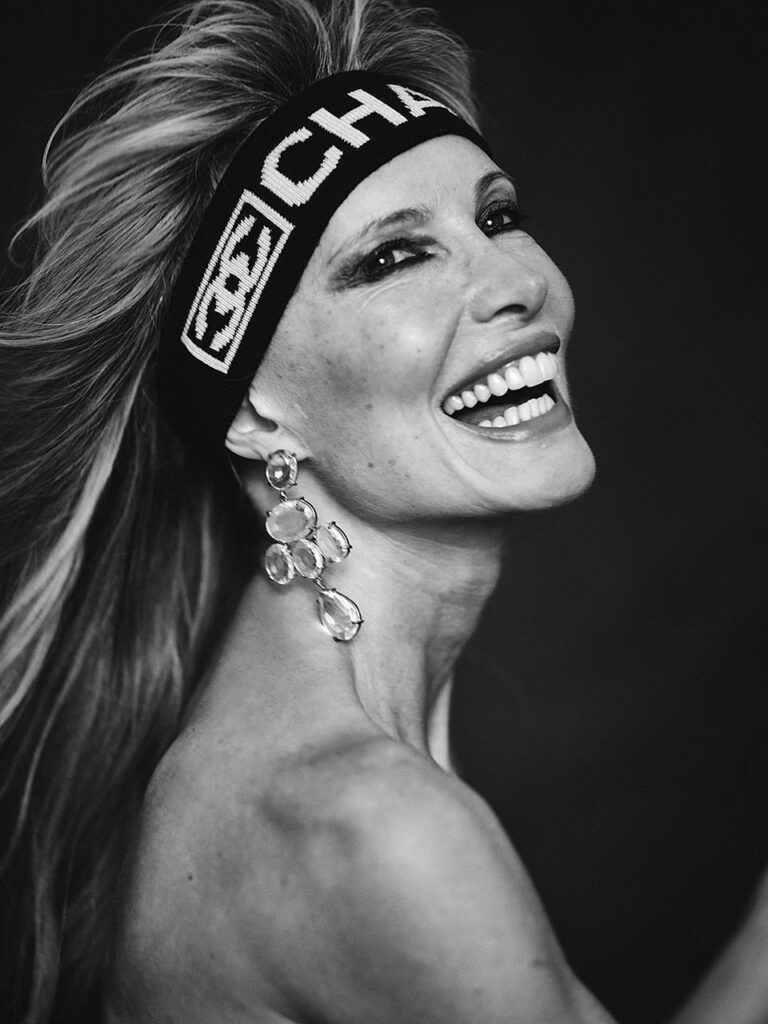
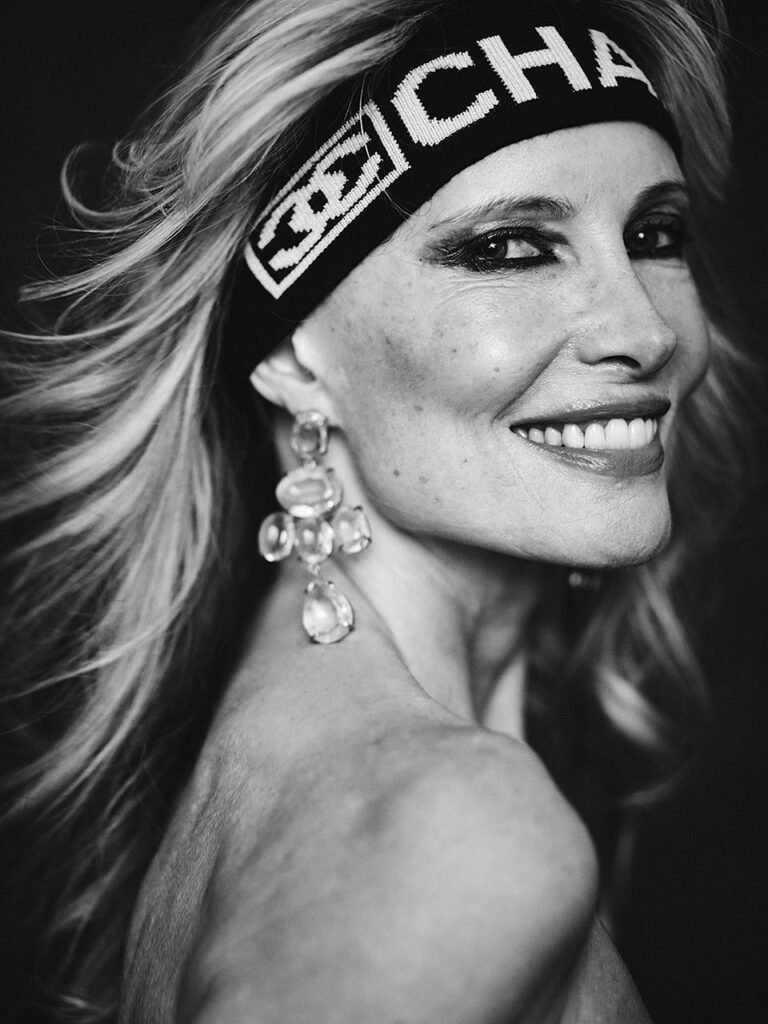
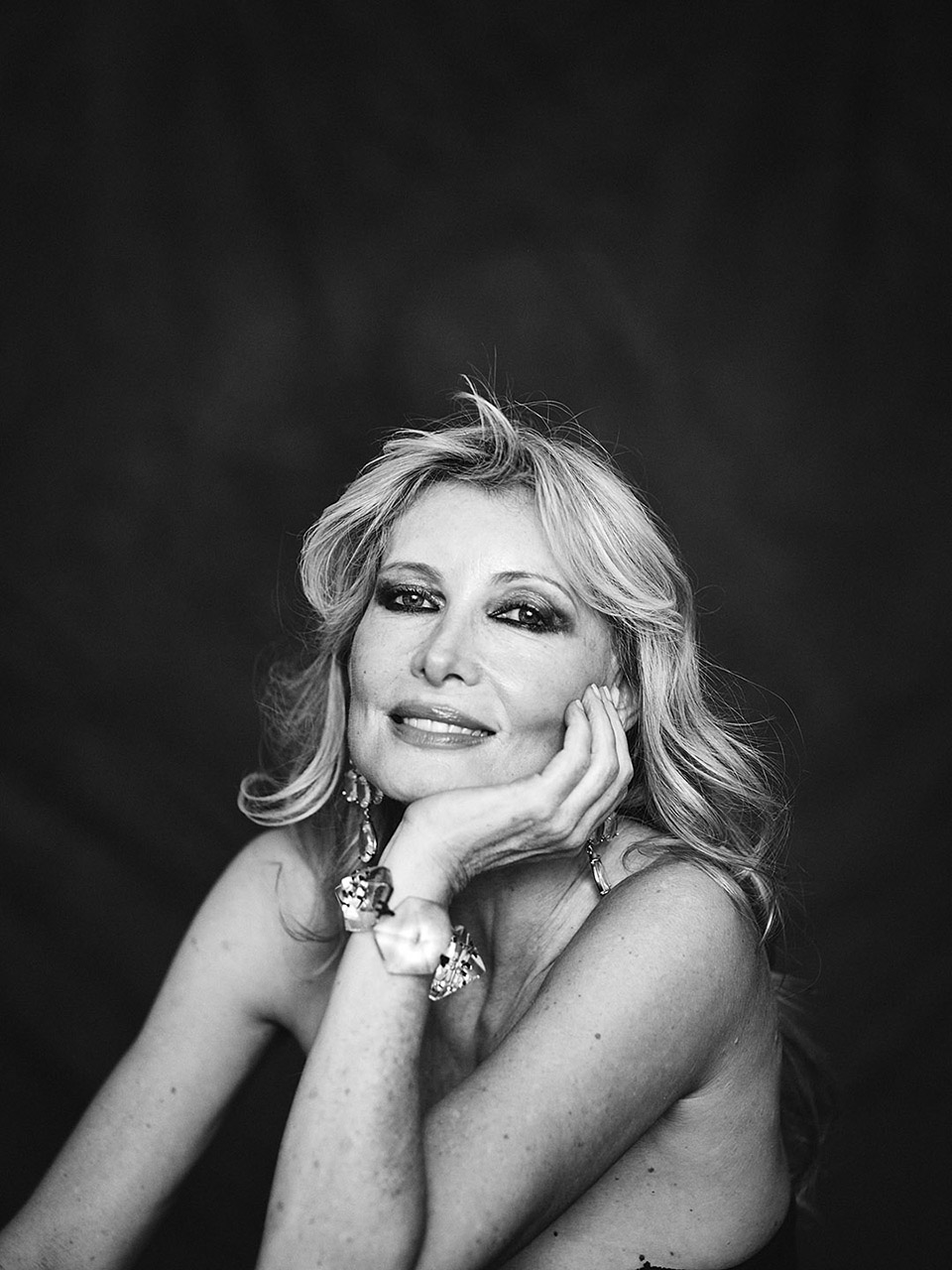
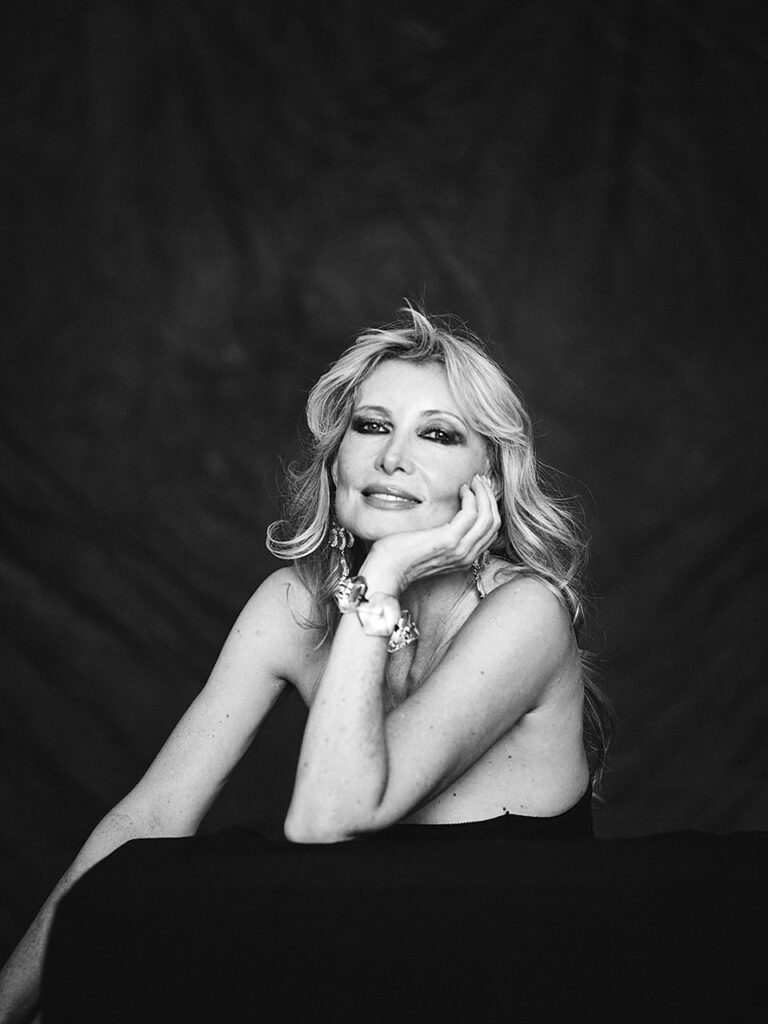
This moment is all about Astrid Werdnig.
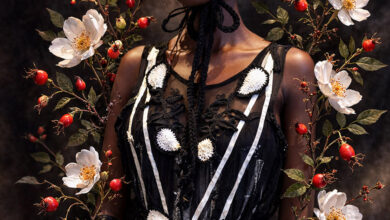
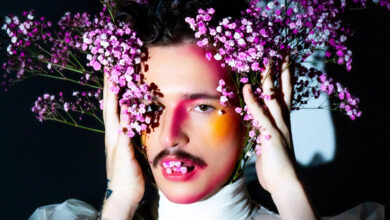
Creative direction and beauty Antonia Rosa
Featuring Astrid Werdnig from Central Models
Photography Sergio Santos
Studio A25 StudioBox
Fashion editor Anderson Vescah
Hair Paulo Vieira with Joico
Makeup assistant Rita Tavares
Interview Eduardo Alves
Astrid Werdnig, born in Klagenfurt, Austria, began modeling almost by chance before discovering a creative, international world. Her studies in philosophy, german philology and psychology led her to systemic therapy, where curiosity and human connection remain central.
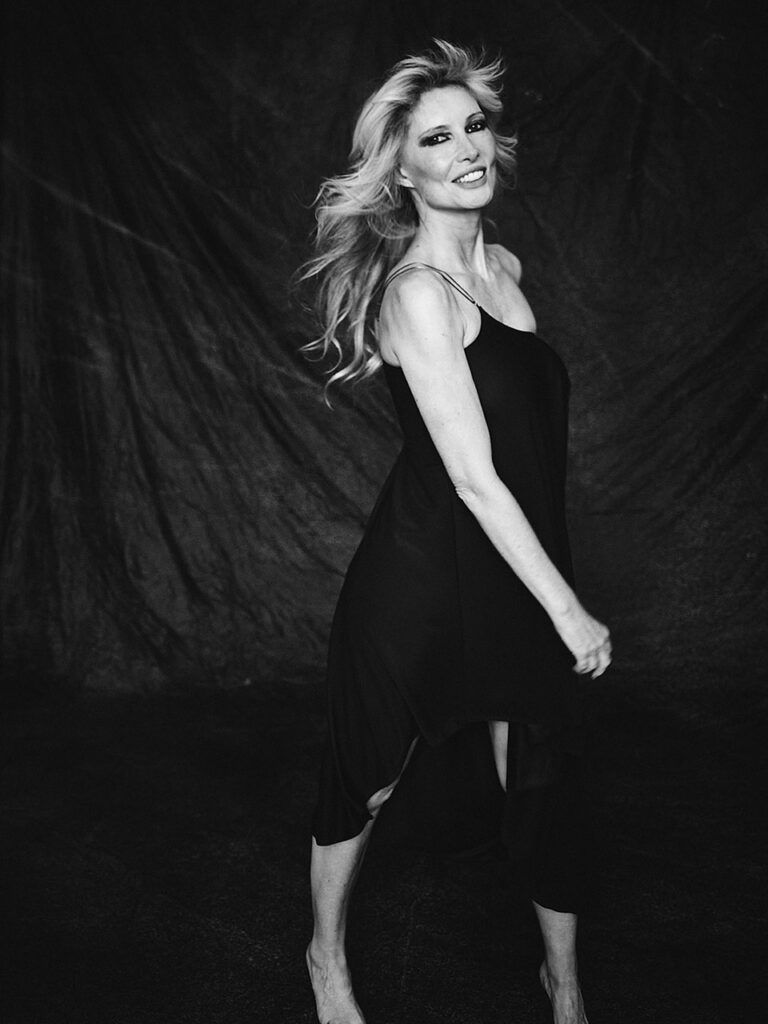
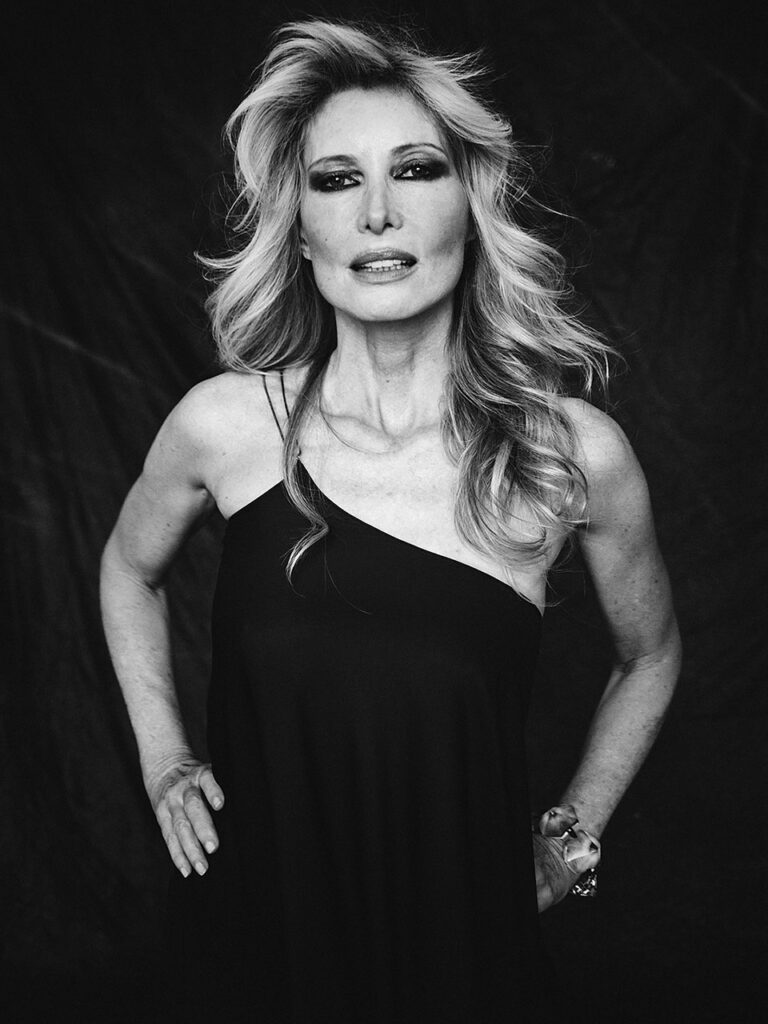
For over twenty years she has lived in Portugal, between Lisbon and Sintra, with her husband Paulo Pires and their two daughters, balancing motherhood with work in therapy, fashion, and acting. This editorial captures Astrid’s essence: thoughtful, luminous, and anchored in values of freedom, friendship, and authenticity — shaped by both intellect and emotion, and by her Austrian heritage and Portuguese home.
I met Astrid in Zambujeira do Mar right at the beginning of her relationship with Paulo, who I also admire a lot. For me, she represents purity in her beauty and delicate features. When I look at her and see this timeless smile, I remember this happy space of time, innocence full of sunshine. Antonia Rosa

ZOOT: How did you start your career, and what moments have shaped you the most?
Astrid Werdnig: To be honest, I started my modeling career rather hesitating. I had been approached several times and encouraged to apply to modeling agencies, but I never really thought it was for me. In that time I started my university course in philosophy, psicology and german philology and at that point modeling just didn’t feel like my world – at least not at first. That changed when a photographer I personally knew suggested I give it a try and actually took me to Andrea Weidler’s agency in Vienna, the Wiener Modellsekretariat, in 1992. That’s where everything began.
Very quickly, I realized that modeling wasn’t just about appearances – it was a highly professional field within a vibrant, creative industry. My initial prejudices disappeared almost immediately. A whole new world opened up to me – full of energy, artistic expression, and inspiring young people. What fascinated me the most were the many travels. Suddenly, I was constantly on the move, discovering new cities, cultures, and ways of seeing the world. It was exciting and eye-opening in a way I hadn’t expected.

Looking back now, I realize that some of the most formative moments in my career actually began long before I started modeling. A special way of seeing the world, with curiosity, openness, and a positive outlook on life, was shaped early on by my parents, my grandparents, and during my first years in school.
I had two incredibly inspiring primary school teachers who made a lasting impression on me. Because of them, I was determined to become a teacher myself. Later, in high school, I discovered philosophy and psychology—two subjects that immediately resonated with me and made it clear that this was the path I wanted to follow.
At university, I attended a lecture on family therapy that completely shifted my perspective. It wasn’t just about theory—it was about life, relationships, patterns, and change. That moment planted the seeds for my later work as a systemic therapist. So in a way, while modeling opened the door to a creative and international world, my inner journey had already begun much earlier—with a lot of curiosity about the universe, humanity, and how we grow and connect.
ZOOT: What values are most important to you — in your work and in your life?
Astrid Werdnig: Peace, justice, freedom, friendship and family…
Friendship, because I believe in the power of meaningful, trusting relationships, whether in everyday life, in therapy, or in creative collaborations. If I had to choose just one value, it would be this one. Peace, because without inner and outer peace, we lose the ground on which everything else stands. Justice, because fairness and dignity should be the baseline of any society and of any human encounter. And freedom, not as something abstract, but as the space we all need to grow, think, love, and create without fear. Family, because it gives us a first sense of belonging, a space where we are seen and held. Whether chosen or given, these foundational relationships help shape our ability to trust, to care, and to find our place in the world.
I would also add curiosity. It may not sound like a traditional “value,” but to me, staying curious—about people, ideas, cultures, and the universe—is essential. It keeps us awake, connected, and open to change.




ZOOT: Can you walk us through your daily beauty routine?
Astrid: I believe that beauty – quite literally – comes from within. Not just in a metaphorical sense, but also biologically. It’s not only about genetics, but also epigenetics, which we can actively influence. The way we eat, move, sleep, and manage stress all play a role in how we look and feel.
That’s why, for me, a “beauty routine” begins with nourishing my body: a balanced diet, regular exercise, quality sleep, and finding ways to regulate stress are the real foundation. I also take a few supplements, like magnesium and vitamin D, to support my system from the inside.
At the same time, I’m a strong believer in prevention. I regularly visit my dermatologist at the Personal Derma clinic to support healthy skin aging in a sustainable and thoughtful way. Of course, I also take care of my skin with a few simple rituals, but I truly believe that the glow we radiate starts much deeper.


ZOOT: How do you personally approach sustainability and ethical fashion in your everyday life?
Astrid: I think in this question it`s important to think globally. Fashion is a global industry, and questions of ethics and sustainability can’t be reduced to simple formulas. For me, it’s less about following rigid rules and more about cultivating awareness and responsibility.
I try to support brands and designers who are transparent about their production processes and who value fair working conditions. I must admit that, in the ´90s, I was very much part oft he fast fashion wave – but my perspective has changed a lot since then. Now I believe in the power of longevity – choosing timeless pieces, taking care of what I have, and trying to buy less but better.
At the same time, I’m mindful that ethical fashion looks very different depending on where you stand in the world. What’s considered “sustainable” in one context might be completely out of reach – or even irrelevant – in another. I think we need to keep that complexity in mind, rather than chasing purity or perfection.
Ultimately, fashion should connect us: to creativity, to the people behind the clothes, and to the planet. That’s the kind of fashion I try to live with.
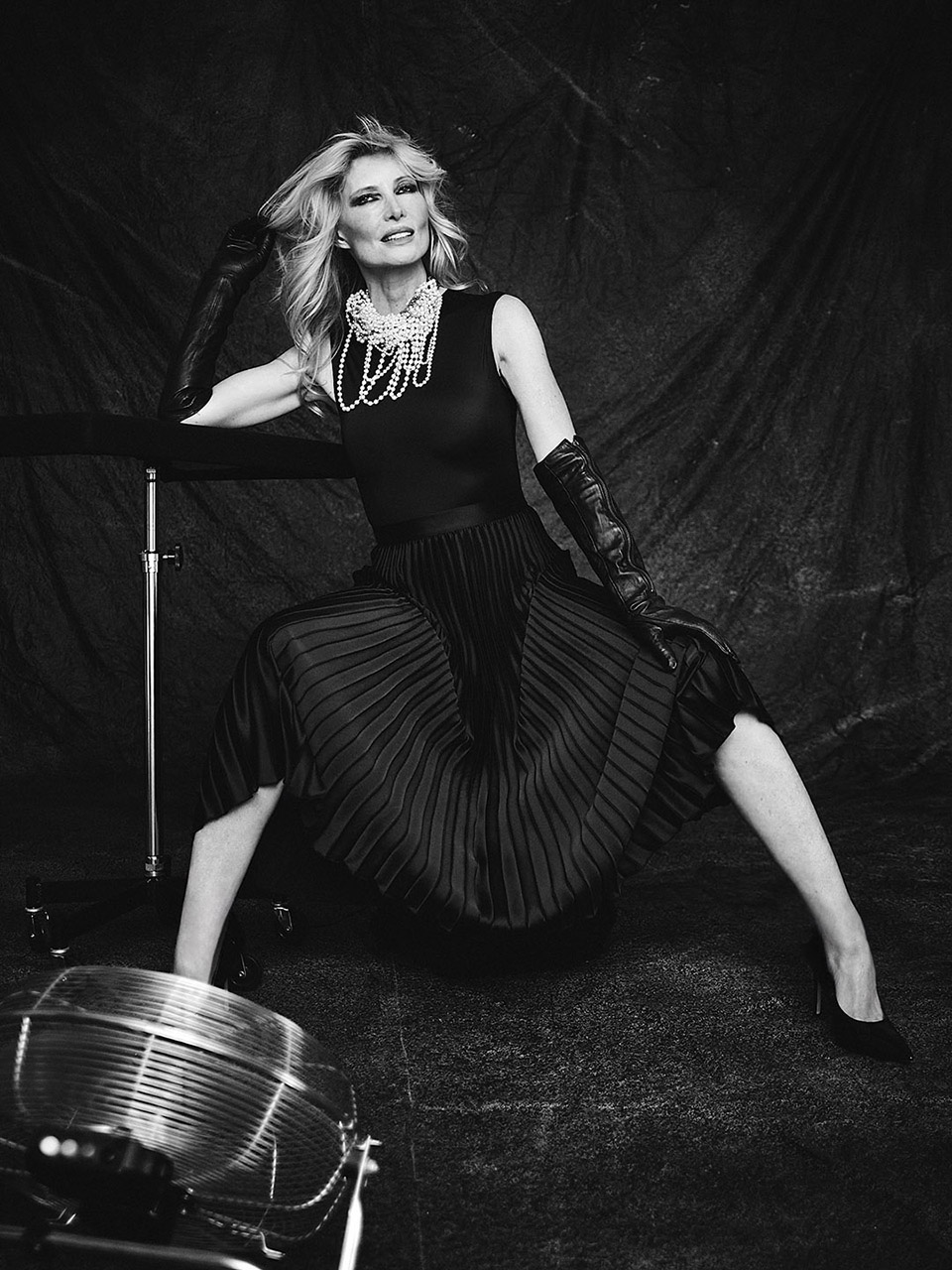
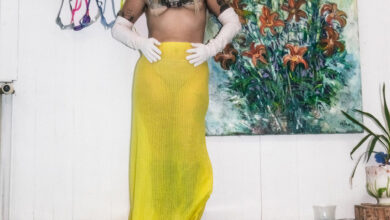
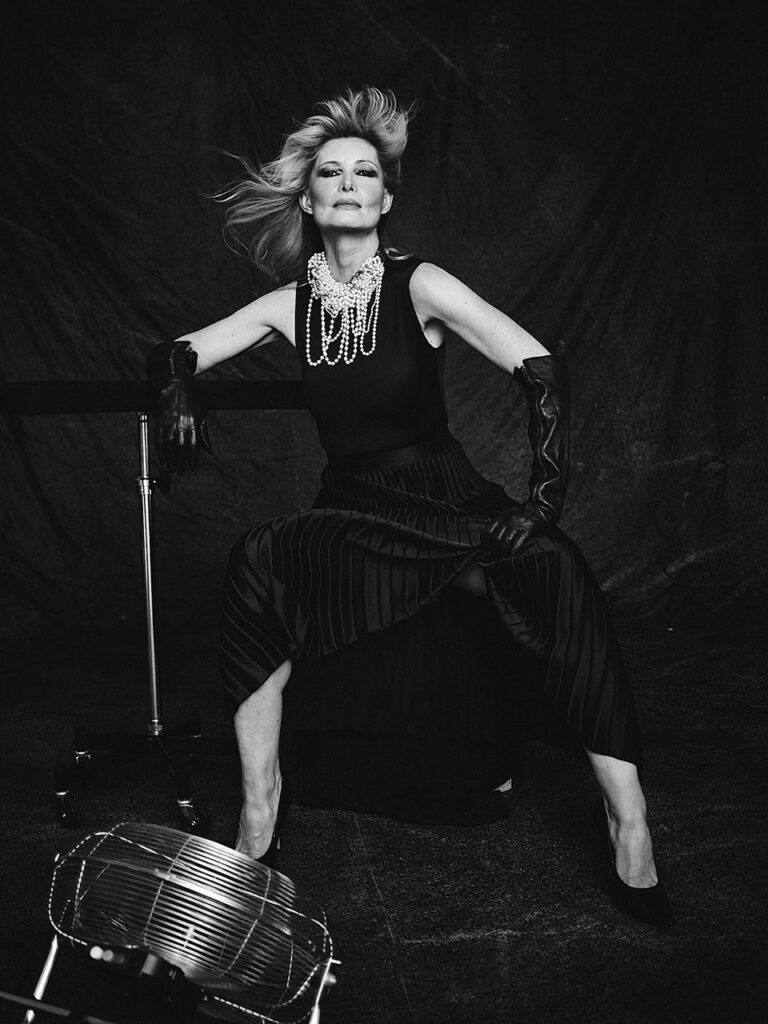
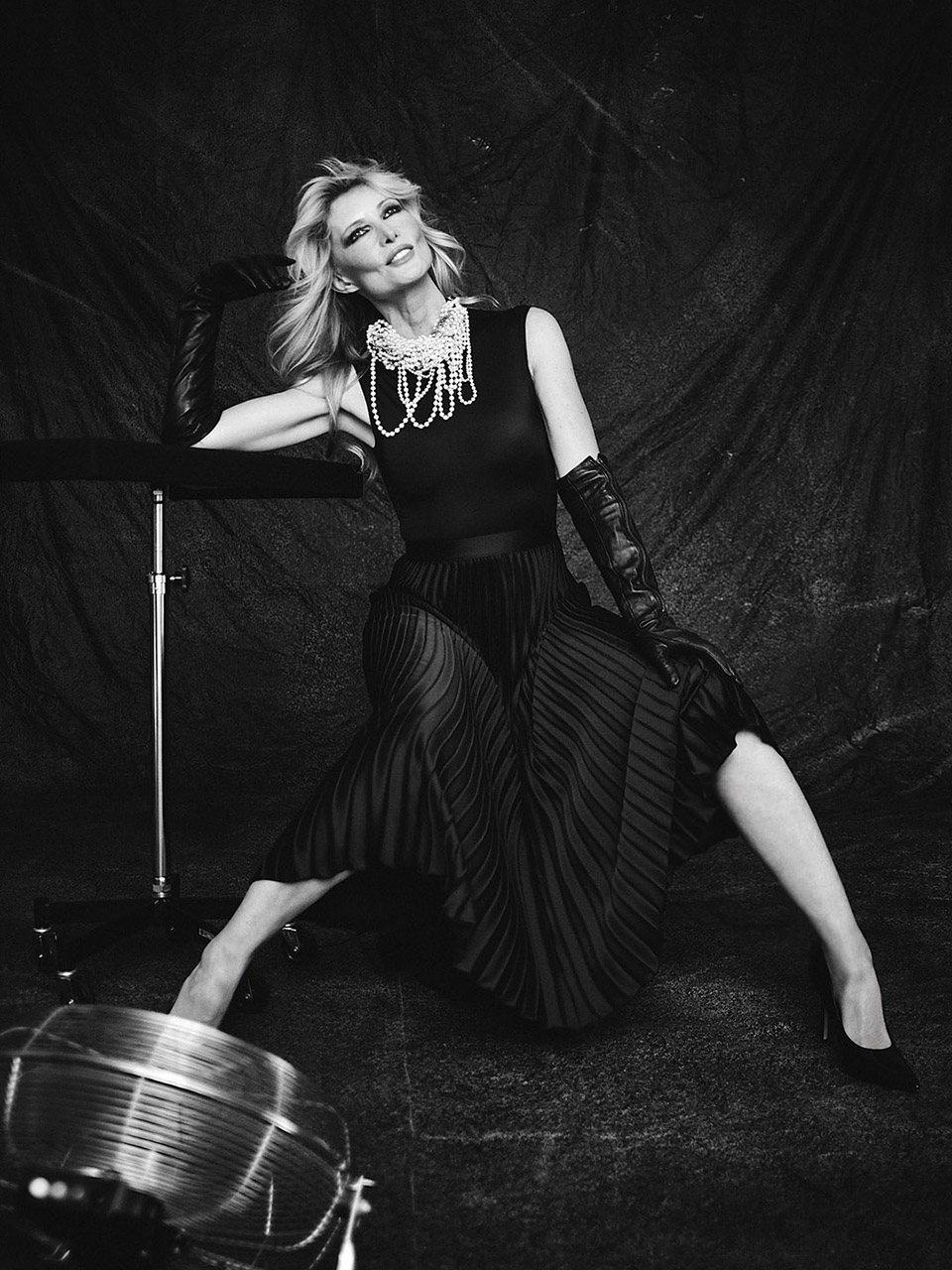
Vintage EMPÓRIO ARMANI gloves, GANT skirt;
SEASIDE heels; vintage pearl necklace stylist´s own.
ZOOT: With such a busy lifestyle, how do you take care of your physical, mental, and emotional well-being?
Astrid Werdnig: For me, there are three essential pillars of well-being: regular physical activity, balanced nutrition, and conscious stress reduction.
Sport plays a central role in my life. I go to the gym at least three times a week to a place I really enjoy, Club7 in Lisbon, where I focus on both strength and endurance training. That routine helps me stay grounded and energized.
I also love being in nature: hiking, cycling, and skiing are ways for me to recharge and feel connected to the nature around me. And just recently, I started something completely new: tennis. I’ve only just begun, but I already love the mix of focus, speed, and fun. Trying new things like that keeps me curious and alive—which, to me, is a big part of well-being too.
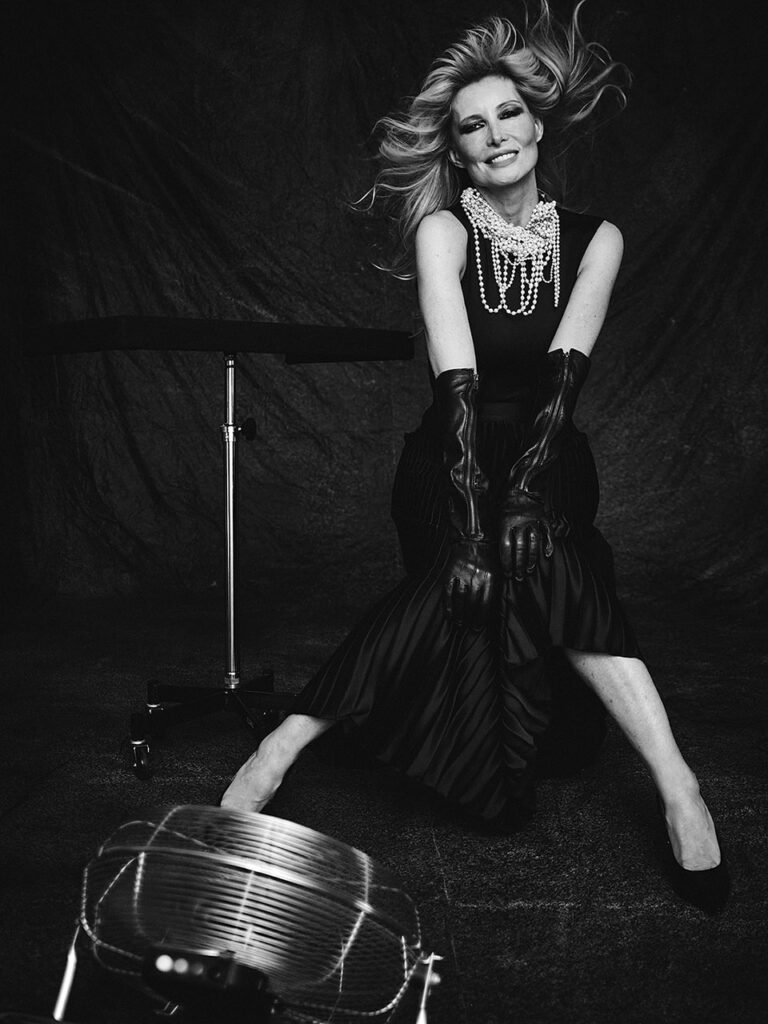
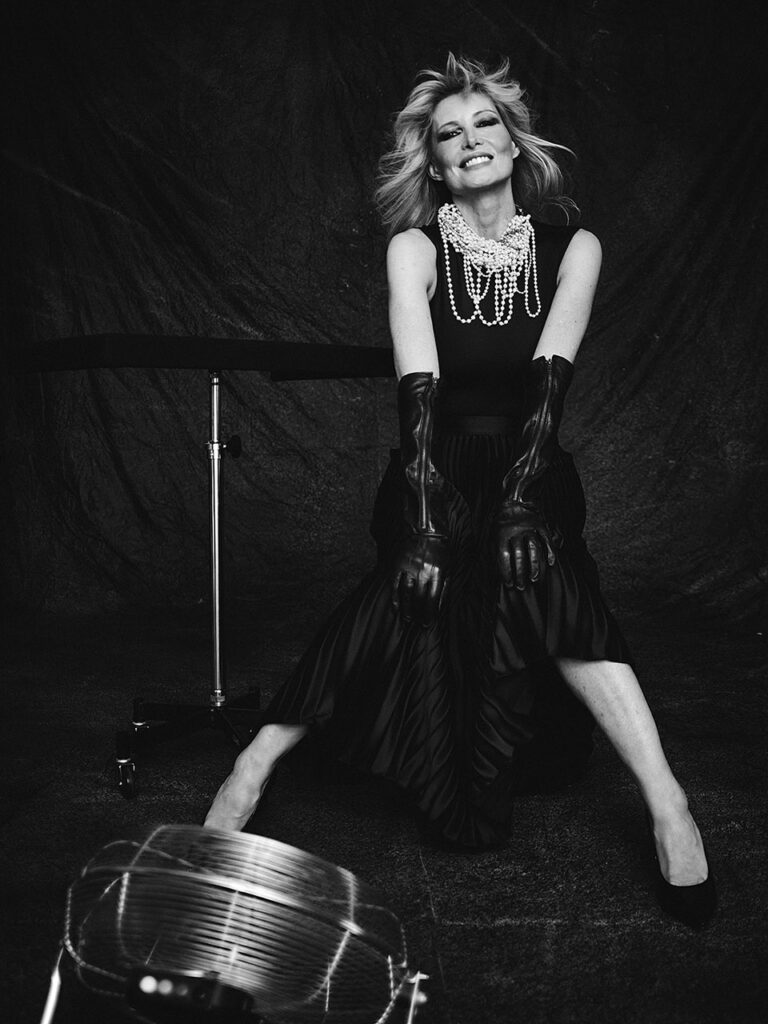


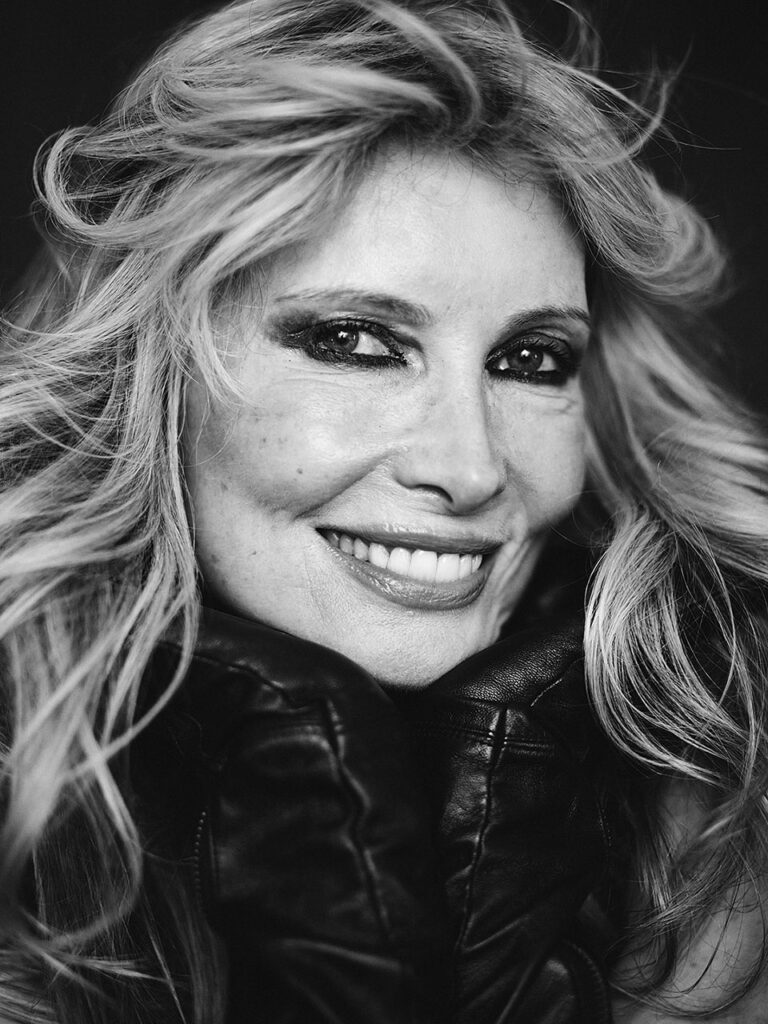
ZOOT: What’s one issue in the world right now—political, social, or environmental—that really concerns you? And why?
Astrid: Peace. Above all, I’m deeply concerned about the growing instability and polarization we’re seeing in so many parts of the world.
One of my grandfathers died in World War II, and my father grew up without a father. I’ve witnessed, through him, the long shadows that war can leave behind – not just on one life, but across generations. That absence shaped him, and it shaped our family.
Because of that, peace is not an abstract idea for me. It’s something deeply human, something essential. I believe peace is the foundation of everything good – of dignity, creativity, trust, and any sustainable future. Without it, nothing can truly flourish.
At the same time, I worry about the direction in which our global economic systems are heading. What I see emerging in many places is a form of ruthless, predatory capitalism – a form of capitalism, that prioritizes profit over people, competition over solidarity, and short-term gains over long-term sustainability. I find that deeply troubling.
I believe in the idea of a social state, where the wellbeing of individuals and communities is protected and valued. My hope is that we can still steer things in a more humane direction—where economic growth doesn’t come at the cost of social justice or environmental stability.

ZOOT: You grew up in Austria and have spent much of your life in Portugal. Is there something you still miss from your home country? And what has Portugal given you that you might not have found anywhere else?
Astrid Werdnig: There are definitely a few things I miss from Austria—some very close friends from my childhood and teenage years, my family, and a few special places in the Rosental valley and in Vienna. I also miss the mountains and, of course, the snow.
That said, I’ve been living in Portugal for many years now, and through my work as a philosophy teacher at the German School in Lisbon, I’m still in regular contact with people from Austria and Germany. That connection gives me a sense of home here as well.
And in many ways, Portugal has become just as much my home. I love the people, the light, and the weather. It’s a beautiful and incredibly diverse country—there’s always more to discover. I still find myself wanting to spend every weekend exploring a new village, beach, or landscape. It´s a wonderful place to live.
ZOOT: Your path is incredibly diverse — spanning philosophy, psychology, family therapy, and also film, television, and fashion. Was that range intentional, or did it happen more naturally? What were you searching for in each field — and what are you still curious about?
Astrid Werdnig: It all happened quite naturally – step by step, one interest leading to the next. Nothing was planned in advance. I simply followed what felt meaningful at the time.
As I mentioned earlier, modeling opened a door into a creative, fast-moving world that I never expected to be part of.
When I earlier encountered philosophy and psychology, I felt something shift, almost like an inner calling. These were not just interests; they were necessities. As soon as I was exposed to them, I knew I had to follow that path.
Family therapy came a bit later, but again, it wasn’t a strategic decision. I came across it during my studies, and it resonated deeply—especially the systemic perspective, which looks at people not in isolation, but in the context of their relationships. That way of thinking changed me.
Also stepping into acting wasn’t something I rushed into. Over the years, I had been asked from time to time whether I would consider taking on a role as an actress – but it never quite felt like the right moment.
Only after participating in some acting workshops and a smaller TV production I did start to feel prepared. And then one day, when the opportunity to take part in the German TV series „Charité“ came along, something aligned. I felt ready and curious.
The role of Caroline Solström was especially intriguing to me, not just because it takes place in the future, but because it opened up a very different kind of imaginative space. The world she inhabits raises complex ethical questions: in this imagined future, individuals are held fully responsible for their own health. If someone smokes, drinks, or otherwise “neglects” their body, they risk being excluded from the healthcare system.
And in the middle of it all, Solström is searching for nothing less than immortality.
The series touches on deep questions about freedom, control, and social responsibility. Portraying a character within that context was both challenging and deeply fulfilling.
What I’m still curious about? Honestly – everything. I hope to continue finding joy in all areas of my life and work, and to keep that sense of curiosity alive that has guided me so many times. Who knows what might come next…
ZOOT: Are there any psychologists or thinkers — like Freud, Virginia Satir, Carl Rogers, or Viktor Frankl — who have had a lasting impact on your work or worldview? How do their ideas still shape your practice or sense of self?
Astrid Werdnig: What a surprising question—in the best sense! Two of the most important influences on my path are actually right there in your list: Freud and Virginia Satir.
Freud was my first major inspiration. I was around 16 or 17 when I first encountered his work, and I remember being completely fascinated. The idea of the unconscious and the structure of the psyche—the psychic apparatus—opened up a whole new way of thinking for me. It made me realize that there’s so much more beneath the surface of our thoughts and behaviors. That fascination never really left me.
Later, at university, I was introduced to the work of Virginia Satir—through a professor who had studied with her personally. It was Satir’s approach to families, her human warmth, her intuition, and her focus on communication and emotional expression that truly drew me into family therapy. She showed me that change is possible—and that it starts with how we relate to one another.
Besides many important figures like Mara Selvini Palazzoli, Salvador Minuchin, Guy Ausloos, Lynn Hoffmann, Irvin D. Yalom, Ulrich Clement, Michael White, David Epston, Esther Perel and Harlene Anderson, II’ve been deeply influenced by my therapy-teachers Emilia Ressano Garcia, Elisabete Ferreira, Manuel Peixoto and Arnold Retzer, whose presence and experience shaped me in very personal ways.
In the past three years, I’ve been exploring Psychodrama, based on the work of Jacob Moreno. It’s brought a new dimension into my practice—more movement, more spontaneity, and a space where people can embody and transform their inner stories in a powerful, often unexpected way. It’s been a beautiful and enriching addition to my work as a therapist.
ZOOT: You recently appeared in a campaign alongside your daughter, showing style as something to be shared across generations. How does living these creative experiences as a family influence the way you feel and remember them?
Astrid Werdnig: It was a very different kind of day, one that stood out. Being in a shared creative process with my daughter was something truly special. We weren’t just spending time together – we were working together, focused, in flow. It was defnetly a experience that will stay in our memory.

Thank you Astrid!
FASHION REFERENCES
PR @showpress.pressoffice for
GANT @gant
SEASIDE @seaside.oficial
PARFOIS @parfois
STIVALI @stivali_boutiques for
MUGLER @muglerofficial
ALAÏA PARIS @maisonalaia
BEAUTY REFERENCES
Skin:
CLARINS DOUBLE SERUM – Serum Antirrugas @clarinsportugal
CHANEL Les Beiges Eau De Teint “Medium” @chanel.beauty
CHANEL Les Beiges Poudre Belle Mine Lumiere Dorée “Éclat du Soir” @chanel.beauty
FENTY BEAUTY Set it Down Superfine Blurring Setting Powder “Strawberry Milk” @fentybeauty
Eyes:
PAT MCGRATH LAB Mothership Totale Palette @patmcgrathlabs_contact
FENTY BEAUTY Hella Thicc Volumizing Mascara “Cuz I´m Black” @fentybeauty
Lips:
CLARINS Hydra-Essentiel [HA] Baume Lèvres Réparateur @clarinsportugal
PAT MCGRATH LABS Lust: Gloss “Devine Bronze Collection Nude Venus” @patmcgrathlabs_contact
Body:
CLARINS Body Fit Active @clarinsportugal