New Baroque: The Art of Escape

Created in collaboration with IADE and UBI University’s Master Course for Branding and Fashion Design, this project brings together 15 students who transform discarded fabrics into something new.
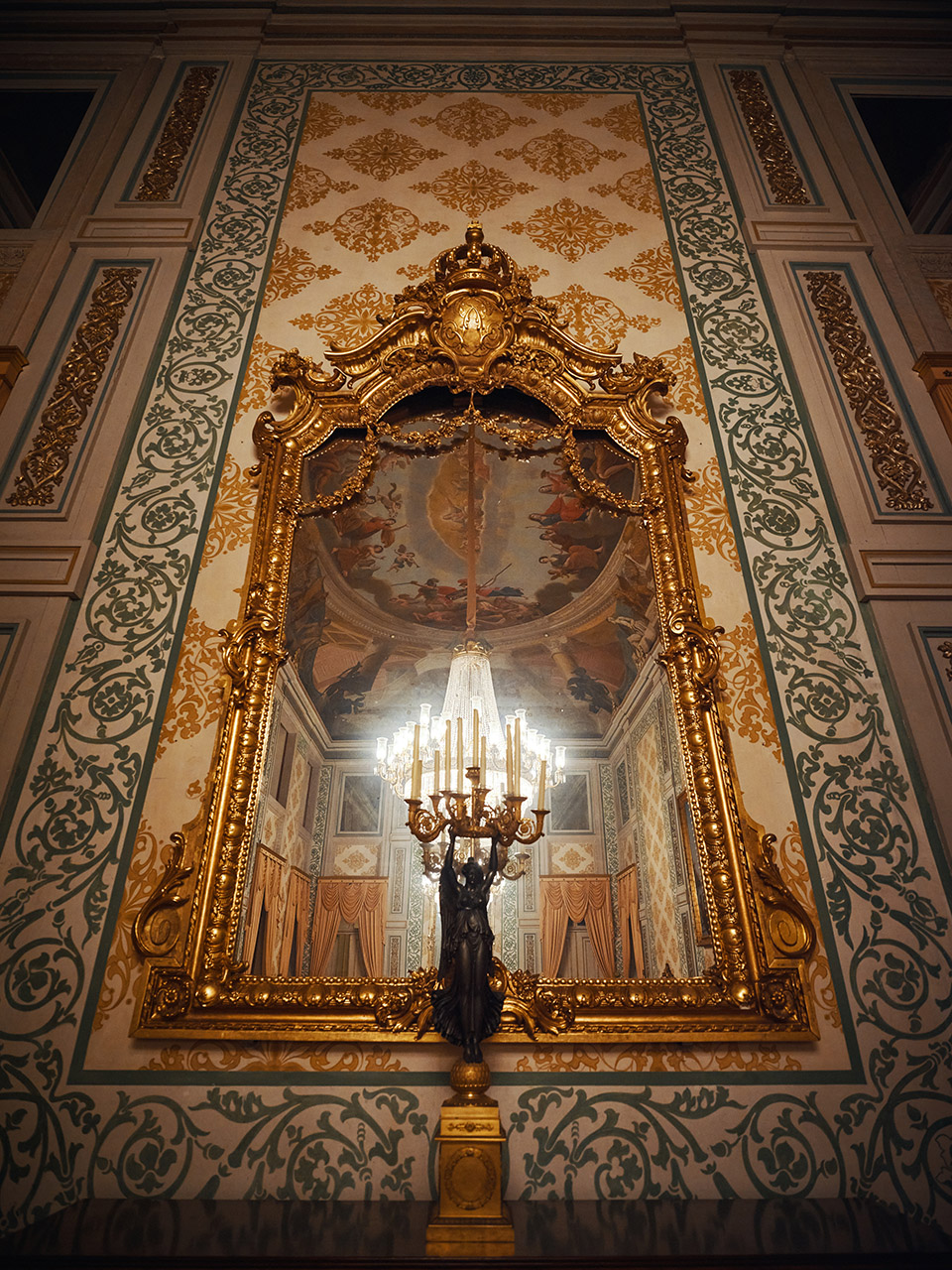
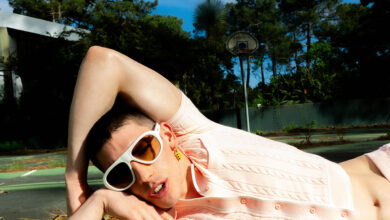
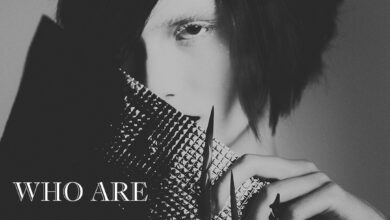
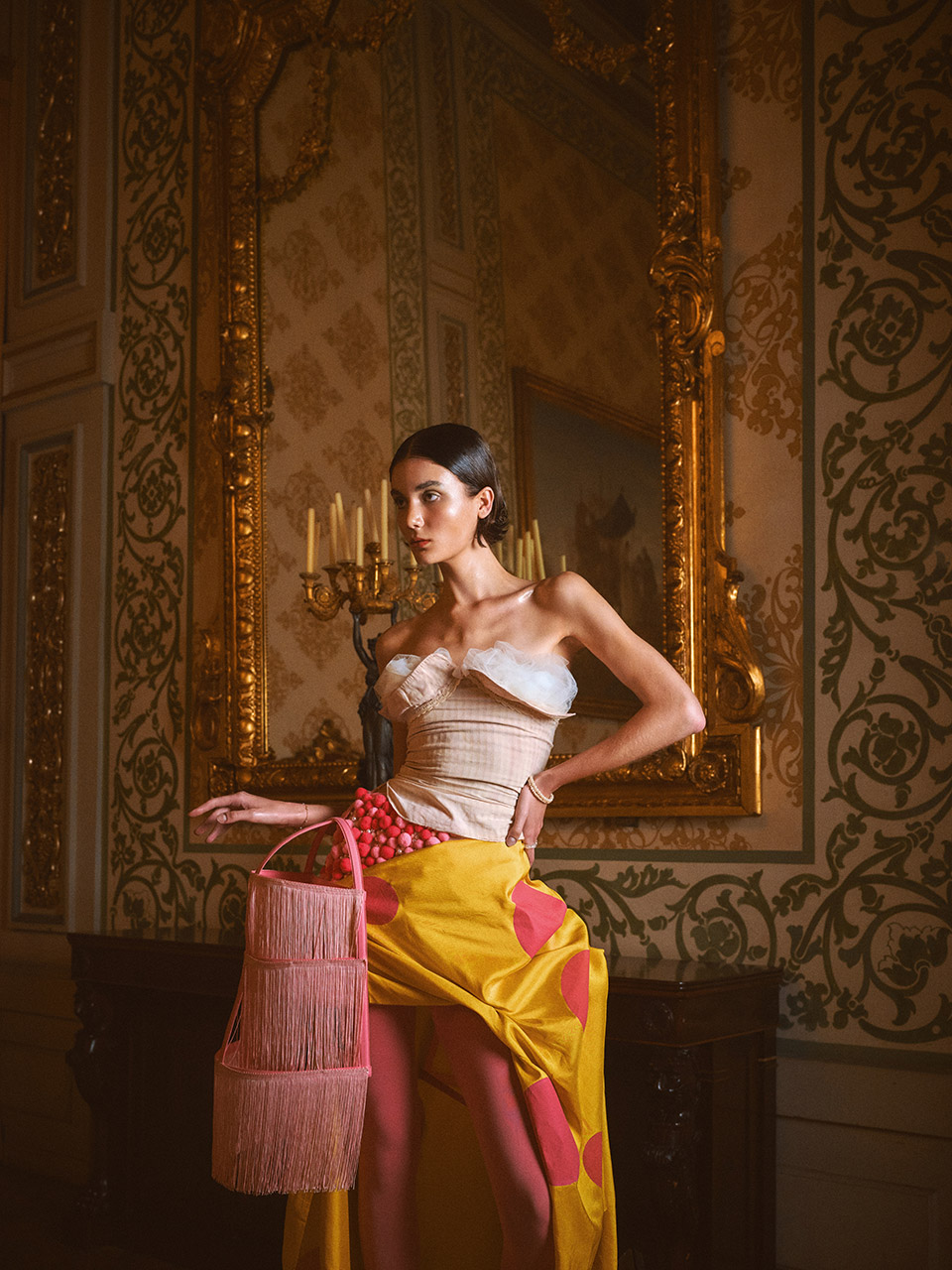
When certainty fades, art and beauty often becomes our strongest form of resistance. Set inside the grandeur of Palácio da Ajuda, this editorial reflects on why periods of crisis have consistently given rise to artistic exuberance, emotional expression and a renewed desire for wonder.
Photography Sergio Santos
Make up Antonia Rosa
Assisted by Diana da Silva
Hair Madalena Costa from Griffe Hairstyle
Models Amanda Debom and Léja Taparauskaité
From Papaya Management
IADE / UBI students: Fashion Design, Styling and Production
Group I: Carolina Gomes • Catarina Cantarrilha • Gabriela Dias • Gustavo Mentes
Group II: Diana Figueiredo • Eduarda Soares • Mariana Beltão • Martim Tschopp
Group III: Carla Carvalho • Catarina Cordeiro • Margarida Mela • Maria Carlier
Group IV: André Costa • Lia Serzedelo • Leonor Bráz
Words Daniela Abranches
Special Thanks to Palácio da Ajuda, Anna Afonso and Luis Santos
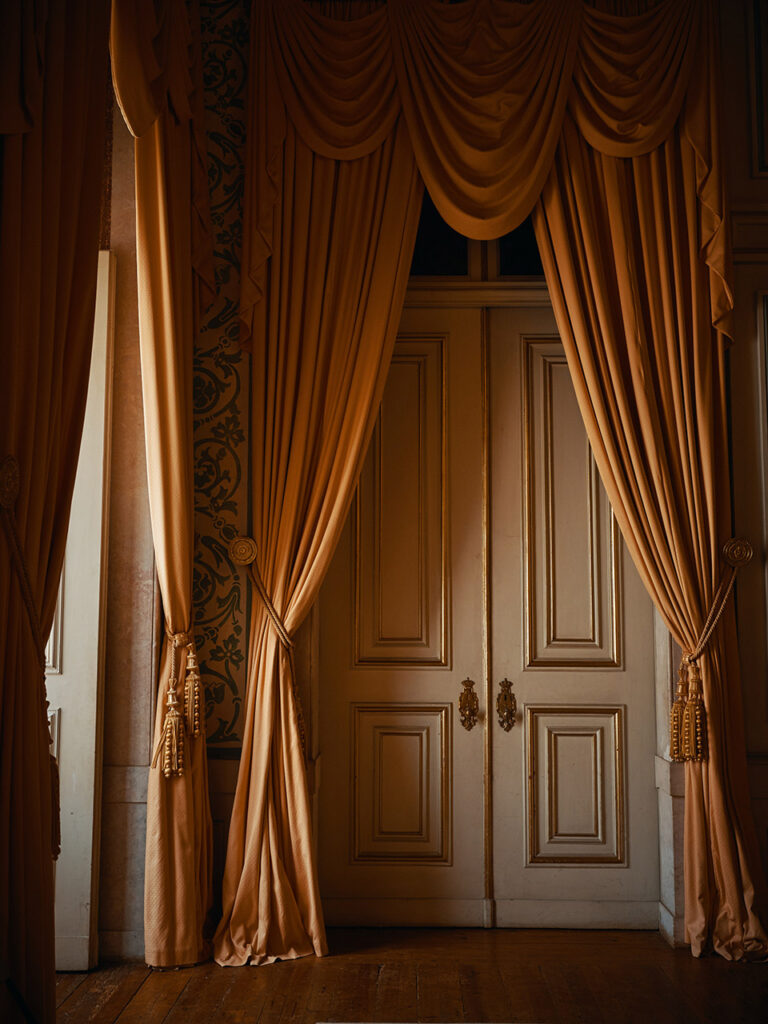
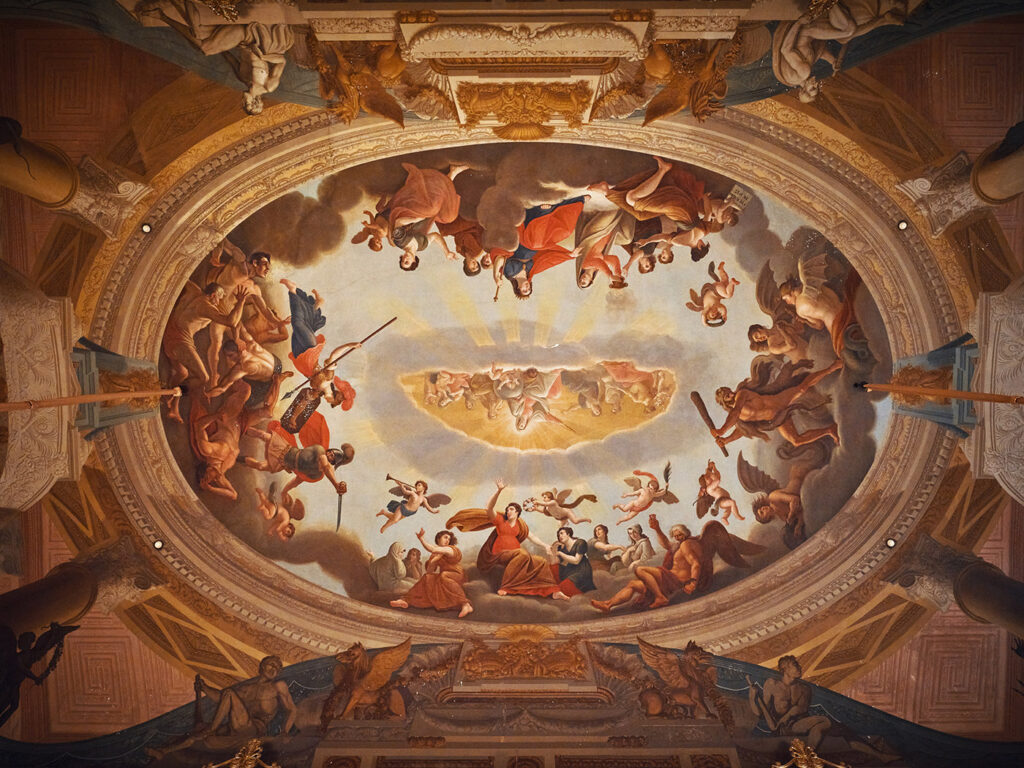
Every palace tells a story of power, but it also tells a story of longing. Shooting at Palácio da Ajuda, dating back to 1796, surrounded by gilded ornament and decorative arts, we are reminded that beauty has long been used to communicate more than wealth or status. It expresses aspiration, permanence and the deeply human desire to create wonder, especially in times of transformation.
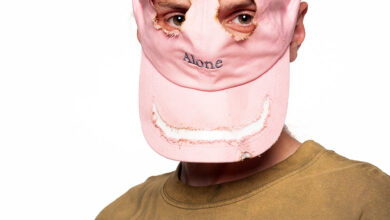
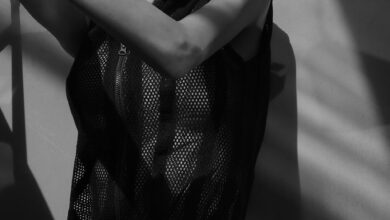
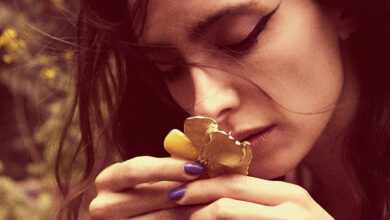
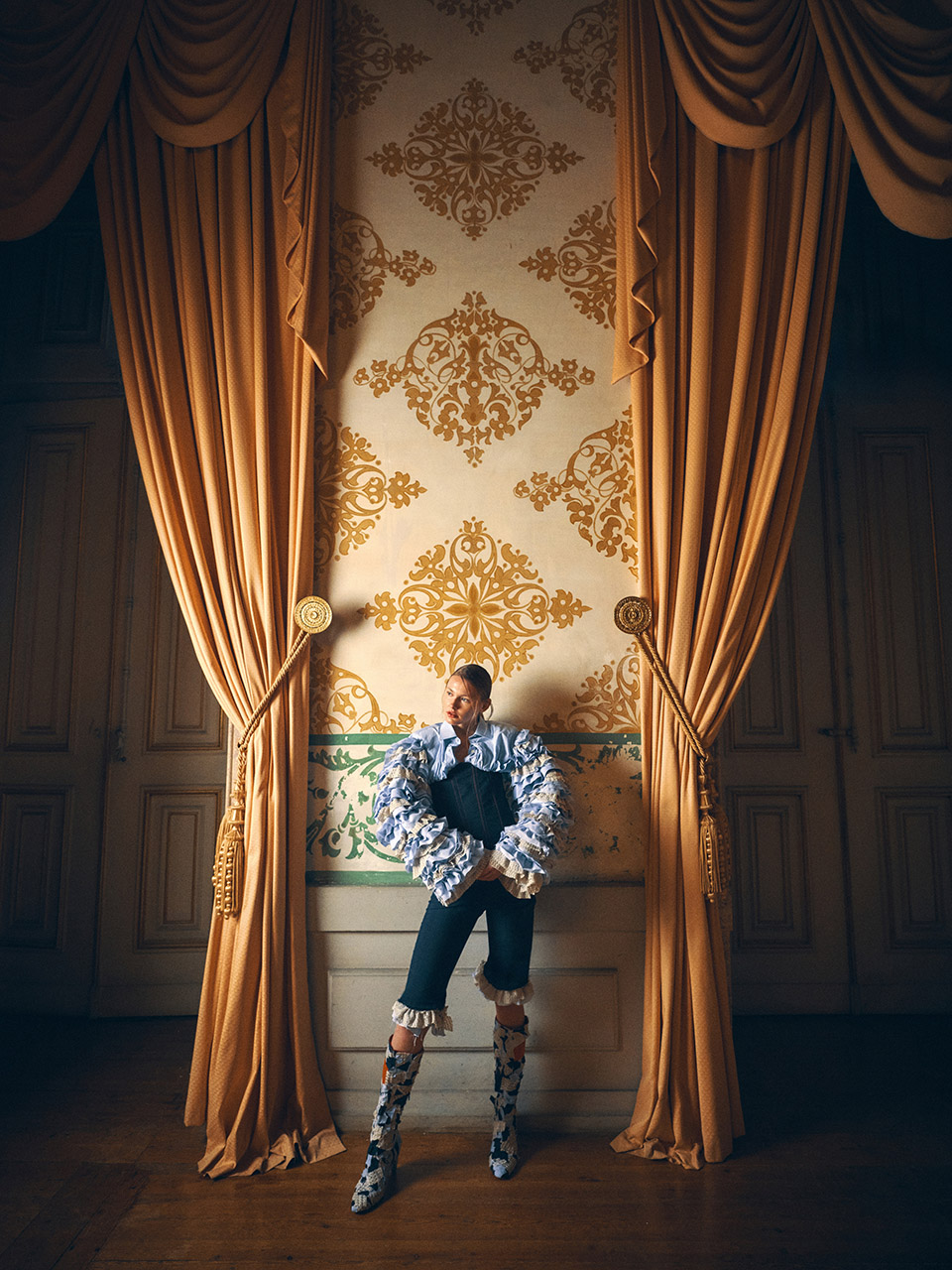
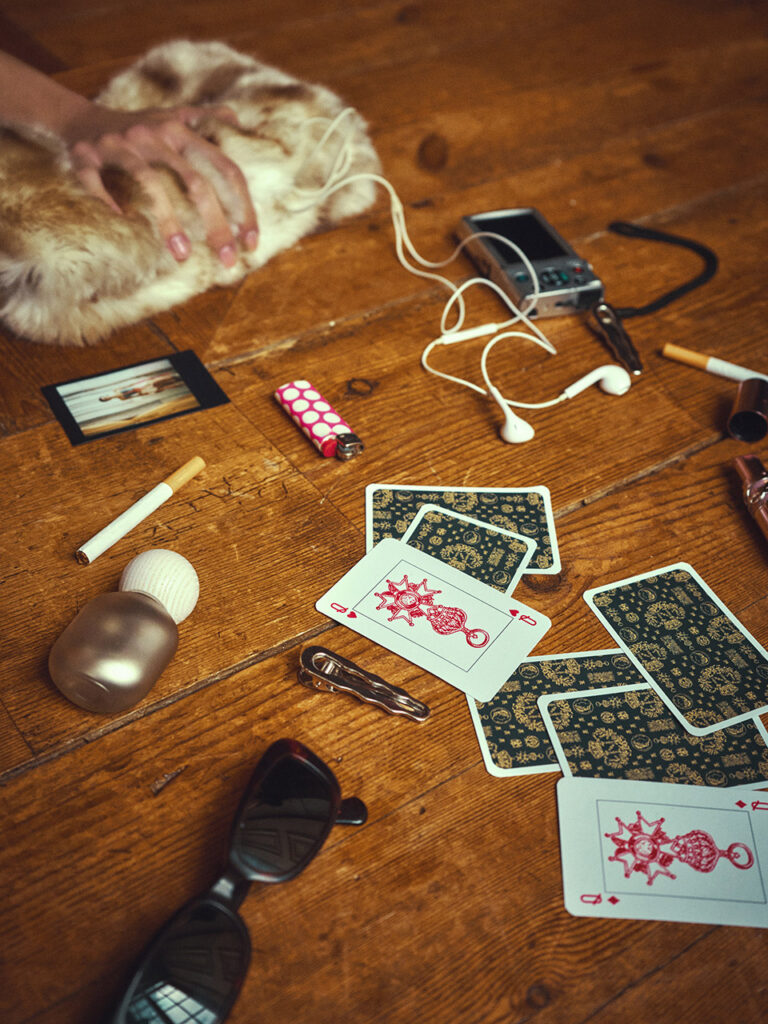
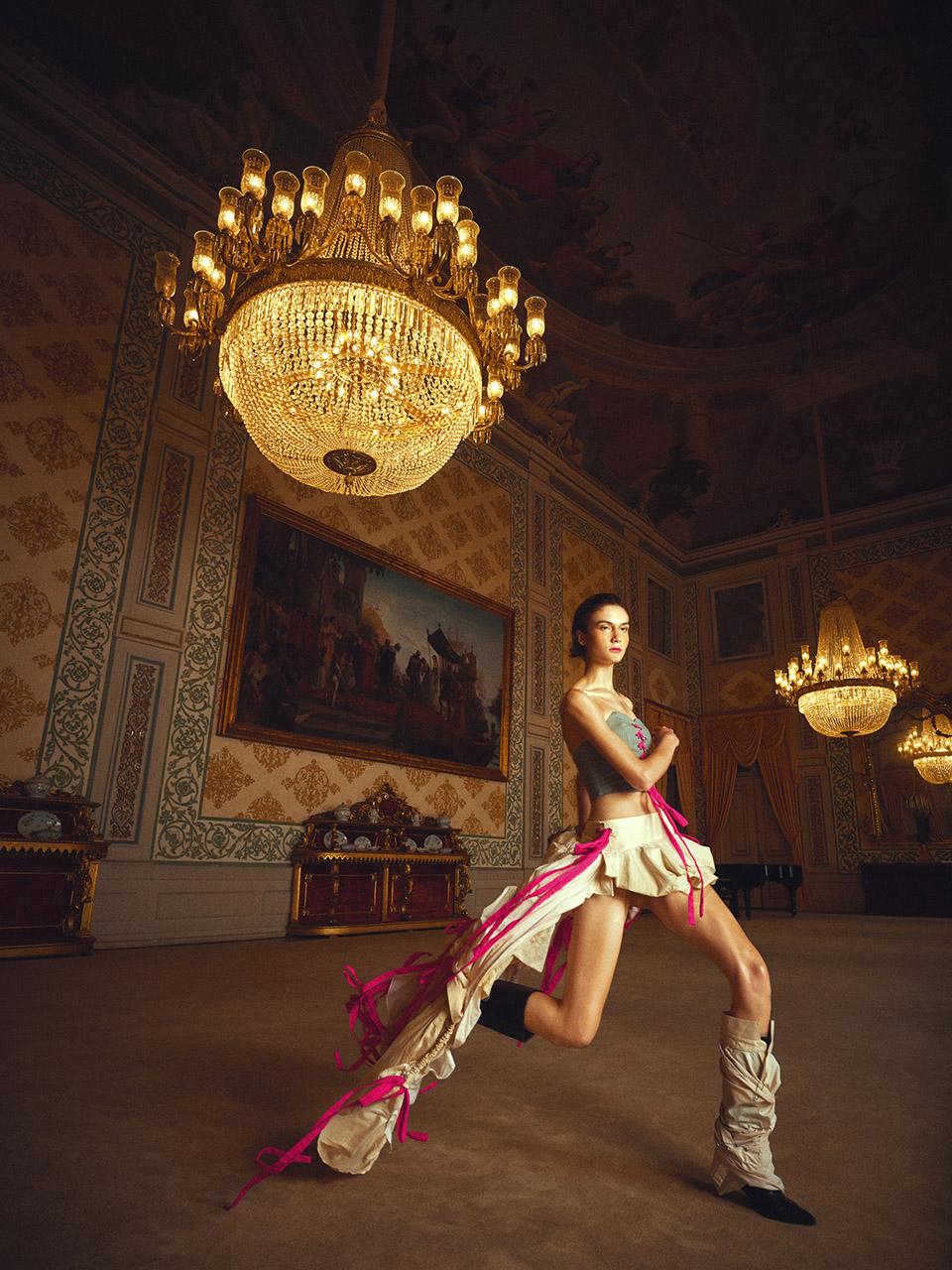
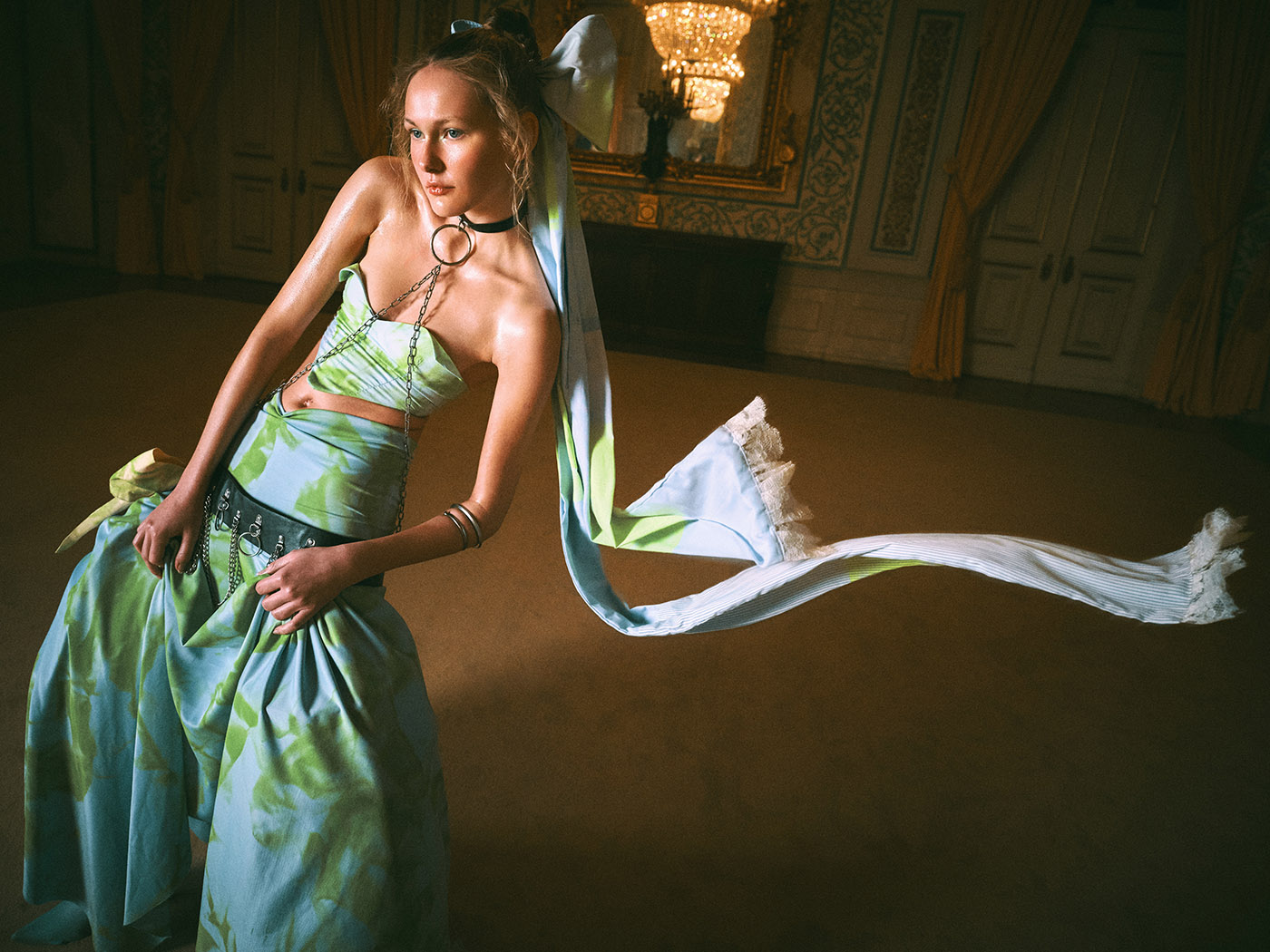
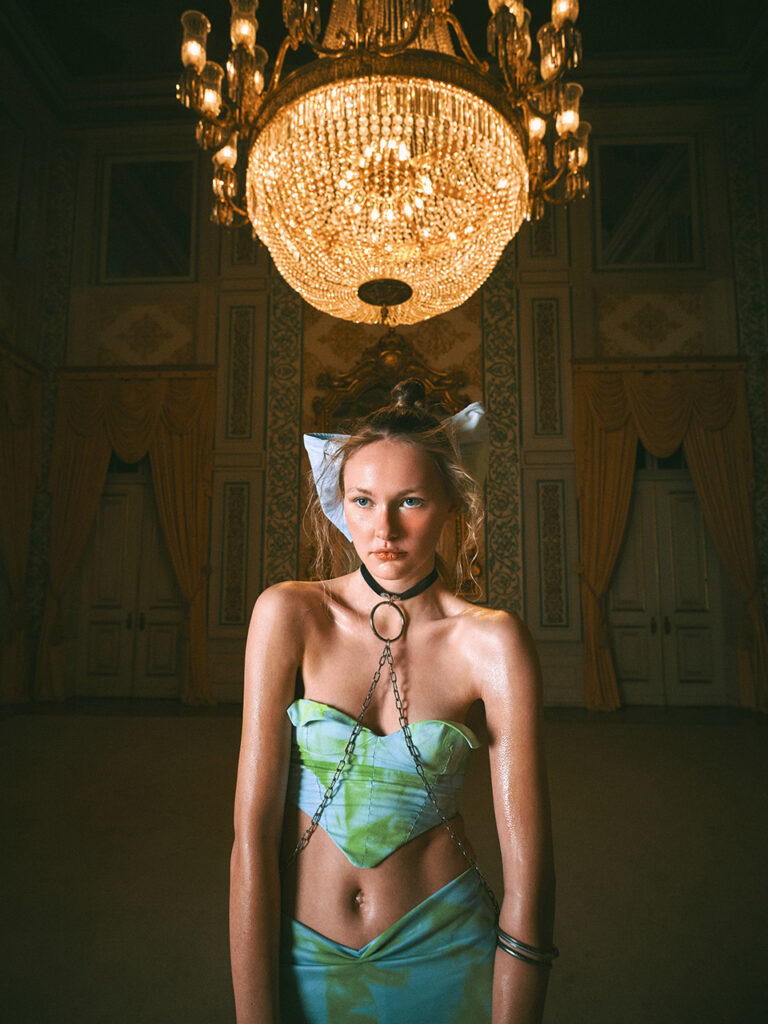
Fifteen fashion design, styling and production students from IADE University were divided into four creative teams, each collaborating with photographer Sergio Santos, who led the production. Supported by Professors Anna Afonso and Luis Santos, they developed four outfits that bring upcycling into dialogue with Baroque, youth culture and street style, creating their own extravagant escape into excess.
History has shown us that, when societies experience moments of profound instability, art often becomes nostalgic, grounding us in what is familiar, but at the same time, it grows more expressive, emotional, and in extravagant beauty.
It is almost as though, when reality becomes heavier, culture instinctively seeks lightness. Perhaps this is a way of signalling optimism, or maybe it is an unspoken agreement to create an escape. Either way, it is a means of soothing our hearts, nurturing them with hope and comfort.
Perhaps art has always been one of humanity’s oldest survival mechanisms.
Group I
Layered Uncertainties
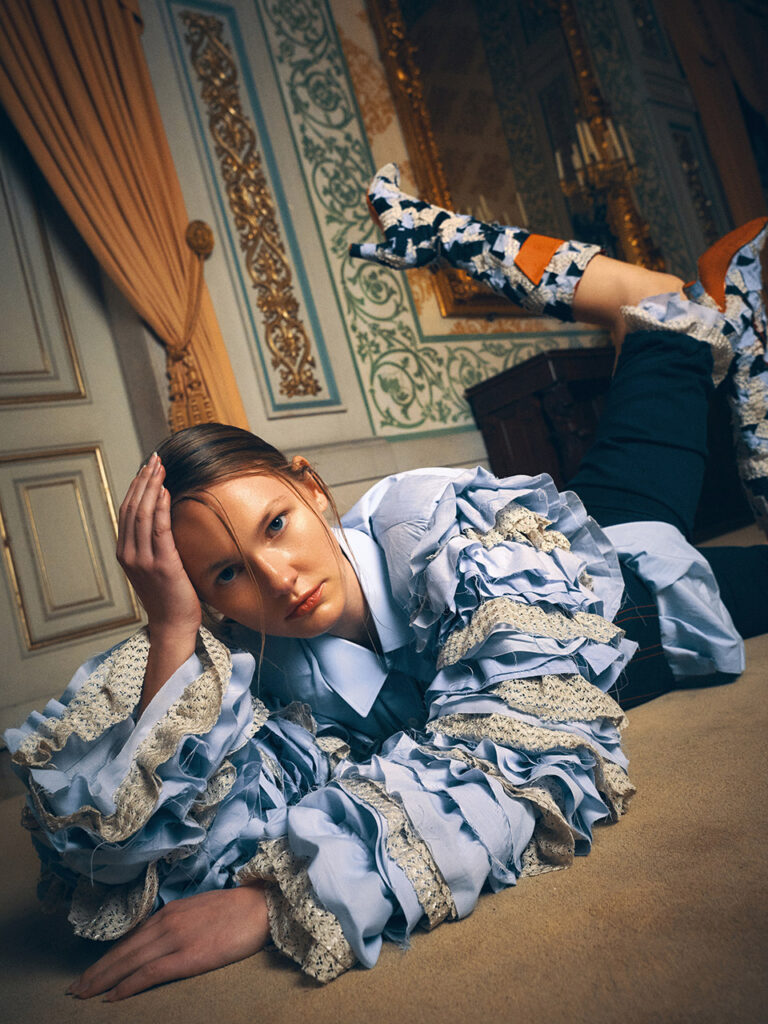
Uncertainty is possibly the most generous word to describe the times we are living in.
We inhabit a world shaped by multiple overlapping crises. War has once again become part of the global conversation — if, indeed, it ever truly left. The climate debate is no longer about a distant future but about an unfolding emergency, where once-abstract predictions have become our lived reality. Artificial intelligence is transforming far more than technology, reshaping the way we work, create and imagine the future. At the same time, political polarisation, economic uncertainty and digital overstimulation have become defining characteristics of contemporary life.
Although these challenges differ in nature, together they create a shared emotional atmosphere: one of instability.
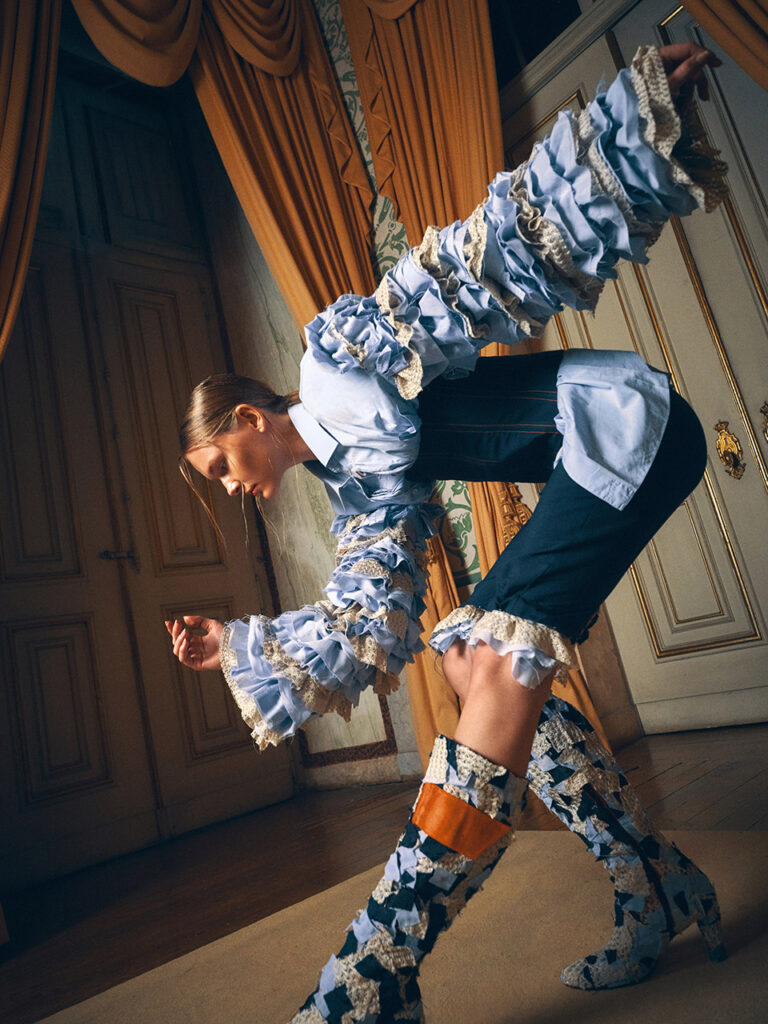
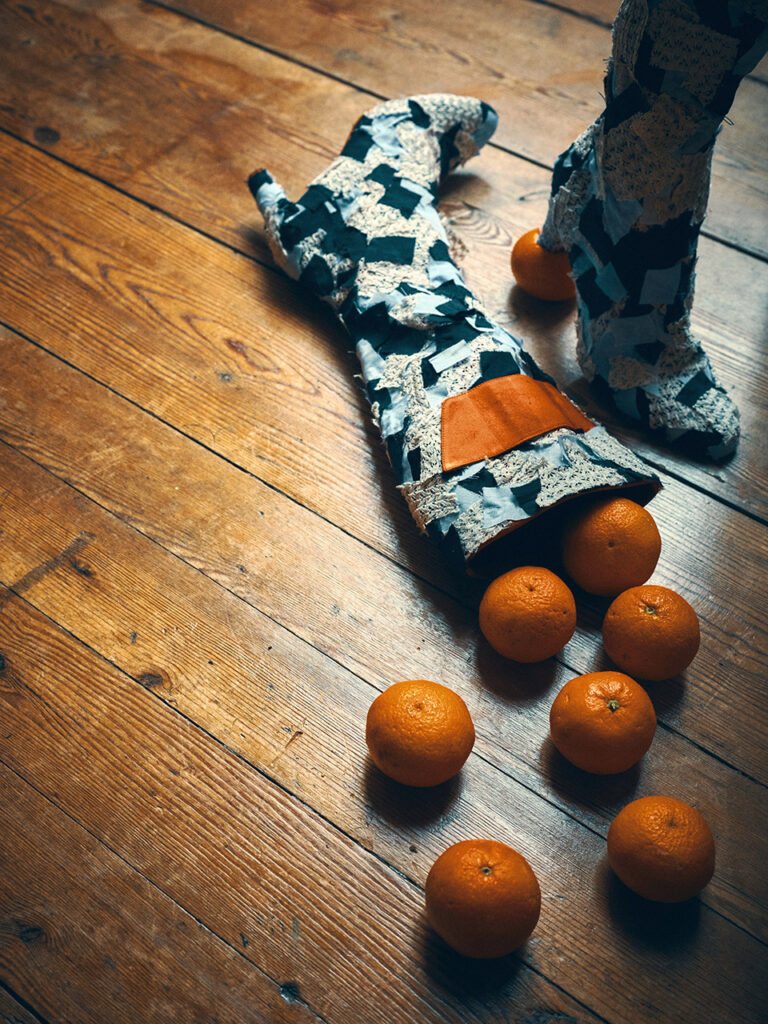
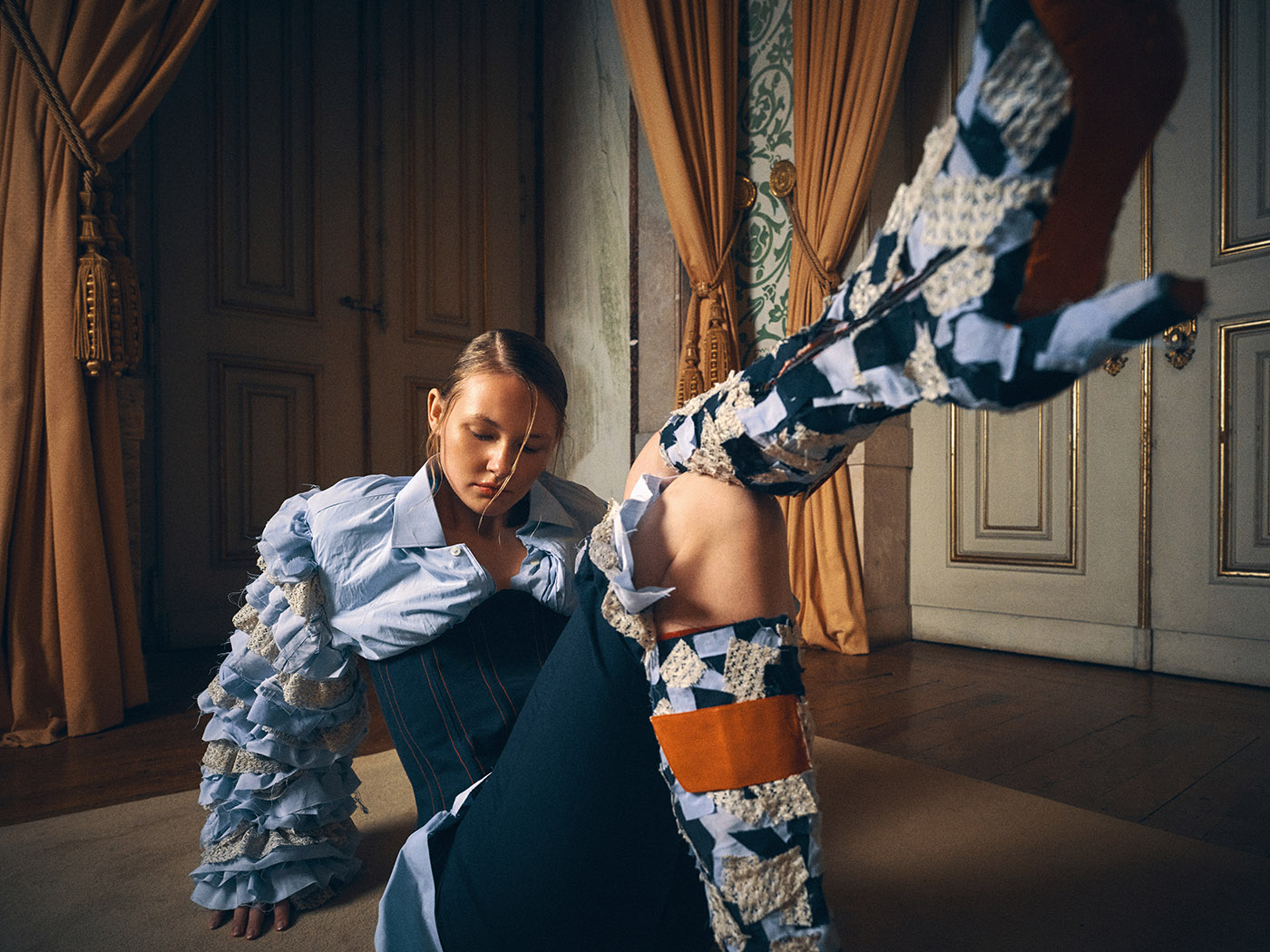
Fashion, however, seems to respond to this collective unease with imagination and remarkable optimism.
Schiaparelli’s Haute Couture Fall/Winter 2026–27 collection offers a compelling example. Daniel Roseberry presented armour-like silhouettes that, rather than concealing the body, celebrated and protected it. Hand-painted textiles in dreamy shades of blush pink, powder blue and mint green softened these sculptural forms, while thousands of hours spent on embroidery, gilded details, baroque pearls and floral motifs transformed each garment into a celebration of craftsmanship. Together, these elements created a collection that felt both protective and poetic, balancing vulnerability with optimism.
The collection, in Roseberry’s words, “transforms the body into an object that’s at once ornament, armor, and art.”
Group II
Matters of Restraint and Liberty
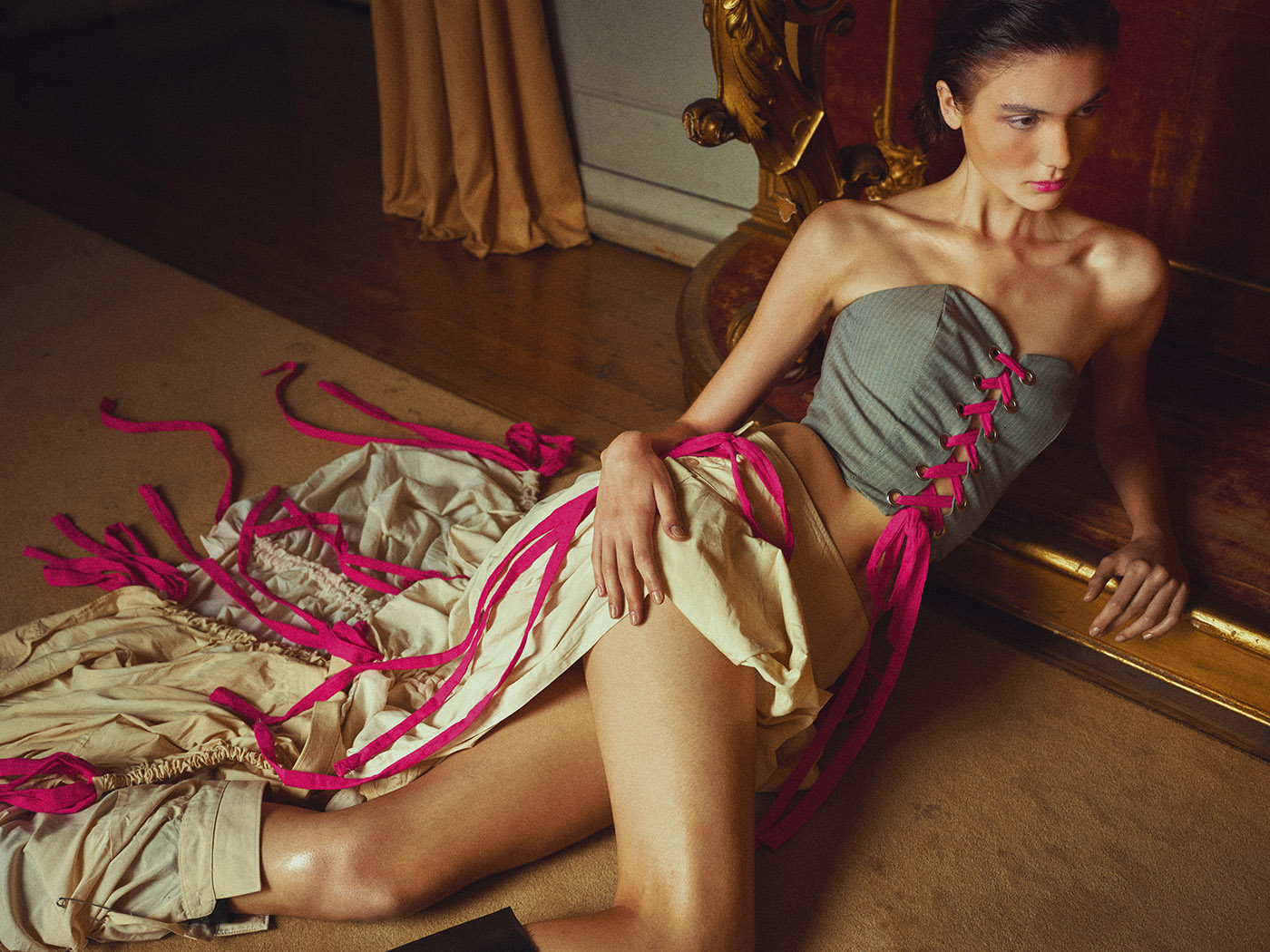
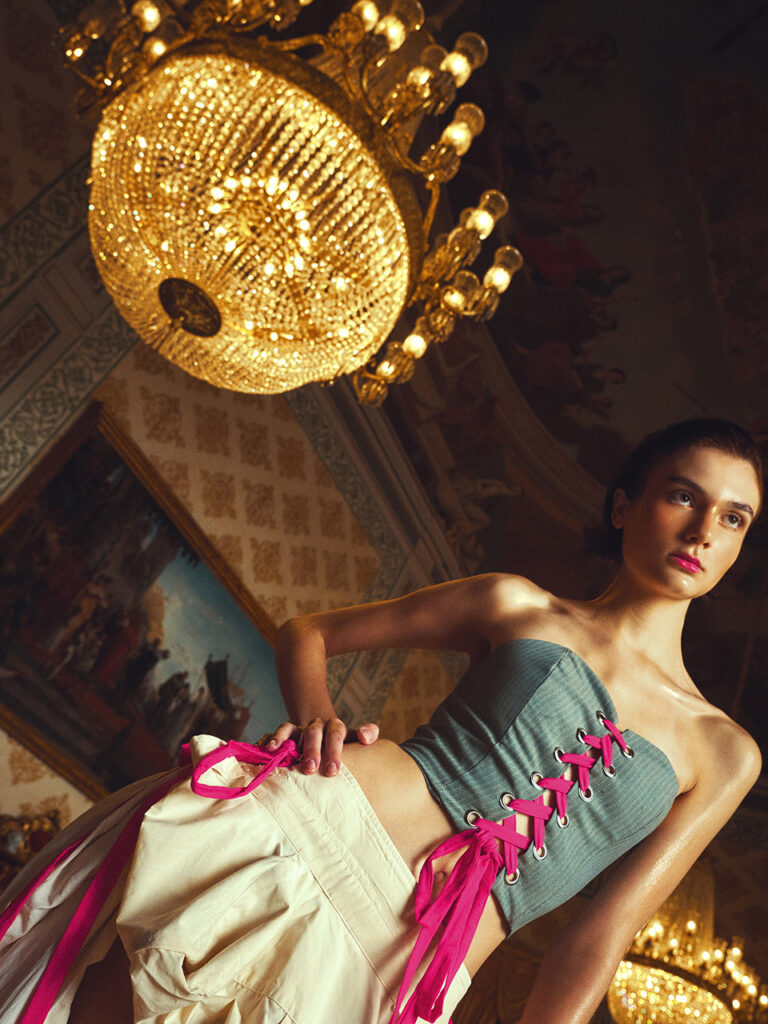
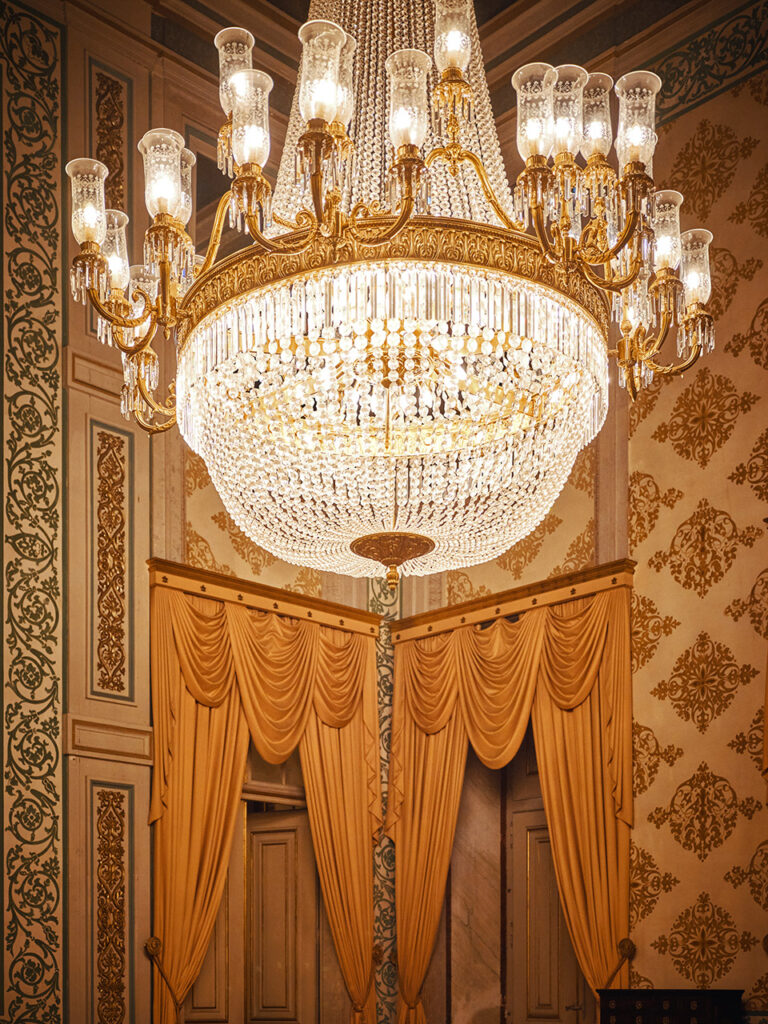
This impulse is far from unprecedented. Rather than recreating a particular moment in history, this editorial enters into a dialogue with one of its most expressive artistic movements.
The Baroque emerged during one of Europe’s most turbulent periods. Religious conflict divided the continent following the Protestant Reformation. In response, the Catholic Church launched the Counter-Reformation, recognising that emotion could become as persuasive as doctrine. Art became one of the Church’s most powerful instruments — not merely to decorate places of worship, but to move people. Dramatic architecture, rich ornamentation and overwhelming beauty were orchestrated to inspire awe and reinforce faith.
At the same time, absolute monarchies adopted a similar visual language. Monumental palaces such as Versailles became symbols of authority and magnificence, designed to project stability and reinforce the centralisation of power. If power could be made visible, it could also be made believable.
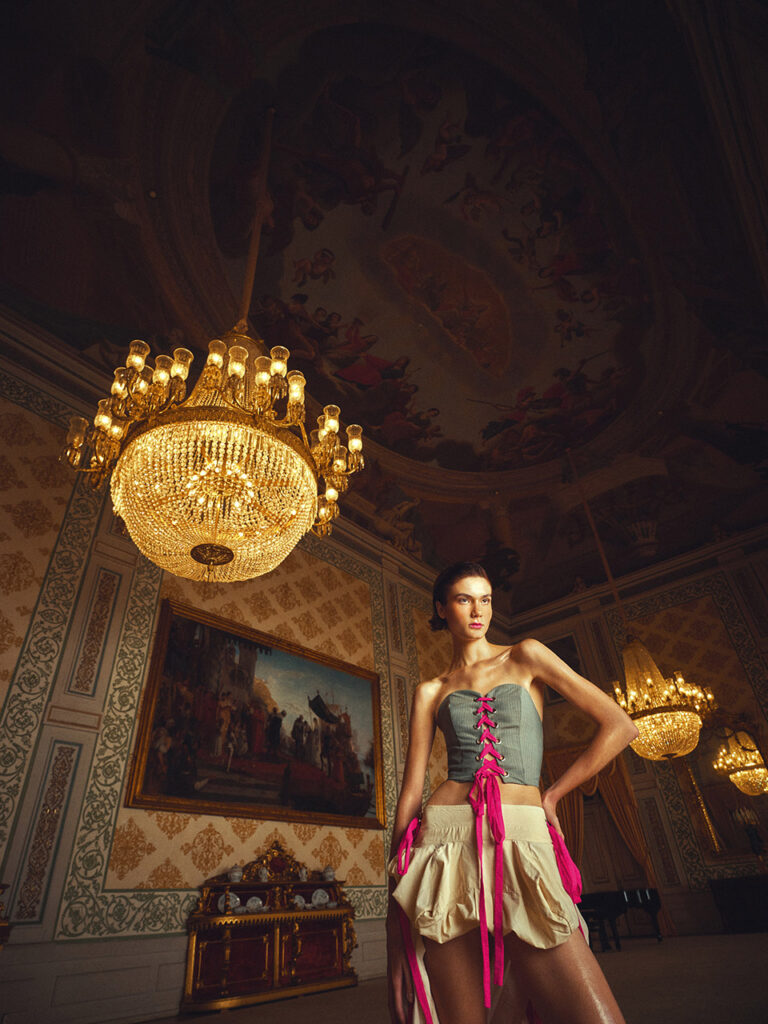
History repeated itself centuries later.
Following the devastation of the Second World War, Christian Dior introduced the New Look. After years of fabric rationing and practical necessity, he proposed garments that brought back feminine elegance. After years of sacrifice, people longed to experience pleasure again. Beauty itself became a form of reconstruction.
A similar phenomenon emerged after the COVID-19 pandemic. Long periods of isolation and anxiety gave way to sequins, feathers, vibrant colours and what came to be known as dopamine dressing. Whether or not clothing can chemically alter our mood remains open to debate, but the popularity of joyful dressing revealed something more significant: people wanted optimism to become visible.
Group III
The need for Wonder
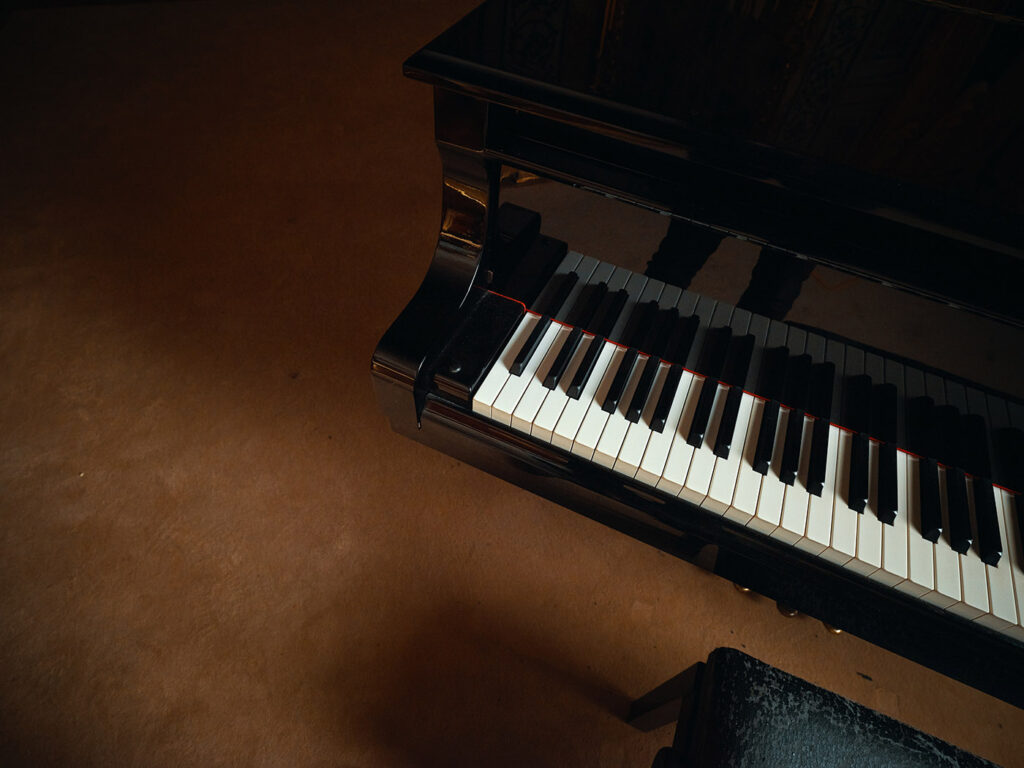
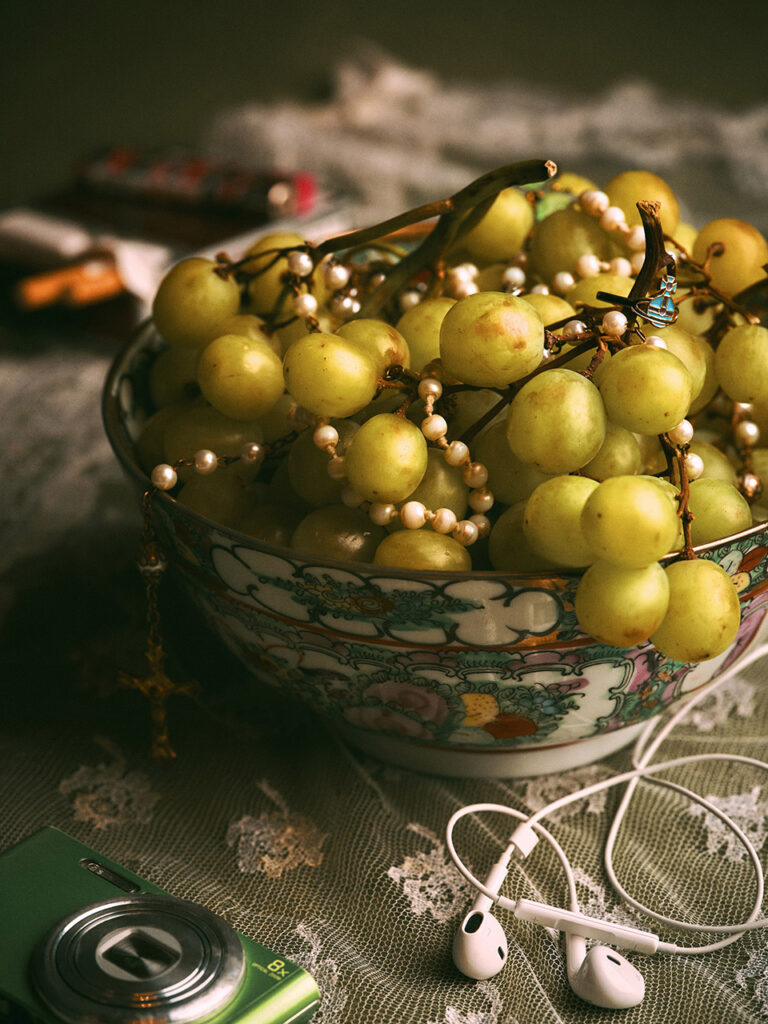
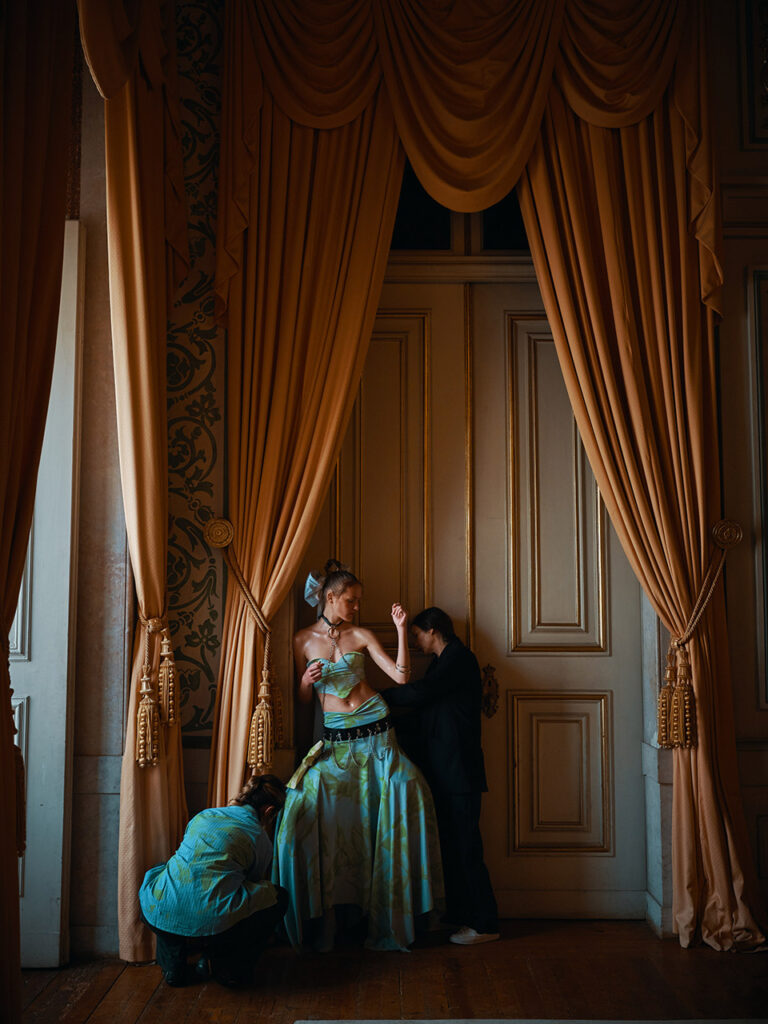
Across centuries, the pattern appears remarkably consistent.
When uncertainty increases, aesthetics often become compensatory—not in the sense of denial, but of balance. If reality grows darker, culture responds by creating more light. When everyday life becomes restrictive, creativity expands. Ornament, colour and craftsmanship cease to be superficial luxuries and instead become emotional resources: quiet acts of resistance against pessimism.
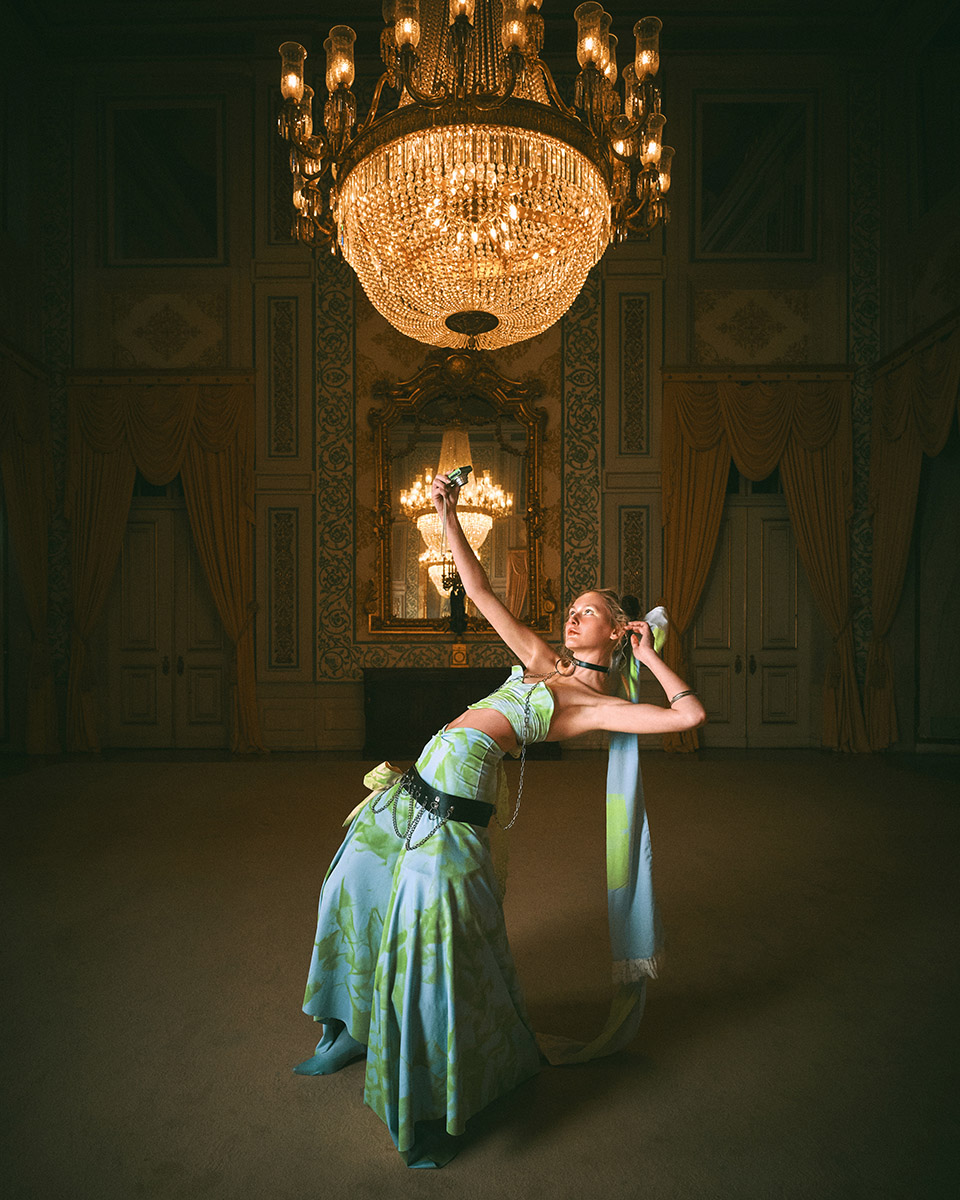
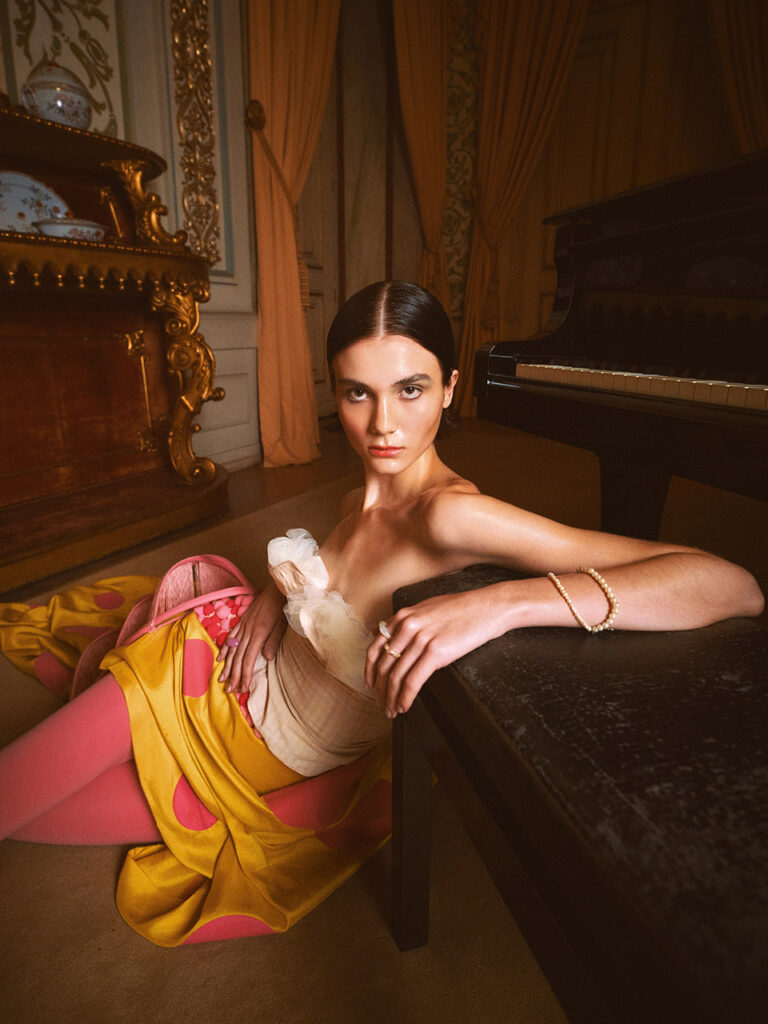
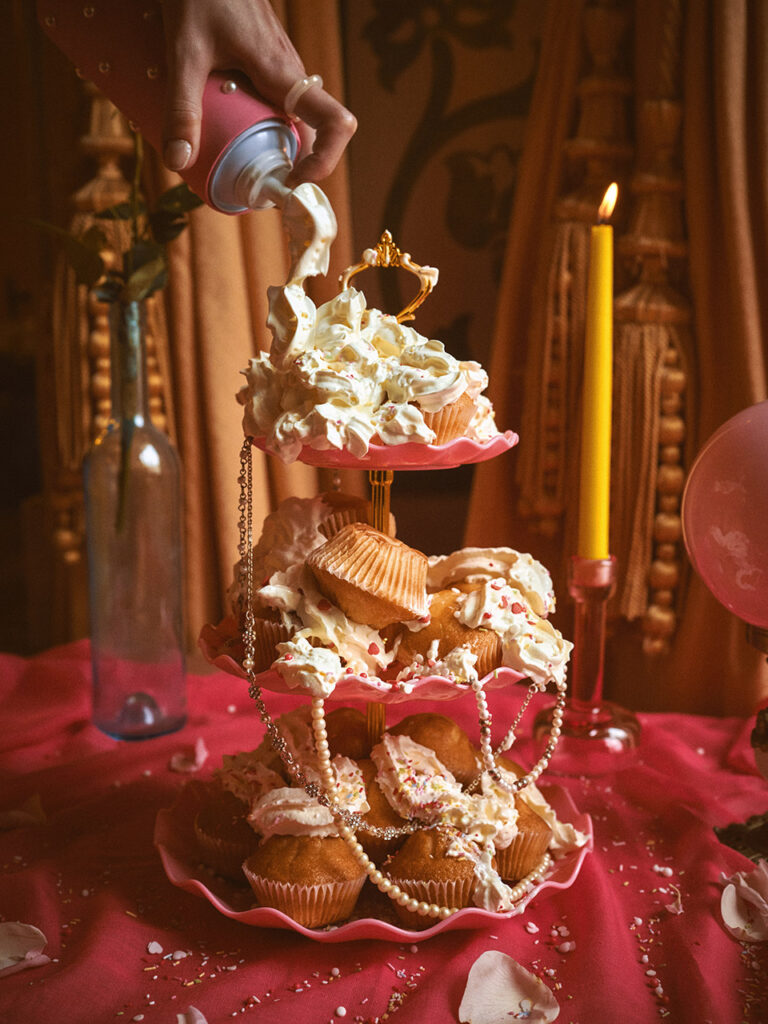
This editorial feels nostalgic but also forward looking. It reinterprets the baroque spirit embracing wonder, theatricality, fantasy and the movement’s defining qualities: grandeur, sensuous richness, movement and emotional intensity.
Group IV
The Structure of it
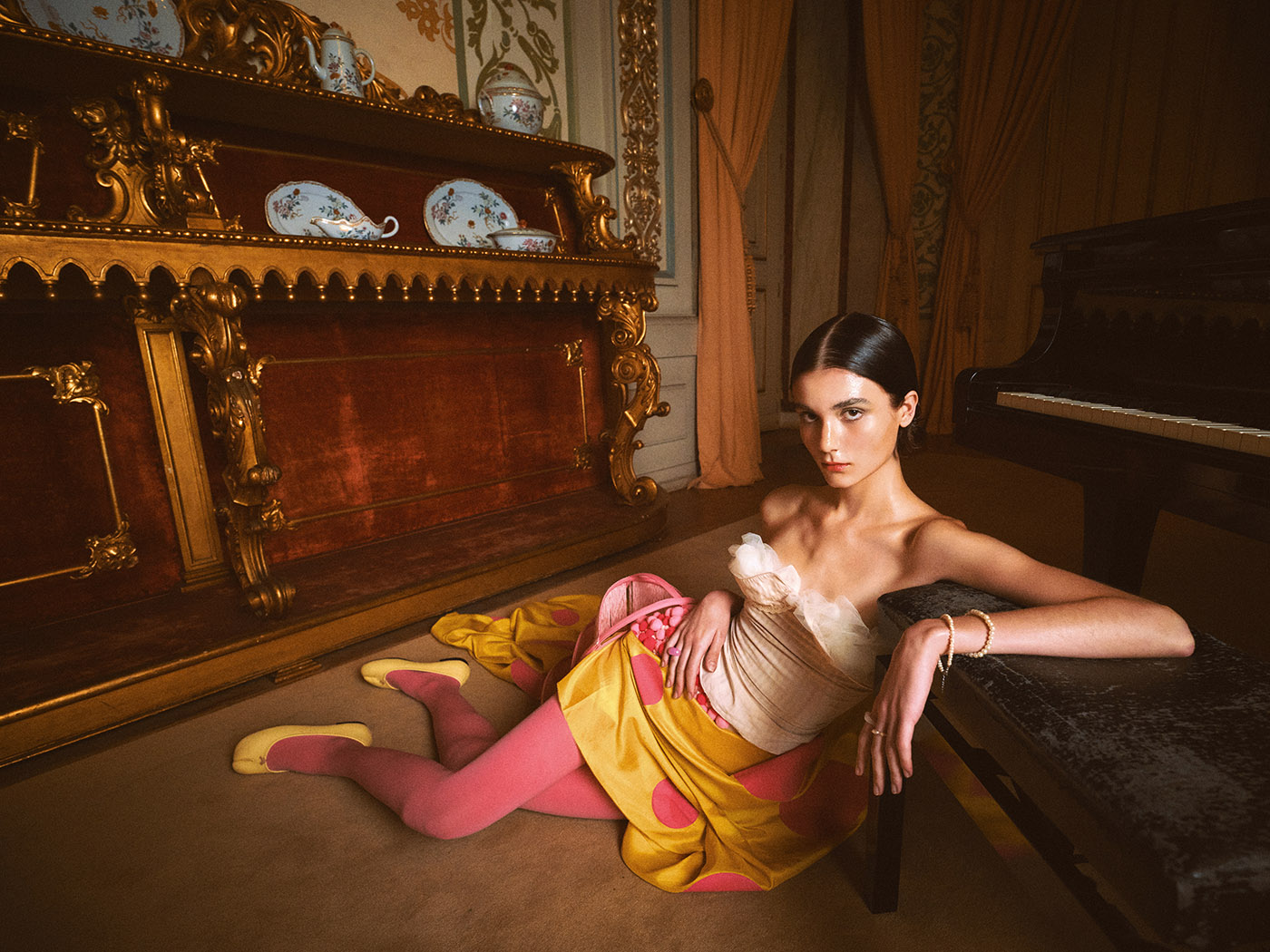
The New Baroque reflects a renewed desire for colour as a form of emotional compensation and escape. It signals a rebirth of art, expressed through voluptuous, expressive forms. In times marked by war, social unrest and the climate crisis, there is a growing need to seek joy, beauty and optimism—an attempt to find hope in difficult and uncertain times.
Perhaps, in every era of uncertainty, humanity rediscovers the same truth: when the world becomes harder to understand, we create beauty not to escape reality, but to remind ourselves that hope still belongs within it.
To boot…
IADE University in Lisbon @iade_creatingcreators
www.iade.europeia.pt
Sergio Santos, photographer
@sergiosantos.studio I www.sergiosantos.studio
View more of photographer Sergio Santos here on ZOOT.