Hope Woven in Thread — The Royal Danish Academy SS26 Show
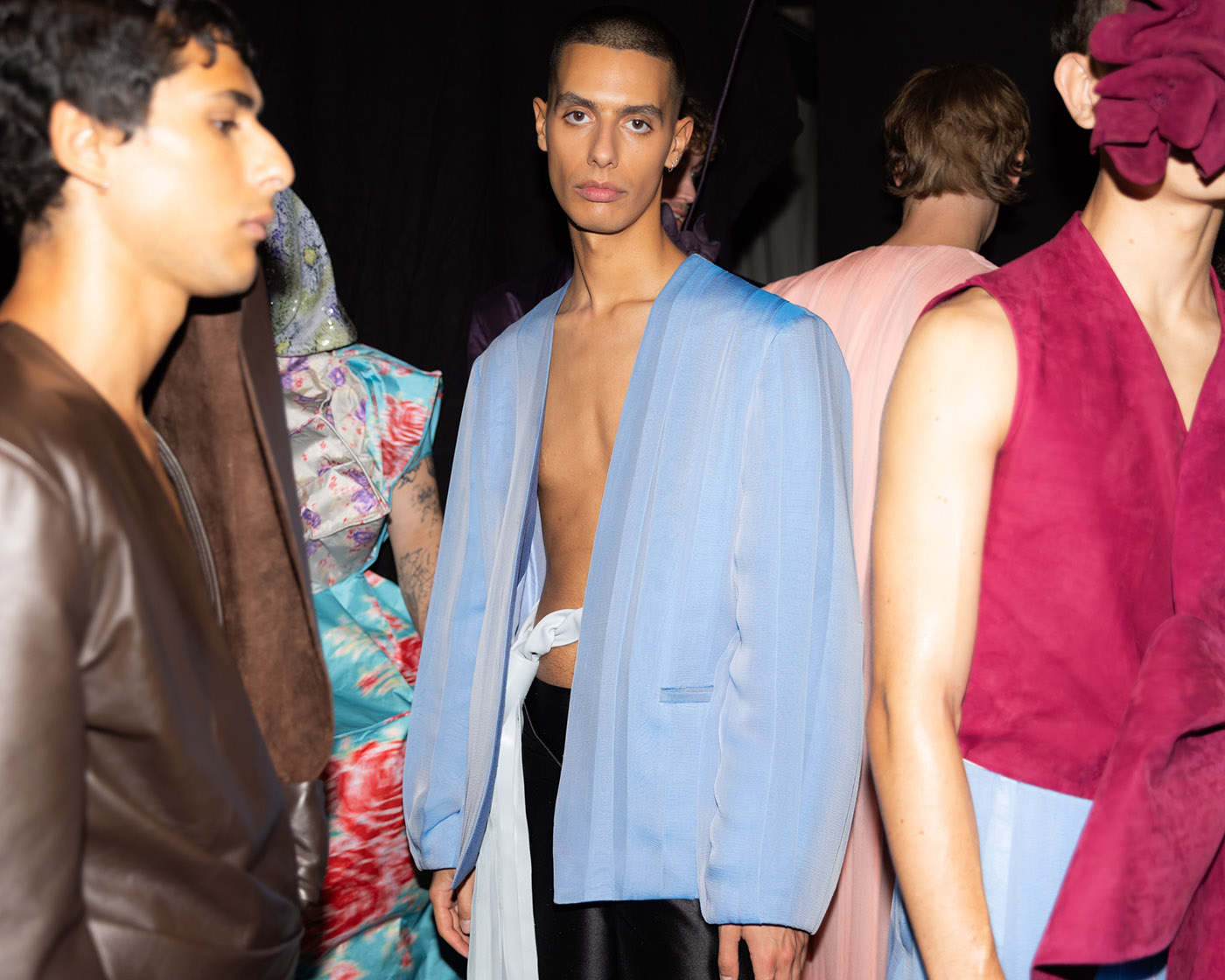
London based makeup artist and beauty editor Astrid Kearney reports for ZOOT from Copenhagen Fashion Week SS26, diving deep into the season’s standout shows with rare backstage access and a sharp eye for detail. Blending beauty insight with designer storytelling, she connects with the creatives and philosophies behind the collections.
This is all about the Royal Danish Academy’s MA fashion graduate show.
Article Astrid Kearney
Photos Sarah Fals Henriquez
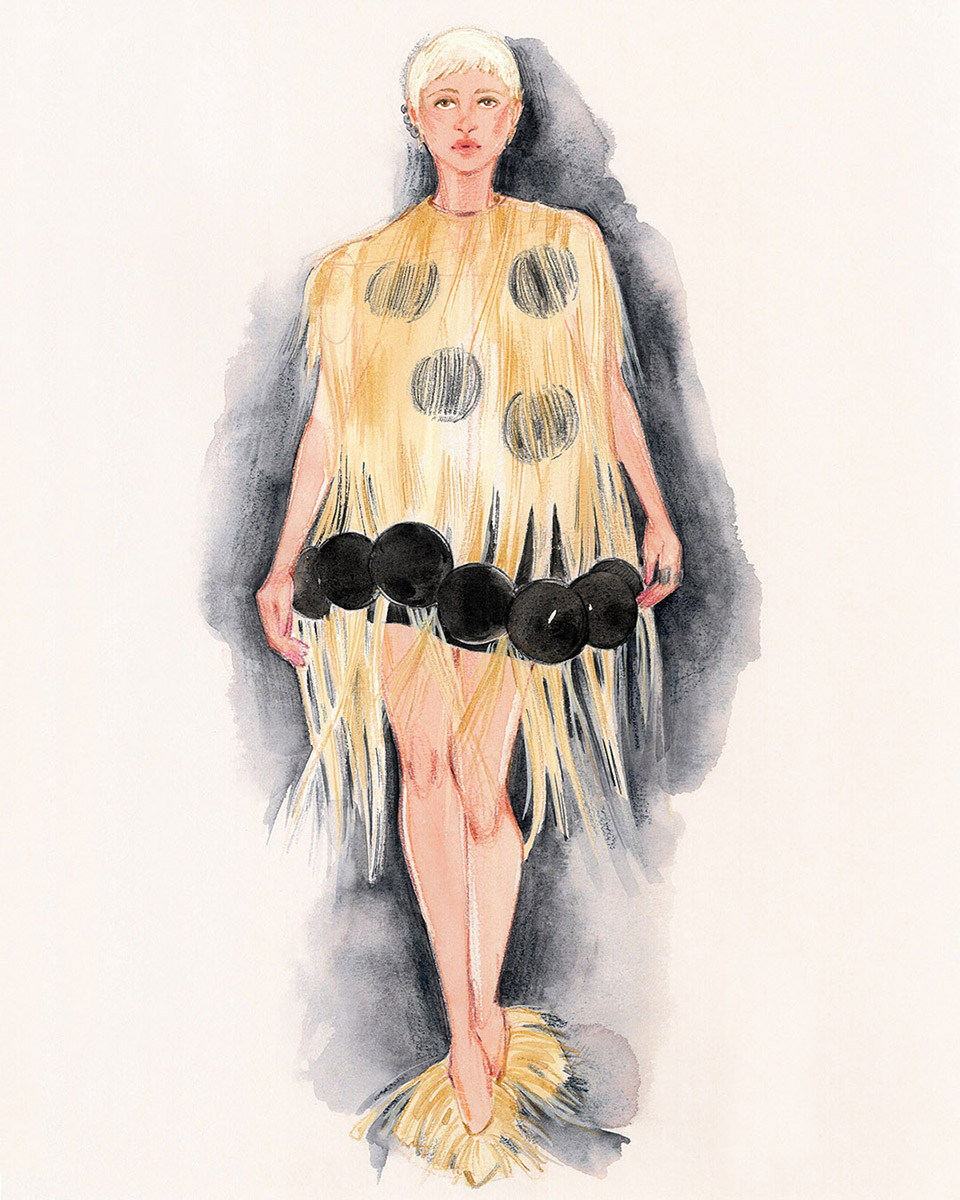
Illustration Anna Huang/Dolls in a Row from Drawing Cabaret Couture
The Royal Danish Academy of Fine Arts, founded in 1754 in Copenhagen, is Scandinavia’s leading institution in architecture, design, and conservation. Its work is organized across six institutes, which drive education, research, consultancy, and innovation. Among its programs, the Fashion Design course trains forward-thinking designers in innovation, sustainability, and craftsmanship, combining artistic vision with practical skills to explore materials, techniques, and contemporary fashion concepts. Their Fashion Design degree show is always highly anticipated.
Irish/Norwegian makeup artist and ZOOT contributor Astrid Kearney was drawn to the Academy’s approach to creative exploration. “There’s an extraordinary rigor and curiosity running through these graduates’ work,” she observed. “Each garment feels like a thoughtful exploration, where craft, concept, and sustainability intersect. It’s inspiring to see a generation unafraid to challenge conventions while remaining deeply connected to material, technique, and storytelling.” Astrid’s reportage for ZOOT captures the atmosphere, textures, and emotional undercurrents of the show, highlighting how these emerging designers are shaping the conversation around fashion, identity, and sustainability.
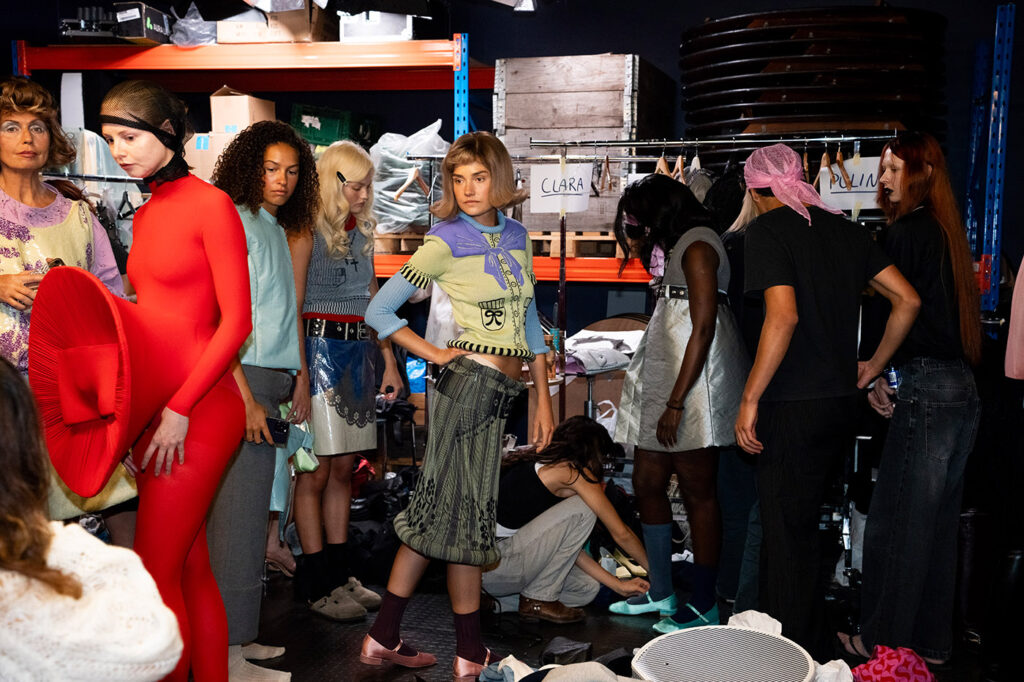
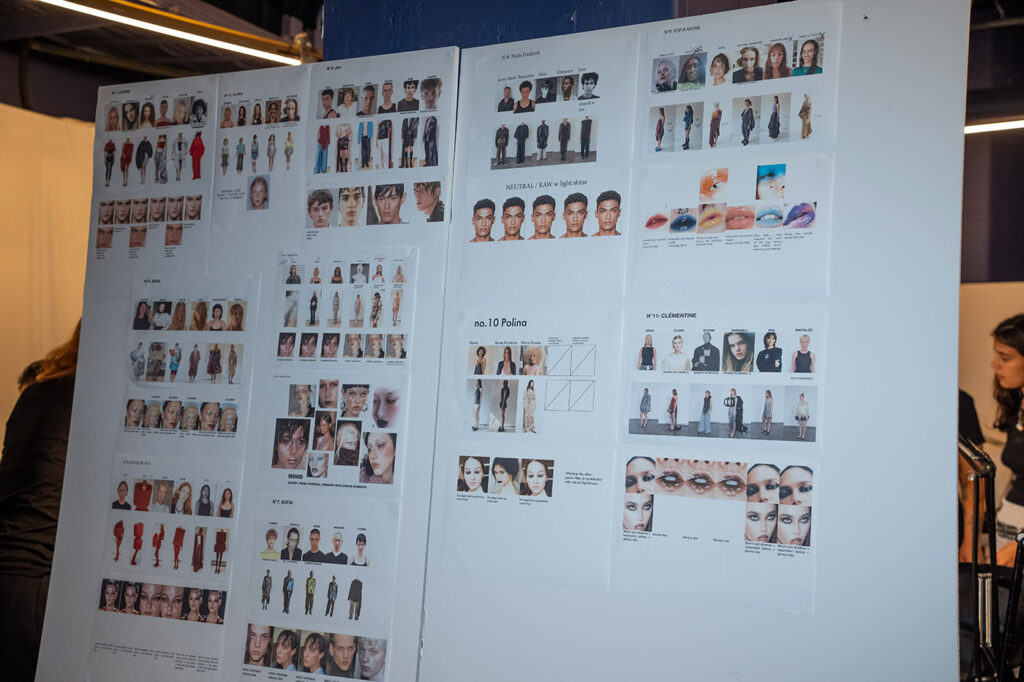
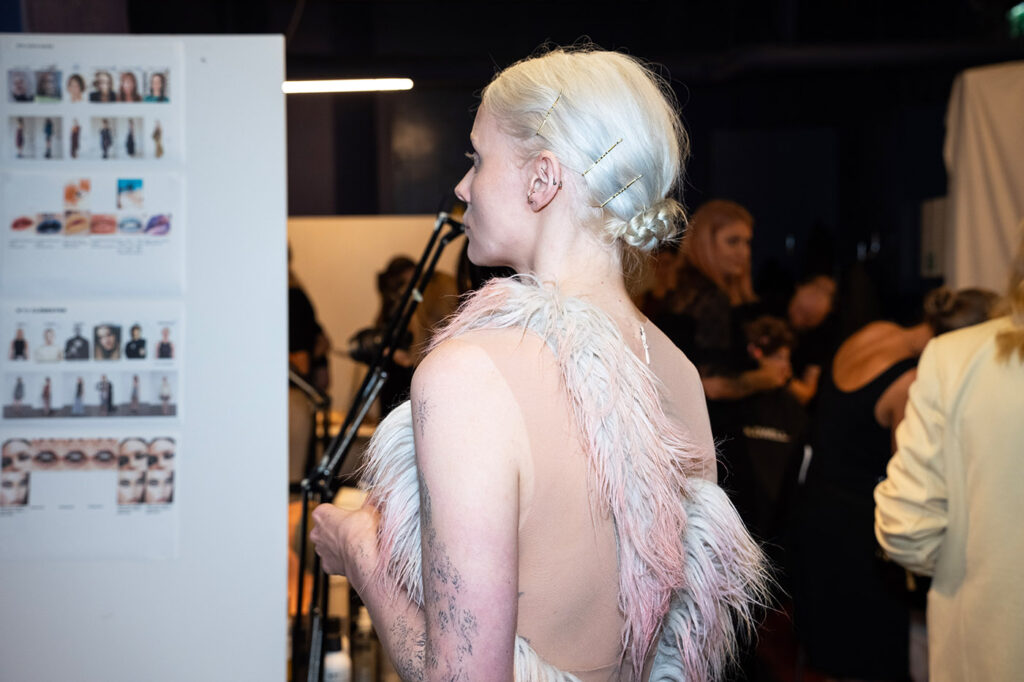
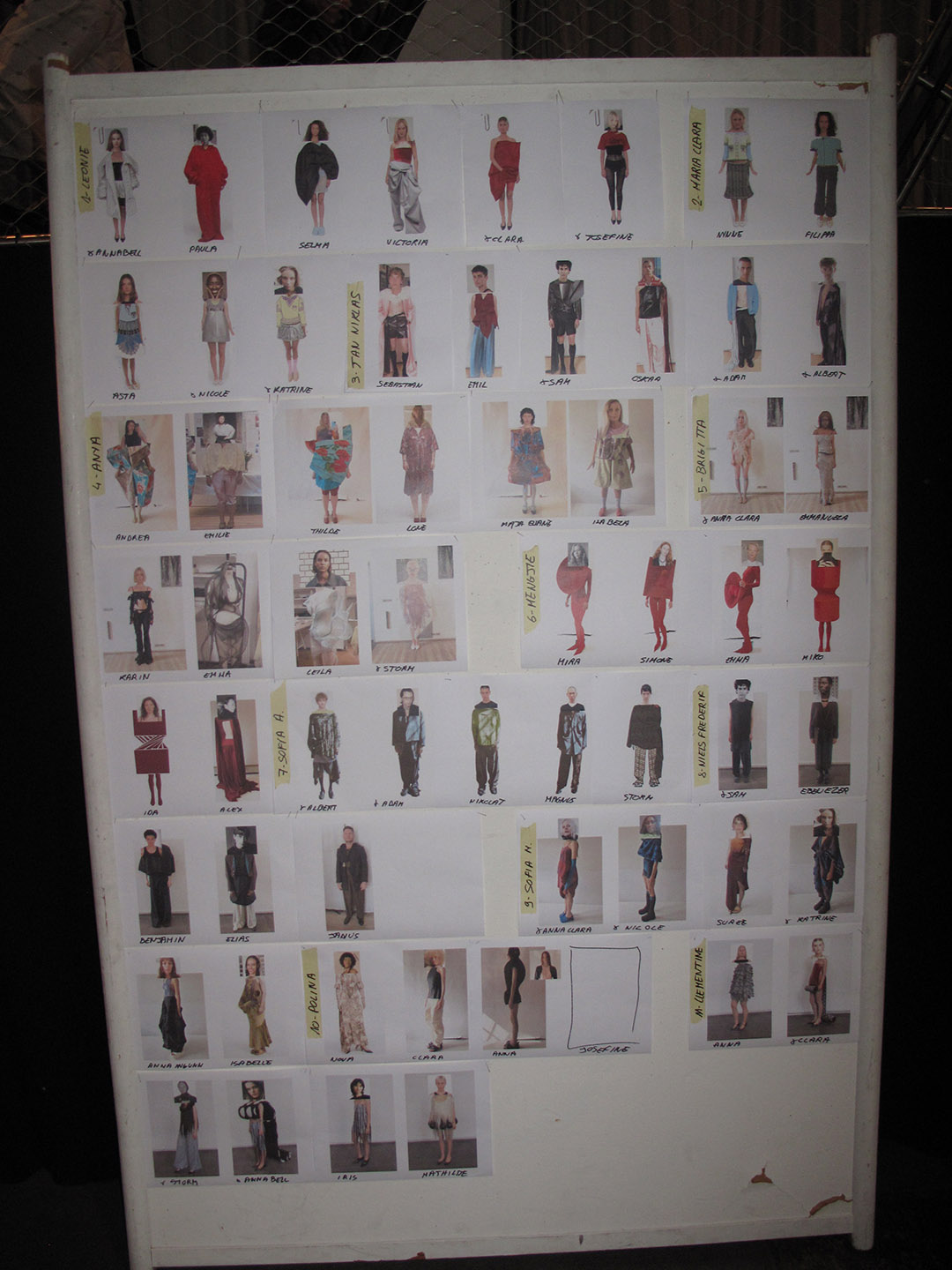
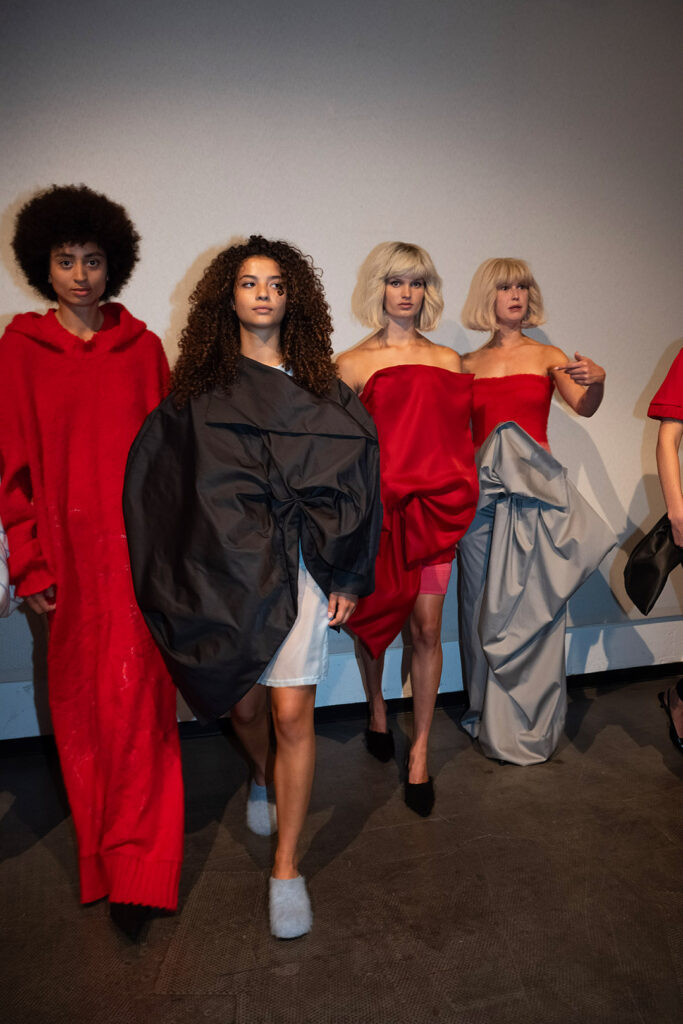
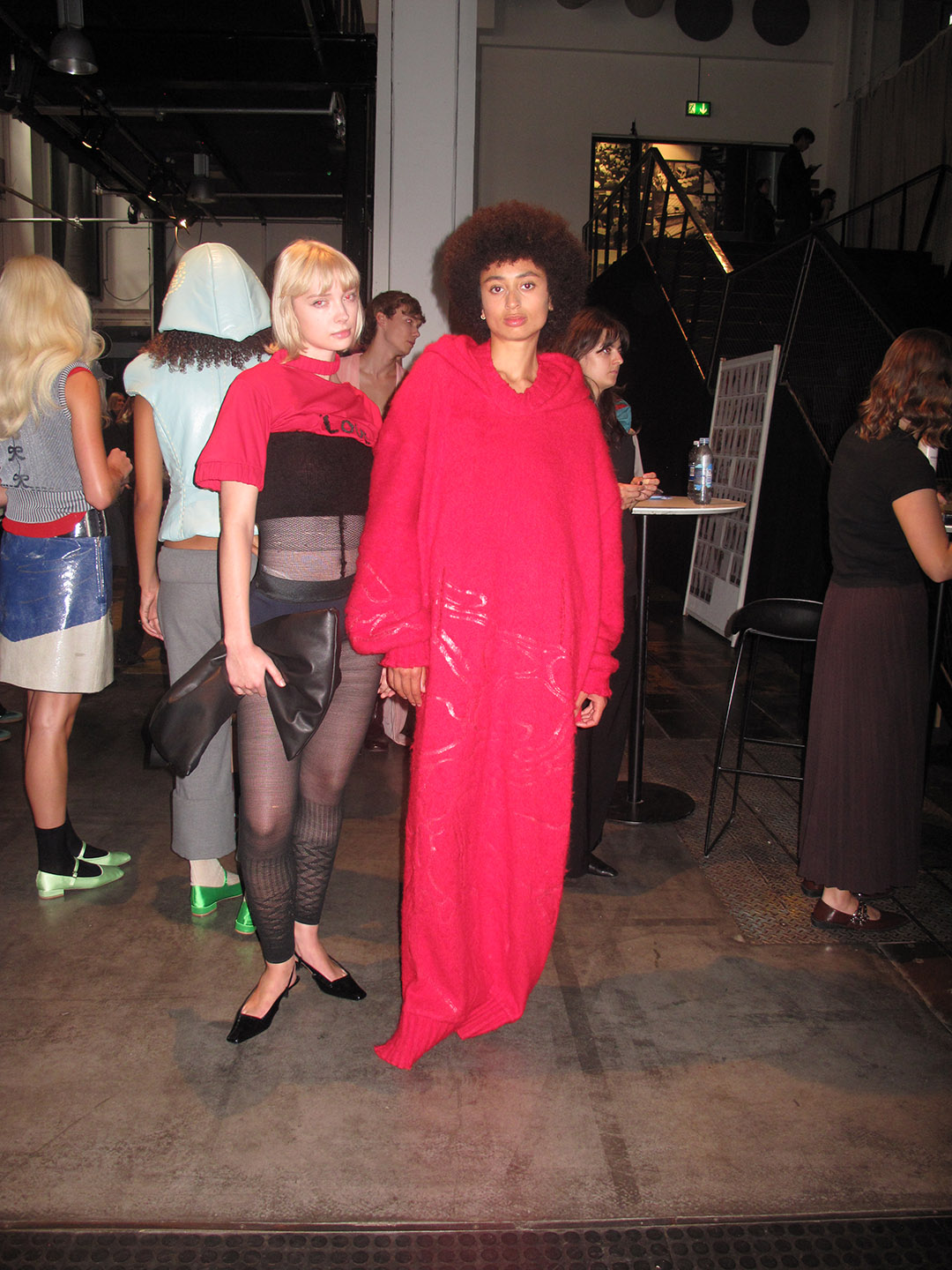
At Copenhagen Fashion Week SS26, the Royal Danish Academy’s graduate show unfolded as a gathering of explorations. Eleven designers from nine nations presented countless stories – each look a declaration, each garment a deliberate act. This was not fashion for fashion’s sake.
Queer narratives moved unapologetically to the forefront, cultural legacies were stitched into the seams, and the climate emergency was addressed with urgency and creativity.
The collections shifted perceptions – the body became at once familiar and foreign, human and object, fragile and powerful. Some works explored how clothing can distort or redefine identity, turning the body into a form both recognizable and new. Sculptural shapes and innovative textiles challenged expectations without overtly theatrical gestures, inviting reflection rather than spectacle.
It was more than a runway – it was a glimpse into how a generation of designers might shape the conversation in years to come.
SOLÆR
@solaer__
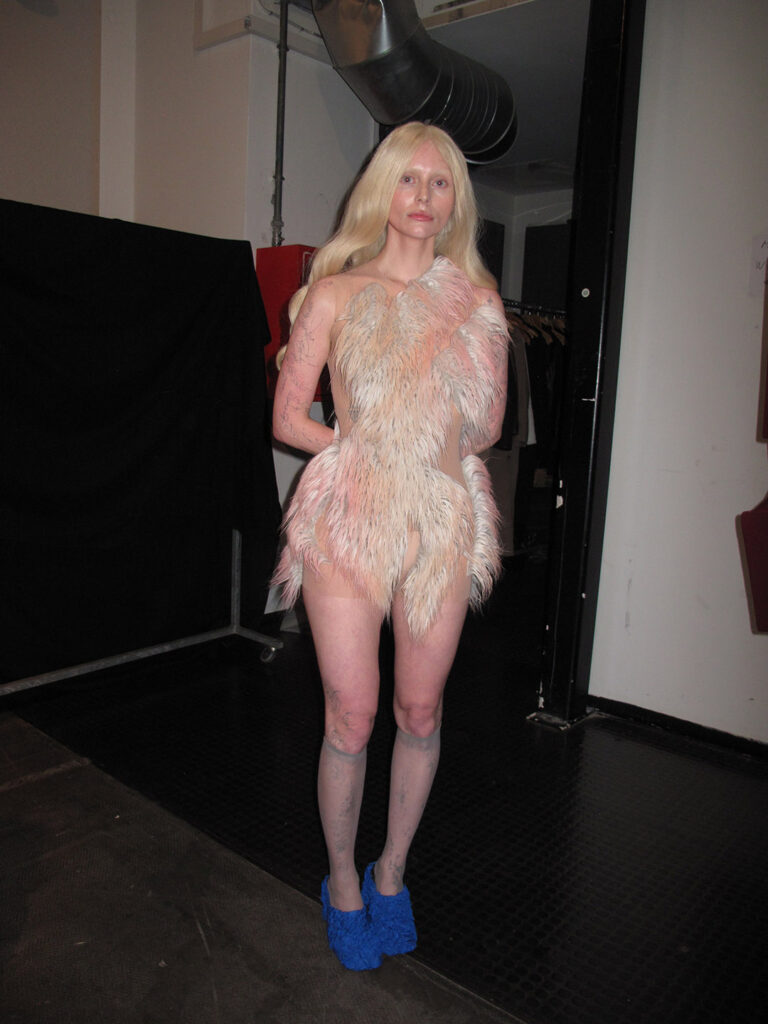
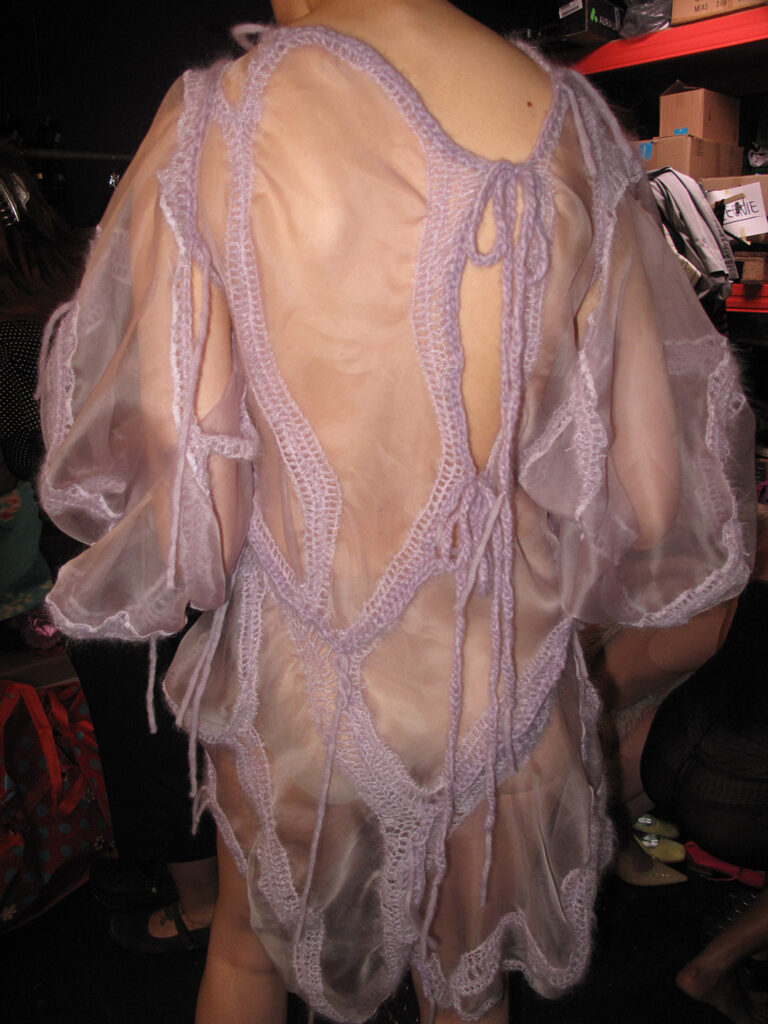
Amongst the Designers Brigitta Szekernyés from SOLÆR reworked traditional crochet and knitwear into textured sustainable forms. Where the Sun Rises Twice is a deeply personal collection that transforms garments into wearable time capsules. Rooted in the designer’s childhood summers in Torockó, Transylvania, it weaves together Hungarian folklore, myth, and family memory with sustainable craft practices. Using crochet, zero-waste digital knit, and upcycled textiles, each piece preserves fragments of place, play, and intimacy — while quietly questioning fashion’s culture of disposability.
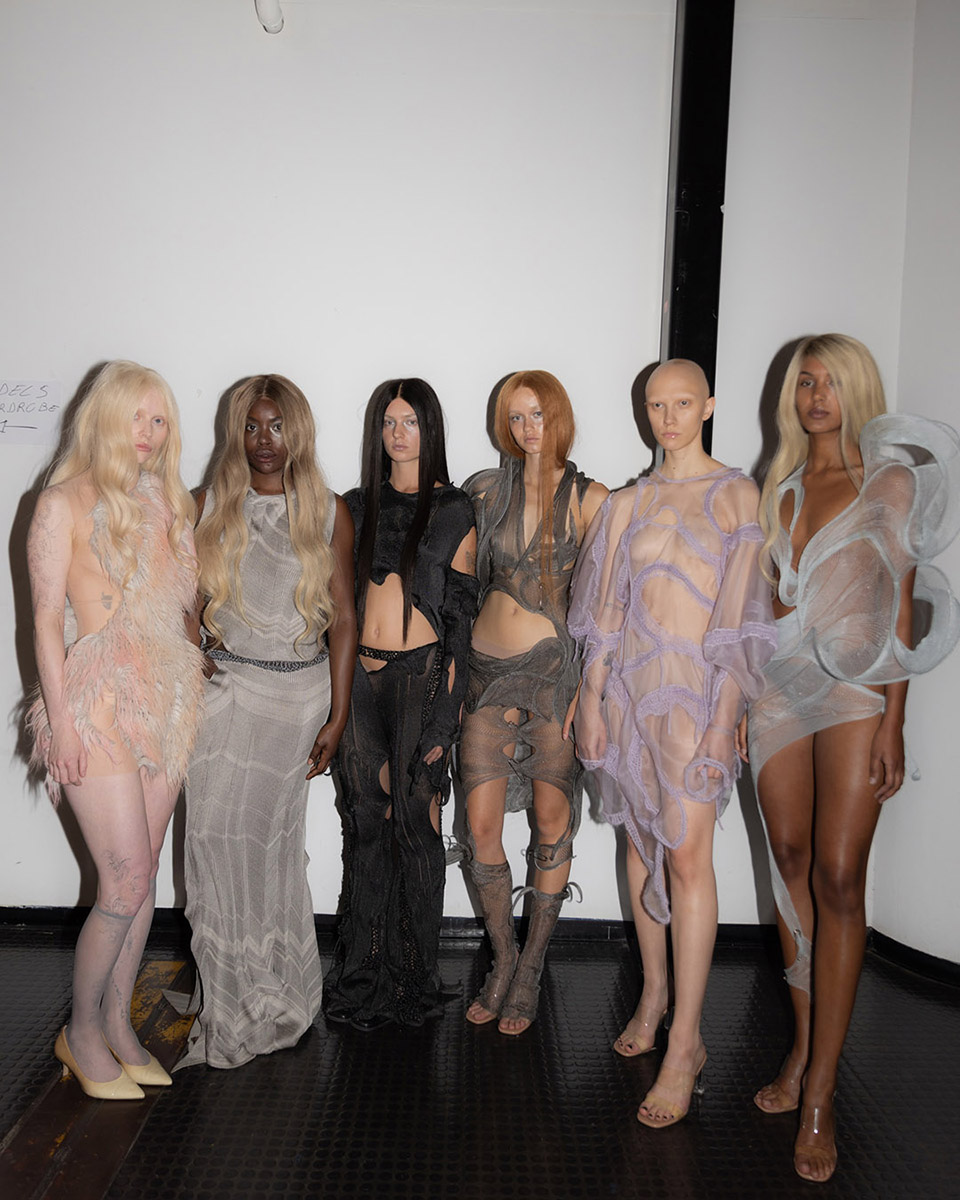
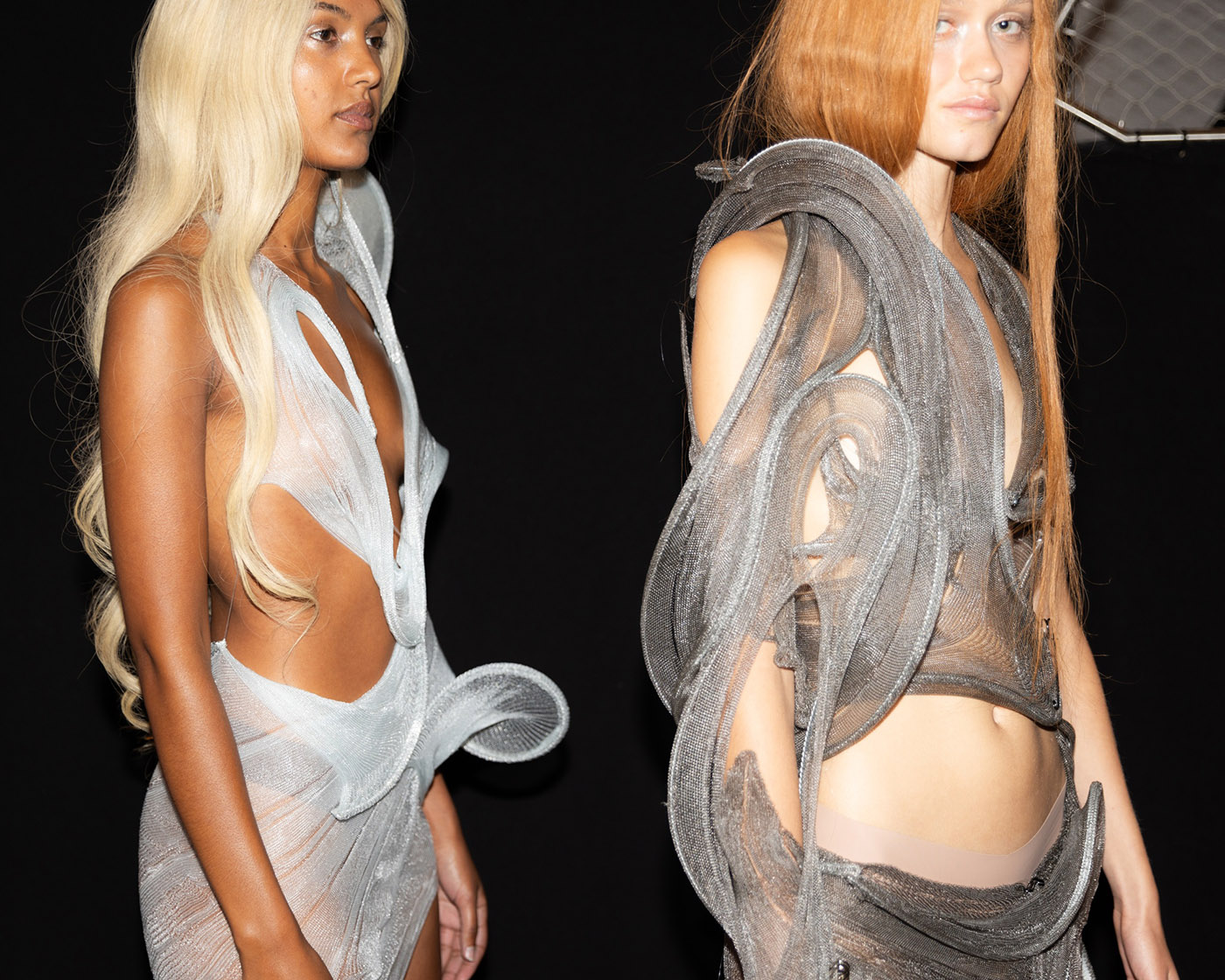
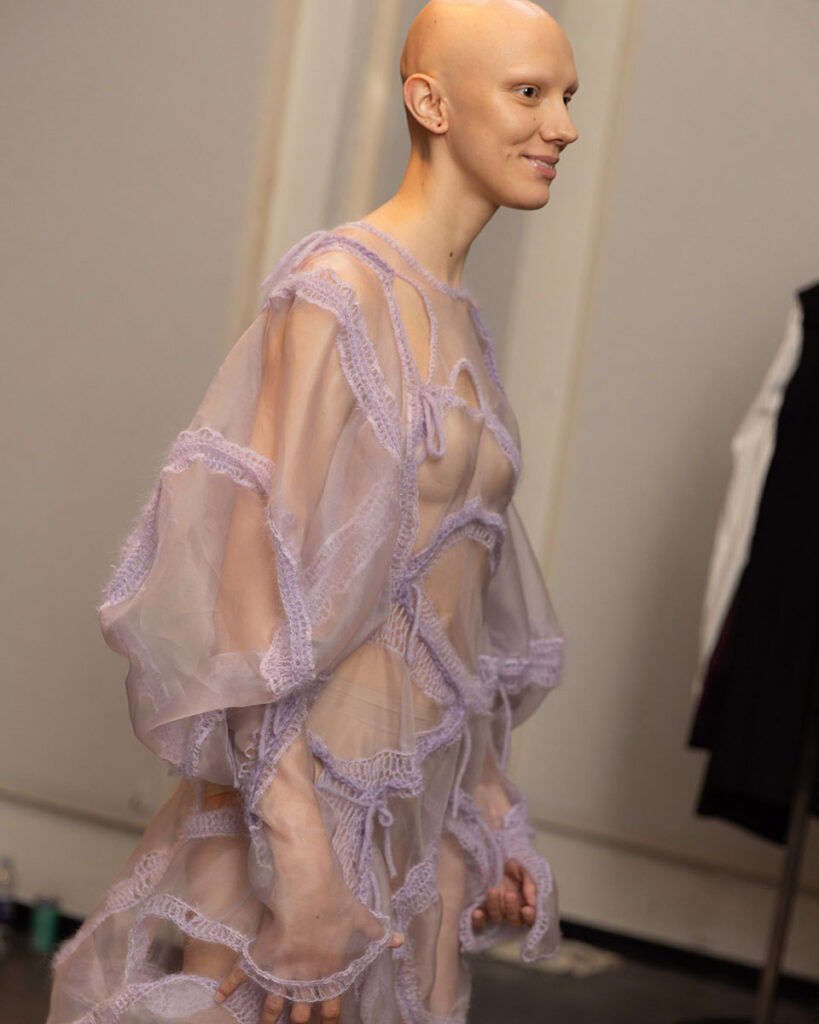
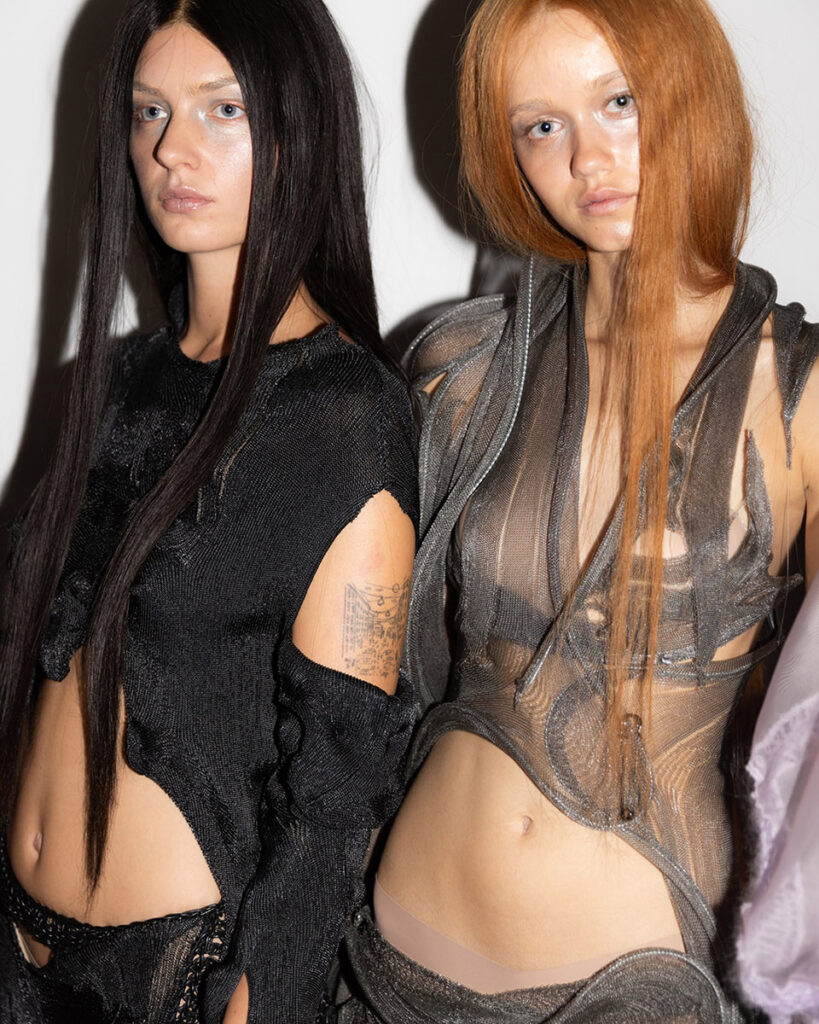
Anchored in a universal longing to return to places that exist only in memory, the collection takes its name from a rare natural phenomenon in Torockó, where the sun briefly dips behind the mountain before rising again. “It’s a place where the light returns twice,” the designer explains. “For me, that moment mirrors what I try to do with clothing — to give materials, stories, and emotions a second life.”
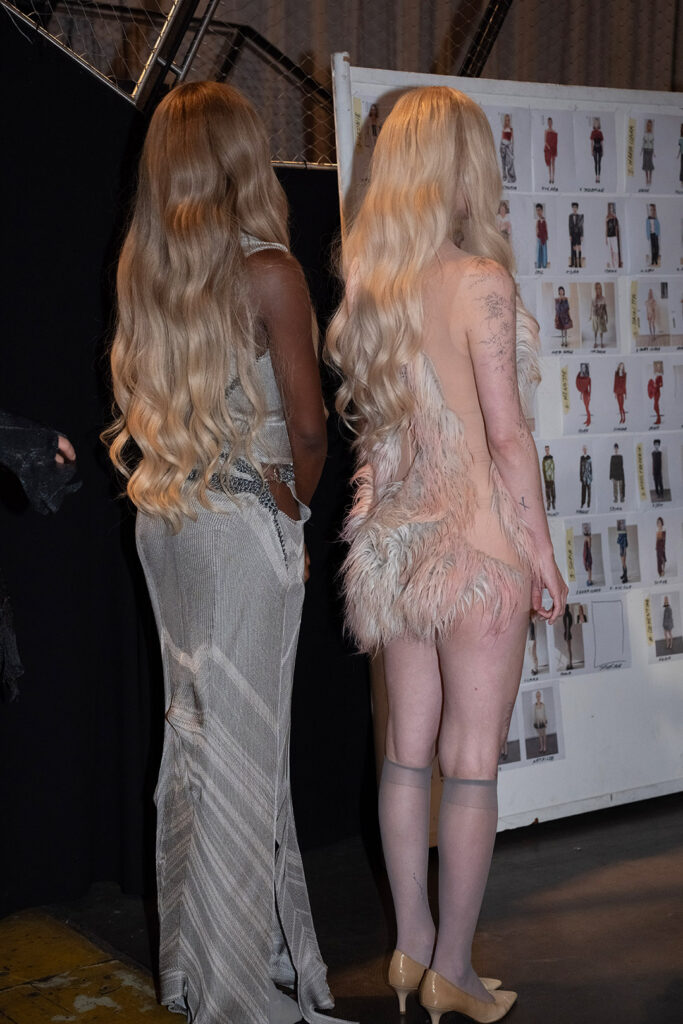
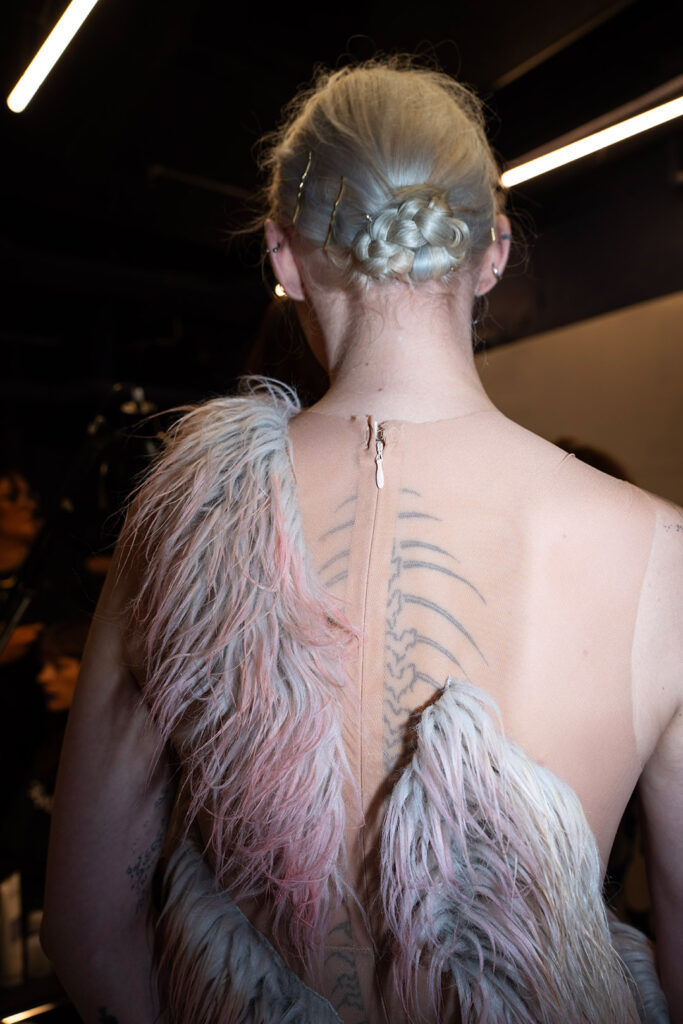
Marcus Aminaka Wilmont – Course Director for the MA in Fashion, Clothing & Textiles programme OF THE ROYAL DANISH ACADEMY
ZOOT: As someone shaping the vision of the MA, how do you ensure your own creative passion keeps igniting that dangerous, world-changing spark in your students?
Markus Aminaka Wilmont: It’s impossible not to be passionate about teaching when you encounter the pure passion and idealism that most students embody. You need to learn to listen very carefully and pay close attention to their alternative ideas – only then should you begin to guide them in a direction that will work for them on an individual basis.
Clémentine Ollivier
@clementineollivier
Clémentine blurred the line between garment and sculpture with her degree collection.
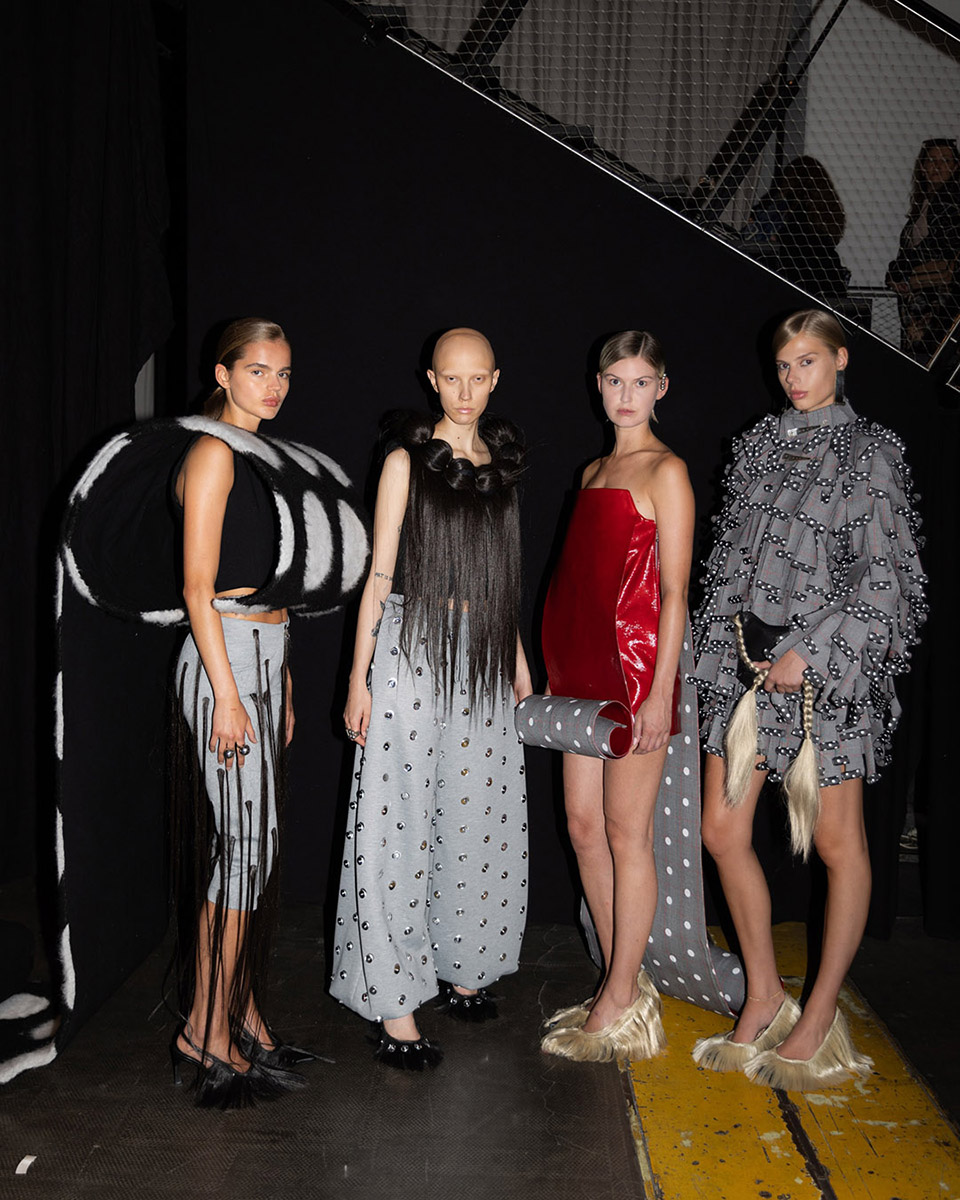
In What Do We Hold?, Clémentine Ollivier explores femininity through the lens of personal heritage — free from the constraints of the male gaze. The project traces a lineage across generations, shaped by the gestures, symbols, and quiet rituals of her mother and grandmothers. Through their stories, Ollivier asks: What do we inherit, and how does it shape the way we express ourselves as women?
Inspired by her mother’s polka dots and her grandmother’s pearls, the collection transforms intimate, domestic motifs into a thoughtful reflection on identity and self-expression. Rather than defining femininity as a universal ideal, Ollivier renders it as deeply individual — embodied through three recurring symbols: the polka dot, the hair, and the pearl.
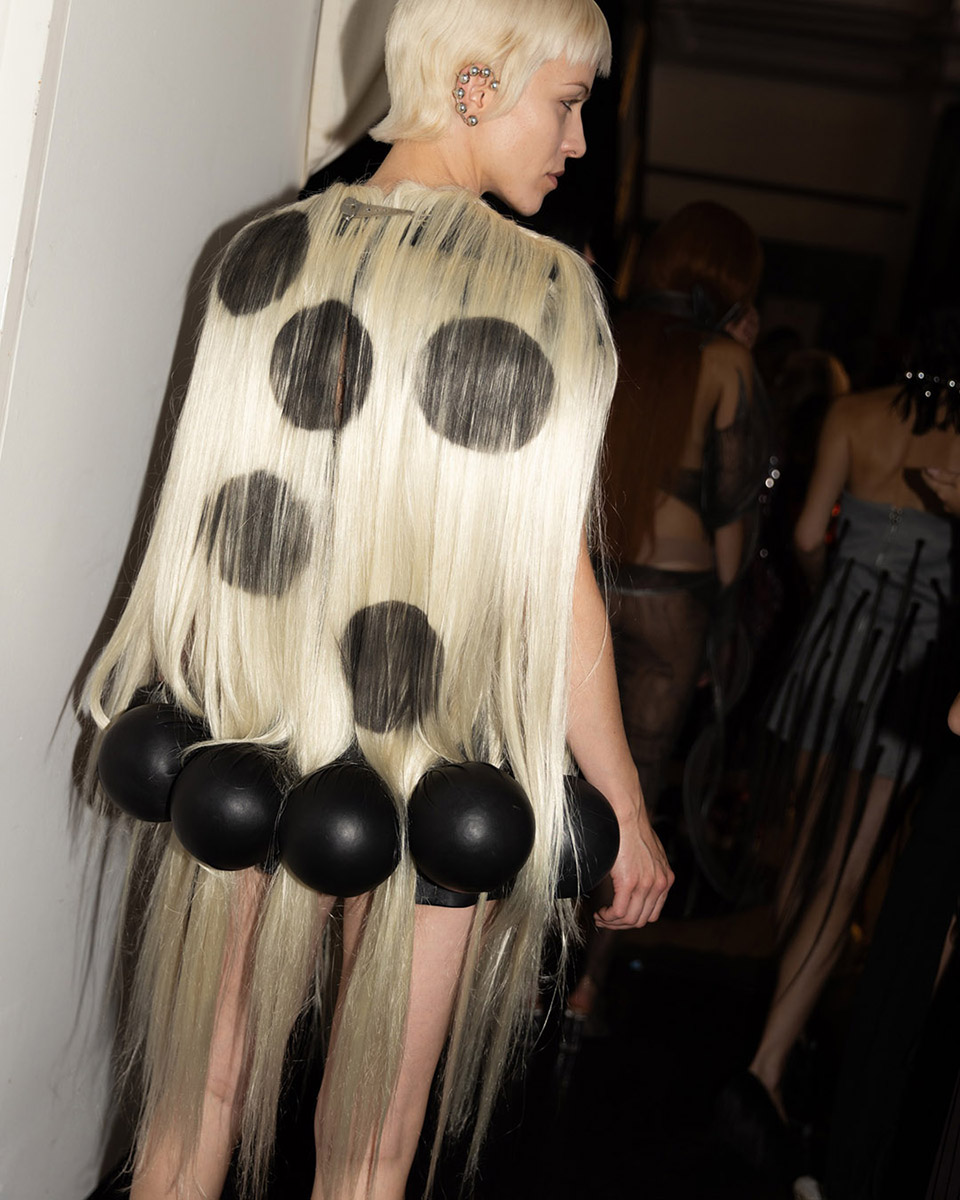
These elements — mundane yet profound — become tools of transformation. Crafted through bold silhouettes and meticulous construction, each piece reclaims femininity as something personal, powerful, and self-defined.
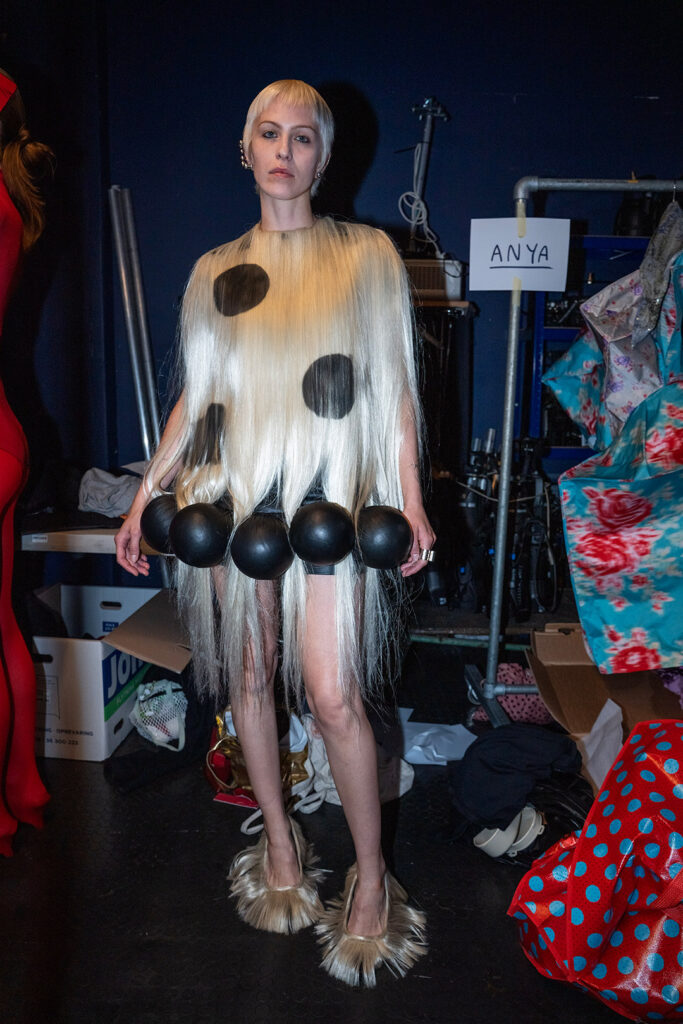
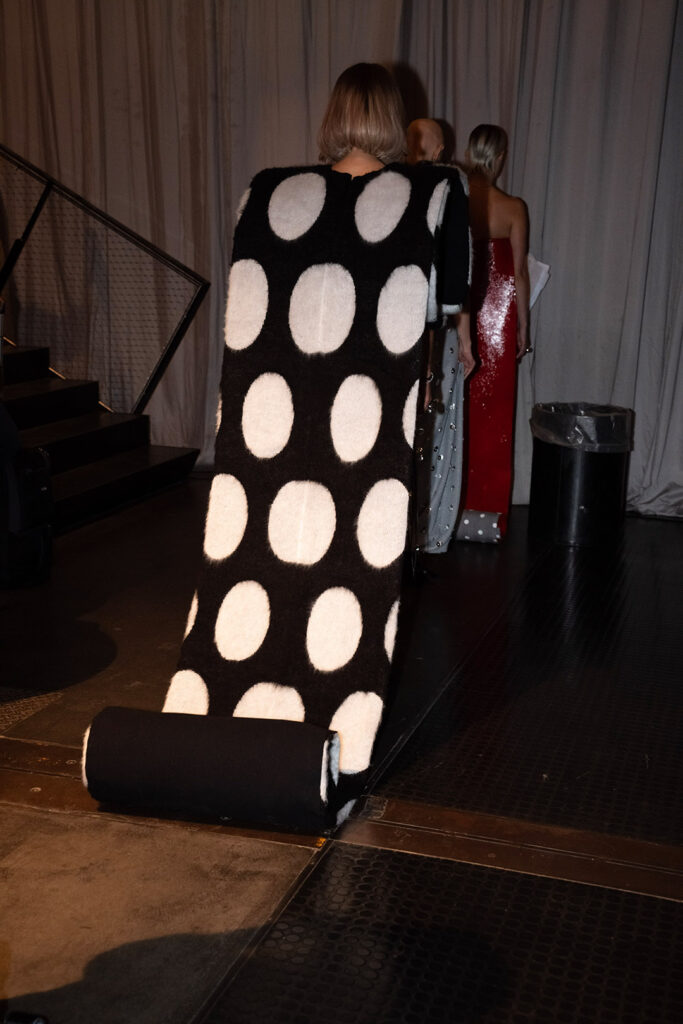
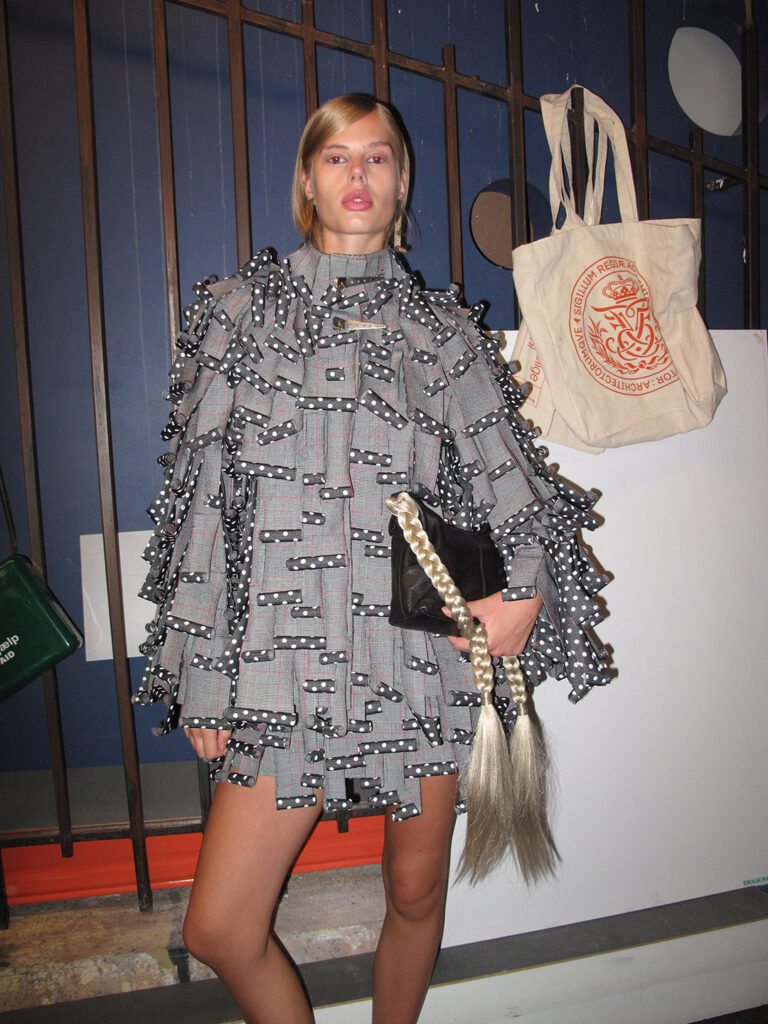
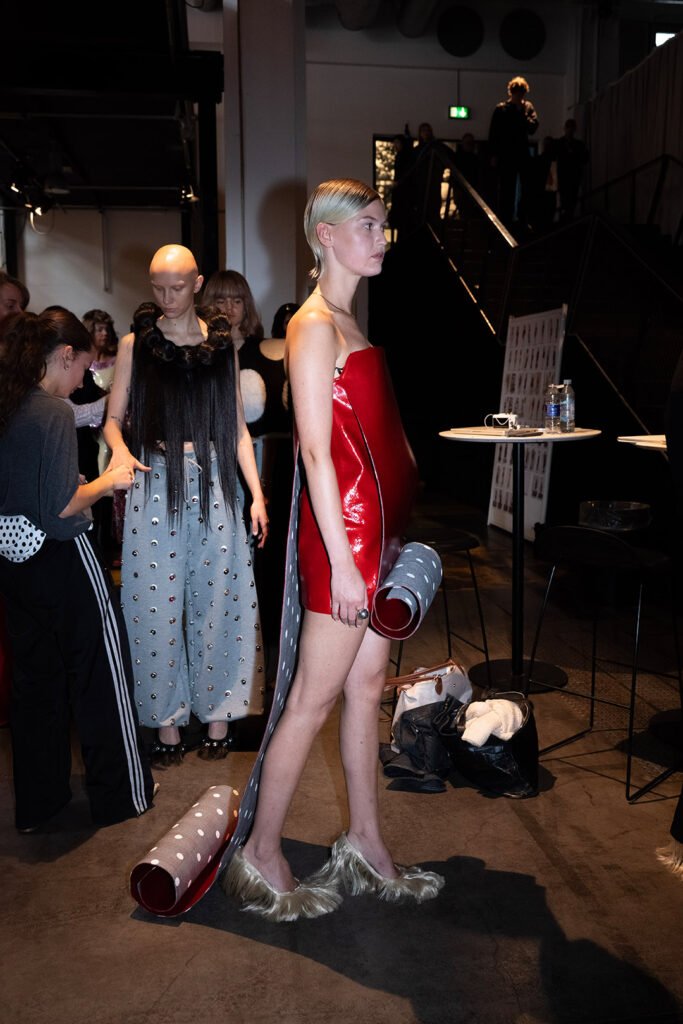
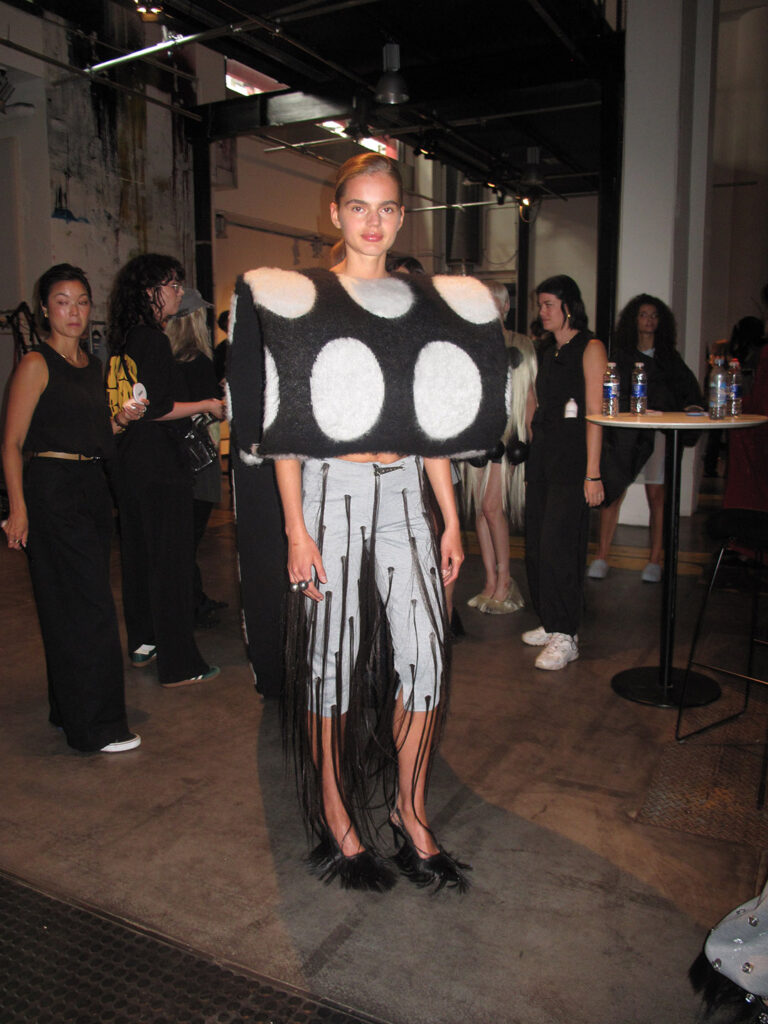
What Do We Hold? does more than pose a question — it creates space for women to answer in their own way. It is an ode to inheritance, resilience, and the subtle gestures that bind generations together.
ZOOT: You have championed sustainability as more than a practice – as a creative ethos. How do you nurture the next generation to see sustainability not as restraint, but as a catalyst for radical design freedom?
Else Skjold – Associate Professor in Design and Sustainability AT THE ROYAL DANISH ACADEMY
Else Skjold: I believe the key to unleash sustainability work is to start with the creative and artistic nerve as well as the individual narrative and passion of every single student. This is why the program is offering a wide range of sustainability pathways so that students can find their own way of navigating within various sustainable paradigms – some are occupied with gender, some with issues of cultural heritage, of race, of circularity, of nature, and so forth. This way, sustainability work becomes a creative constraint to be explored through materials, techniques, shape and artistic expression, rather than a hindrance.
Sofia Munk
@sofiamunk_design
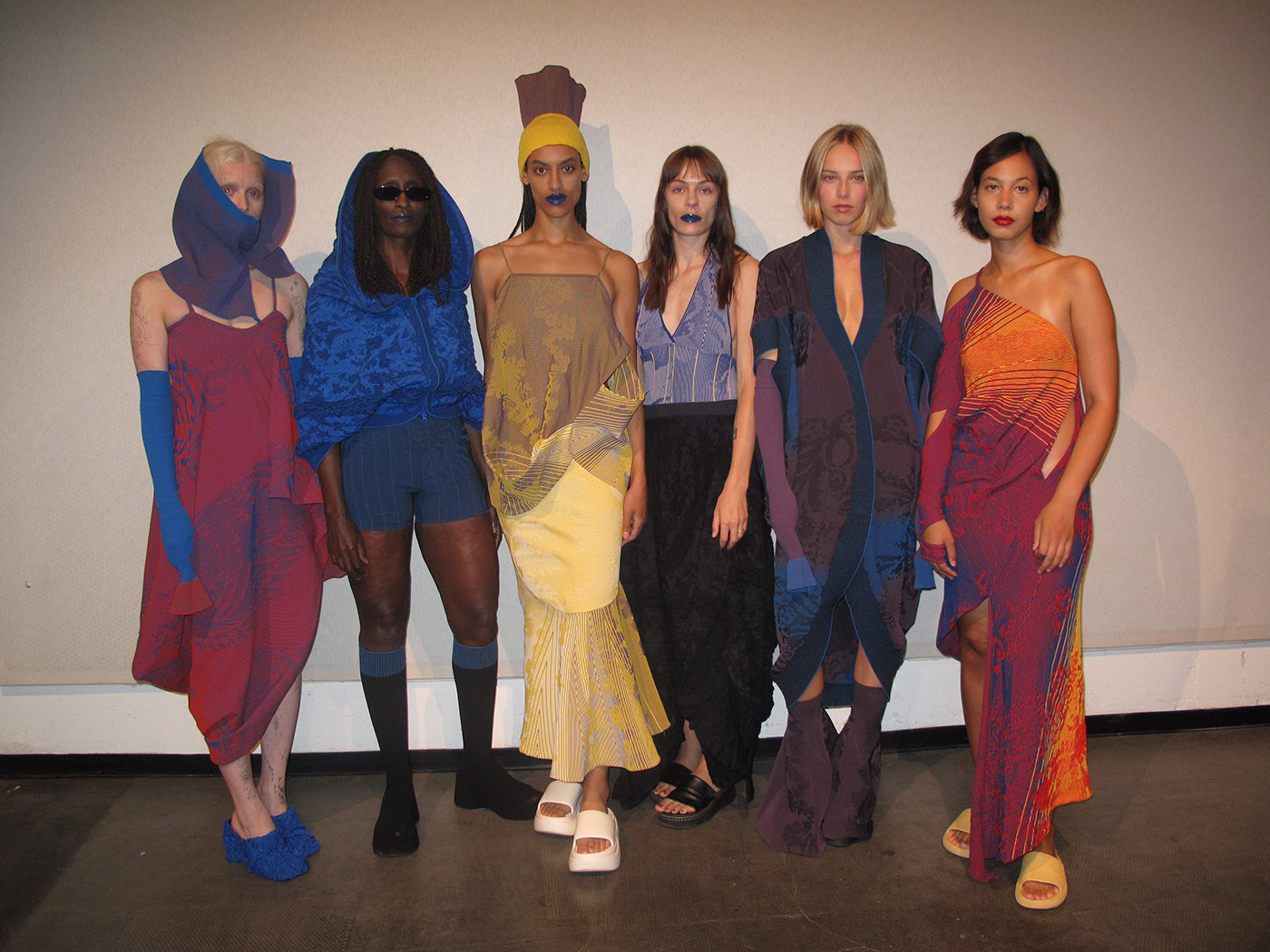
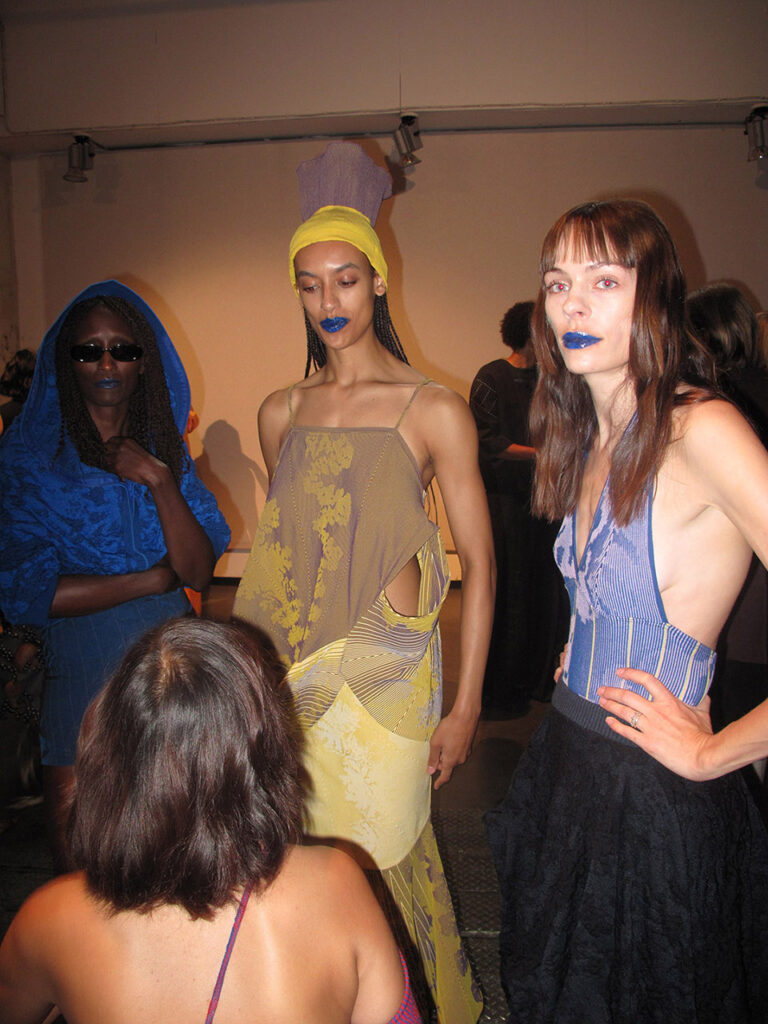
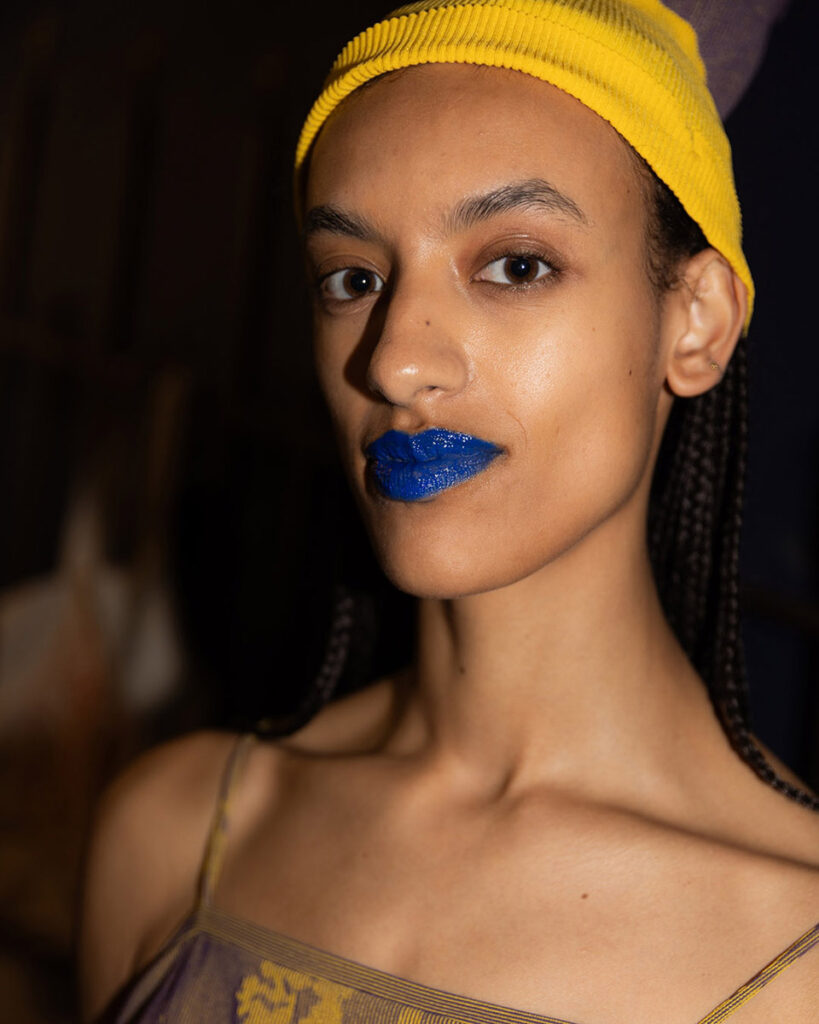
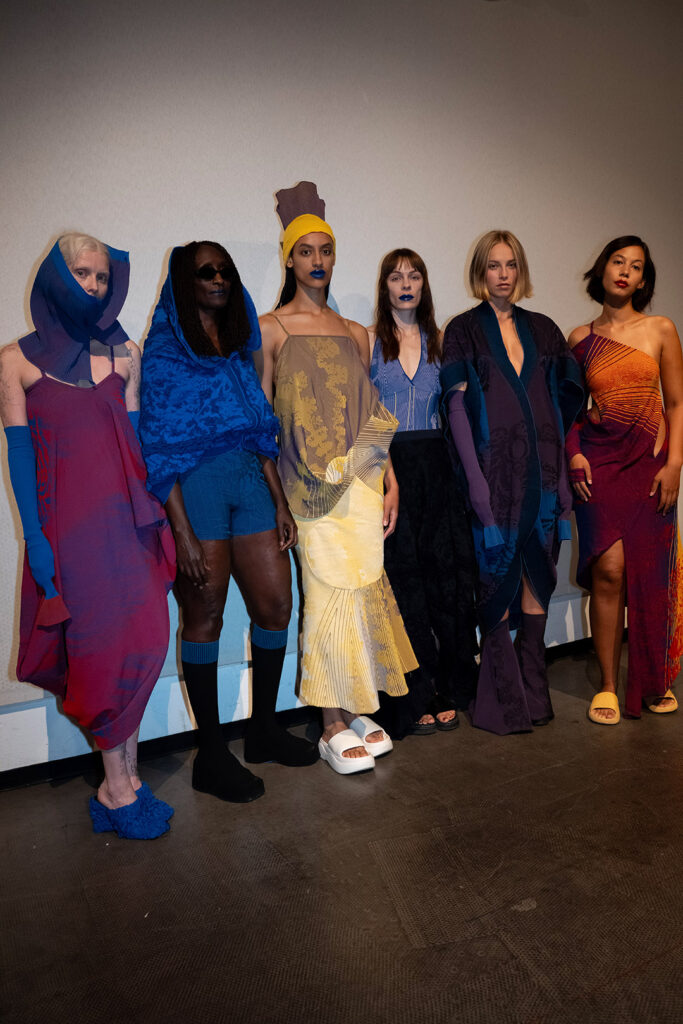
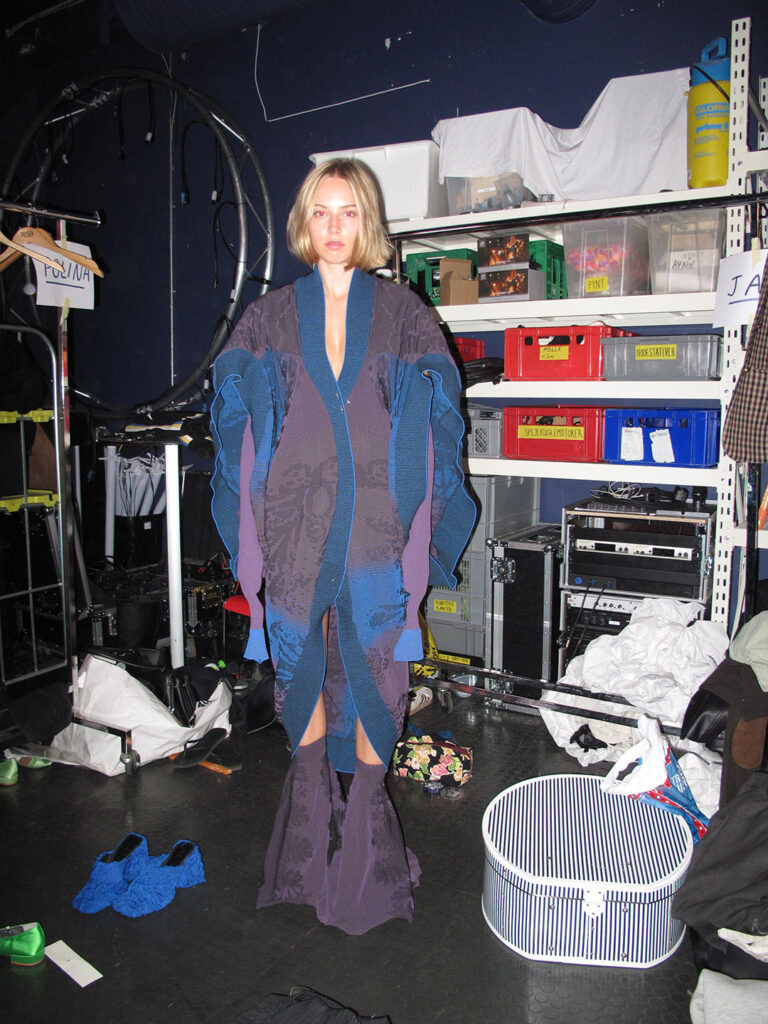
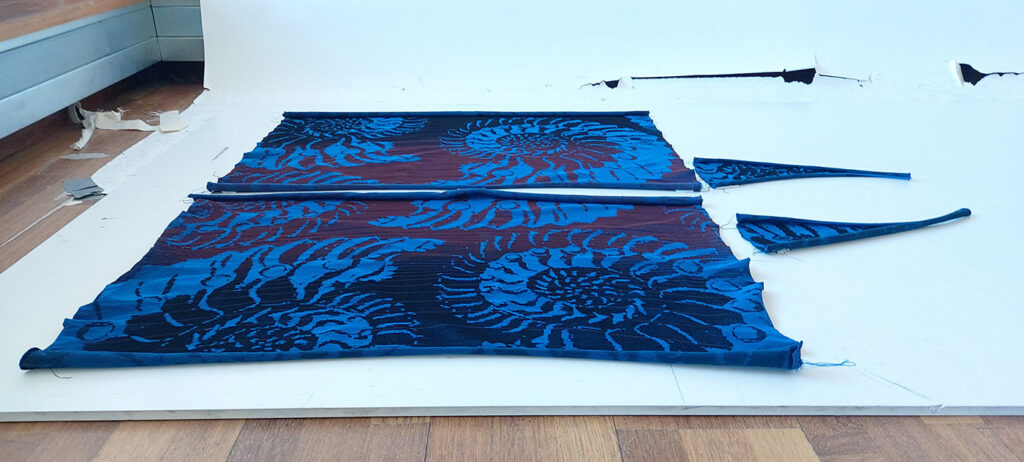
With Waves whisper, Sofia explored intricate knit constructions and experimental materials that transformed the body’s interaction with fabric.
ZOOT: Sofia, your knit constructions and material experiments are intricate and highly conceptual – how do you see this way of working transform how we make garments as well as how we imagine them developing through time?
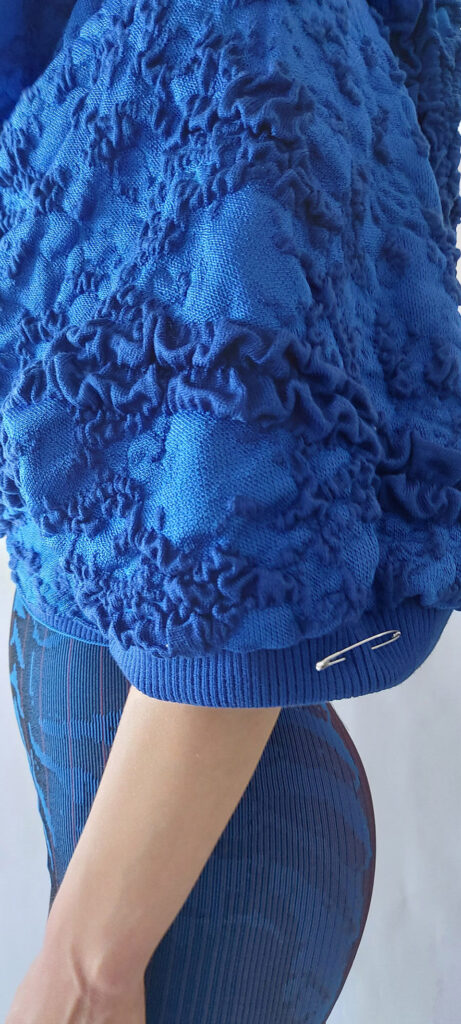
Sofia: I create material from scratch, knitting panels with partial techniques that form circular modules, shaping where fabric meets body, so garments stretch, adapt, and evolve rather than expire. Using shadow knit with partial spirals, I craft silhouettes that shift, flow, and catch light, inspired by oceans, seashells, Fibonacci spirals, and deep-sea creatures that glow, camouflage, or disappear. My goal is to foster care and longevity, designing beyond a single season to connect craftsmanship, nature, and body while honouring the resources from which textiles come.
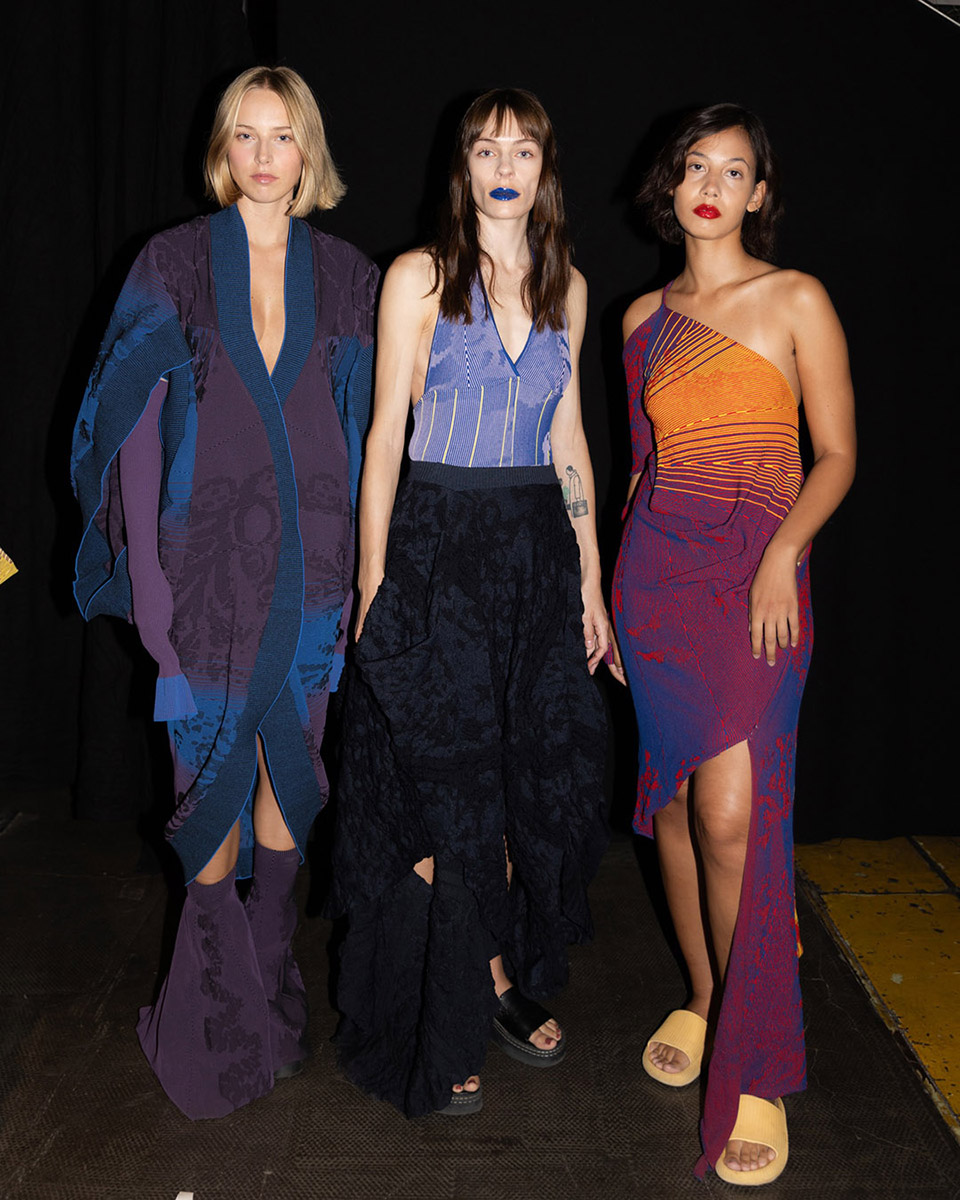
Waves whisper challenges surface-level sustainability through five digitally knitted garments by reconnecting fashion to its material roots. Drawing from oceanic inspiration, it proposes a deeper, resource-aware approach to textile design.
Leonie Winterhalter
@leonie.winterhalter
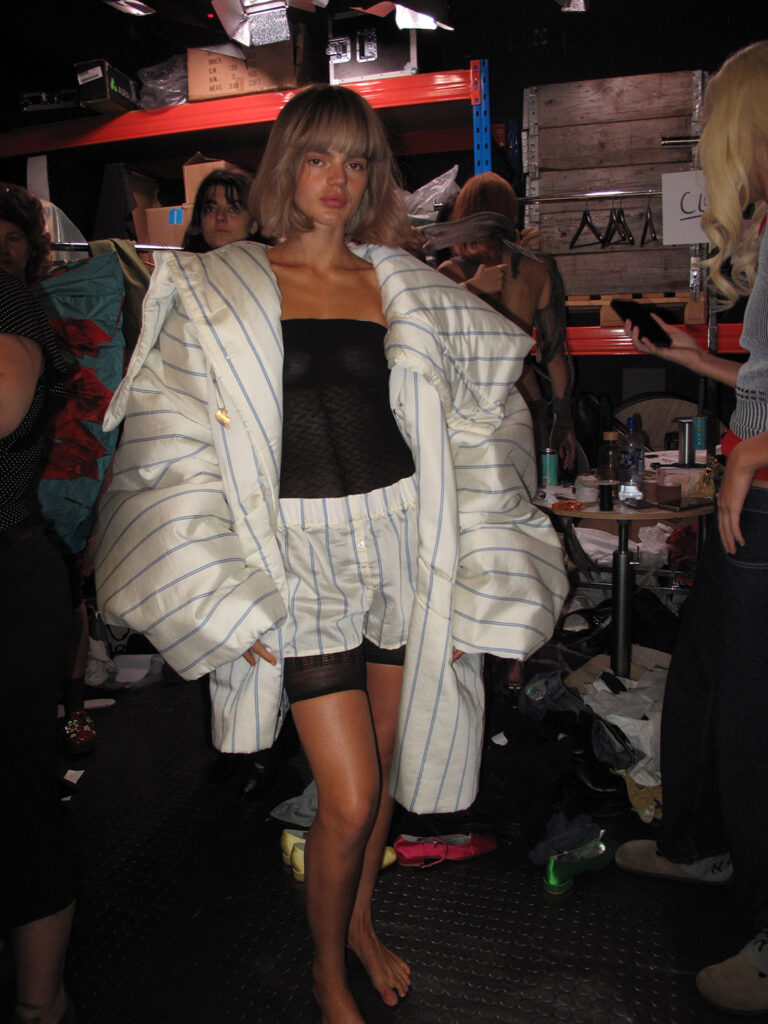
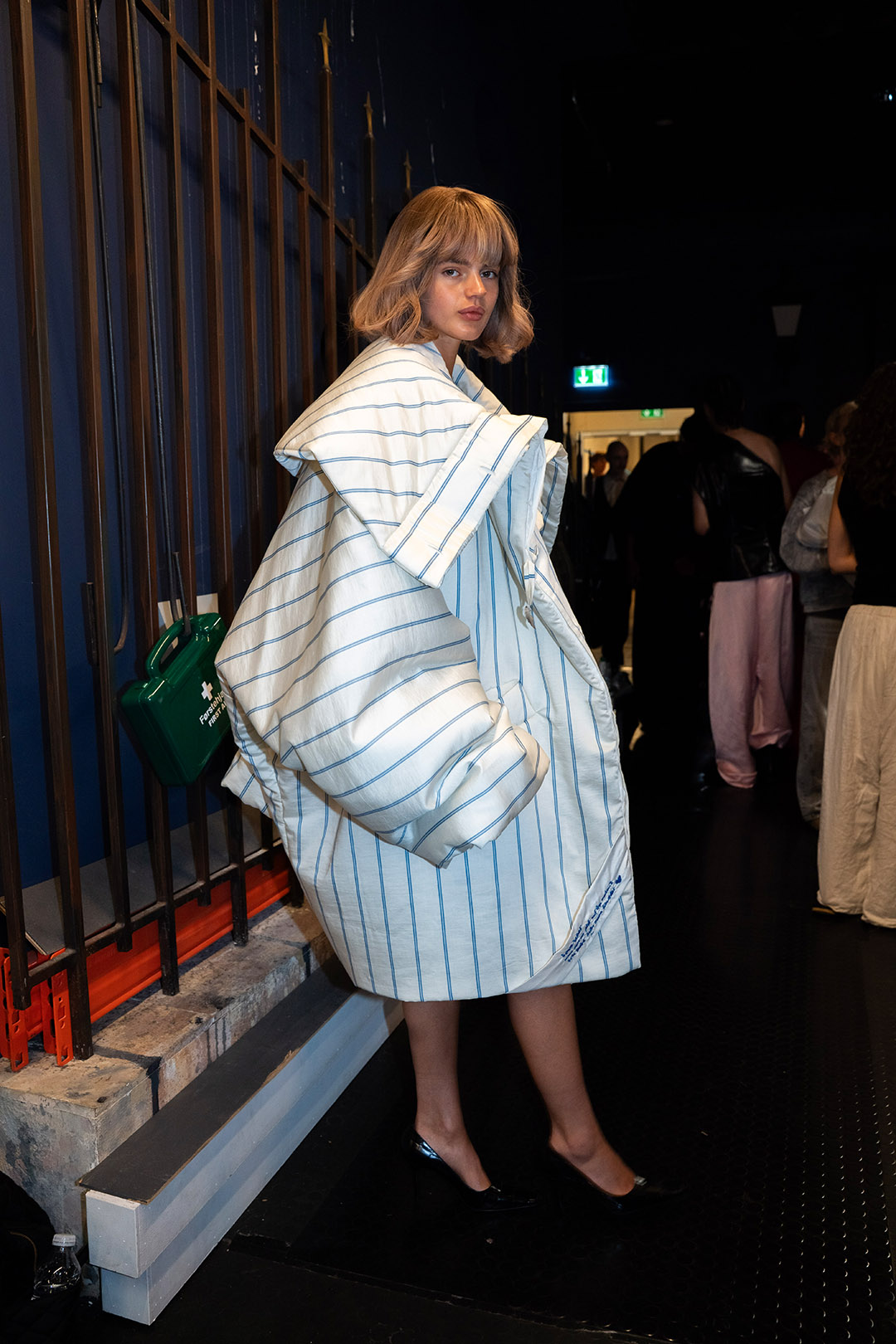
In She Took Her Room the Swiss/German designer transforms the intimacy of a bedroom into wearable stories, creating tactile garments that reflect personal spaces.
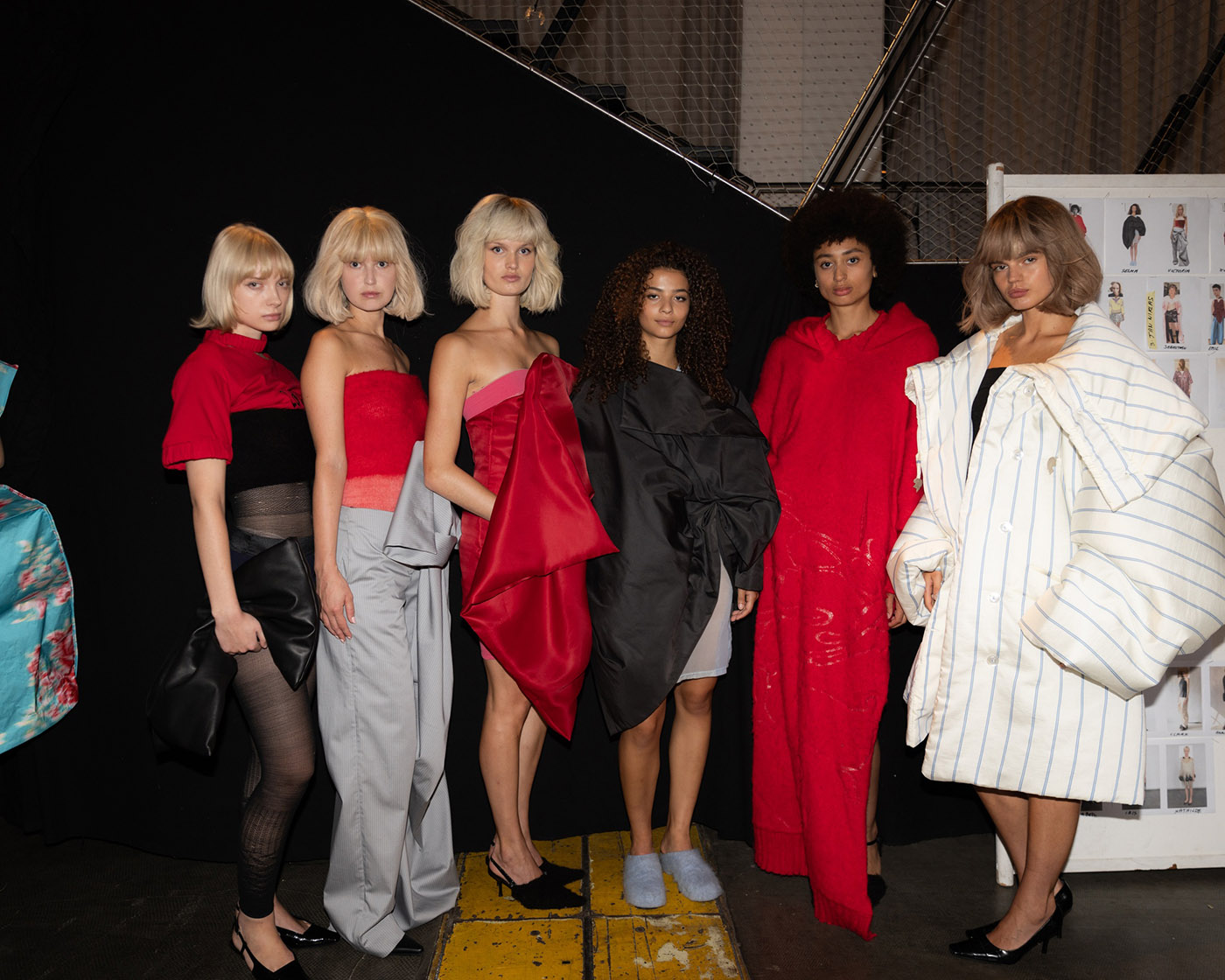
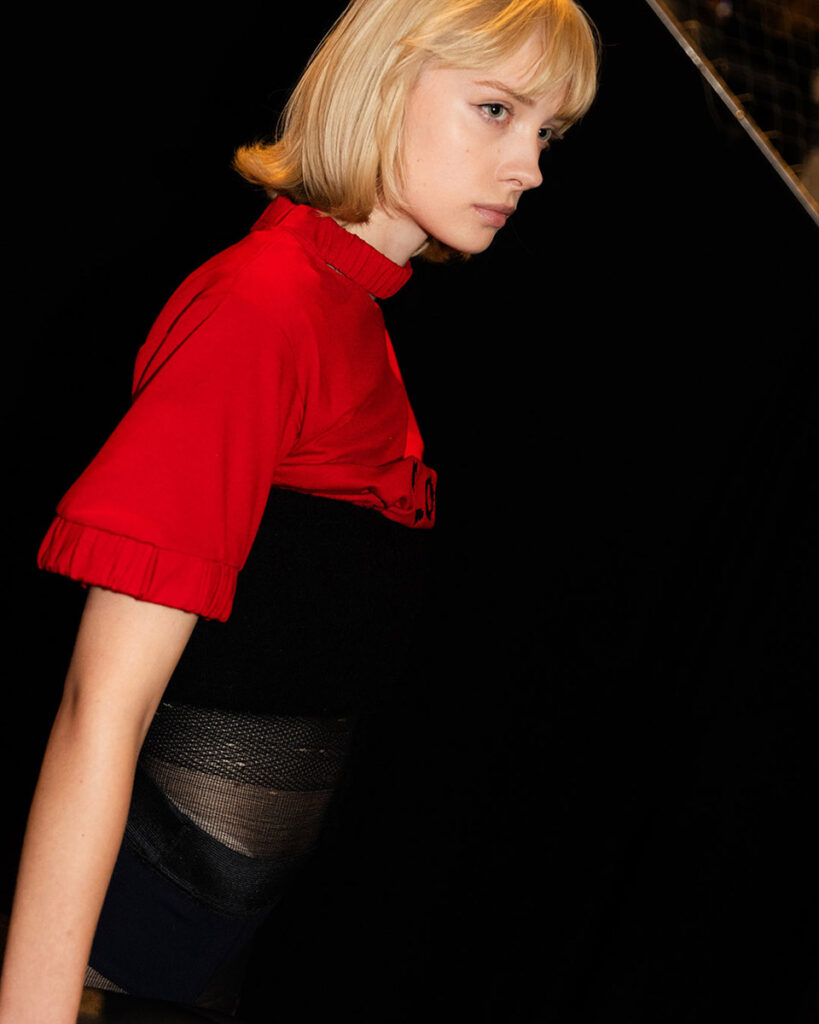
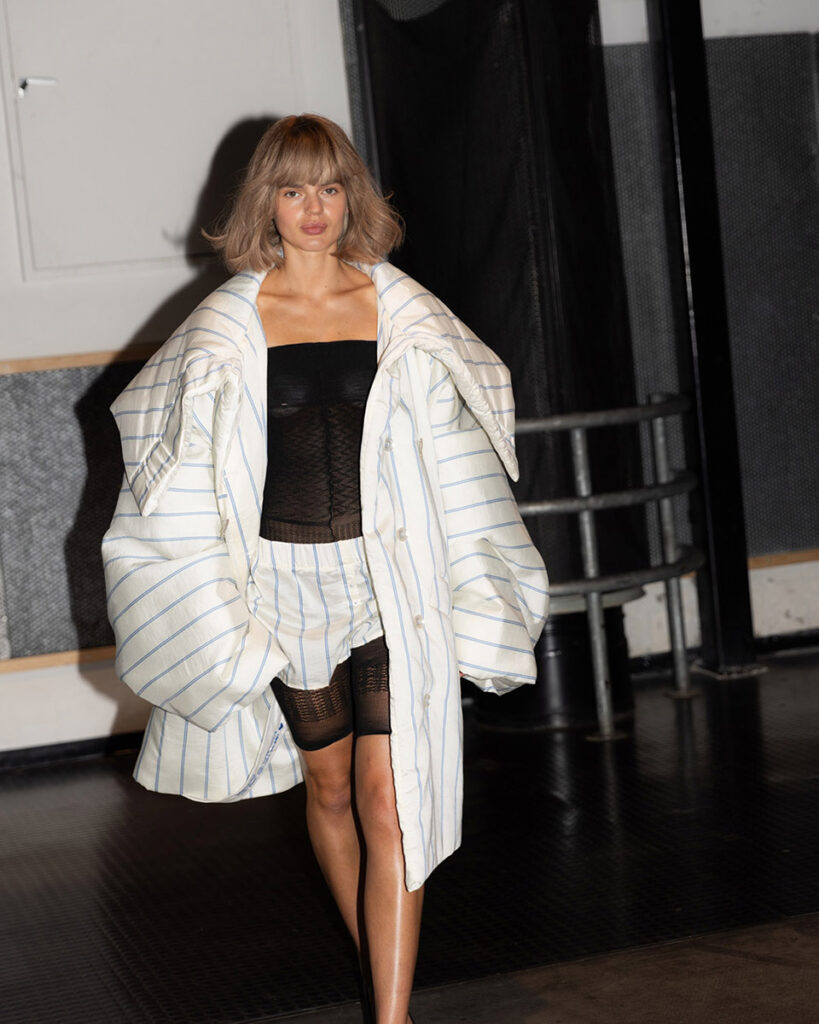
Leonie´s collection She Took Her Room translates the intimate atmosphere of the bedroom into wearable narratives. Rooted in lived female experience, it reflects on identity, vulnerability, and emotional rawness. Each garment becomes a vessel for storytelling—woven with memory, material, and touch—proposing embedded narrative as a sustainable concept. The collection invites a deep emotional connection between wearer and garment, where clothing becomes both confession and sanctuary.
Niels Frederik Krogh Petersen
@nfkp_portfolio
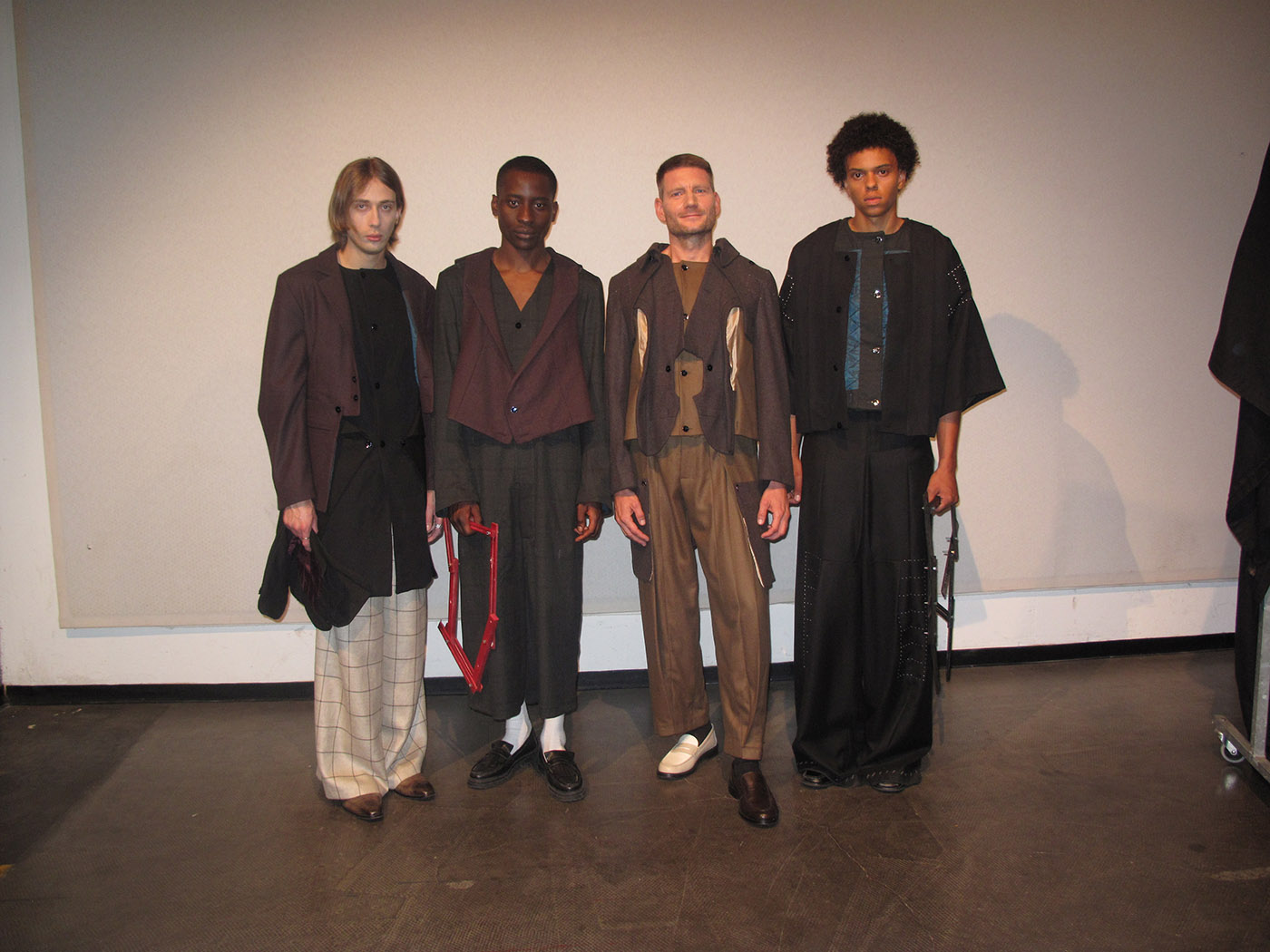
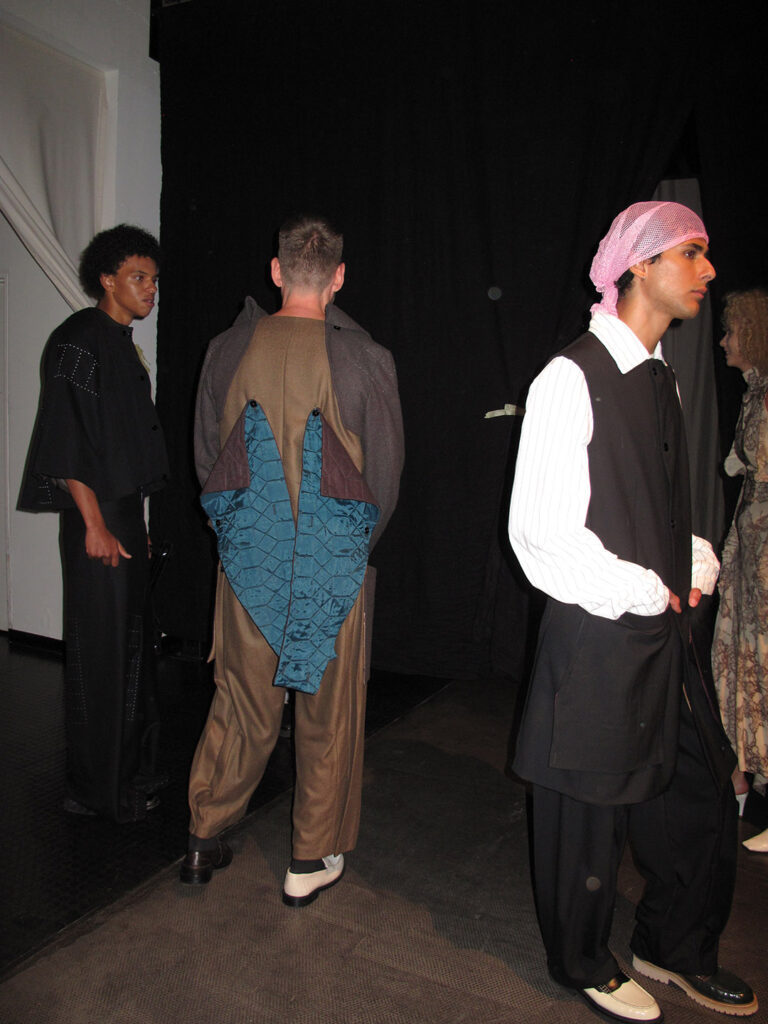
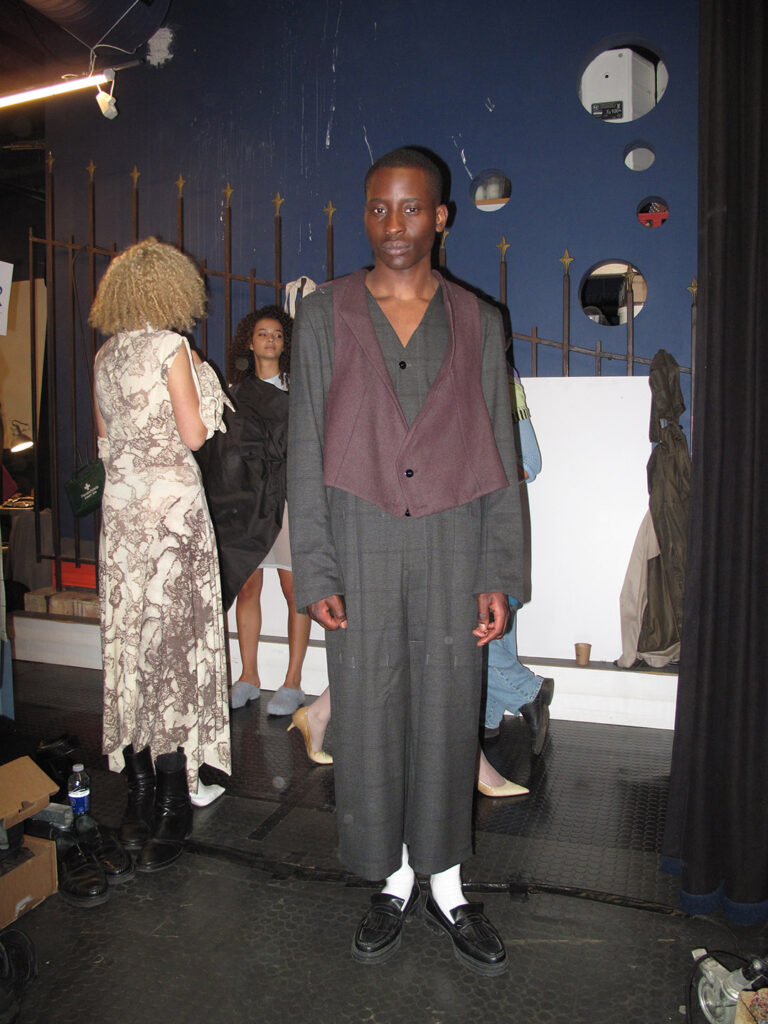
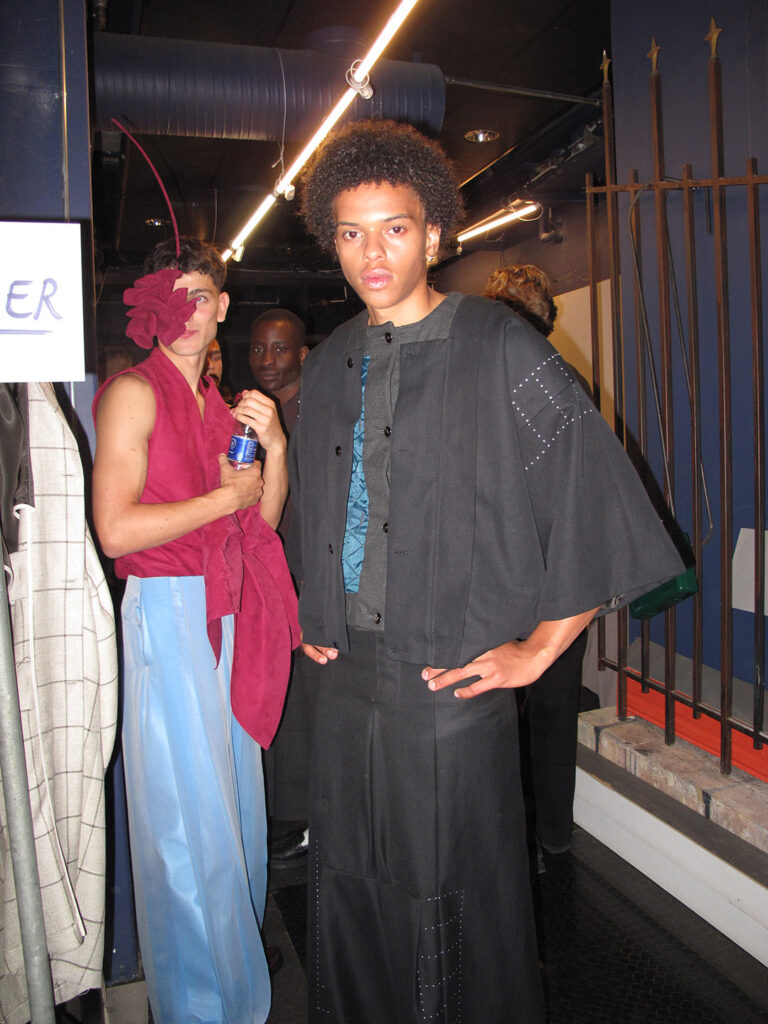
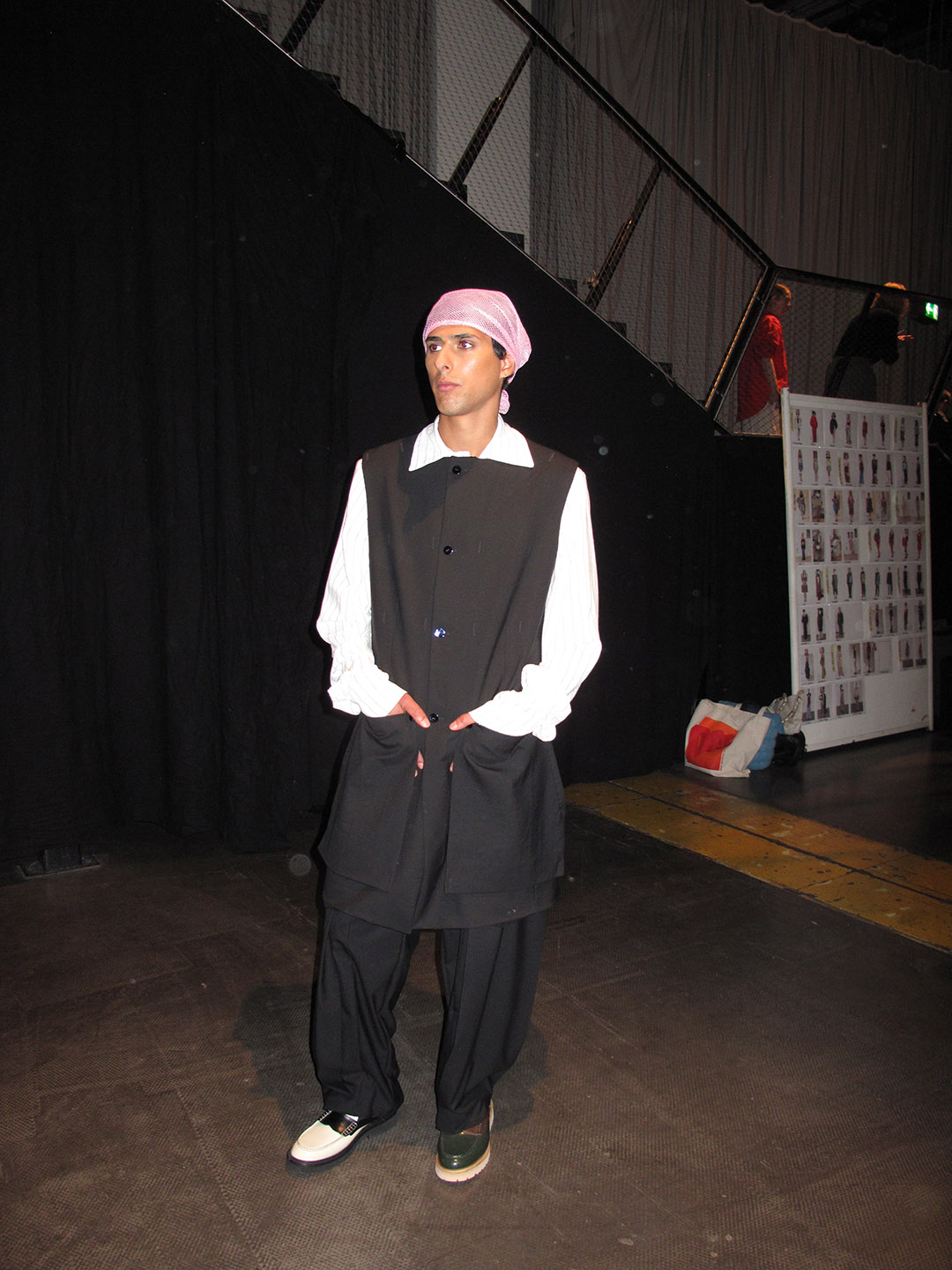
Structured yet fluid, with Compartments of Function, Niels reimagines the grid of menswear through modular construction and tactile precision. Wool and cotton intersect in geometric compositions that speak to both tradition and transformation. Drawing from the language of tailoring, each piece becomes a system—an intuitive framework of panels, seams, and textures—inviting the wearer to configure and redefine form. The result is a collection that merges craftsmanship with autonomy, where fabric and function align in quiet architectural rhythm.
Maria Clara Pontes Leça
@clarapleca_
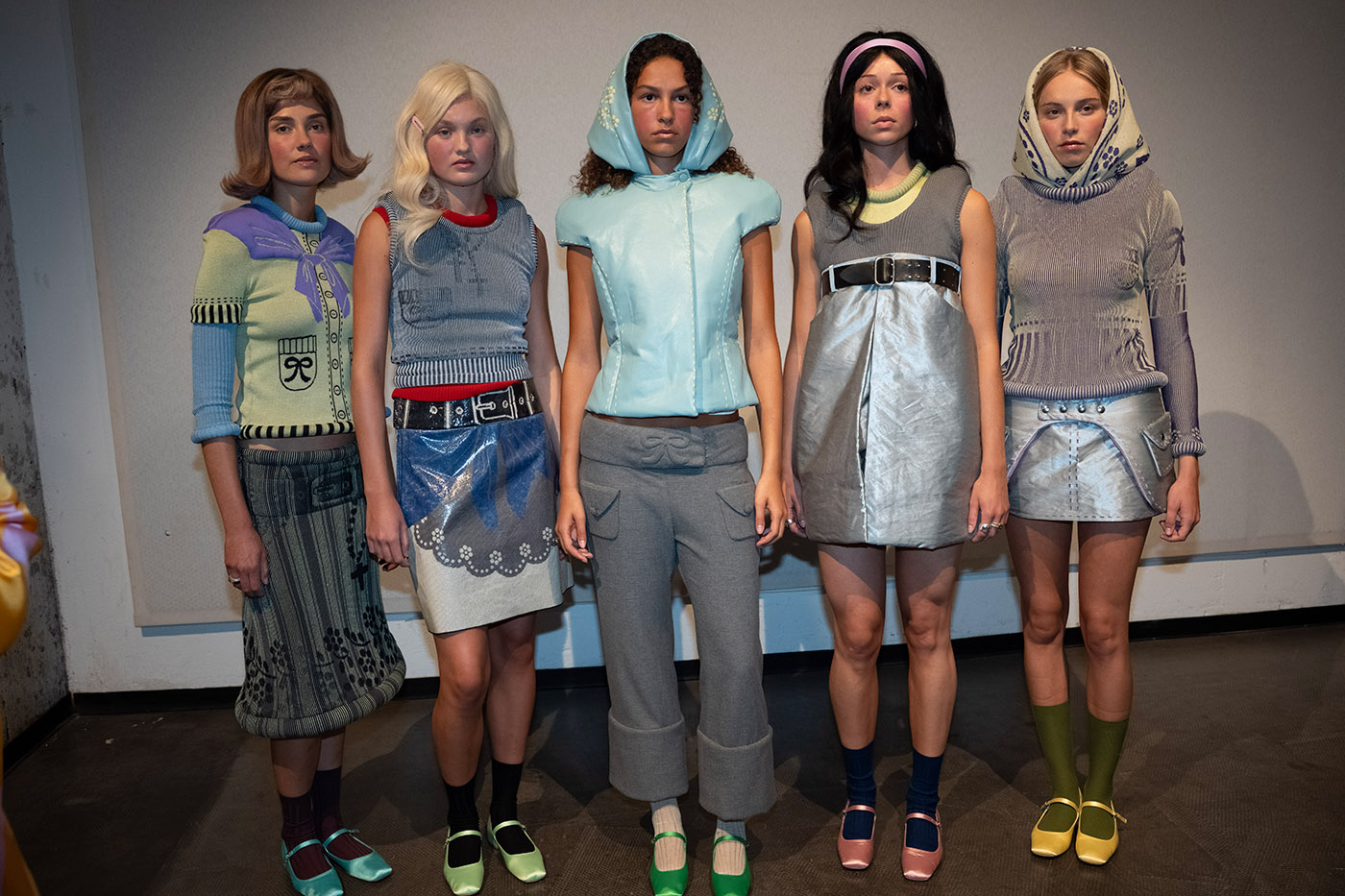
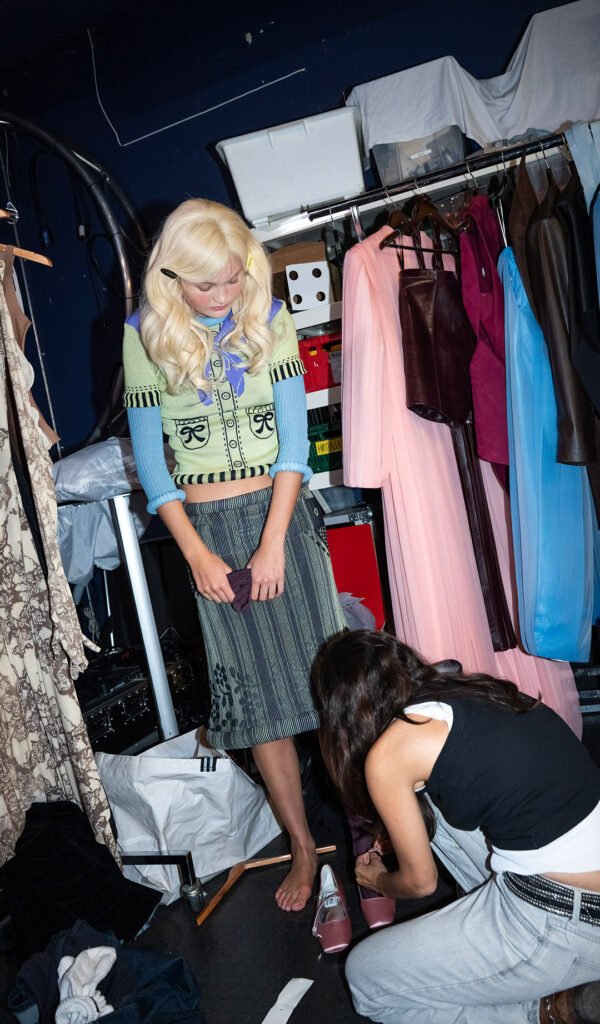
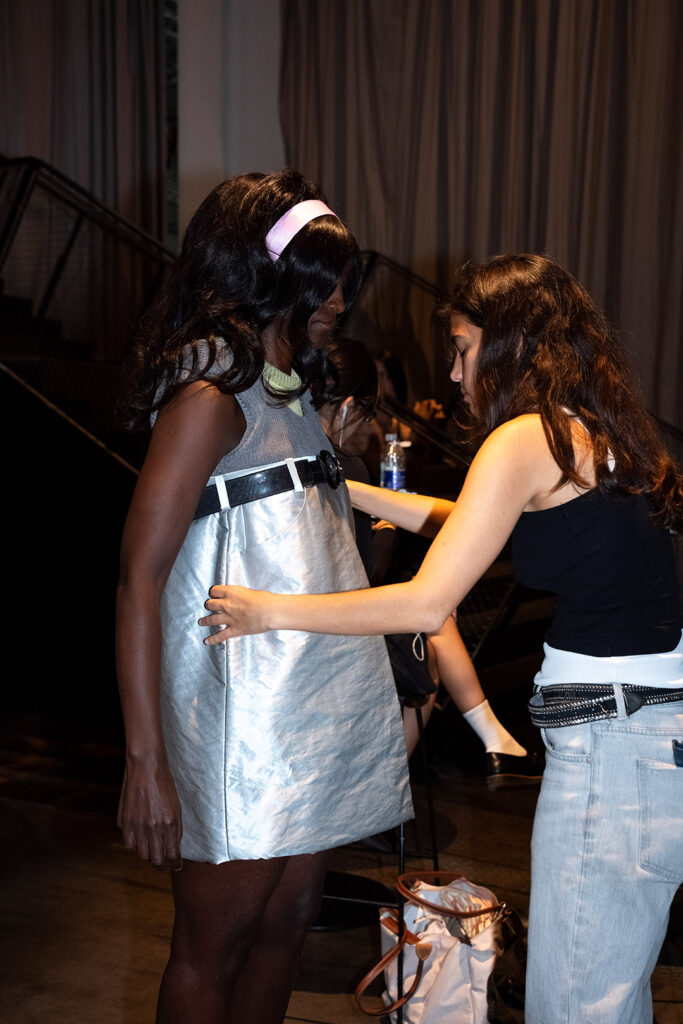
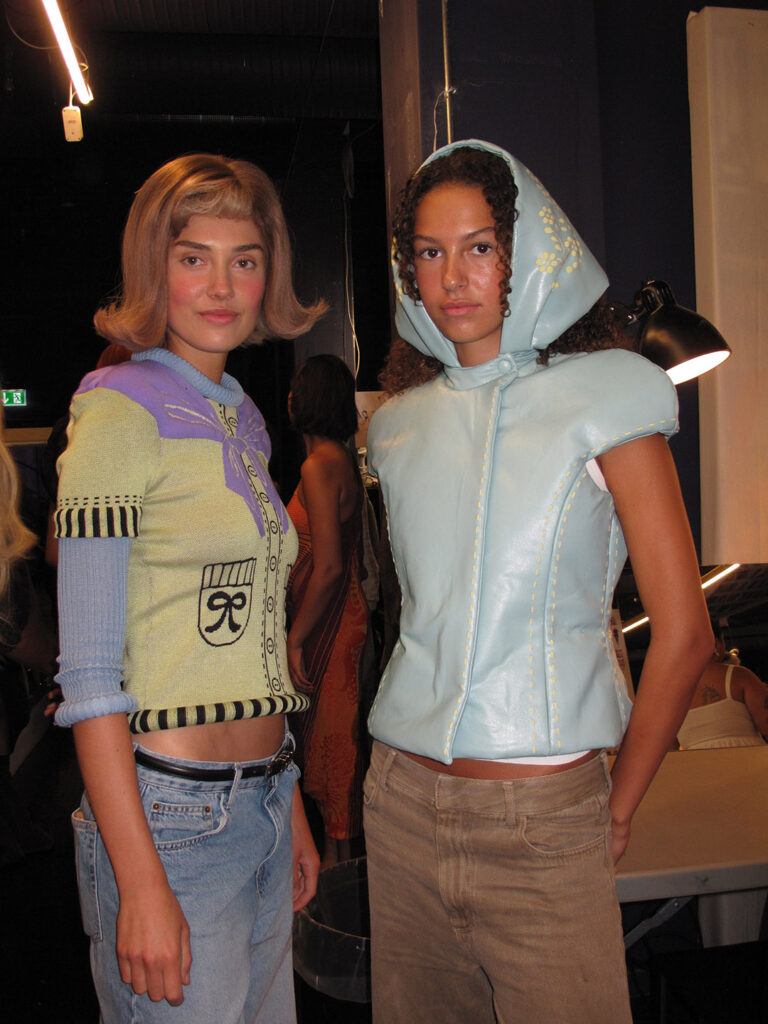
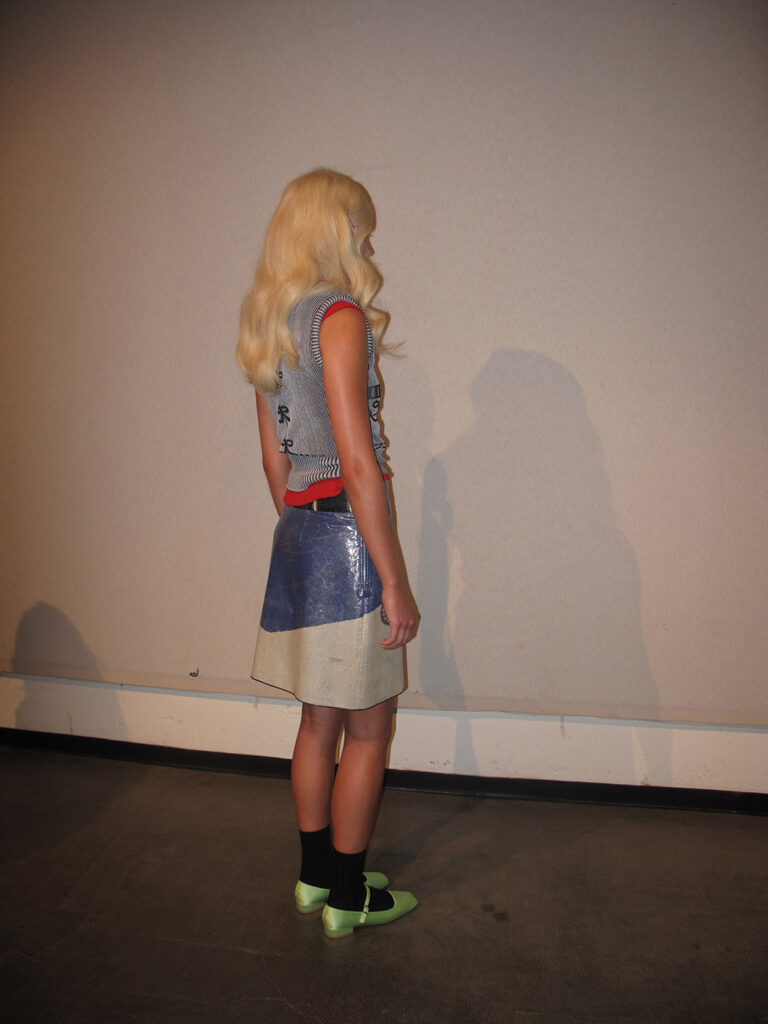
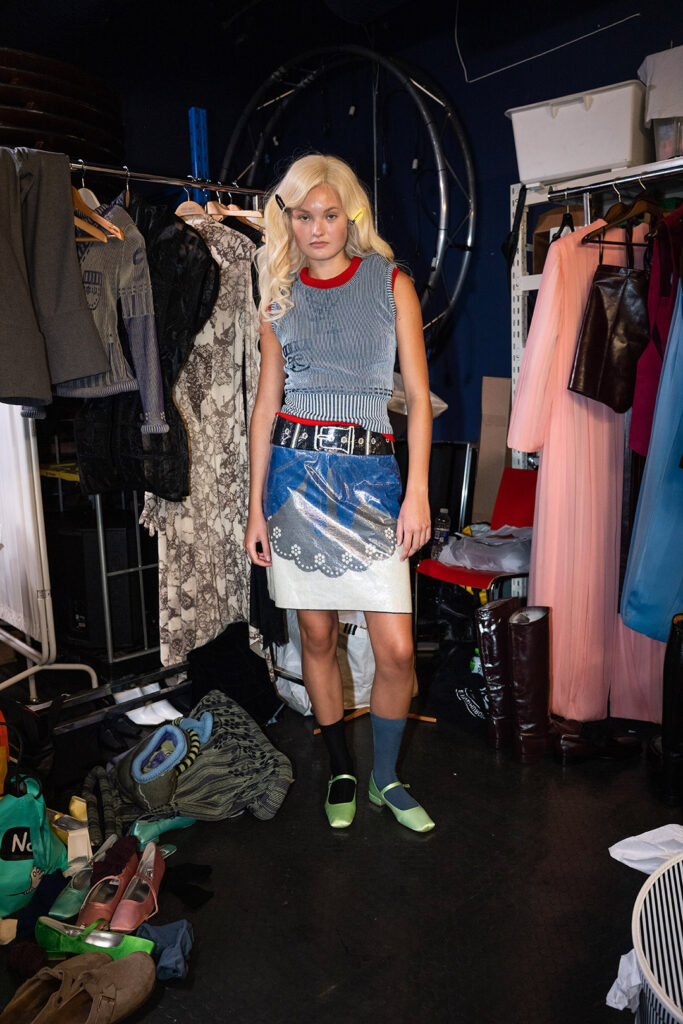
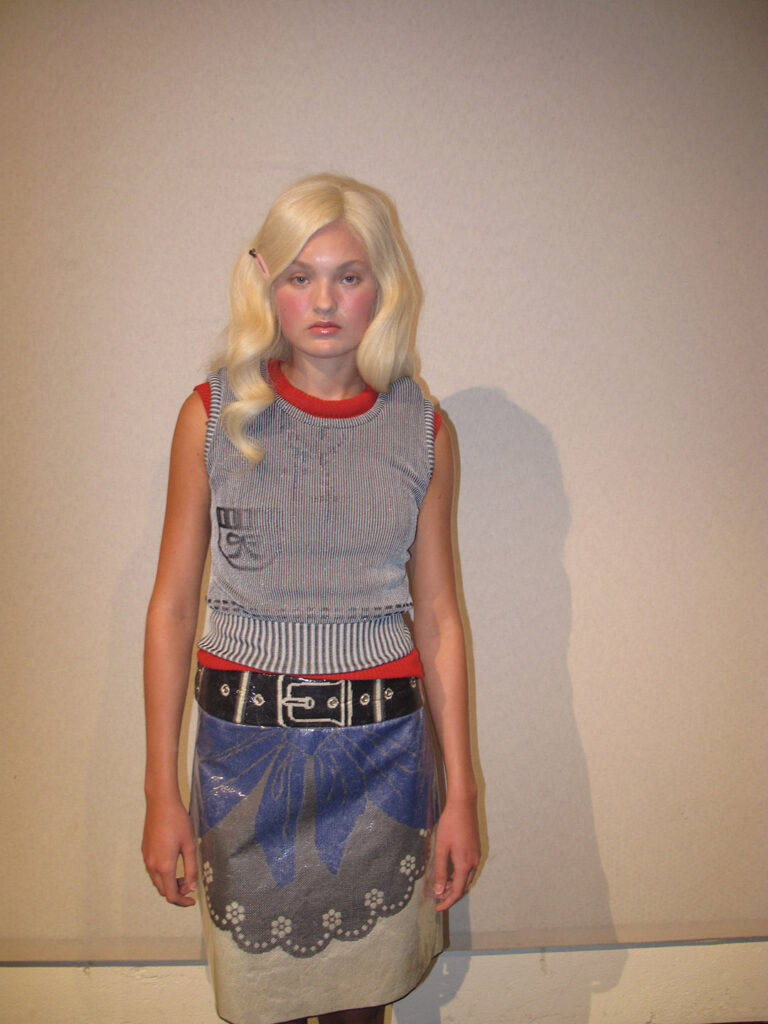
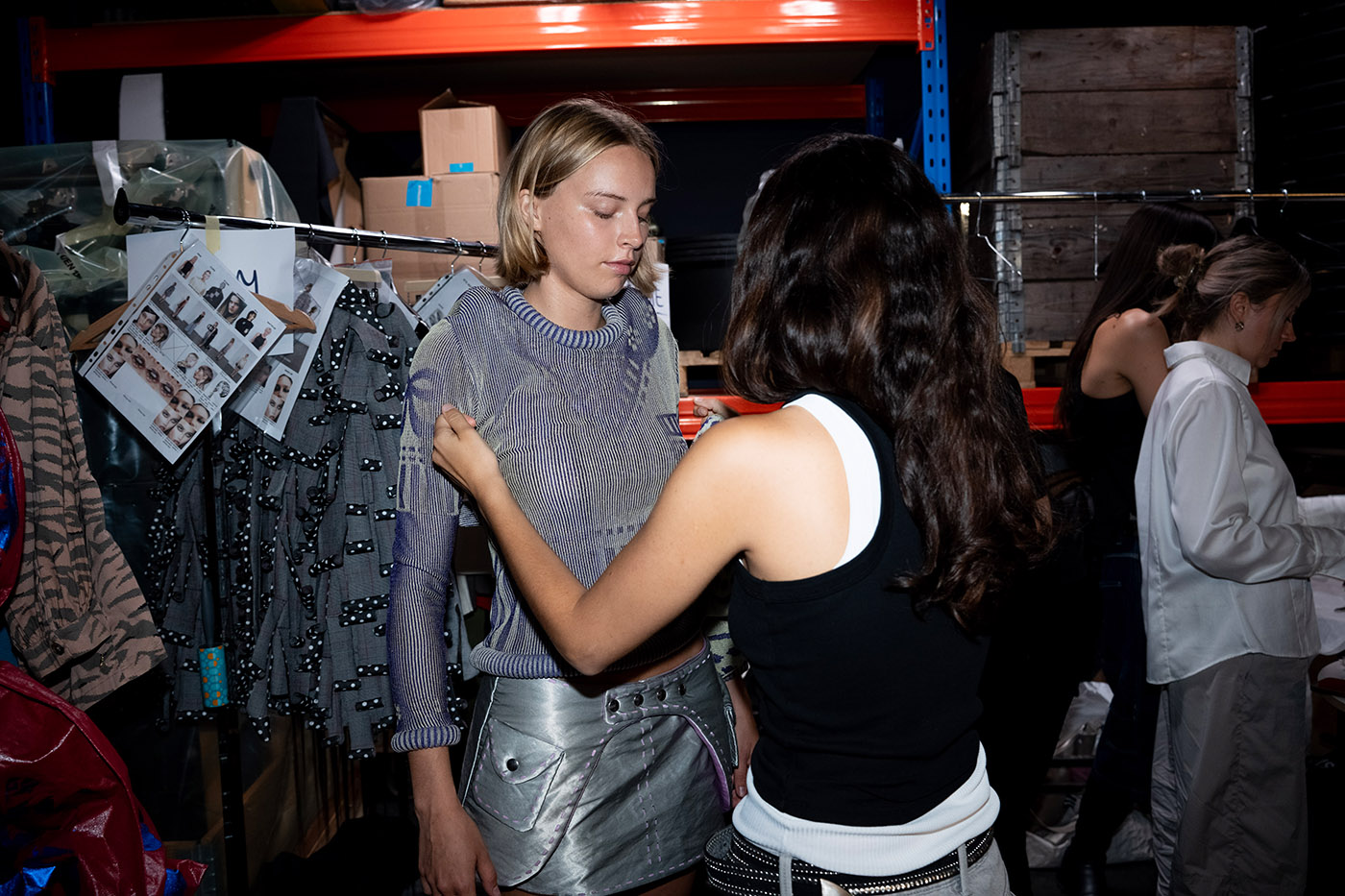
In Play Date, Portuguese designer Maria Clara Pontes Leça merges Madeiran cultural heritage with pop culture of toy inspired visuals and the innocence and curiosity of childhood. The collection explores identity through play — translating childhood memories, exploring playfulness and identity through inventive textile techniques.
Digitally knitted sets are composed with padded details and layers that invite touch and interaction. Using the shadow knit technique, Leça conceals delicate rosemary and Madeira embroidery motifs around the hem — symbols of protection and place. A jacquard top with hollow layers is designed to be filled with wadding, transforming the garment into something sculptural and ever-changing.
Jan-Niklas Jessen
@jnjessen
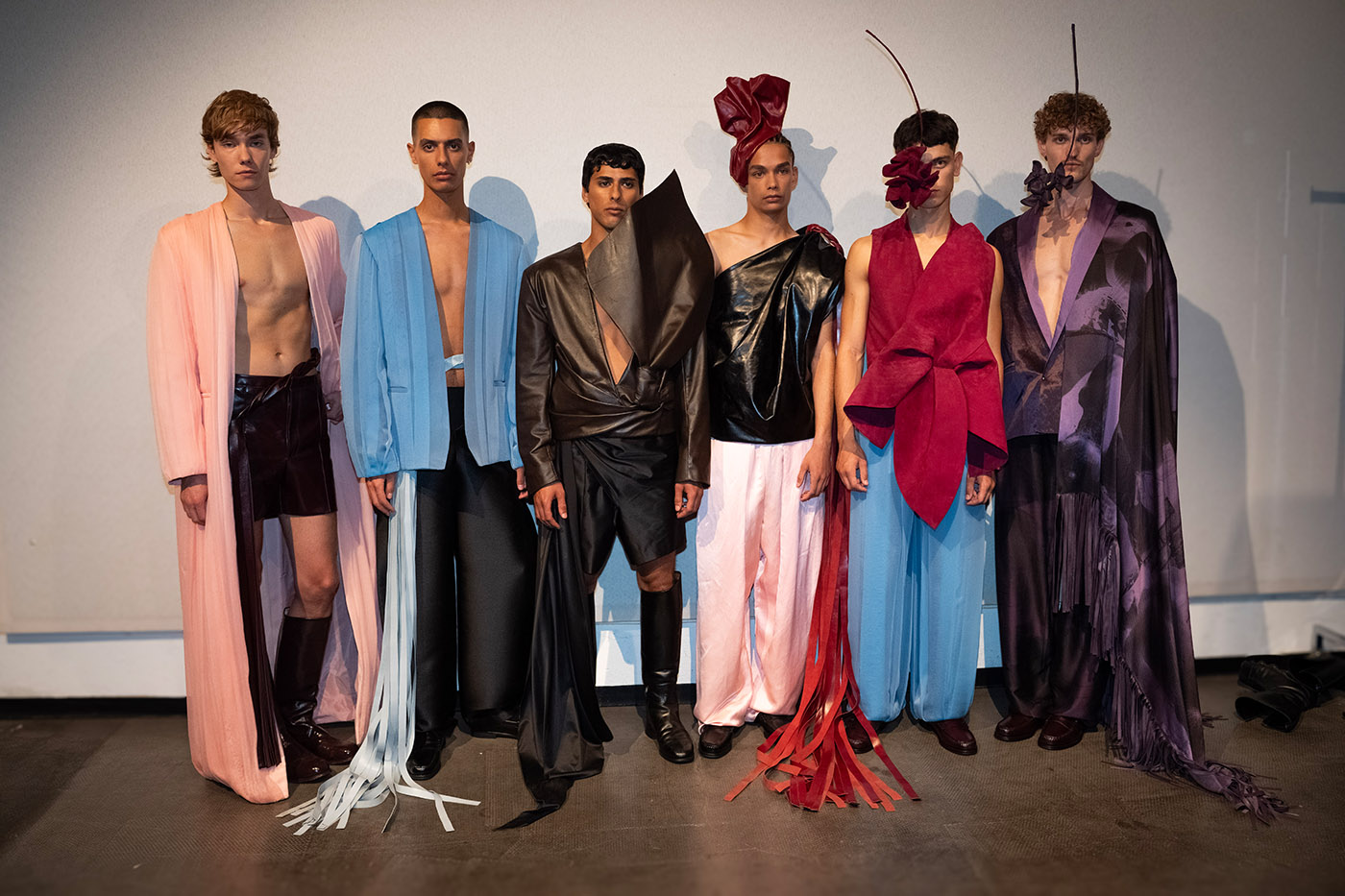
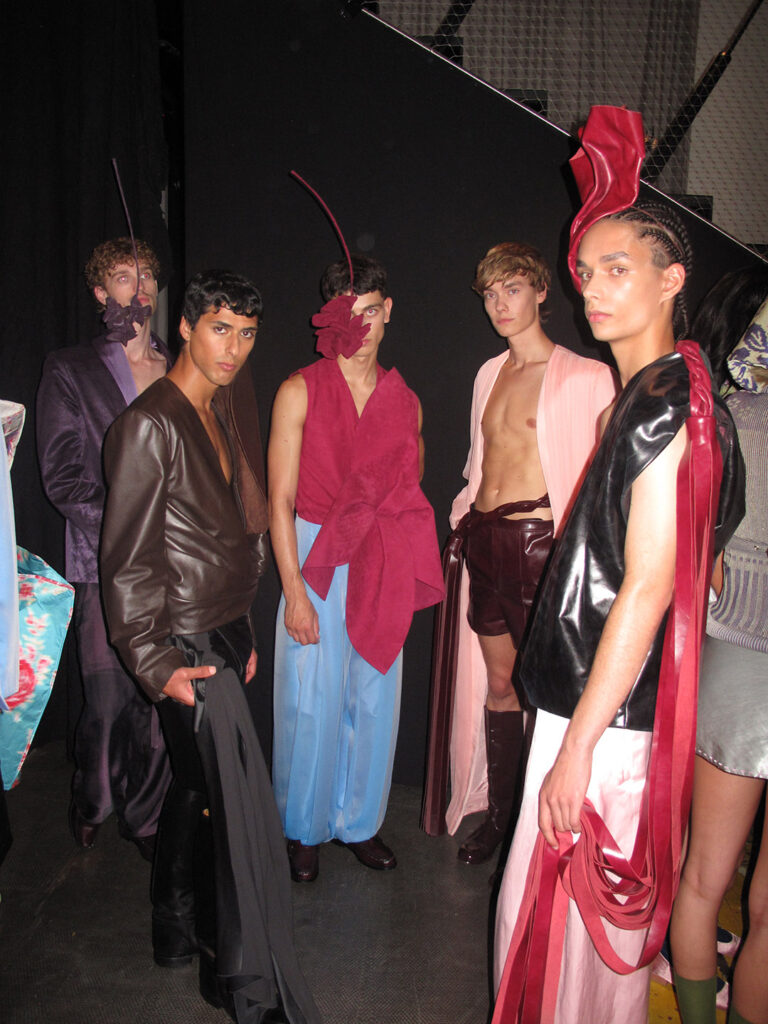
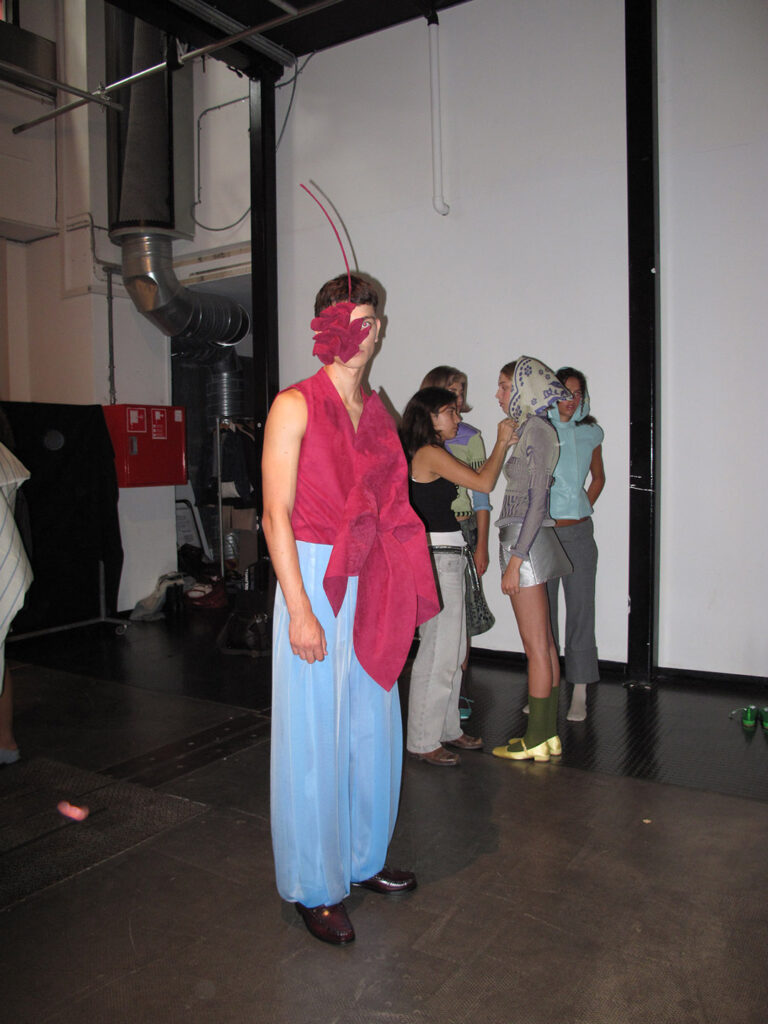
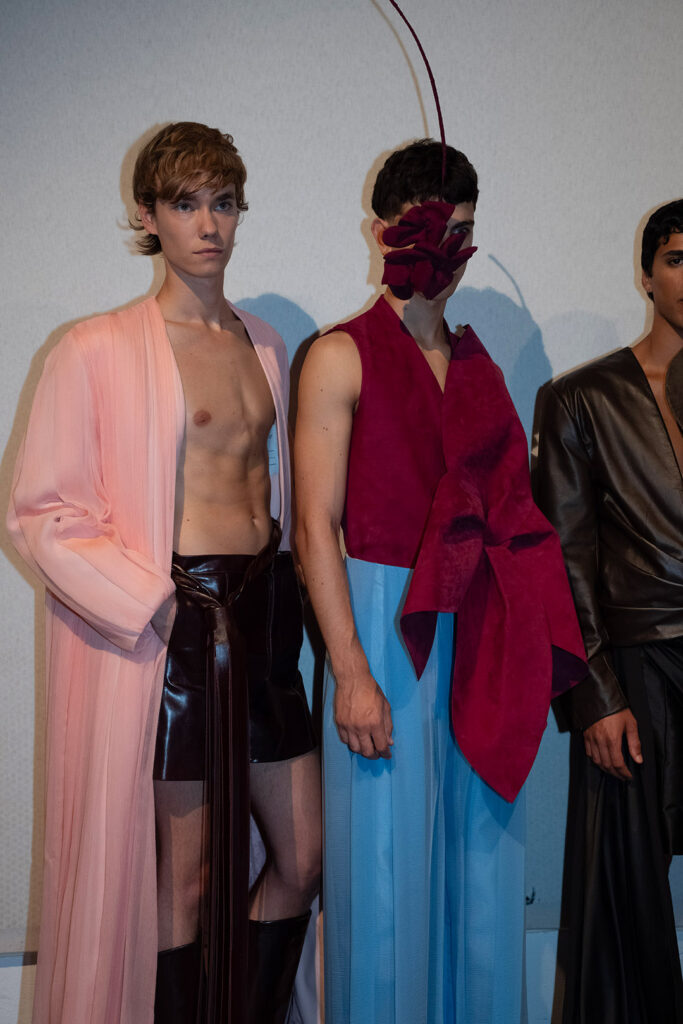
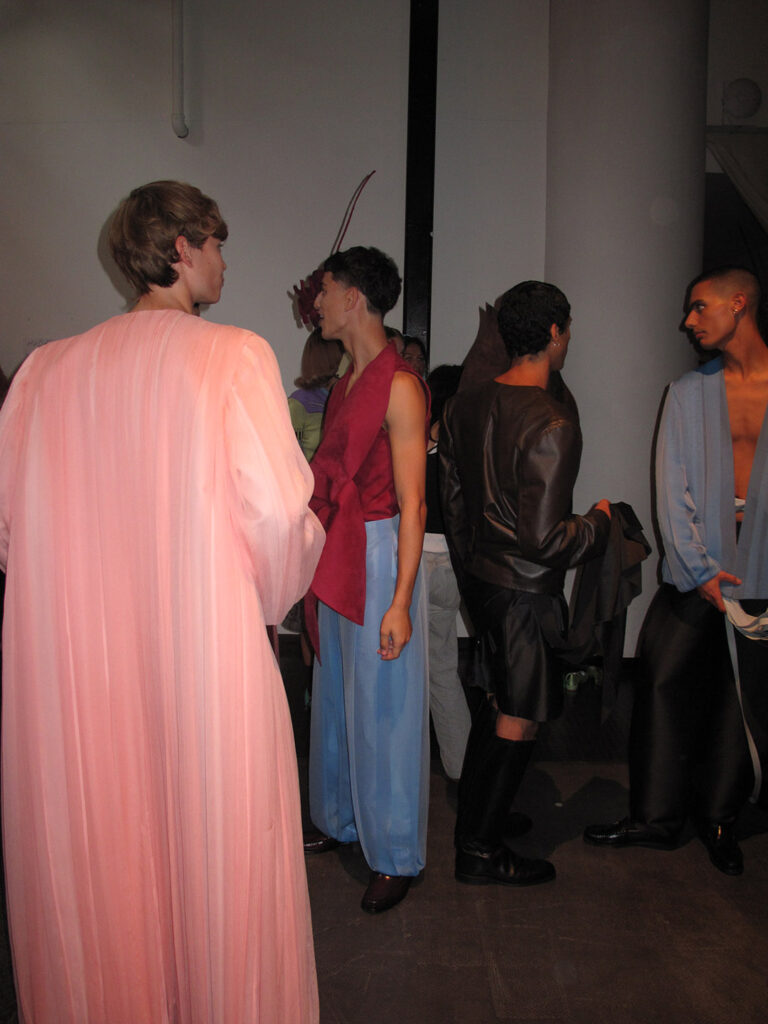
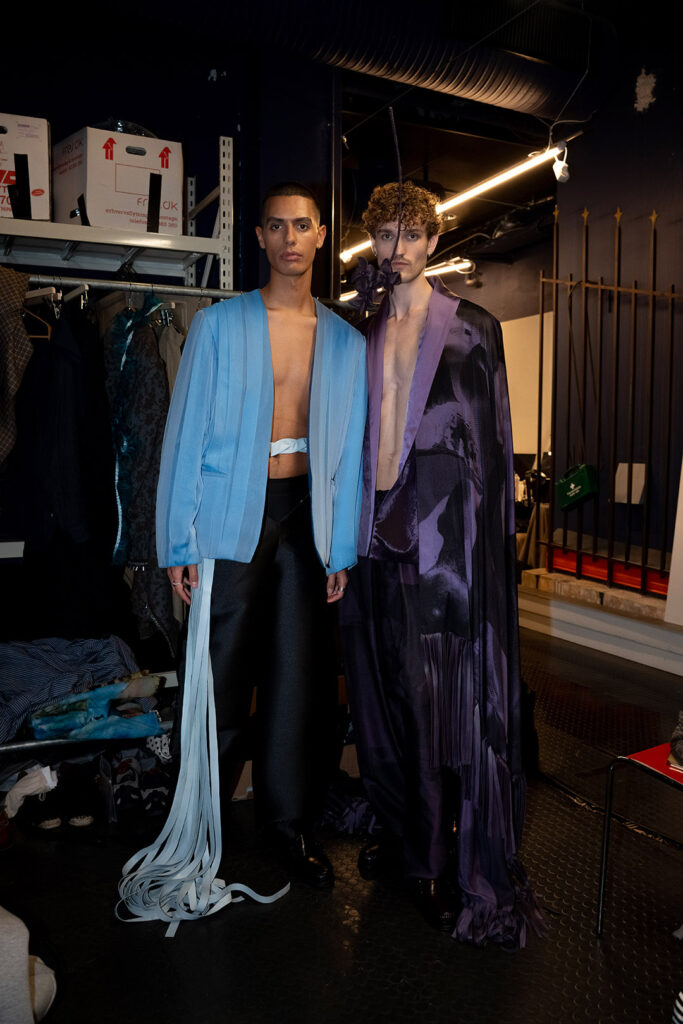
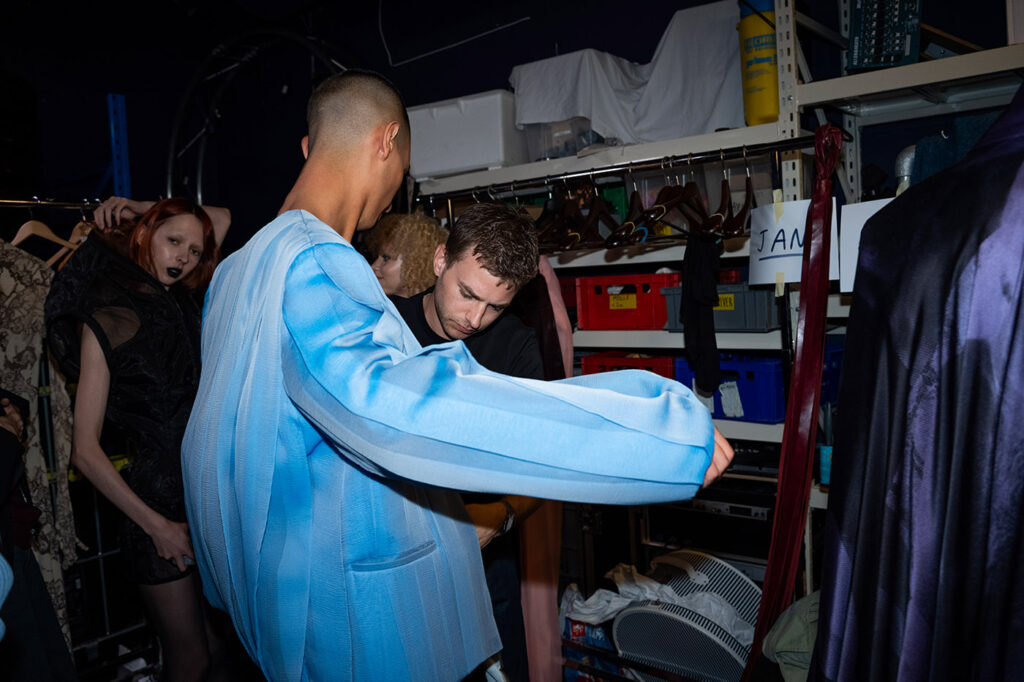
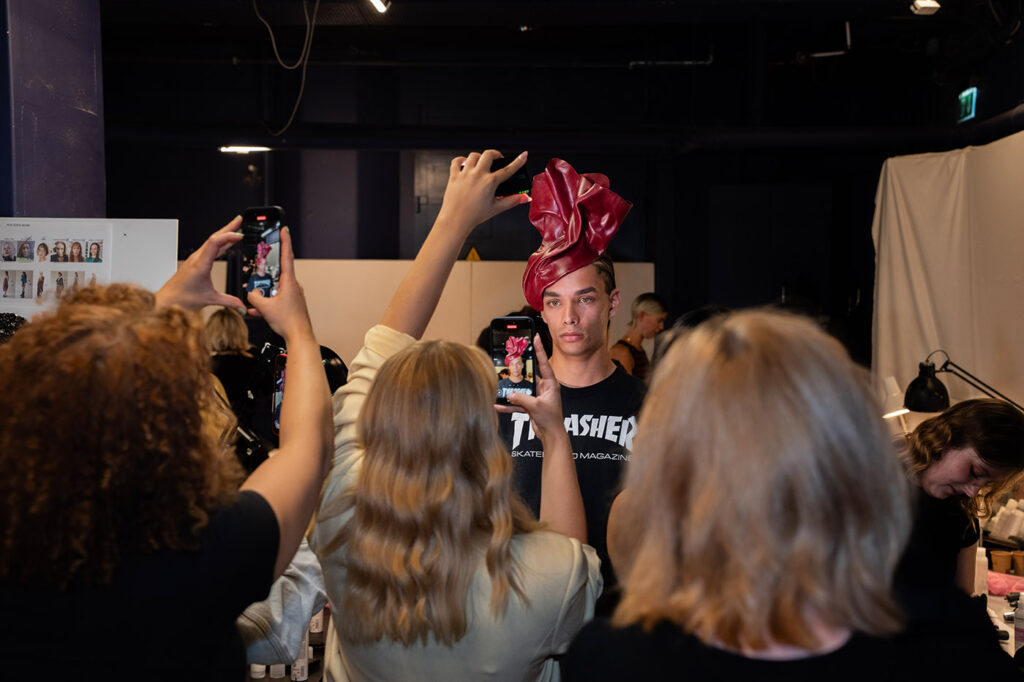
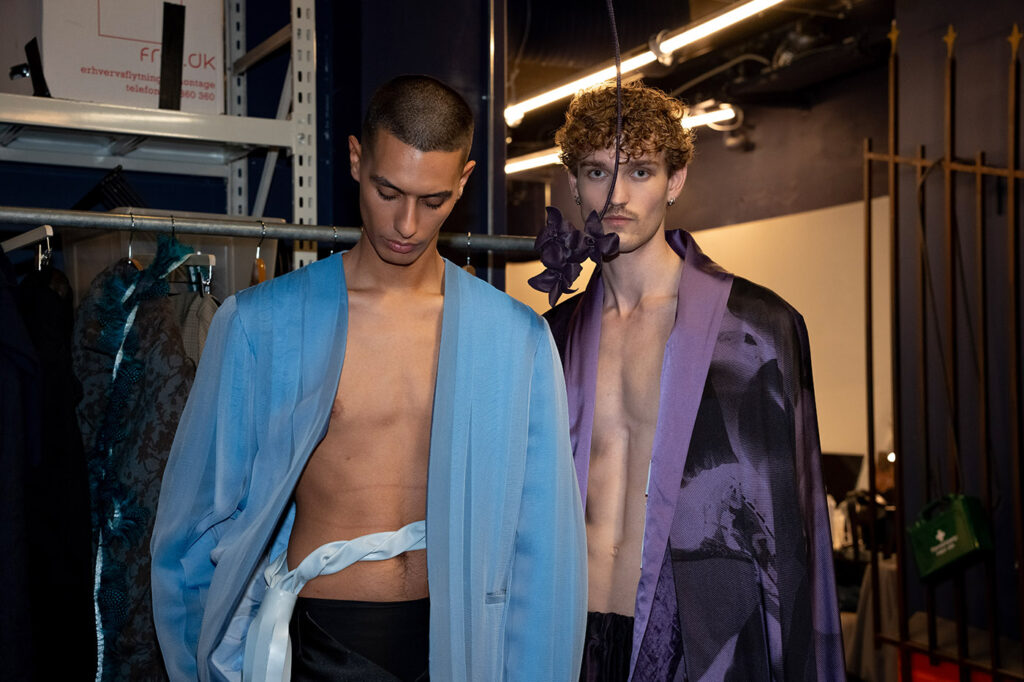
Roses are red, violets are gay. Jessen’s collection reimagines traditional silhouettes through a lens of softness and subversion — playing with proportion, fluid drape, sharp lines, and ornamental details like tassels that blur the boundary between structure and sentiment.
Rooted in memory and material, the work reflects on the quiet beauty of early queer expression — curtains turned into gowns, tassels becoming dolls, fabric transforming into identity. Each piece captures that intimate sense of play and transformation that shaped his past and continues to echo a shared queer childhood imagination.
Anya Belitskaya
@anyabelitskaya
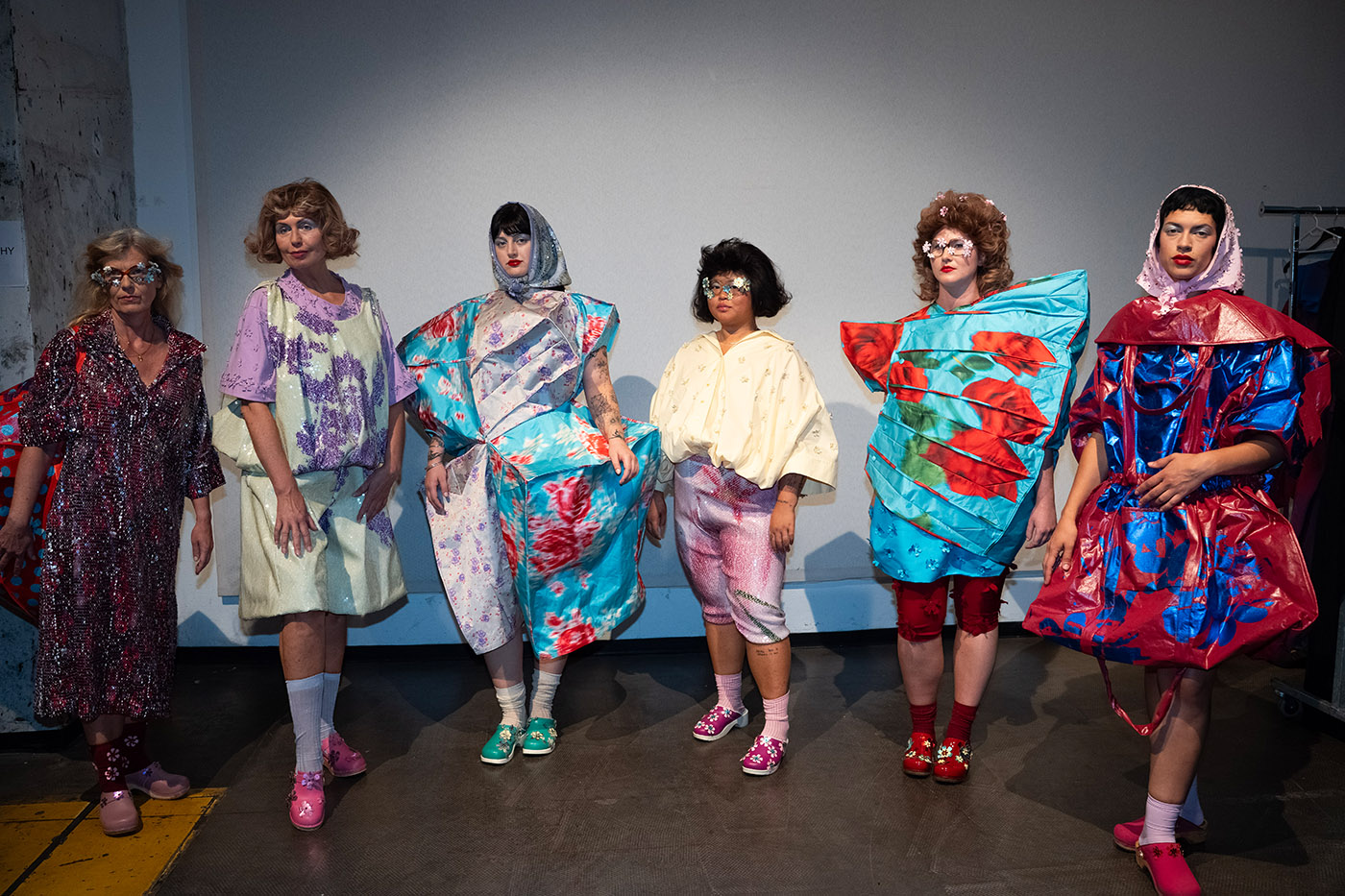
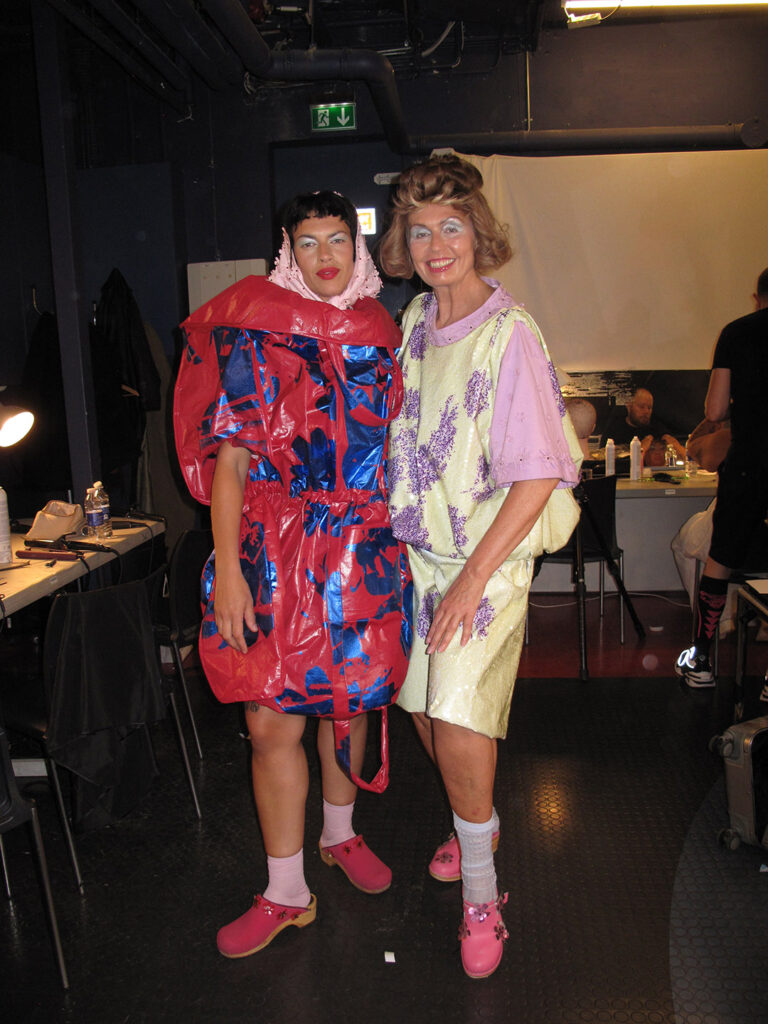
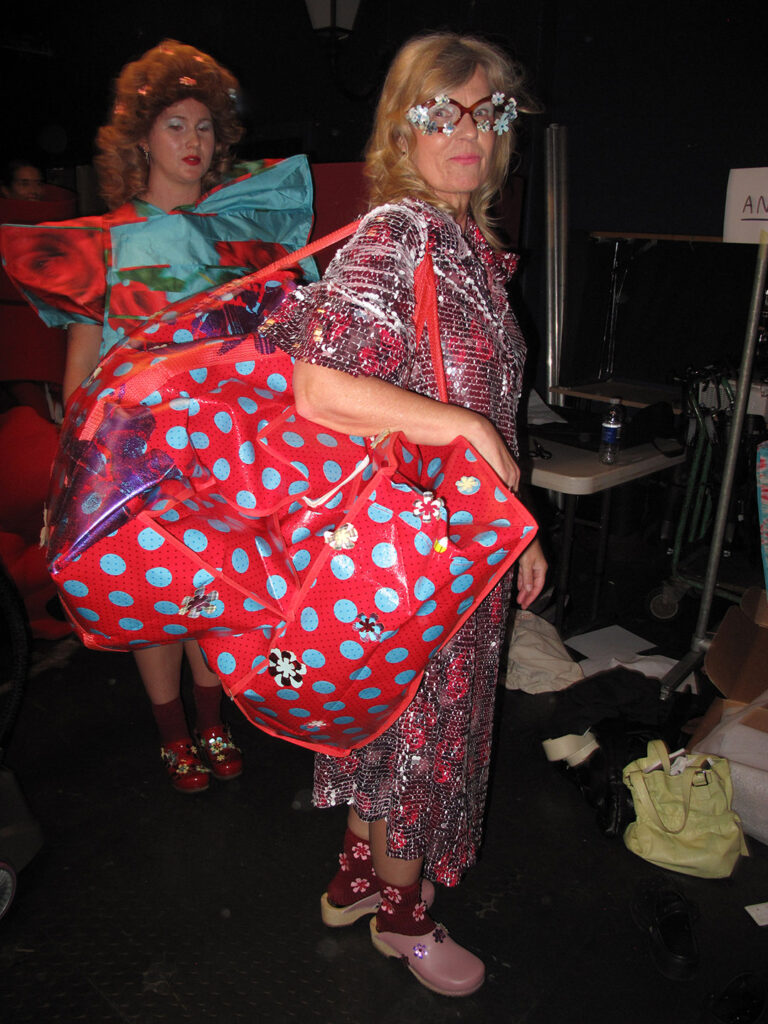
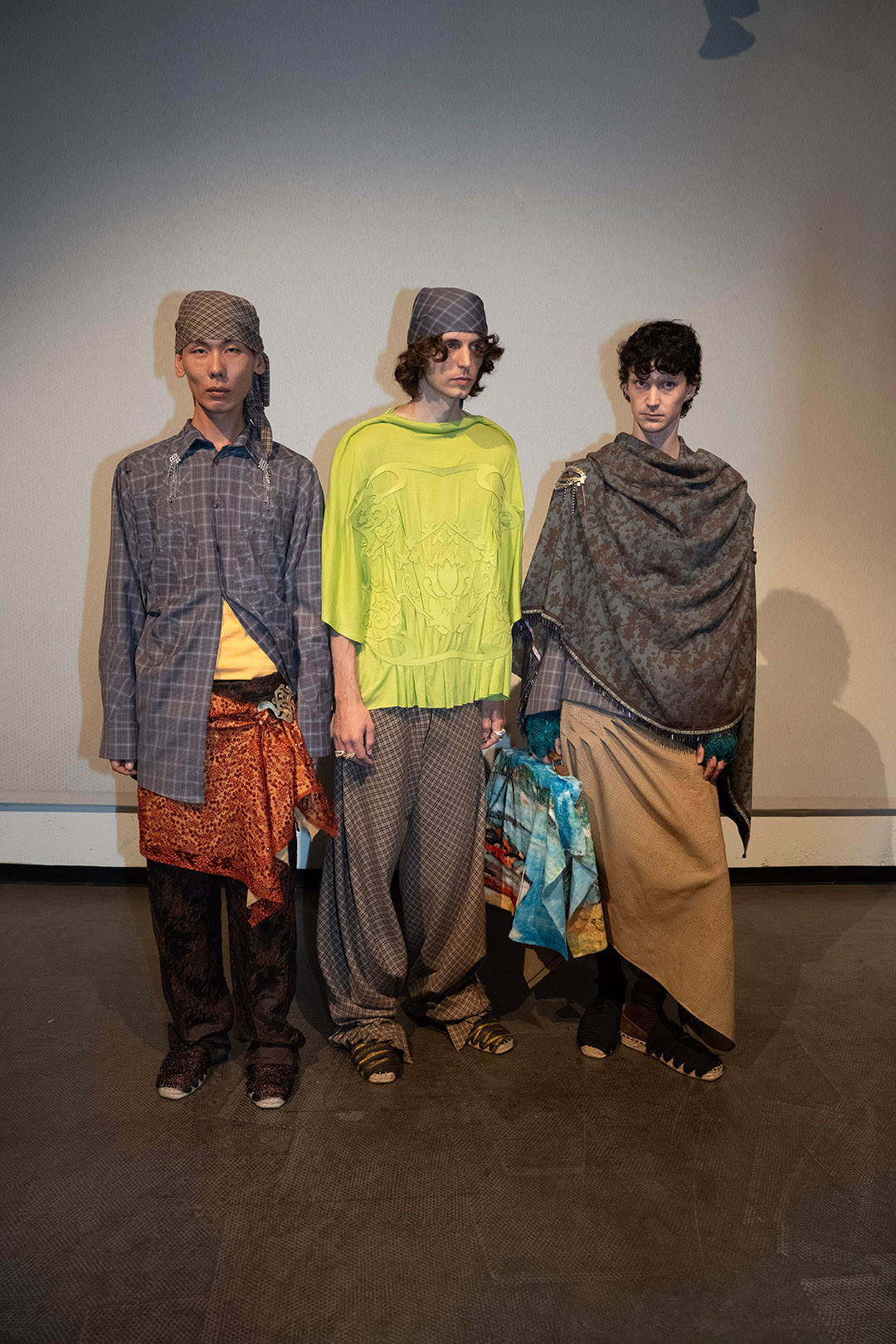
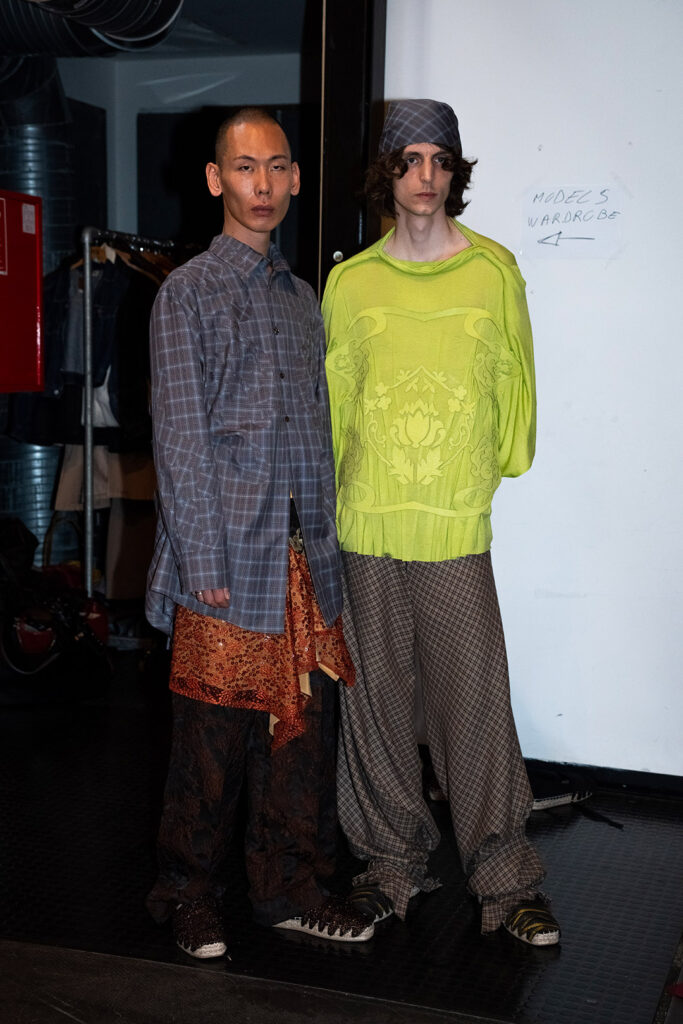
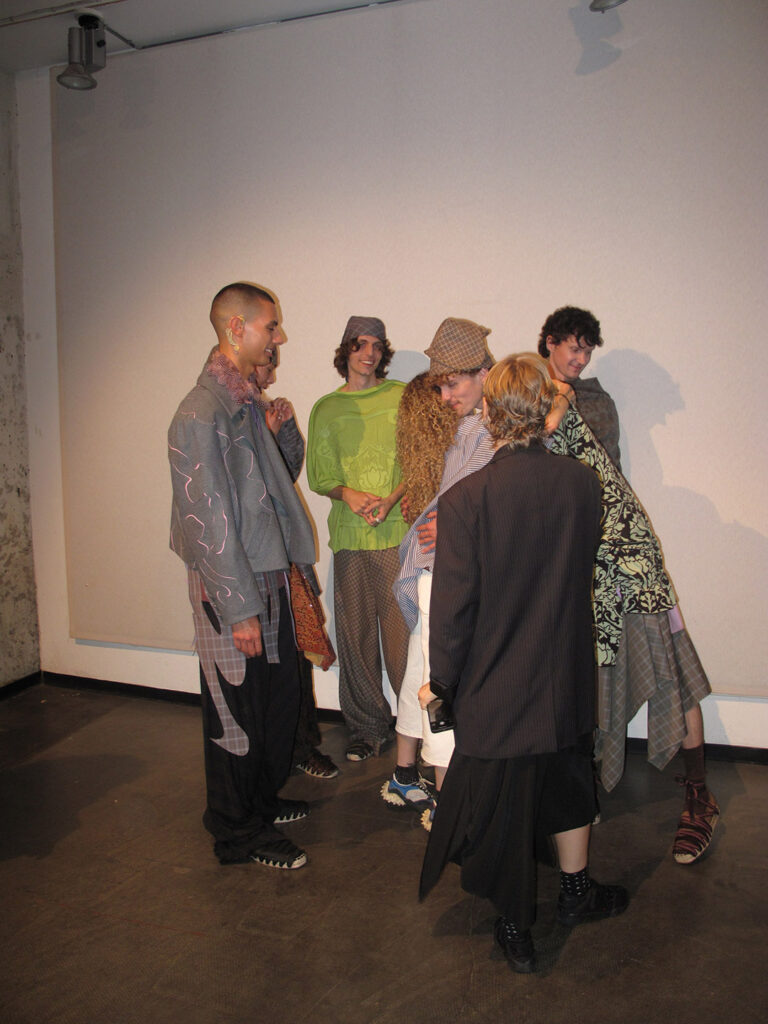
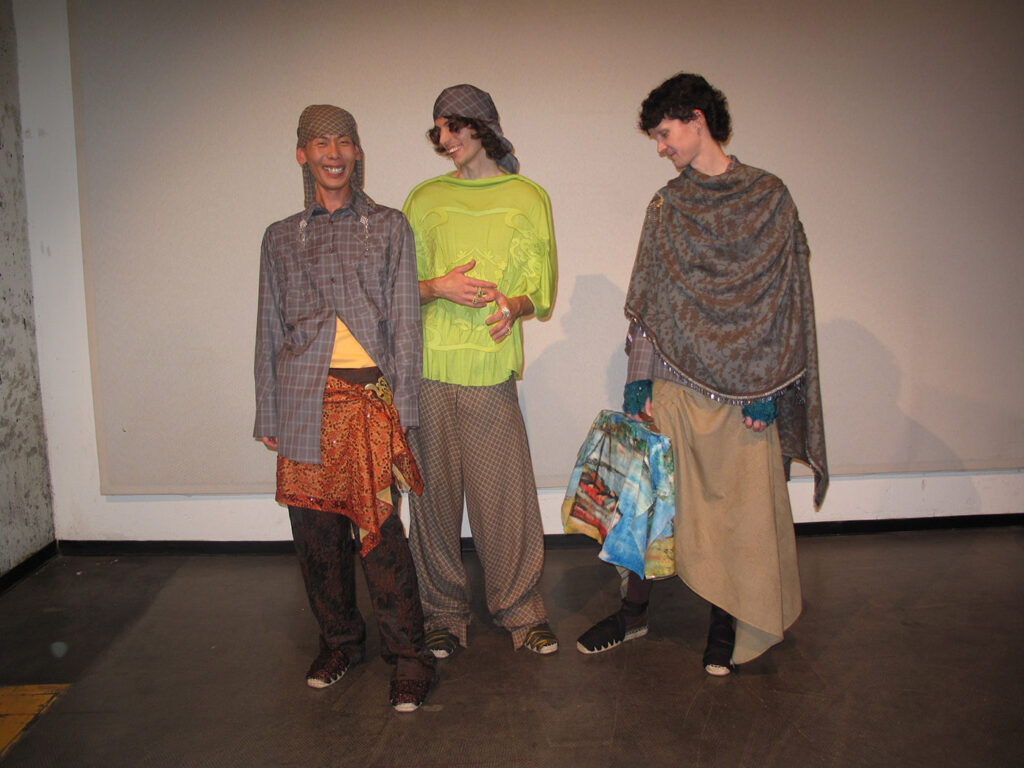
Don’t Come Empty Handed! draws inspiration from a southern Russian village birthday party, celebrating the vibrant spirit and eclectic style of Belitskaya’s grandmother, Lubov’, and her circle of friends.
For her graduation collection, Belitskaya channels their joyful energy and unapologetic sense of dress — oversized silhouettes, bold textures, and rich colors that mirror the warmth and exuberance of rural celebrations. Through this narrative, she reclaims and redefines notions of “good taste,” challenging Eurocentric ideals and expanding the lens of who is seen, valued, and celebrated in contemporary fashion.
By amplifying underrepresented voices, Belitskaya highlights that taste is not a universal truth but a reflection of culture, memory, and belonging — a love letter to the women who inspired her to see beauty everywhere.
Sofia Adell
@sofiaadell_
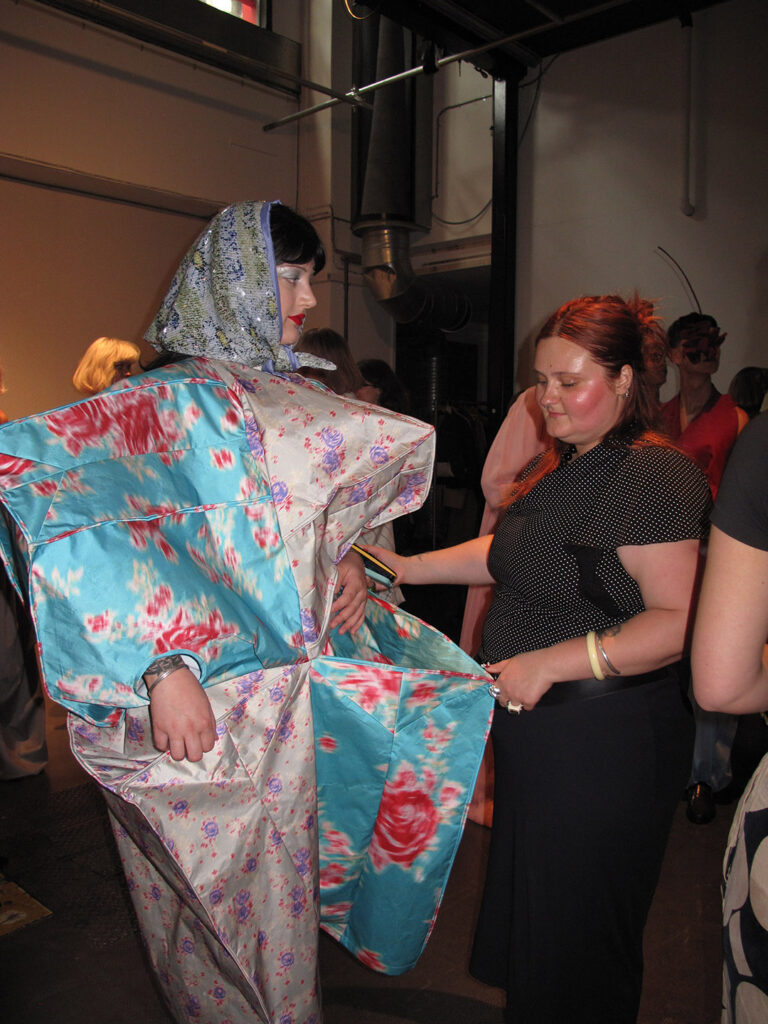
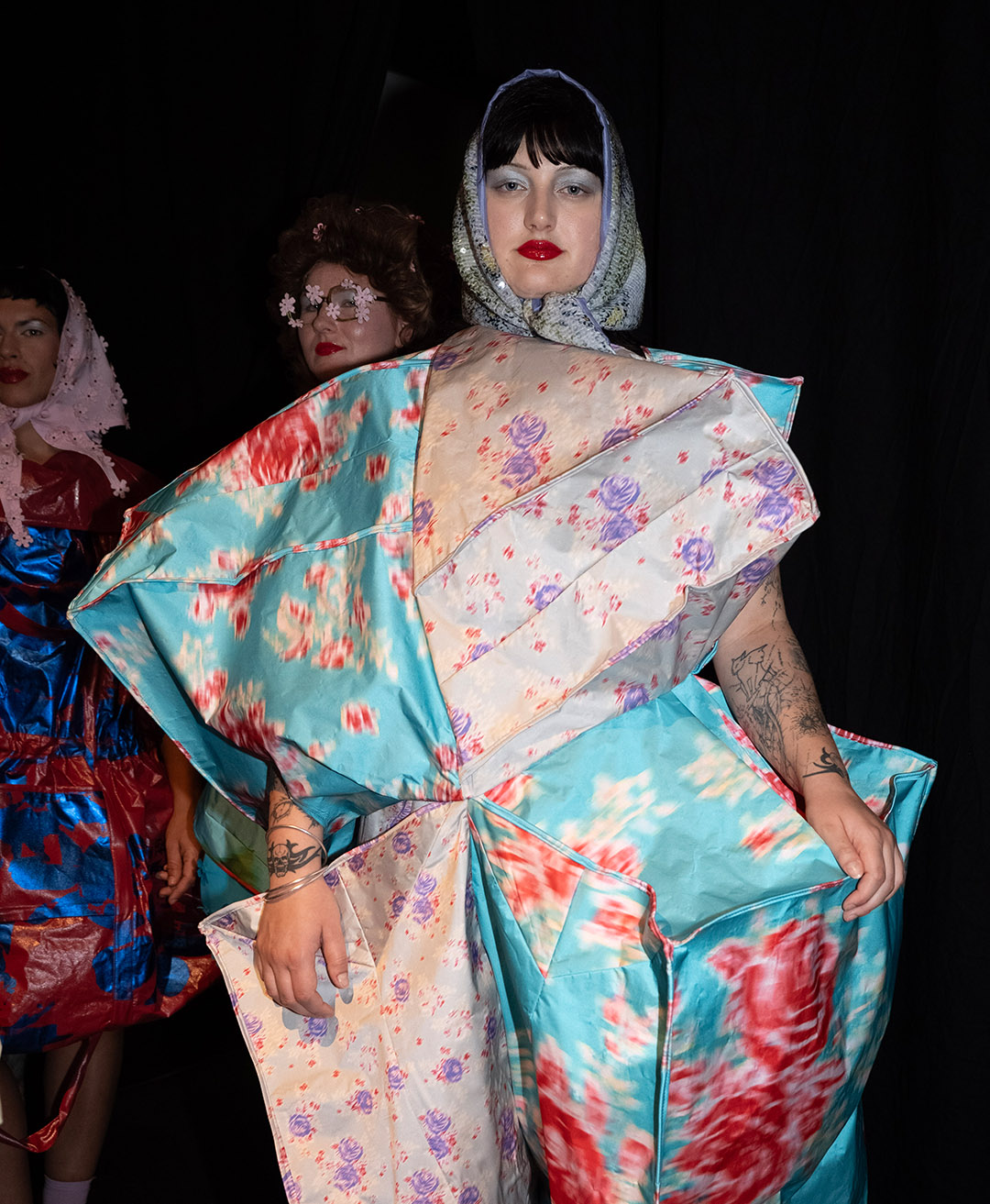
Distorted Tradition redefines traditional garments using waste-reduction techniques and textures drawing inspiration from Adell’s grandparents’ Catalan home — a space layered with art, textures, and memory: curtains and tiles, distorted prints.
Rooted in personal heritage, the collection reflects on memory, identity, and home. It translates the beautiful chaos of that eclectic house into clothing that balances structure and softness, tradition and play. Relaxed silhouettes and instinctive forms come together in pieces that feel effortless yet deeply emotional.
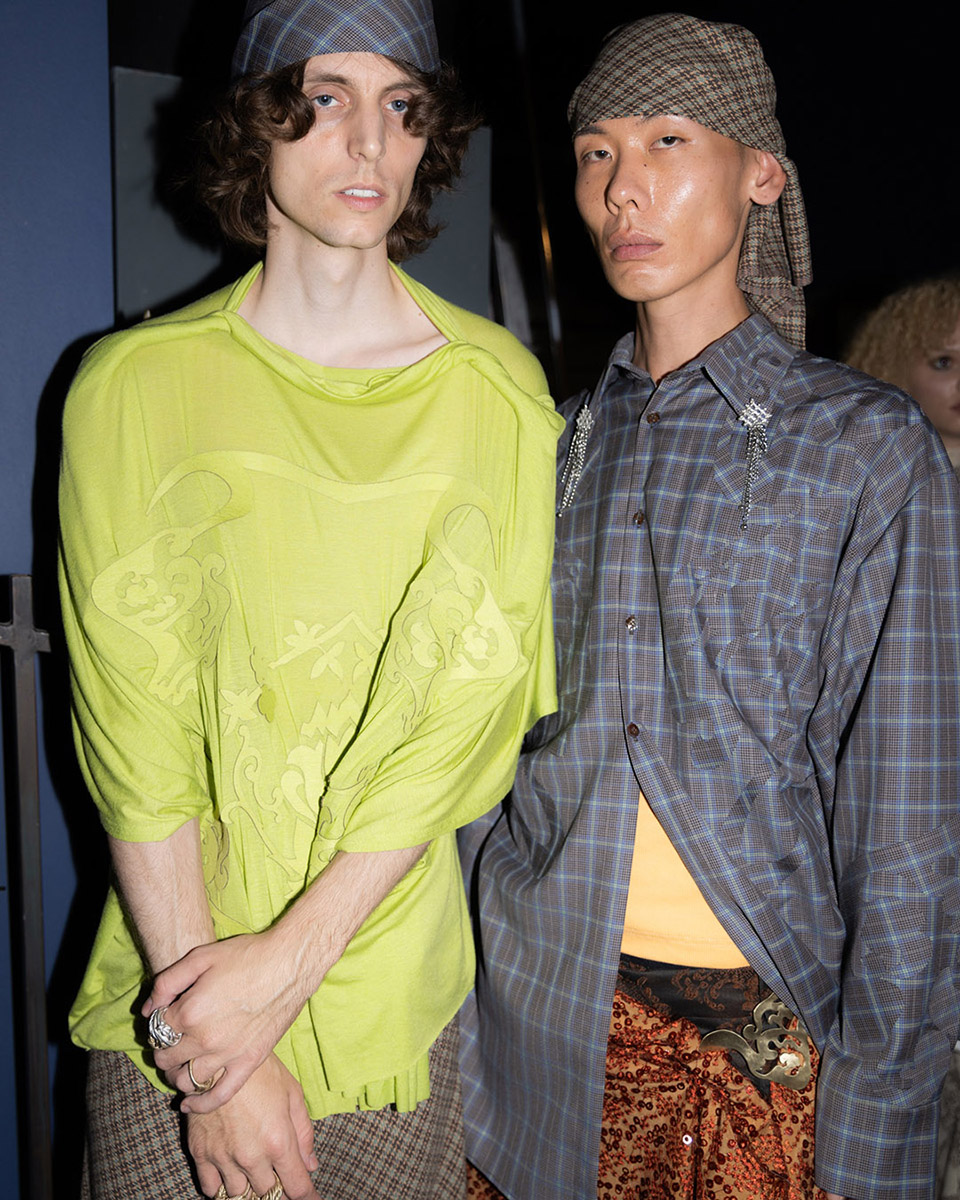
A highlight of the collection, The Stiffened Drape Bag, takes direct inspiration from her grandfather’s art — a painting and sculpture series where a fiberglass-stiffened tablecloth captures the tension between fluidity and form. Adell reinterprets this idea through resin-draped textiles that appear soft but hold their shape, turning familial memory into modern design..
Mengjie Hui
@mjiehui
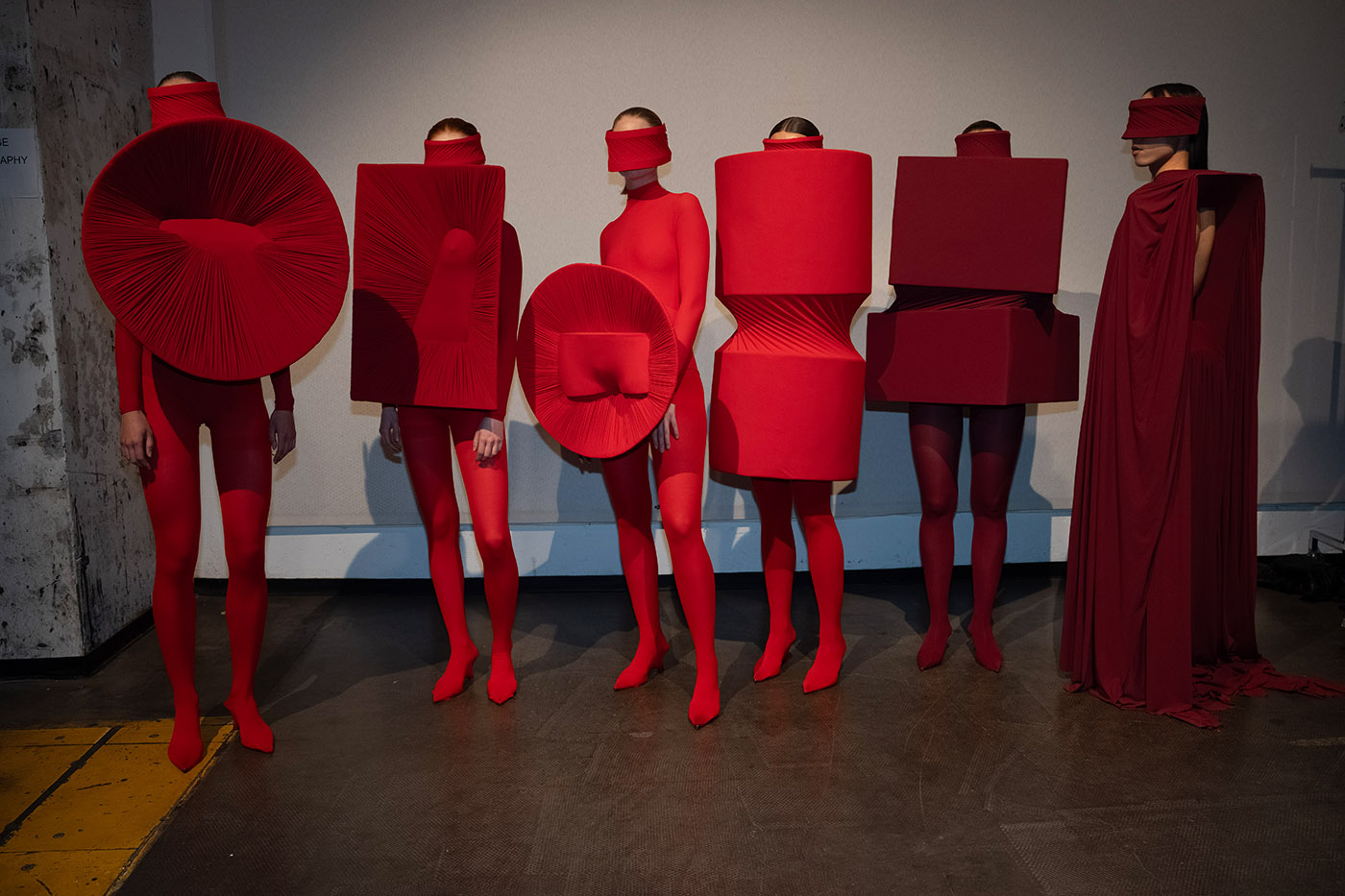
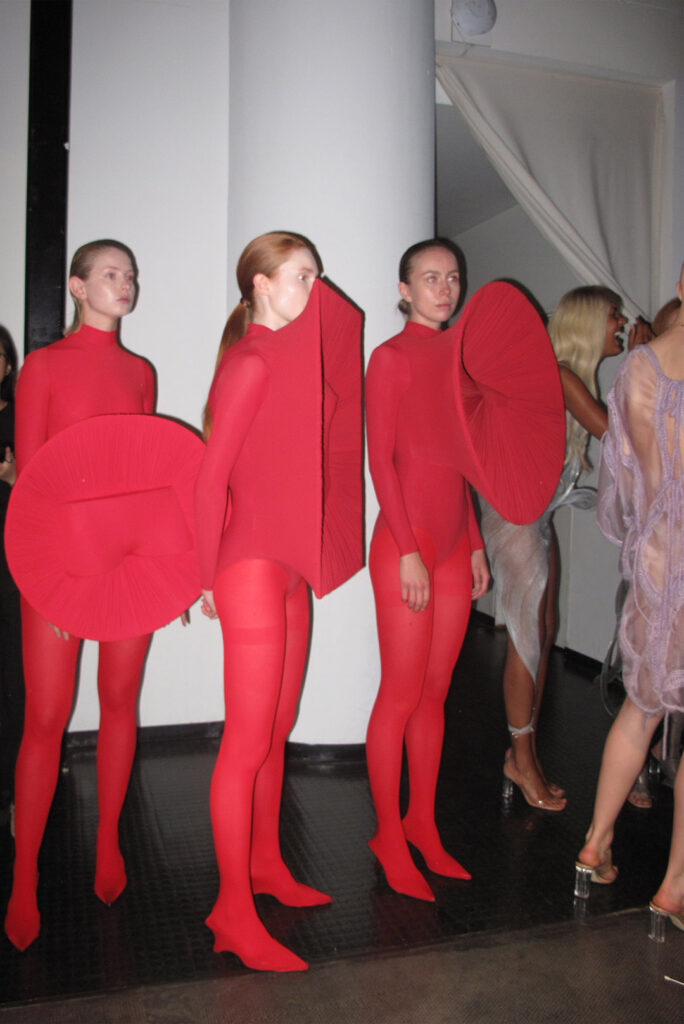
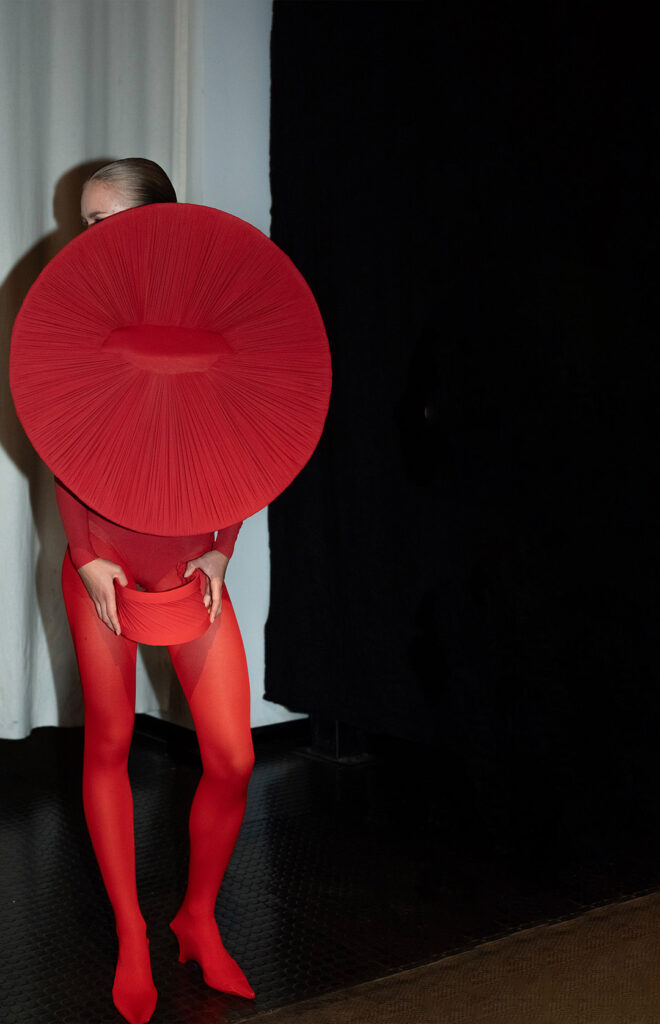
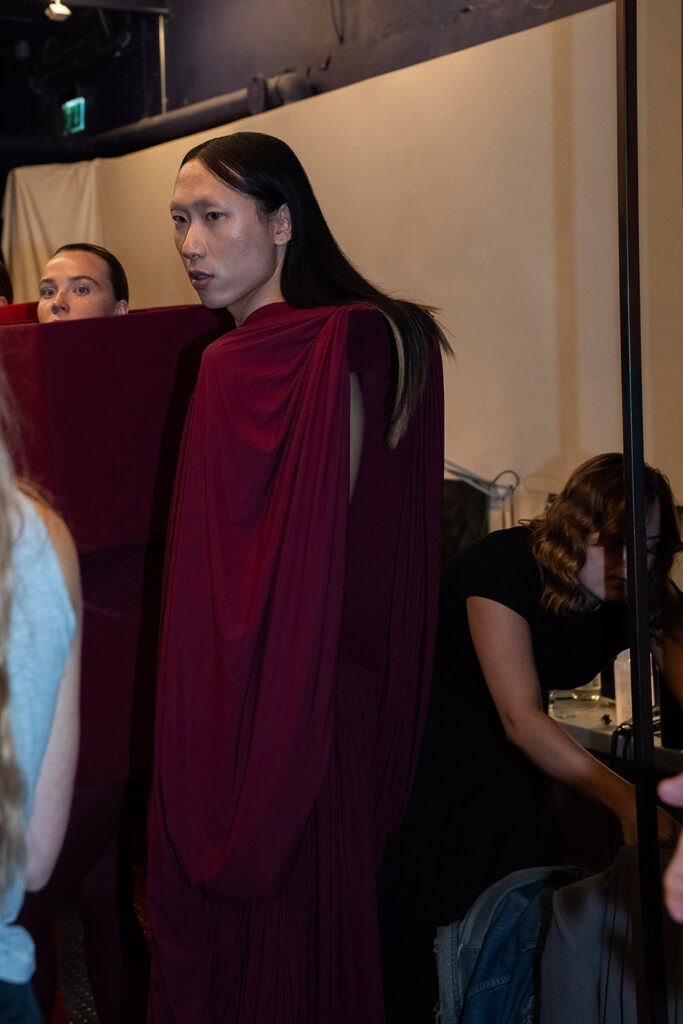
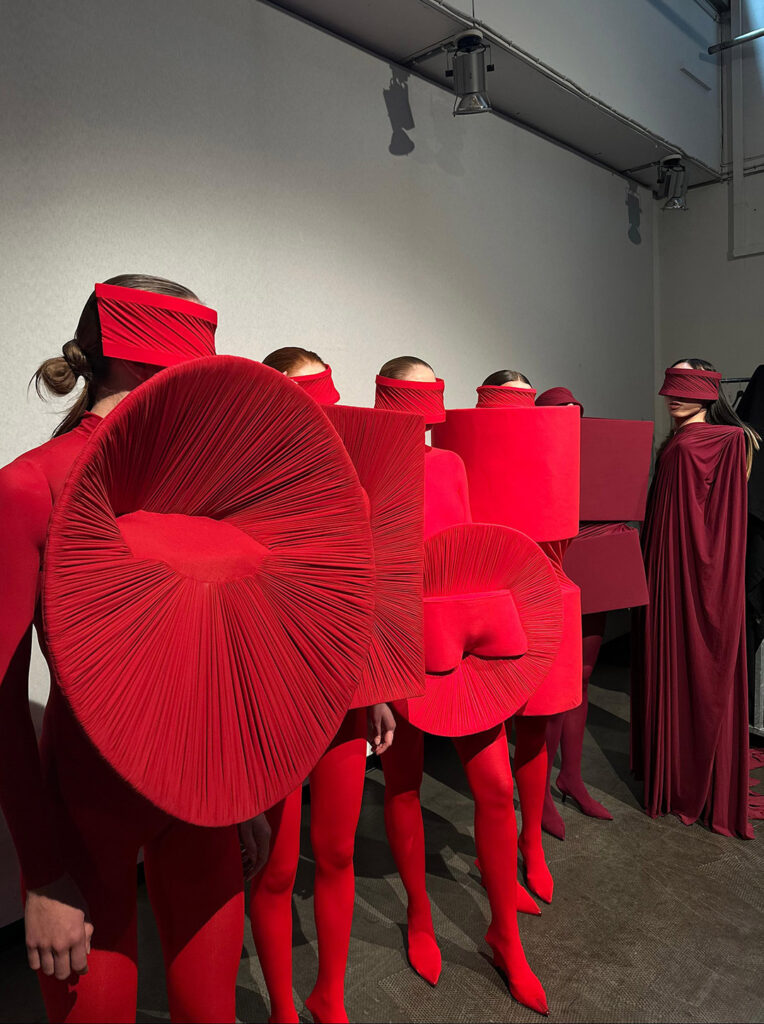
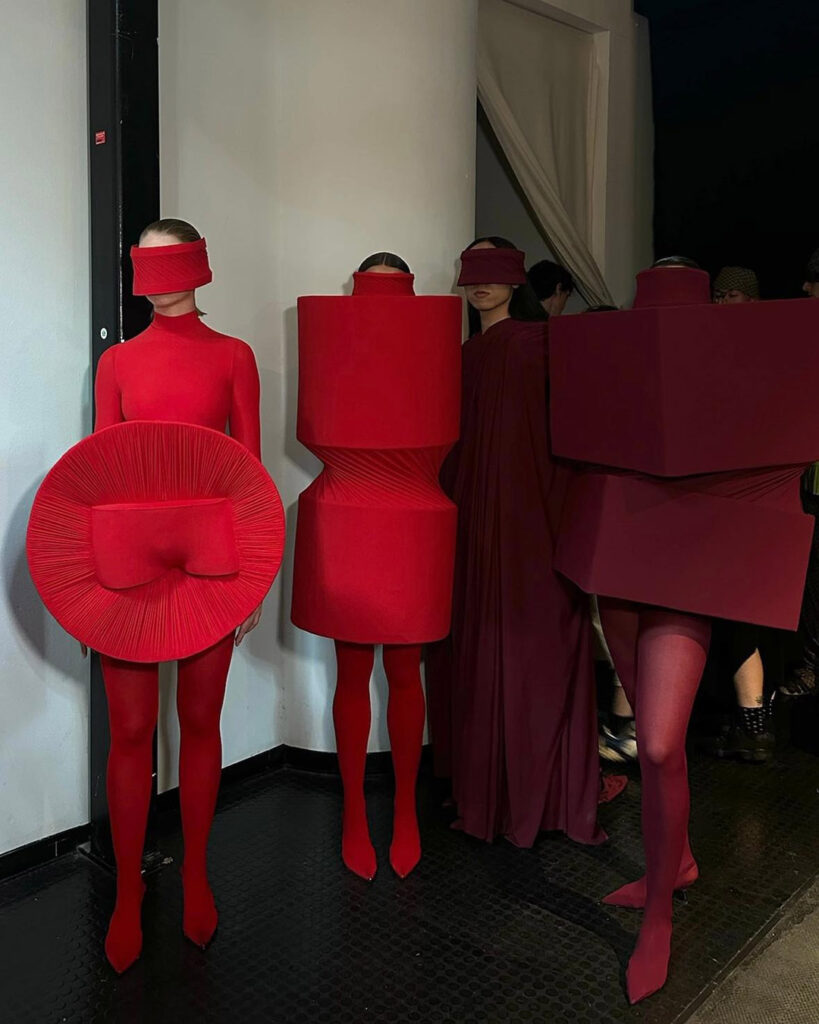
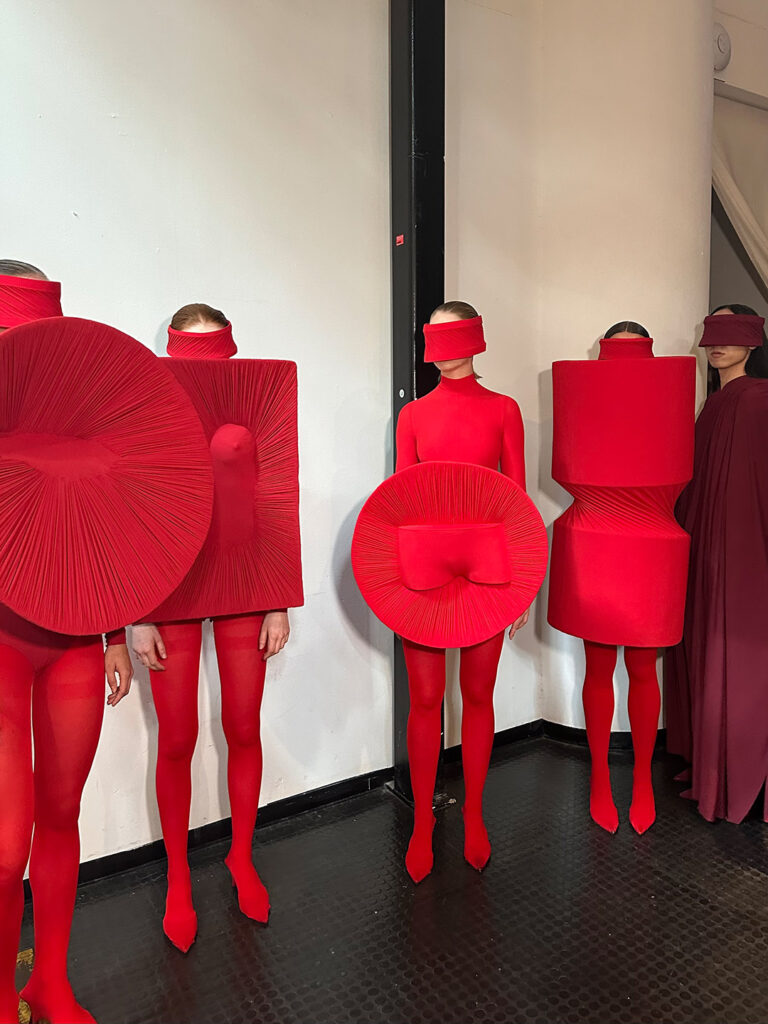
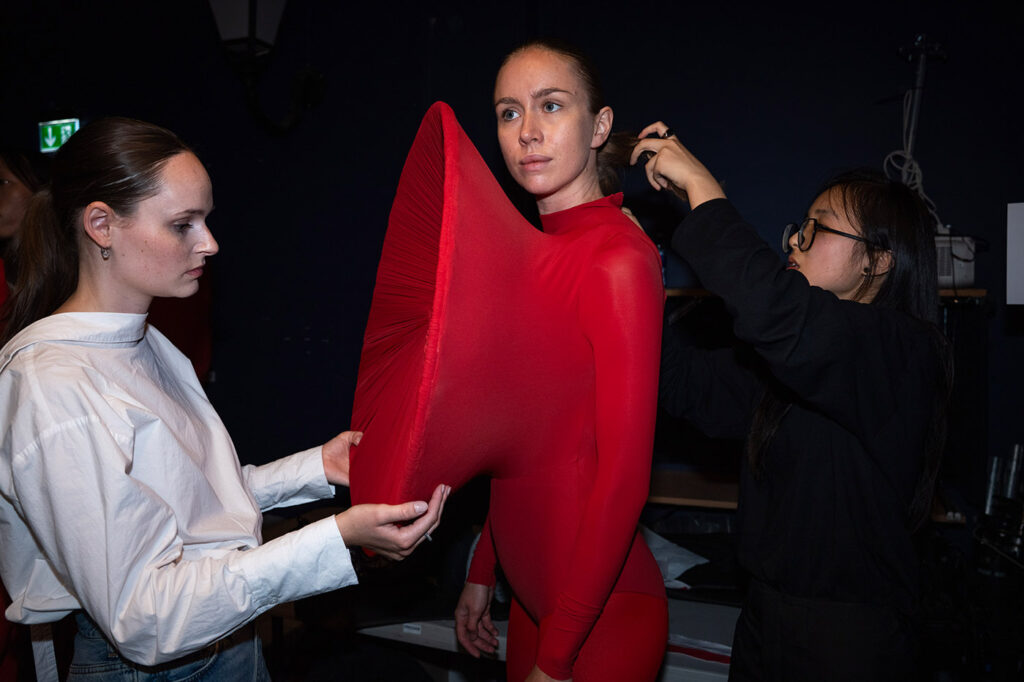
With Twist structure, Twist perspective Mengjie challenges conventional silhouettes by experimenting with proportions. Her graduate collection investigates the dialogue between body and garment through sculptural silhouettes and amplified shapes. Merging experimental construction with expressive craftsmanship, the work reimagines gender, structure, and identity—proposing a visual language that twists perception and reshapes convention.
The red twist-pleated dress embodies this vision: a study in motion, tension, and form. Conceived through an exploration of fabric’s response to the body, it reveals how structure can transform softness into sculpture.
Polina Feddersen
@polinafeddersen
Polina’s Predation explores the fusion of traditional craftsmanship with contemporary aesthetics, transforming cultural heritage into a powerful, wearable statement. The collection delves into the intersection of the monstrous feminine, comparative anatomy, and hybridity. Through exaggerated silhouettes and anatomical distortion, Predation reclaims monstrosity and transformation as acts of resistance—challenging conventional narratives of femininity, identity, and beauty.
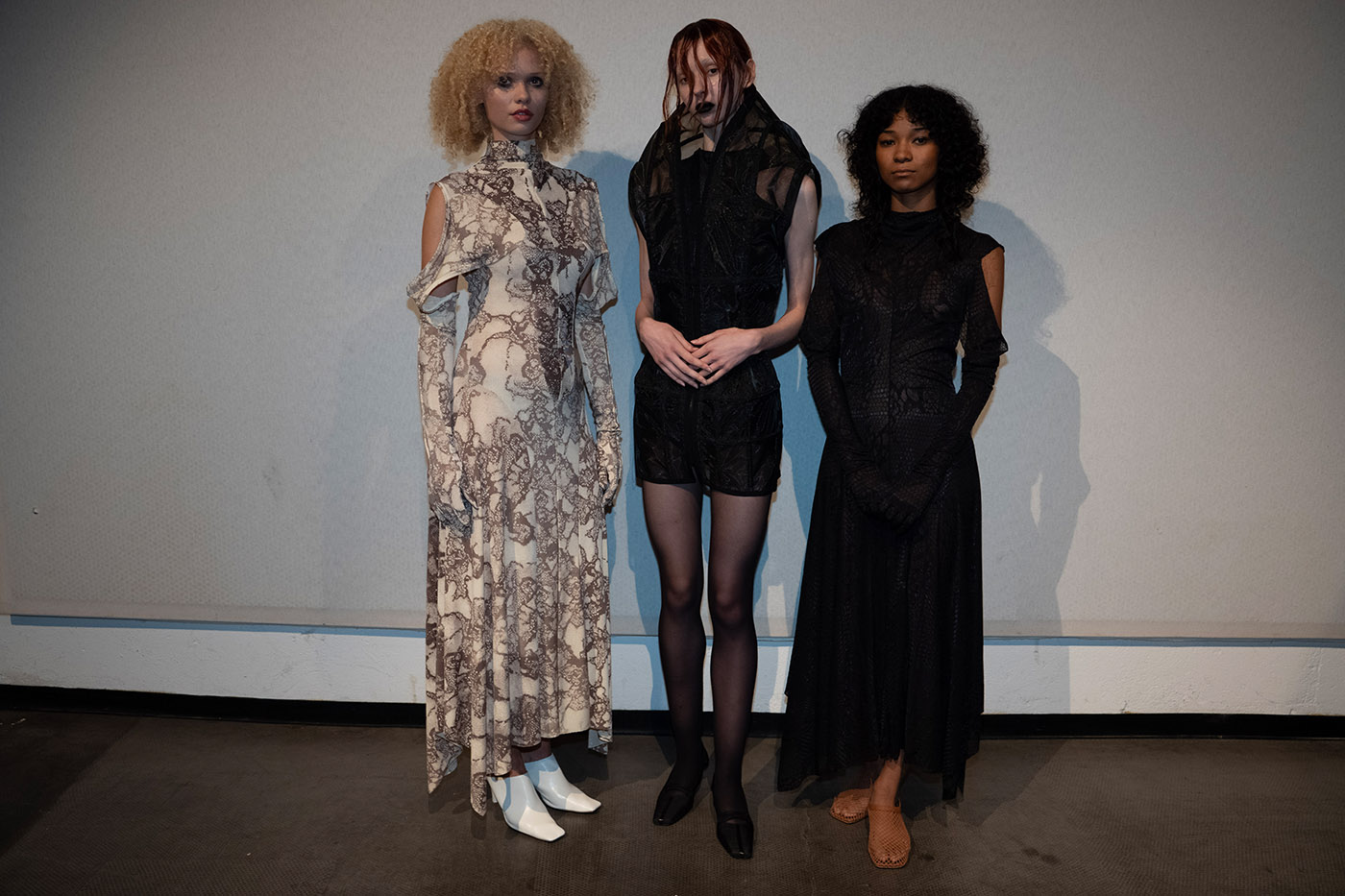
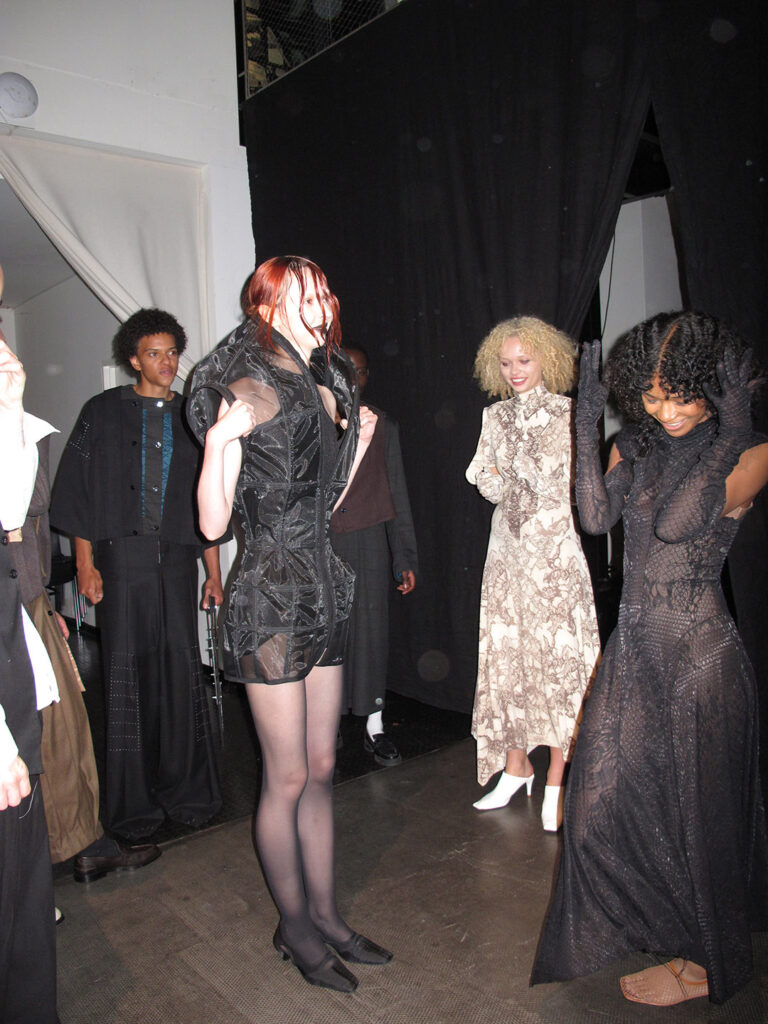
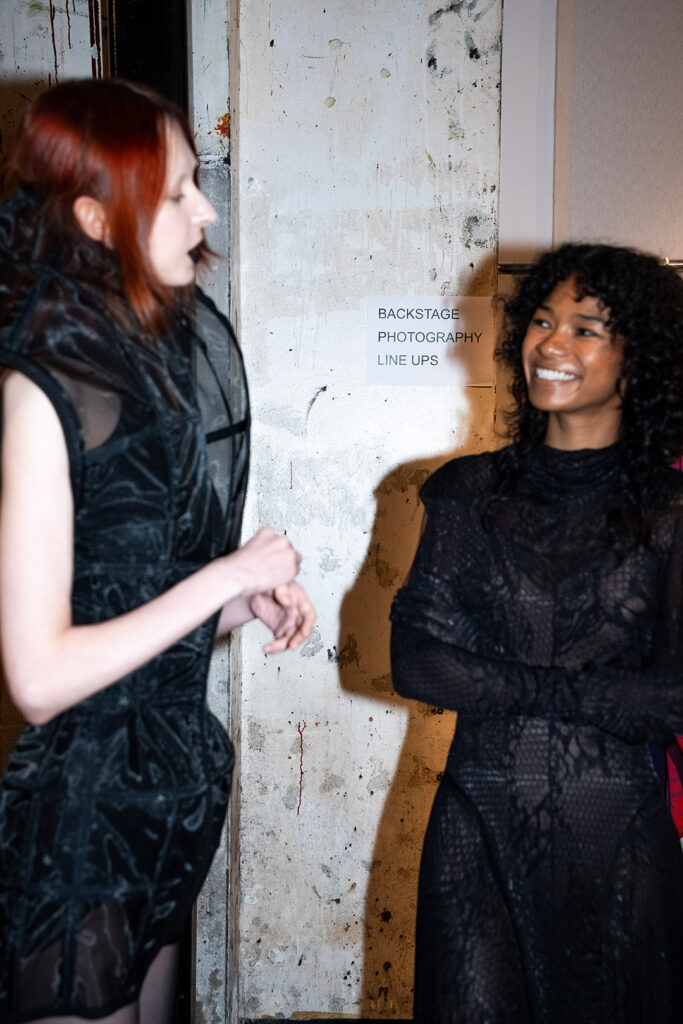
When the final look left the runway, the collections lingered in the mind as a study in experimentation, technique, and the inventive spirit of this generation of designers – measured, considered, and quietly daring.
To boot…
ROYAL DANISH ACADEMY
www.royaldanishacademy.com I @royaldanishacademy_mafashion
Copenhagen Fashion Week
@cphfw
ASTRID KEARNEY, makeup artist, creative & writer
www.astridkearney.com I @astridkearneymakeup
Read more from Astrid for ZOOT here.