Dunes, a map of faith
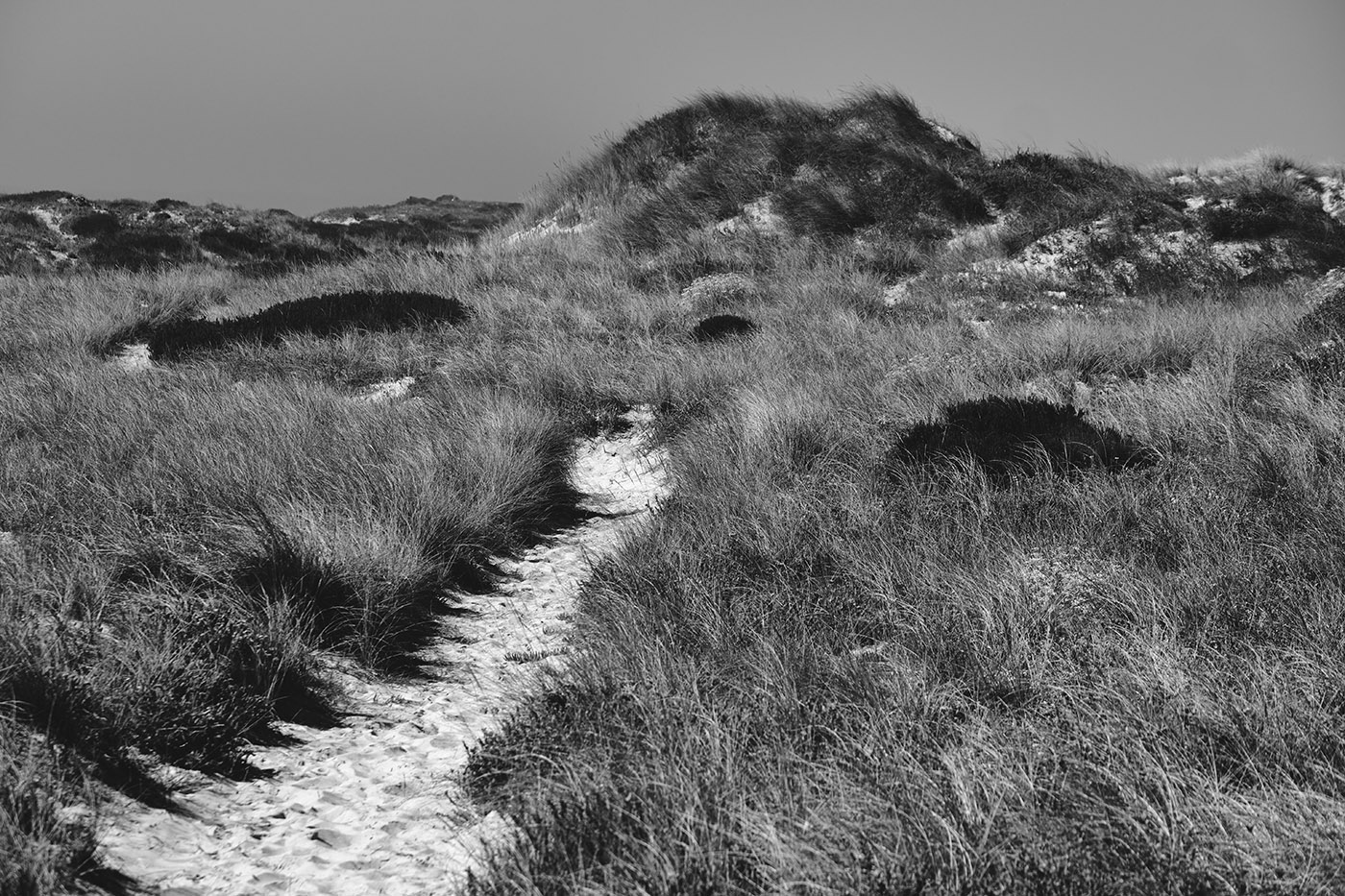
Between land and sea, the dunes of Leiria tell a fragile story of movement, erosion, and renewal — a landscape shaped by wind and time, and now threatened by climate change.
A photographic essay by Daniel Godinho Fragoso aka Black Magic Tea
Preface
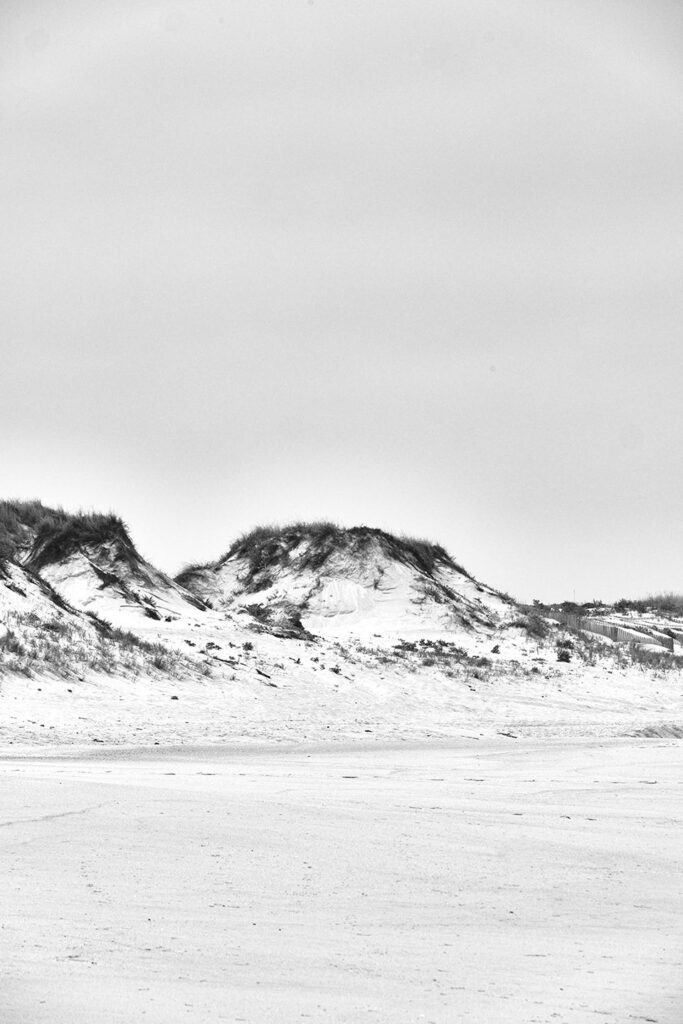
From Praia da Vieira to Praia do Pedrógão in Leiria, Portugal, the dunes form one of the country’s most vital coastal ecosystems. Sculpted by wind and tides, these shifting sand formations protect inland areas from the sea, nurture biodiversity, and regulate fragile ecosystems. Yet rising sea levels, erosion, and human intervention place them under increasing threat, reminding us of our shared responsibility to safeguard such environments.
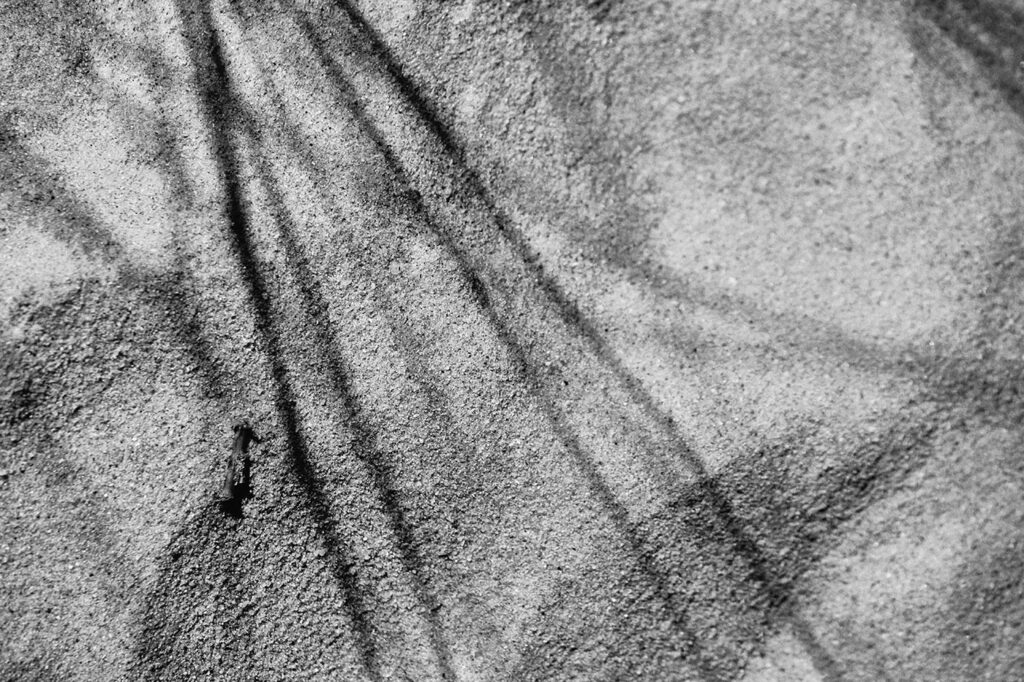
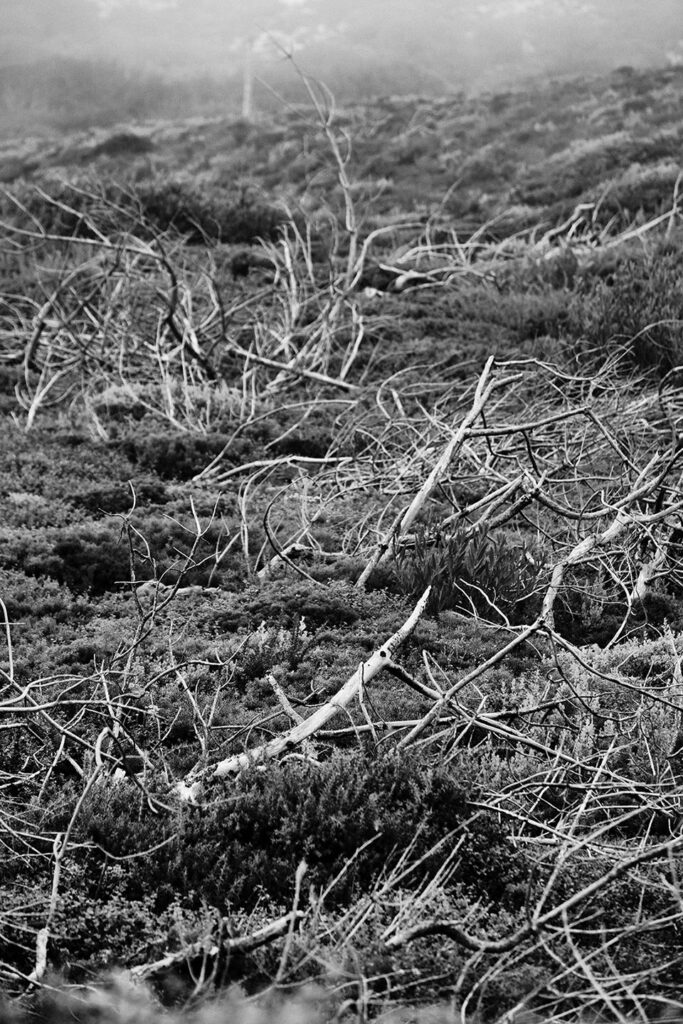
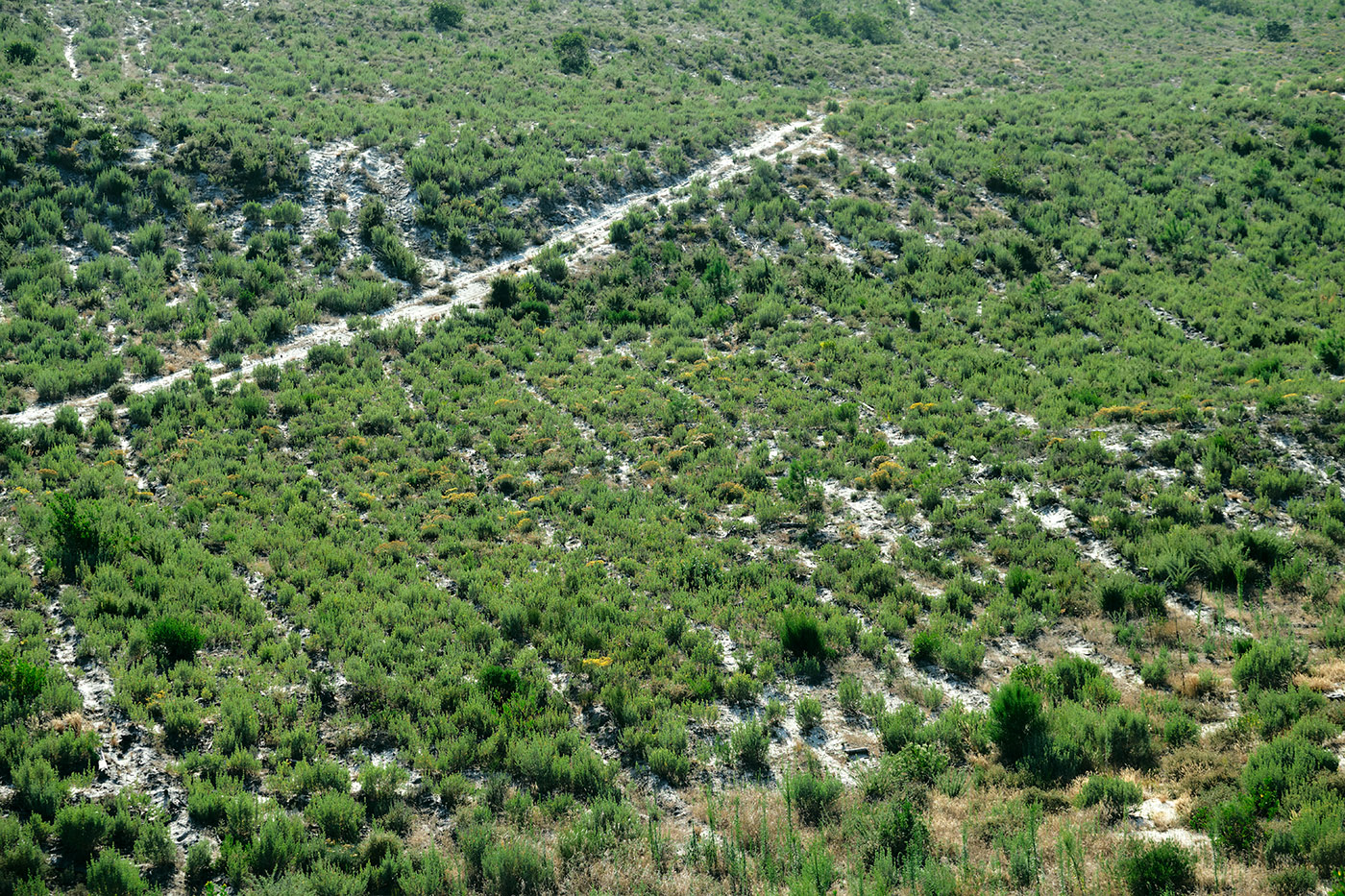
This coastline presents a compelling interplay of ecosystems—maritime pine forests, shifting sand dunes, and geological formations that span the Jurassic. At Vieira, dunes are framed by the historic Pinhal de Leiria—a plantation of maritime pines established centuries ago to bind drifting sands, prevent inland desertification, and anchor this fragile edge of land and sea.
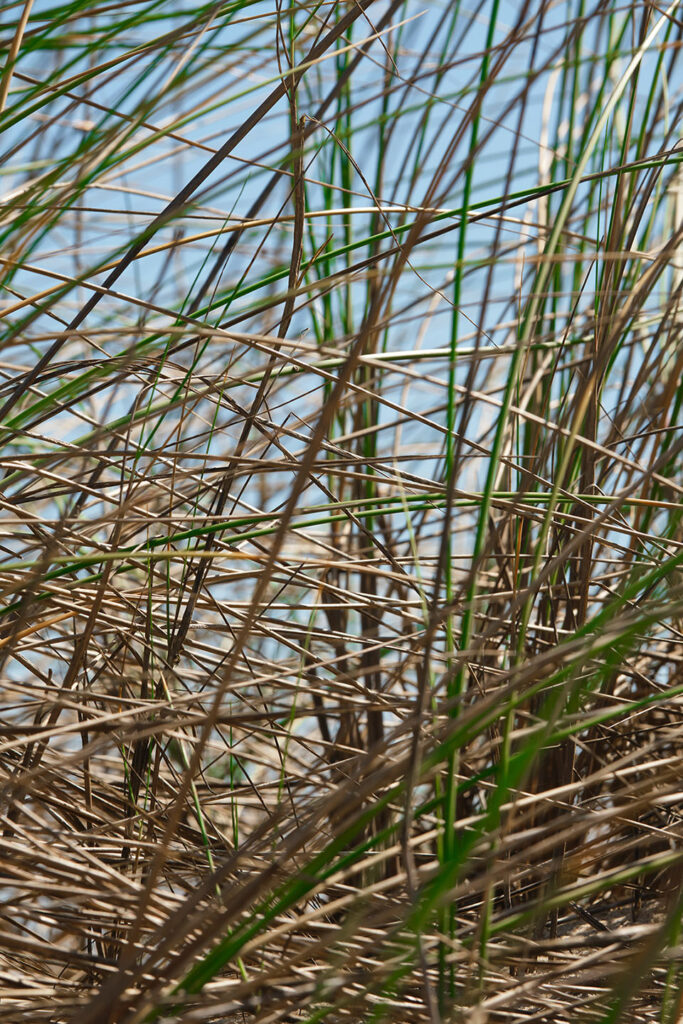
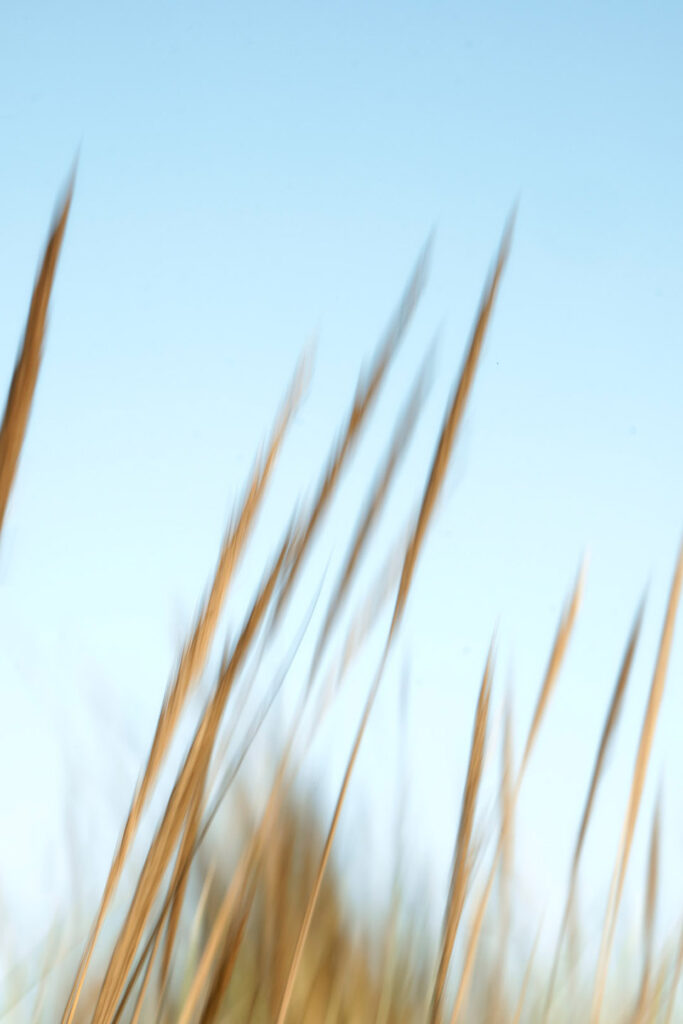
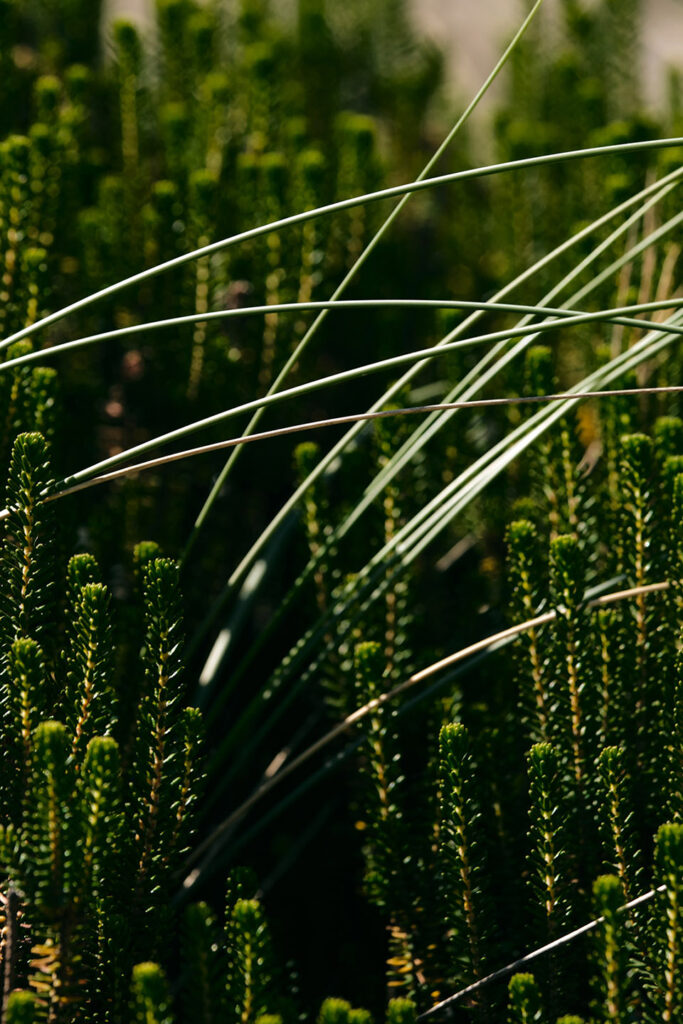
Further south at Pedrógão, dune valleys harbor rich biodiversity marked by endemic shrubs such as Corema album, adapted to windy, nutrient-poor sand, alongside deep roots of marram grass (Ammophila arenaria) that serve as natural armor against coastal erosion. Scientific studies show that A. arenaria’s extensive rhizome network is crucial for sand stabilization across Europe—and is often employed in dune restoration efforts to prevent erosion and rebuild foredune structures.
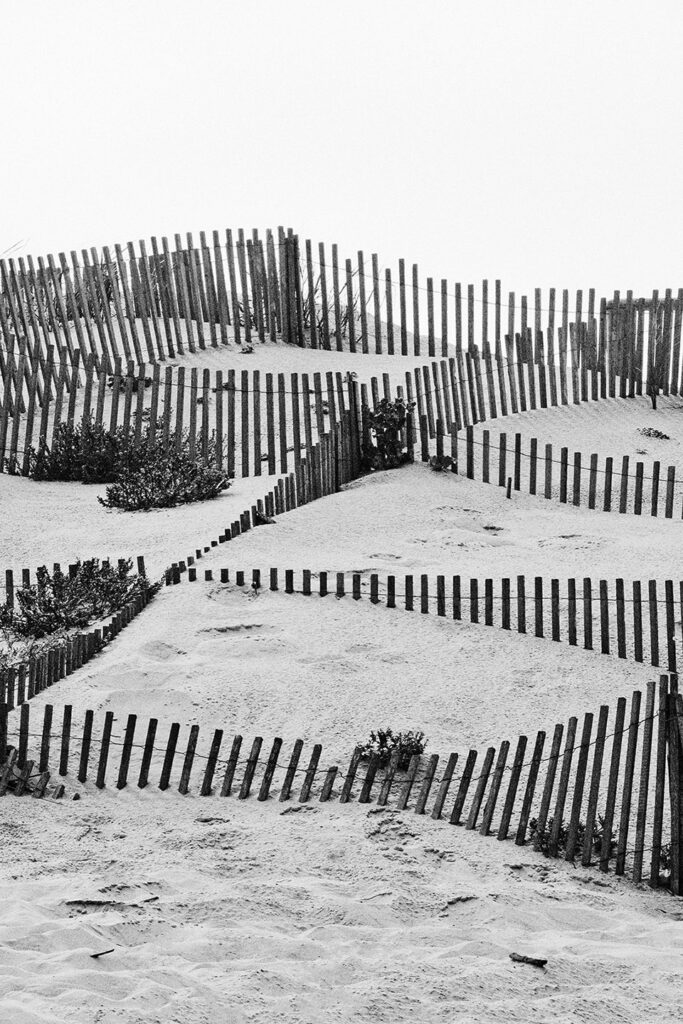
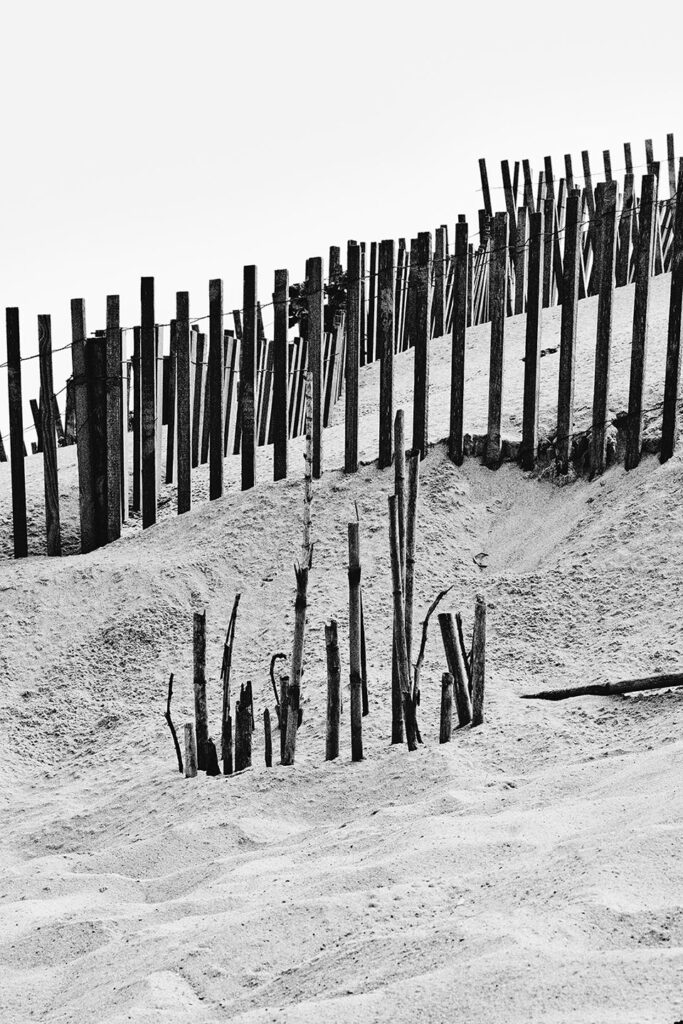
As sea levels rise and storms intensify, these systems become ever more vulnerable. Sustained revegetation and strategic dune restoration—through controlled planting of pioneer species—are crucial to preserving their resilience and reinforcing coastal defenses.
These dunes support vegetation adapted to wind and salinity, but are vulnerable to erosion and trampling, underscoring the urgent need for conservation
In Dunas, um mapa de fé, photographer Daniel Godinho Fragoso, through his alter-ego Black Magic Tea, explores movement, vulnerability, and transformation in nature and bridges ecological awareness and visual poetry. This photo essay reveals dunes as dynamic, life-bearing formations — both resilient and delicate — inviting us to reflect on our responsibility to preserve these coastal landscapes against the mounting challenges of climate change.
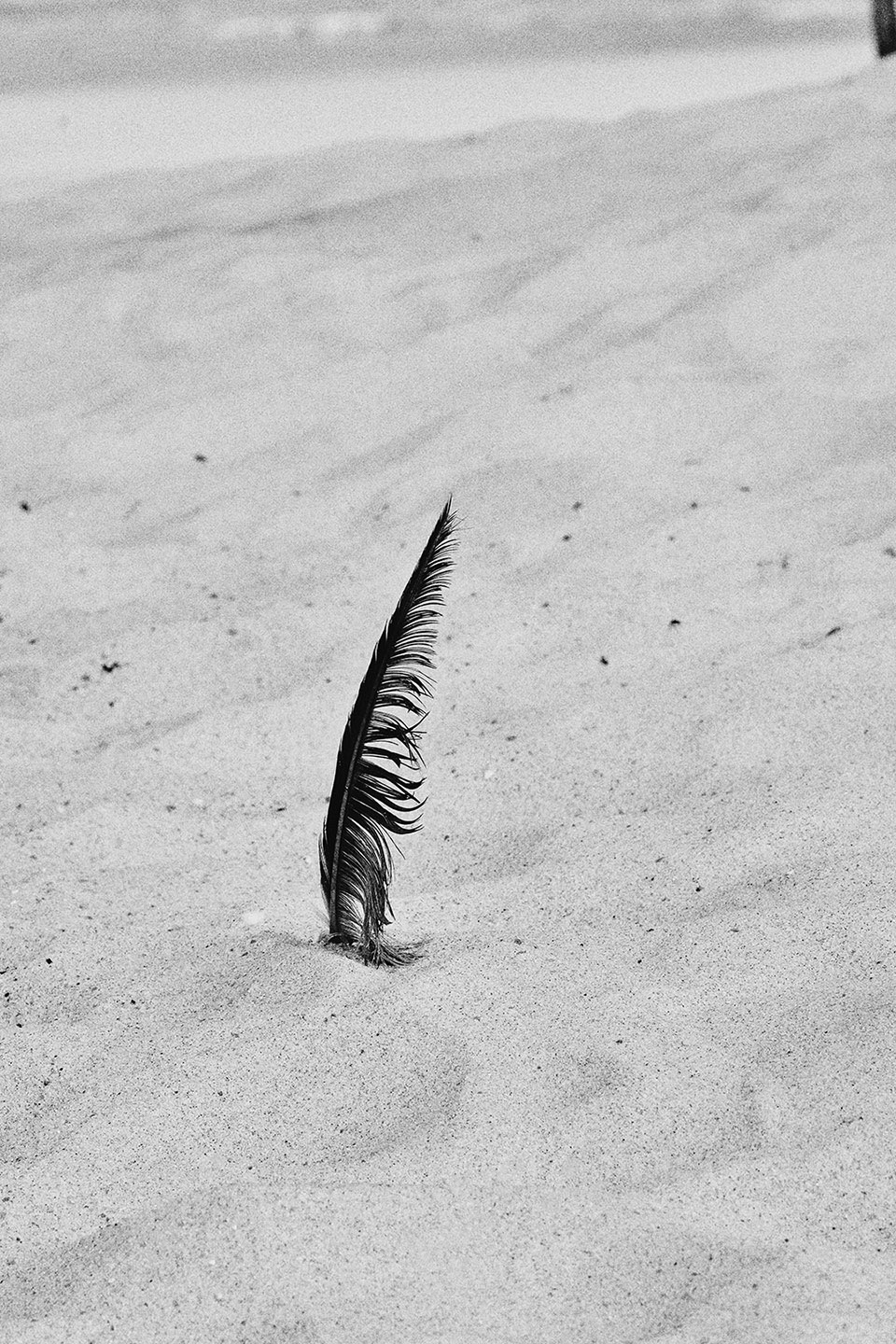
To see the dunes, we must first feel the wind.
Words by Photographer Daniel Godinho Fragoso
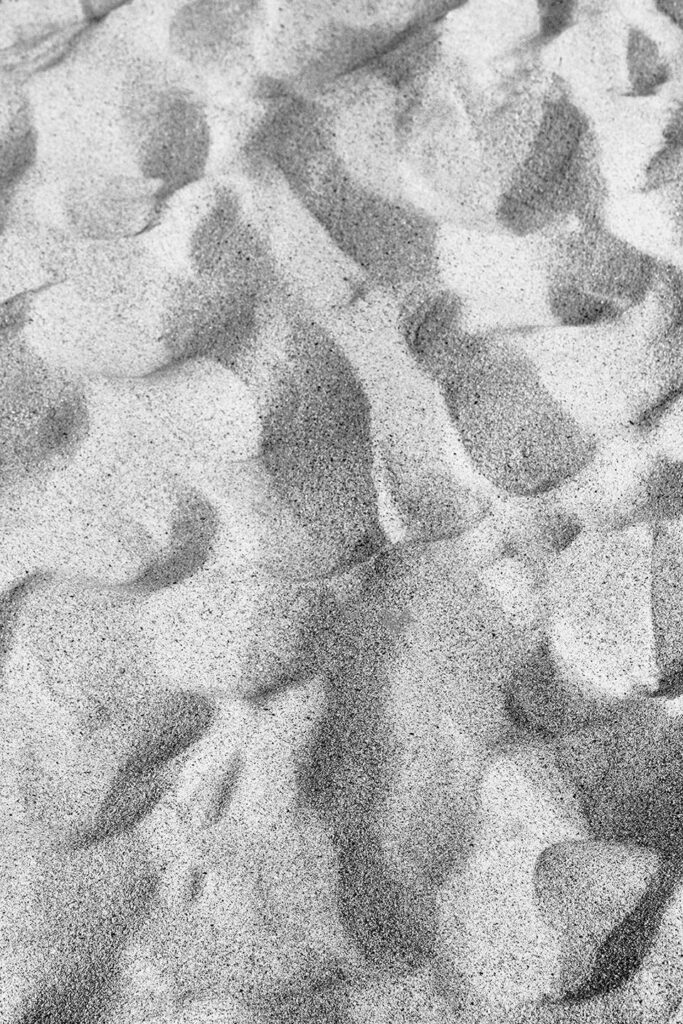
Dunes that move and settle in gestures of perpetual expression. A vulnerable accident chiseled by the wind. It cannot be seen, only felt — it sows the seeds of life and scatters pollen. Fertile, they nurture reproduction and the metamorphosis of biodiversity.
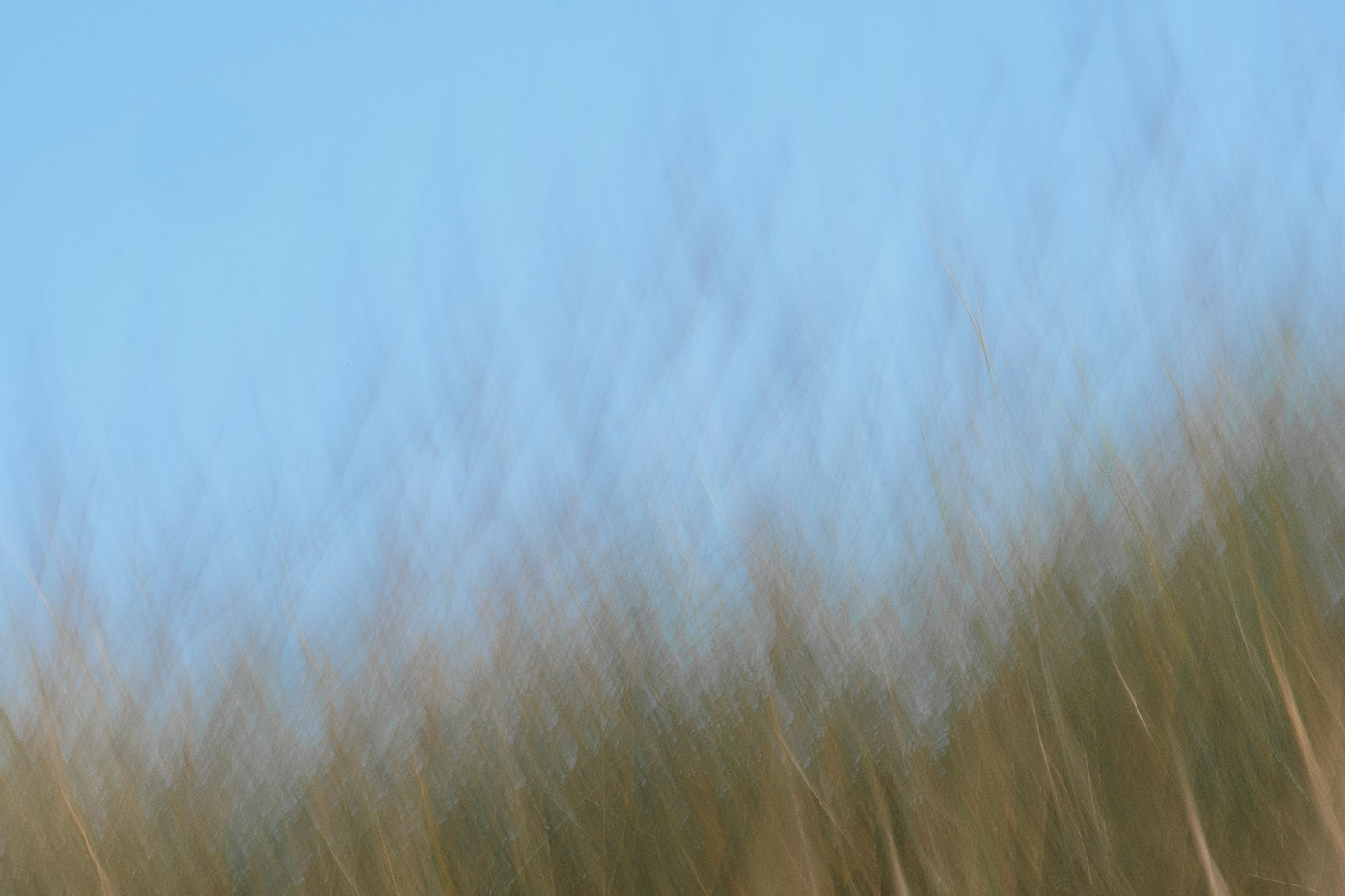
We admit that in the tenderness of the wind held back by the dunes resides the magic to heal the air and regulate entire ecosystems. It is up to us to understand that the wind carries the currents of the seas, shaping and sculpting the earth’s mantle with its presence, its erosion, and its force — when from the sea, the bones of the earth are revealed, the lives between sediments, and countless other forms of existence.
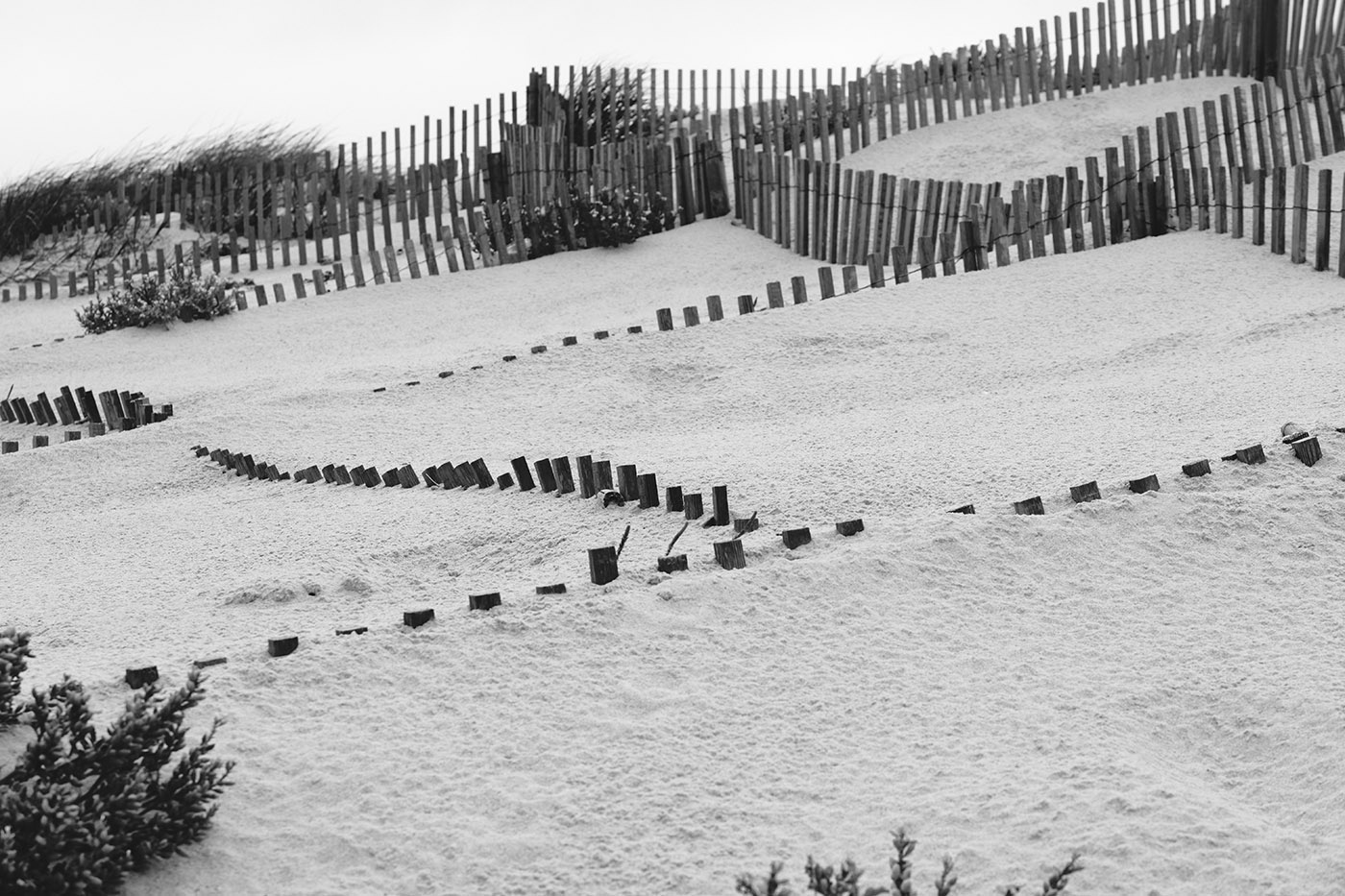
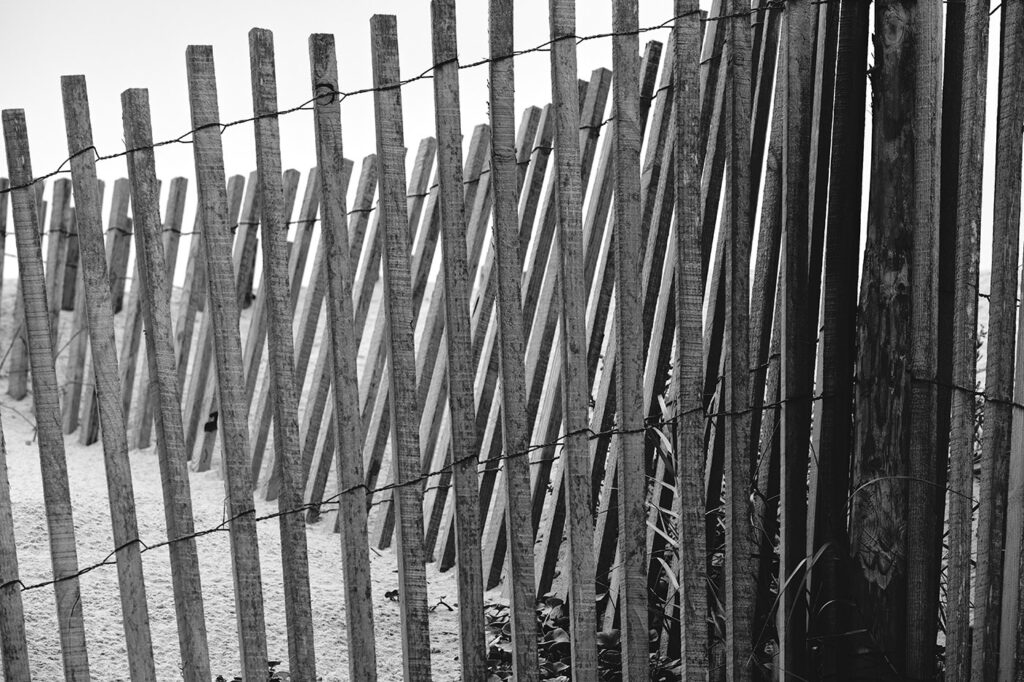
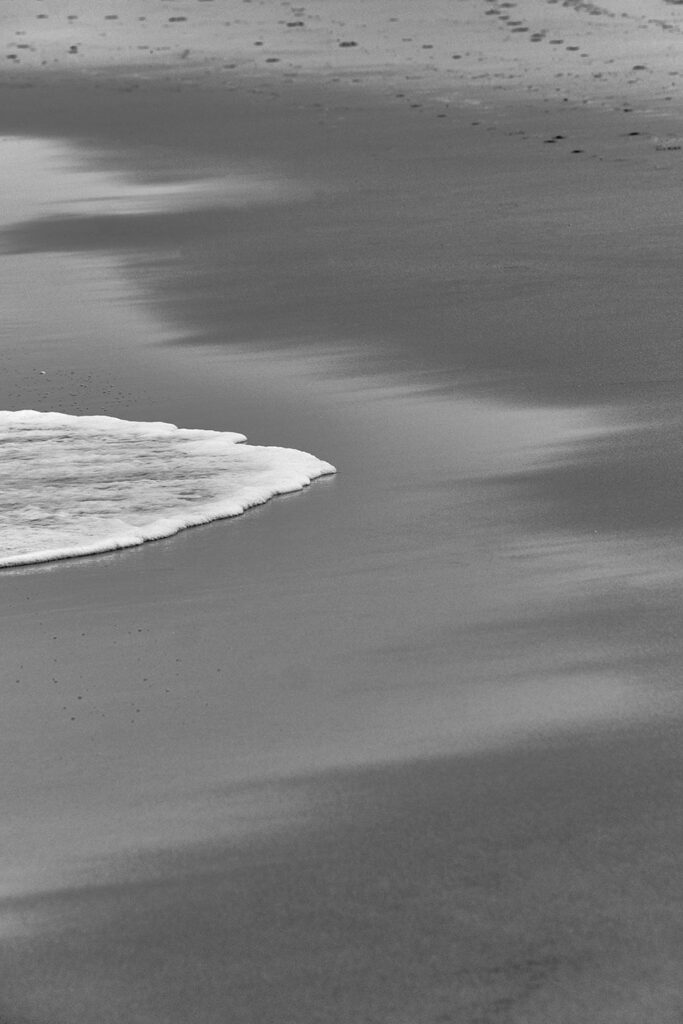
In the (even simplest) movement itself and in silence lies the full eloquence of time.
It is in movement that action resides, and in action, intention.
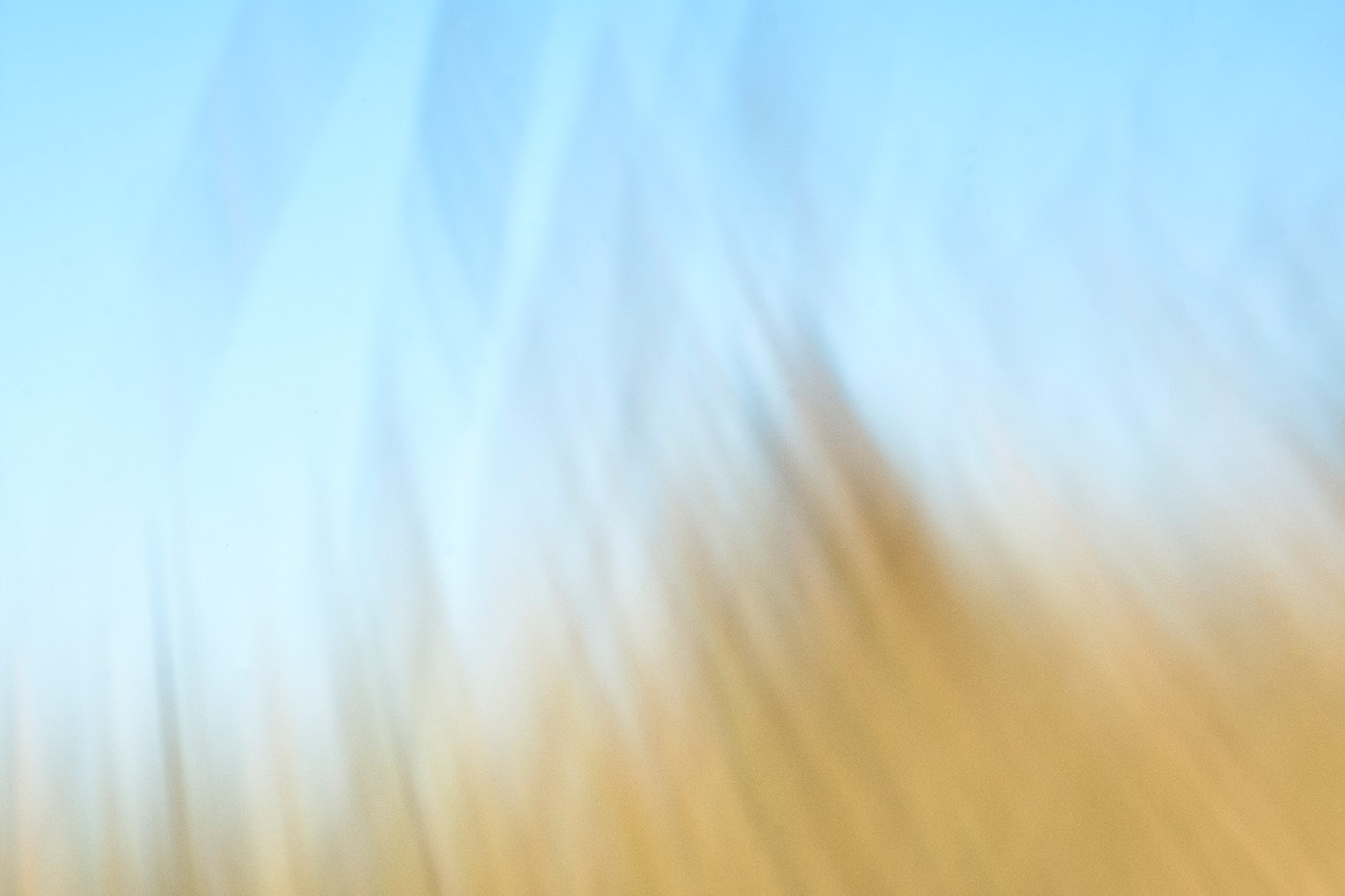
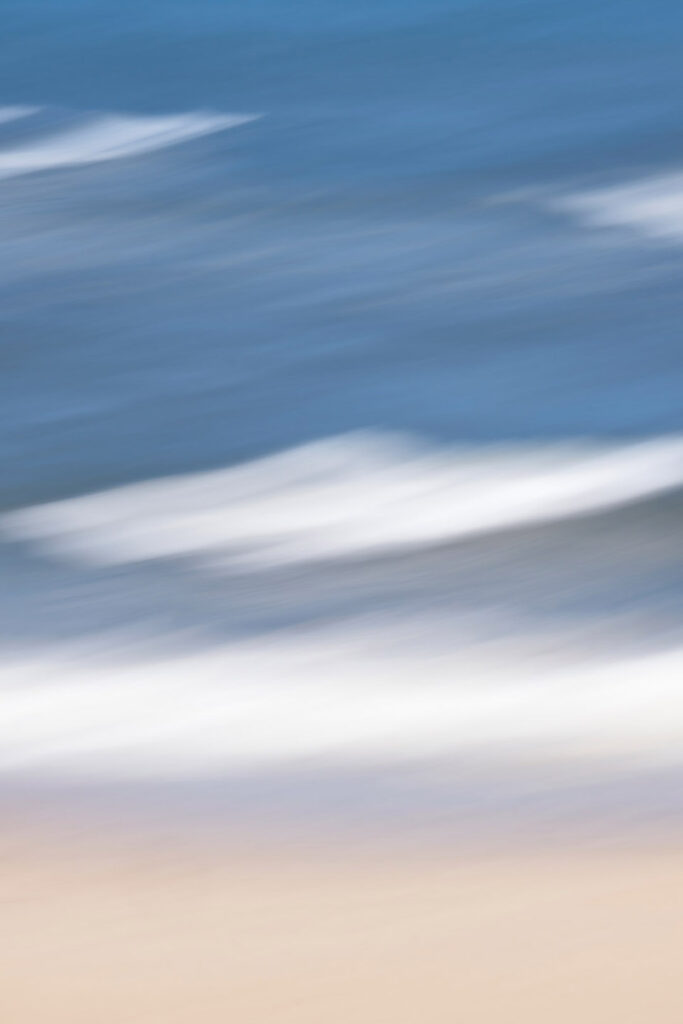
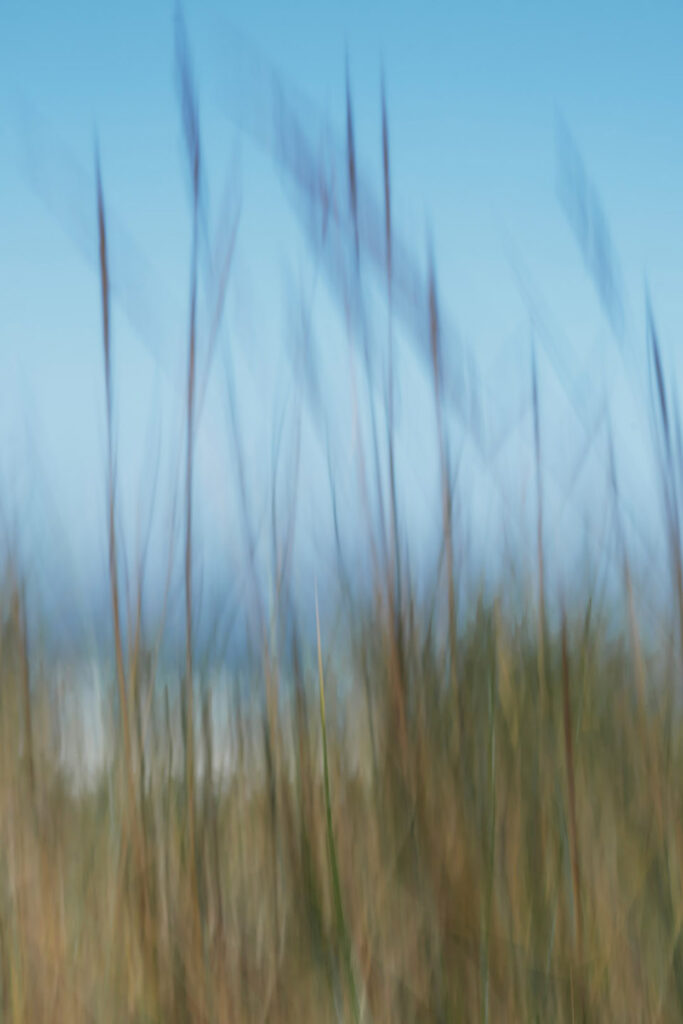
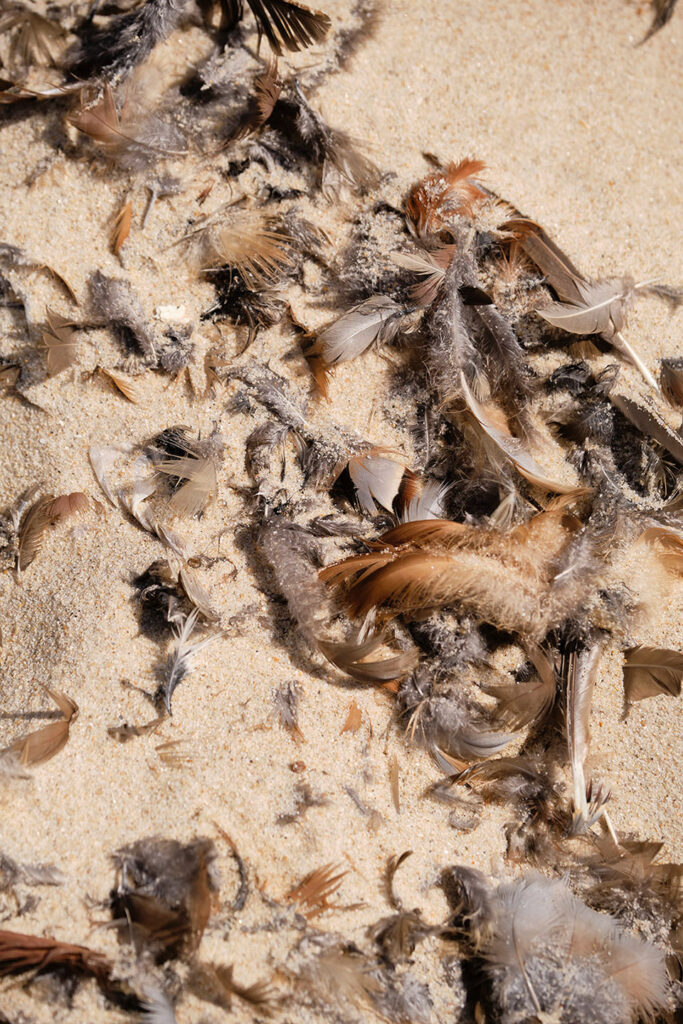
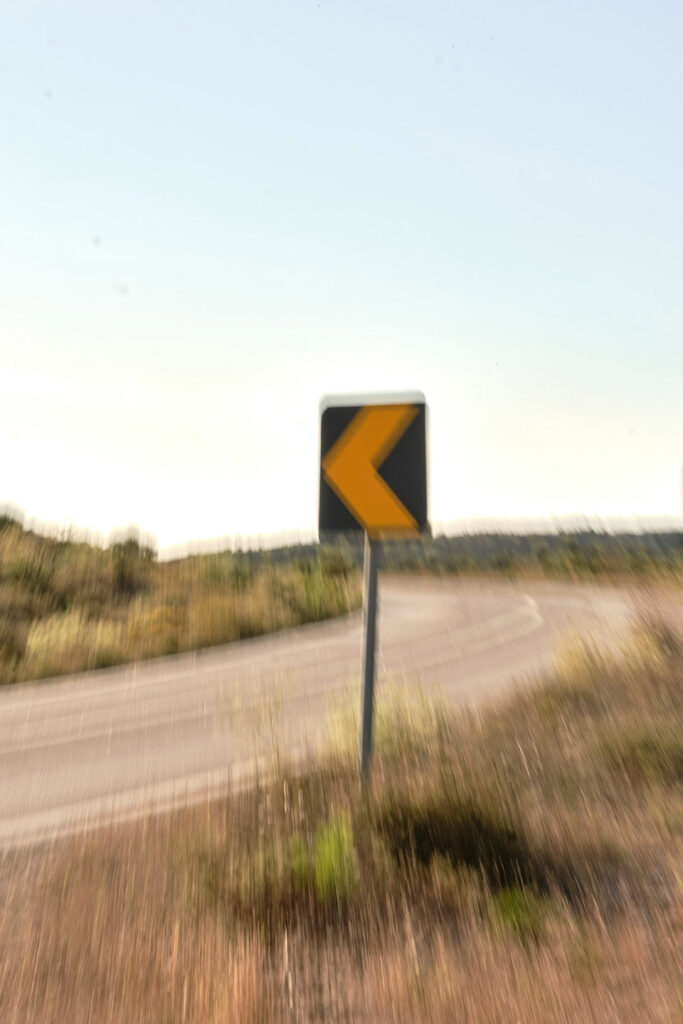
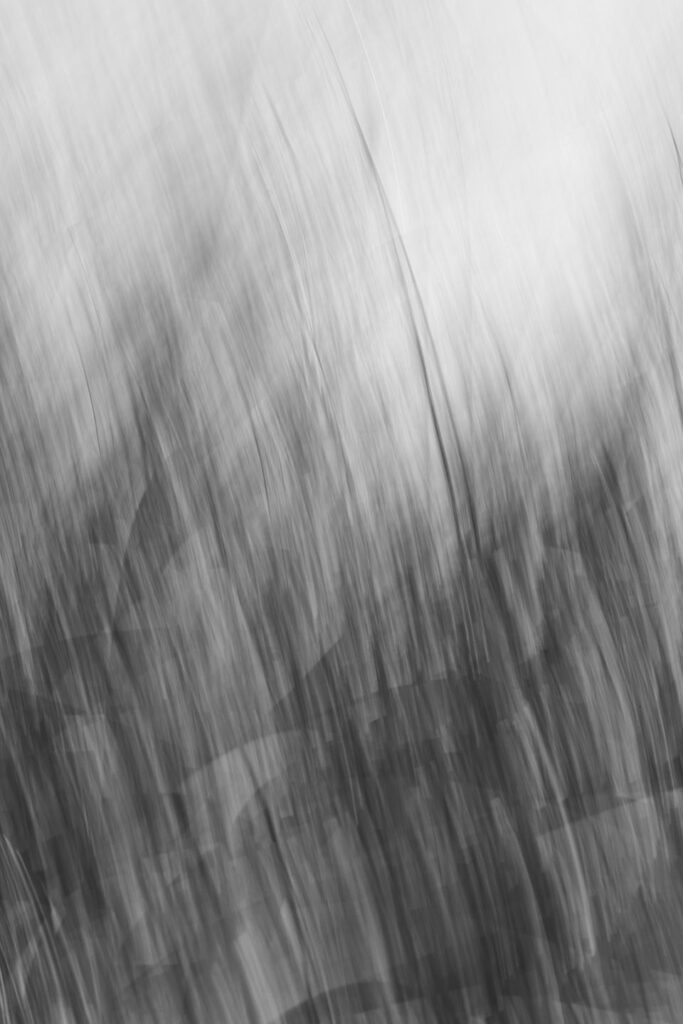
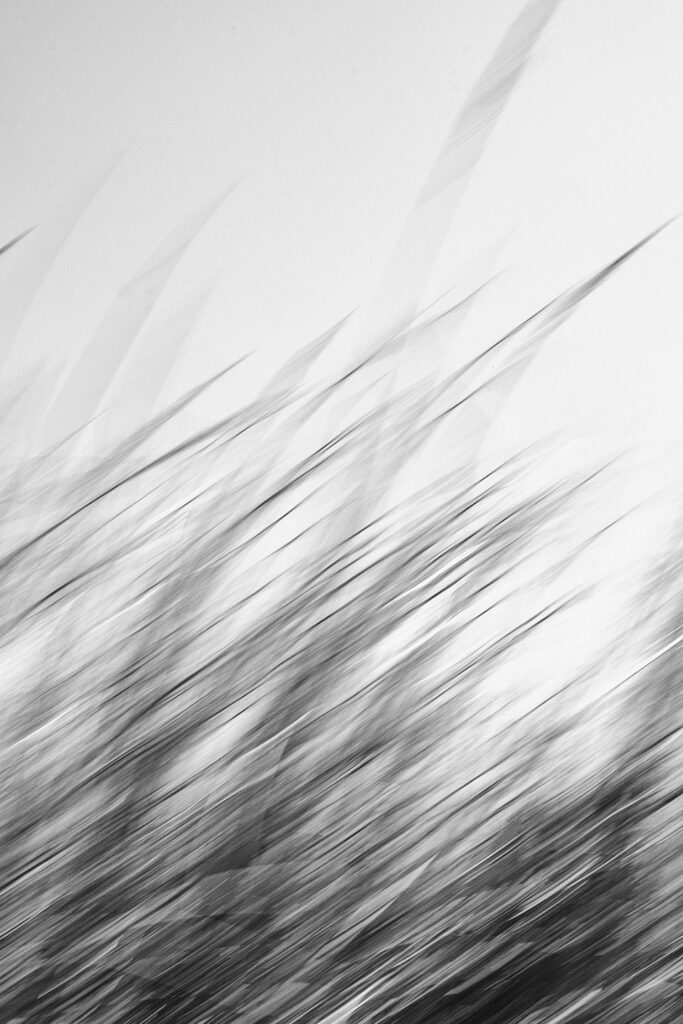
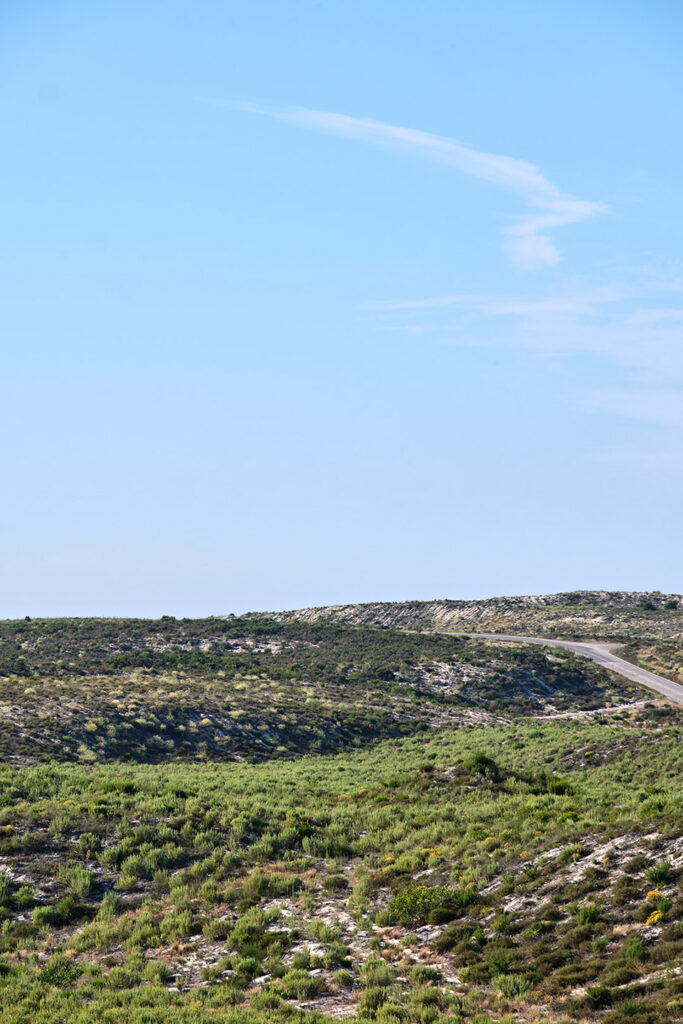
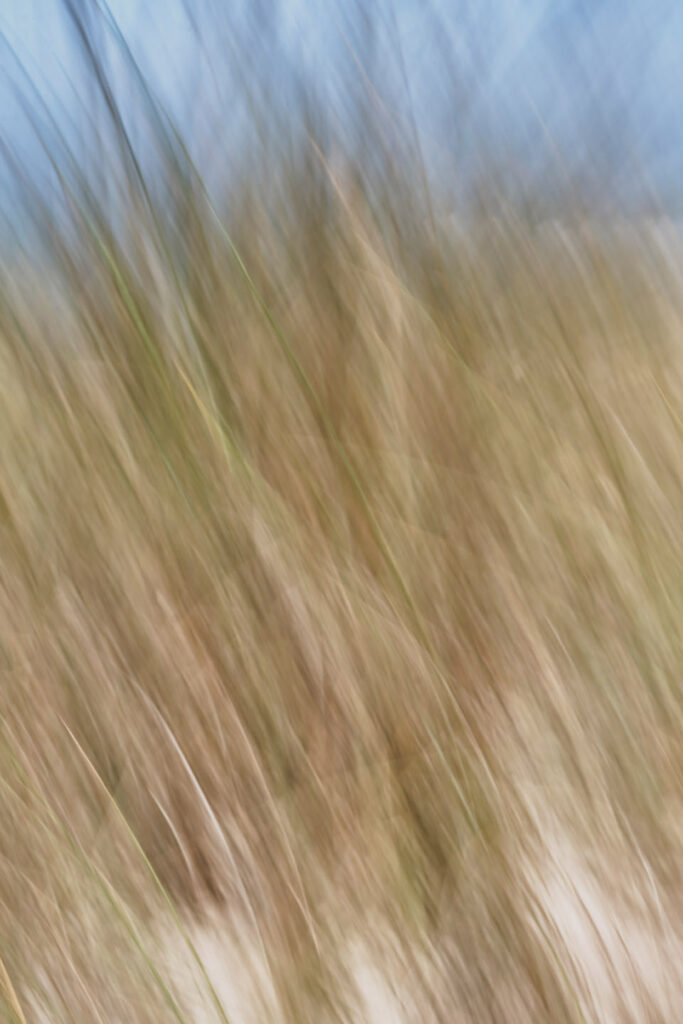
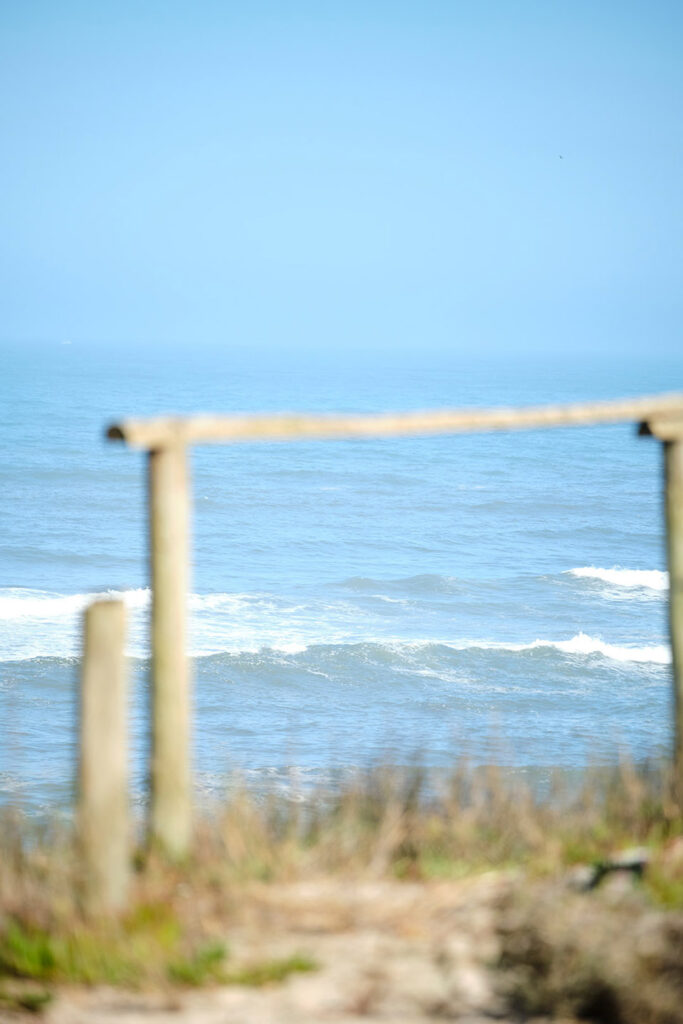
I see in the dunes a map of faith — a belief in what has accumulated over time, within us or there, and which one day will become a certainty different from the one we hold today. Intrinsically, it points toward a greater good I wish for.
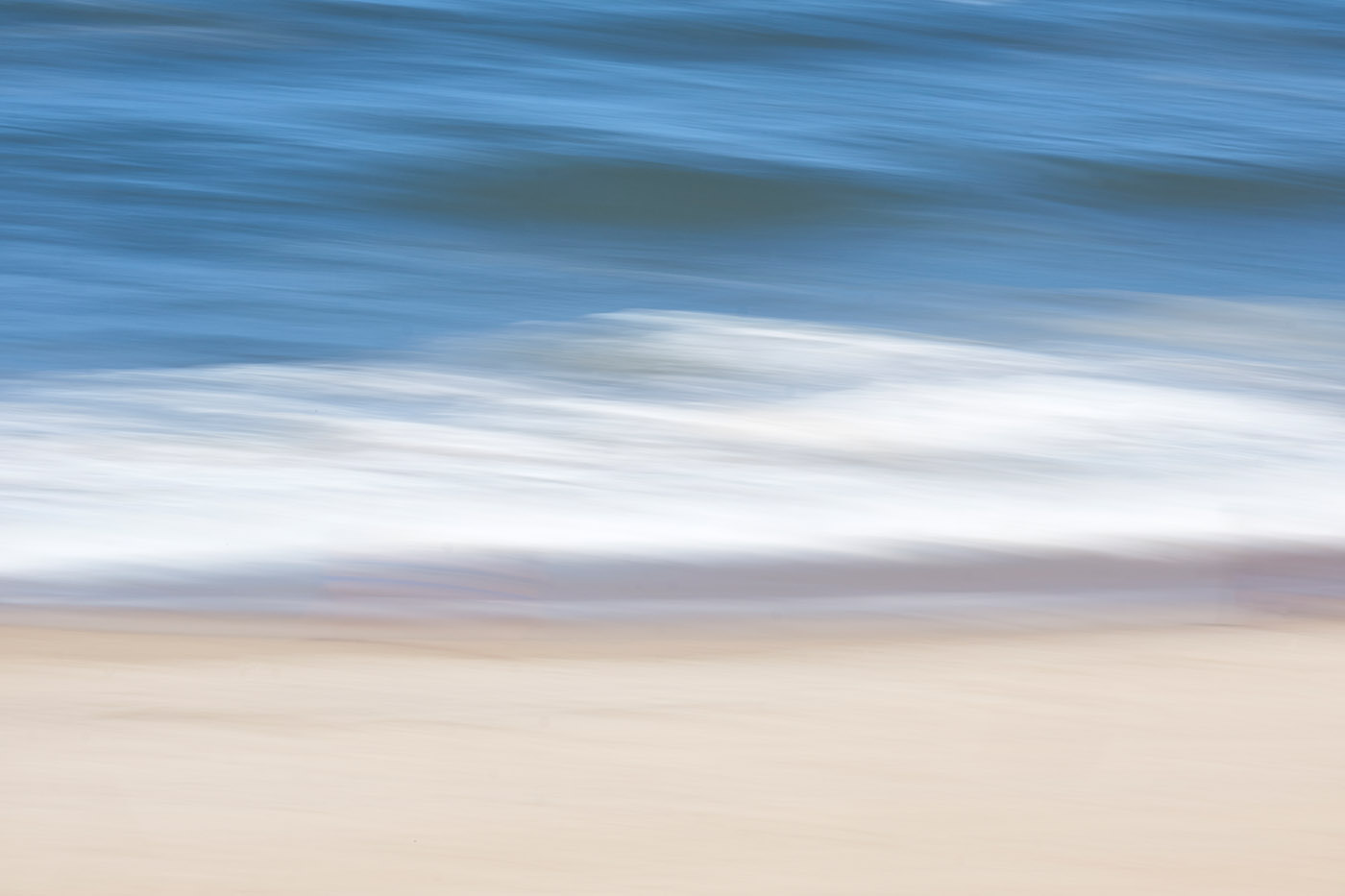
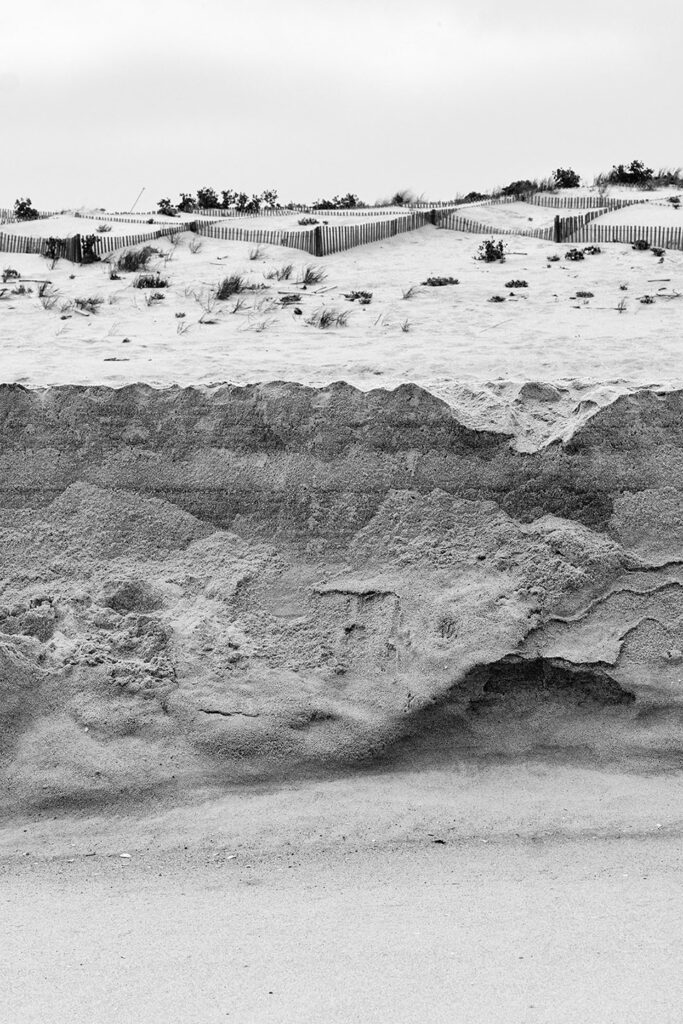
The relationship between wind and dunes is directly interwoven into the structure and architecture of life on Earth. Psychologically, the dunes evoke for me the frontier between a world I know and one I do not, the thread between land and sea. The conscious and the unconscious.
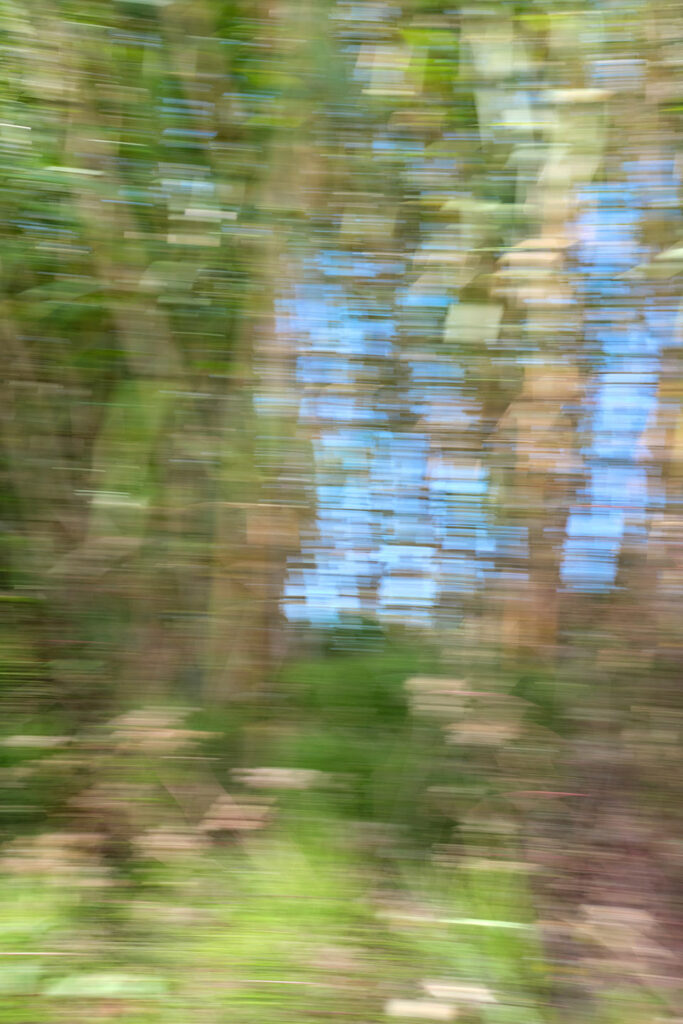
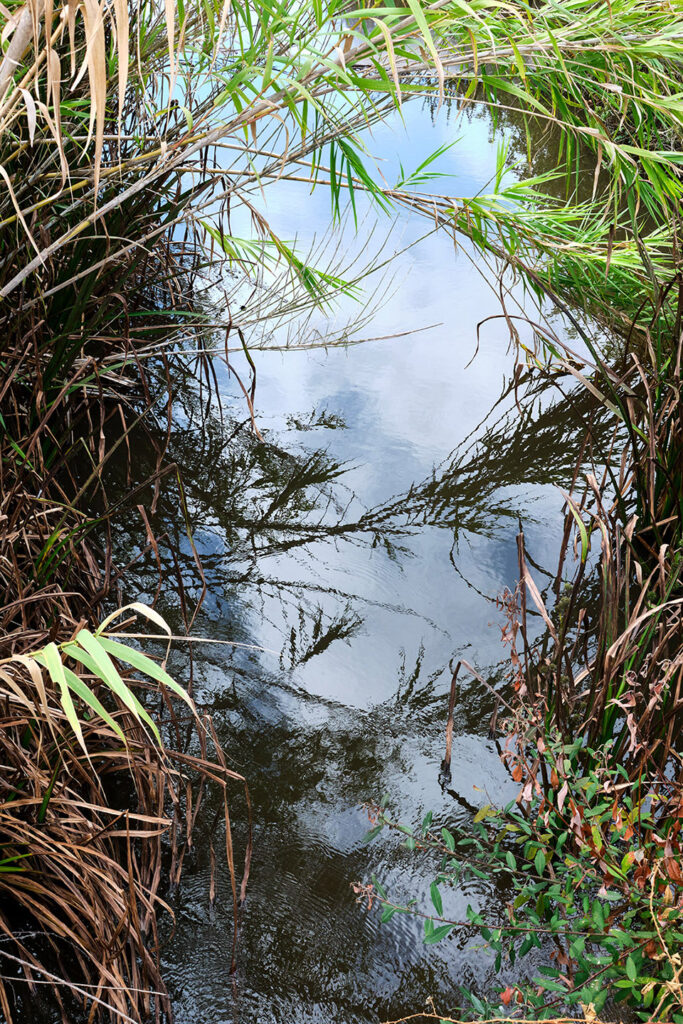
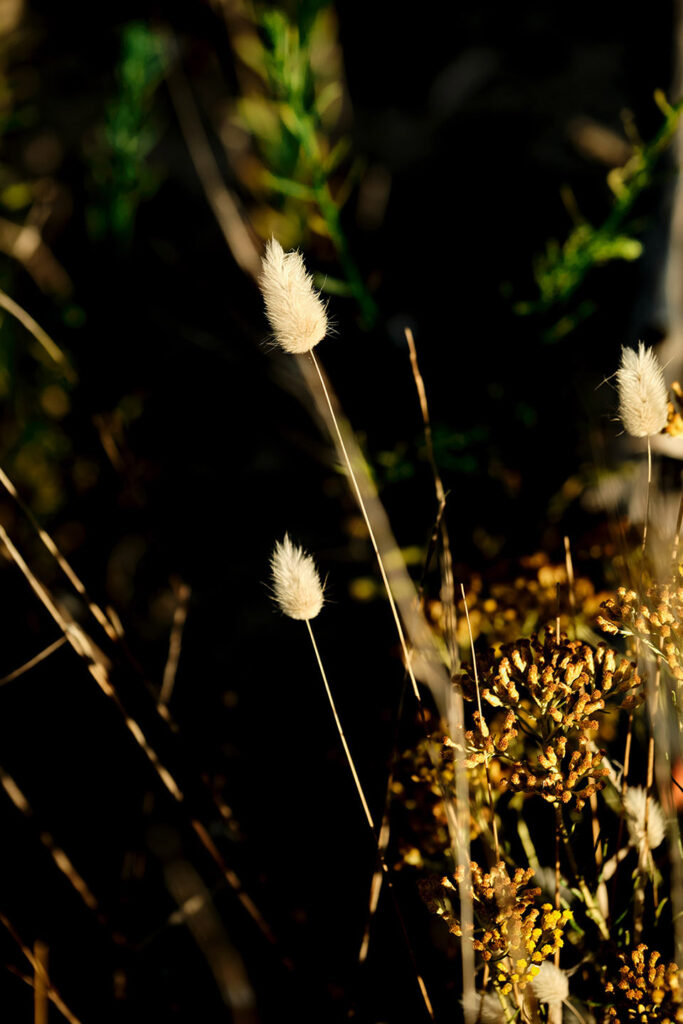
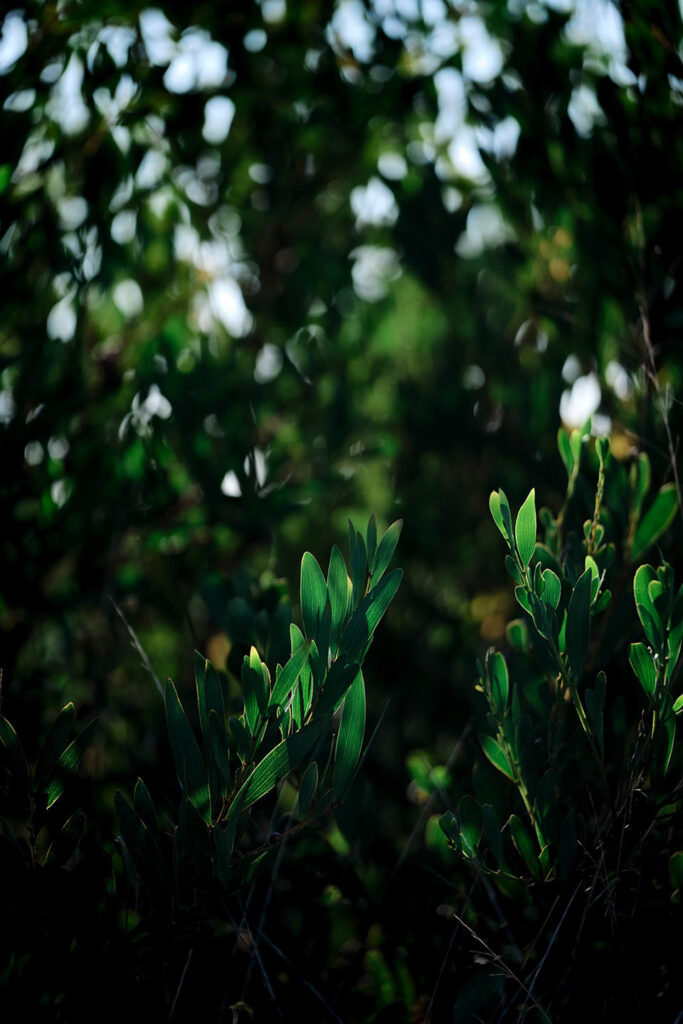
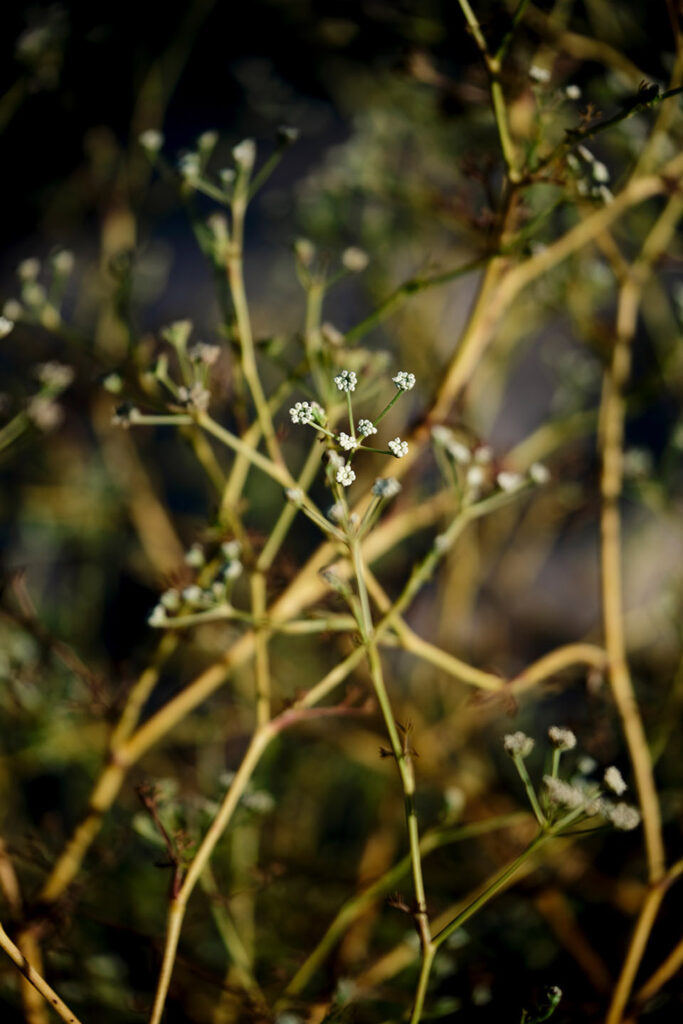
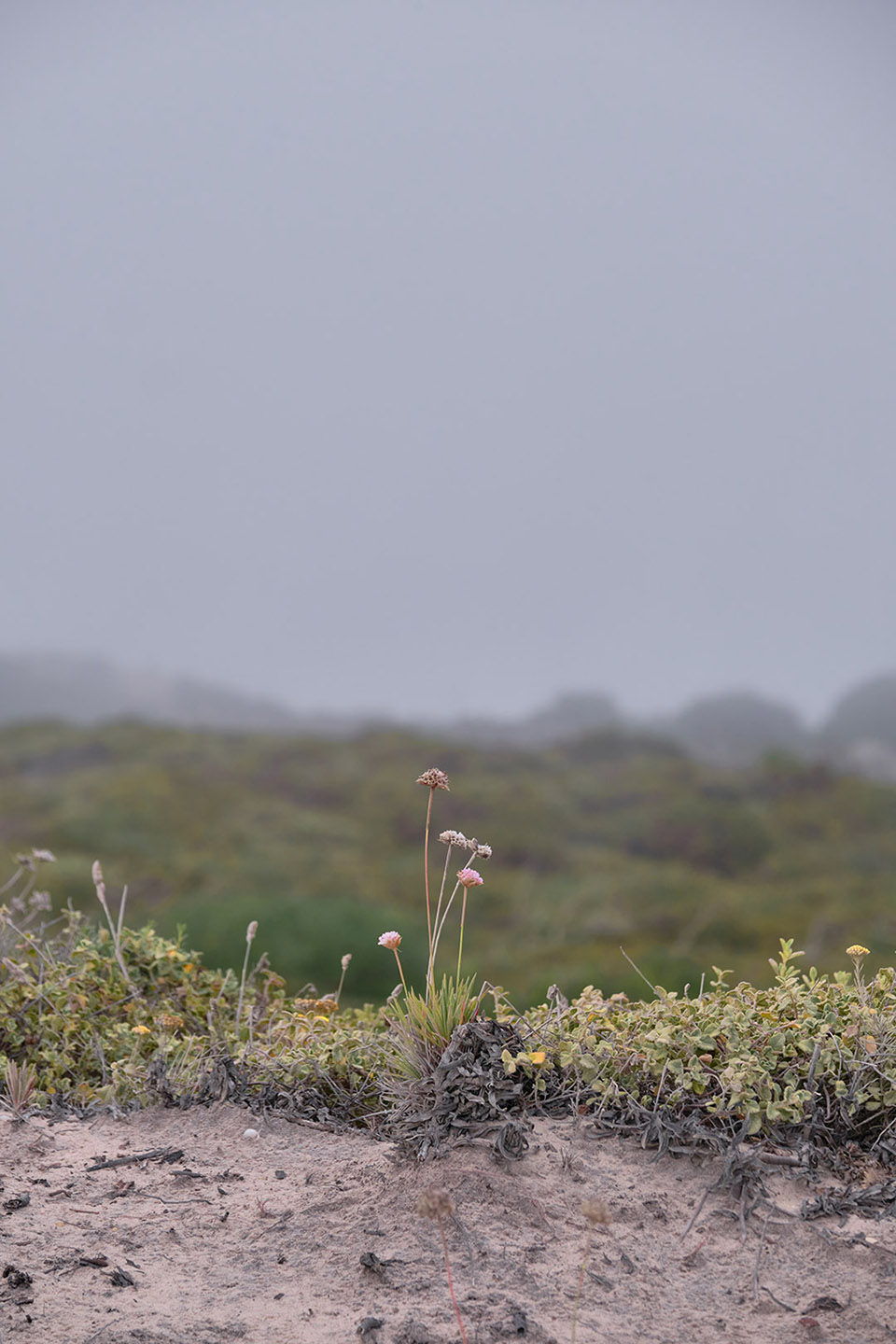
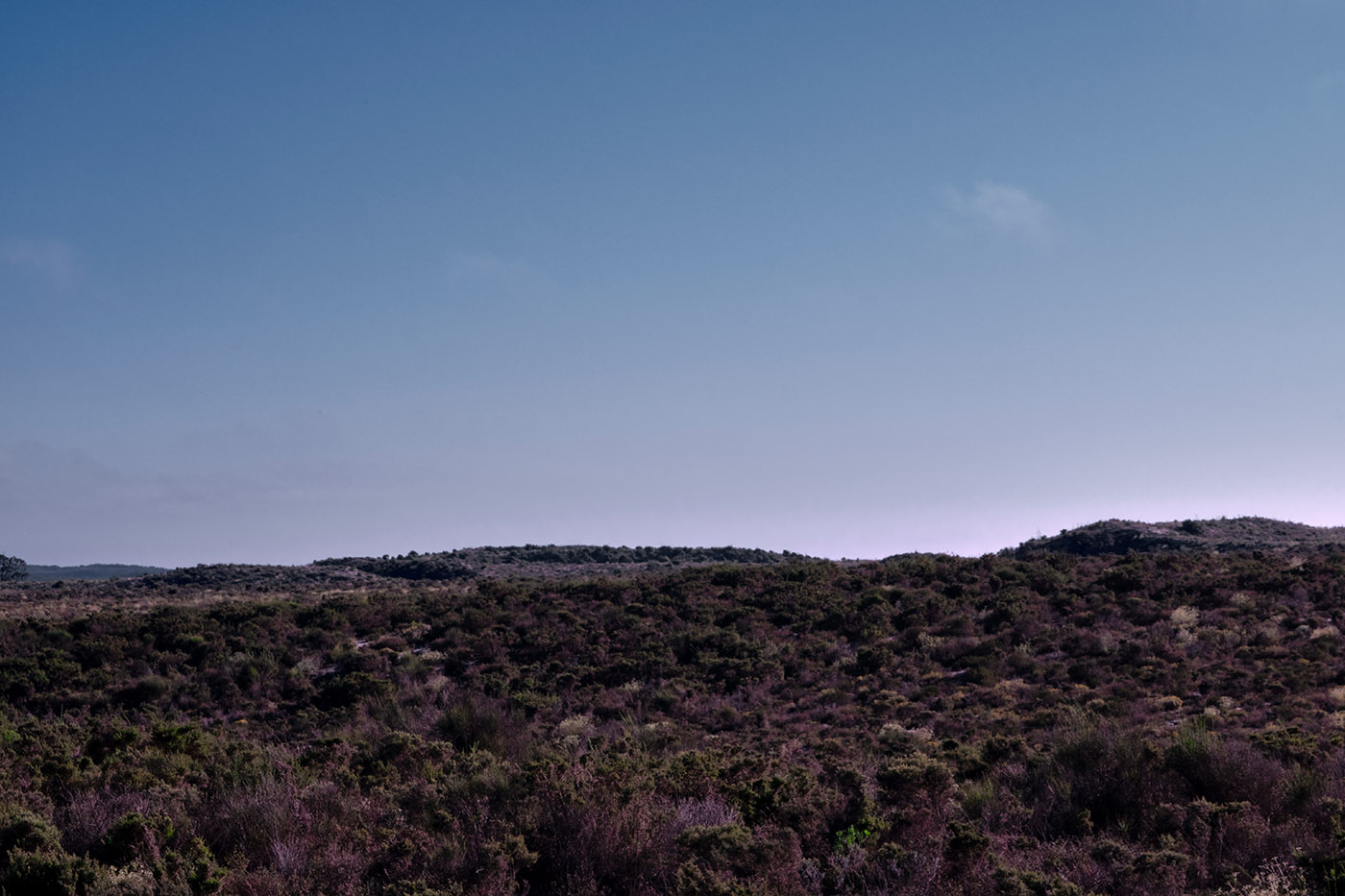
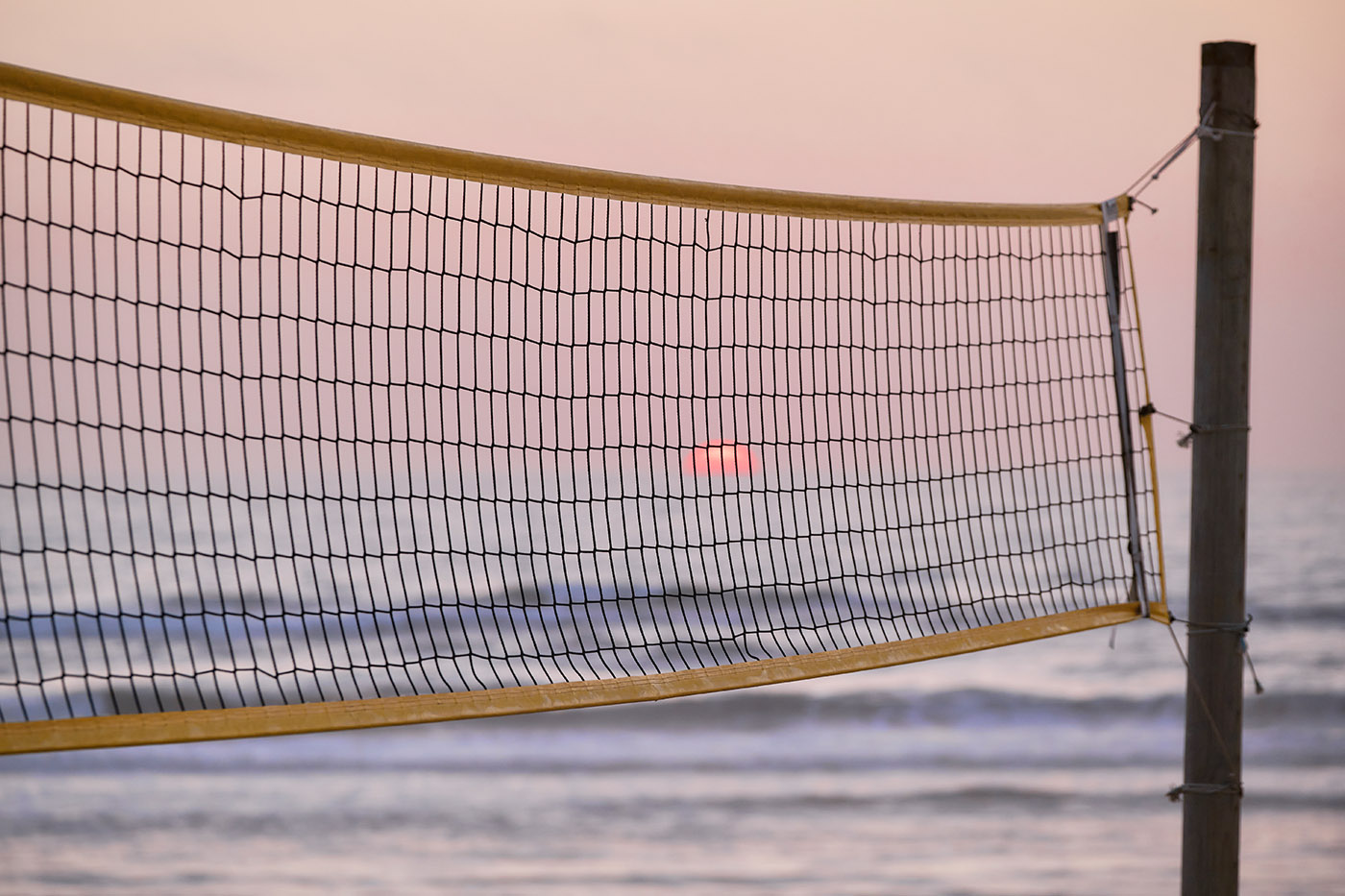
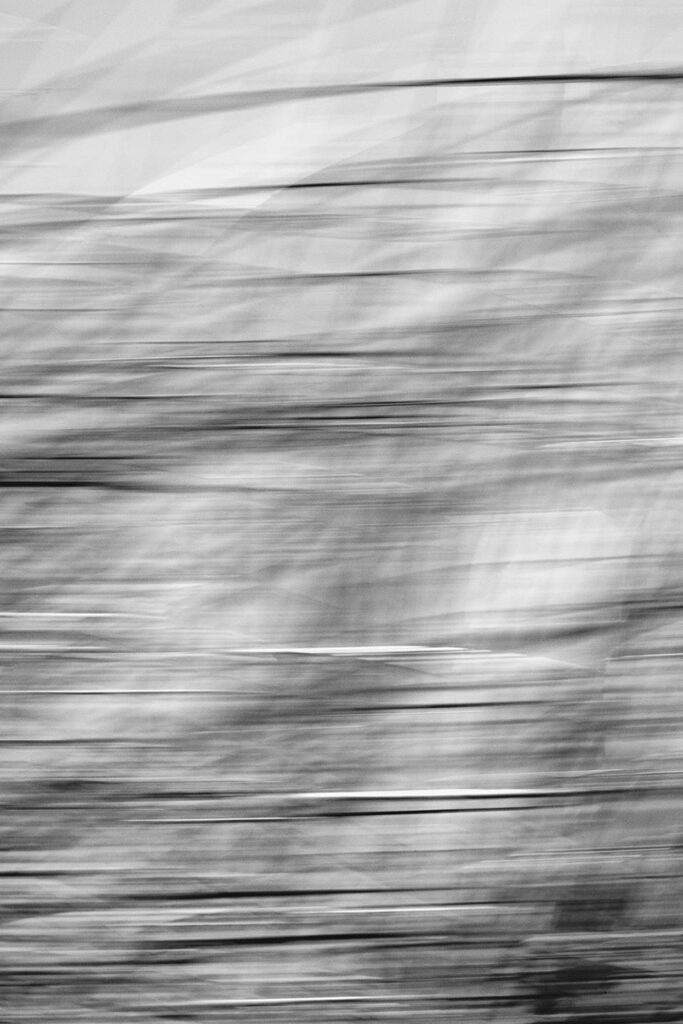
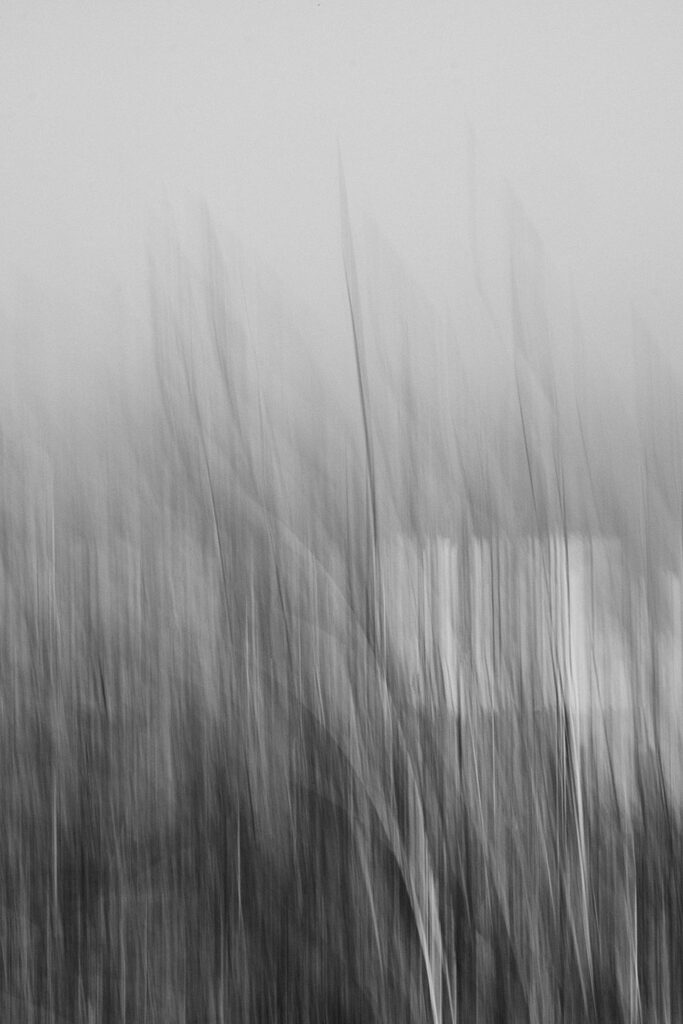
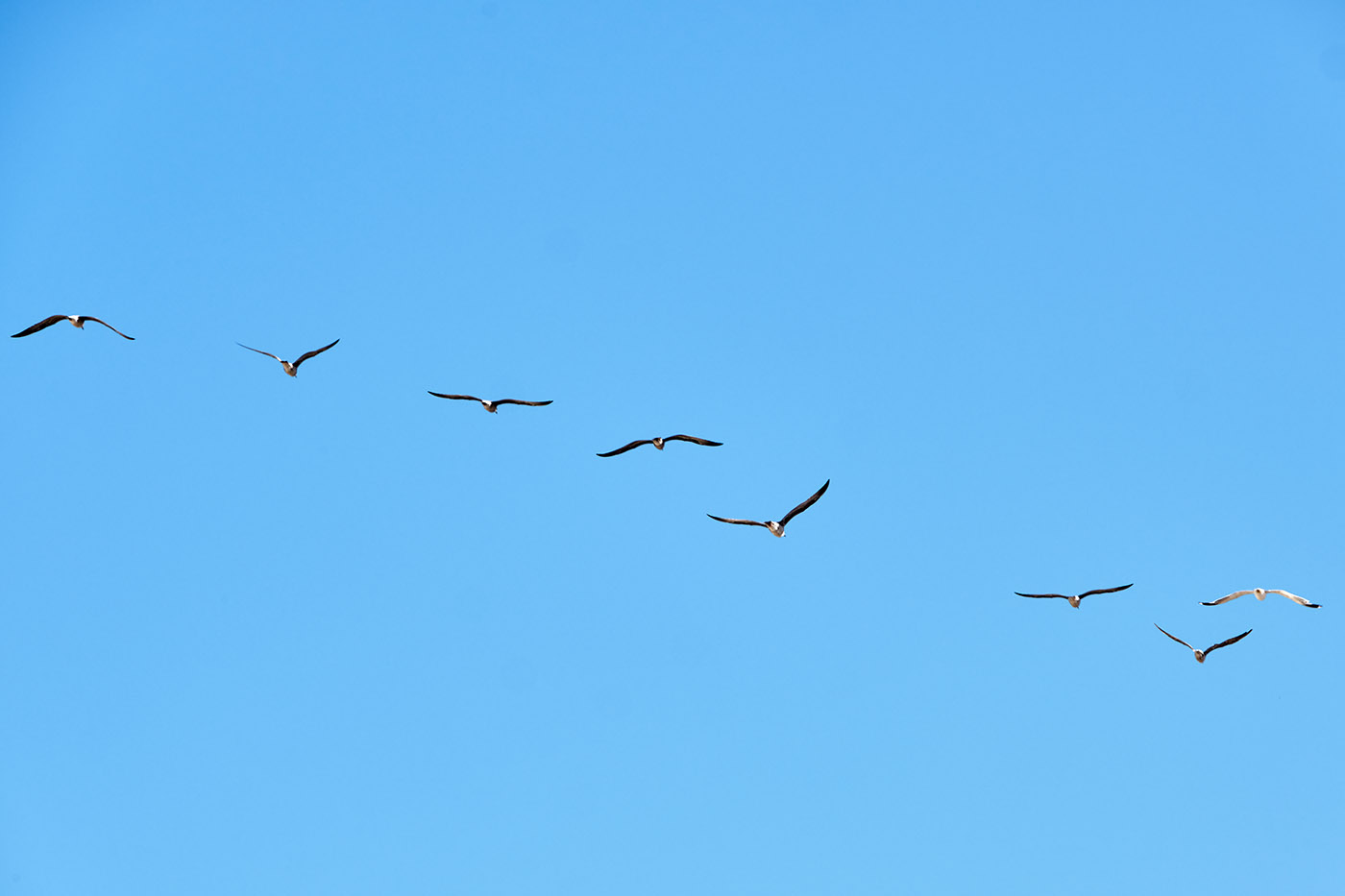
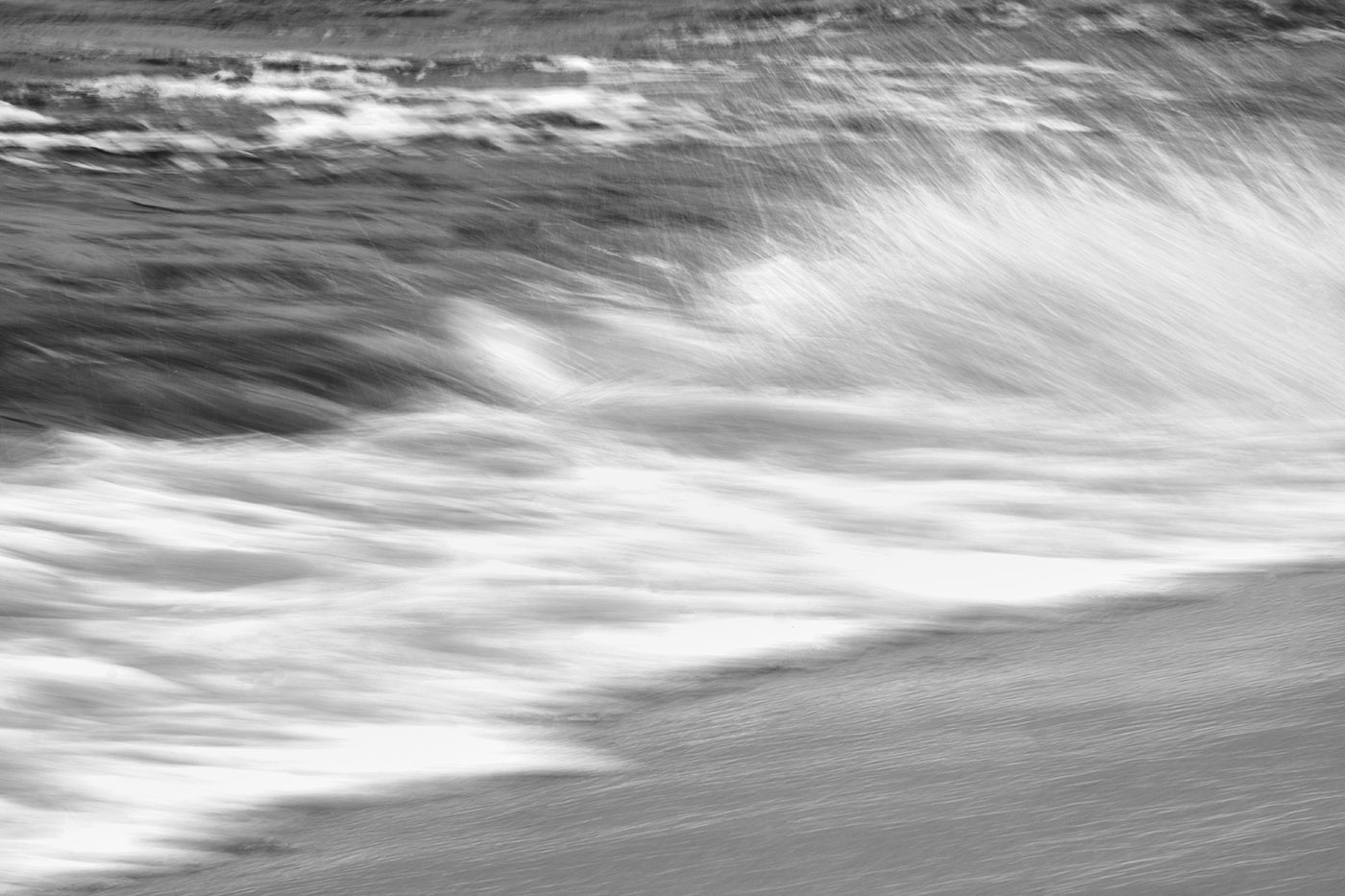
This photographic essay portrays dunes captured between Praia da Vieira and Praia do Pedrógão, in Leiria, through an artistic lens — reflecting on the fragility and ephemerality they embody. A graphic documentation where time inhabits each photograph, and with it, the diversity of the dunes in constant renewal. At times, confusing the viewer between photography and painting, yet always remaining photographic art. Thus opening spaces for observation and reflection.
Daniel godinho Fregoso
Dunes, a map of faith.
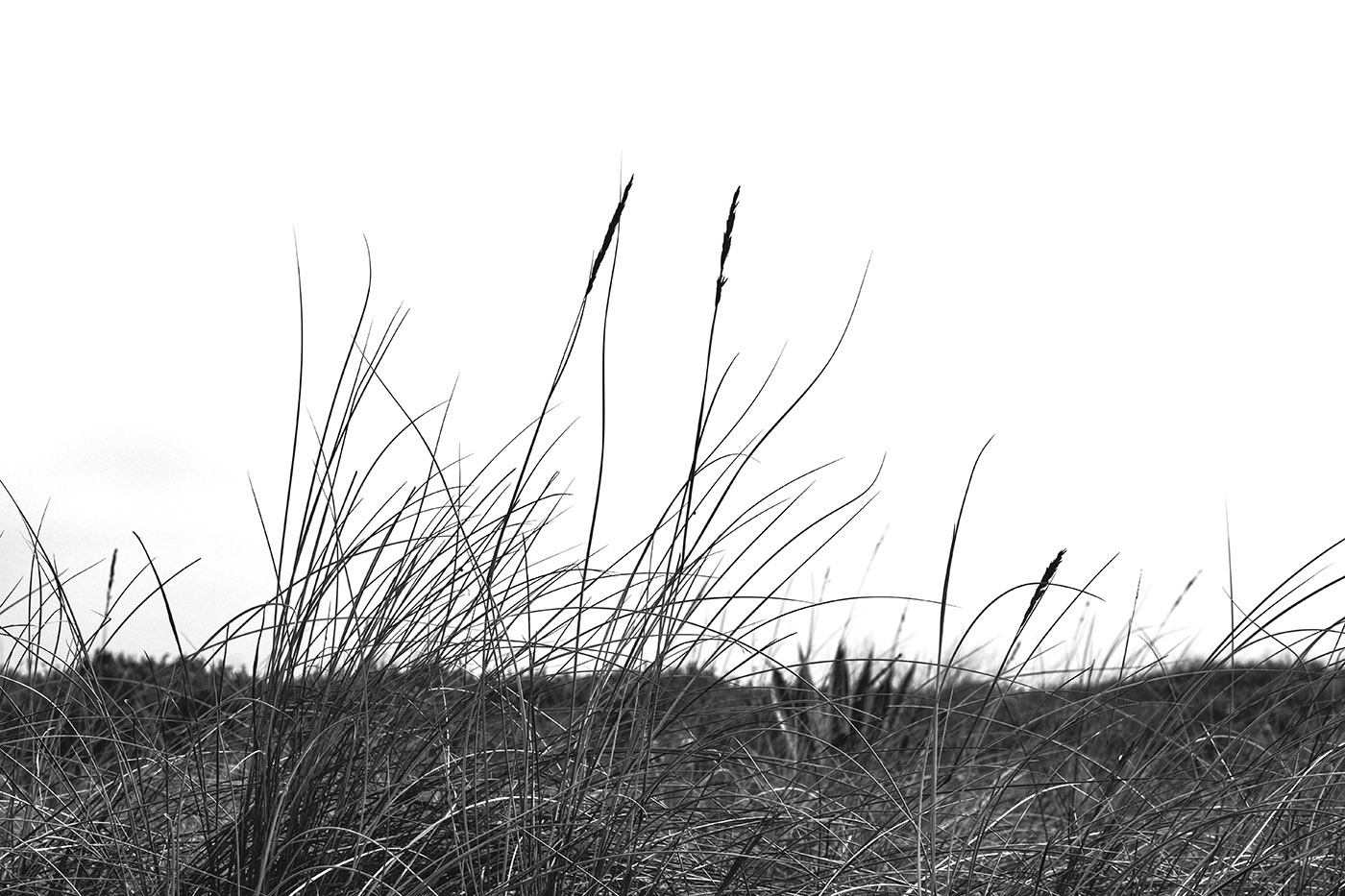
To boot…
Daniel Godinho Fragoso aka Black Magic Tea, photographer and storyteller
An artist born and based in Luxembourg with Portuguese origins, both his parents are from Portugal. His studio is located in the 1535° Creative Hub building in Differdange. Daniel uses photography as a medium, his stories involve movement and poetry, expanding across multiple genres, from studio photography to extensive commissioned photographic reports for magazines, newspapers, brands and art and culture.
@blackmagictea
www.blackmagictea.com
Please view more of Daniel on ZOOT here.