Duarte Melo — Catcher in the Rye
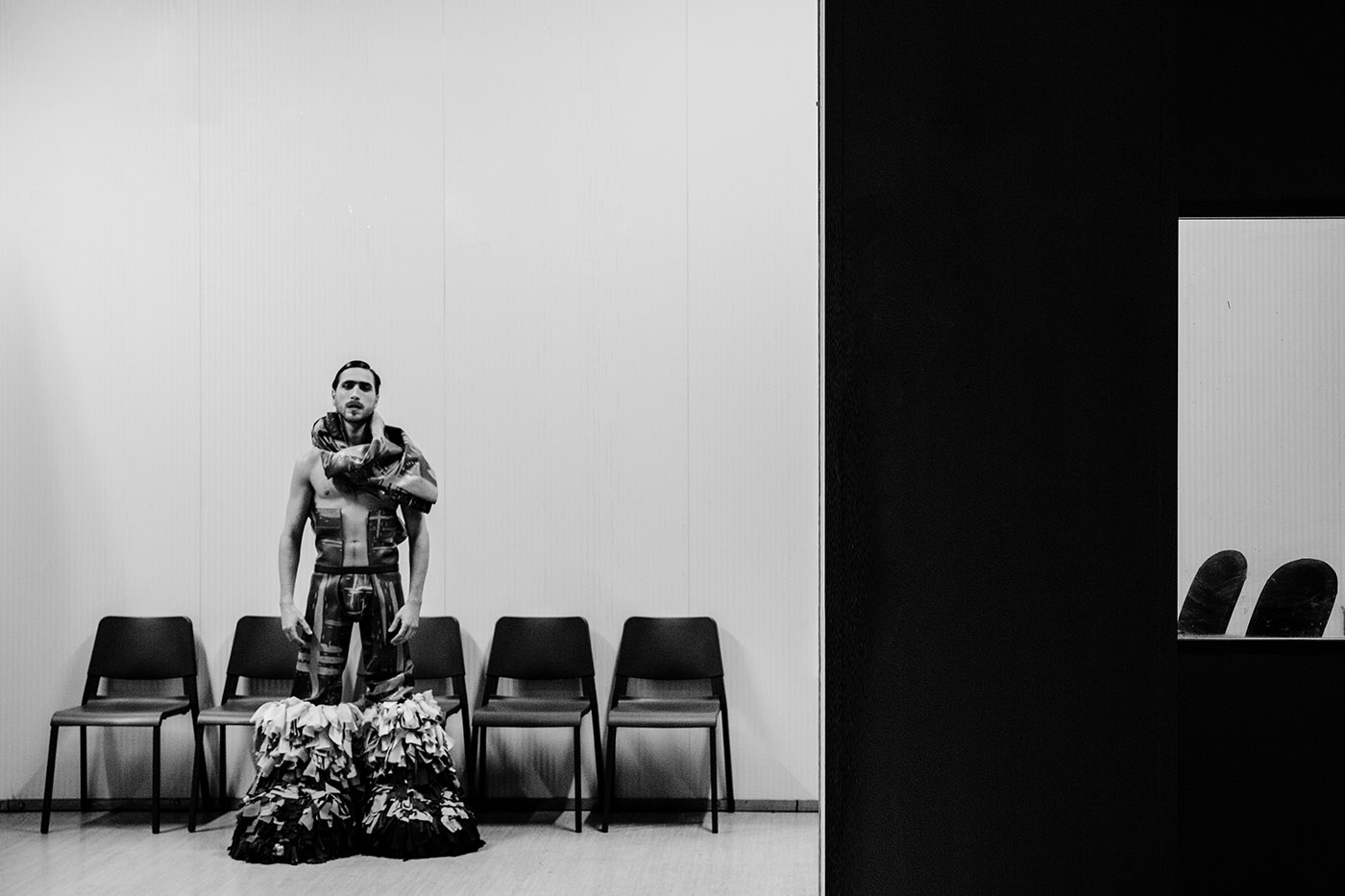
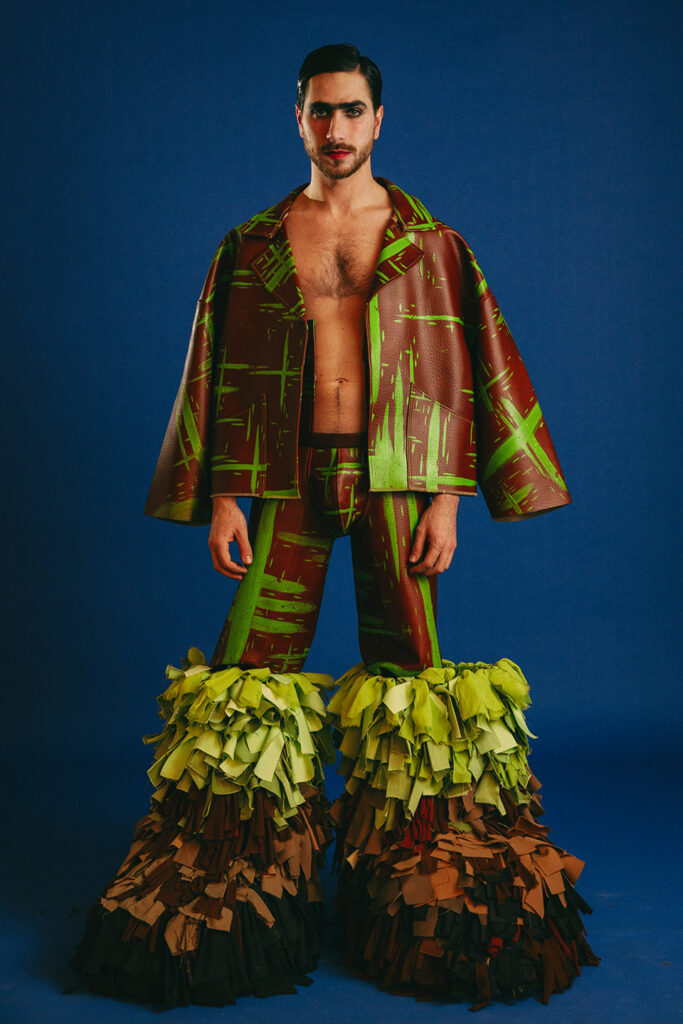
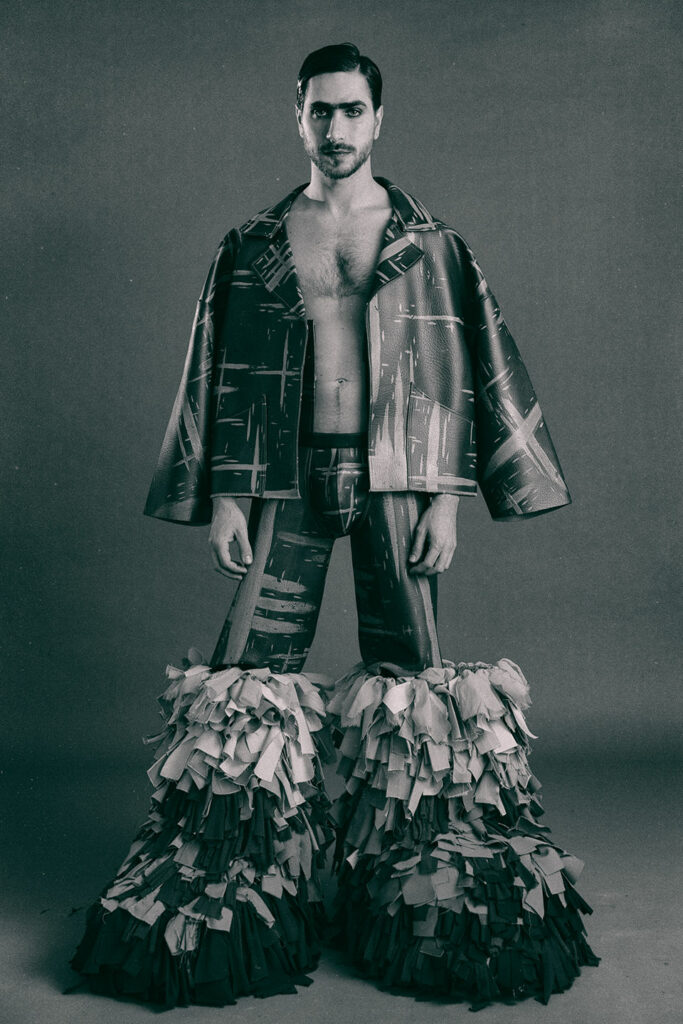
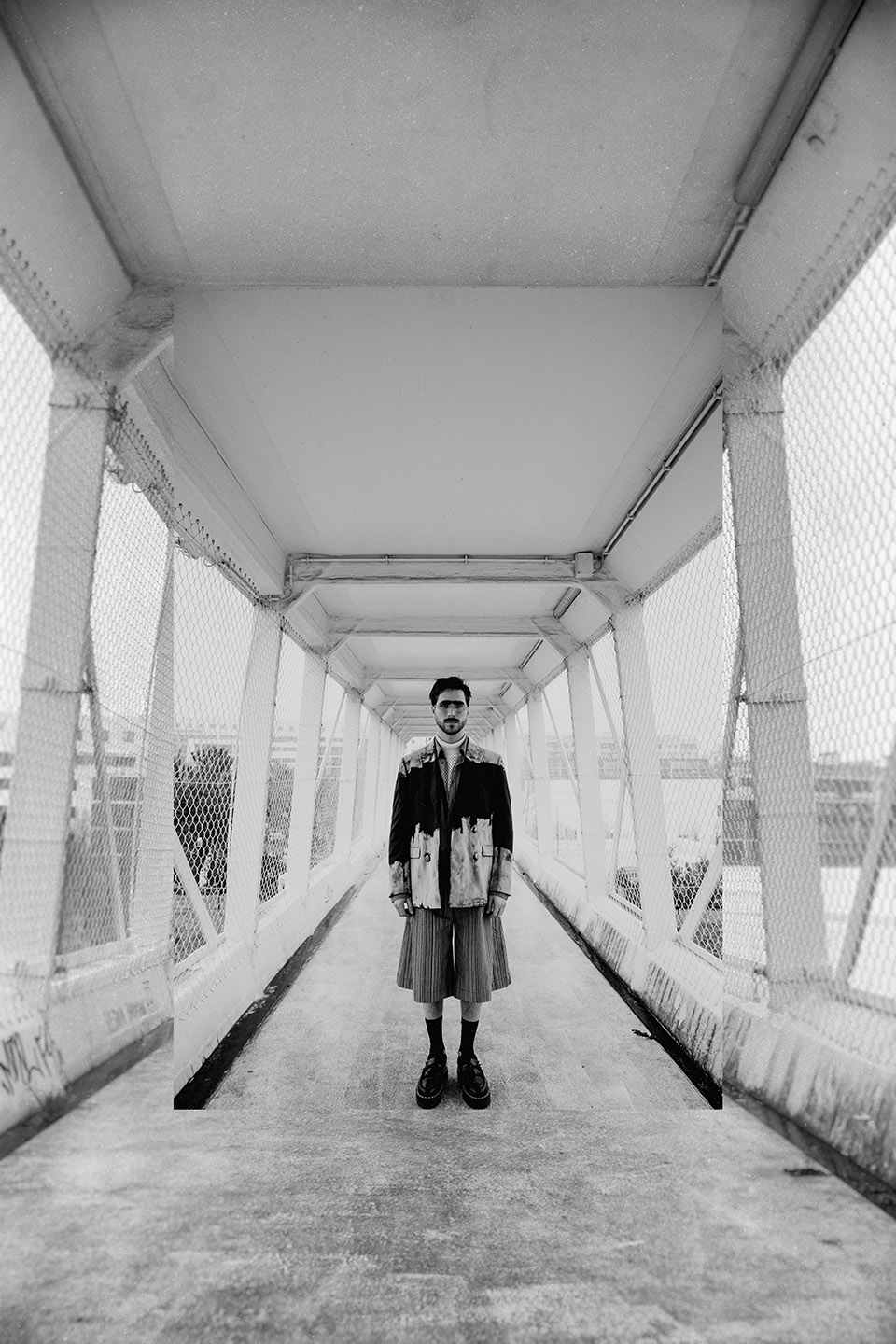
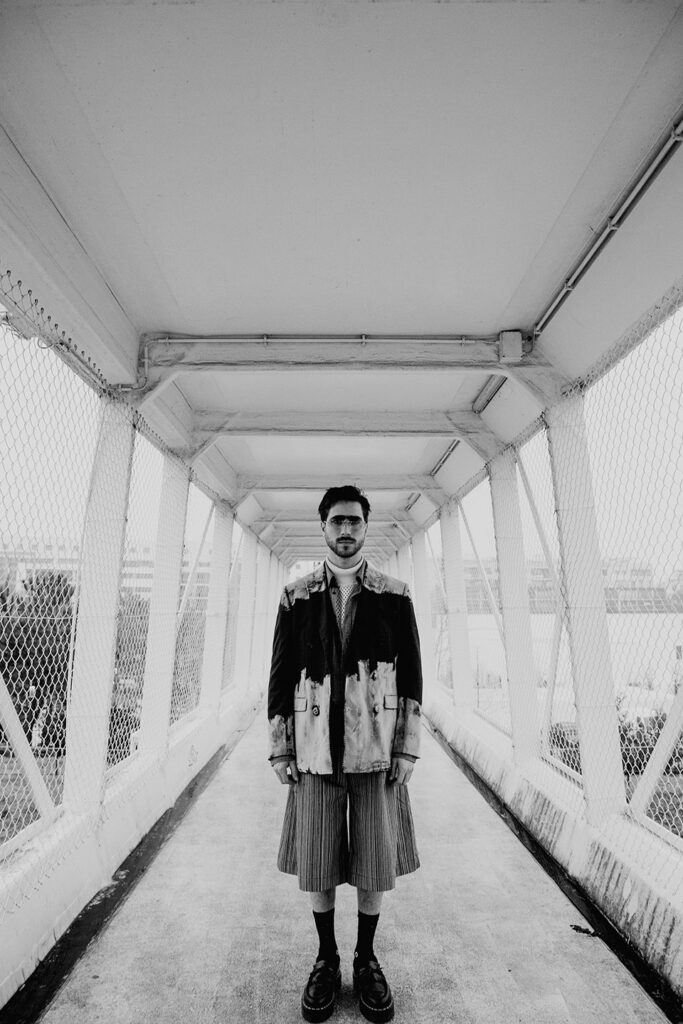
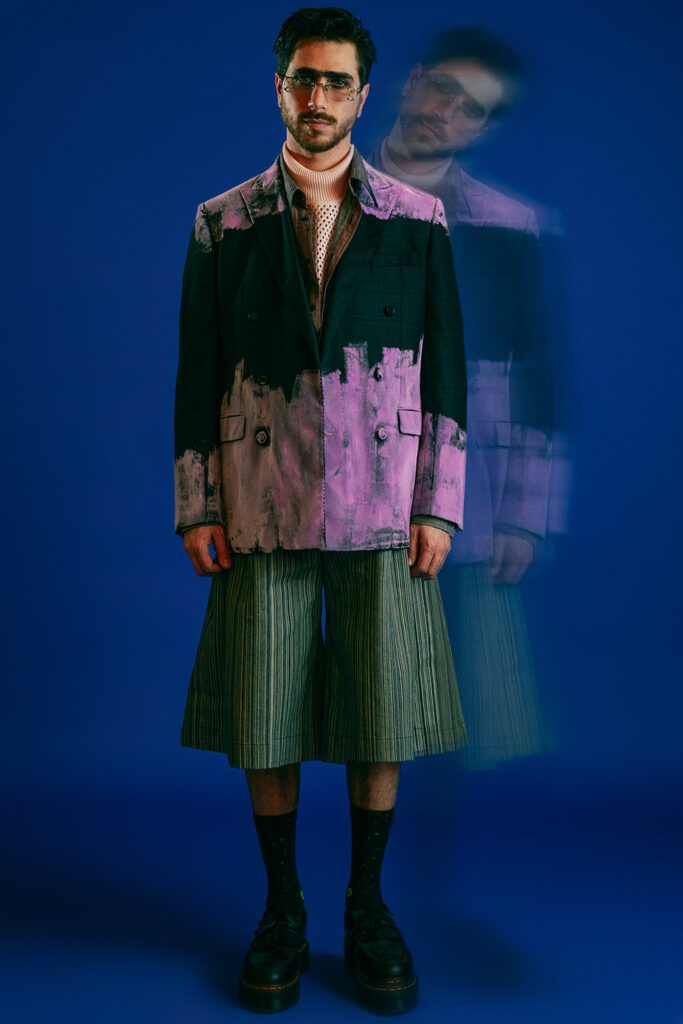
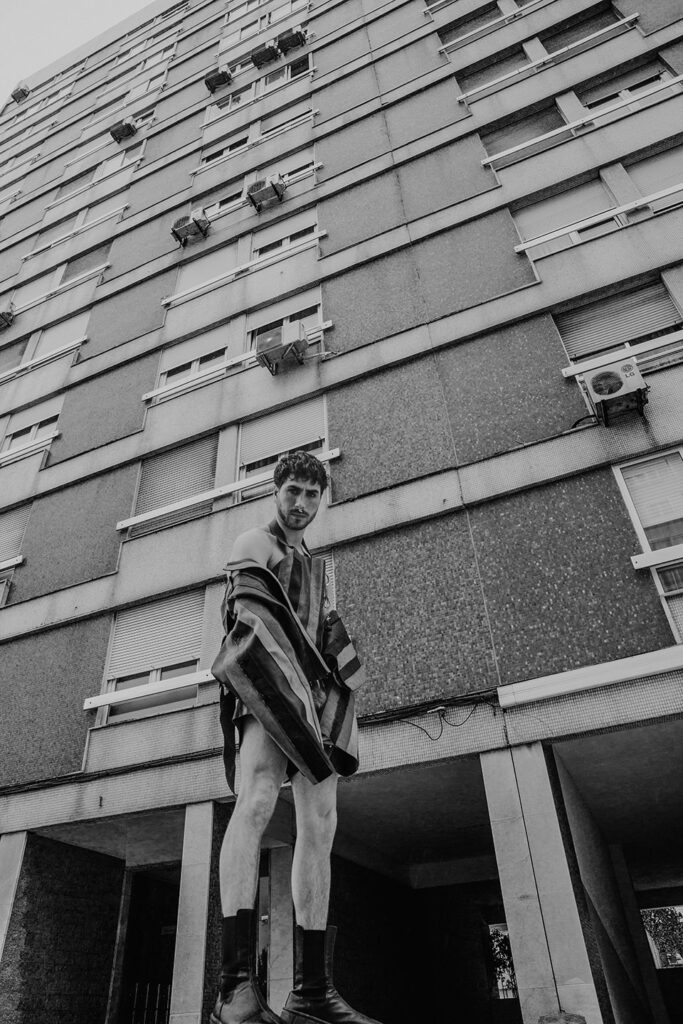
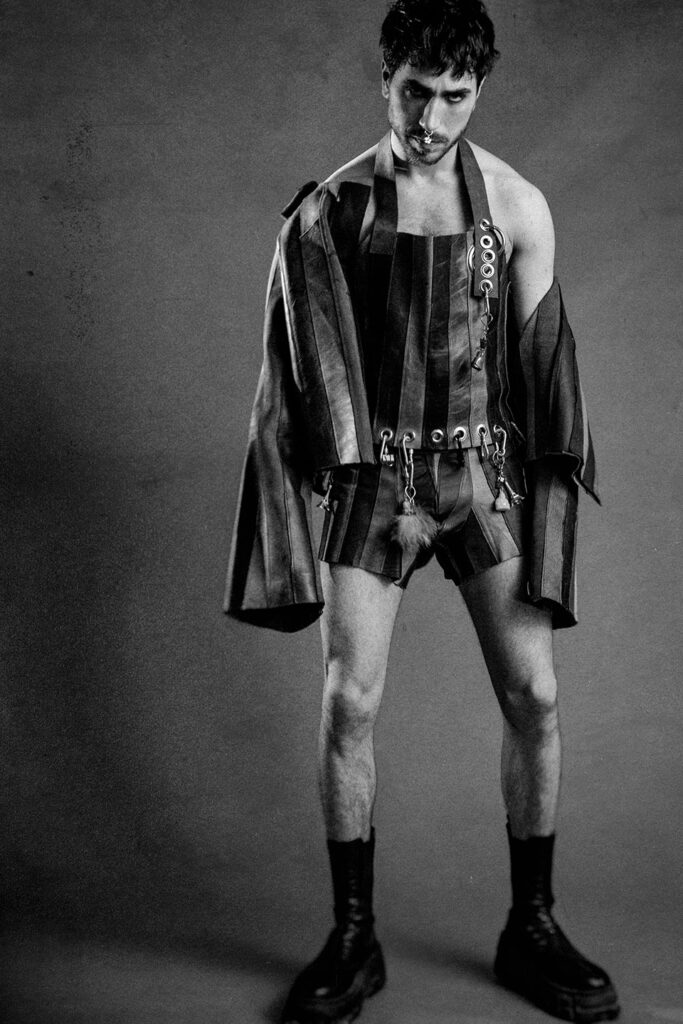
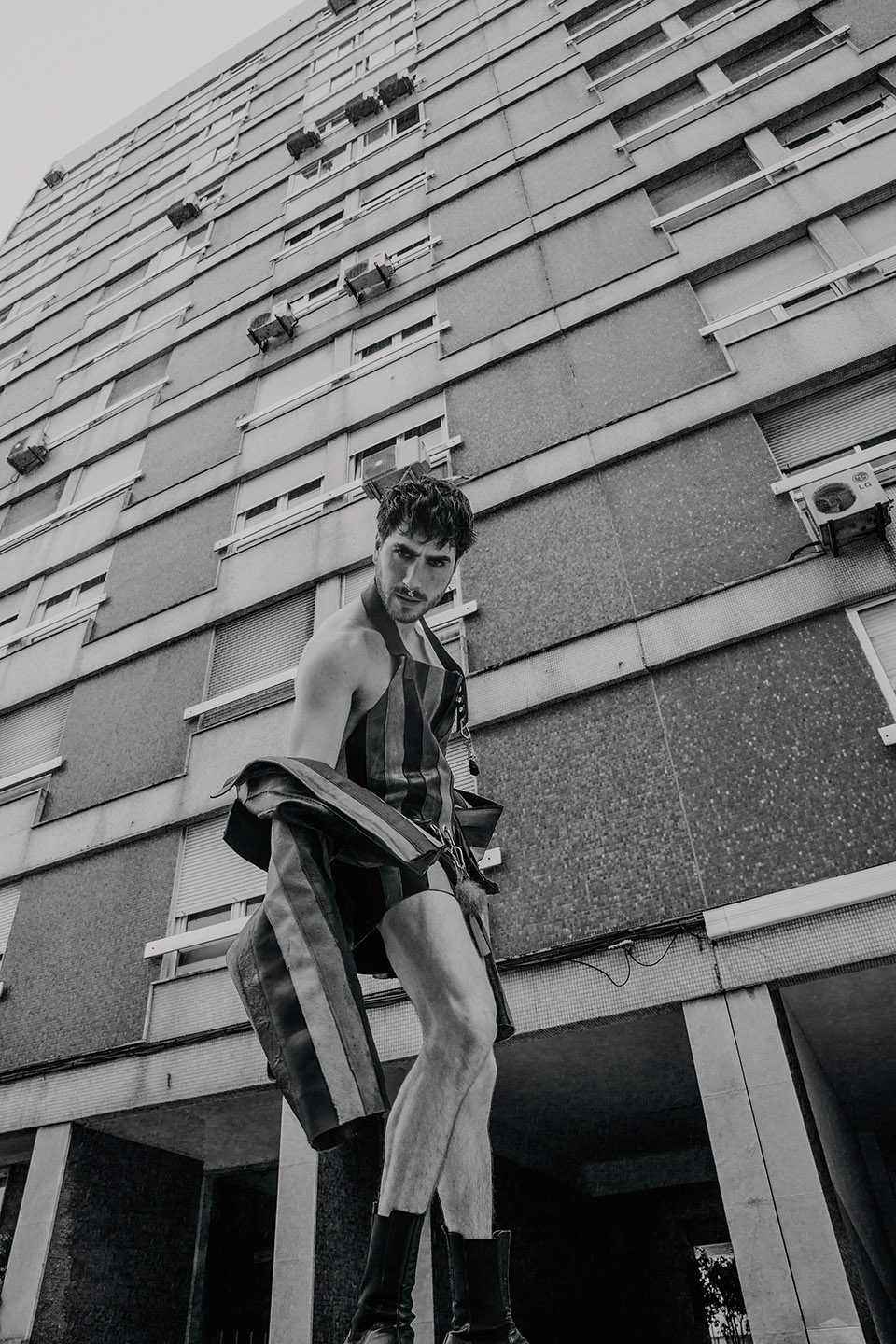
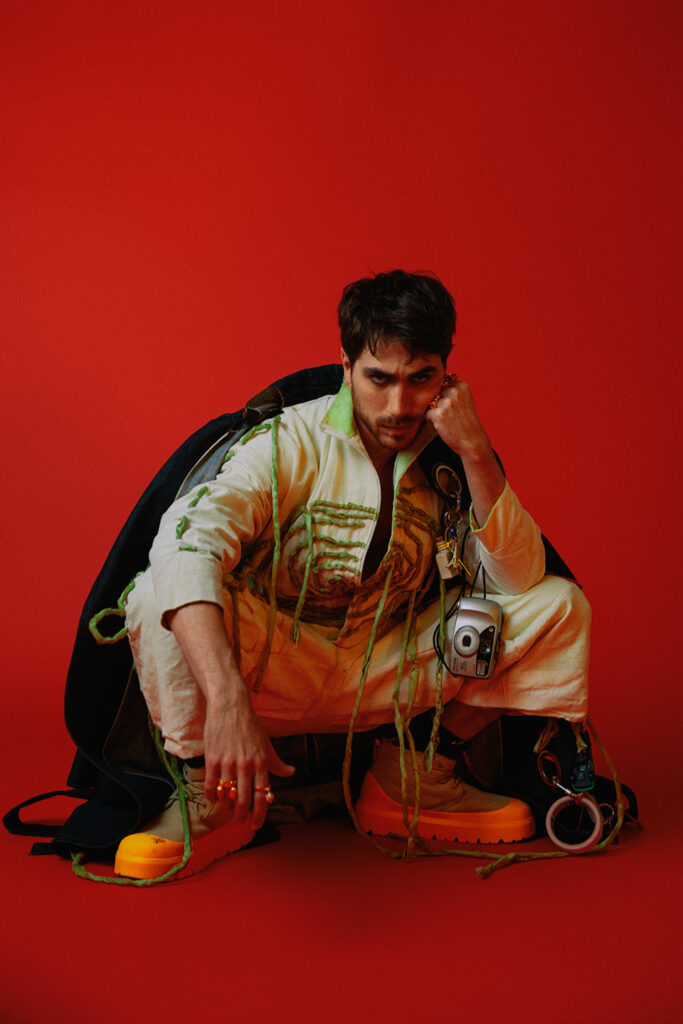
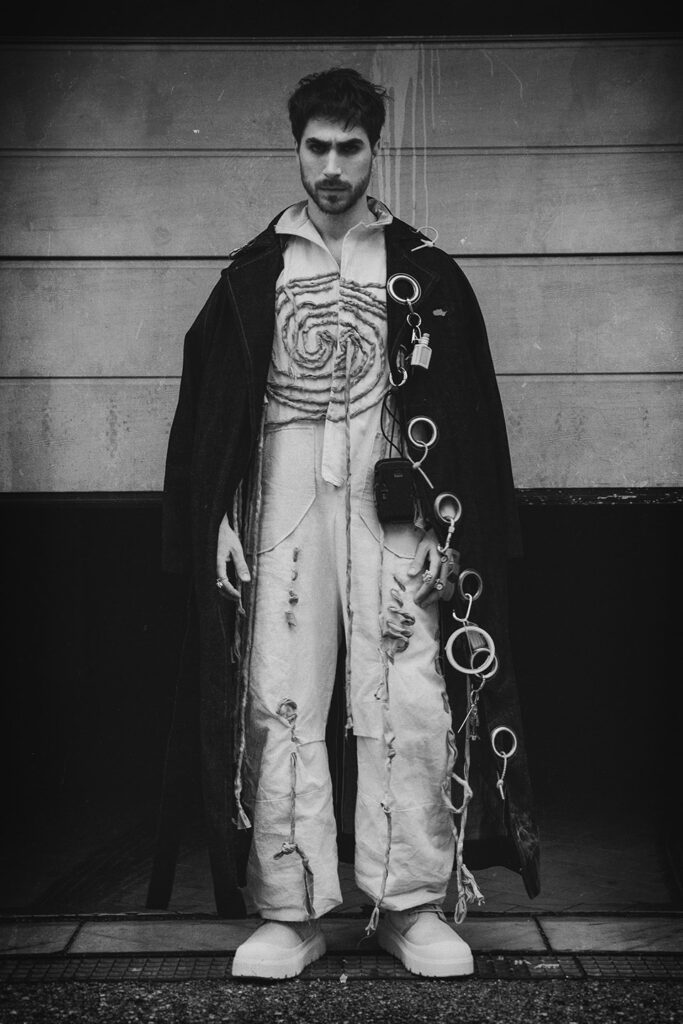
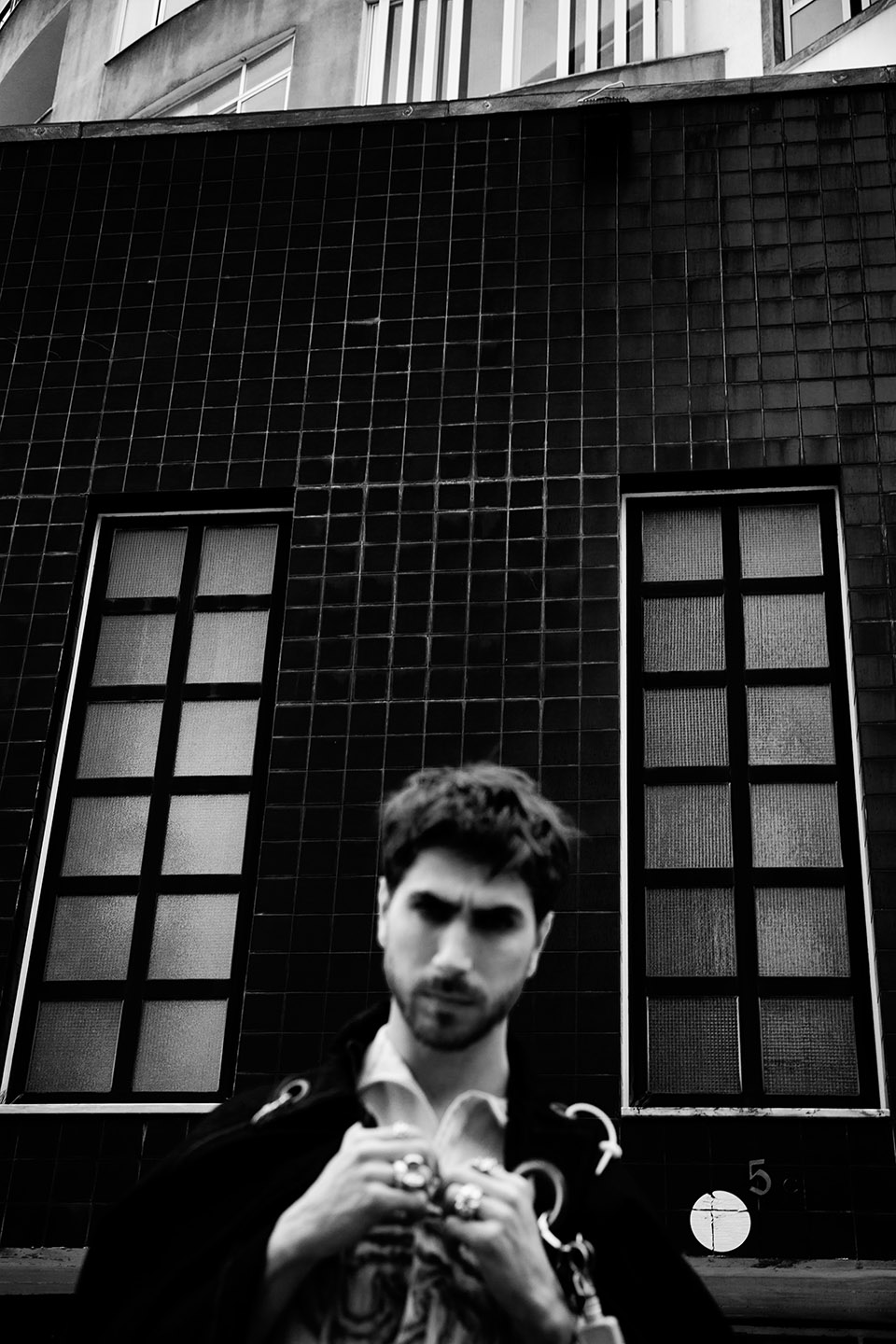
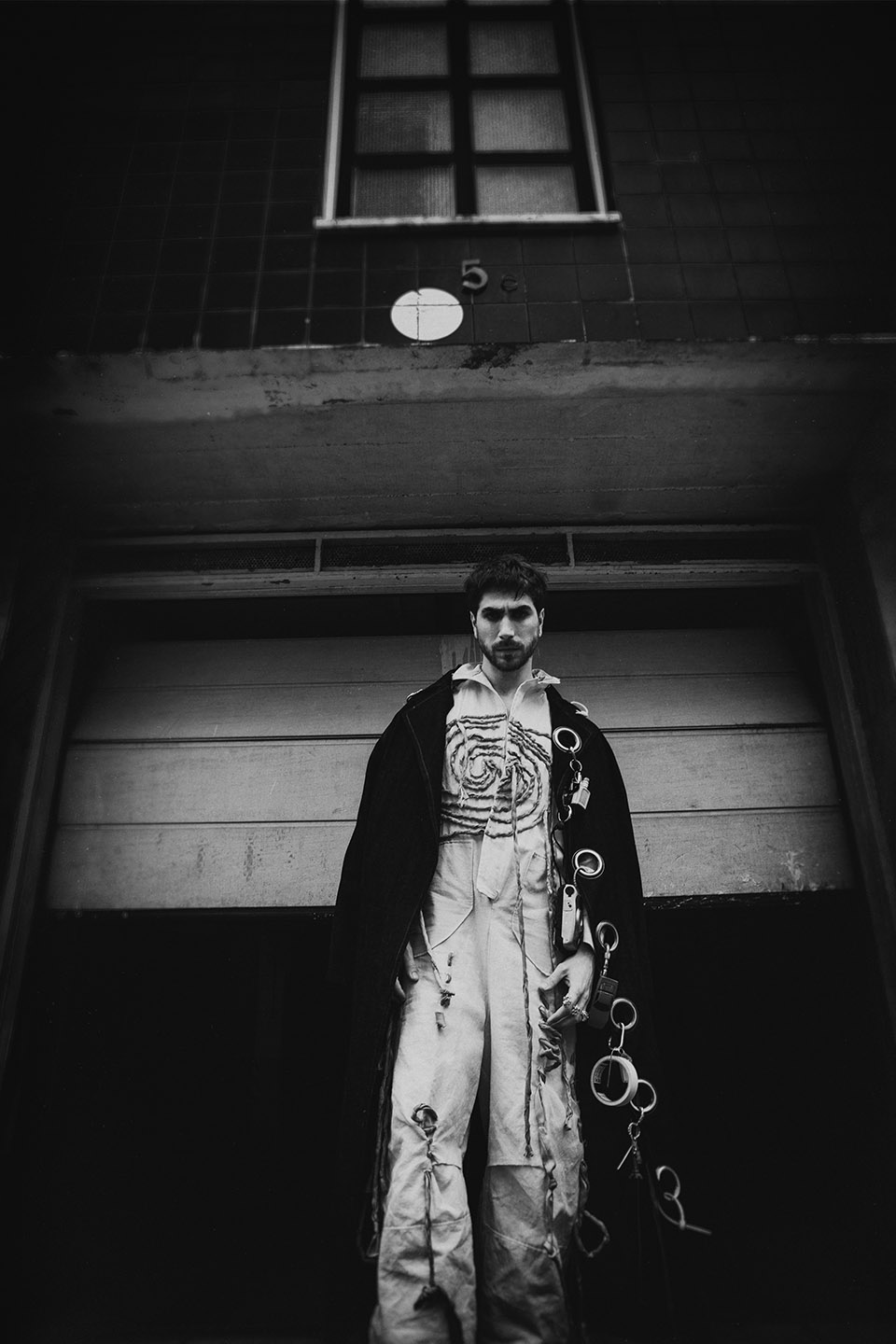
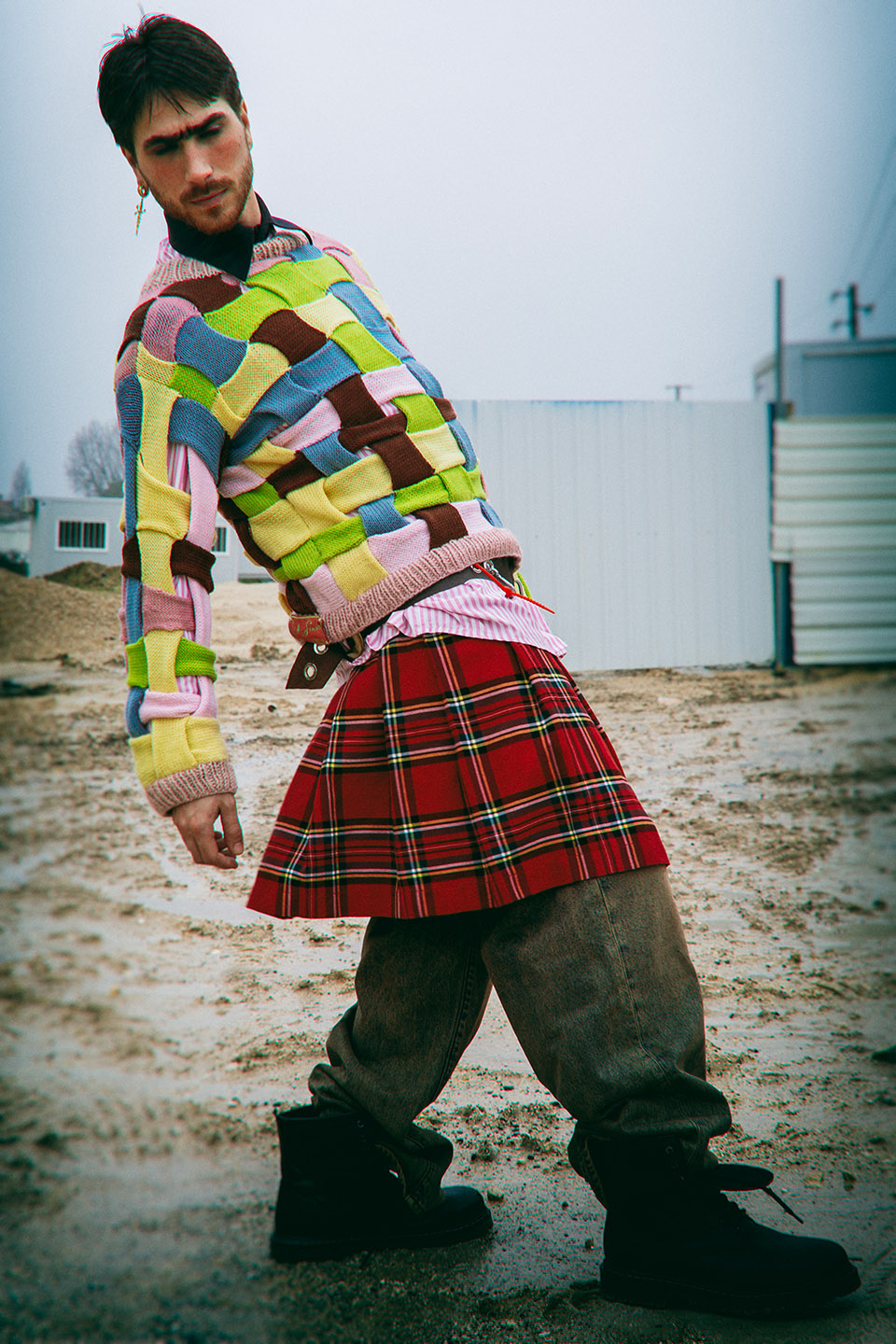
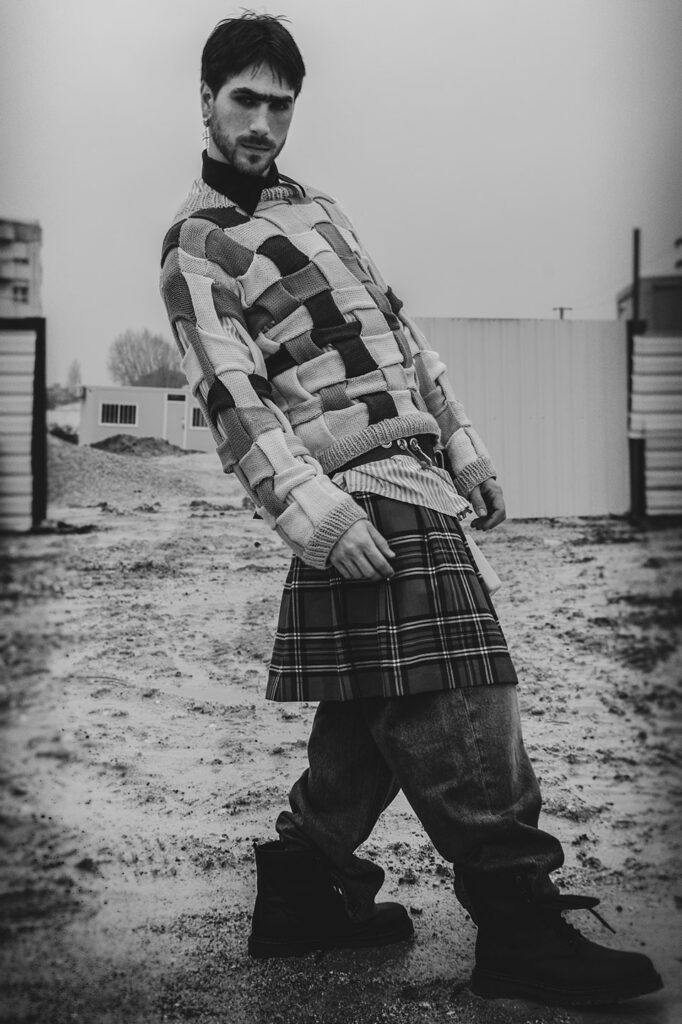
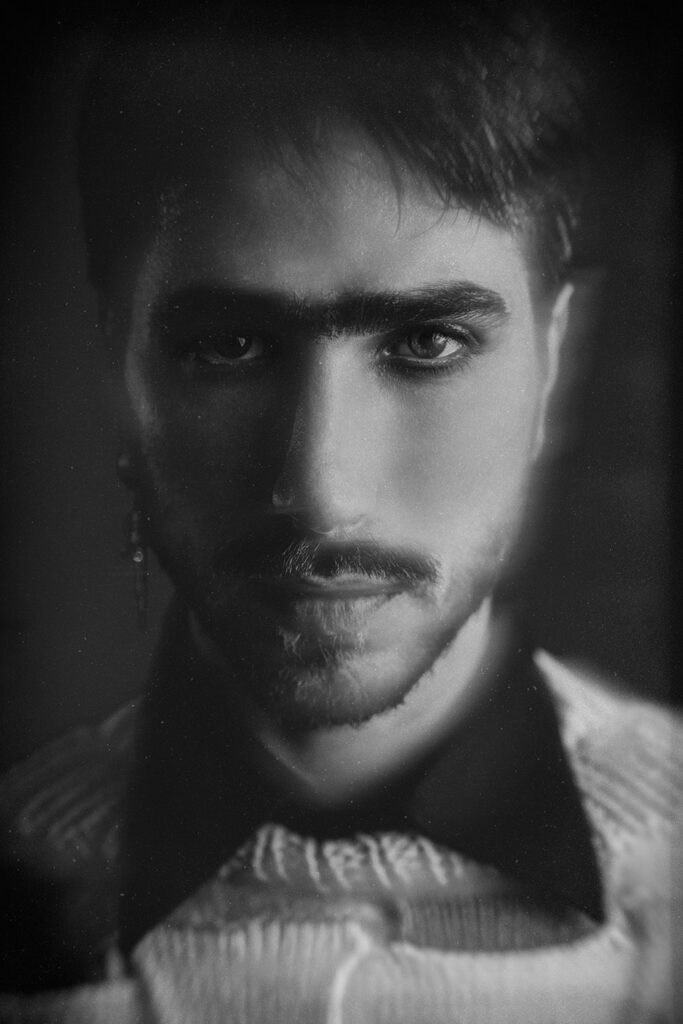
Portuguese actor and performer Duarte Melo channels a controlled rebellion—where discipline meets instinct, and innocence becomes a deliberate act of resistance.
Featured artist Duarte Melo
From Elite Lisbon
Creative direction João Telmo & Claudia Batalhão
Styling João Telmo
Assisted by Maria Ribeiro
Photography Claudia Batalhão
Beauty Antonia Rosa with Clarins Portugal
Assisted by Sacha Dorofyeyeva
Hair Paulo Vieira with Joico Portugal
Studio am : studio
Interview and words Maria Ribeiro
Special thanks at Daniela Abranches
Duarte Melo doesn’t perform rebellion in obvious ways. There’s structure in him—preppy, articulate, precise—but it’s constantly being undone. Through movement, he shifts shape into something softer, stranger, harder to define. Not escape, but transformation.
Framed through The Catcher in the Rye (1951) by J. D. Salinger, this story resists nostalgia. It sits in tension—between control and impulse, identity and performance. Like Holden Caulfield, Duarte rejects surface. What emerges is physical, instinctive, unresolved.
“I am about to turn 30 but I still carry the same dreams I had when I was fifteen,” he says. “And I do what I do so I can keep playing—and through that, keep discovering myself, and the world.”
ZOOT: Did you always want to be an actor, or did you imagine a different life at first? If you had taken that other path, what do you think your daily life would look like?
Duarte Melo: No, the path built itself over time. I’ve always liked observing people, creating objects from whatever I had, inventing parallel realities. Imagining myself living other lives. I remember knocking on my neighbors’ doors and asking them to come to the window to watch the show I had prepared—this when I was ten. But I also remember not knowing what I wanted to be when I grew up. Being an actor wasn’t in the plans. That desire solidified step by step. If I weren’t an actor, I’d probably work in communication or within this field, but as a stage director or filmmaker.
ZOOT: Growing up, what kind of contact did you have with art and culture, and what do you think pulled you into this world?
Duarte Melo: Although my parents are scientists—both biologists—they’ve always been interested in literature, cinema, and theatre. In a very concrete way, they encouraged in me the importance of culture in shaping us as human beings. They enrolled me in a youth theatre course near our home—Teatro Papa-Léguas. What pushed me further, beyond my first professional experience working with São José Lapa when I was twelve, and doing voice dubbing for cartoons, was my mother. She encouraged me to apply to the Escola Profissional de Teatro de Cascais. It was there that I realized I might want to make this my life.
ZOOT: Was there a moment when acting stopped being “performance” and became something more essential—almost necessary?
Duarte Melo: It was a gradual process of becoming aware. Maybe in 2017, when I interned at Teatro Nacional D. Maria II, I understood the real importance this had in my life, how much I would depend on it. And in 2023, when I went to London to work, I realized things had changed to a point where it was hard to go back.
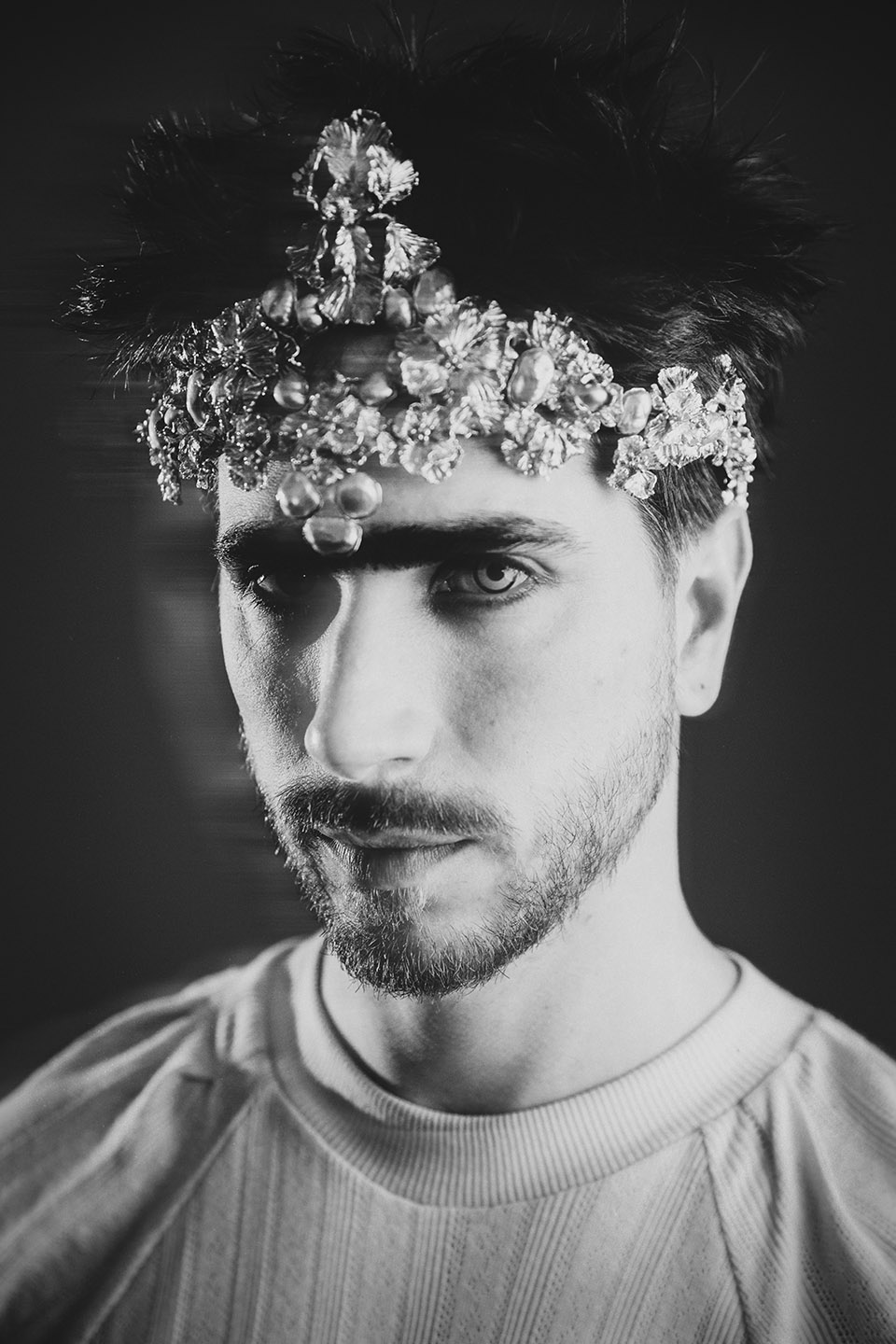
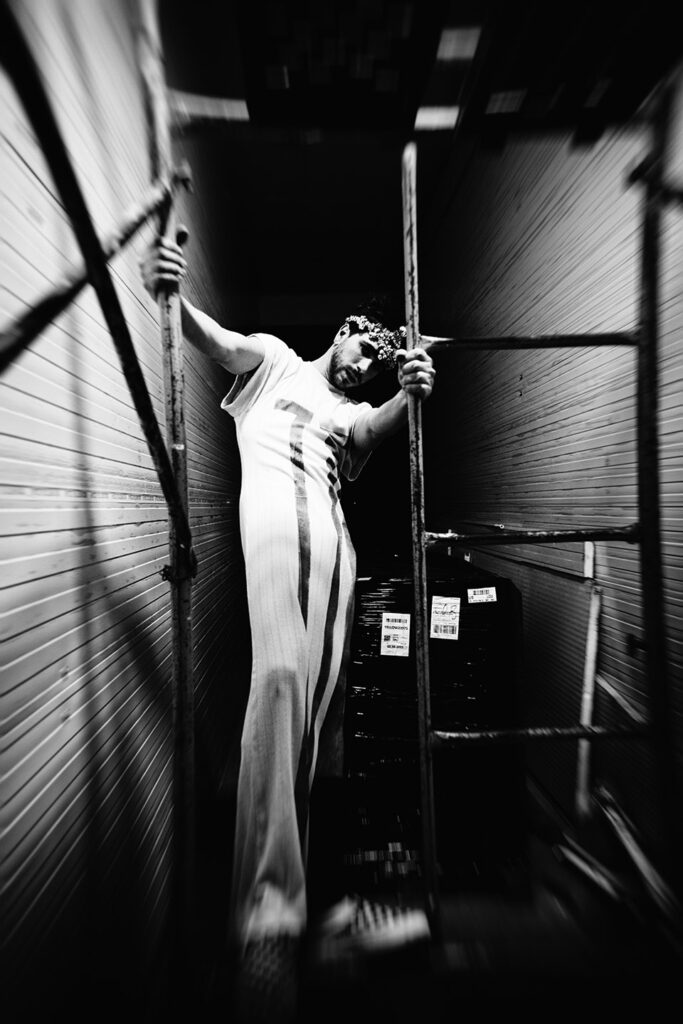
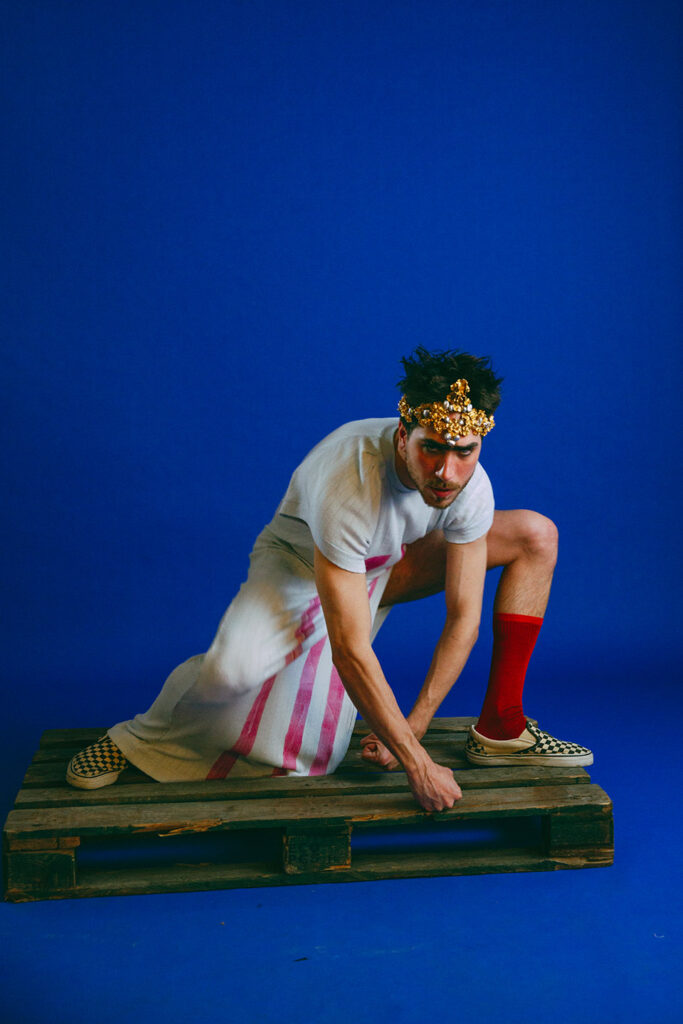
ZOOT: You’ve mentioned references like Jean Genet, Pina Bausch, Nietzsche, Bertolt Brecht and many other poets. What do you borrow from them that stays invisible, but lives in your work?
Duarte Melo: I think everyone I’ve worked with, all my references—even the songs I’ve listened to or the paintings I’ve seen—have left a mark that is perhaps reflected invisibly in my work. I’m made of all those fragments, those memories. Jean Genet was the first text I performed, Deathwatch, which pierced me with a depth I had never experienced before. Friedrich Nietzsche marked me profoundly with Thus Spoke Zarathustra, to the point that I based my first solo show—currently in development—on it. Pina Bausch was crucial in my exploration and deconstruction of the idea of dance and movement. When I was studying, I used to say I was a “sponge,” absorbing everything I could. I think that has stayed with me.
ZOOT: When you receive a role, where do you begin?
Duarte Melo: I begin by reading the script—always reading what it says. From there, I navigate with it and through it.
ZOOT: You’ve worked across cinema, television, and theatre. What does each medium give you that the others can’t? And what does each demand from you?
Duarte Melo: Cinema focuses on detail, subtlety, glances—what isn’t said—the micro. Everything seems exaggerated if it’s not calculated; the lens is right on top of you. Theatre needs expressiveness; it goes to the macro, to the whole body, to form. Both go to the core, in different ways. Television has a daily consistency, a process of discovering the character over time, whereas in cinema and theatre you study the character beforehand. Television demands daily agility, immediacy. All of them demand a lot from us, just in different ways.
ZOOT: You were the first Portuguese actor to work with Marina Abramović. How did that collaboration happen and what did you learn from being inside her method?
Duarte Melo: A friend sent me the audition—open worldwide—and I decided to apply. I had seen her retrospective at Museum of Modern Art in 2010, and even though I was only ten and didn’t fully understand it, it impacted me deeply. It was the first time I saw naked bodies presented that way. I made it to the second phase, went to London, and was eventually selected. The process was harsh and demanding, but rewarding. We had to immerse ourselves in a six-day process without eating or speaking. It changed me as a person and as an artist—there was no other possible outcome.
ZOOT: In Imponderabilia, the audience has to decide how to pass between two naked bodies. What did you notice about how people react?
Duarte Melo: That piece was the most fascinating to perform, even though it was the hardest. One day I had to stop because I had been stepped on so badly that I was bleeding. Reactions were all different. Some people were comfortable passing through; others were visibly uncomfortable; some didn’t have the courage to pass at all. Many would verbalize things as they crossed between our bodies. We could feel each person’s energy as they moved through. It was almost possible to sense their state, their past.
ZOOT: Did that collaboration change your relationship with the body, both as a performer and as a human being?
Duarte Melo: Without a doubt. It connected me more deeply to the body’s presence, to sensitivity through listening and feeling. It taught me to stop, to annihilate the restless energy that characterizes me, in order to simply be fully present. It forced me to find resources I didn’t even know I had. It was an important research process into the body and its most subtle possibilities.
ZOOT: Portugal has recently faced a sequence of severe storms, putting people at risk and pressuring emergency response. What does that reveal to you about preparedness—and about who is most exposed when systems are stretched?
Duarte Melo: When these kinds of situations happen—and many others—the most vulnerable groups are the most affected, the least protected. We have a system corrupted by corruption, where the wealthiest manage to save themselves and the poorest, or those with fewer means to defend themselves, are left behind. Portugal is not prepared for this kind of natural disaster. It seems we’ve learned nothing from the 1755 earthquake or the 1967 floods.
ZOOT: On a human level, what do these storms reveal about community in Portugal—who shows up, who disappears, and what we learn about each other under pressure?
Duarte Melo: In these situations, the typical Portuguese expression often applies: every person for themselves. But recently, perhaps due to the rise of the far right, there’s been a sense of urgency around love and unity against a failing system. Communities have come together, creating networks of mutual aid and protection for those in vulnerable situations. It was moving to witness the mobilization to help people in Leiria and Alcácer do Sal during these unusual storms over the past month.
ZOOT: Do you feel social media has changed the industry itself—casting, branding, the pressure to be “content”? Do you think that visibility is confused with value?
Duarte Melo: Without a doubt. Social media has transformed the industry, for better and for worse. It created more platforms for work, exposure, and promotion. It became a source of income. But it also created confusion—where talent and personal value stopped being the priority, replaced by numbers and followers. Unfortunately, that has gained importance and is now a reality in casting decisions for certain projects. Not in all sectors, fortunately. More in television, where everything has to be monetized. Thankfully, theatre and performance remain relatively untouched.
ZOOT: How do you perceive the value of arts and culture for society? If you could choose three priorities for public cultural policy in Portugal, what would they be?
Duarte Melo: The top priority, without a doubt, is increasing the percentage of the state budget allocated to arts and culture in Portugal. The amount designated for culture is ridiculously low—it almost feels like a joke. It’s as if a country that has always anchored itself in culture, and has such a vast and rich one, fails to recognize its real value. And fails to recognize its importance in shaping an empathetic and just society.
ZOOT: What drew you to your latest theatre project, Brokeback Mountain, at Teatro da Trindade, and what kind of experience do you want the audience to leave with?
Duarte Melo: Speaking of empathy, that’s one of the messages I hope audiences take home. The power of recognizing and accepting the other as different from ourselves, without trying to mold them in our image, without trying to castrate them. This show is, above all, about that. And about love, of course. It’s not about an impossible love—it’s about a possible one that is forbidden, and that’s even crueler. This story was, and continues to be, important—especially now, in this moment of regression in Portugal and around the world, in basic societal rights, with the rise of fascism. It is never too much to address homosexuality on major stages in Lisbon. It is never too much to speak about these themes. Working with Daniel Gorjão has been an incredible experience—it’s always one of the best journeys. And this one, without a doubt, I will carry with me for life.
Thank you Duarte!
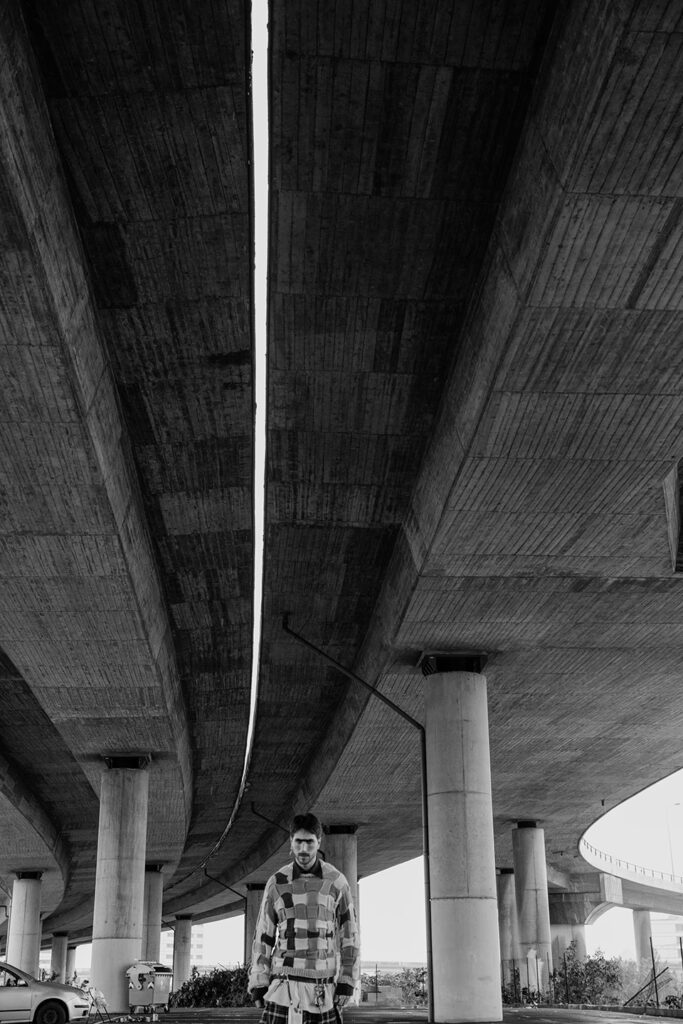
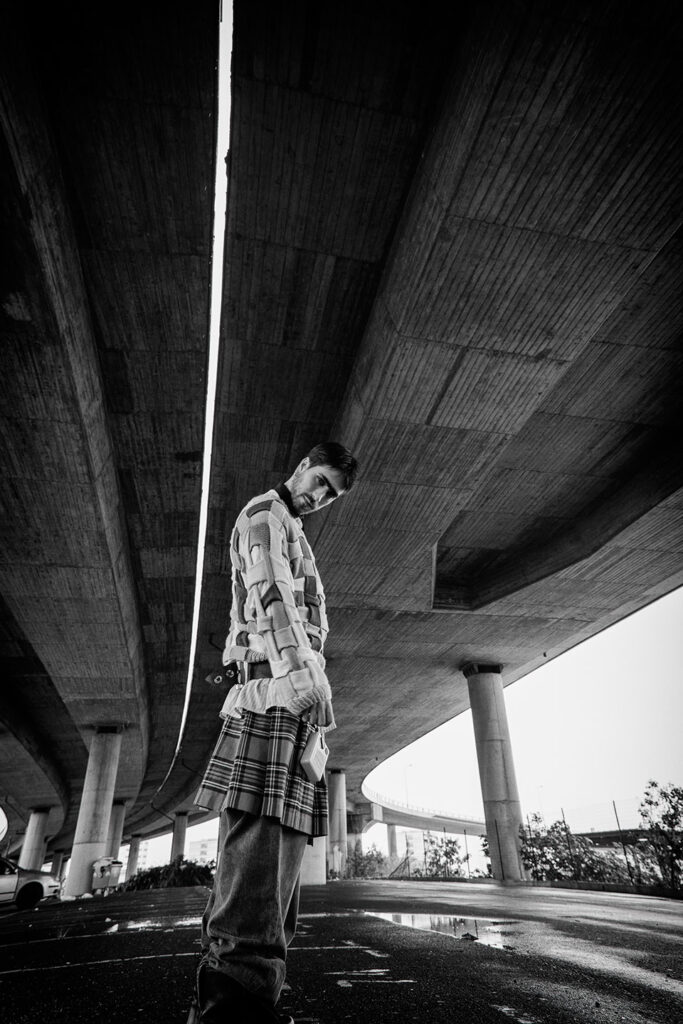
FASHION REFERENCES
ALVES GONÇALVES @m.alves.goncalves
ARIANA ORRICO @arianaorrico
BEATRIZ JARDINHA @beatrizjardinha
BESTA DE ESTILO @bestadeestilo
CAROLINA CURADO @carolinacurado
DINO ALVES @dino_alves_eu
DR. MARTENS @drmartensofficial
GANESH COMUNICAÇÃO @ganesh_comunicacao
LEVIS @levis
MAFALDA BEATRIZ @mafalda_beatriz_
MANEL BAER @manel.baer
MESTRE STUDIO @mestre_studio
OAKLEY @oakley
PÉ DE MEIA @pedemeia_socks
PRADA @prada
SEASIDE @seaside.oficial
SHOWPRESS @showpress.pressoffice
UGG @ugg
VANS @vans