Introducing Fiona Gunn
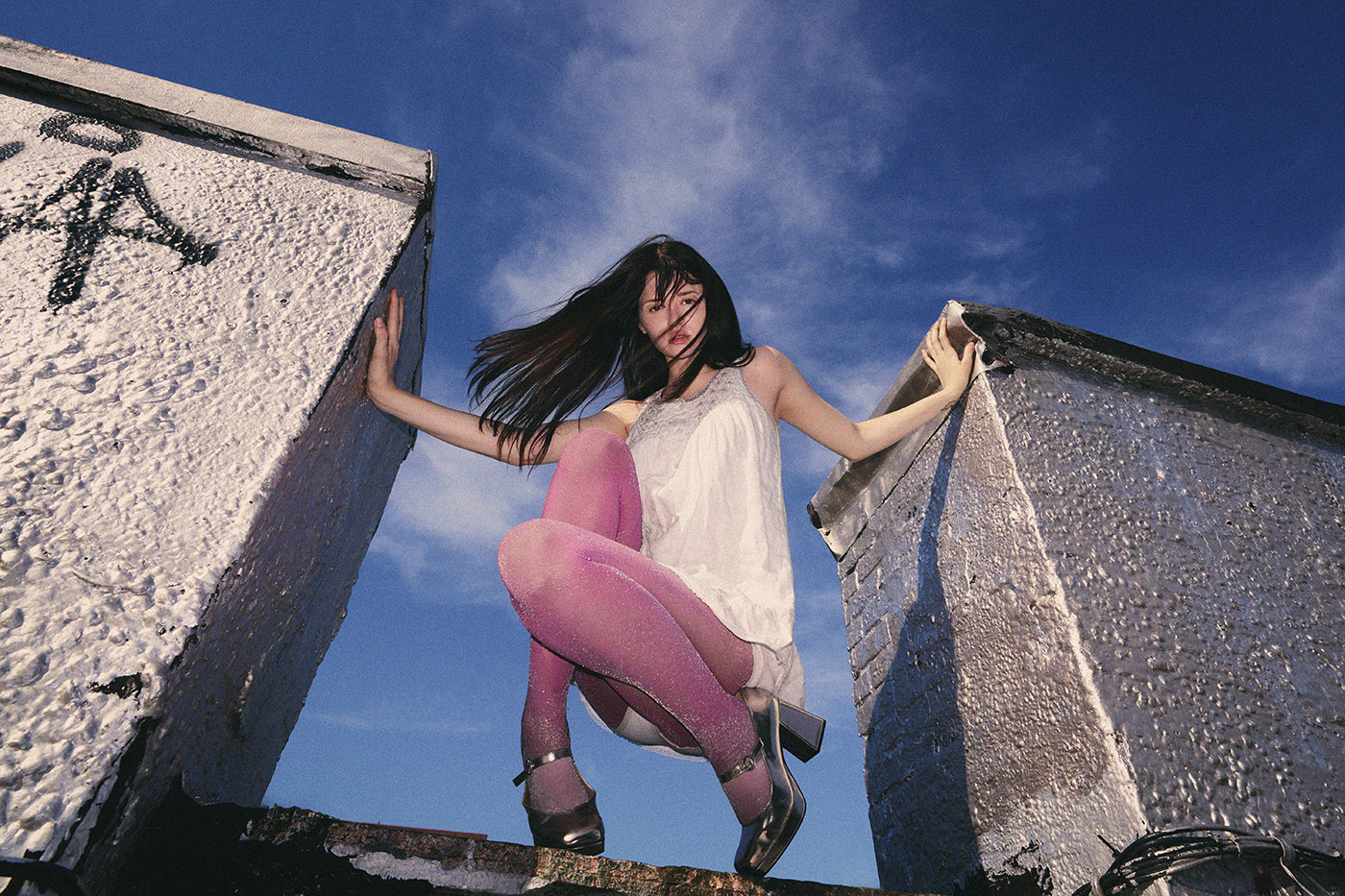
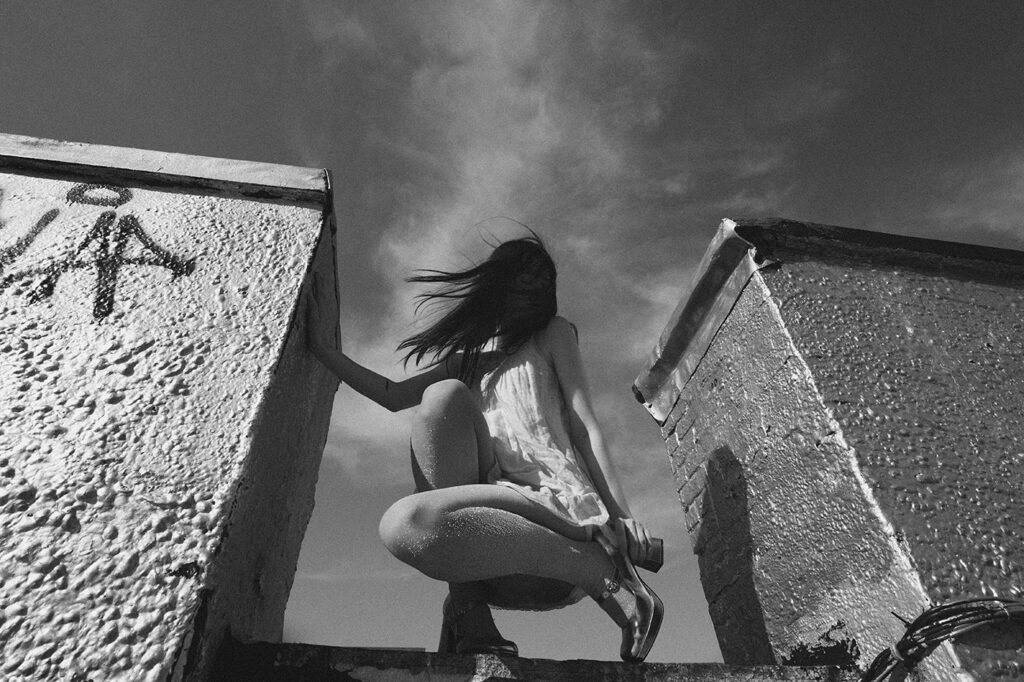
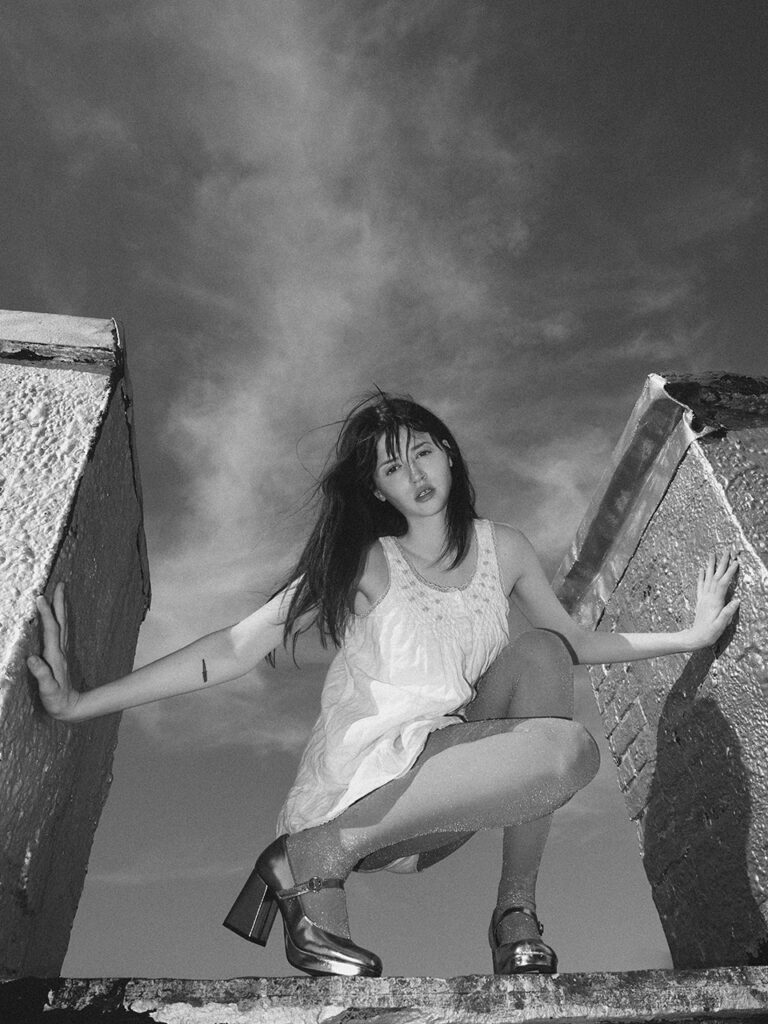
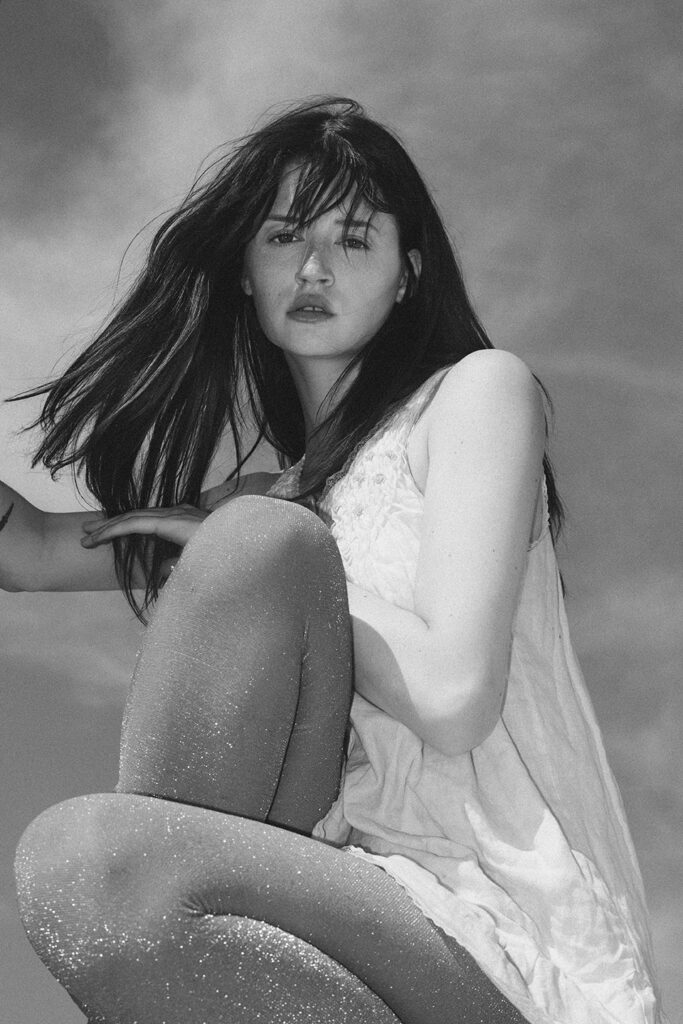
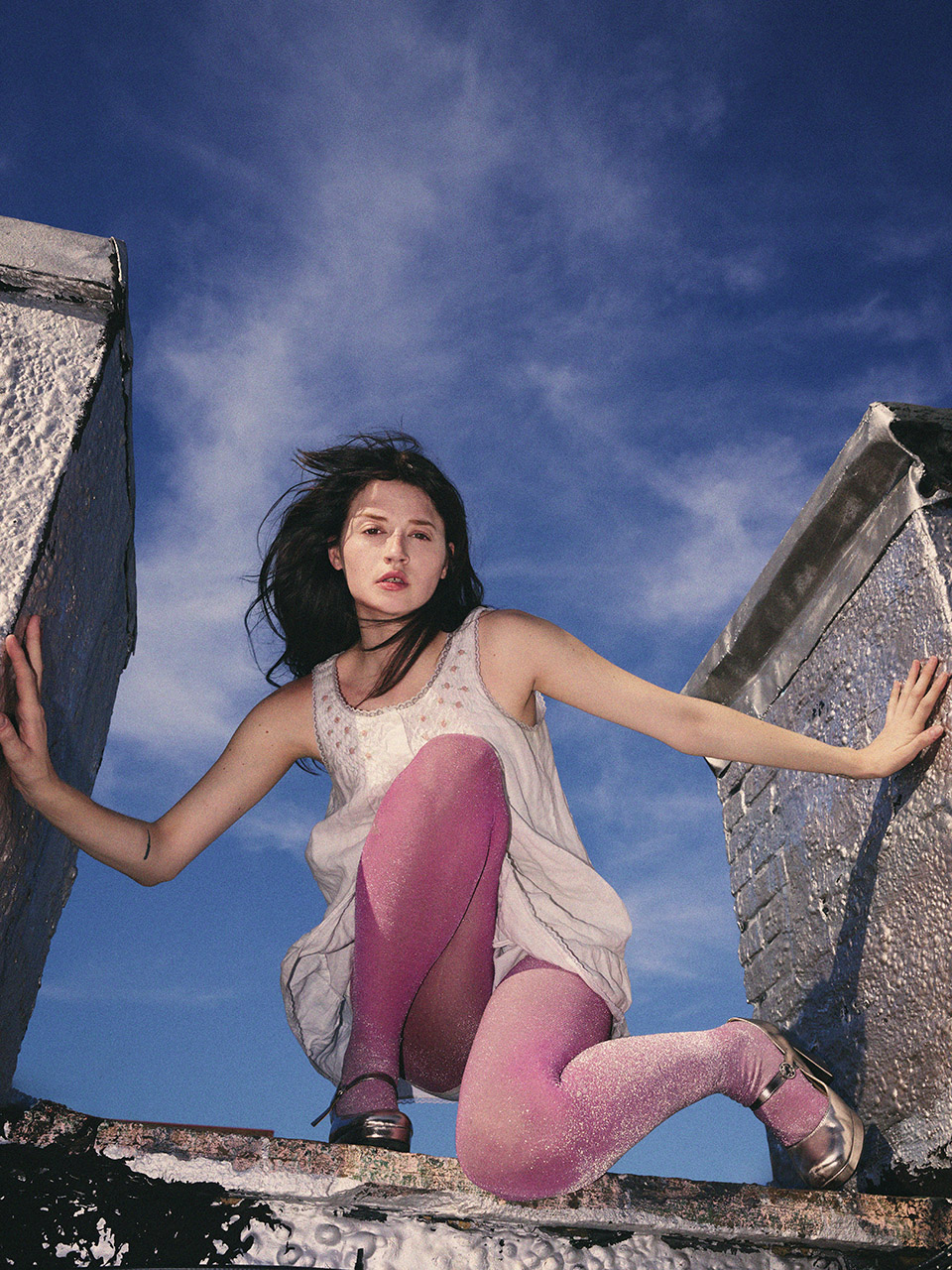
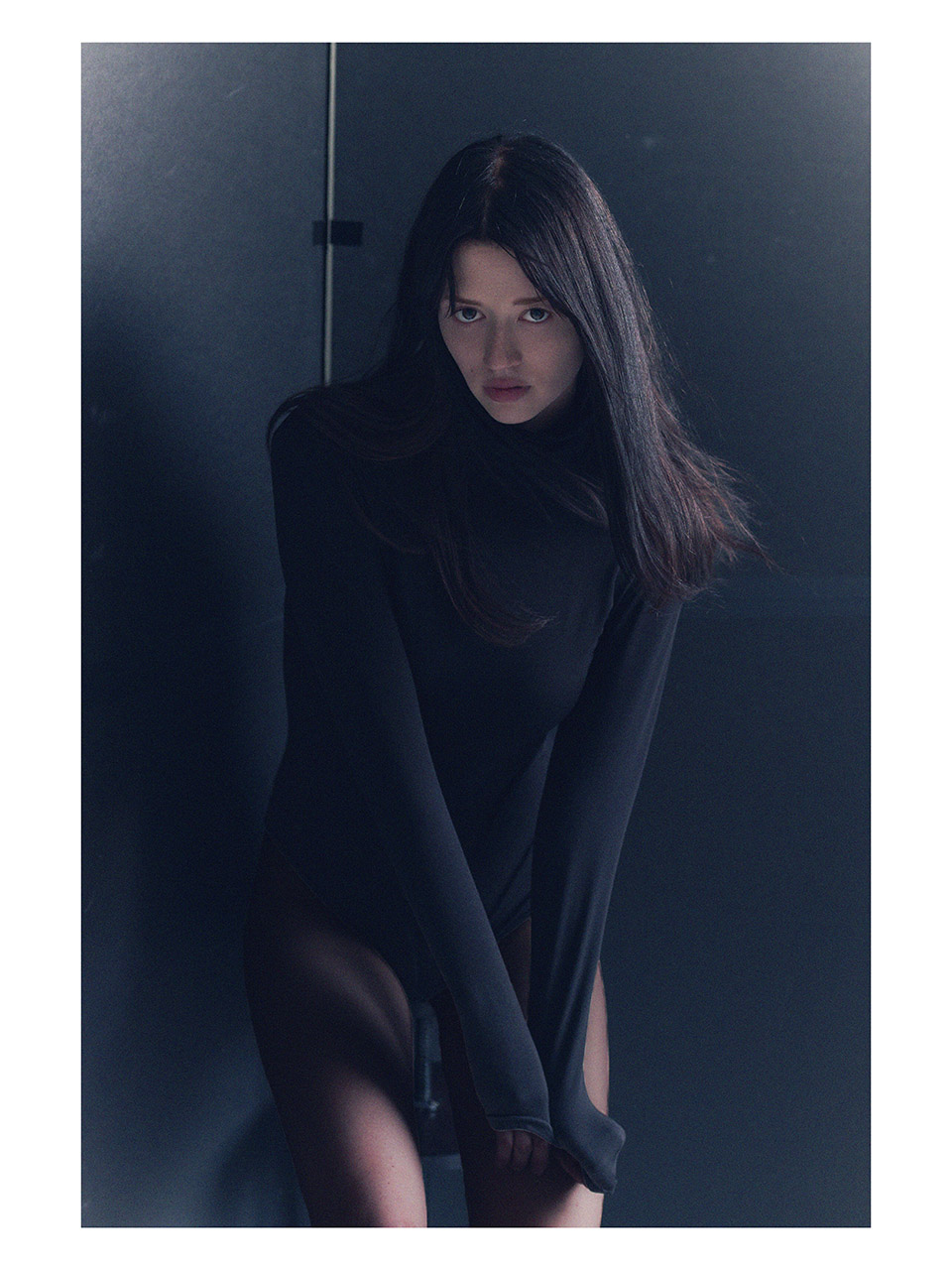
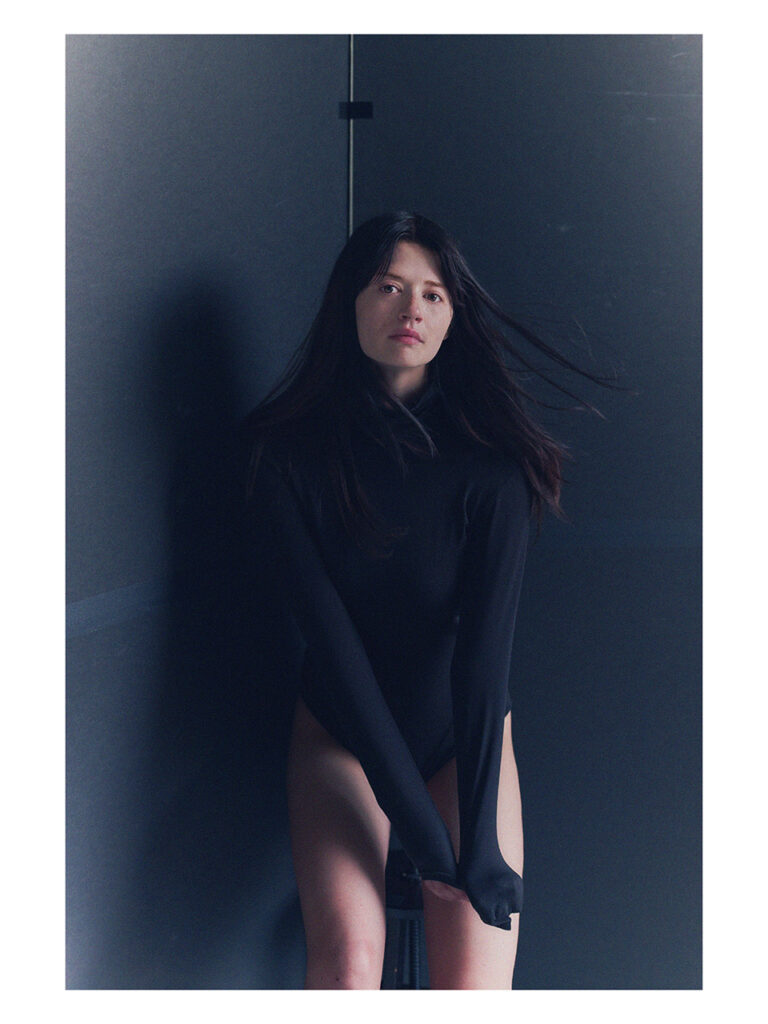
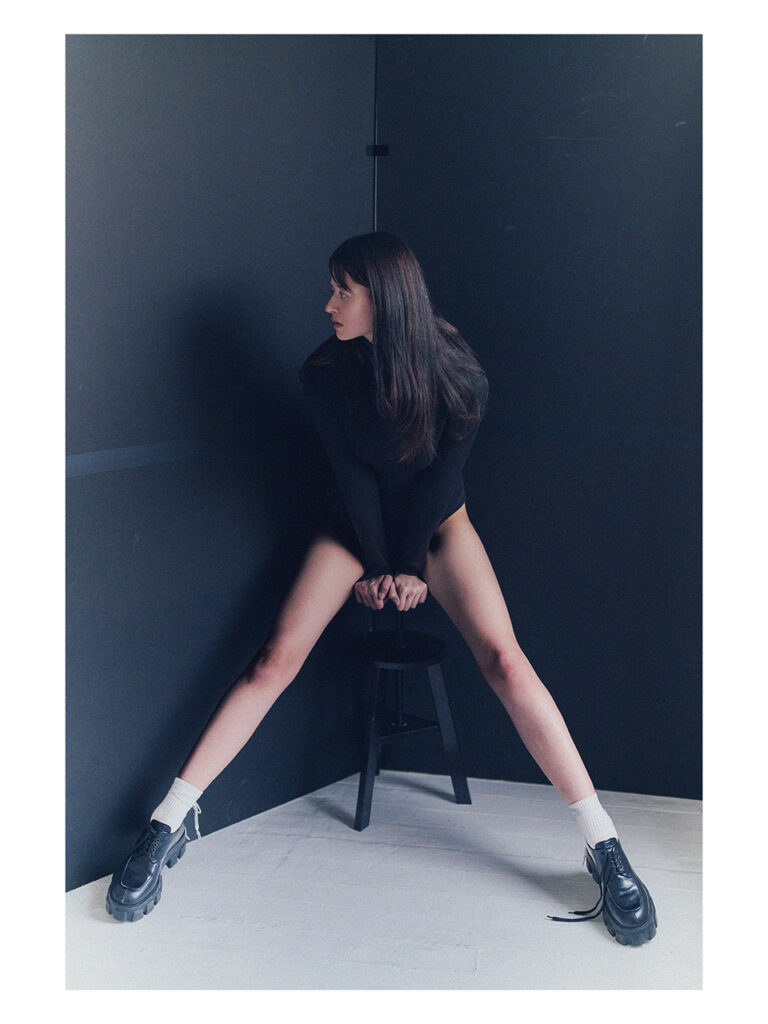
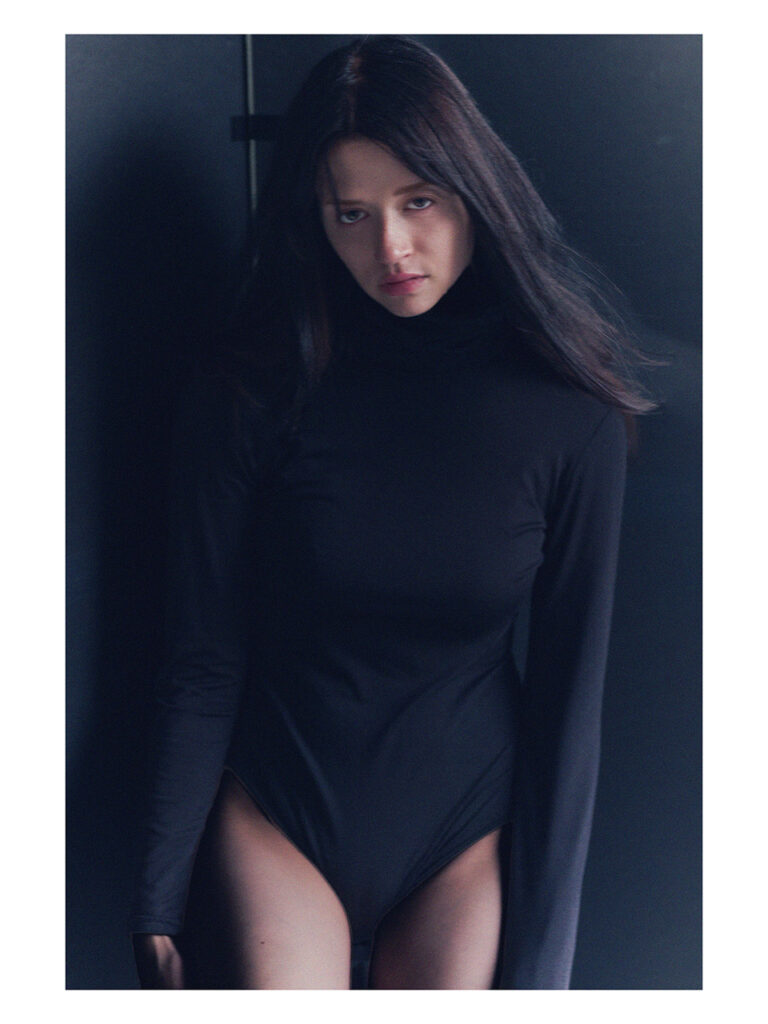
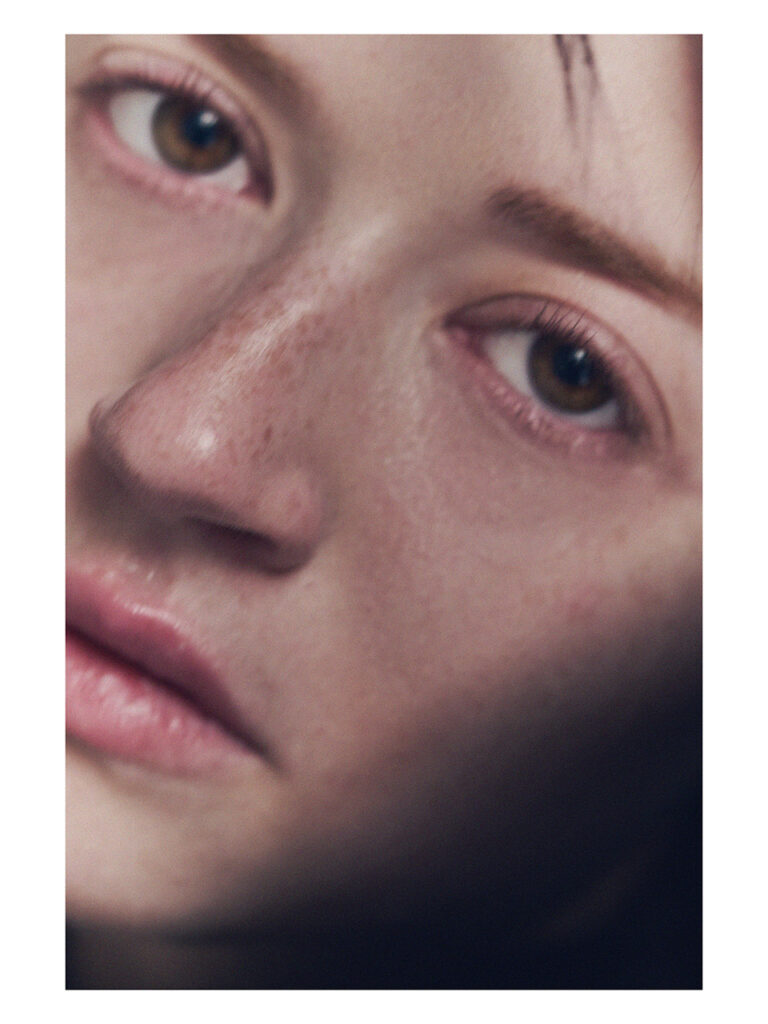
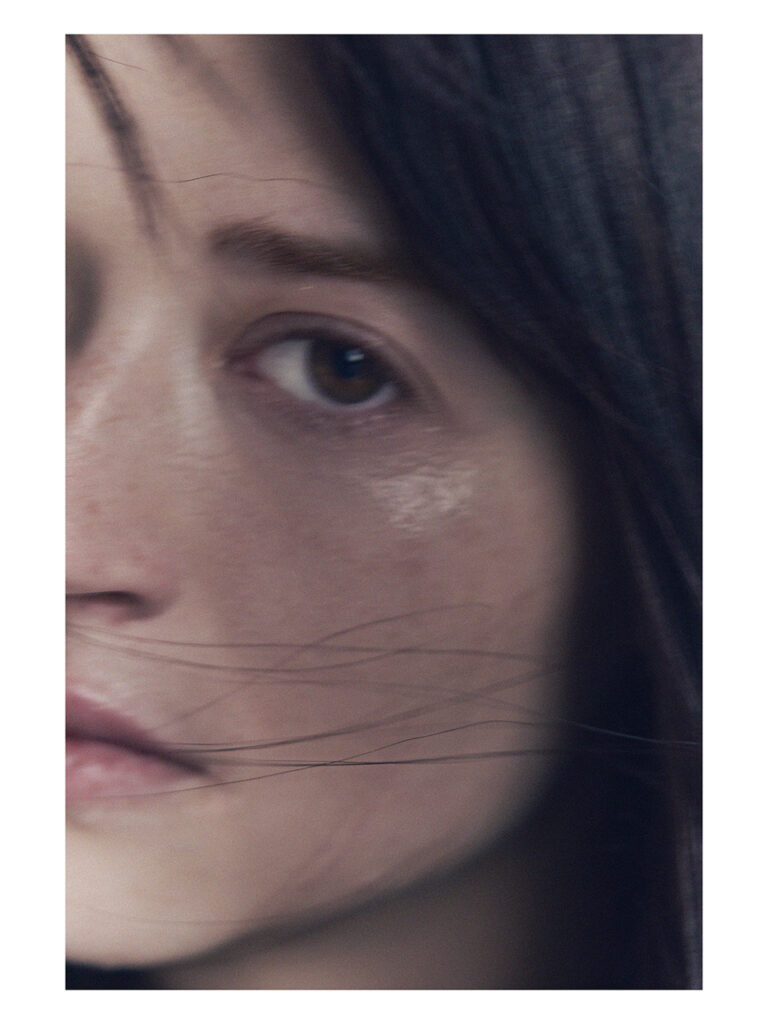
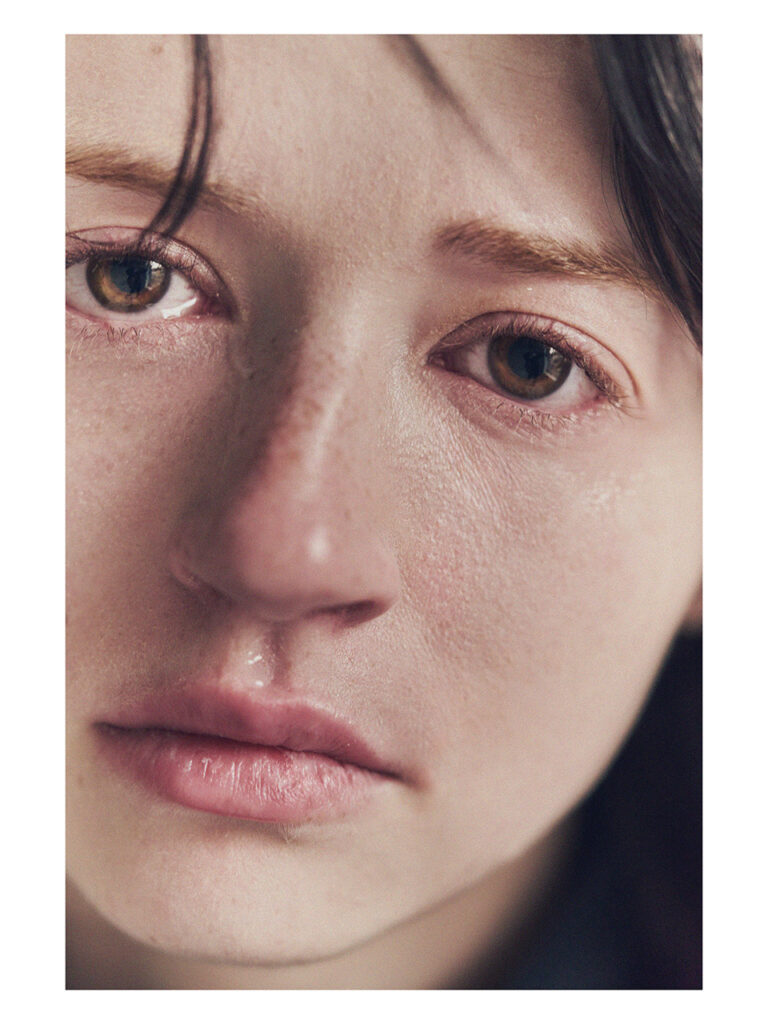
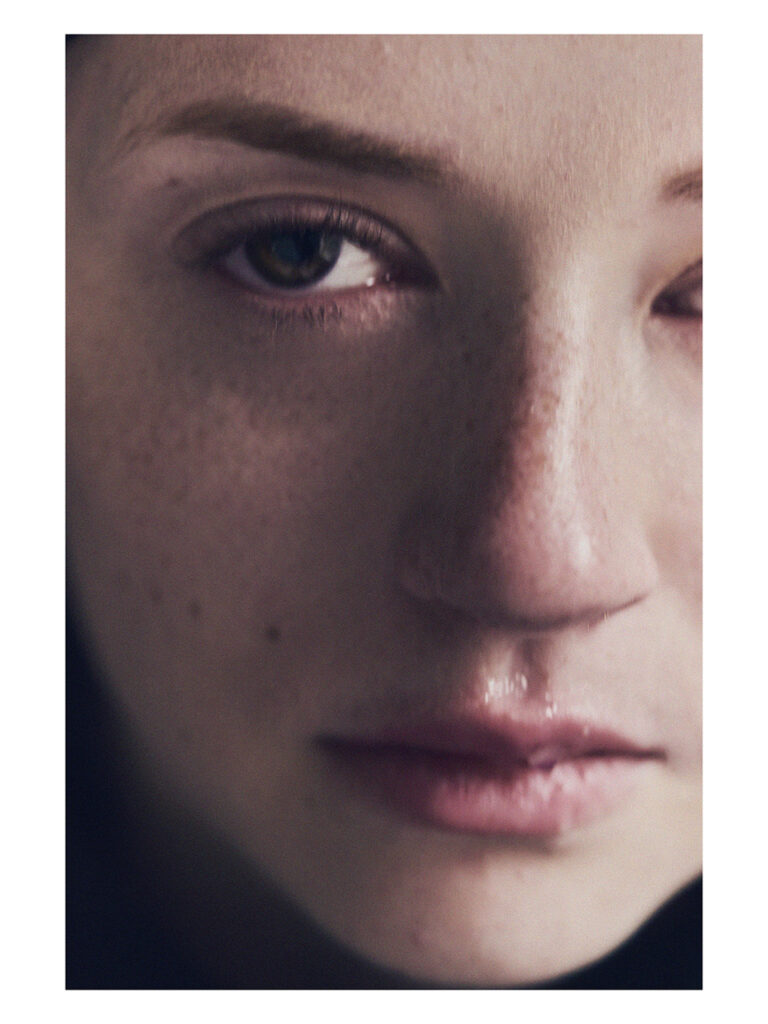
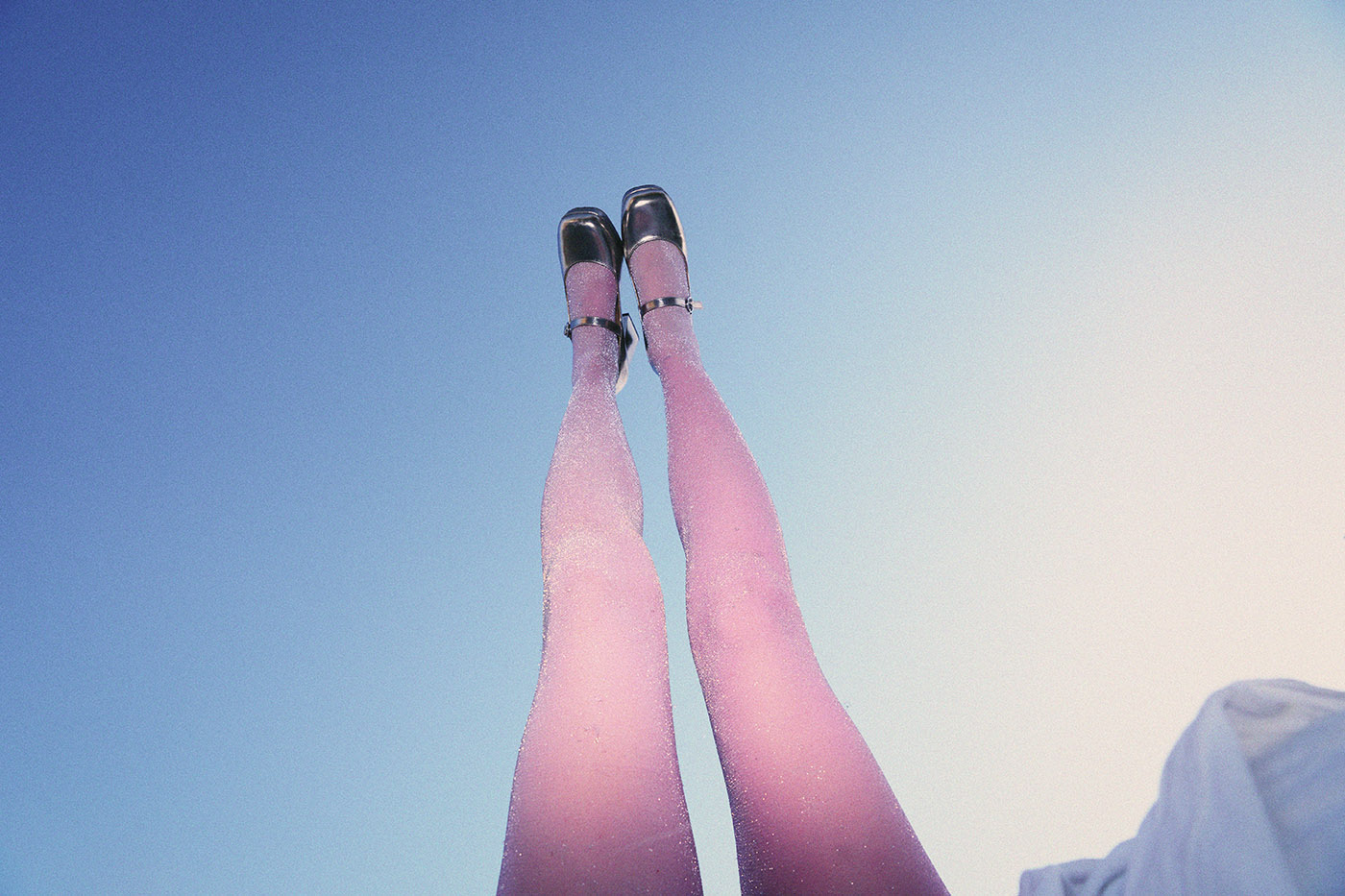
Emerging New York model Fiona Gunn talks Irish mythology, chronic illness, grief, and finding a sense of self through fashion.
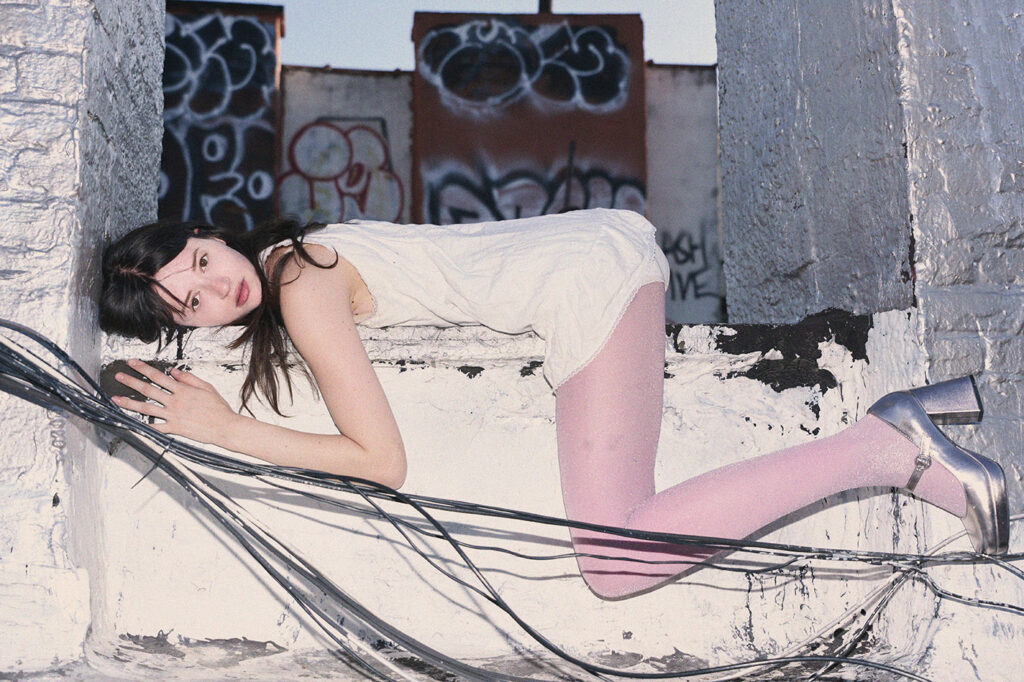
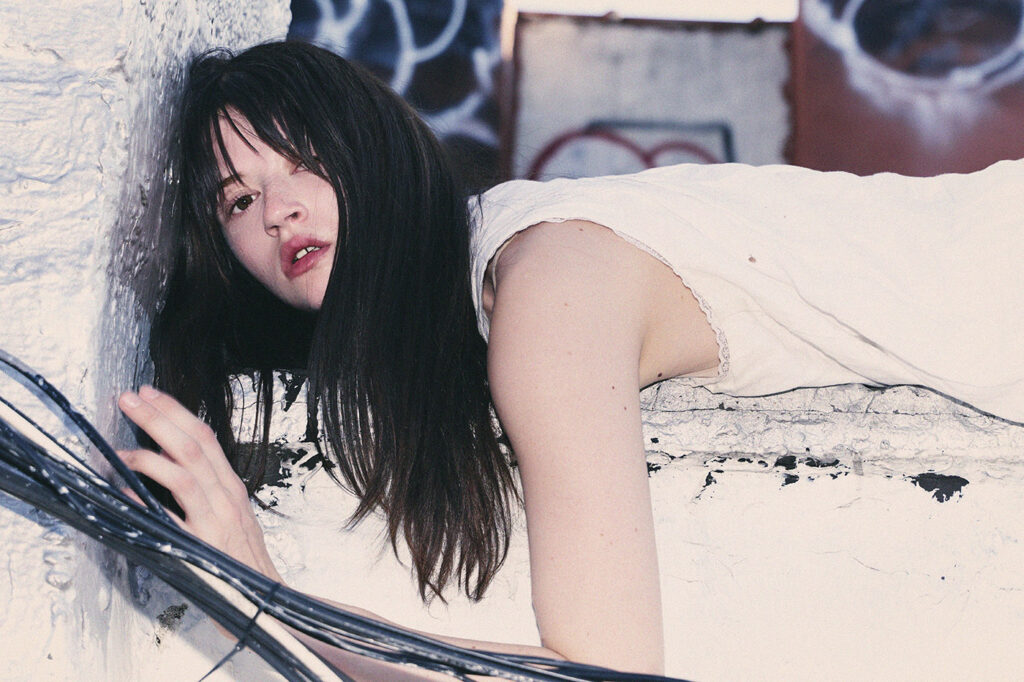
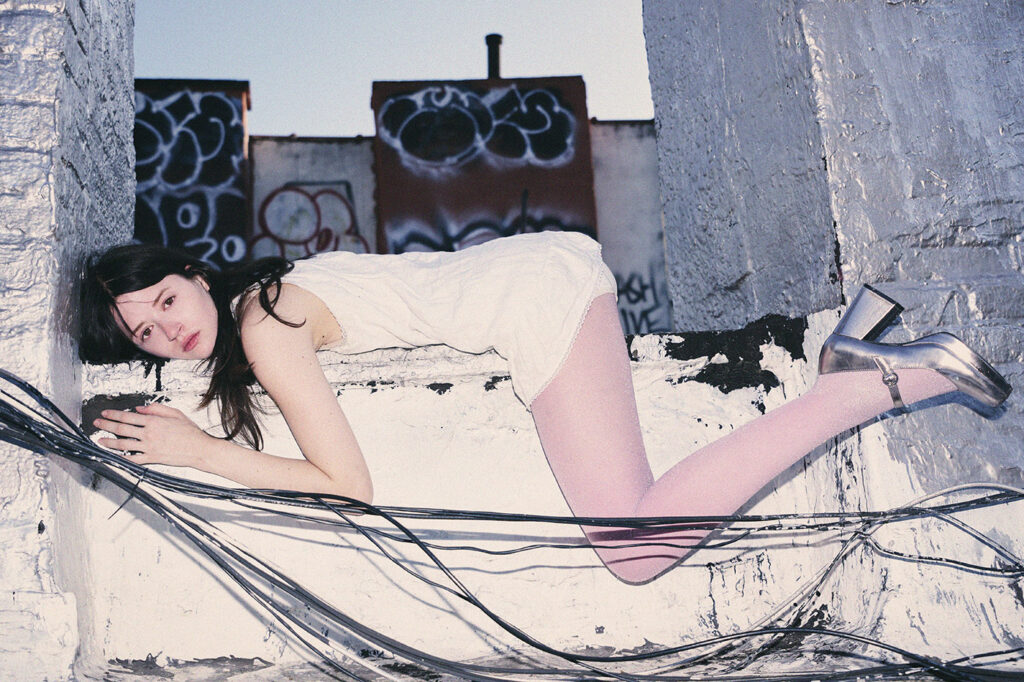
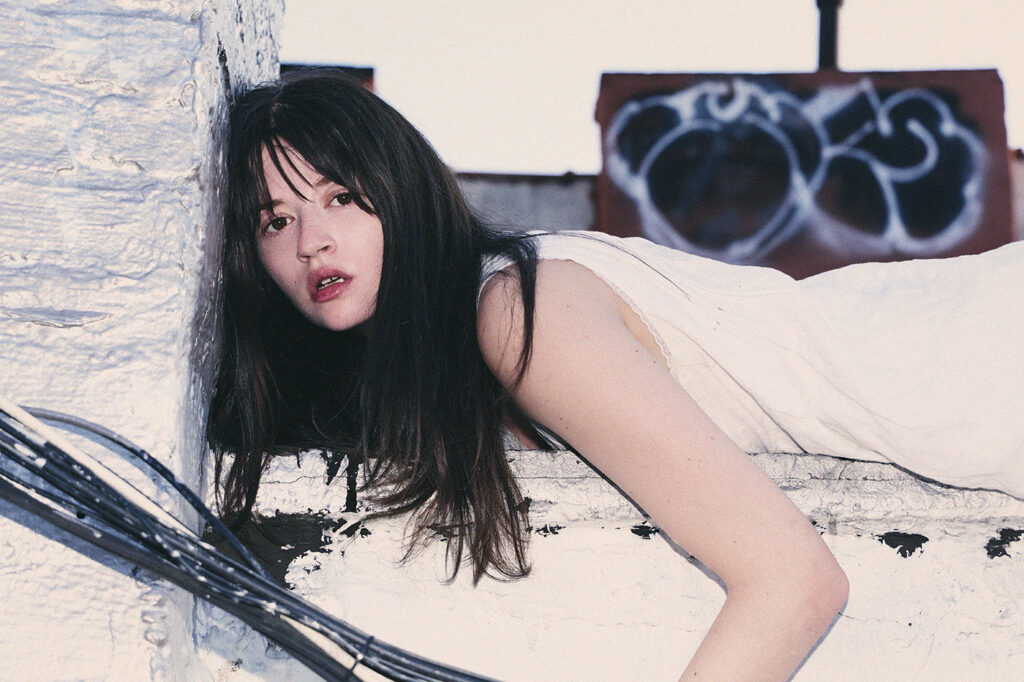
Photos Mike Kobal
Talent Fiona Gunn
From Genetics Model Management
Interview Daniela Abranches
Editor Andrea Probosch
Before modelling, there were horses, Irish dance, pipe bands, mythology, and the landscapes of upstate New York. Fiona Gunn’s world is shaped by a deep connection to nature, a strong Irish-American heritage, and a curiosity that extends far beyond fashion. Her references move easily between folklore and family history, religion and fantasy, personal memory and cultural tradition.
As a new generation of models navigates an industry increasingly shaped by image and visibility, Fiona remains focused on something more enduring. “A strong sense of identity will save you in this industry,” she says. In this conversation, she reflects on living with Ehlers-Danlos syndrome and POTS, the loss of her brother to opioid addiction, and the experiences that continue to shape both her perspective and her work.
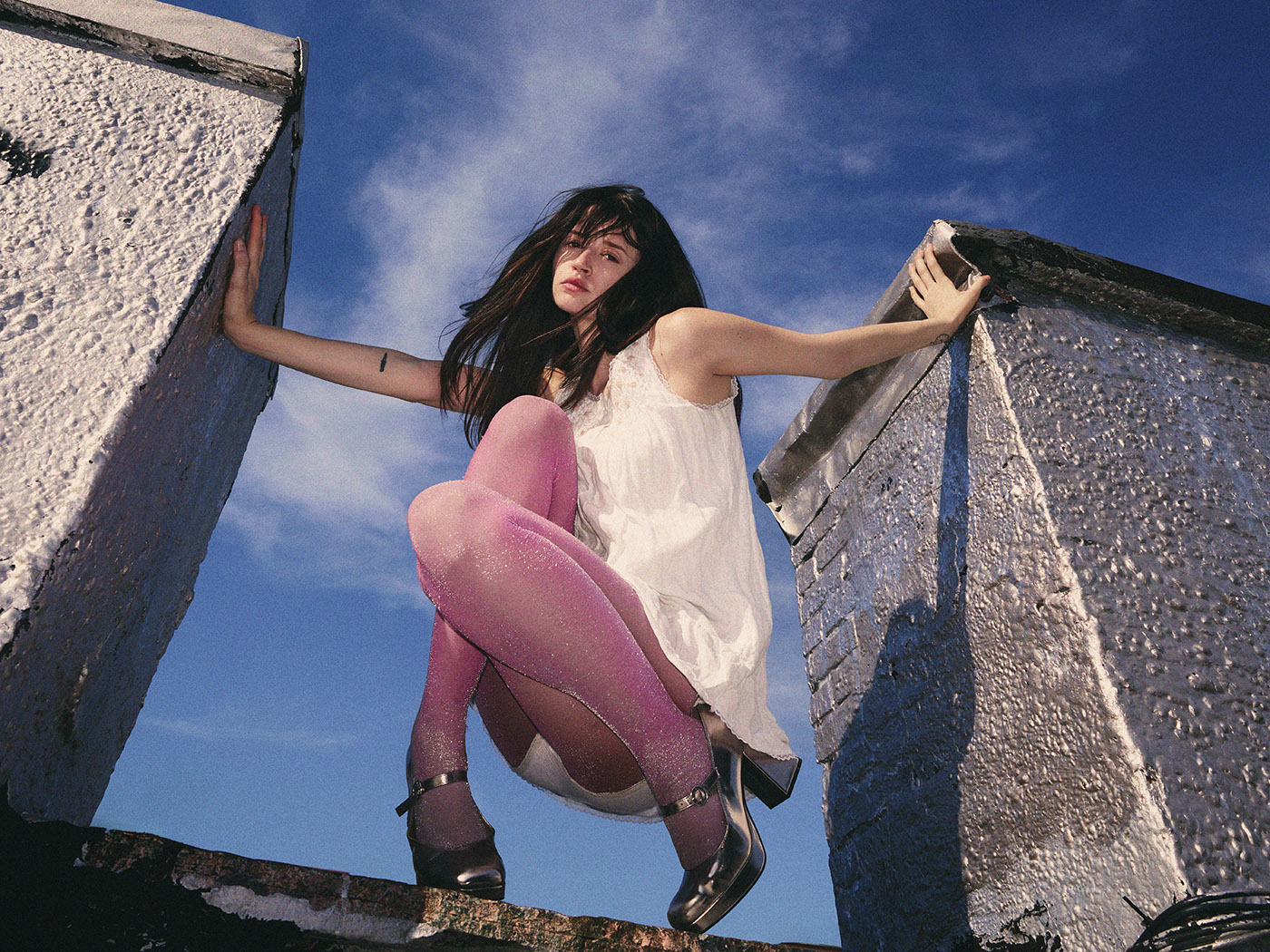
ZOOT: For people discovering you for the first time, who are you beyond modelling? What kind
of environment did you grow up in, and what shaped you early on?
Fiona Gunn: From as long as i can remember, I was extremely independent and just craved freedom.
My earliest childhood memory was putting my shoes on and leaving my house to go feed
horses on the farm down the street. I grew up in upstate new york, a gorgeous place that made
me love and appreciate nature. Beyond modeling, I am a nature loving hippie who loves
spending her days in nature and her nights stargazing.
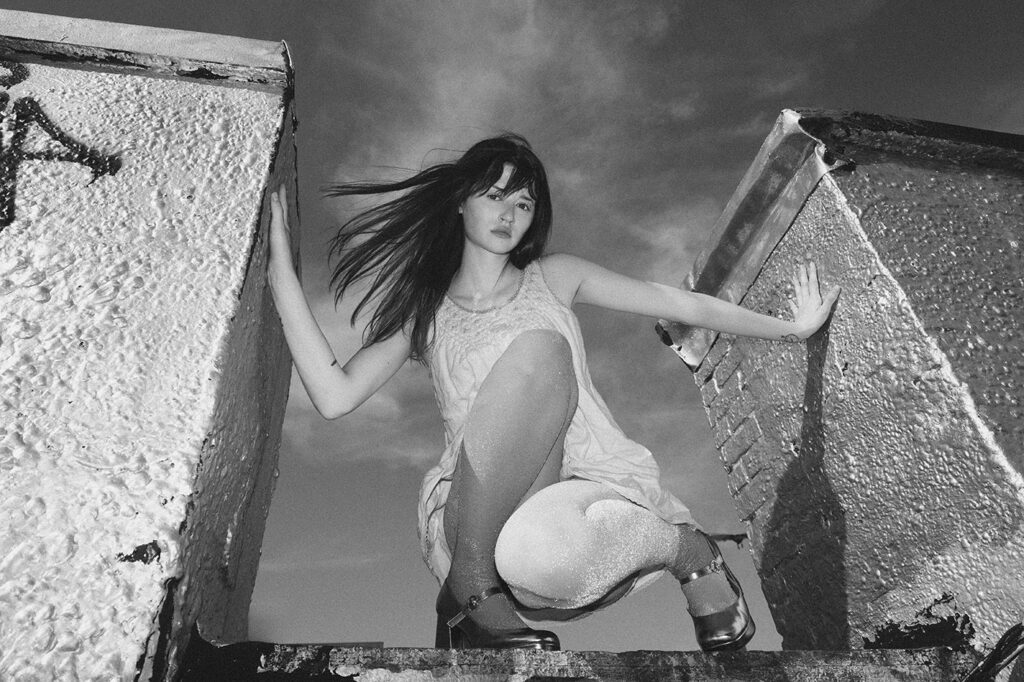
ZOOT: You often reference Irish and Irish-American culture in subtle ways – religion, uniforms,
organizations, dance, symbolism, even folklore. Was that atmosphere very present in
your childhood?
Fiona Gunn: Growing up, every member of my immediate family participated in our Irish culture in one
way or another. My brother and father played in a pipe band (my father still does), I did irish step
for many years, and every member of my family were members of an organization called the
Ancient Order of Hibernians.
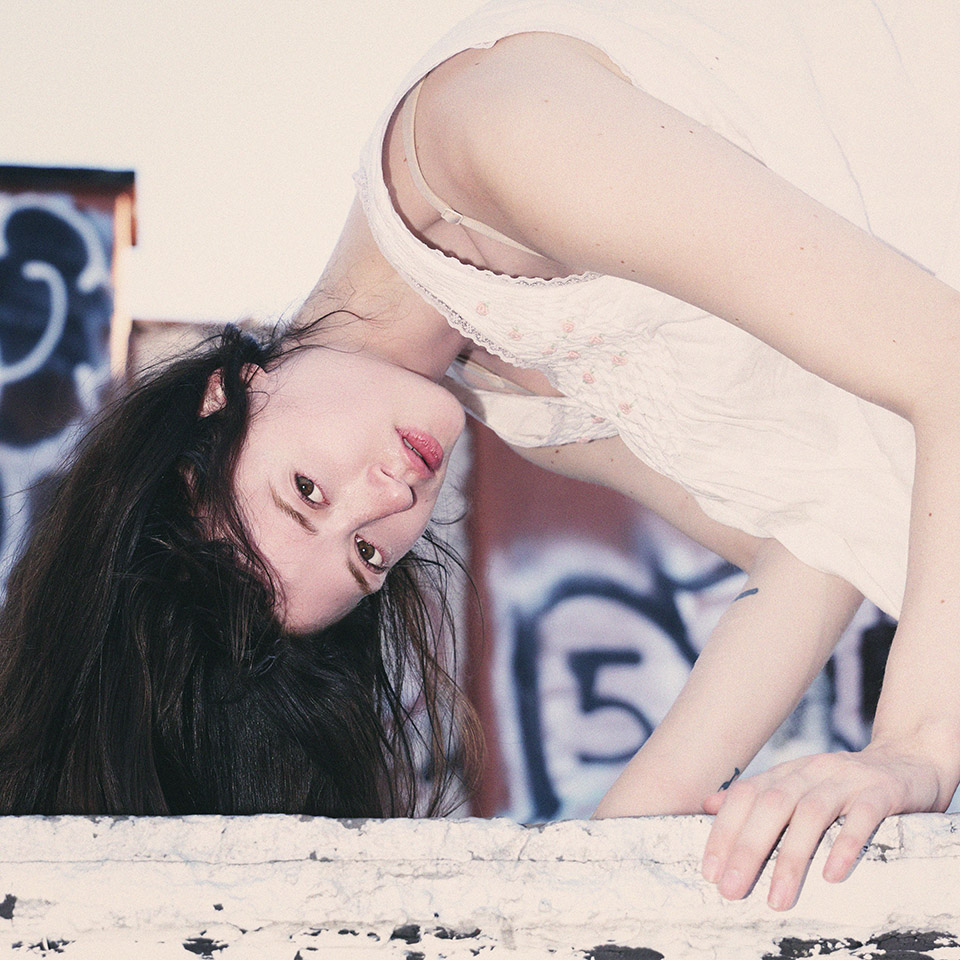
ZOOT: In one Instagram post you mentioned doing Irish dance instead of ballet because of Ehlers-Danlos syndrome. How has living with chronic illness, including POTS, affected your relationship to your body, movement, and everyday life?
Fiona Gunn: Living with chronic illness has become my normal so any negative changes ,like
dizziness from pots or dislocations from Ehlers-Danlos [hypermobile joints caused by flaws in collagen], at this point are often a bonus. I am able to do some fun poses due to hypermobility
ZOOT: Your writing online feels very intentional, almost archival at times, mixing history, fashion,
mythology, and personal memory. Were you always drawn to research and storytelling
growing up?
Fiona Gunn: I absolutely love to learn about as much as I possibly can, especially as someone who
constantly is intellectually underestimated. I research what interests me, and it almost makes
me more comfortable posting. Writing about what im passionate about definitely helps with
posting as i feel like its my way of showcasing my personality while still fitting what the industry
wants.
ZOOT: A lot of young models are pushed into becoming “images” very quickly. How do you
protect your sense of self while entering an industry so focused on appearance?
Fiona Gunn: I think the most important thing is finding and loving who you are beyond appearance, and notletting that go no matter what image you have to portray. A strong sense of identity will save you
in this industry.
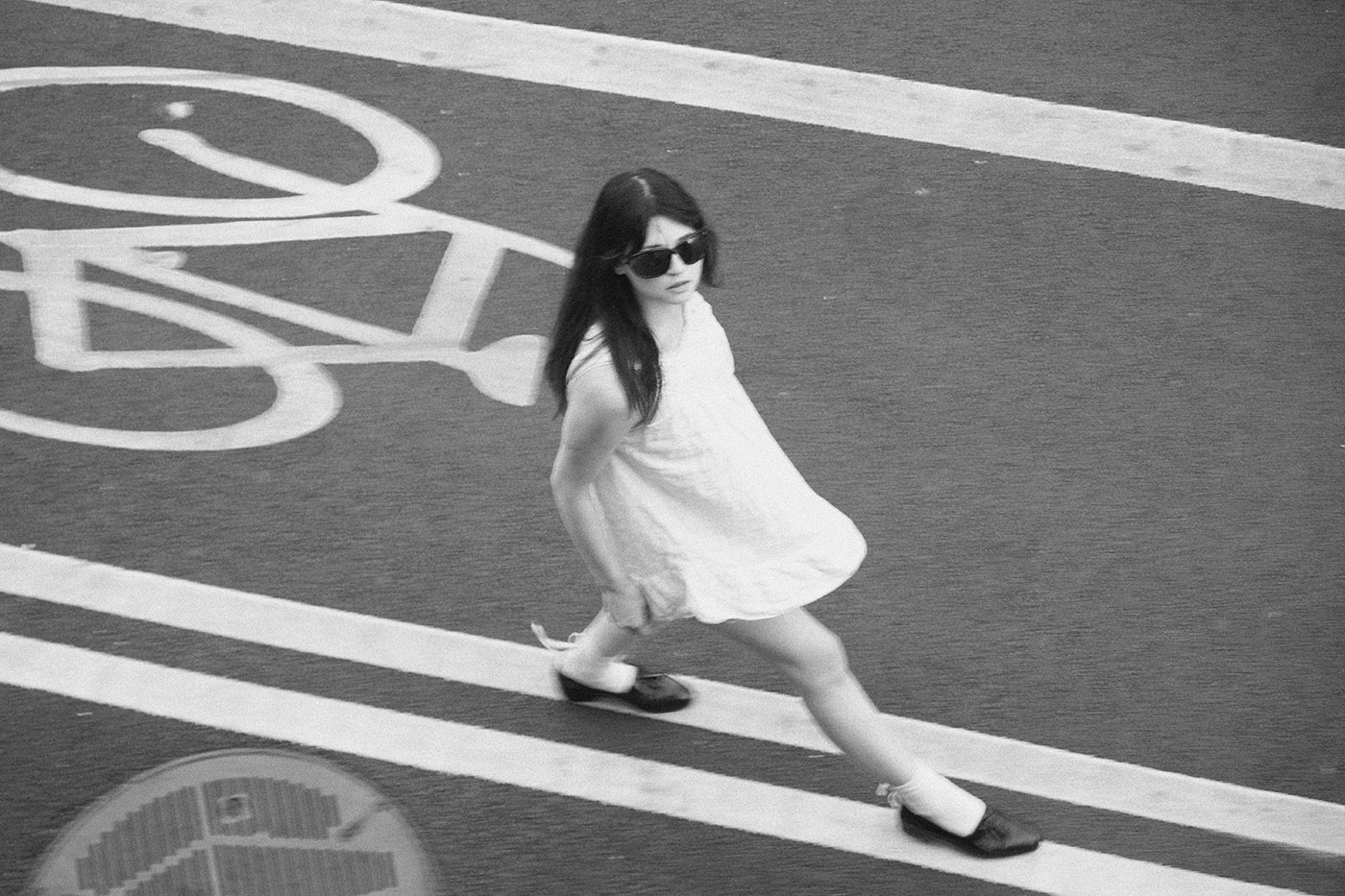
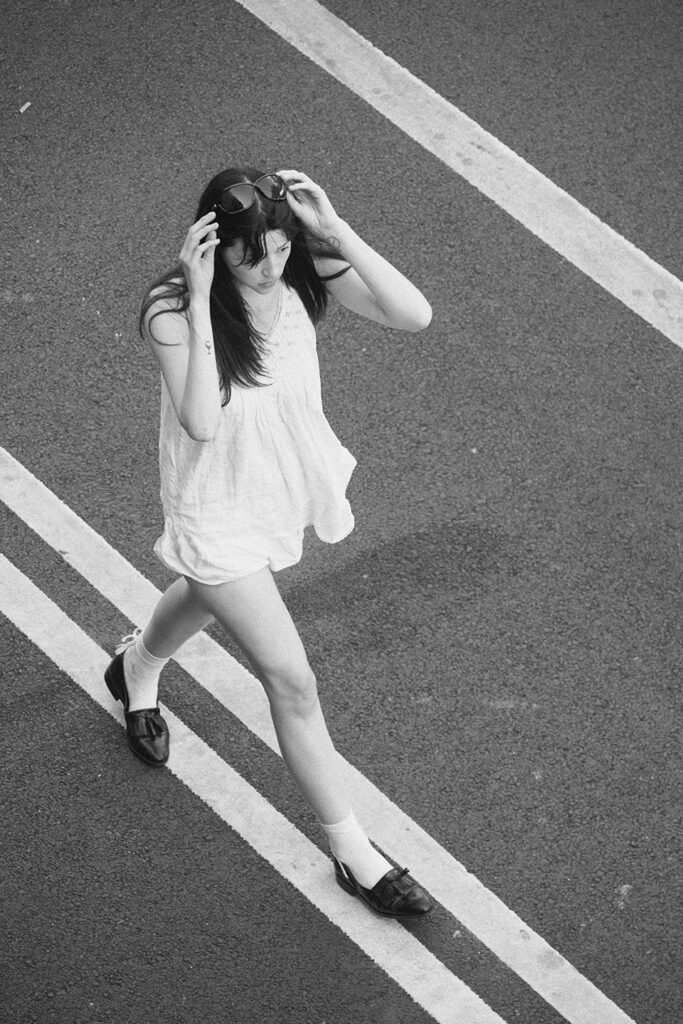
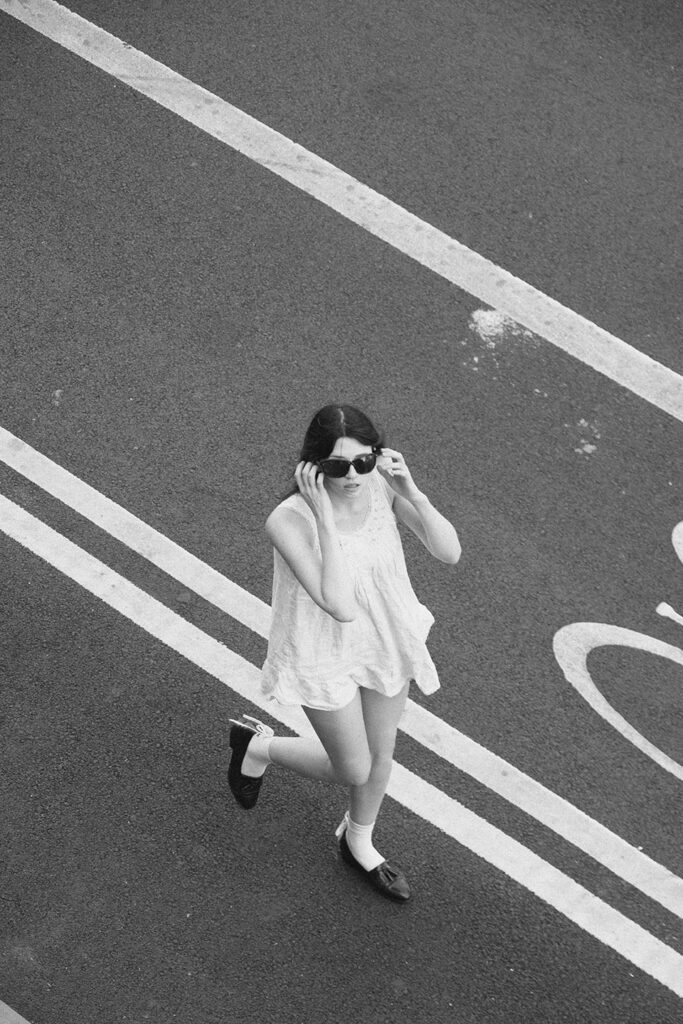
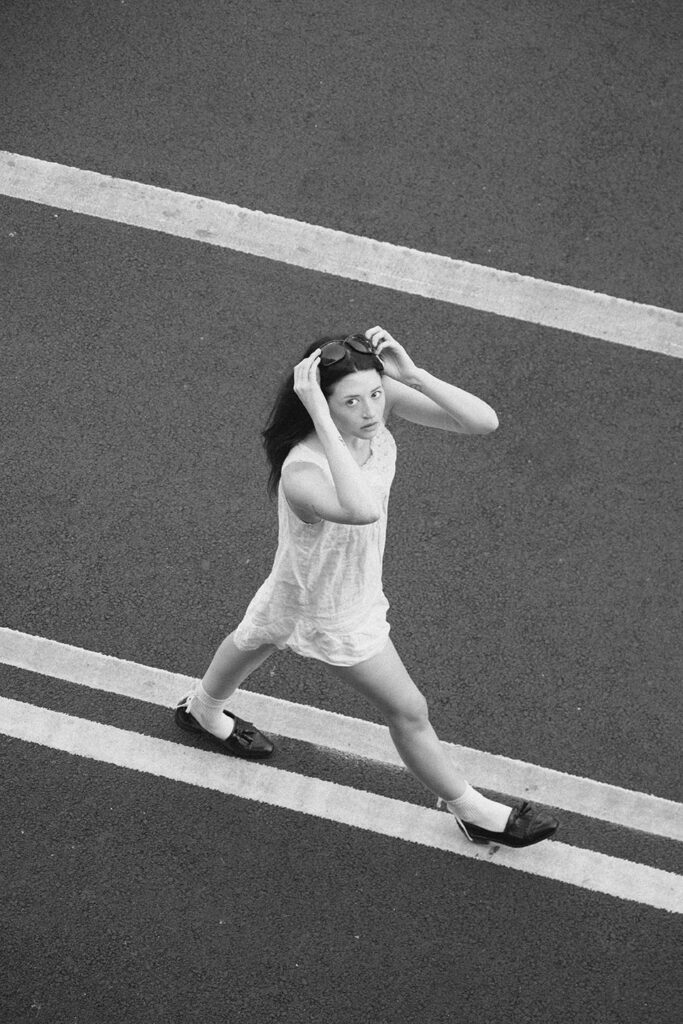
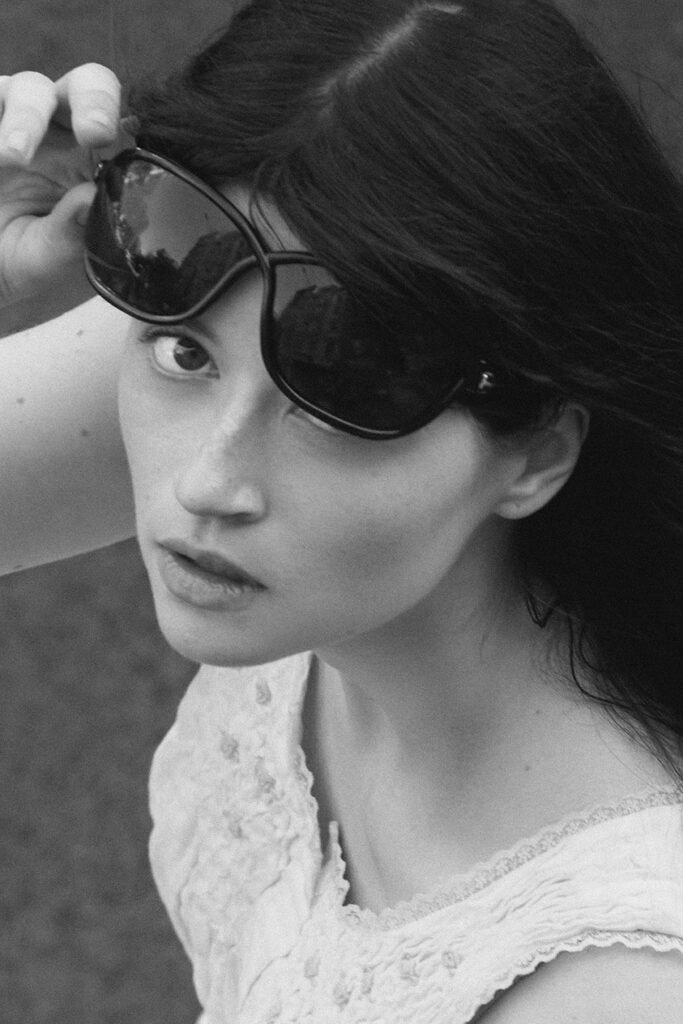
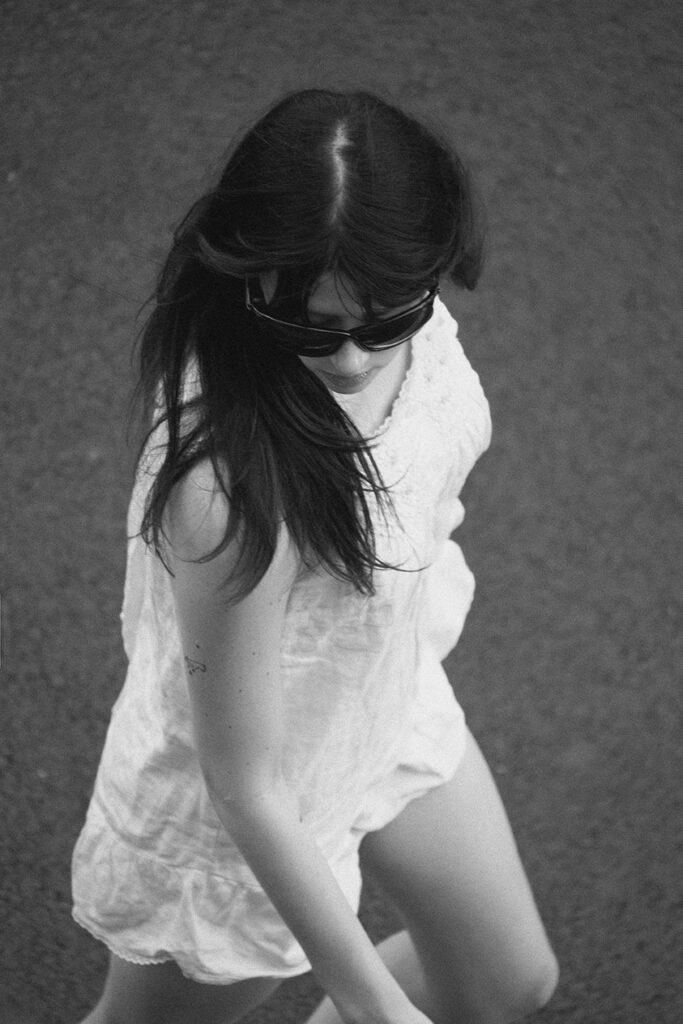
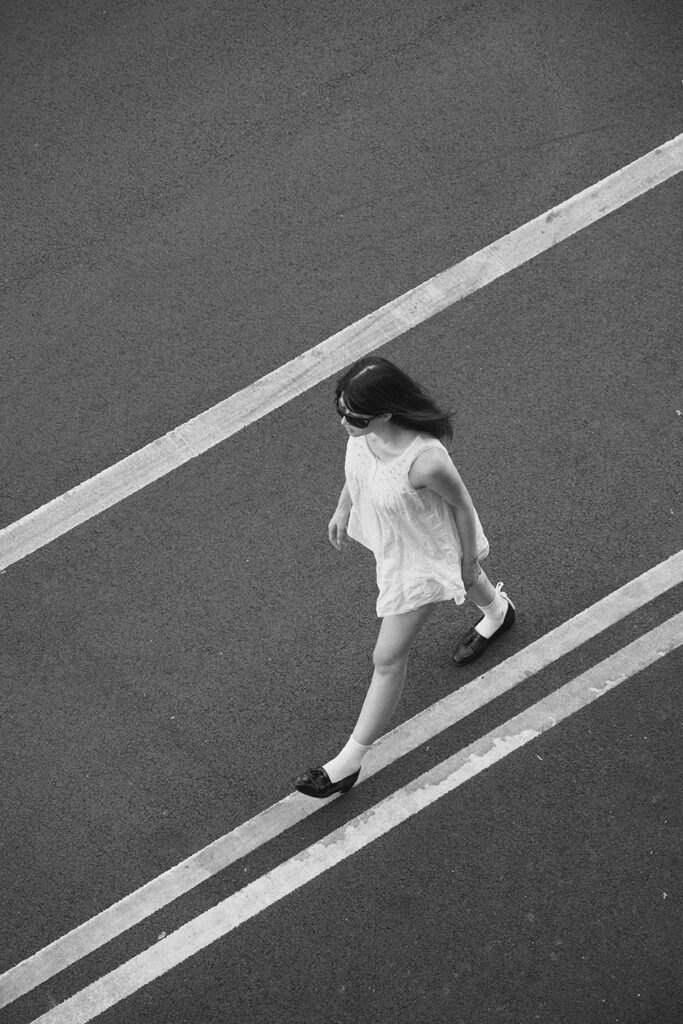
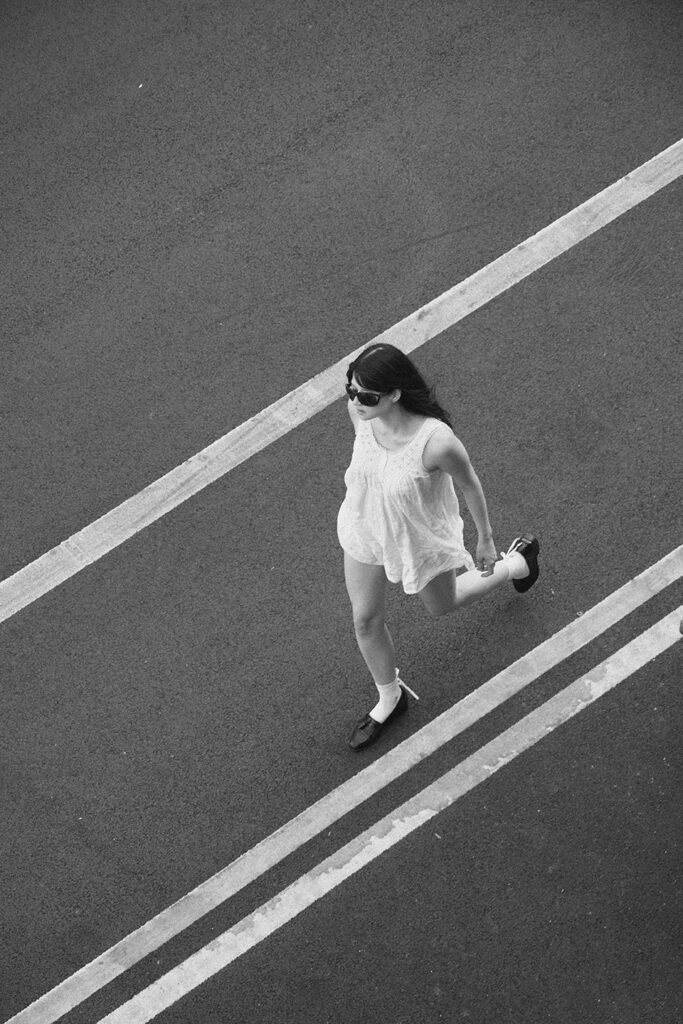
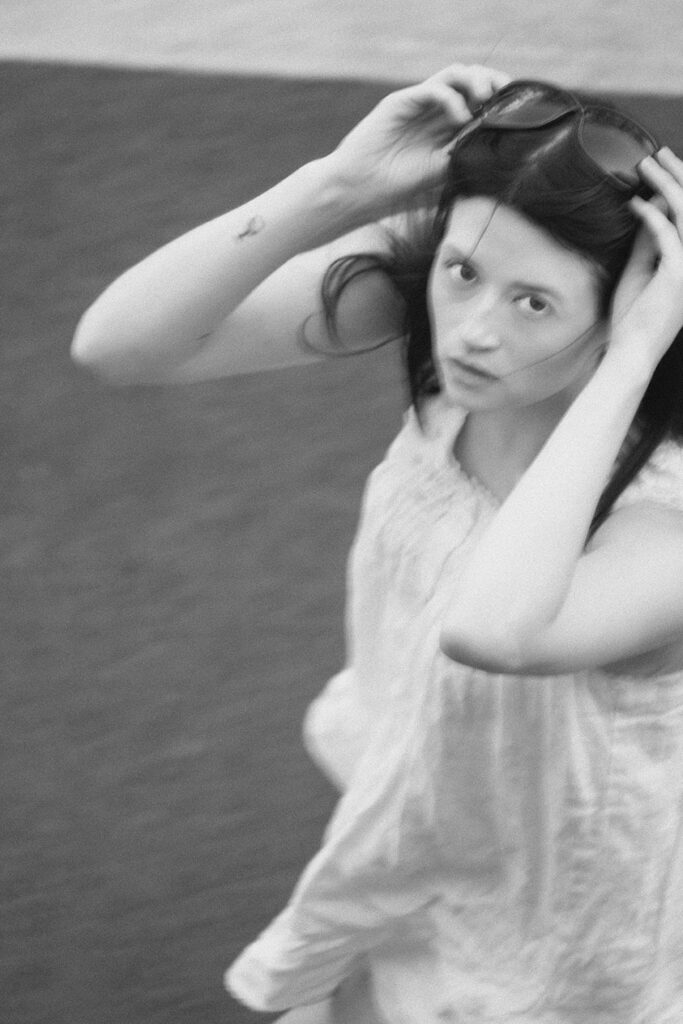
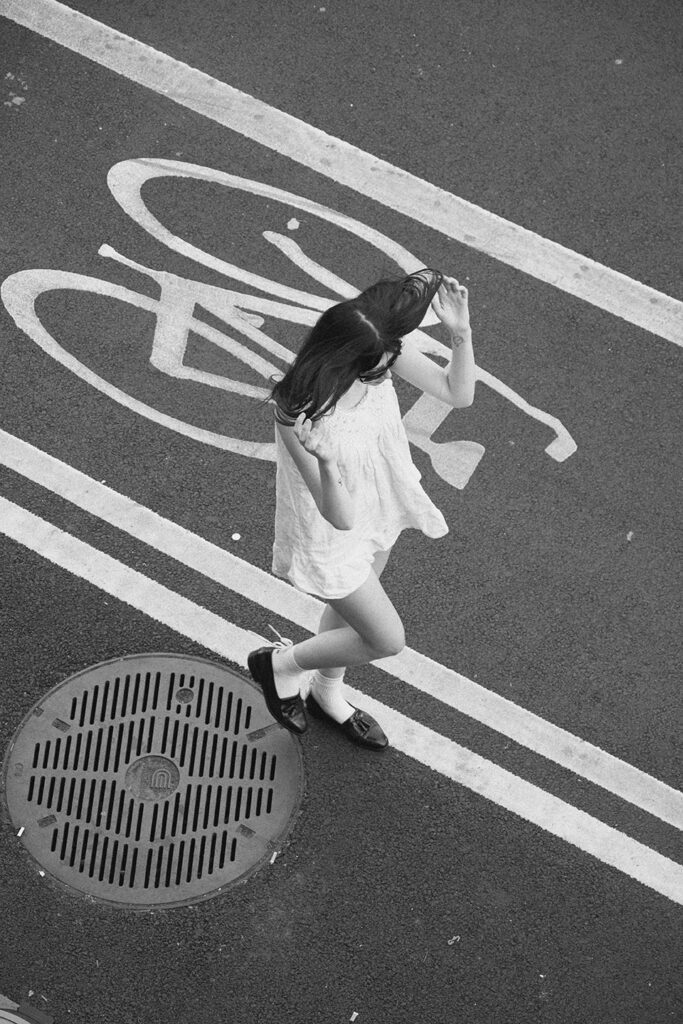
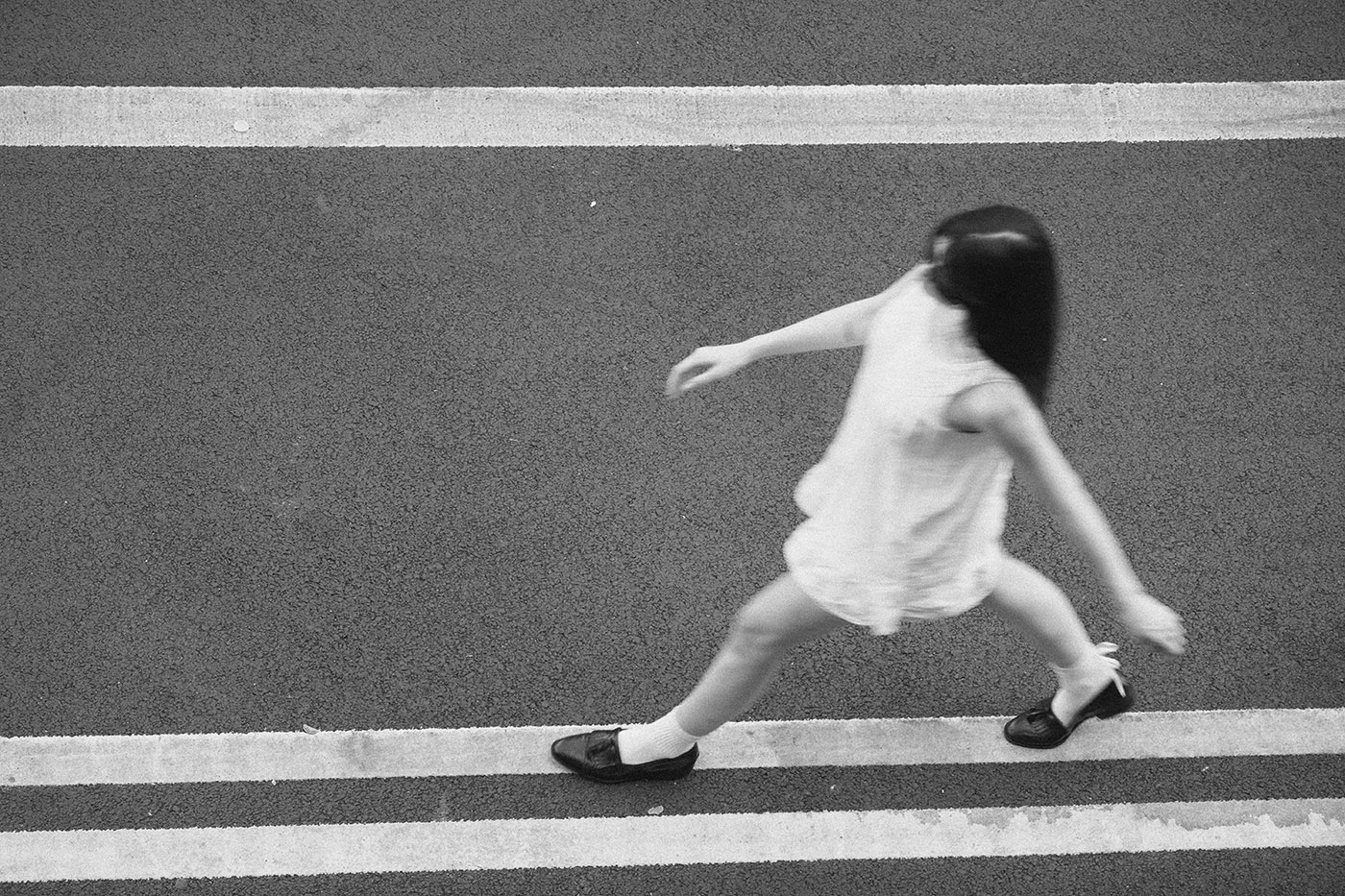
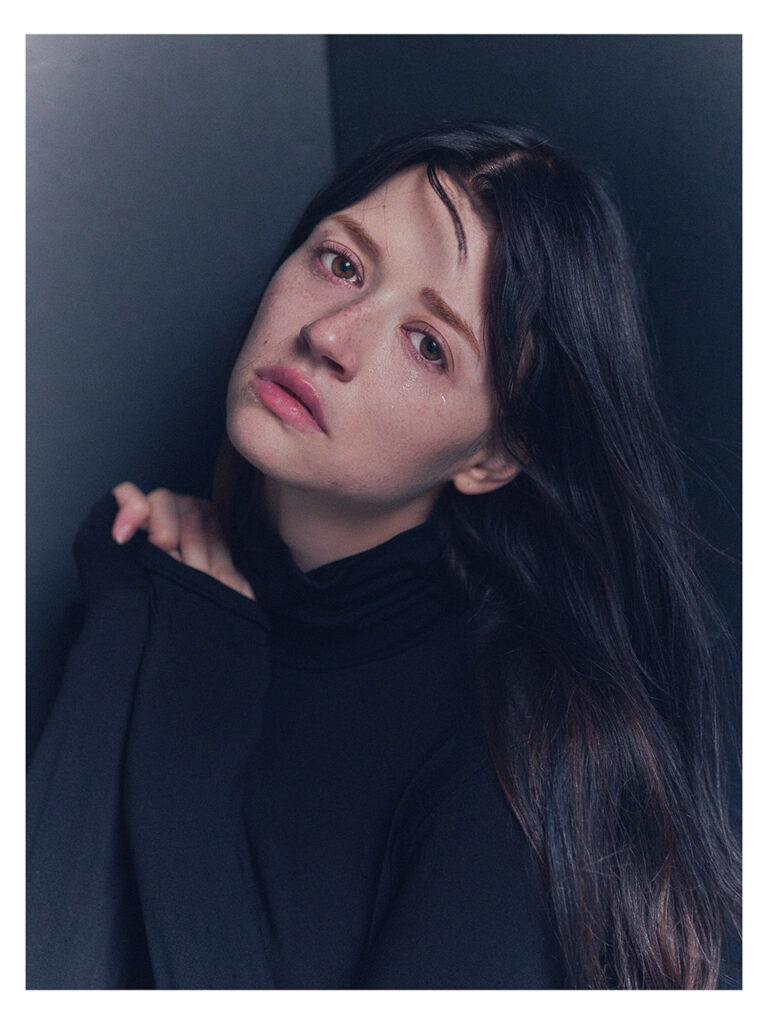
ZOOT: Your photographs often carry a sense of melancholy or tension. Is that something you
naturally gravitate toward aesthetically, or does it reflect something deeper about how
you see the world?
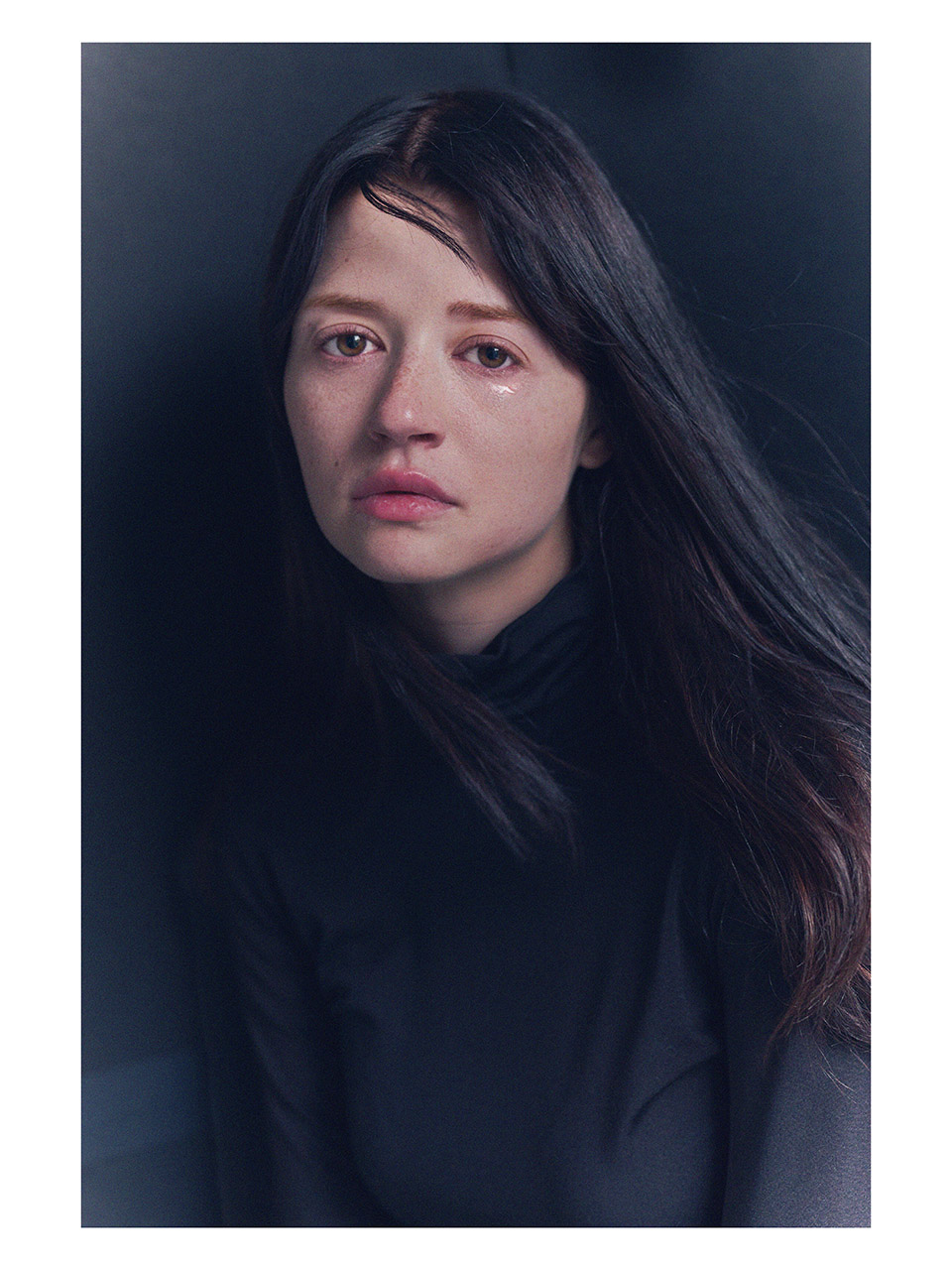
Fiona Gunn: I always say I have a “resting sad face”, which definitely contributes to the melancholic vibe of my photos, however I do feel those photos are a reflection of how I view the world. It’s harder to
take a very happy image when there’s so many horrible things going on in the world.
ZOOT: You’ve spoken publicly about the opioid epidemic and the loss of your brother. In the
United States, conversations around addiction are still deeply stigmatized. If you feel
comfortable sharing, what would you want readers to understand about your brother’s
story and the reality of opioid dependency and recovery?
Fiona Gunn: My brother was a lovely person, he was gentle and kind, extremely funny, everybody loved him. Unfortunately, he couldn’t see that, he was quite sensitive and was quietly suffering for years.
He wasnt in the best crowd, and when offered a pill that would take those feelings away for a bit,
he was instantly hooked. For years my brother used, and when it finally got bad enough I
begged for him to go to treatment.
Id like to say it was just the drugs that killed him, but it was the cockiness that so many addicts
have. When a person goes through detox and spends an extended period of time, they leave
with a lower tolerance. When relapsing, many addicts forget that they cant just go back to doing
the same amount that they used to. This scenario is what killed my brother, and this is what kills
so many addicts. It’s extremely important to teach recovering addicts what to do in case of
relapse, unfortunately many treatment centers do not push this.
ZOOT: Since losing your brother, have your views on harm reduction and treatment changed
over time? Do you think the U.S. is failing people struggling with addiction?
Fiona Gunn: The world is failing people struggling with addiction, not just the US. I’ve noticed the biggest issue is that many people don’t see addicts as people. There is a major lack of compassion due
to the lack of knowledge of the disease that is addiction. For harm reduction to really be
effective, we need to reach those who have never experienced addiction as well as those
suffering the disease.
ZOOT: You’ve mentioned spirituality and healing before. What role do energy, ritual, or personal
healing practices play in your life?
Fiona Gunn: In 2020 I was diagnosed with POTS [a disorder of the autonomic nervous system, it is characterized by an abnormal heart rate increase without a drop in blood pressure]. I spent a while listening to what the doctors told me to do, chugging water and eating as much salt as I possibly could. I was managing it, but I wanted to
get better. I wanted to feel normal. I began meditation and Kundalini yoga, and suddenly I
started feeling better. I changed my mindset, if I felt sick, no I didnt. I stopped fainting, my
nervous system feels calm for the first time in years, I’m starting to feel “normal”. I think the mind
is extremely powerful, and that we really do create our own reality.
ZOOT: You once described repeating the same clothes as wearing a uniform.
What interests you about uniforms psychologically or symbolically?
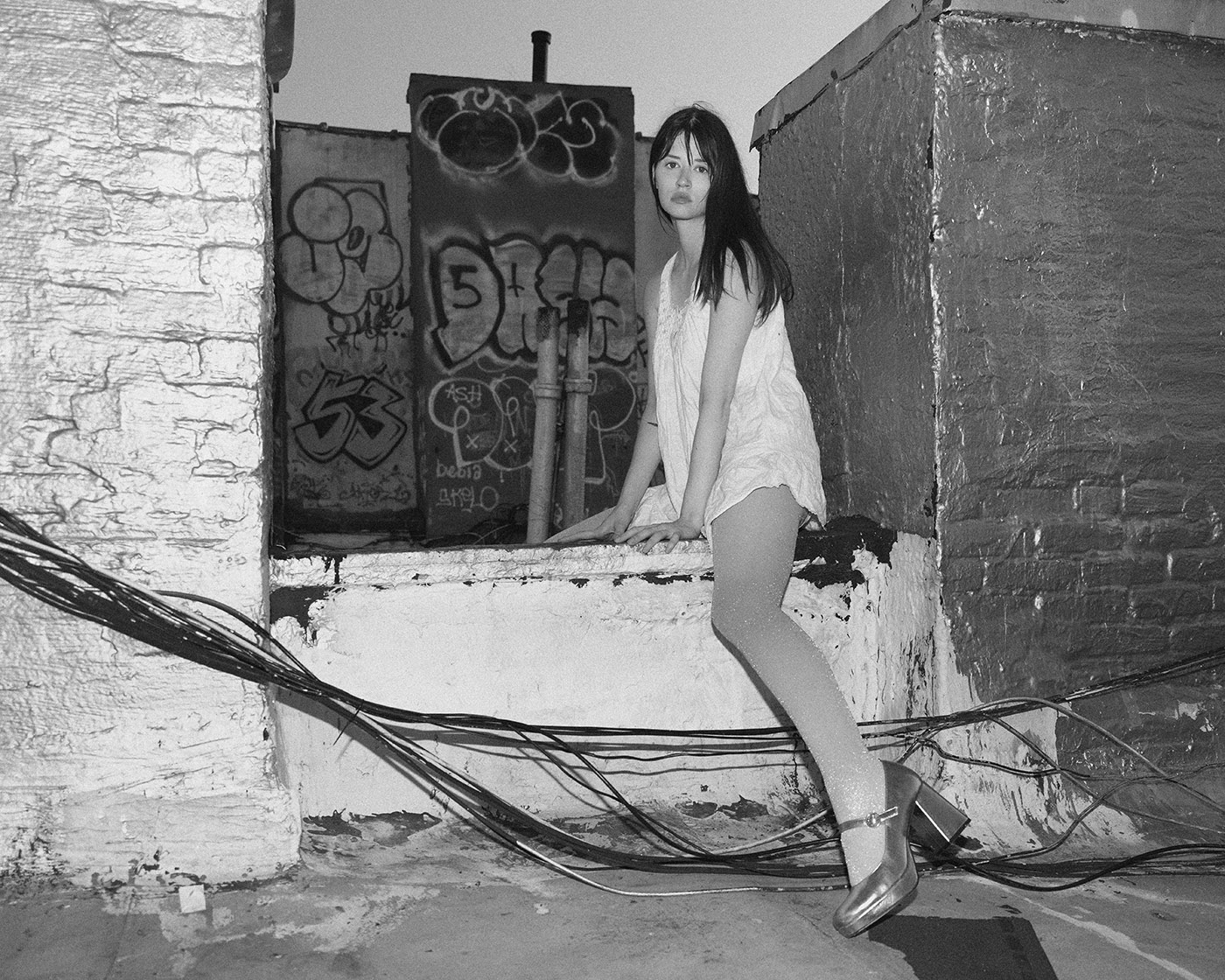
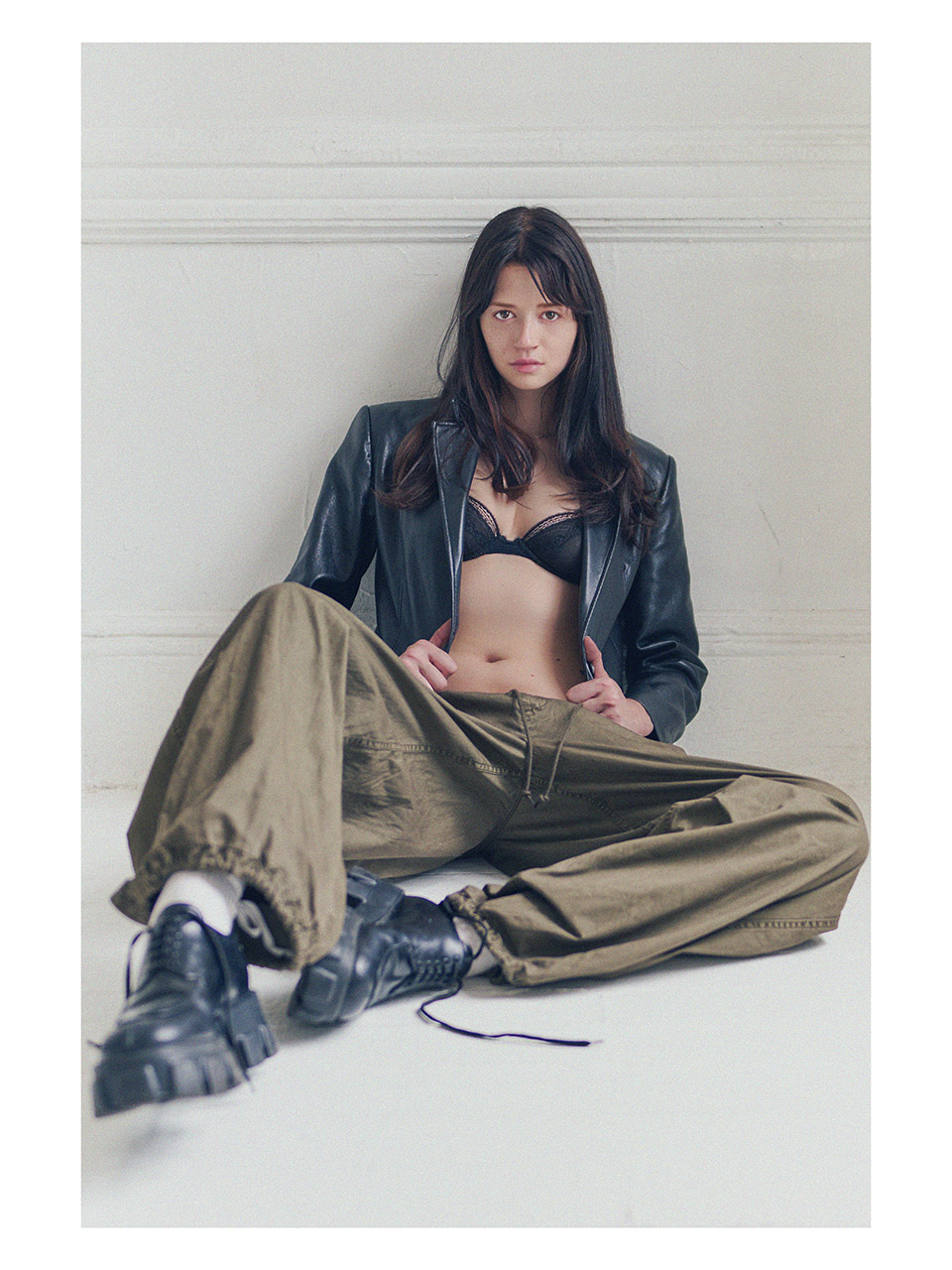
Fiona Gunn: I fell in love with the concept of a uniform back when I went to a private school with uniforms. I’d wake up, shower, and not have to throw the clothes from my closet all over my room. This has carried into adulthood, when I find an outfit I love and feel comfortable in, I buy a couple more,
and I wear it every day. It just makes life easier!
ZOOT: Outside of fashion, what worlds influence your imagination the most?
Fiona Gunn: I watch movies of every single genre and read a lot of fantasy books, but also love to read about and explore different religions. The music I listen to will always set the tone for my day, whether
its Lana Del Rey or The Ramones. I spent much of my time outdoors, I love to just sit in a wide
open field, a waterfall, or the beach, and spend a while thinking. Thats often where i get my best
ideas.
ZOOT: There’s something simultaneously romantic and unsettling in your imagery, almost gothic
at times. Where do fairies, vampires, mythology, and darker symbols fit into your creative
world?
Fiona Gunn: Irish mythology is a major part of my life. I began collecting old books about faeries, sirens,
vampires, etc. These books have beautiful imagery, and the descriptions of these mythological
creatures help me embody being something otherworldly. If I’m in nature, faerie. If im in water,
siren. If I’m in a darker setting, vampire.
ZOOT: As someone beginning a career in fashion now, what feels exciting to you about the
industry, and what feels disappointing for you already?
Fiona Gunn: I’m always excited to meet people! I modeled for a bit when I was 16 and everything feels VERY different. I’m not disappointed about anything, except maybe that now I have to be an influencer as well as a model (im not a social media person)
Thank you Fiona!