Àkila: The Woman at the End of the World
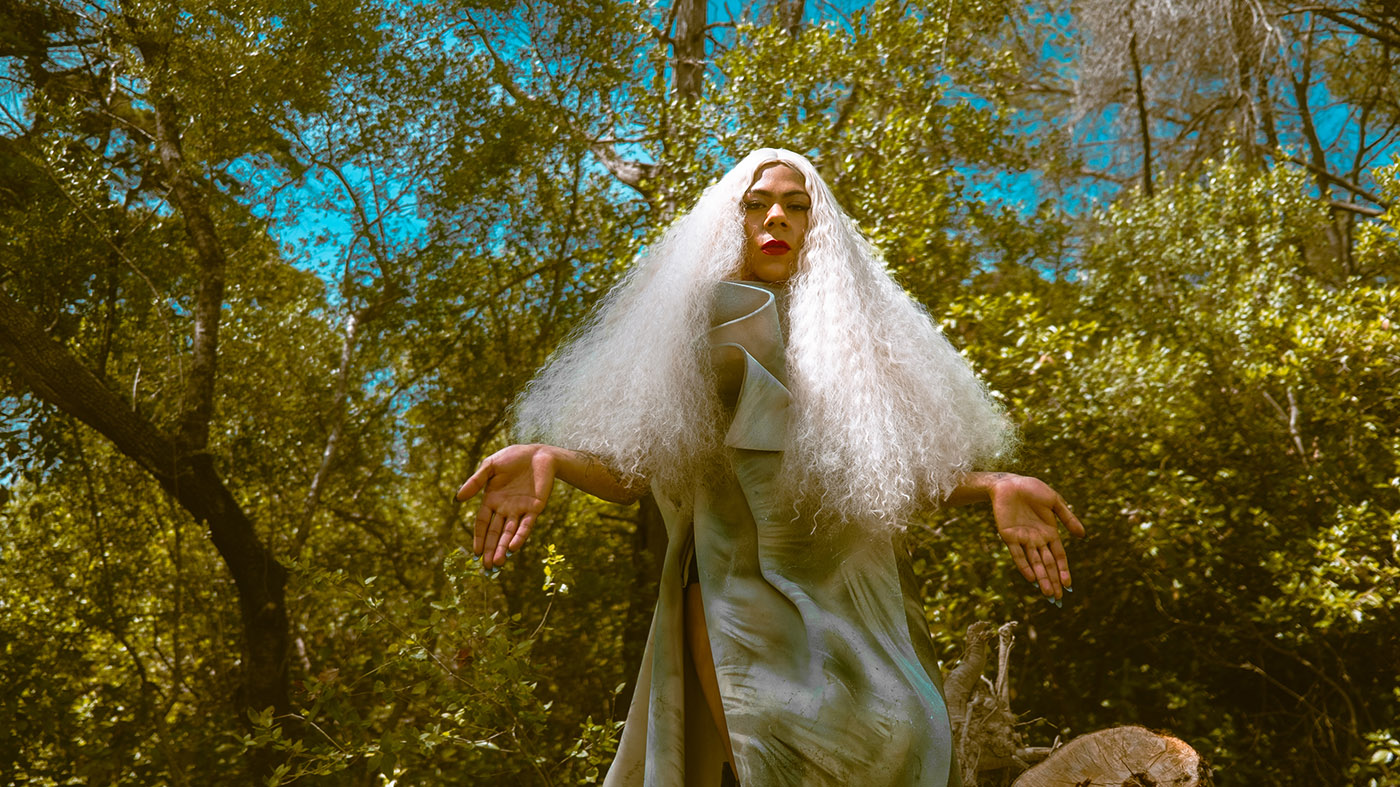
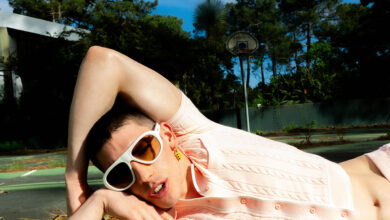
Brazilian-trans artist Puta da Silva believes art can do more than reflect the world—it can transform it. Inspired by Elza Soares’ The Woman at the End of the World, the album that shaped her artistic and political awakening, Àkila reflects on resistance, identity and why paradise must belong to everyone.
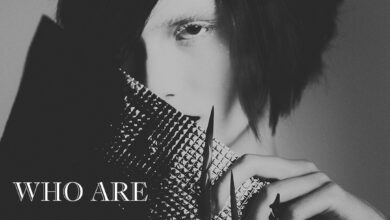
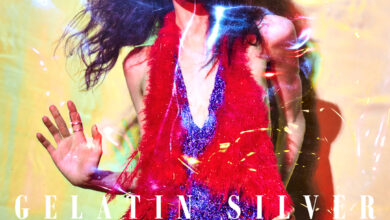
Photography Guy Danieli
Styling Anderson Vescah
Makeup Bruno Alsiv
Hair Gui Oliv
Interview Andrea Probosch
Words Priscila Vieira
Featured artist Àkila a.k.a. Puta da Silva
Known for her fearless performances and uncompromising political voice, Àkila, better known as Puta da Silva, has become one of the most compelling trans artists working in Portugal today. For her, art is never simply a way of expression—it is a form of resistance and a way of imagining futures beyond the violence of racism and transphobia.
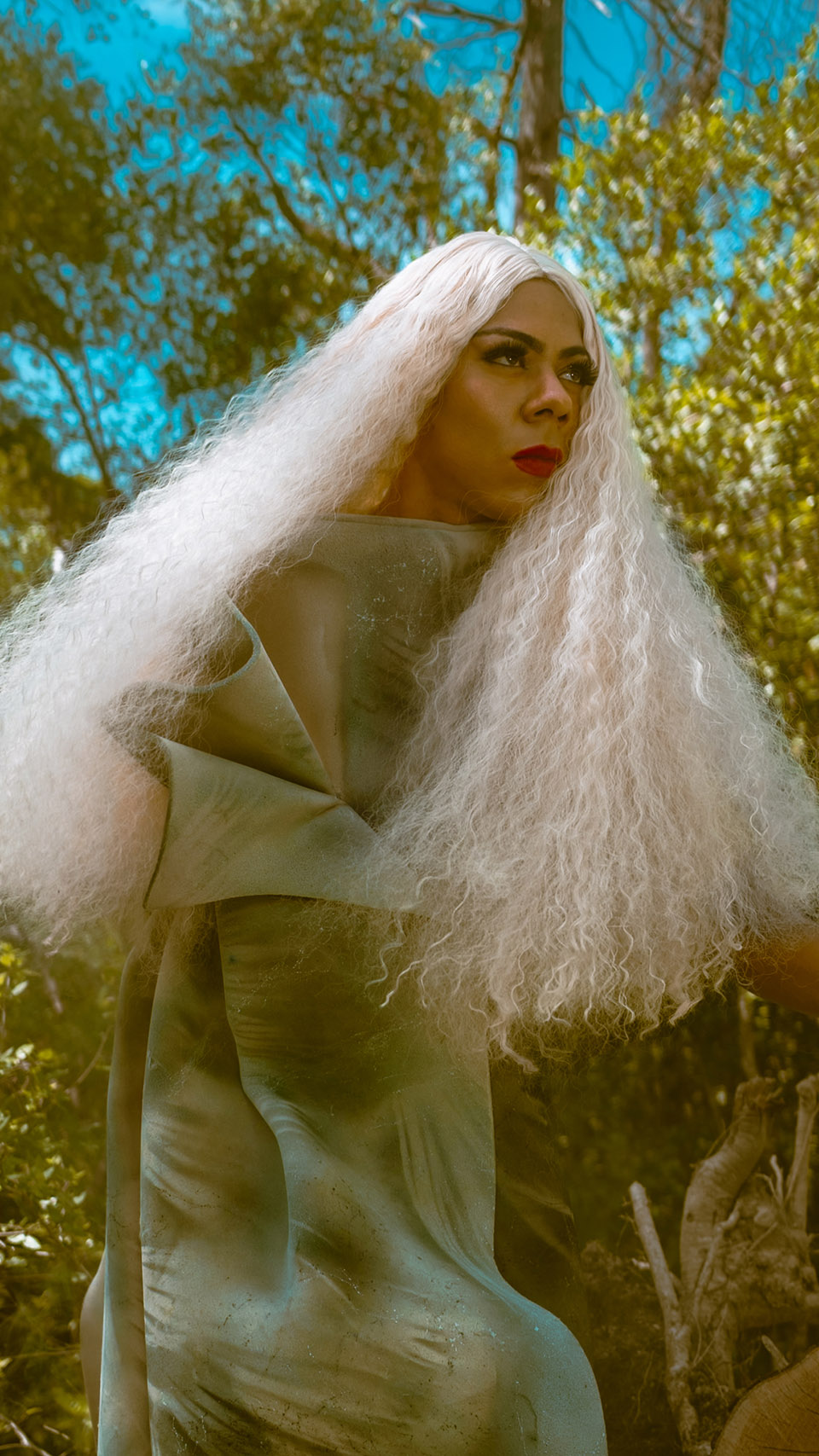
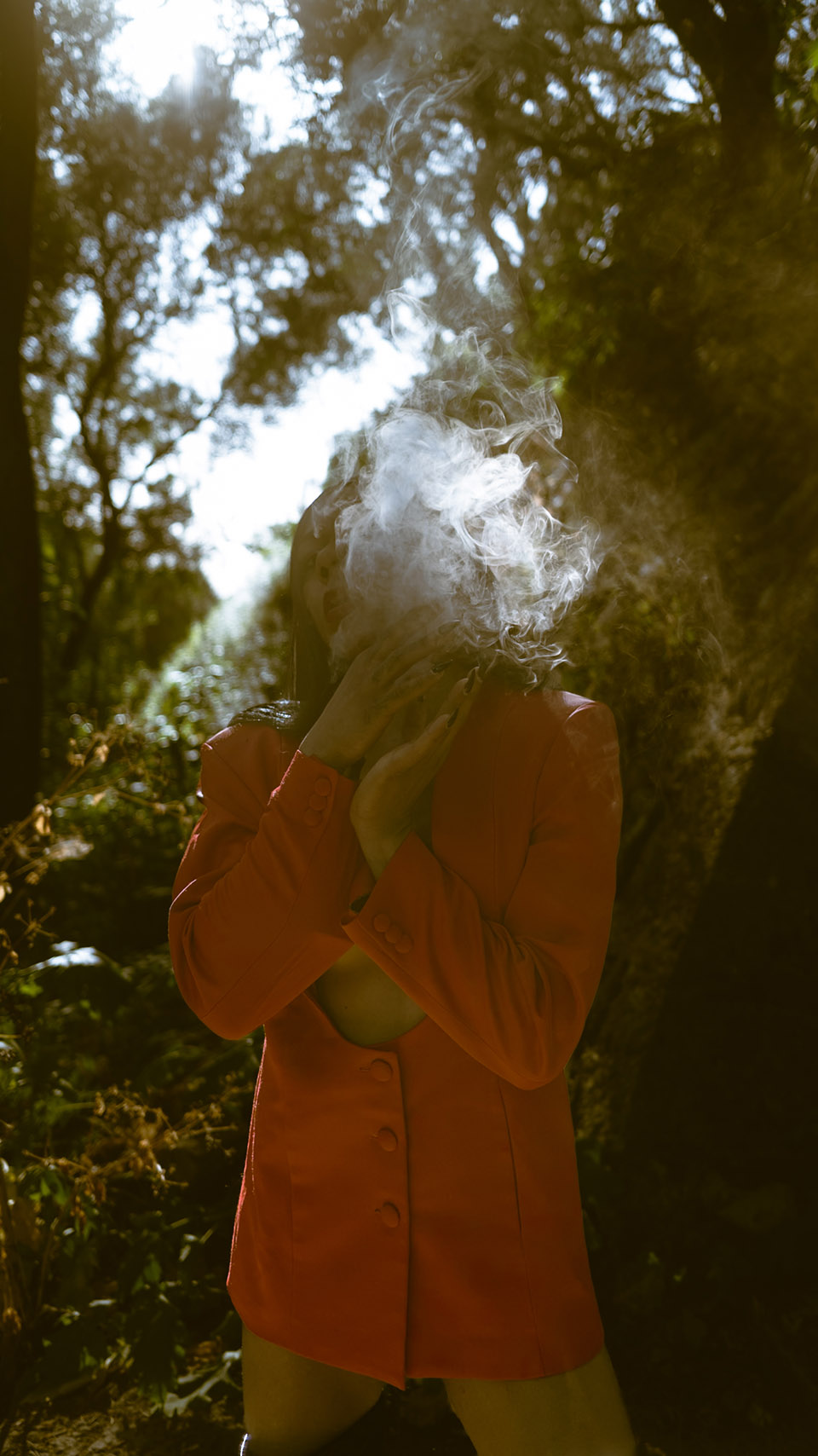
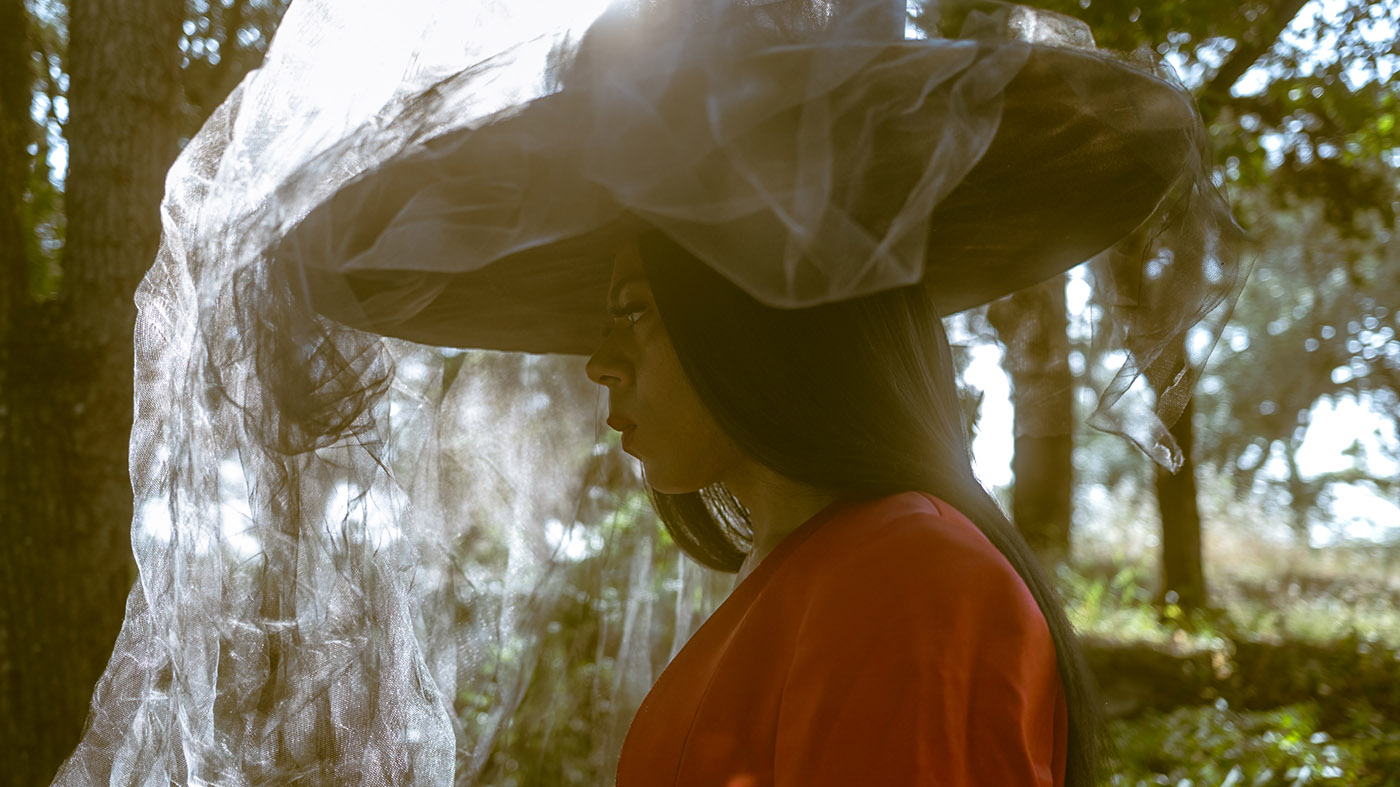
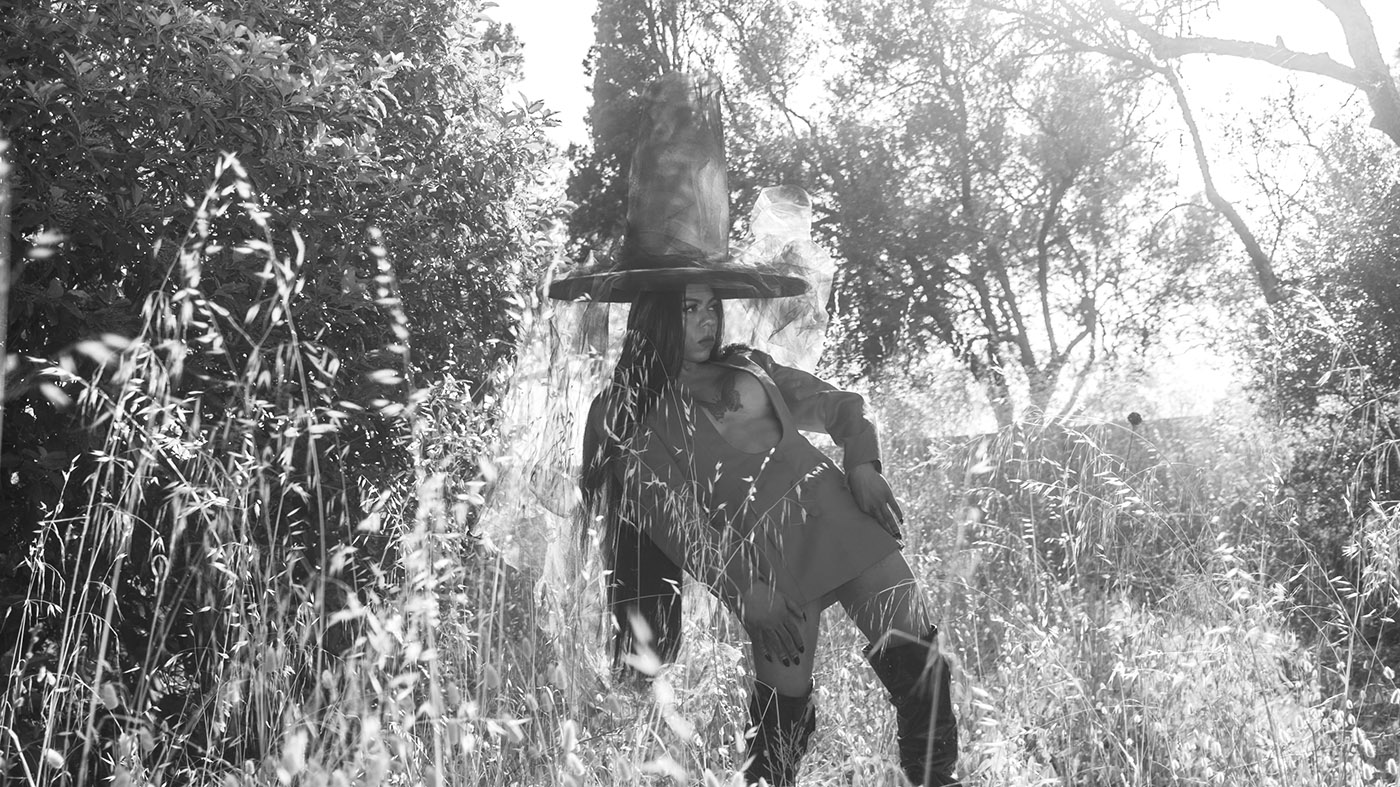
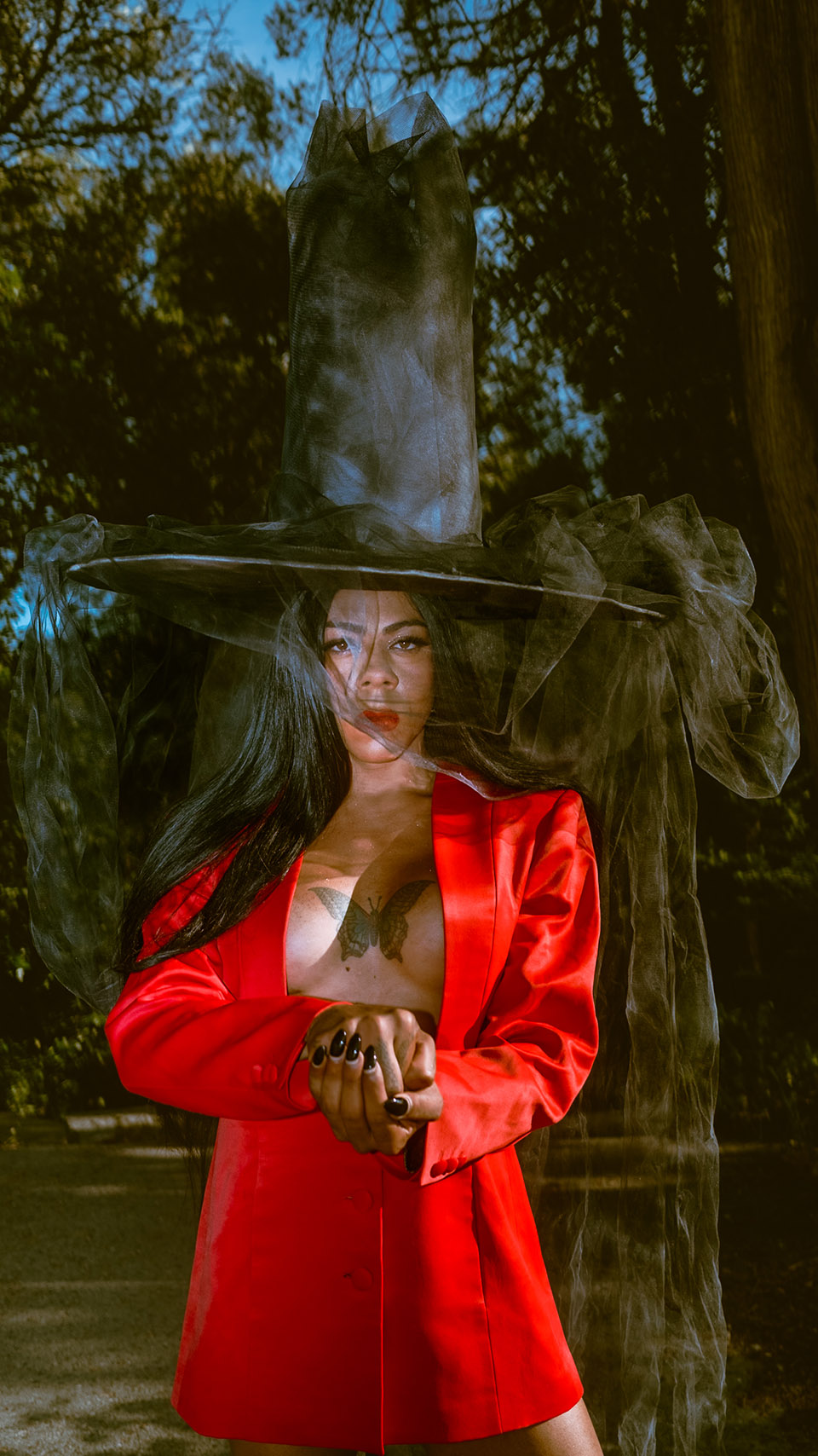
Throughout her work, Àkila often turns to the image of the witch. For many women, the witch has become a symbol of those who were punished for refusing to conform—women who were independent, outspoken or simply different. By reclaiming that figure, Àkila celebrates strength, freedom and the power of those who have long been pushed to the margins, a theme she explores in her song Bruxonas (“Big Witches”).
Ahead of the release of Welcome to Paradise, we spoke about migration, artistic inheritance, the lasting influence of Elza Soares’ The Woman at the End of the World, and why reclaiming power begins with telling your own story.
ZOOT: You’ve described art as a space of intervention rather than simply expression. What does art allow you to do that activism, politics, or language alone cannot?
Àkila: Art can penetrate the body before rationality. Activism often needs to respond to urgency, direct violence, and survival. Institutional politics operates within structures that are inherently limited. Art does not. Art can influence the imagination. It can produce discomfort, desire, contradiction, and delirium. It can create experiences that escape the colonial logic of productivity and coherence. When I step onto a stage, I’m not just transmitting a message. I’m rearranging affections, symbols, memories. I’m creating a fissure. And that’s very powerful because racism, transphobia, and colonialism also operate at the level of the imaginary. So art allows us to contest this territory with other narratives.
When I step onto a stage, I’m not just transmitting a message. I’m rearranging affections, symbols, memories.
àkila
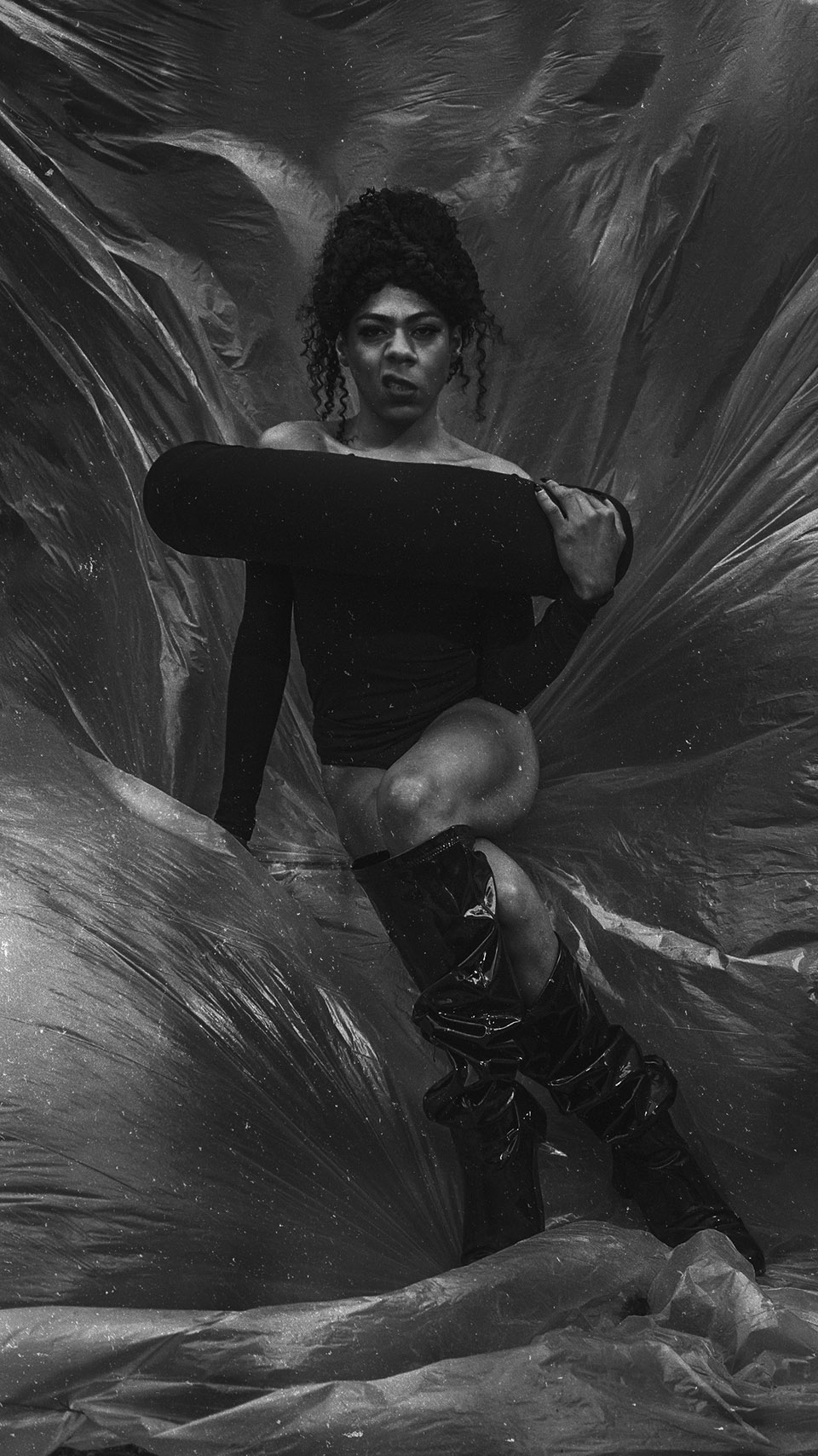
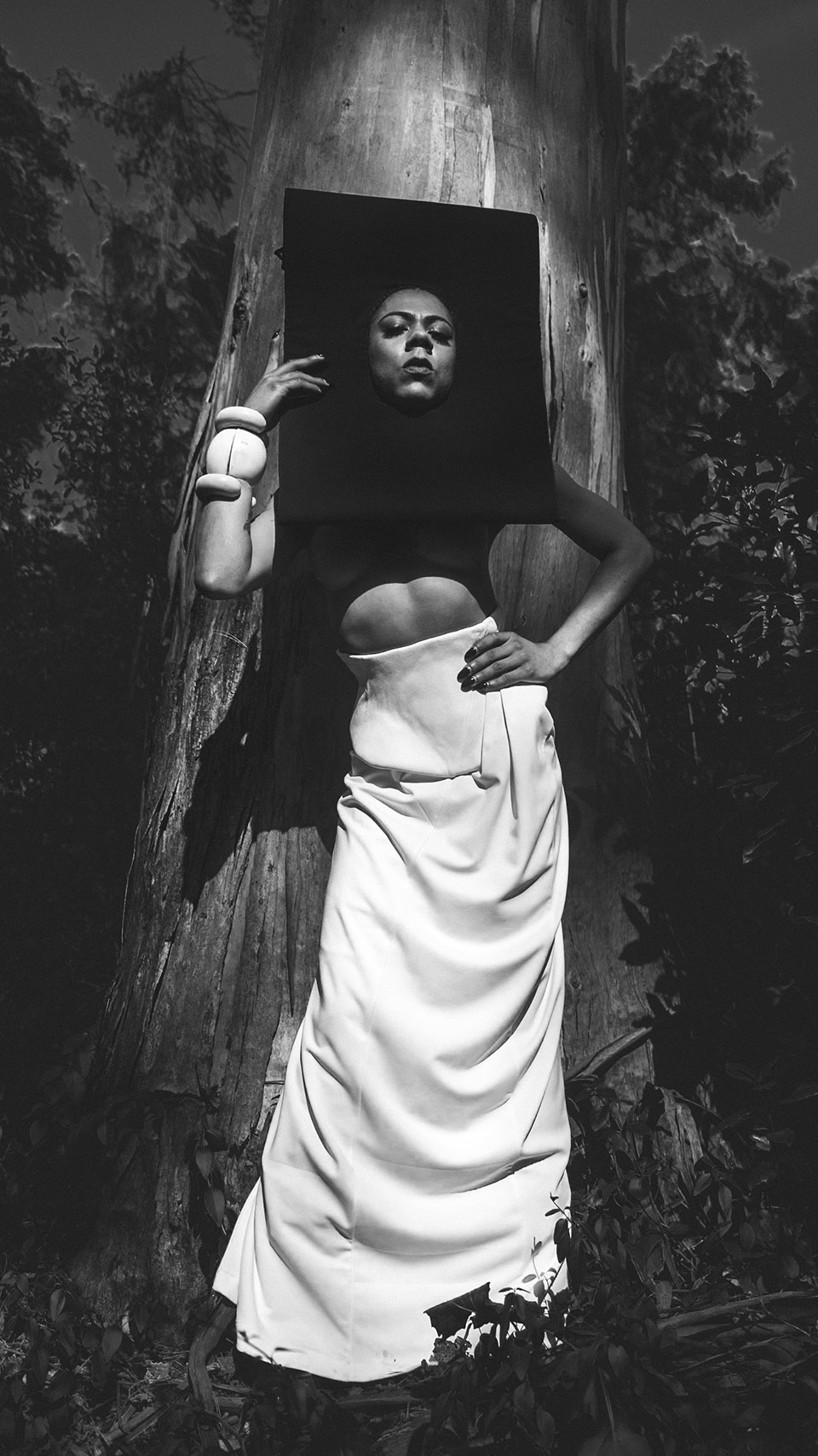
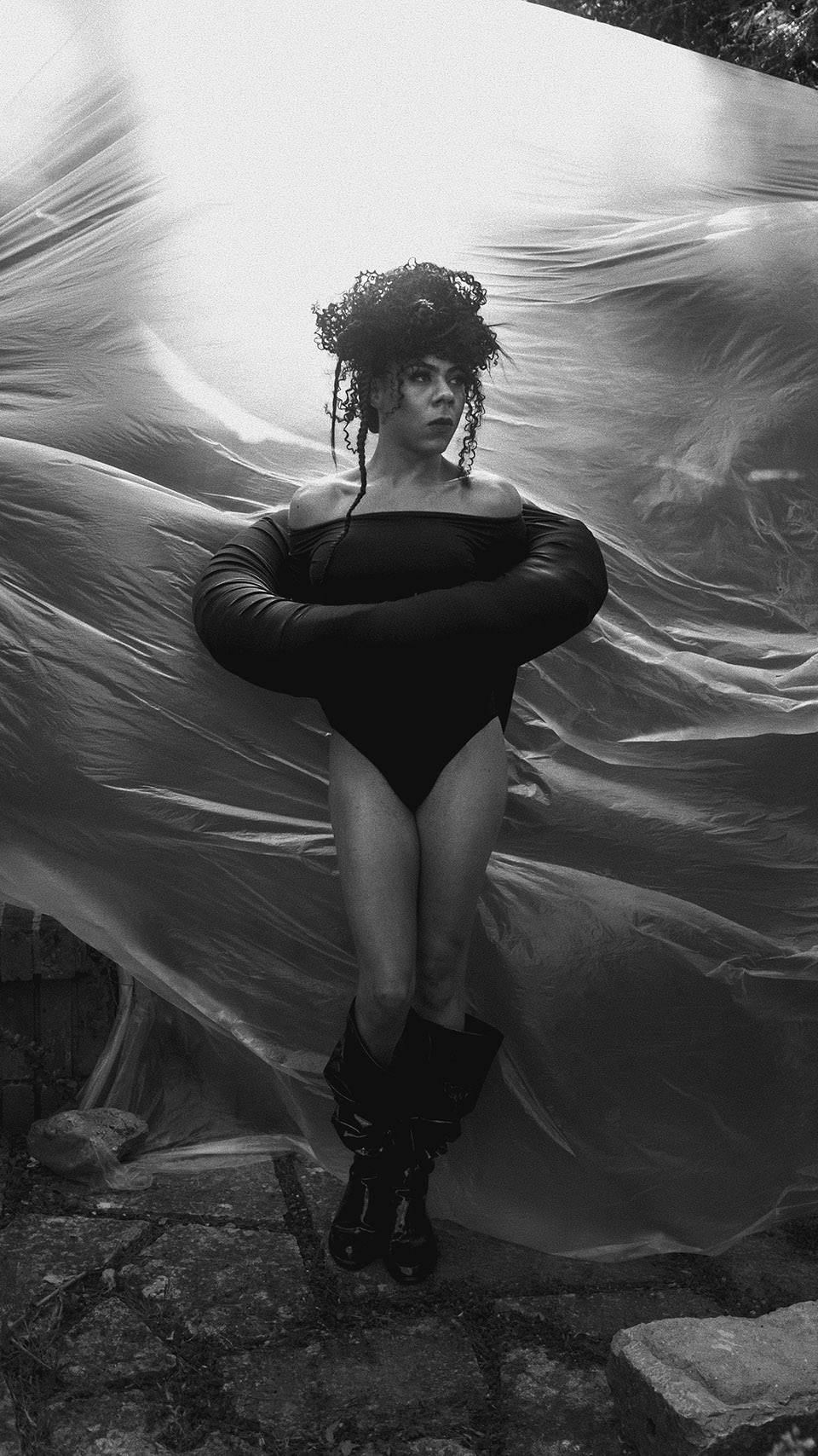
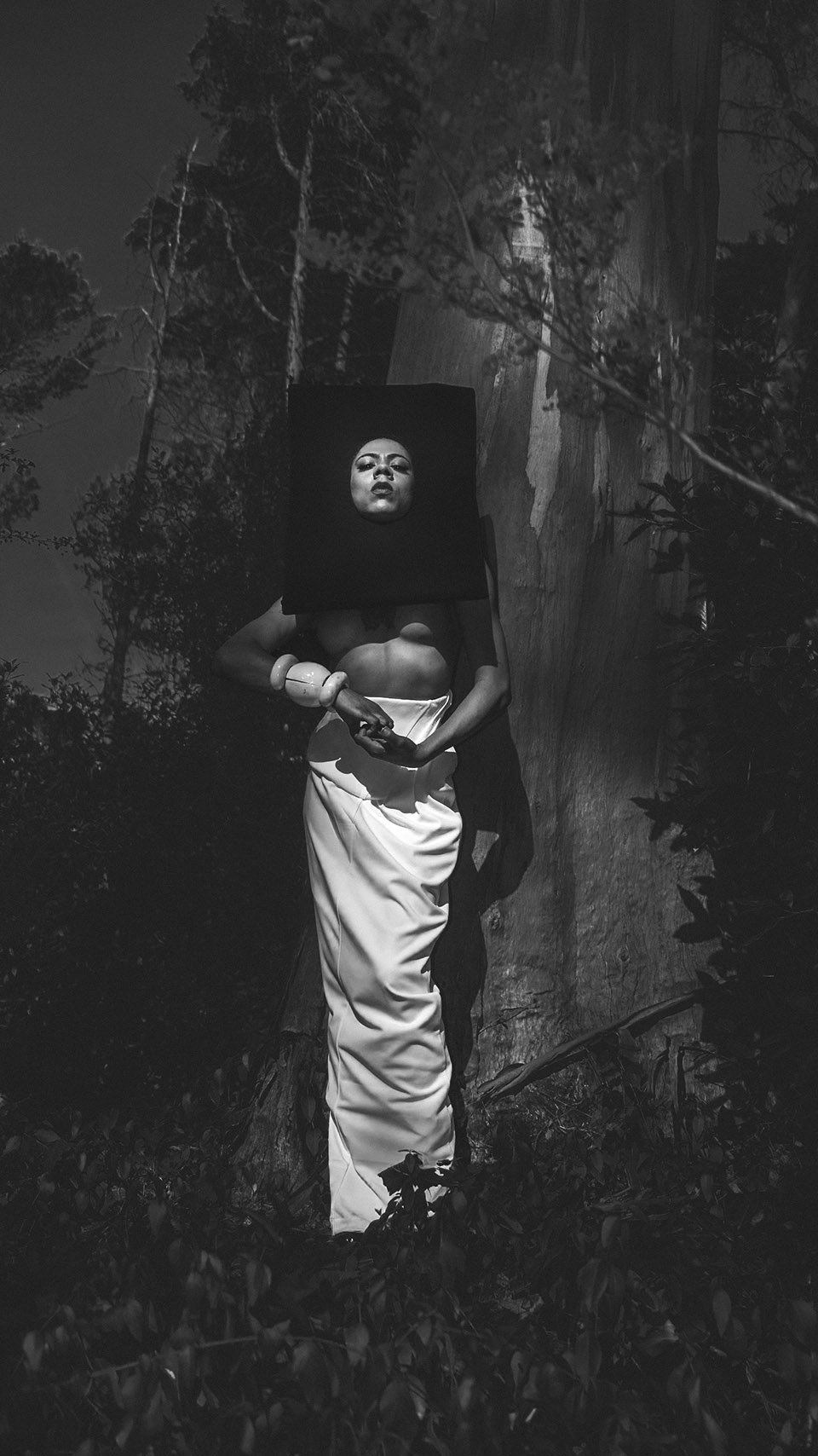
ZOOT: The name “Puta da Silva” carries provocation, vulnerability, and reclamation all at once. What did adopting that name make possible for you, both as an artist and as a person?
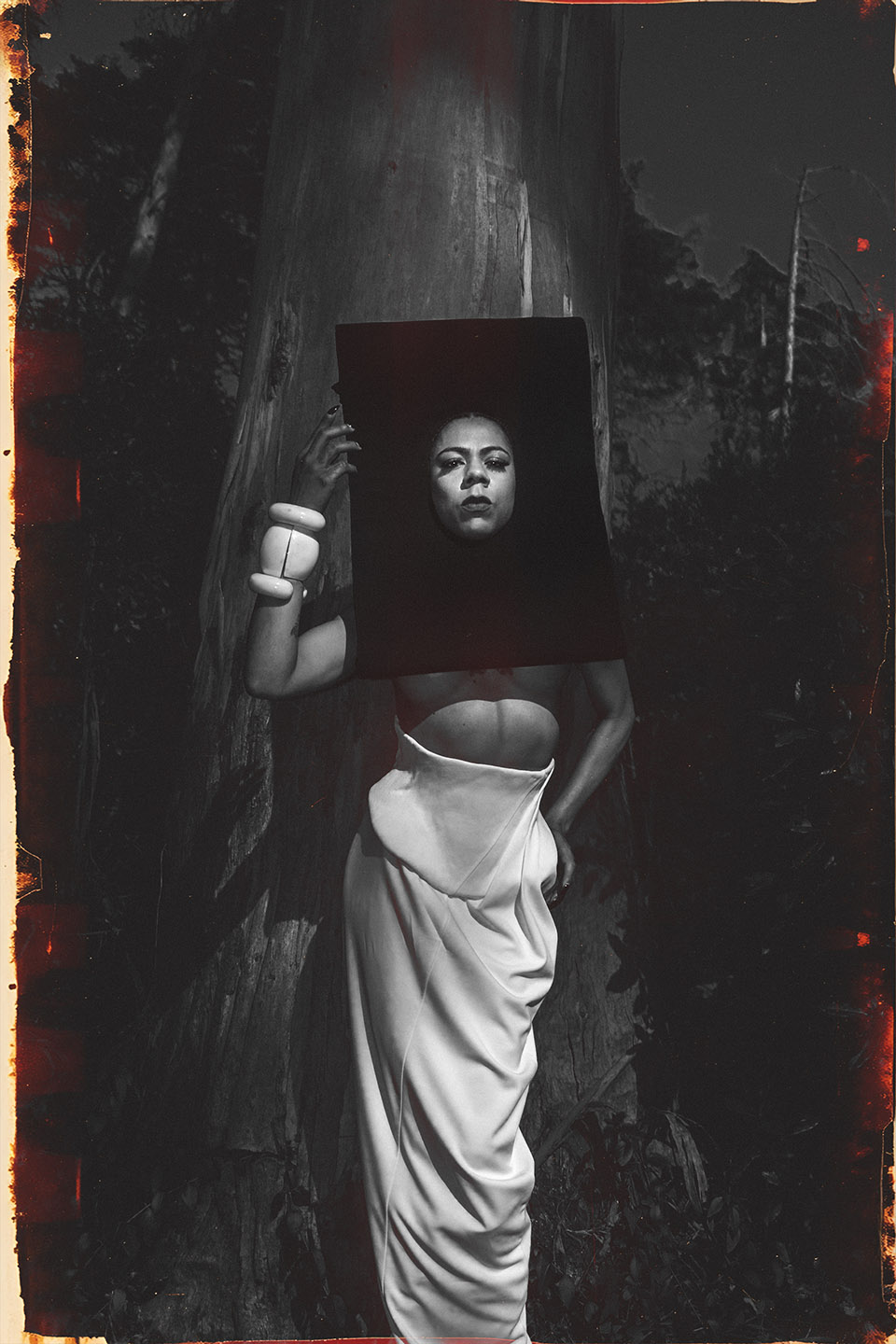
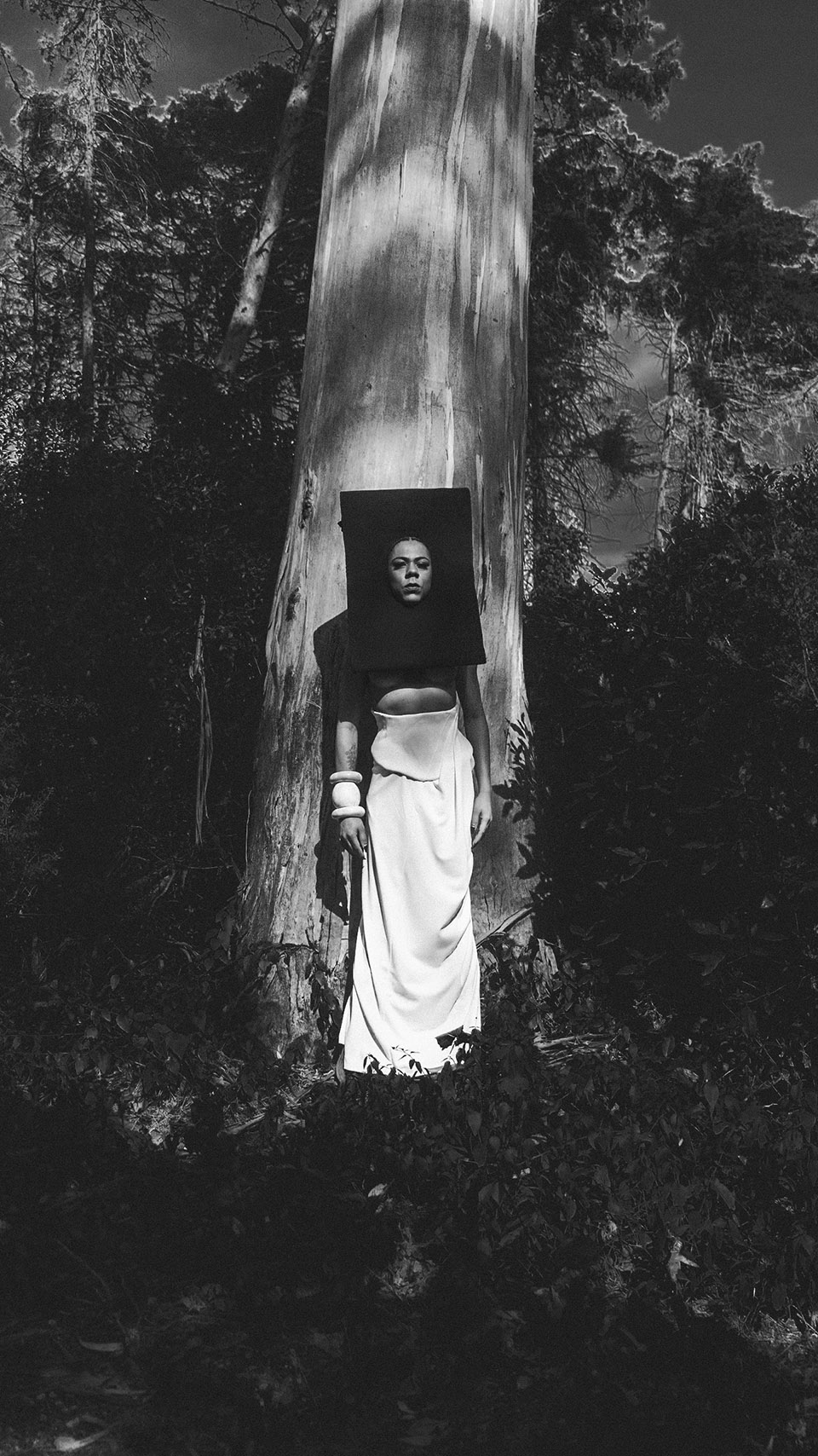
Àkila: Historically, the term “whore” has never been used solely to designate sex work. Throughout European and colonial modernity, the word was used to discipline bodies considered excessive, undesirable, or deviant—especially female, racialized, poor, and dissident bodies. For me, adopting the name Puta da Silva is to confront this history and refuse the place of shame it has attempted to create. Choosing this name was about transforming an insult into political language. It was about taking everything that is often used to diminish people like me—sexuality, marginality, origin, excess—and converting it into aesthetic strength, autonomy, and creation. The name also freed me from the need to be acceptable. As an Afro-transvestite multi-artist and immigrant in Portugal, I am well aware of the expectations of assimilation that fall upon certain bodies: the good immigrant, the exemplary trans person, the respectable artist. Puta da Silva is born from the refusal of these frameworks. It is a way of existing without asking for permission, but this choice is not merely symbolic.
Publicly adopting this name has concrete consequences. Doors close, judgments arise before any encounter, and violence intensifies. Therefore, the name doesn’t function as a character or an abstract provocation. It reveals the cost of existing outside the norm and, at the same time, the decision not to hide in order to fit into it. The “da Silva” part is also crucial. One of the most common surnames in the Portuguese-speaking world, it carries stories of miscegenation, class, and coloniality.By juxtaposing “Puta” and “Silva,” the name creates a tension between stigma and belonging, marginality and collective heritage. More than an artistic pseudonym, Puta da Silva is a position in the world. It is the continuous performance of an Afro-transvestite immigrant who refuses to be defined by shame, fear, or subordination. Perhaps this is the most political dimension of the name: transforming what should serve to silence into a tool for public presence, emancipation, and freedom.
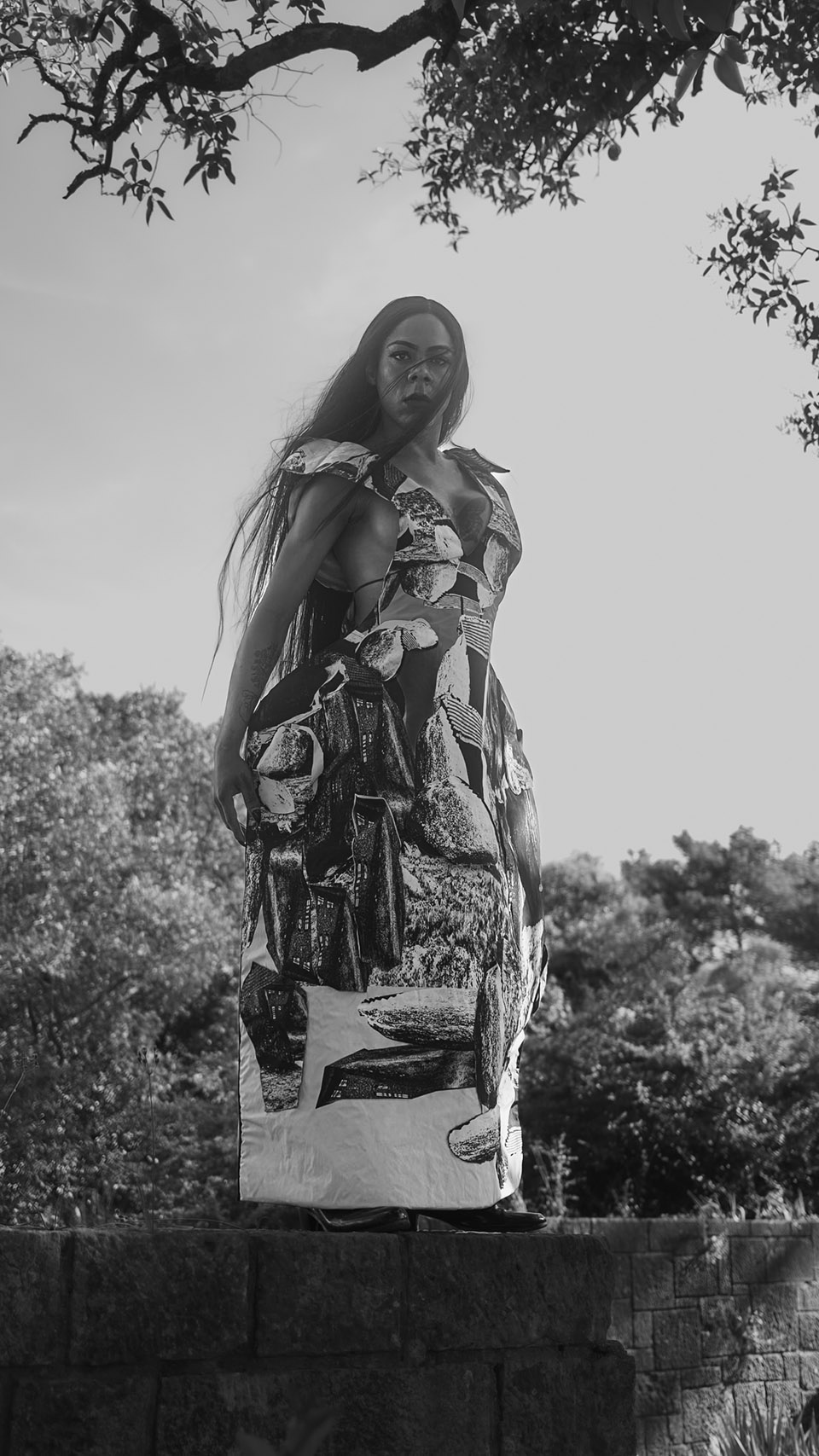
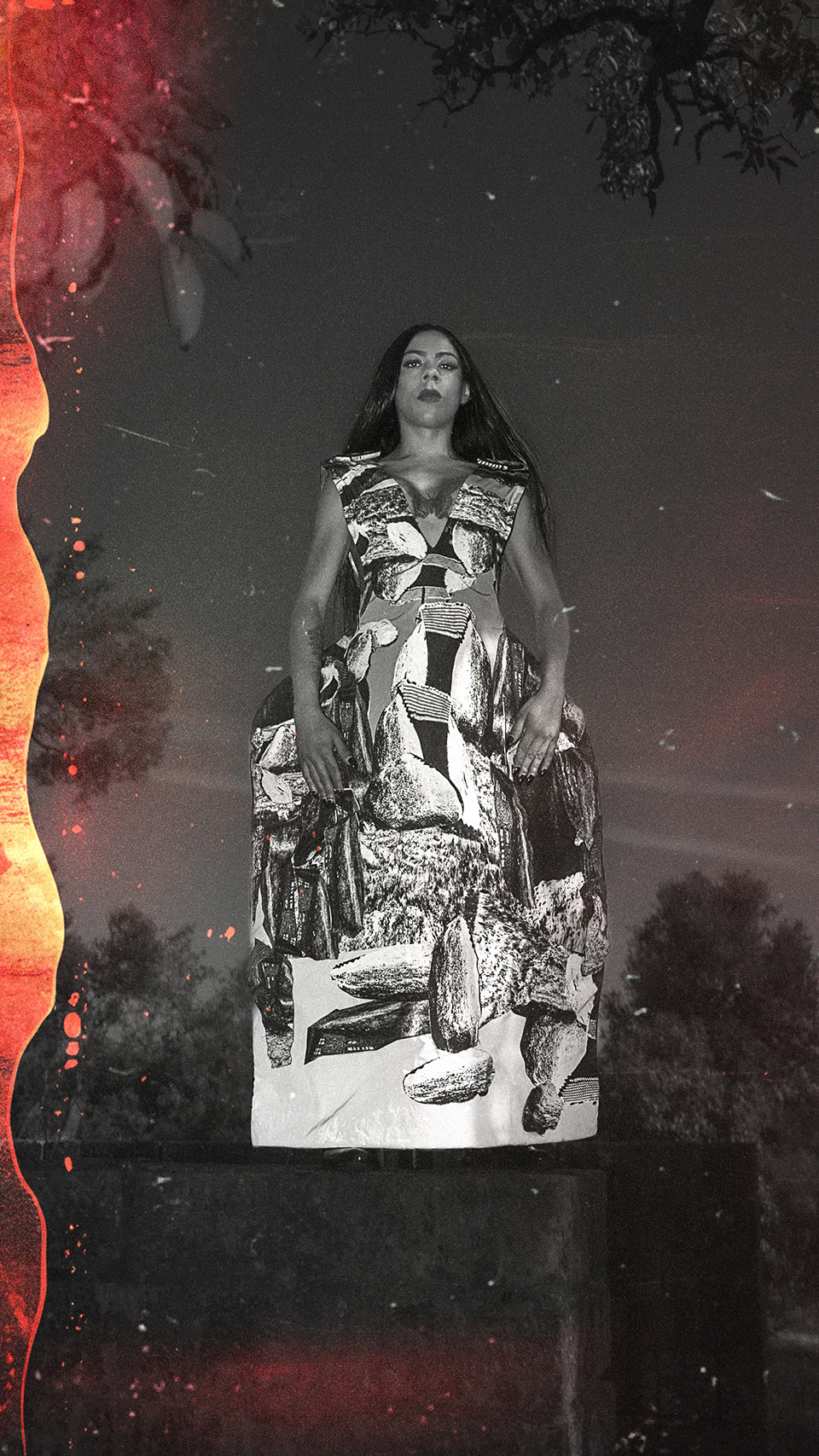
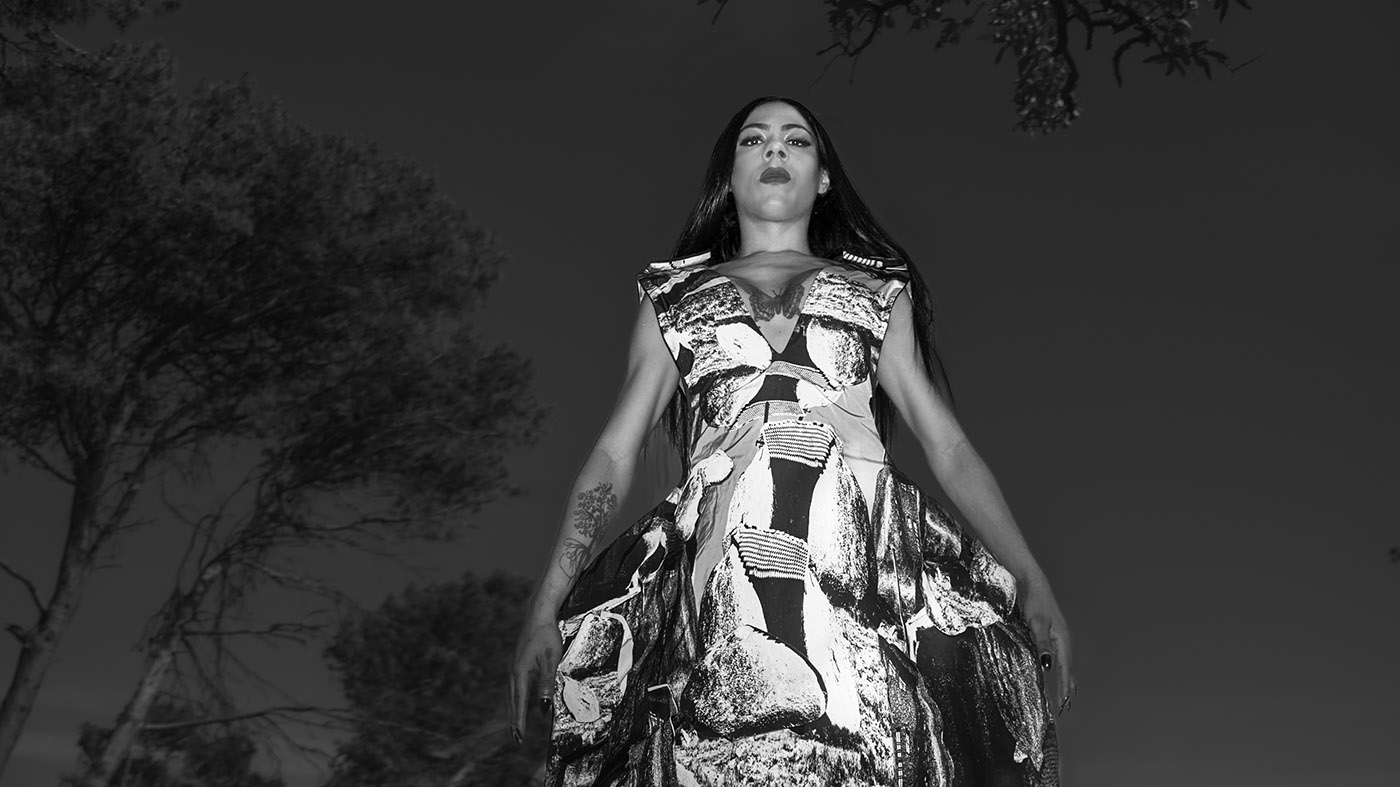
ZOOT: Elza Soares’ A Mulher do Fim do Mundo has been described as an important influence on your artistic journey. Her work transformed pain, resistance, and political defiance into something radically beautiful. How has that album shaped both your life and the artist you’ve become?
Àkila: The Woman at the End of the World (A Mulher do Fim do Mundo), by Elza Soares, is one of the greatest landmarks of contemporary Brazilian music and profoundly shaped the creation of Benedites, the performance I directed during the student occupations at the Federal University of Uberlândia in 2016, together with the OCUPA Teatro Collective. At that moment, in response to the political process initiated by the impeachment of Dilma Rousseff and the setbacks affecting education, culture, and social rights—especially those of the Black population, women, and the LGBTQIAPN+ community—Elza’s voice became the soundtrack of Benedites and of an entire generation resisting in the streets, at universities, and on the stage. The Woman at the End of the World ran through our creative process as a manifesto of freedom, dignity, and defiance.
With this album, Elza helped shape a generation of artists who came to understand artistic creation as an act of resistance. Alongside Marielle Franco and so many other women who transformed their very existence into a political act, she opened paths that allow us today to tell our own stories. The artist I have become was born from that encounter. For me, to continue creating is a way of carrying that legacy forward.
ZOOT: Your work often blurs the line between autobiography and performance. Is there still a distinction between Àkila and Puta da Silva, or have those identities become inseparable?
Àkila: Today I see them more as different frequencies of the same body. Àkila is perhaps the most intimate, spiritual, silent part. Puta da Silva is the amplification, the noise, the public confrontation. But they feed off each other. In the beginning, there was a clearer separation because I needed to survive emotionally. The performance served as protection. Over time, I realized that this boundary was also a fiction. Especially for trans and racialized people, the world never allows us a comfortable division between the public, the private, and the political.
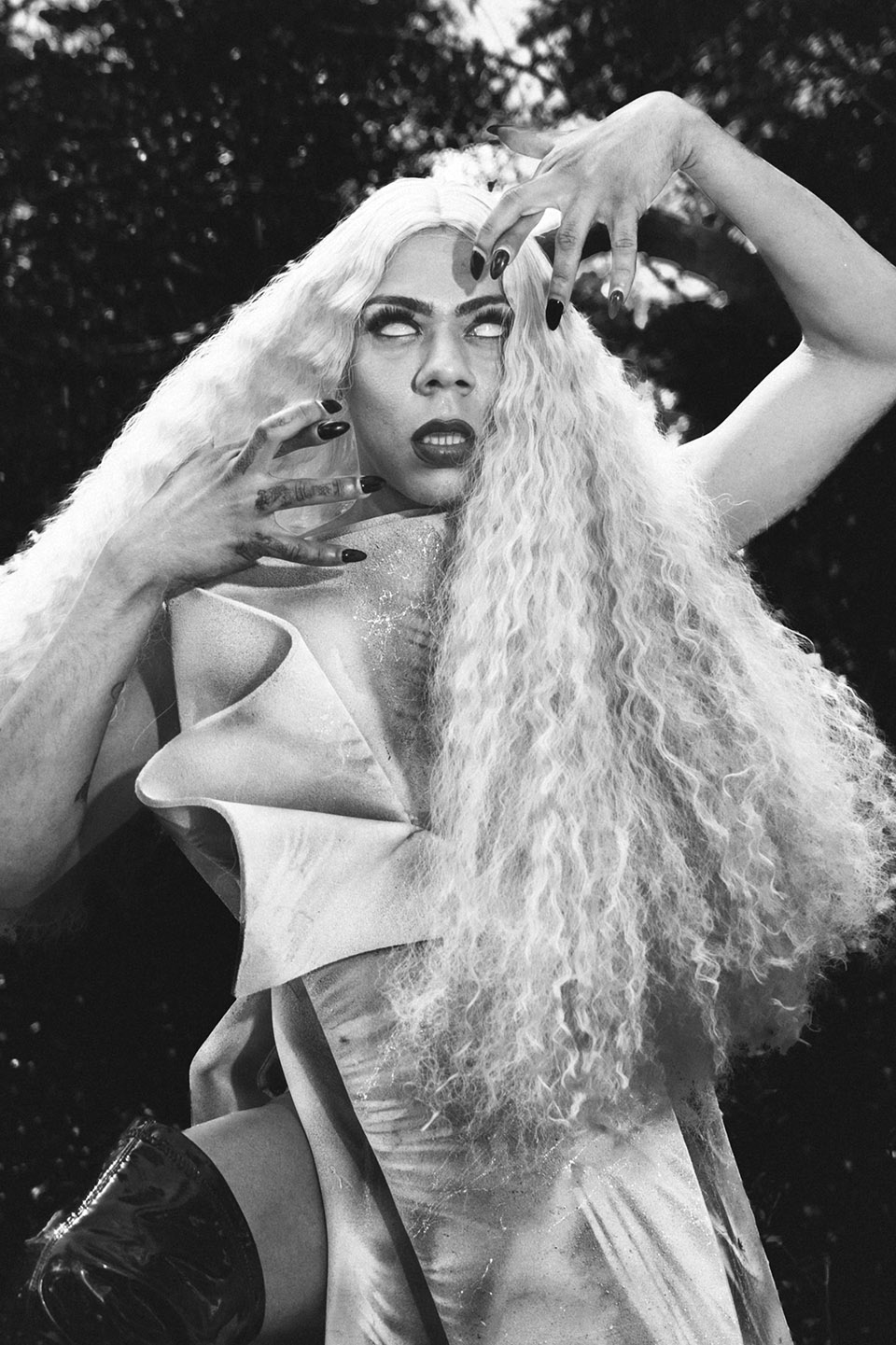
ZOOT: Migration sits at the center of your story. Looking back ten years after arriving in Lisbon, how has displacement shaped your understanding of freedom, belonging, and home?
Àkila: Migrating made me understand that belonging isn’t necessarily acceptance. For a long time, I thought freedom meant crossing borders. Today I realize that borders continue to operate within the city, within institutions, within language, within opportunities. Lisbon offered me opportunities, but it also confronted me with very sophisticated forms of exclusion.
ZOOT: You’ve spoken openly about sex work as a source of autonomy during a period of extreme precarity. How do you think mainstream culture still misunderstands the realities and complexities of sex work?
Àkila: The dominant culture insists on viewing sex work without listening to the people who live this reality. There is a moral need to transform sex workers into absolute victims or abstract symbols. But the reality is much more complex. In my case, sex work was also a tool for economic autonomy in a context where the formal market closes doors to trans and migrant bodies. This doesn’t mean romanticizing precariousness. It means recognizing that there are different ways to negotiate survival and power within violent systems. Society still has difficulty accepting that transgender people can exercise agency over their own bodies outside of the categories of purity or redemption.
ZOOT: There’s a strong spiritual dimension running through your work, particularly through Afro-diasporic references and ritual. What role does spirituality play in your creative process today?
Àkila: Spirituality helps me remember that I didn’t begin with myself. There’s an ancestral connection that permeates the body, music, gesture, and dreams. For me, spirituality is often also a survival tool. My creative process has a lot to do with ritual listening. Sometimes a song is born first as a feeling, as embodiment, as a trance. I think a lot about art as a portal, not just as a cultural product.
ZOOT: Your performances combine punk energy, Brazilian funk, theatre, poetry, and electronic music. Are you consciously building a new language, or are you simply reflecting the many worlds you inhabit?
Àkila: Rock, Afro-Brazilian rhythms, electronic music, theater, poetry, ballroom culture, and fado entered my life through travel, encounters, and affections. As I recognized something of myself in these languages, they became part of my repertoire. I don’t think much about creating my own language. I’m interested in being honest with the experiences that make me who I am. If a language exists, it arises naturally from the encounter between them.
ZOOT: Portugal often presents itself as progressive and welcoming, yet your work frequently exposes contradictions beneath that image. What conversations about race, migration, and gender is Portuguese society still avoiding?
Àkila: Portugal continues to avoid discussing colonialism as a living structure, rather than a closed chapter of history. There is a very strong tendency to transform the Portuguese empire into cultural nostalgia, celebrating discoveries and legacies while ignoring how the colonial past still organizes inequalities in the present. Black, Roma, and migrant communities continue to face structural racism, police violence, precarious housing, labor exploitation, and institutional exclusion, but these issues rarely occupy the center of the national debate. There is also a profound difficulty in confronting racism beyond isolated incidents. Often, tolerance and integration are discussed without questioning who has access to power, representation, full citizenship, or the production of knowledge. The conversation about race in Portugal is still frequently treated as something imported from other contexts, when it is part of the country’s own history and reality.
In the field of gender and sexuality, a similar contradiction exists. For years, Portugal was presented internationally as an example of progress in LGBTI+ rights, but the existence of advanced laws never meant the end of everyday violence. Trans people continue to face unemployment, marginalization, fetishization, discrimination in access to healthcare, and social isolation. At a time when previously won rights are once again being questioned in public and institutional debate, and in some contexts are suffering concrete setbacks, it becomes evident that inclusion can never be taken for granted. That is why Gisberta’s memory remains so necessary. Not only because she was a victim of extreme violence, but because the way she lived and died exposed several layers of exclusion that are still present: transphobia, poverty, migrant status, lack of social protection, and the ease with which certain lives are considered disposable. Speaking of Gisberta should be an opportunity to question which lives continue to be pushed to the margins and which forms of violence society still prefers not to acknowledge.
Often, Portuguese progressive discourse functions better as an international brand than as a concrete transformation of power relations. The conversations that continue to be avoided are precisely those that question who belongs, who is protected, and who continues to bear the historical costs of these power structures.
ZOOT: As someone working between Brazil and Portugal, how do you navigate the colonial histories that continue to shape cultural exchange between the two countries?
Àkila: There is a great deal of interest in Brazilian culture in Portugal, but this interest is often accompanied by exoticization. Brazil is consumed as energy, celebration, sensuality, creative chaos. But there is rarely a willingness to confront the historical hierarchies that structure this relationship. In the cultural field, Brazilian migrant artists still need to constantly negotiate legitimacy, accent, institutional access, and intellectual recognition. There is an unequal circulation of power and symbolic capital.
ZOOT: You’ve become a visible public figure while also remaining deeply critical of institutions. How do you maintain a radical voice once institutions begin inviting you into their spaces?
Àkila: I think it’s important to remember that institutional inclusion doesn’t mean a real redistribution of power. Many institutions have learned to incorporate dissenting discourses as a form of aesthetic updating without necessarily changing their structures. So, for me, the question is: what happens when I enter these spaces? Am I just decorating the institution, or am I managing to shift something concrete? Am I expanding access for other people? Am I preserving my critical autonomy? I have no interest in neutralizing my language to better fit in these places.
ZOOT: Your reinterpretation of José Afonso’s “Os Vampiros” connects contemporary struggles with Portugal’s protest-song tradition. What drew you to that song, and what does resistance sound like in 2025?
Àkila: “The Vampires” remains frighteningly relevant because it speaks to exploitation, concentration of power, and structural violence. But today, vampires also employ progressive discourse, inclusive branding, and contemporary aesthetics. Resistance in 2025 seems very fragmented to me, but also very creative. It happens in the streets, on social media, at parties, in care collectives, in independent art. There’s an affective dimension to resistance that interests me a lot.
ZOOT: Casa T Lisboa is often discussed as a social project, but it also feels like a cultural intervention. Do you see community care itself as an artistic practice?
Àkila: Absolutely. Care also produces language, imagination, and symbolic transformation. For historically marginalized communities, creating spaces for collective survival is a radical form of cultural invention. Casa T is not just about assistance. It’s about creating a future. It’s a space where transgender migrants can exist outside the constant logic of urgency.
ZOOT: Being mentioned in political attacks by conservative figures suggests that your work has entered a different scale of public visibility. Did that moment change how you understood your own cultural influence?
Àkila: It changed because it made me realize that symbolic dispute is real. When bodies like mine begin to occupy certain spaces, it produces a reaction. And this reaction also reveals the limits of Portuguese democracy. At the same time, I try not to transform visibility into an illusion of absolute power. Overexposure can also be a mechanism of surveillance, violence, attrition, and control.
ZOOT: You’ve become one of the first trans women to achieve this level of visibility in Portuguese popular culture. How do you negotiate the pressure of representation while still allowing yourself the freedom to be imperfect, contradictory, or provocative?
Àkila: I reject the idea of exemplarity as a political obligation. Trans people have a right to complexity. We have a right to error, to contradiction, to excess, to humor, to anger. Representation only makes sense to me if it expands possibilities for existence, and not if it creates new models of moral discipline.
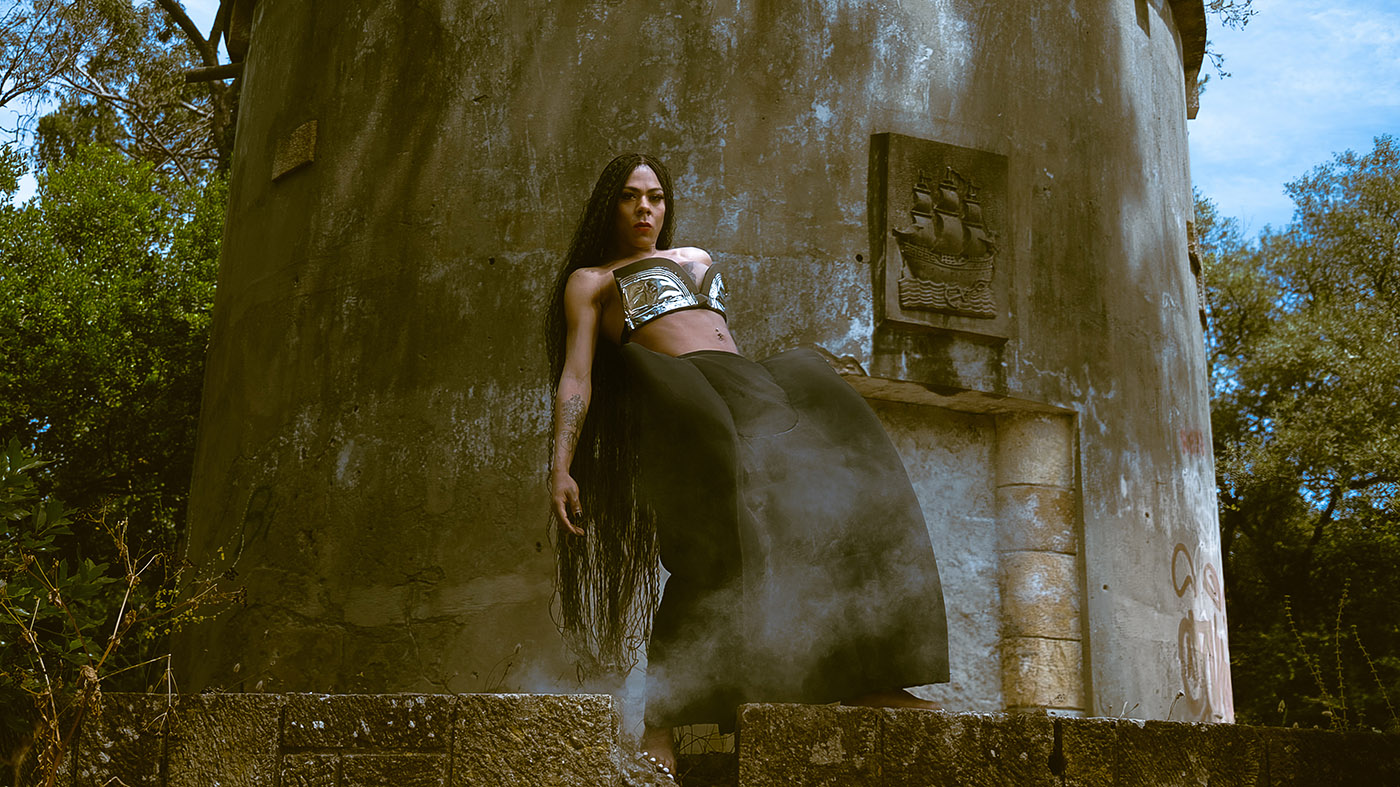
ZOOT: Your upcoming album is titled Welcome to Paradise. Given everything your work reveals about violence, exclusion, and survival, what kind of paradise are you inviting us into?
Àkila: The word paradise has a curious origin. It comes from the Persian word pairidaeza, which designated a garden surrounded by walls. From its origin, therefore, paradise is not only a promise of abundance; it is also a matter of access. There are always those who are inside and those who remain outside.Welcome to Paradise is born from this tension. The title functions as a provocation to the promises of progress, freedom, and belonging that have shaped the modern imagination and that continue to unequally distribute who can inhabit certain spaces, rights, futures, and dreams.
I’m interested in challenging the very idea of paradise. The album proposes another interpretation: Paradise not as a privilege of the few, but as a common good. To reclaim paradise is also to reclaim the right to reinvent it. Welcome to Paradise is born from this gesture: from the affirmation that paradise also belongs to us. Welcome.
Thank you Àkila!
To boot…
ÀKILA PUTA DA SILVA, Singer and activist
Àkila on
Spotify Puta da Silva
Instagram @akila_a.k.a_putadasilva
Youtube @akila_aka_putadasilva
CASA T Lisboa
@casa_t_lisboa
FASHION REFERENCES
KOLOVRAT @kolovrat
RO ARCHIVE @roarchive
TAC @www.tac.com