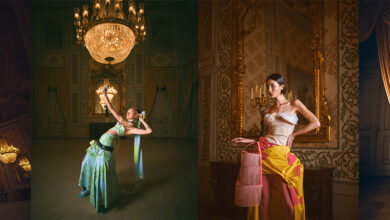
The many faces of Laura Dutra
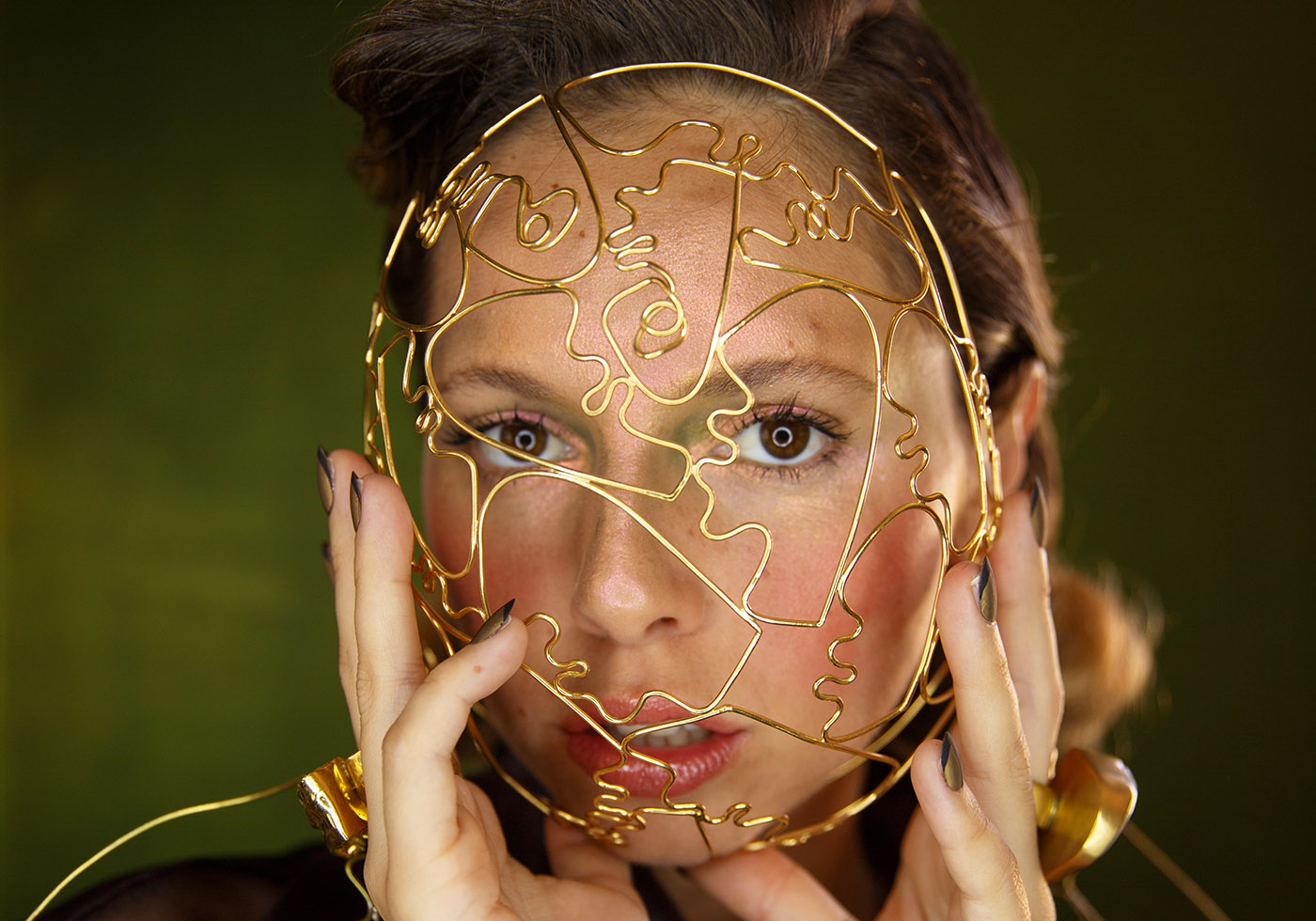
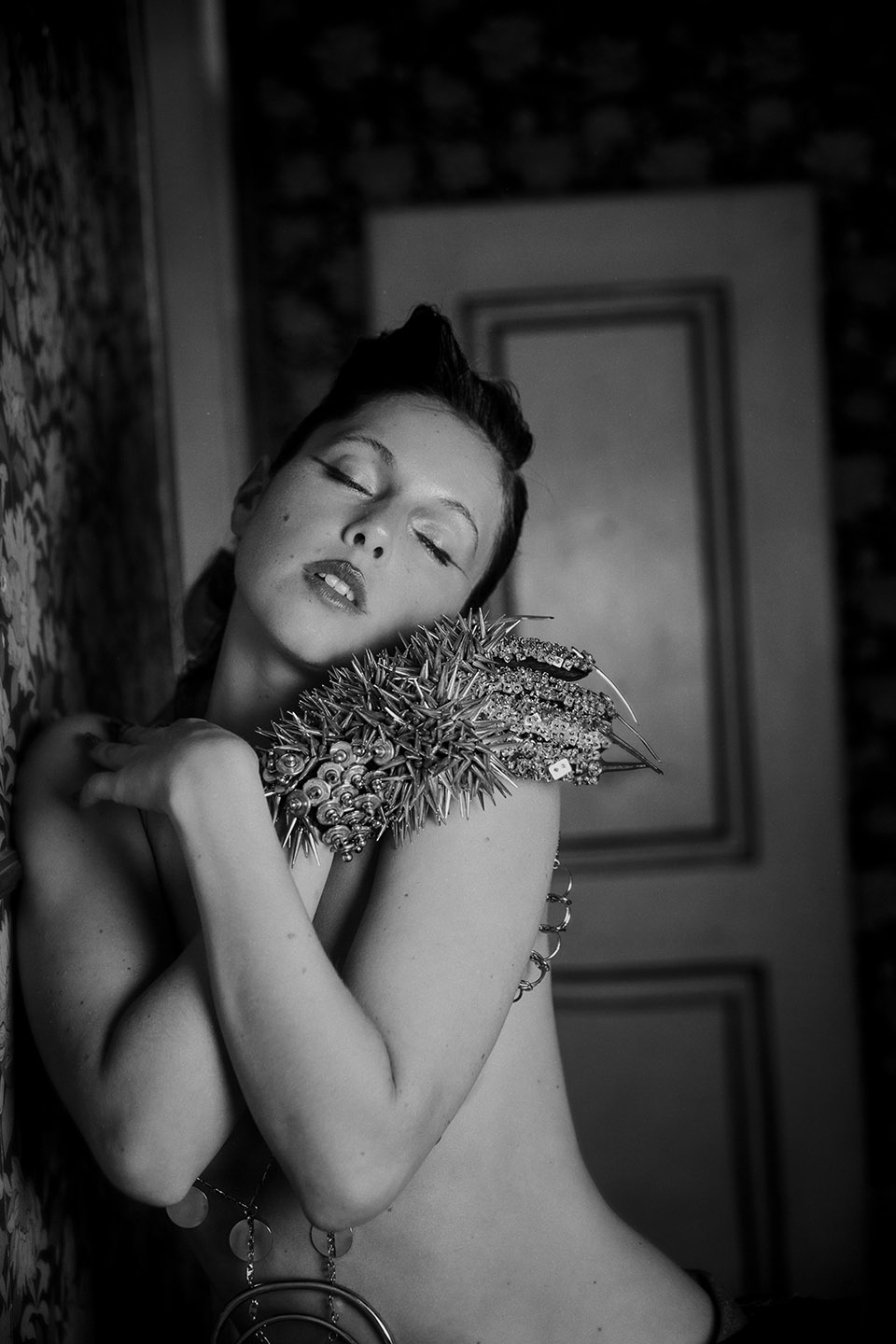
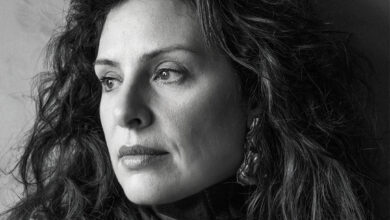
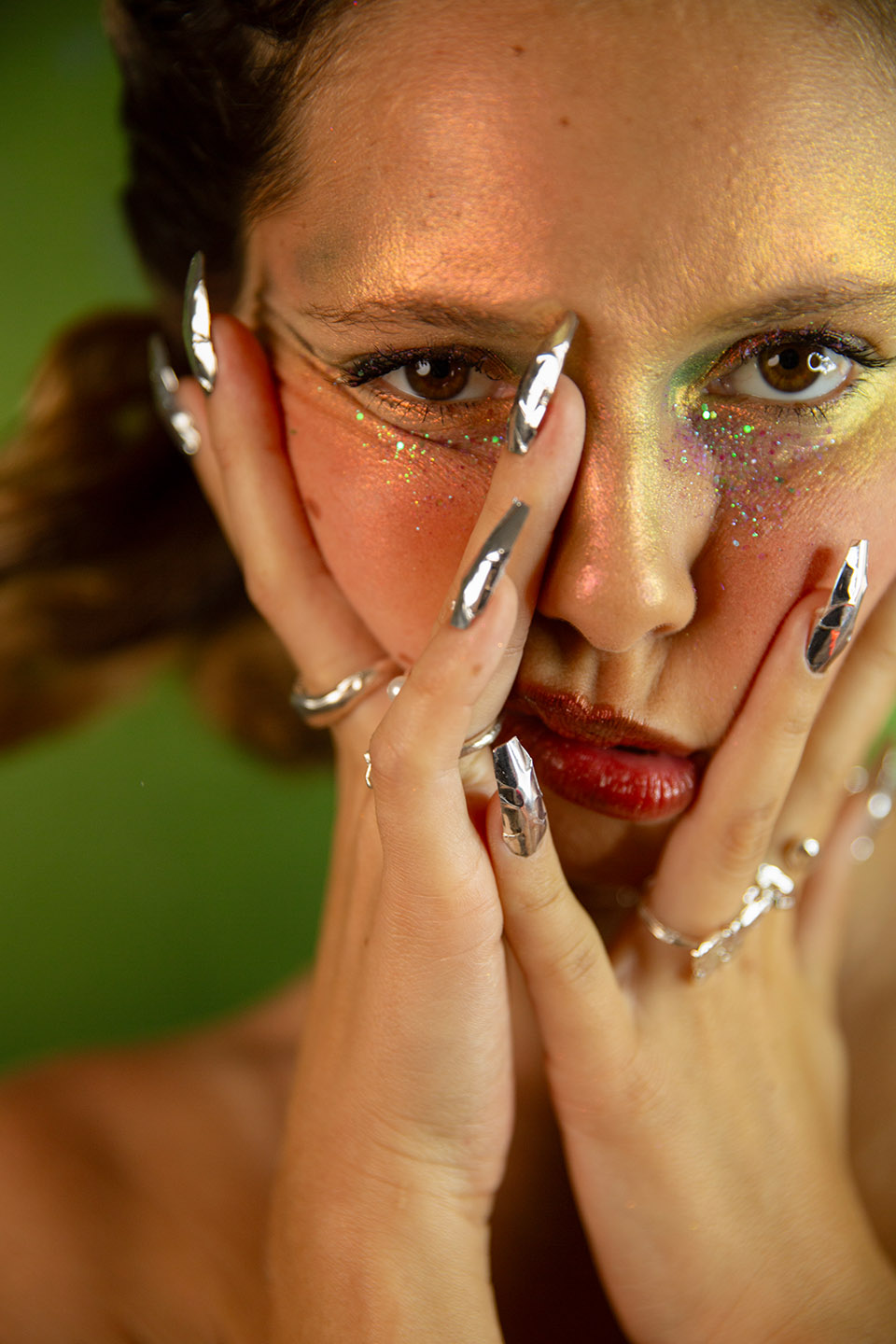
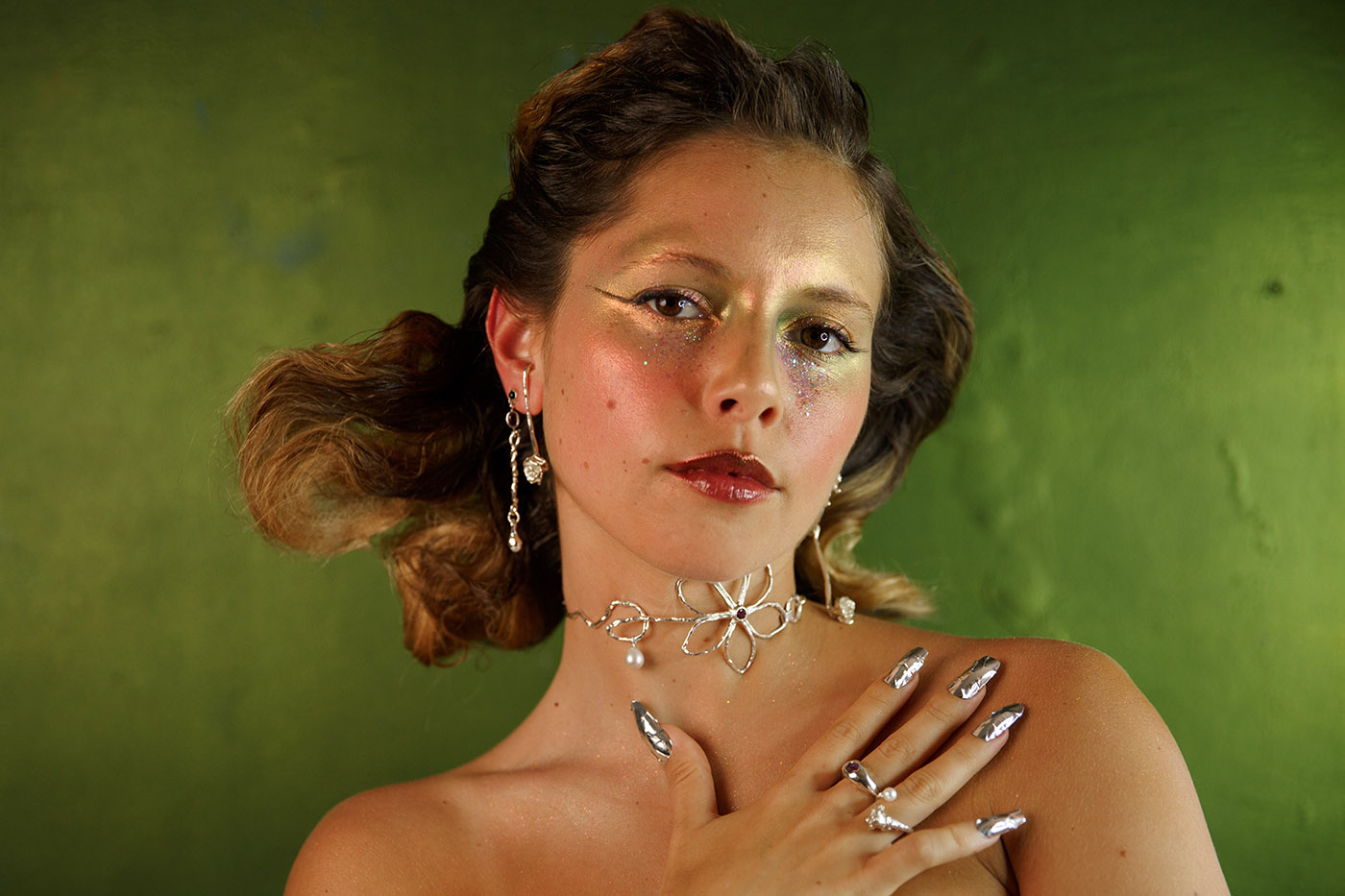
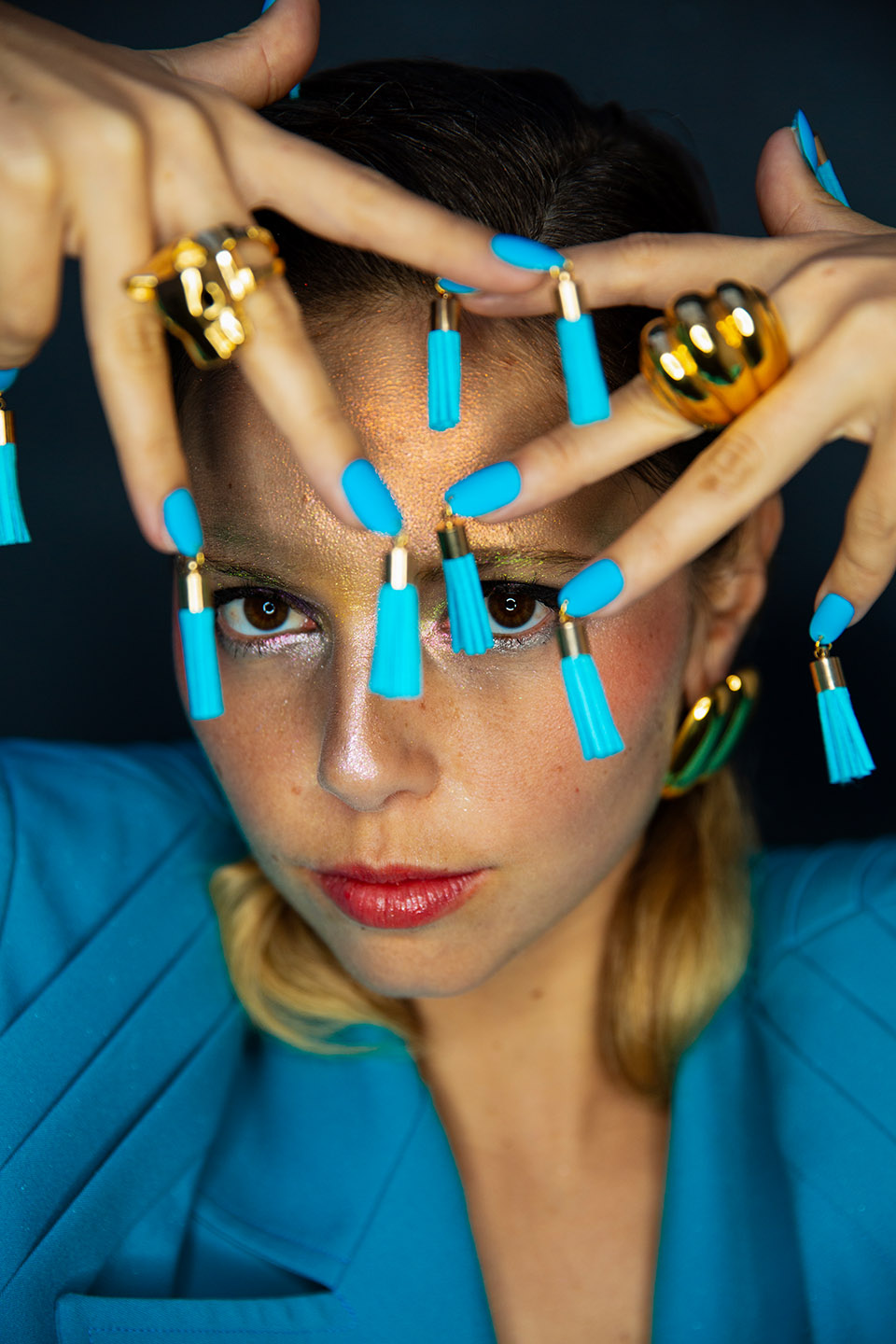
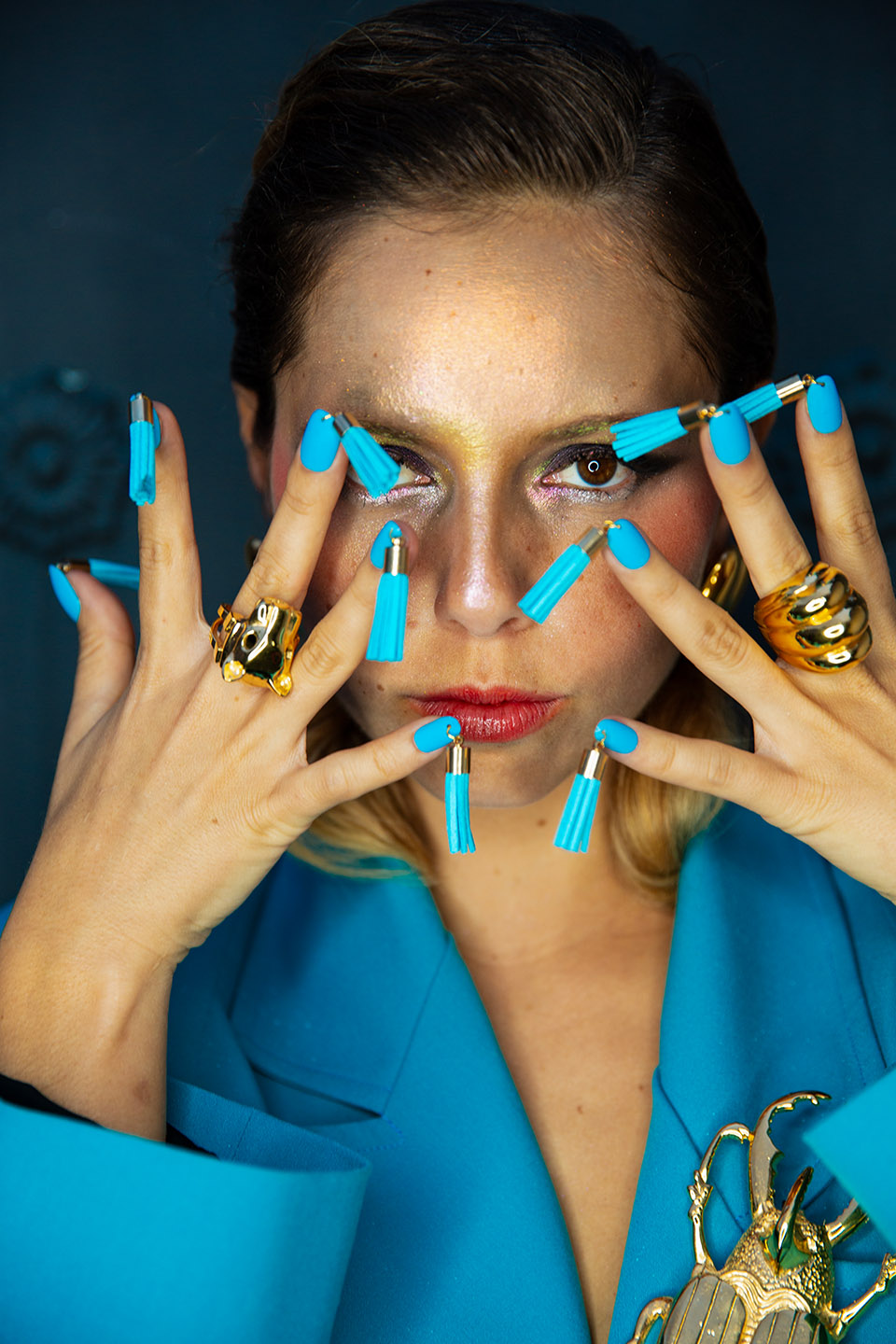
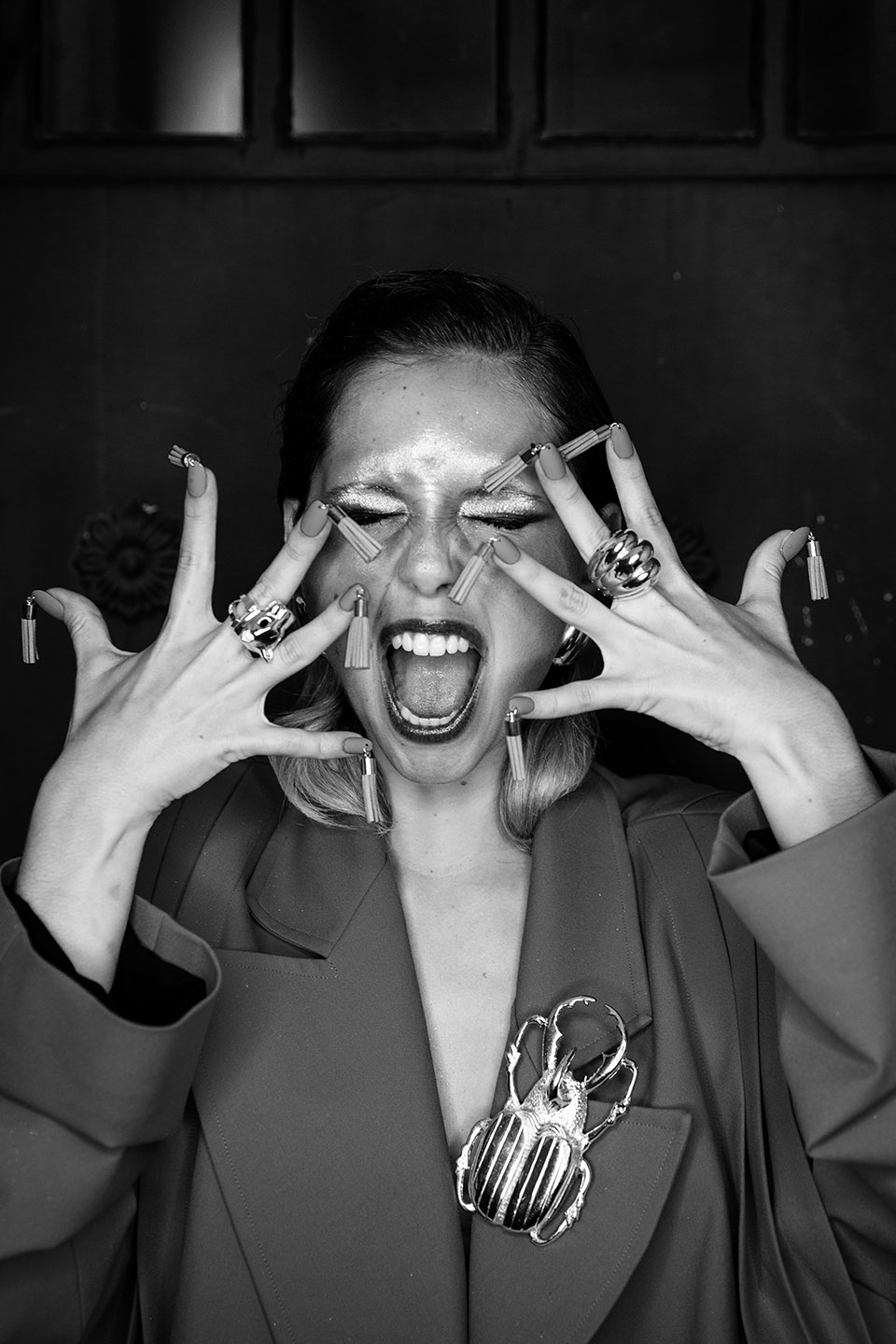
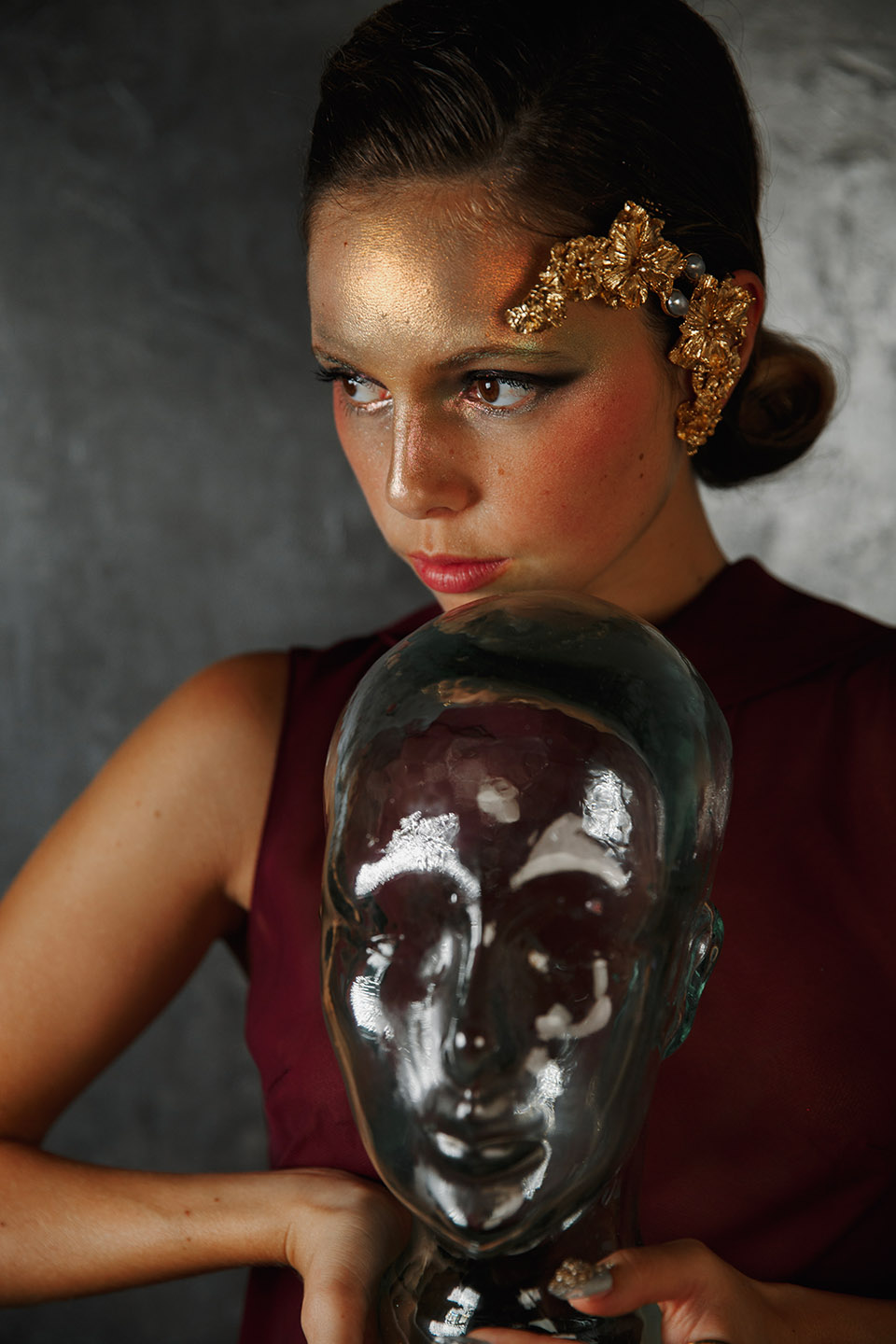
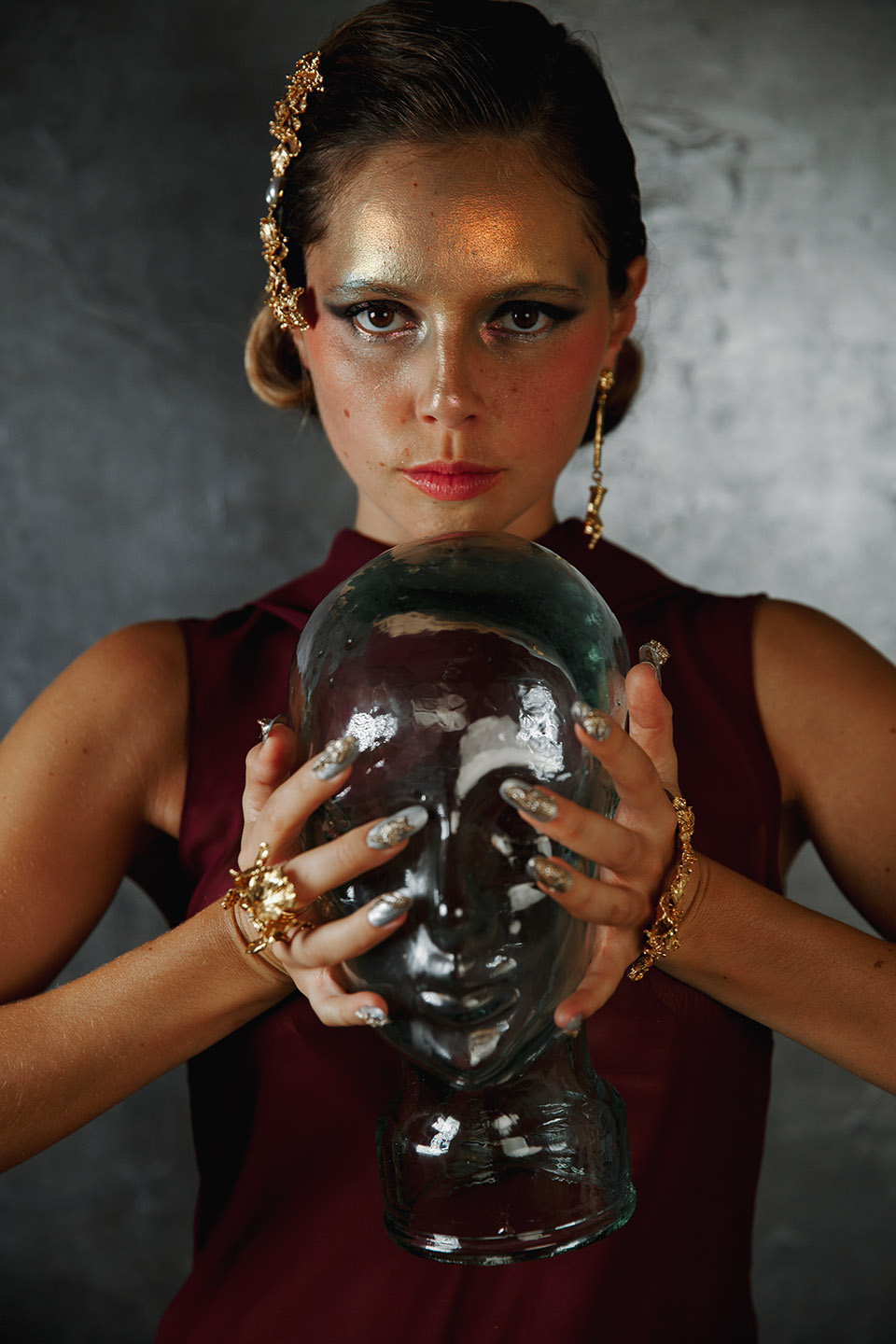
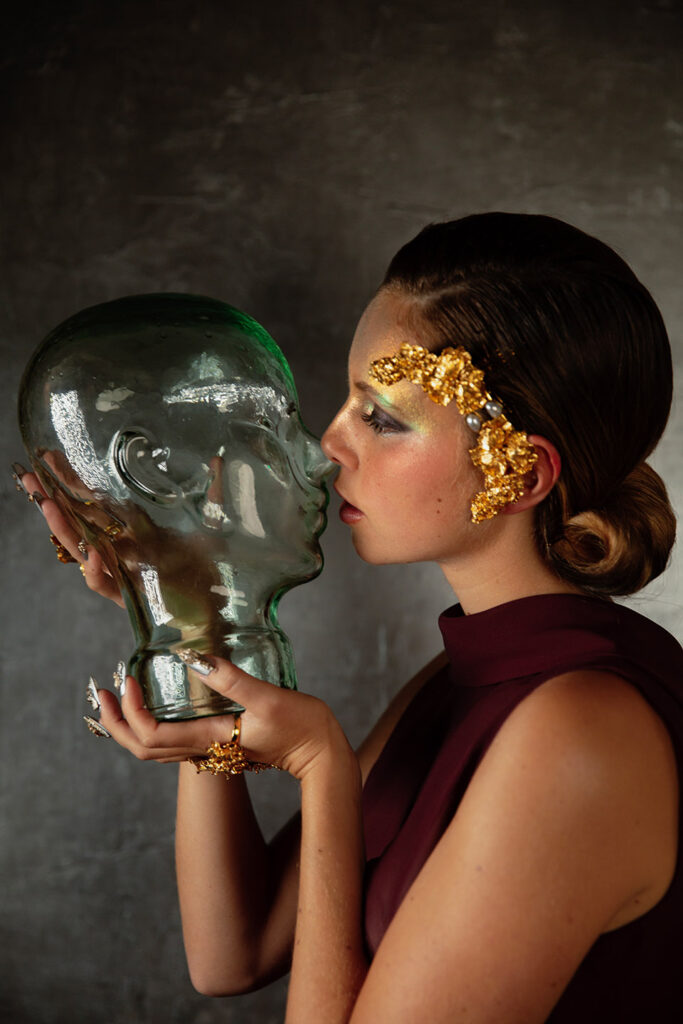
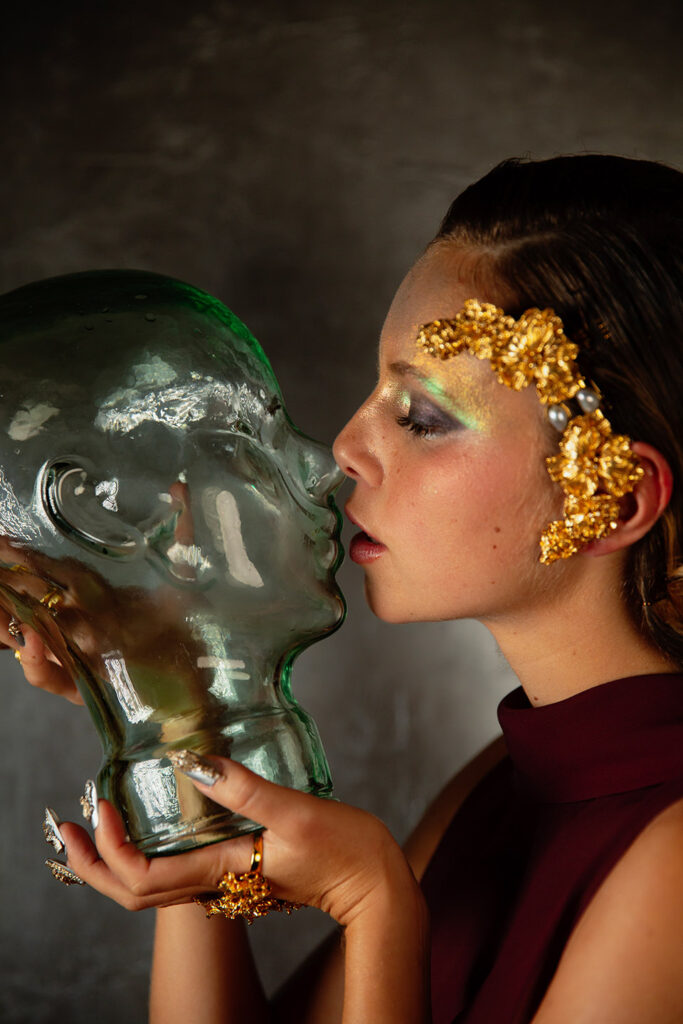
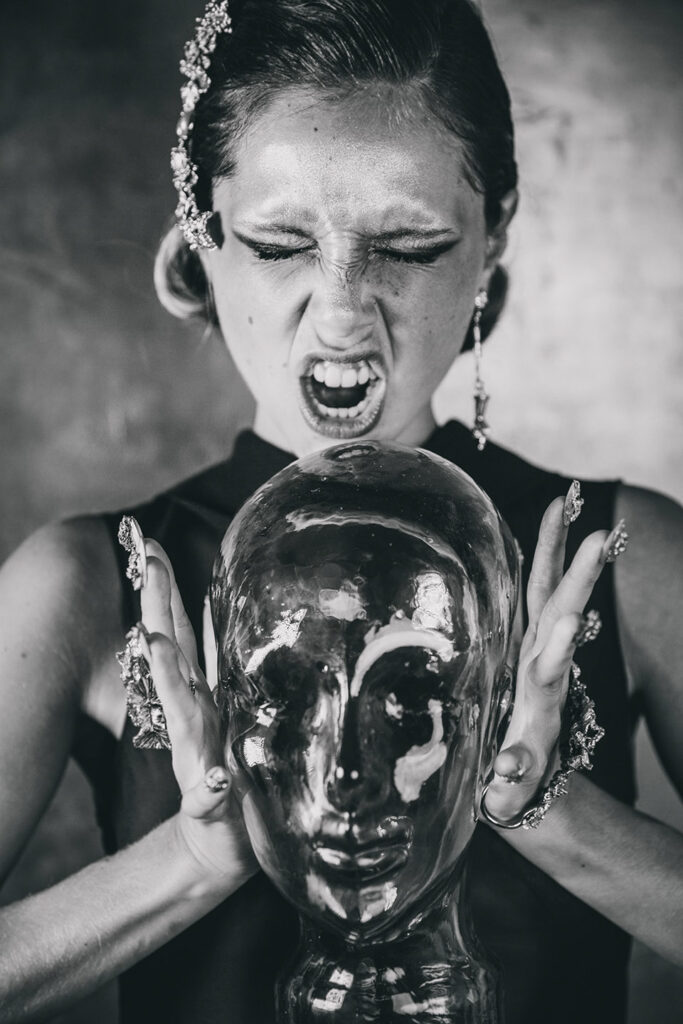
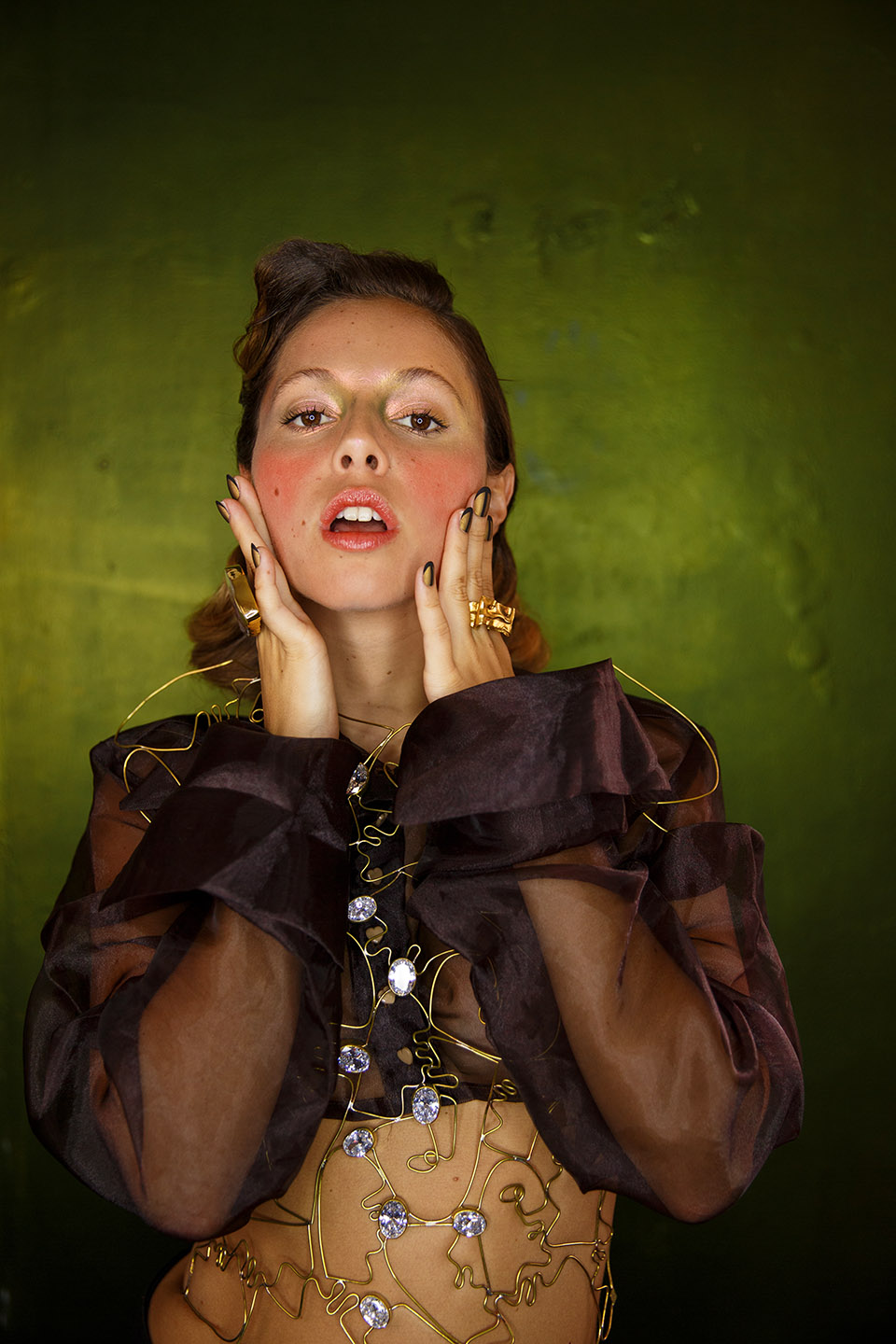
Raised between Brazilian and Portuguese cultures, Laura Dutra has built her career around curiosity, empathy, and a fascination with what makes people who they are. For this beauty and jewellery story, we set out to capture the duality that defines her—revealing different facets of her personality through a series of intimate portraits. In conversation with ZOOT, the actress reflects on identity, storytelling, digital life, and why art remains one of the most powerful tools for understanding one another.
Creative direction & Production
Antonia Rosa and João Telmo
Photography Claudia Batalhão
Beauty Editor Antonia Rosa using Clarins
and Danessa Myricks Beauty
Assisted by Maria Amorim
Styling João Telmo
Assisted by Maria Ribeiro
Hair Helena Vaz Pereira from Griffe Hairstyle
Nails Sandra Luz from Dez Studio
Interview Daniela Abranches
Editor and words Andrea Probosch
Special thanks to Beatriz Jardinha for the custom made silver choker.
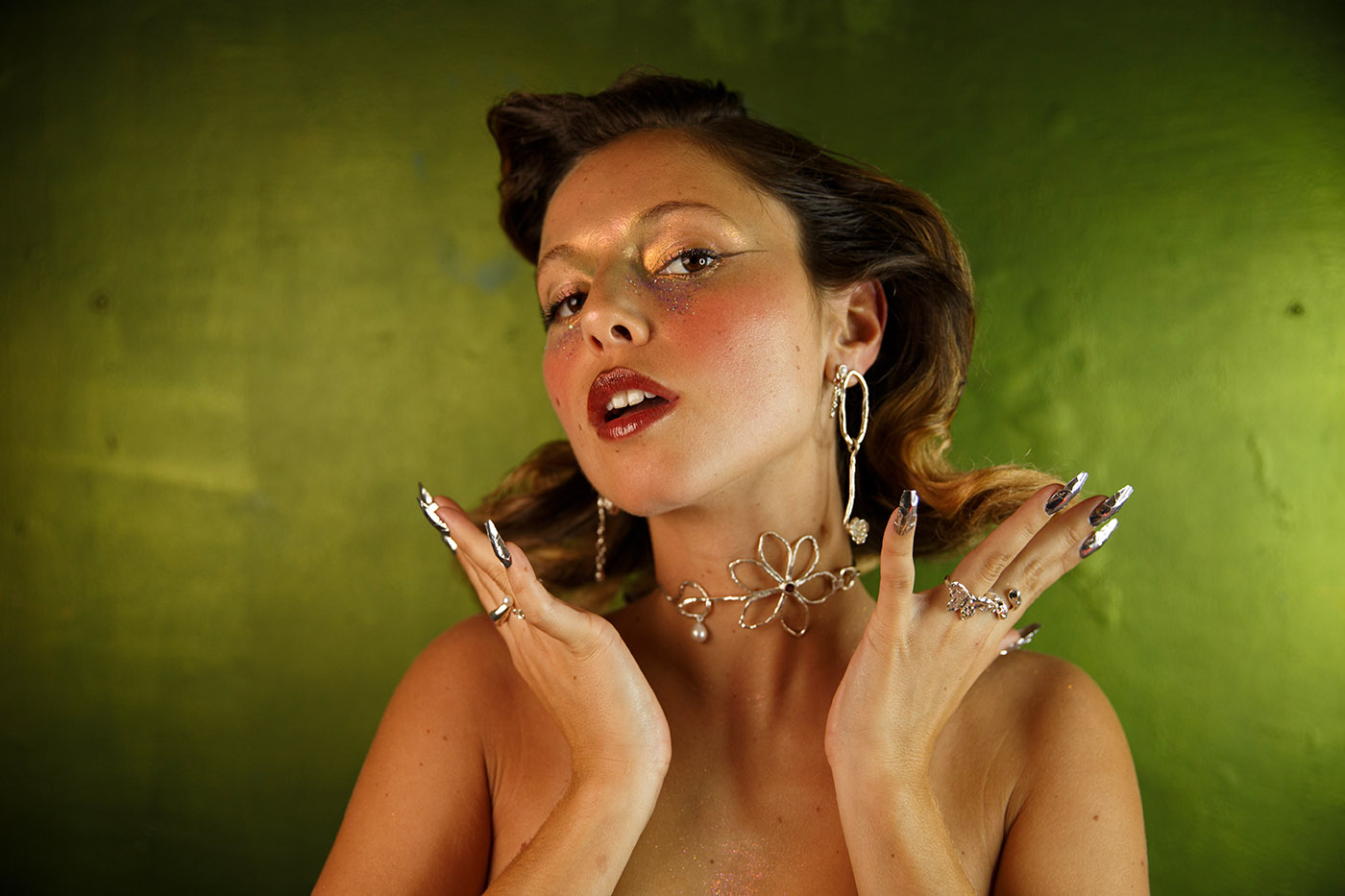
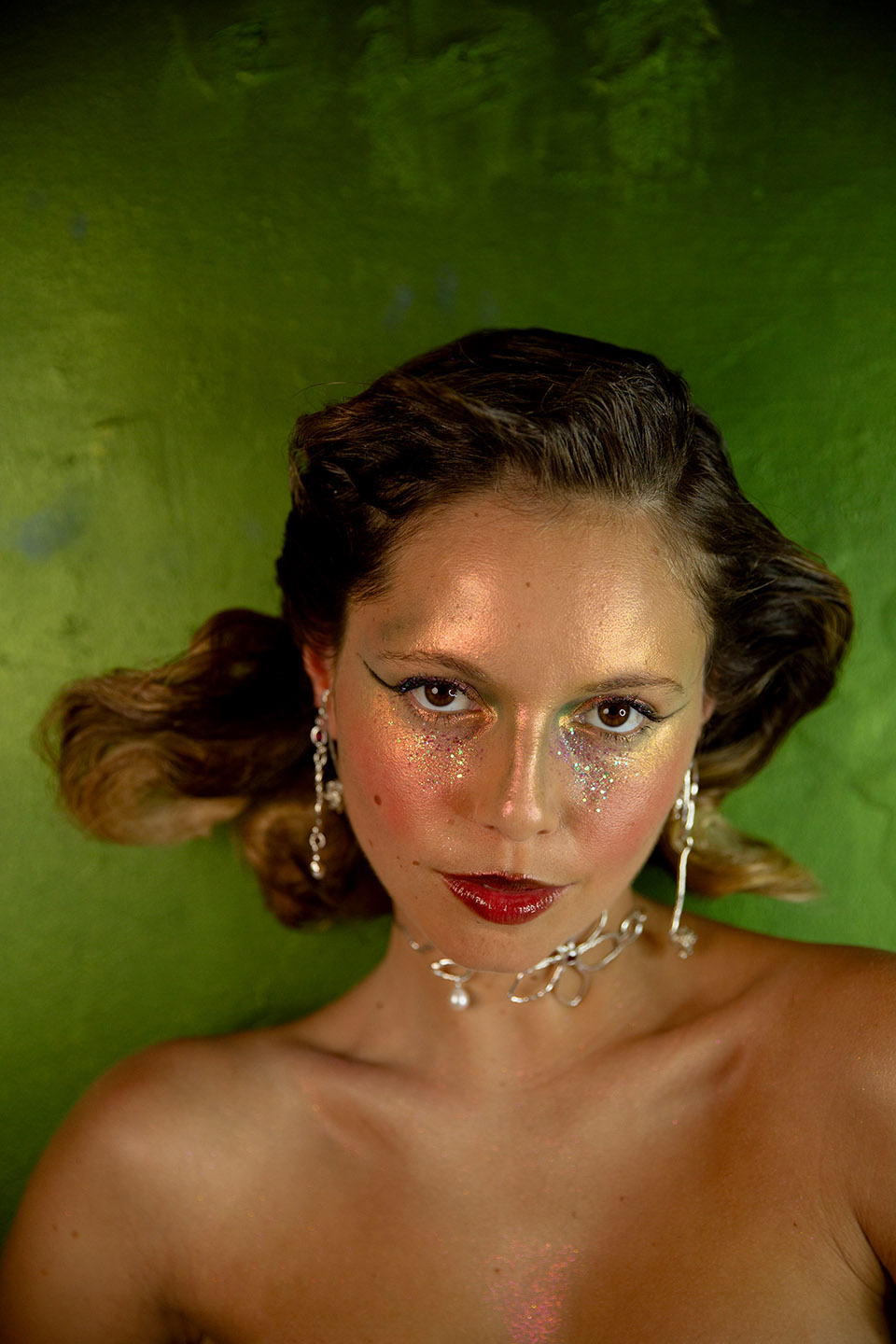
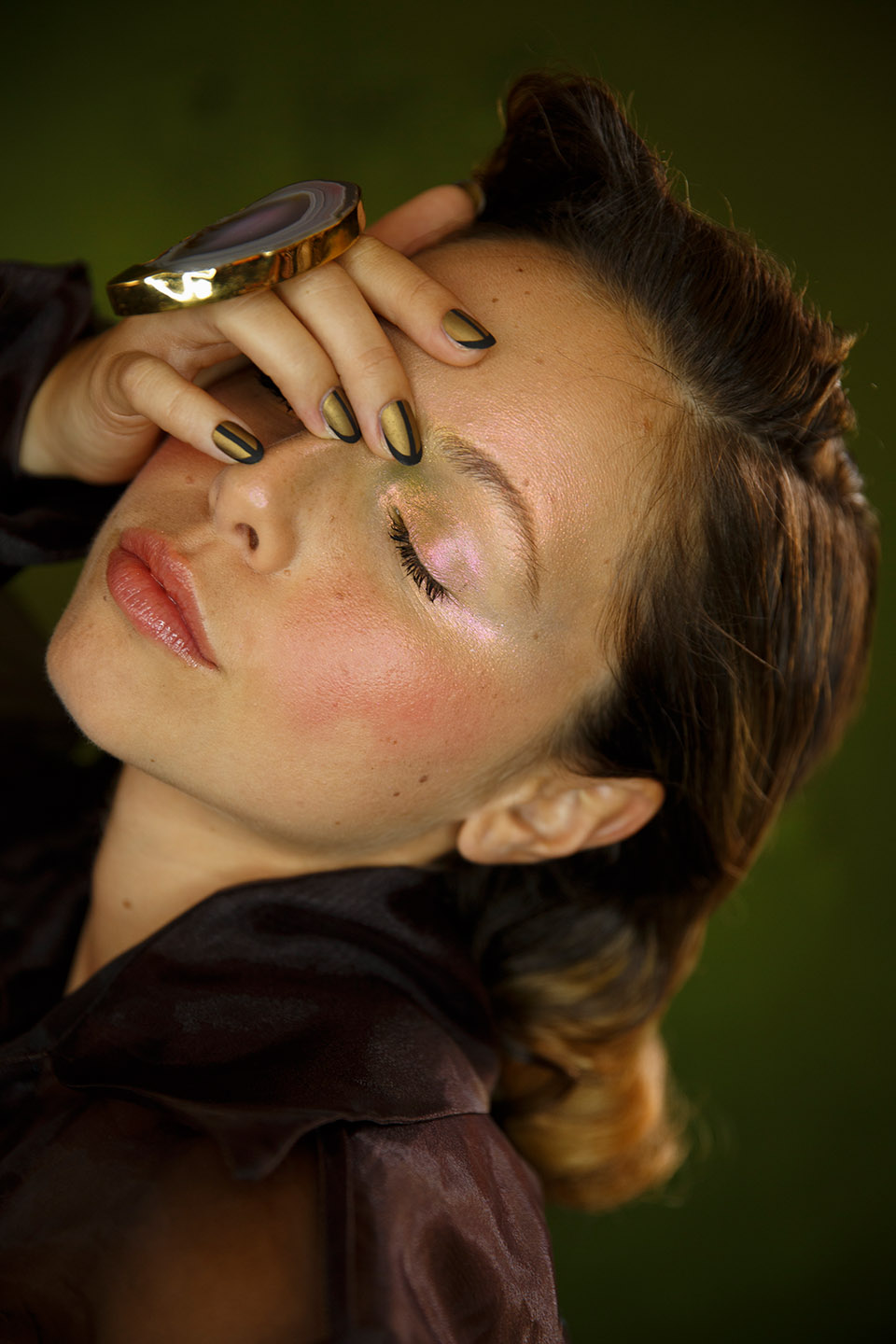
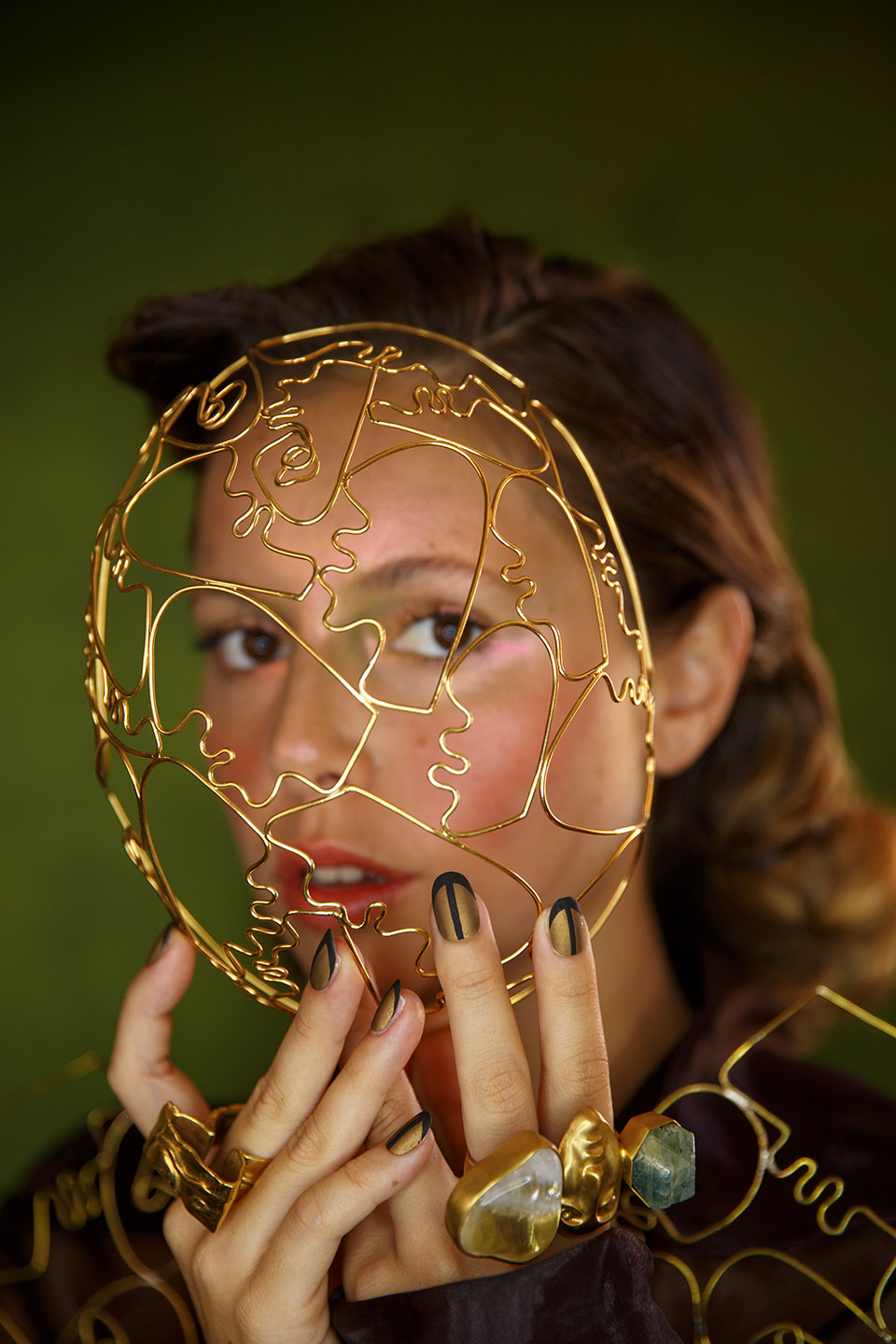
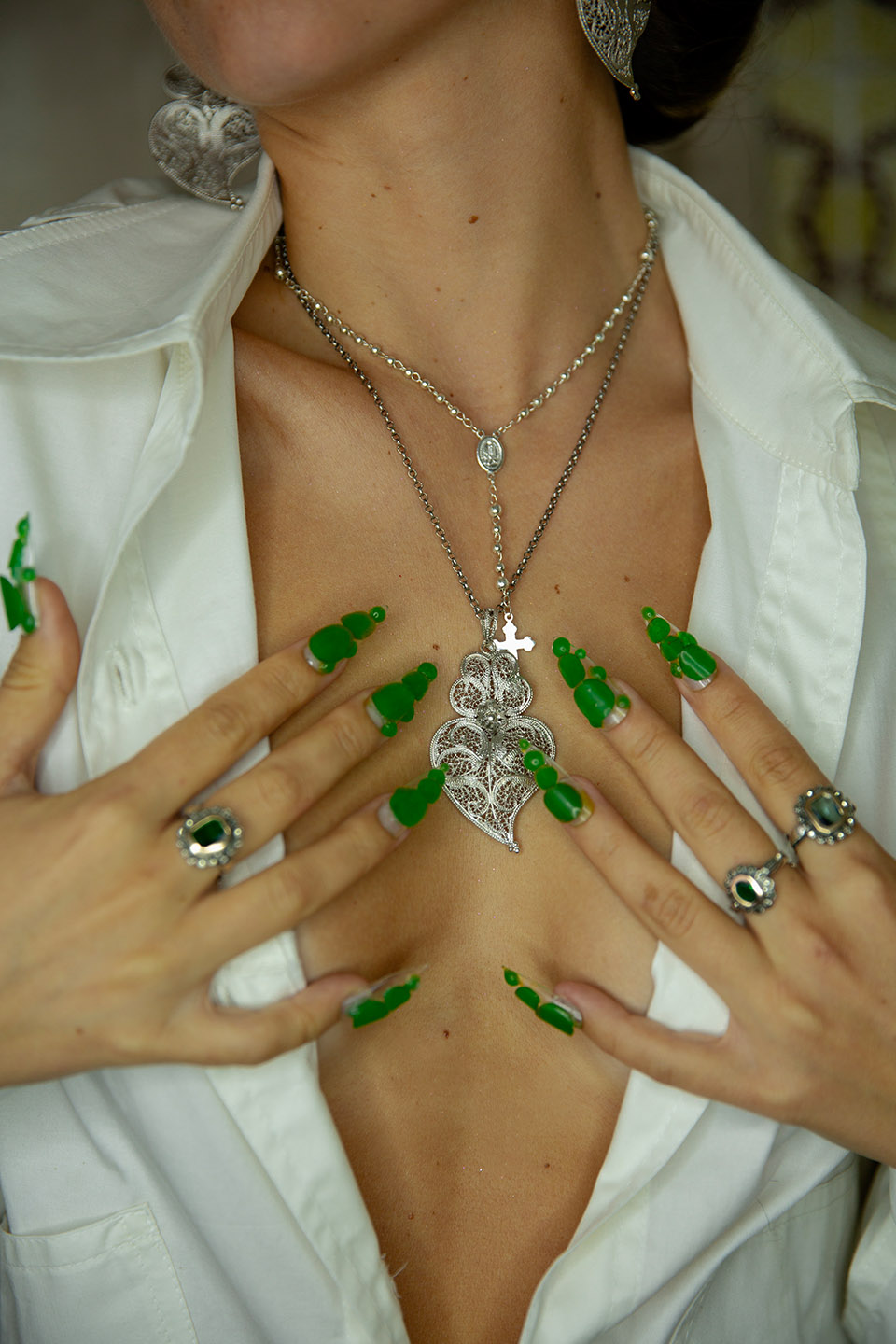
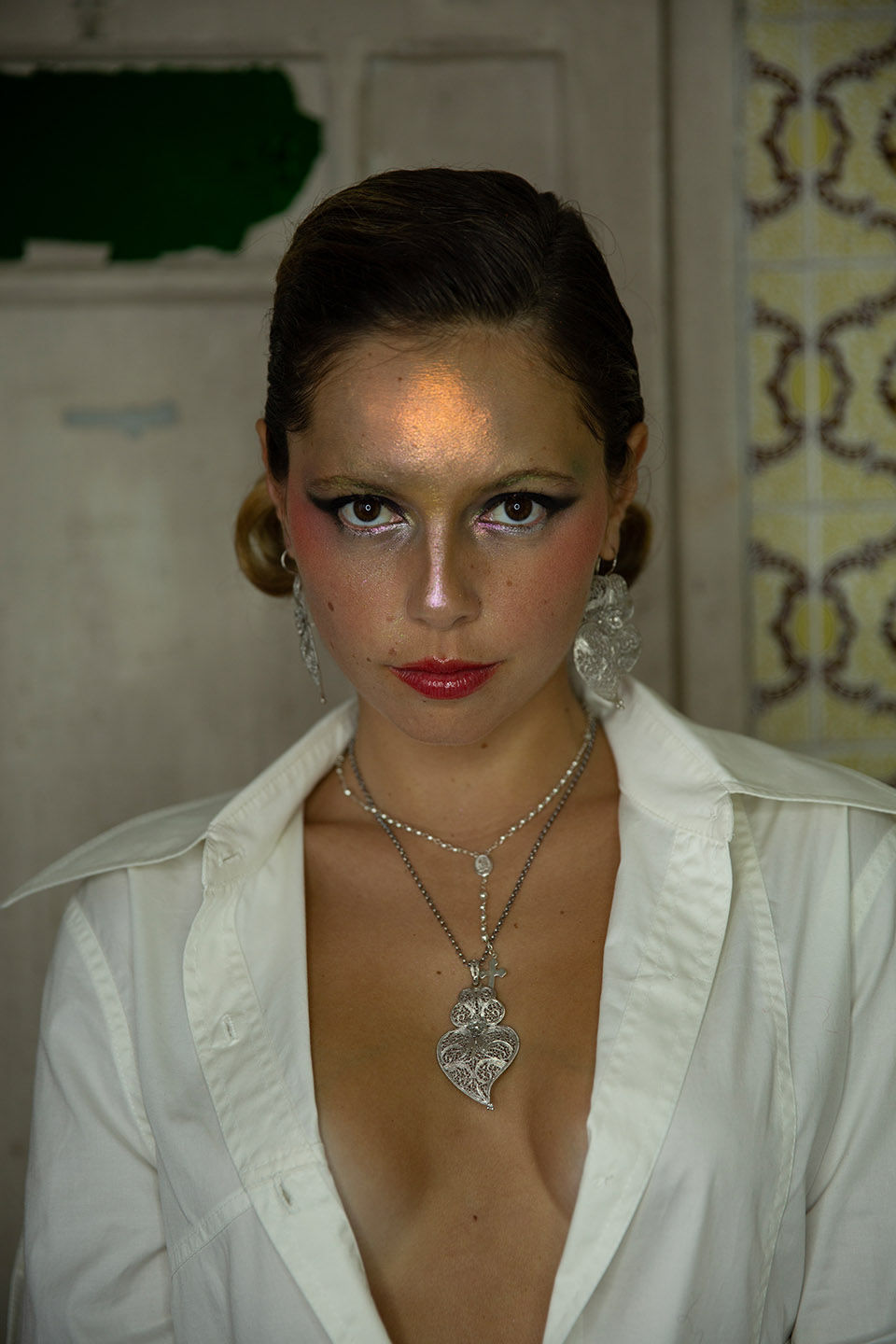
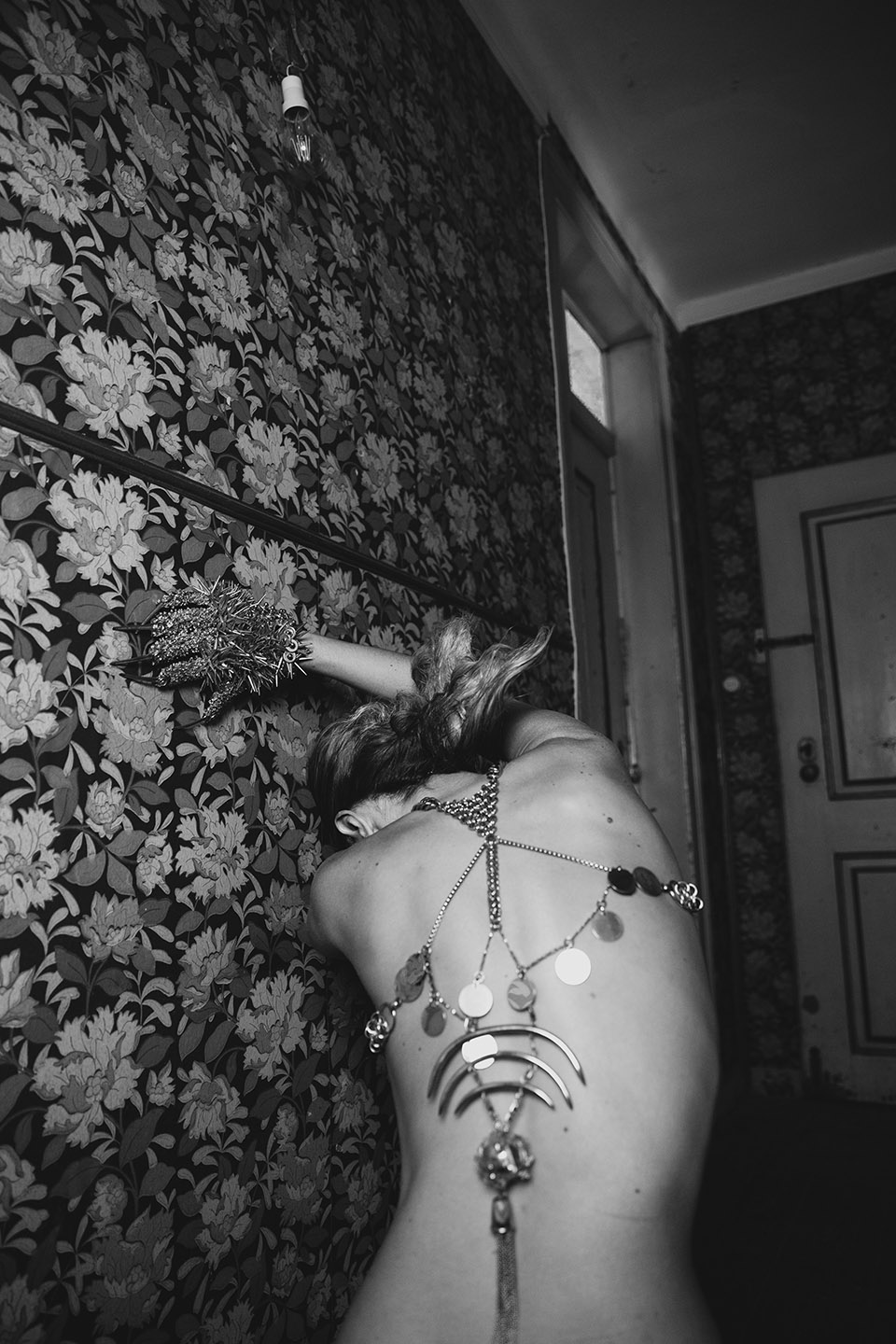
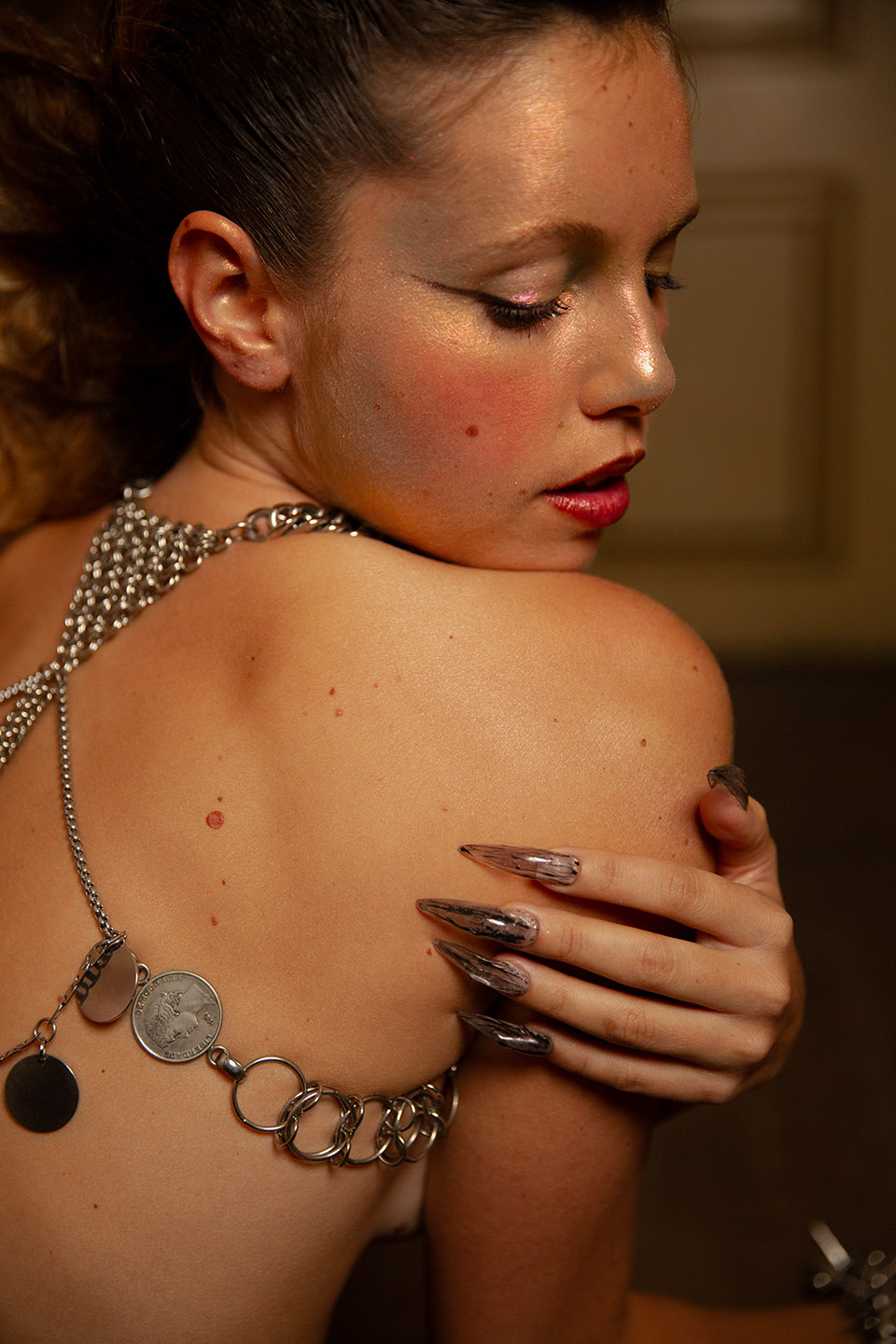
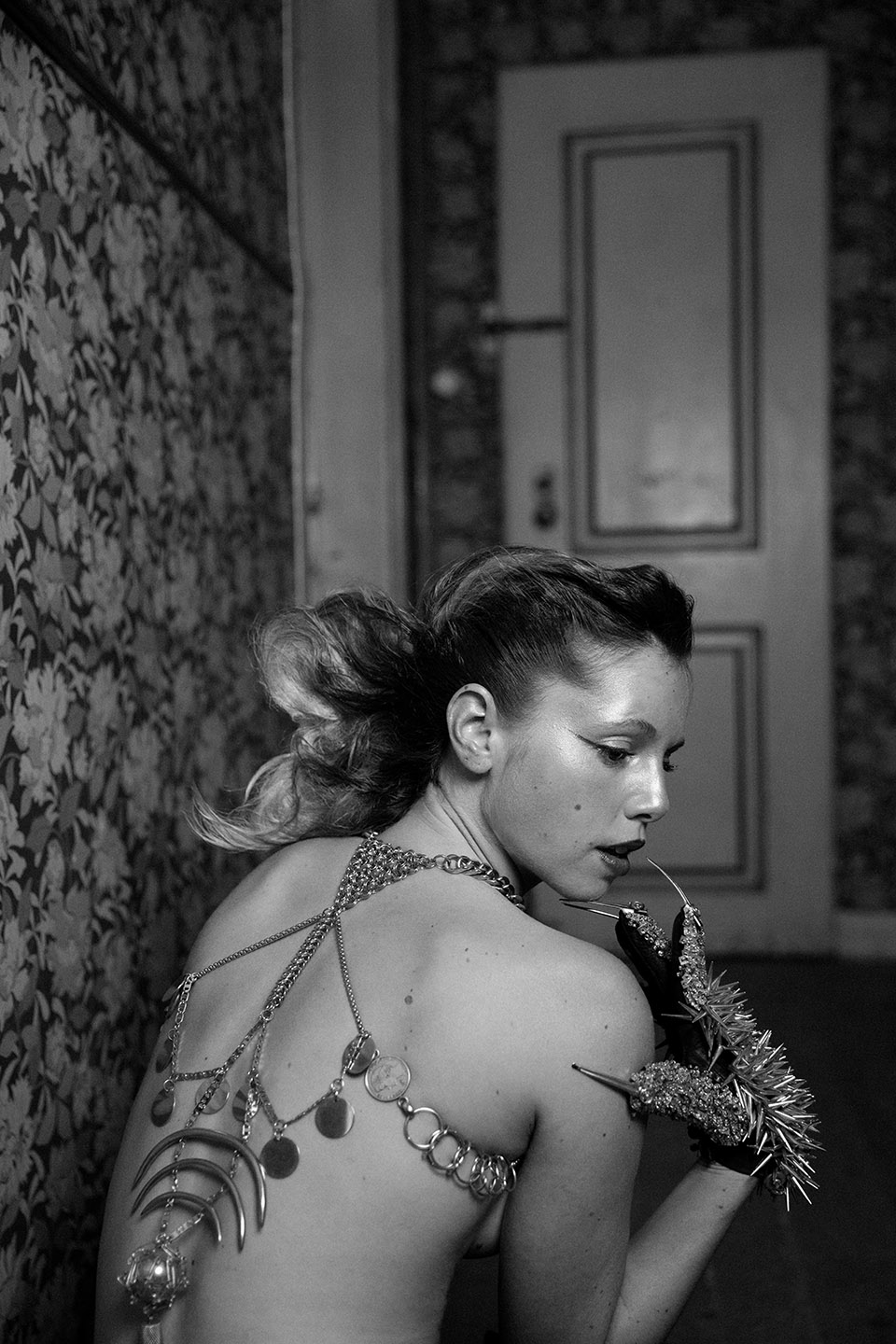
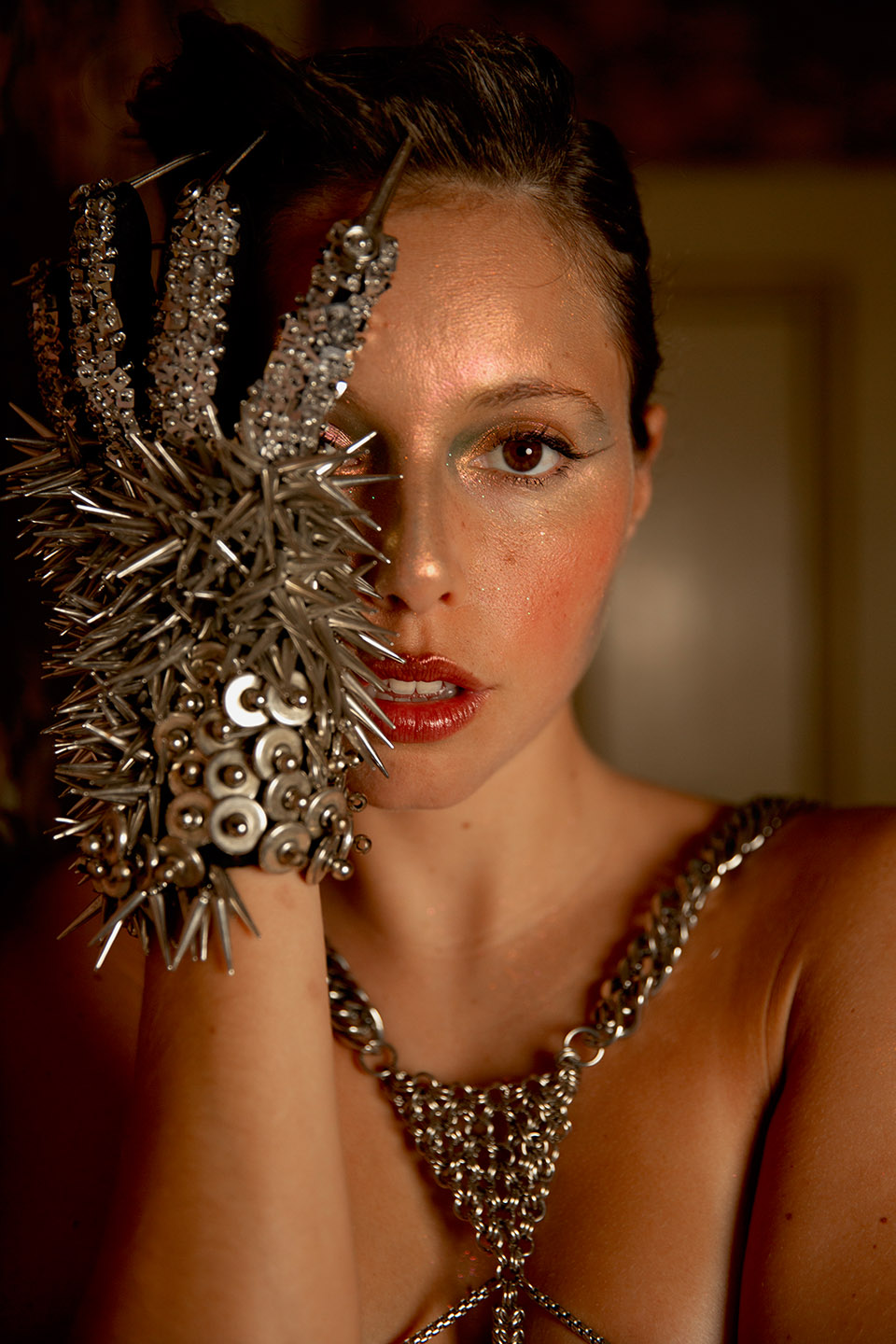
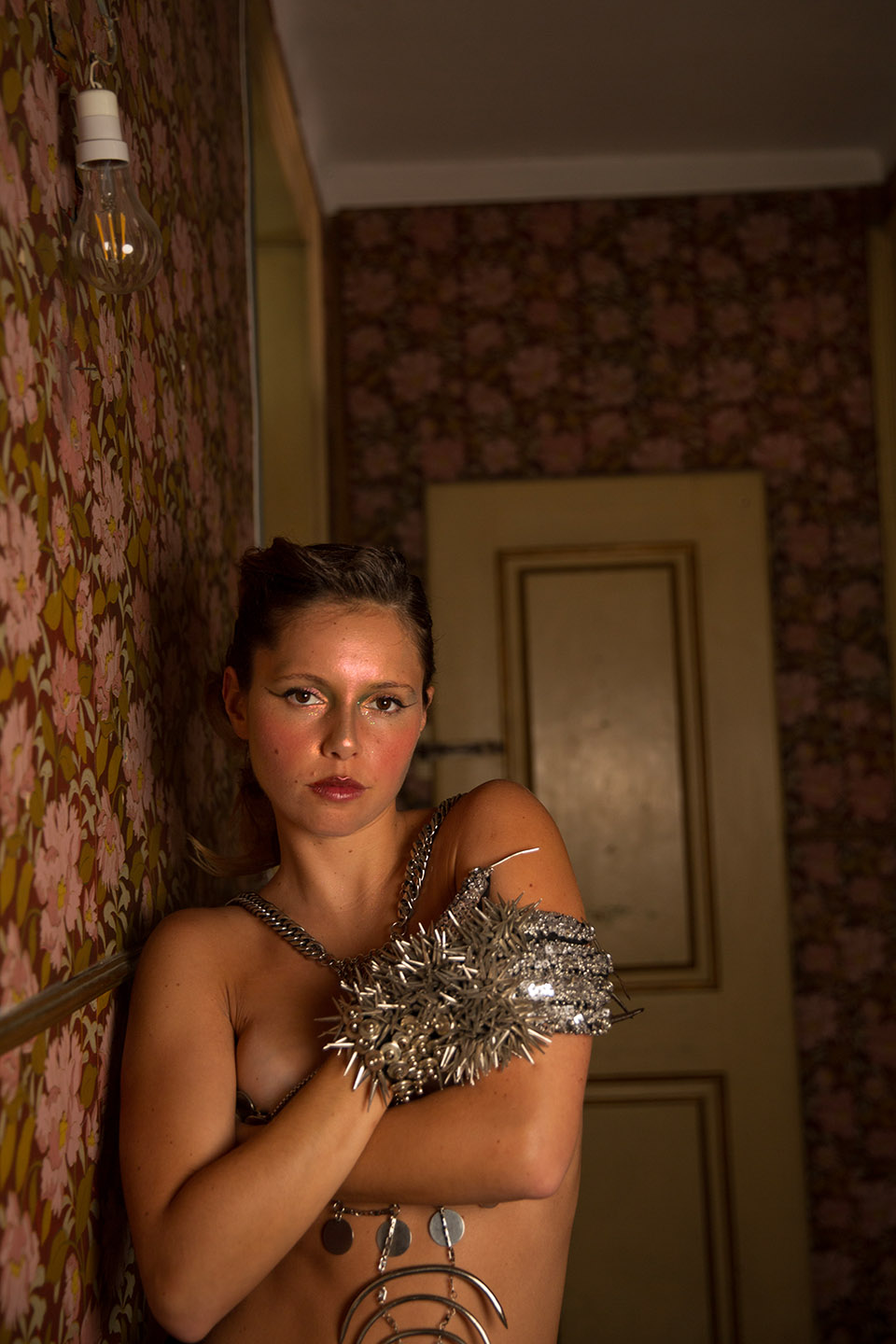
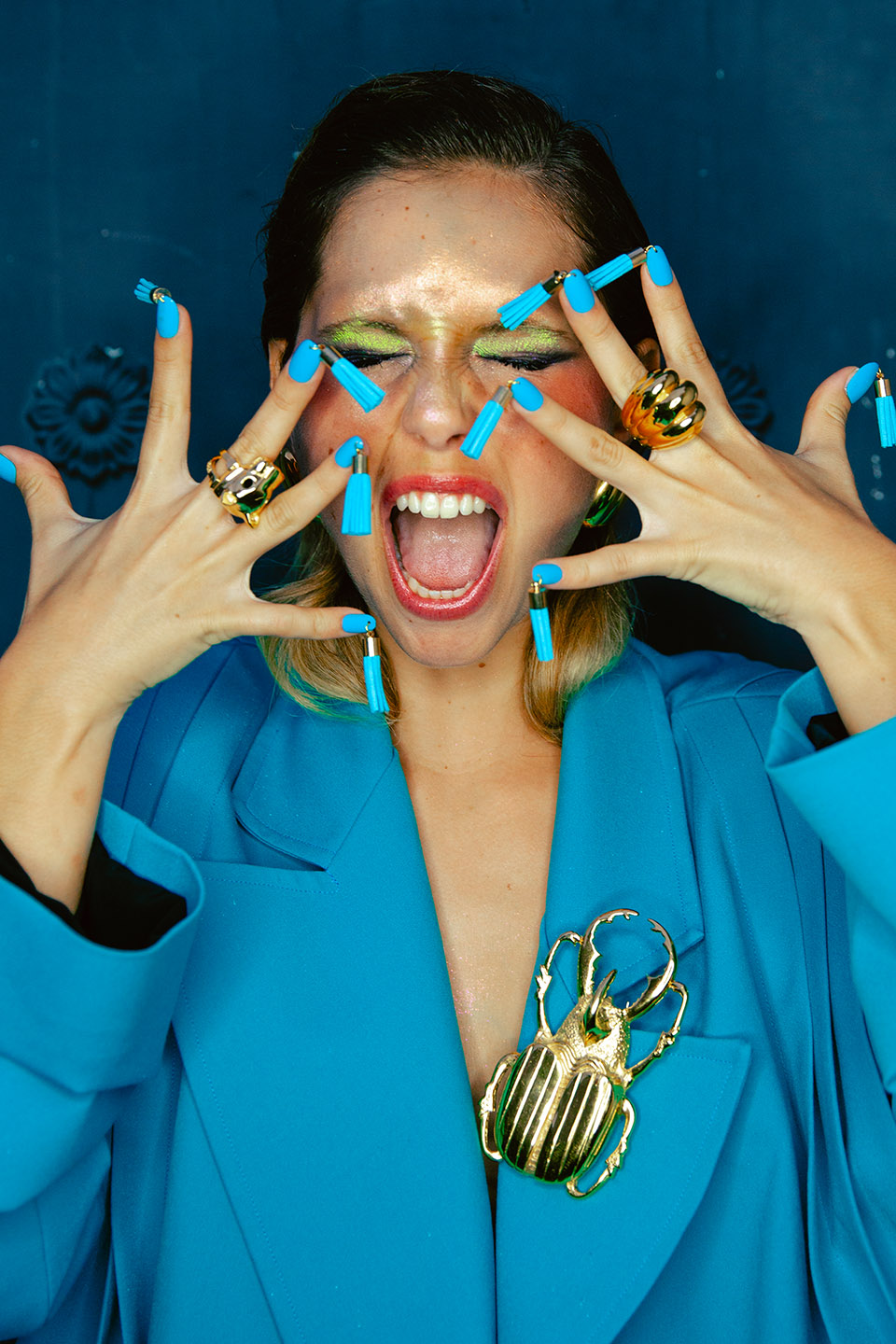
For Laura Dutra, acting begins with a simple question: how does someone become who they are? It is a curiosity that runs through her work and her worldview alike. Born in Portugal to Brazilian parents, she has emerged as one of the compelling voices of her generation. Styled with handmade, artisan-crafted jewellery from six Portuguese and Brazilian designers, we sought to bring a few of her many faces to the surface in our photographs. Fluorescent makeup allows her skin to glow in the dark, revealing yet another.
Whether discussing immigration, environmental responsibility, analogue photography, or the pressures of social media, Laura returns to the same core belief: that understanding another person’s story is an act of empathy. Currently filming the international biblical drama A Ira do Herdeiro (The Wrath of the Heir) on location in Brazil for Disney+, she plays the female lead, Queen Mesulemete. In conversation with ZOOT, she reflects on belonging, human connection, and the transformative power of art.
ZOOT: For our readers meeting you now, how do you introduce yourself?
Laura Dutra: I’m an actress, the daughter of Brazilian immigrants who fought very hard to be accepted in Portugal, and I carry with me that same fight for respect and dignity for everyone.
ZOOT: Your family is Brazilian and you went to Brazil several times on holidays. When you moved there, what part of Brazil felt familiar and what felt new?
Laura Dutra: I grew up surrounded by Brazilian culture and influence at home. My father is passionate about Brazilian cinema, and we always followed Brazilian artists. Since I was born in Portugal, I feel like I grew up with the best of both countries. I love fado just as much as I love samba. I love codfish just as much as black beans with rice and farofa. The perfect balance between nostalgia and novelty.
ZOOT: You’ve said one of the things you like the most is to make characters completely different from you and step out of your comfort zone. What is it about living someone else’s life that you like so much?
Laura Dutra: For me, the beauty of my profession is being able to live other lives. I’ve always been fascinated by the preparation process for my characters because I feel like I always learn something through it. If I’m playing a period character, I’ll study the social and political context of that decade to understand how my character positioned herself in that time.
Living other people’s lives is incredible, not because I don’t like who I am, quite the opposite – but being able to explore new paths within this life is something that truly fulfills me.
ZOOT: You’ve worked across TV, streaming, and film—what format demands the most from you, and why? And which format gives you more pleasure?
Laura Dutra: That depends a lot on the character and the size of the role. I think television demands more from us physically because there are so many hours and so many scenes per day. Cinema, on the other hand, is a different kind of challenge. Because we have more time, we can go to deeper and more intense places, which can also be psychologically exhausting. I enjoy doing everything, but if I had to choose only one format, it would be the seventh art.

ZOOT: A few years ago, in Alta Definição, you said you were a bit old-fashioned for the century you live in. Do you still stand by this? What habits do you have that are from the last century?
Laura Dutra: I’m very passionate about analogue formats that already come to us carrying a life of their own. I always get lost in shops that sell antiques, film reels, analogue cameras, and in Jean-Luc Godard films. To me, the past has a unique kind of magic. I can’t say I’d like to be transported back to the last century, because sexism and patriarchy dominated the world much more strongly than they do today, but I think I would be eternally happy making films set in the 60s or 70s.
ZOOT: What would be a great balance between this century and the last century?
Laura Dutra: For me, the ideal balance would be preserving the humanity and depth of relationships from the last century without giving up the freedom, progress, and opportunities this century has brought us. I wish we could recover a little bit of patience, attention to small things, and the ability to truly live in the moment, while continuing to move forward in terms of rights, technology, and openness to the world. I think the real balance lies in embracing progress without losing sensitivity.
ZOOT: You talked about loving analogue photography and the whole process of waiting to see the result. What does that uncertainty teach you about control, instinct, and patience?
Laura Dutra: Part of it connects to my previous answer. The pace of analogue photography is completely different. It teaches me to trust the moment more than the outcome. We’re so used to wanting to control everything and get immediate answers, and analogue photography forces me to accept waiting and the unexpected. The entire analogue process feels precious to me.
ZOOT: Your Instagram says “A Arte Educa”. What feels urgent to be taught? How should art do it?
Laura Dutra: I still believe that art educates. I think art has a unique ability to bring people together, create empathy, and give a voice to those who often cannot be heard on their own. It doesn’t always need to take an explicit political position to be political. Sometimes simply telling a human story truthfully is already a way of provoking reflection.
Art motivates, revolts, makes us think, and often forces us to confront realities we would rather ignore. And I believe that impact can be far more transformative than any direct speech because it moves us in an emotional and human way.
ZOOT: TikTok is huge, and your character Teresinha from A Herança was a big success there. Why did you choose not to embrace the platform?
Laura Dutra: In the meantime, I ended up creating a TikTok account. It was a thoughtful decision because I’ve always had a more reserved relationship with social media, but right now it feels meaningful. Since I want to open more and more doors to Brazil, I realized it could also be a way of connecting with Brazilian audiences who often don’t have access to my work in Portugal. I followed the Teresinha boom through friends who showed me the videos, and it was incredible to realize that a character managed to make younger audiences interested in watching soap operas again. It was unexpected, but very beautiful.
ZOOT: What do you feel social media takes away from us?
Laura Dutra: More and more, I feel that I use social media in a healthy and balanced way. I don’t think we need to show everything all the time or constantly stay “active” to validate our lives. Very often, social media takes away our time, our sleep, our attention, and also creates an idea of perfection that simply doesn’t exist.
Of course, it can also be a positive tool that brings people closer, but I think balance is important. As an actress, I already have a lot of exposure through television and my work, so I prefer to keep my personal life more private. I think it’s important to maintain that separation and intimate space.
ZOOT: Do you feel pressure to be “always available” online?
Laura Dutra: Not really. Of course, nowadays there’s always an expectation of constant presence (especially in this profession) but I’ve never felt like I needed to always be online to stay connected to the audience or to my work.
I prefer to communicate when it genuinely makes sense to me and preserve some private space. I think those boundaries are important.
ZOOT: You are an advocate for the planet. Early this year, some areas of Portugal were devastated by storms. What effect did this have on you, and what change in society do you feel is the most urgent?
Laura Dutra: When we see places we know being affected in that way, we realize that the climate crisis is no longer a warning about the future, but a reality of the present. I volunteered with an association in Lisbon helping plant pine trees, and even though it was a small gesture, there’s hope in actively participating in rebuilding what was lost.
My brother, Lucas Dutra, directed a short film about the wildfires that happen every year in Portugal, which is now screening at festivals, and it was very emotional to see the sensitive and human way he approached that reality.
ZOOT: When you look at climate change right now, what makes you feel hopeful , and what makes you feel angry?
Laura Dutra: It gives me hope to see younger generations motivated and willing to help, like I saw in that association. There are still many committed and conscious people ready to act. What truly frustrates me is the lack of prevention, even though we know these tragedies repeat themselves every year. We can no longer treat these events as isolated surprises.
Often, it feels like there are more political and economic interests involved than a genuine concern with creating long-term solutions and protecting animals, people, and forests. While decisions are postponed, it’s always the environment and the most vulnerable who suffer.
ZOOT: You’re going to turn 28 this year. The twenties are such a peculiar time in life. What did you plan to do in your twenties that you’ve already achieved, and what’s still on your list?
Laura Dutra: Some people say that around 28 a lot of changes happen in our lives, but honestly, I don’t feel like I need to change much. I look at my journey so far and feel fulfilled with the projects I’ve done and the decisions I’ve made throughout my life.
Of course, I still have ambitions and dreams. I would love to continue working more internationally, and I also feel an increasing desire to create personal projects because I feel like there are stories I want to tell. I think that’s what I want to dedicate myself to more over the next year.
ZOOT: Immigration has been a central topic in many countries, and it’s often used to polarise society. We’re seeing the US take harsher actions on this issue, deciding who gets to belong. As the daughter of immigrants, do you feel the need to take a stand—and if so, what would you want to say?
Laura Dutra: I grew up very aware of my parents reality and the resilience they needed to build a life outside their own country. I witnessed closely the challenges and the courage it takes to start over somewhere else. It’s impossible for me to look at this topic indifferently. We’re talking about people, families, and human stories. I always try to speak up whenever I see xenophobic comments or speeches that dehumanize immigrants because I think it’s dangerous to normalize that kind of language. Defending a more just and empathetic society doesn’t mean ignoring existing challenges, it means remembering that nobody should be reduced to their origin or treated as though they don’t belong.
ZOOT: What worries you most right now in the world: political apathy, political extremism, or misinformation—and why?
Laura Dutra: History is cyclical. There are important advances, but also frightening setbacks. What worries me is feeling that many of the struggles that finally seemed to be progressing against racism, homophobia, and sexism – are in some ways, taking steps backward. Today we see extremist movements and “red pill” rhetoric gaining space, not only on social media or in schools, but often inside people’s own homes.
I believe education is the foundation of everything. It’s what brings empathy, respect, and independent thinking. It scares me to know that there are still families defending such regressive and inhumane ideas because that inevitably shapes the way many children and young people will see the world and others.
When we stop recognizing each other with dignity and respect, we create space to repeat mistakes that history has already shown us too many times.
Thank you Laura!
To boot….
LAURA DUTRA, actress
@laura.dutra
Laura on IMDb.
REFERENCES
ANA DE VASCONCELOS @anadevazconcelos
Exclusive art jewelry designer from Porto.
BEATRIZ JARDINHA @beatrizjardinha I www.beatrizjardinha.com
Portuguese designer creating jewellery that approximates ancient and rudimentary techniques to ethereal concepts.
CAROLINA CURADO @carolinacurado I www.carolinacurado.com
Handmade in Portugal since 2012. Bold jewelry for the bold woman. Crafted with intention. Made to last.
PORTUGAL JEWELS @portugaljewels I www.portugaljewels.com
Third-generation jewellers, rooted in Portuguese craftsmanship since 1955.
VALENTIM QUARESMA @valentimquaresma
Portuguese artists, designing contemporary Fashion & Jewellery.
VIRZI @marcellavirzustudio I www.marcellavirzi.com
Exclusive collectable objects and jewels by Brazilian artist Marcella Virzi, based in Lisbon.
@marcellavirzi