Don´t box me in
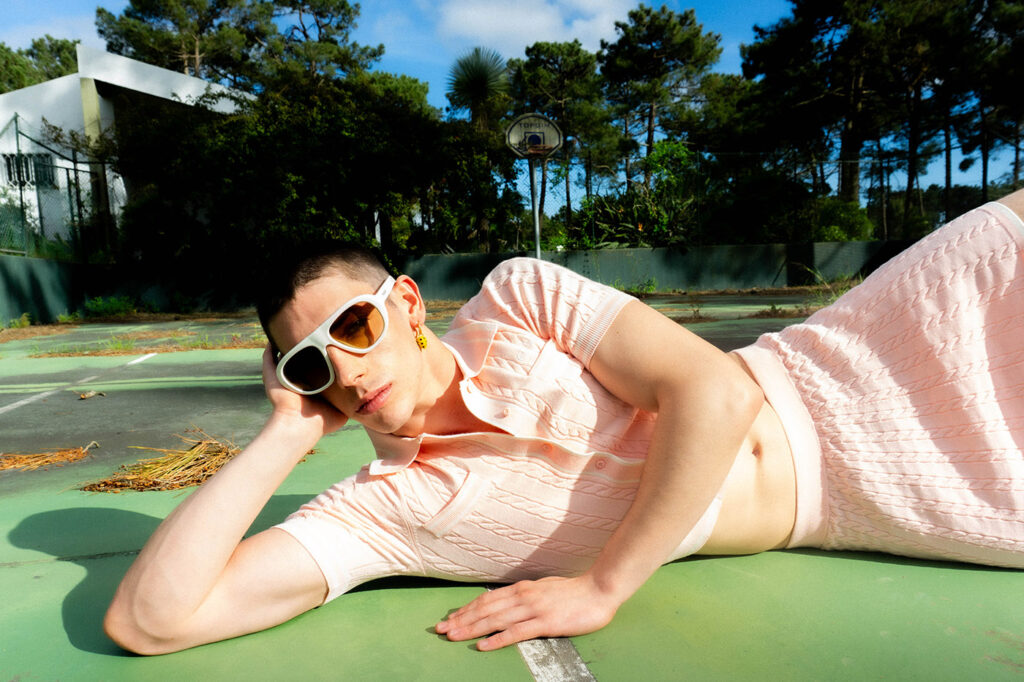
In a world where algorithms and trends increasingly dictate what we wear and how we see ourselves, who we truly are can be harder to pin down. We navigate a looks- and success-driven society where individuality is constantly being shaped, shared and repeated. An outfit can be copied from a Pinterest post, but can identity?
Photography & art direction Djenice Duarte
Styling João Telmo
Assisted by Maria Ribeiro
Grooming Antonia Rosa
Assisted by Diana Silva
Model Sebastian Hubert
From Karacter Agency
Words Priscila Vieira
We tend to speak about identity as if it was something given to us at birth: a name, a nationality, a gender, a background, a set of characteristics that can be arranged into an answer to the complicated question of Who are you? In reality, identity is much less stable than that. It shifts with our life experiences, age, environment and struggles.
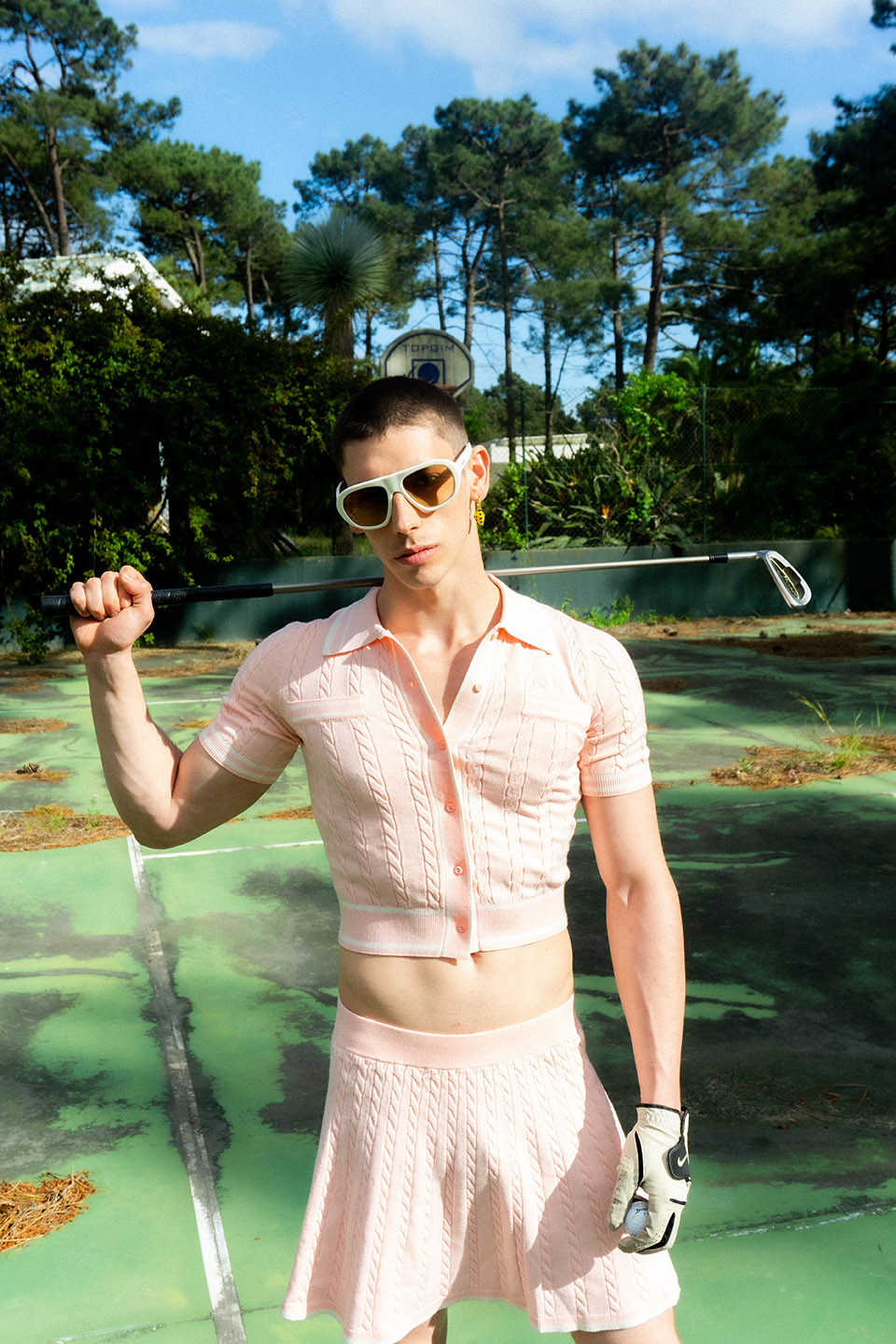
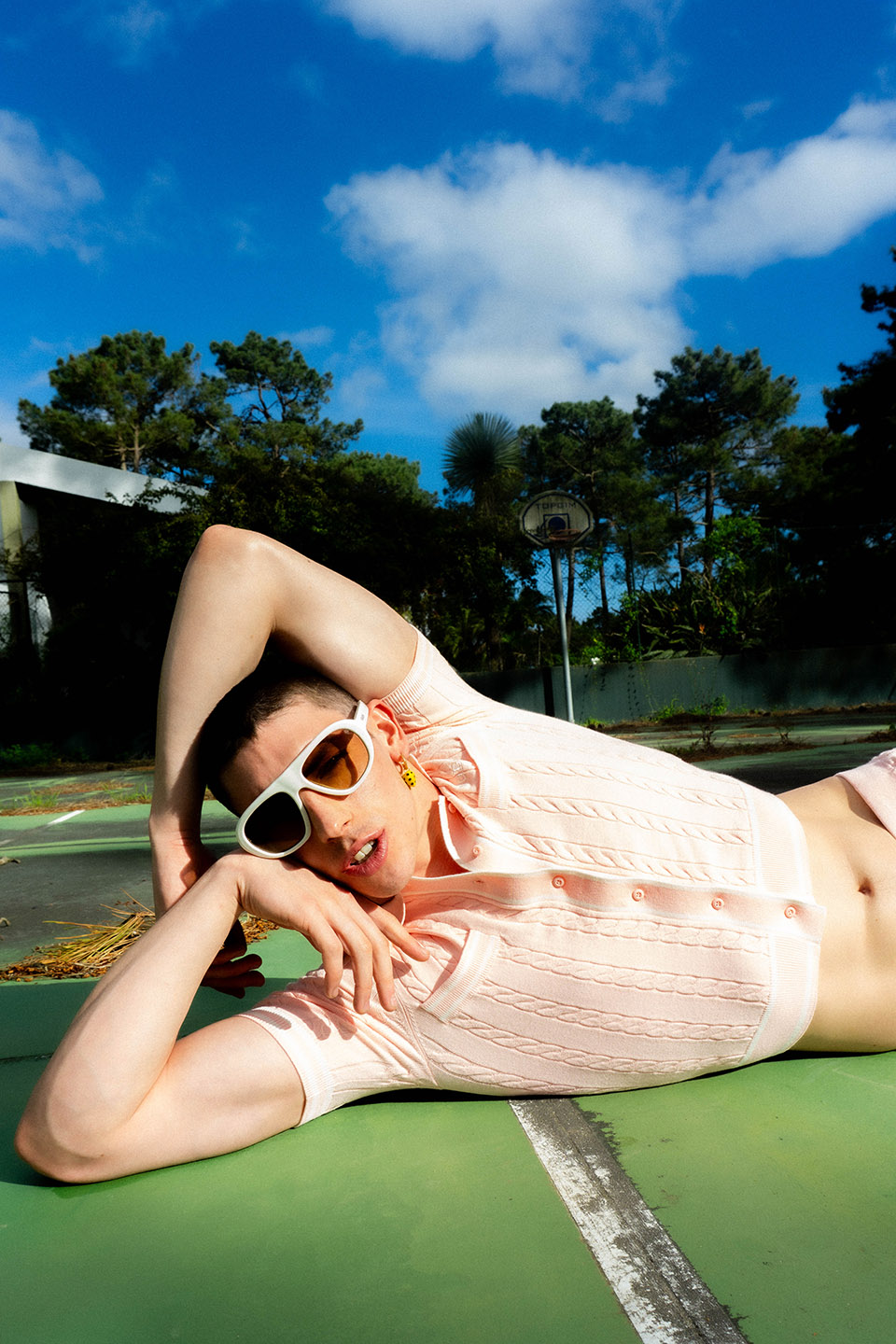

Though who we are usually comes from within, style also is part of the definition of our identity. What we wear is the immediate way to communicate who we are before we have even said anything at all and clothes can completely reinvent it. Proportion can exaggerate the body; colour can change our presence; a familiar silhouette can become something unexpected when worn differently. There is no neutral choice.
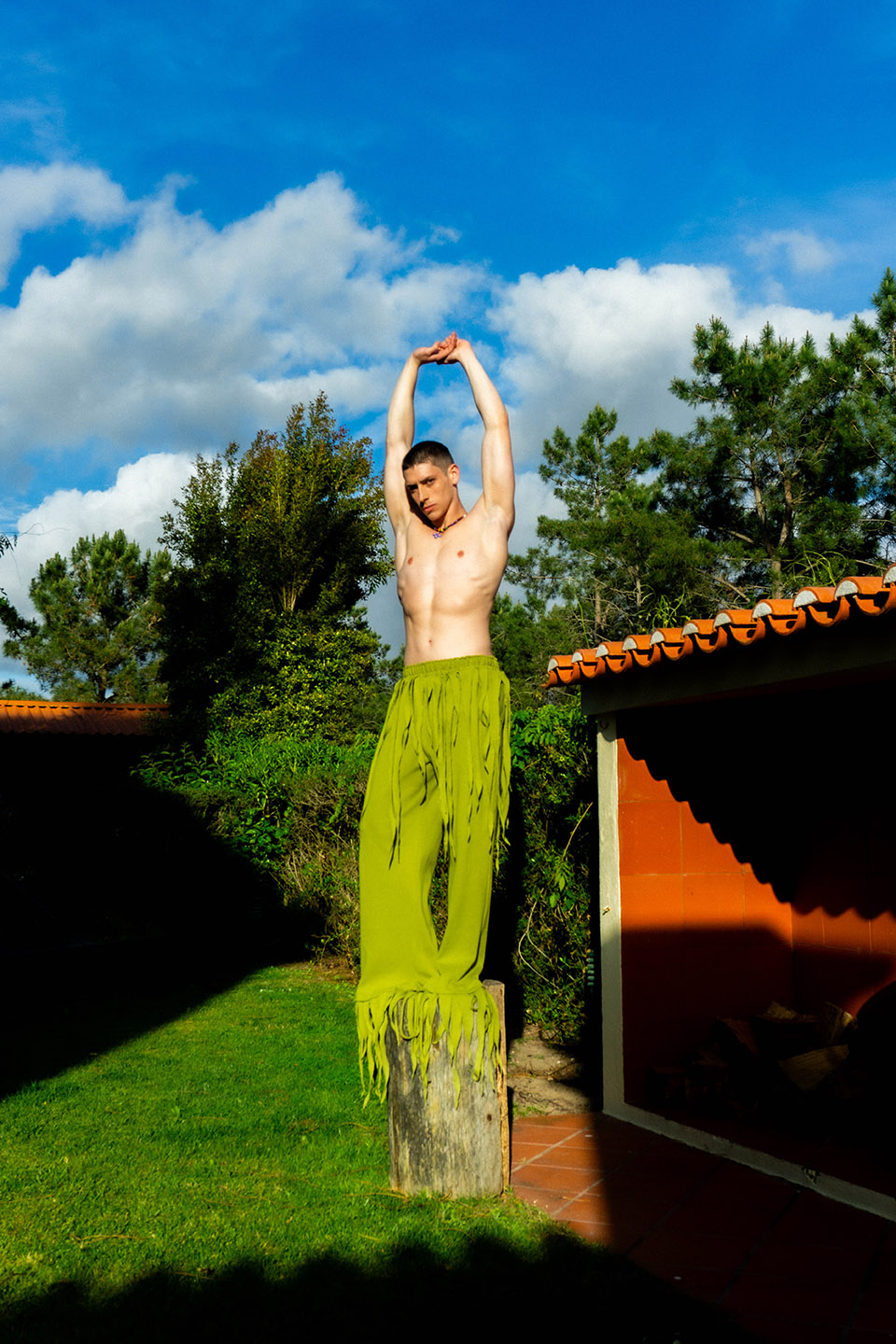
Ça plane pour moi, Plastic Bertrand’s famously chaotic 1977 punk-pop hit for example, is an energetic song that suggests that identity does not require everything to make perfect sense all the time. The reality is that the pressure to define ourselves today has never been greater. We are encouraged to package our identities, present coherent versions of ourselves and make them legible to everyone else. But real identity is rarely that tidy. It contradicts itself, it evolves, it contains things that do not necessarily belong together.
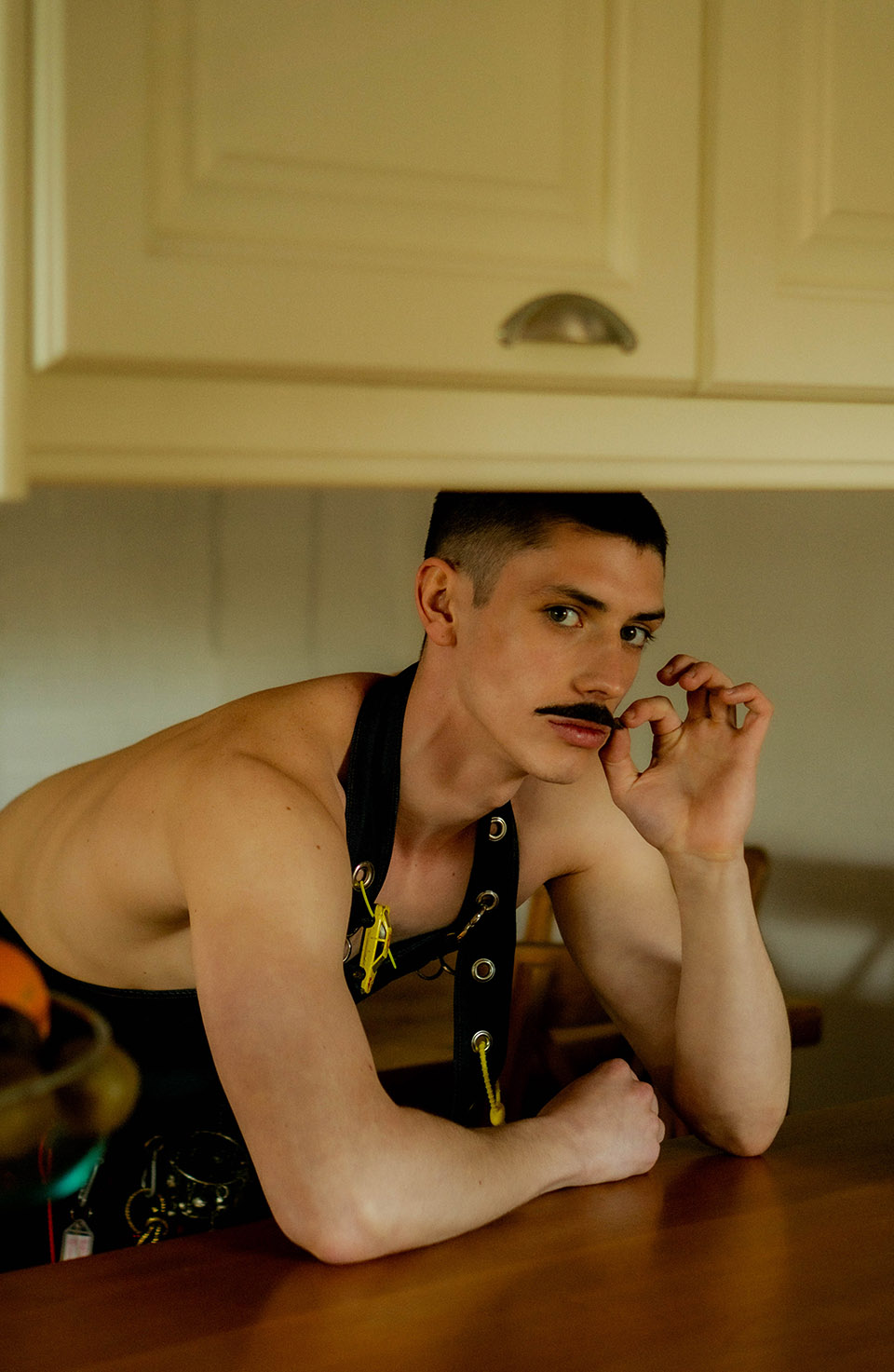
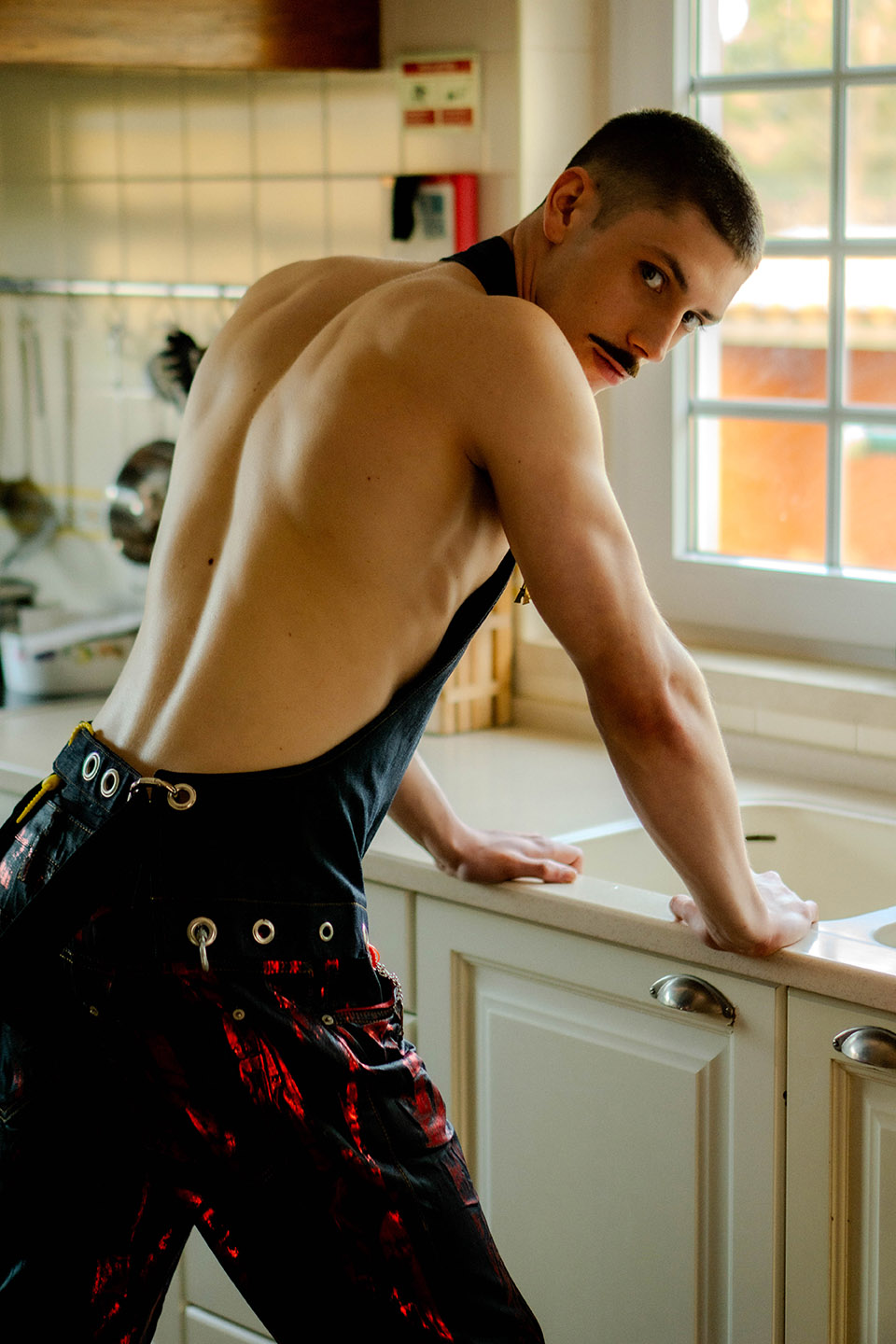
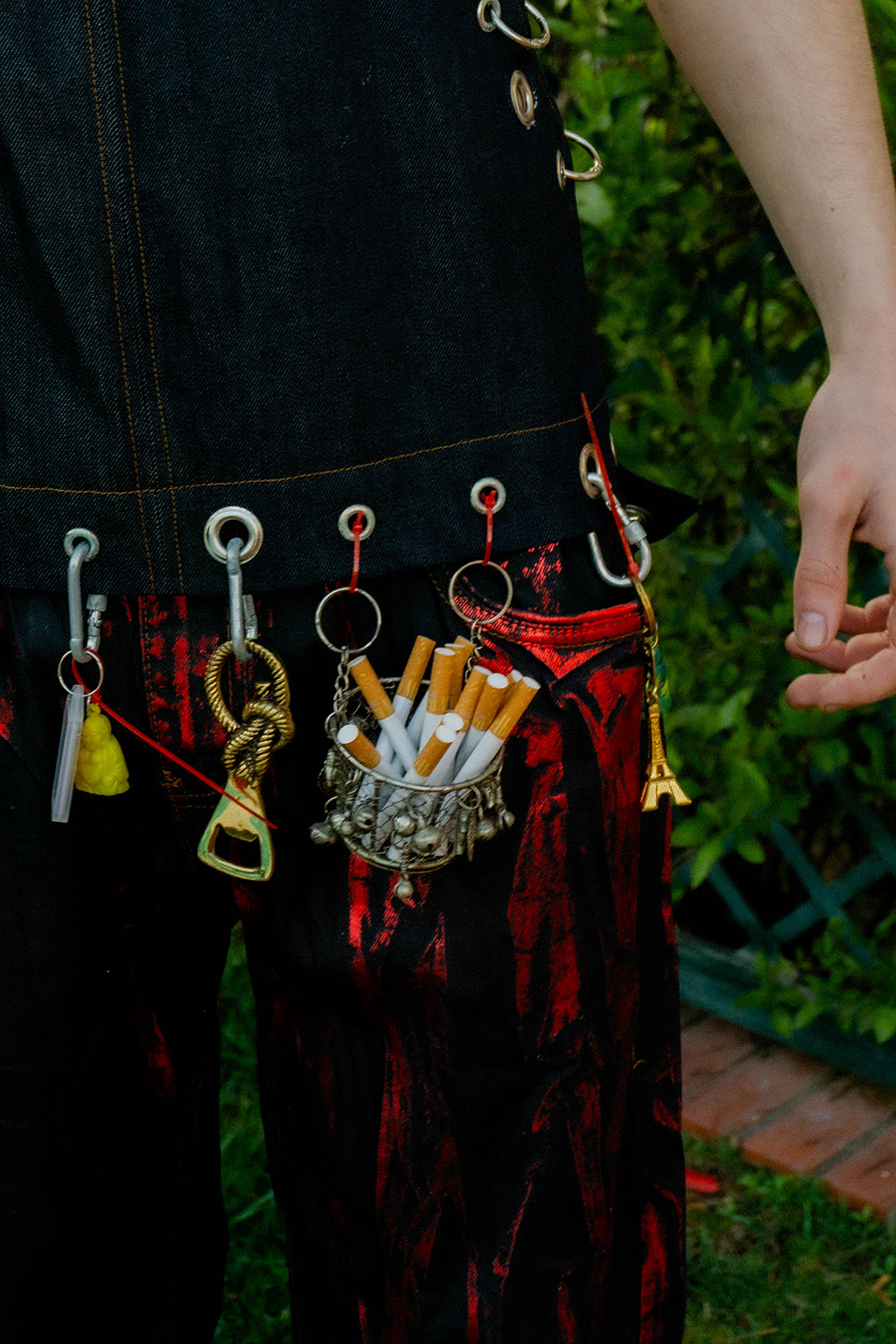
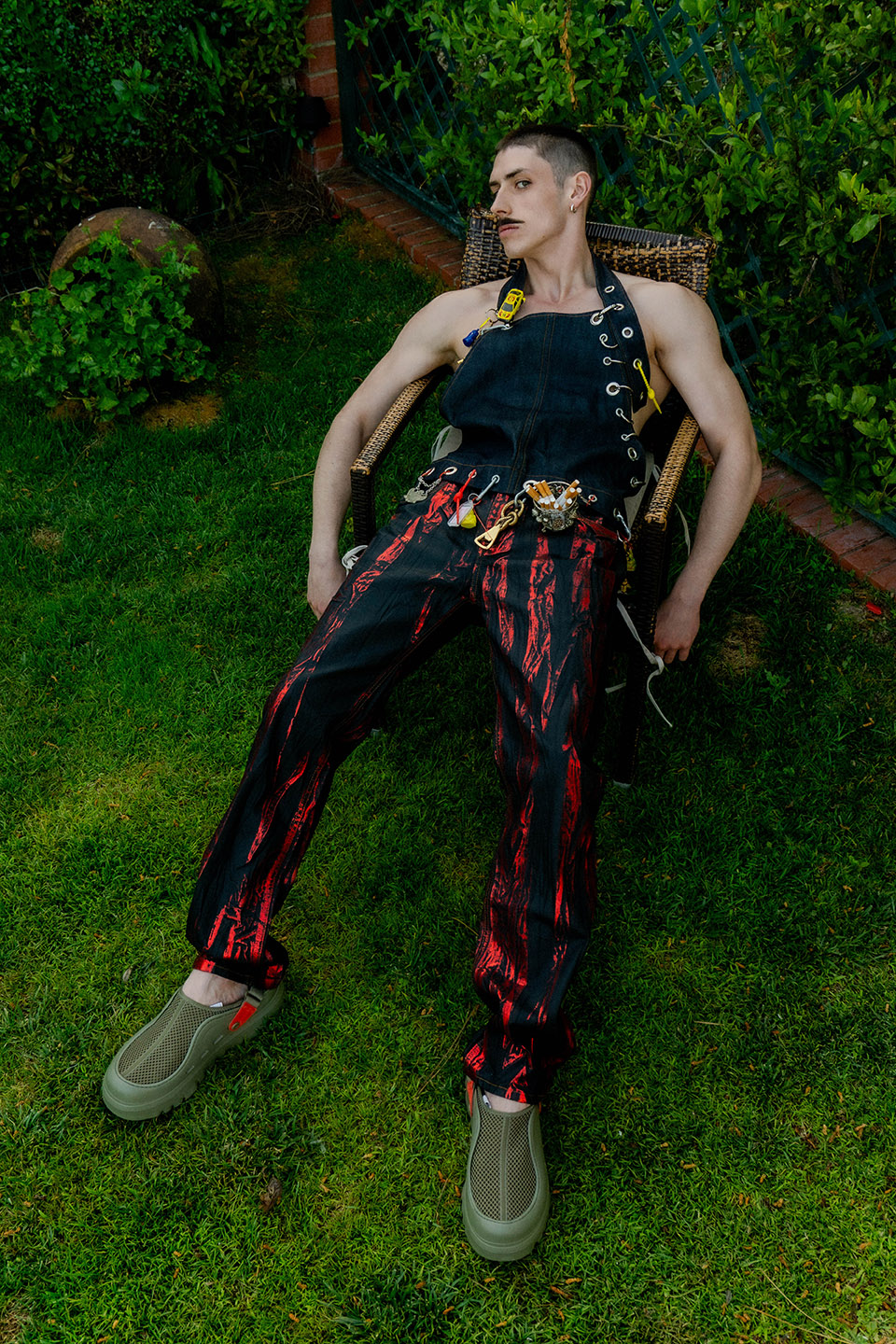

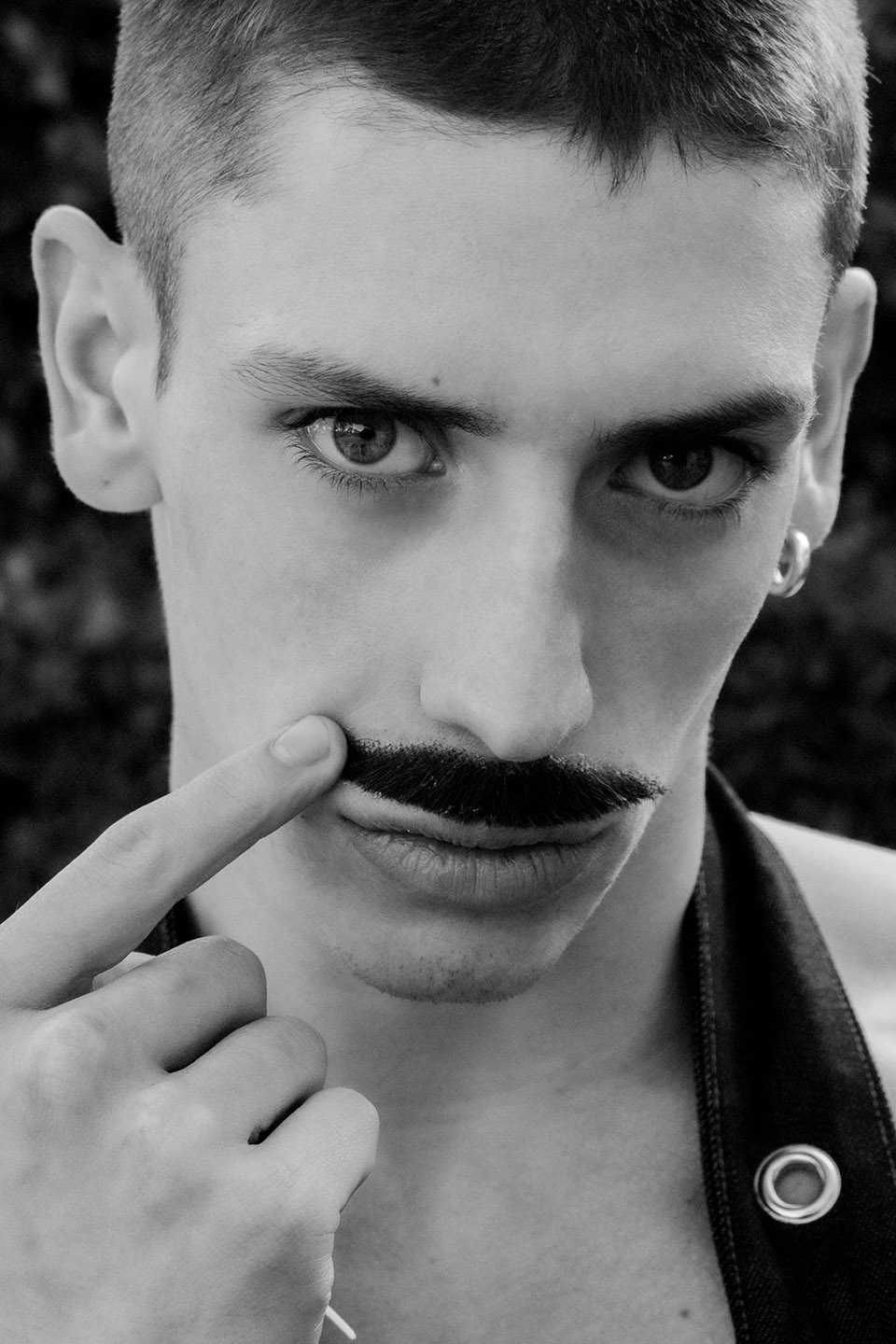
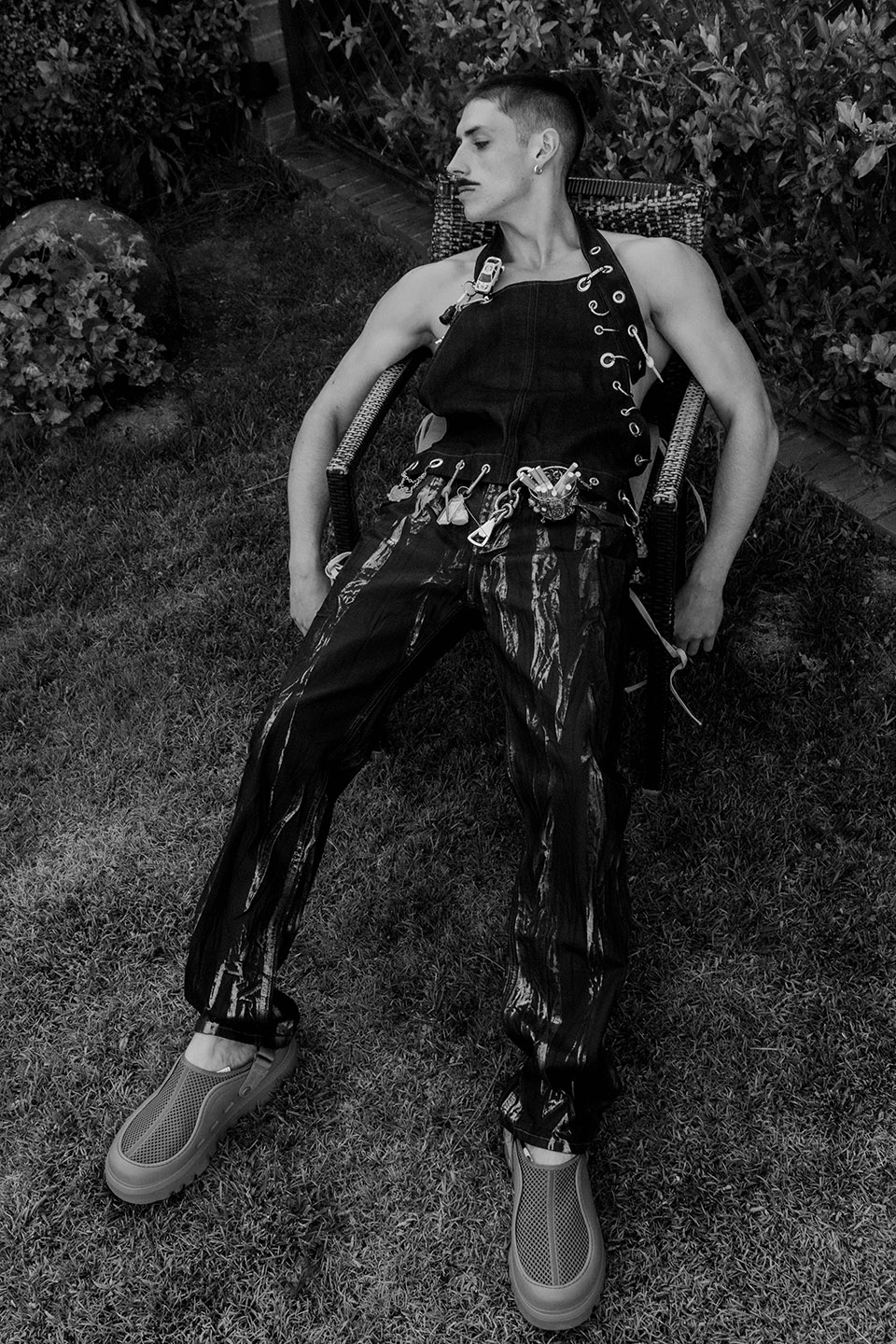
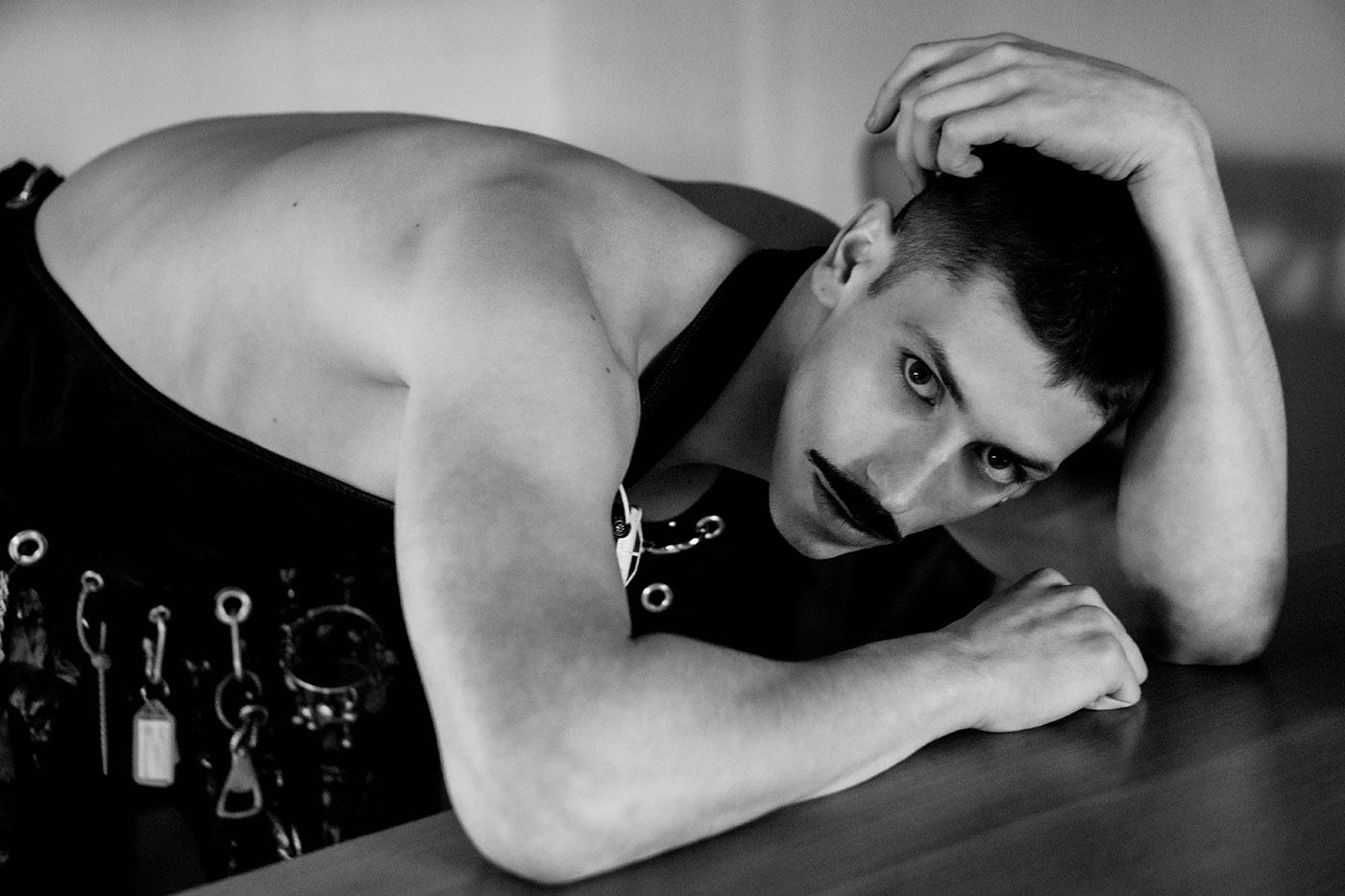
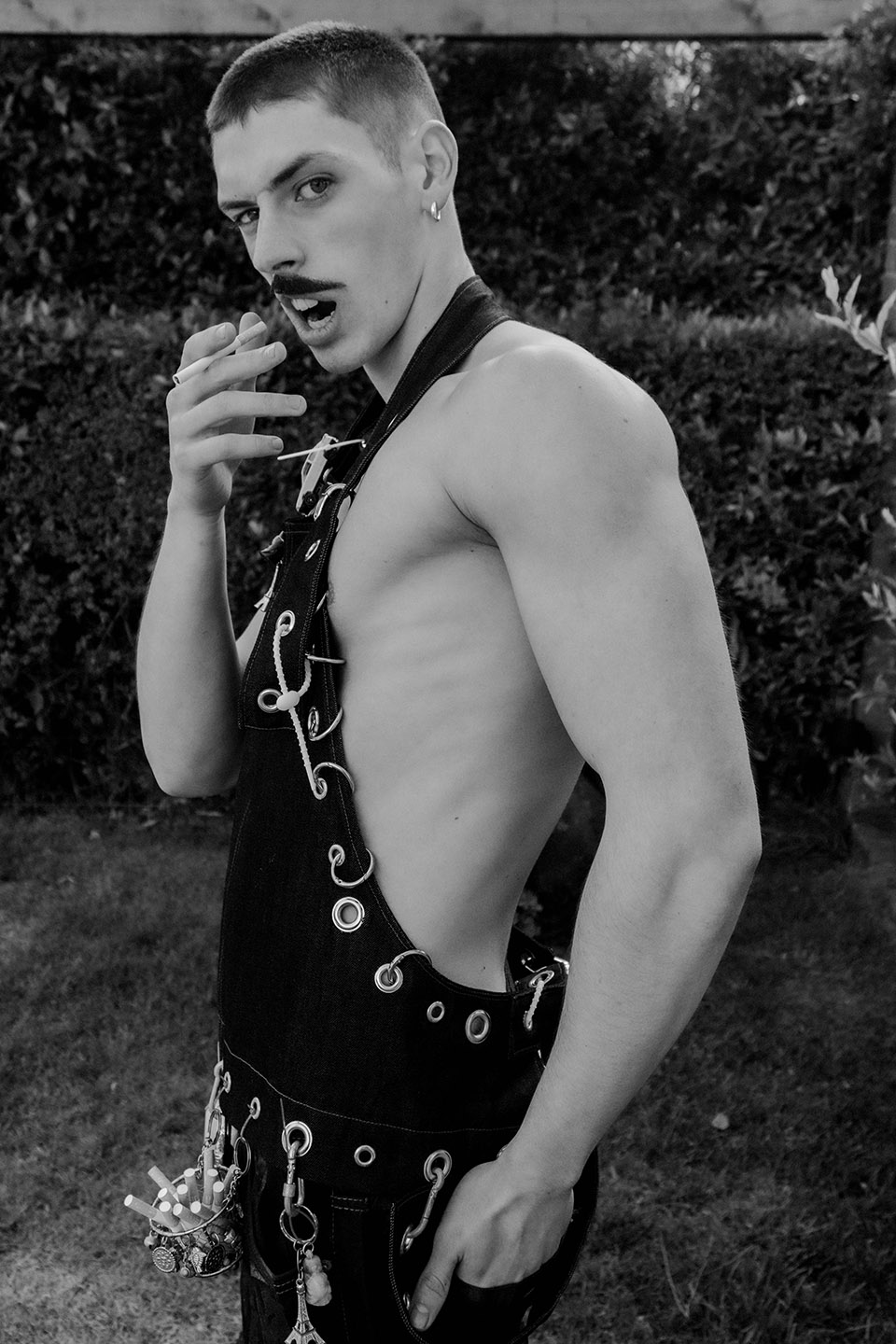
Individuality becomes more interesting than originality. Being yourself does not necessarily mean inventing something nobody has ever seen before. It can mean taking something familiar and making it personal.
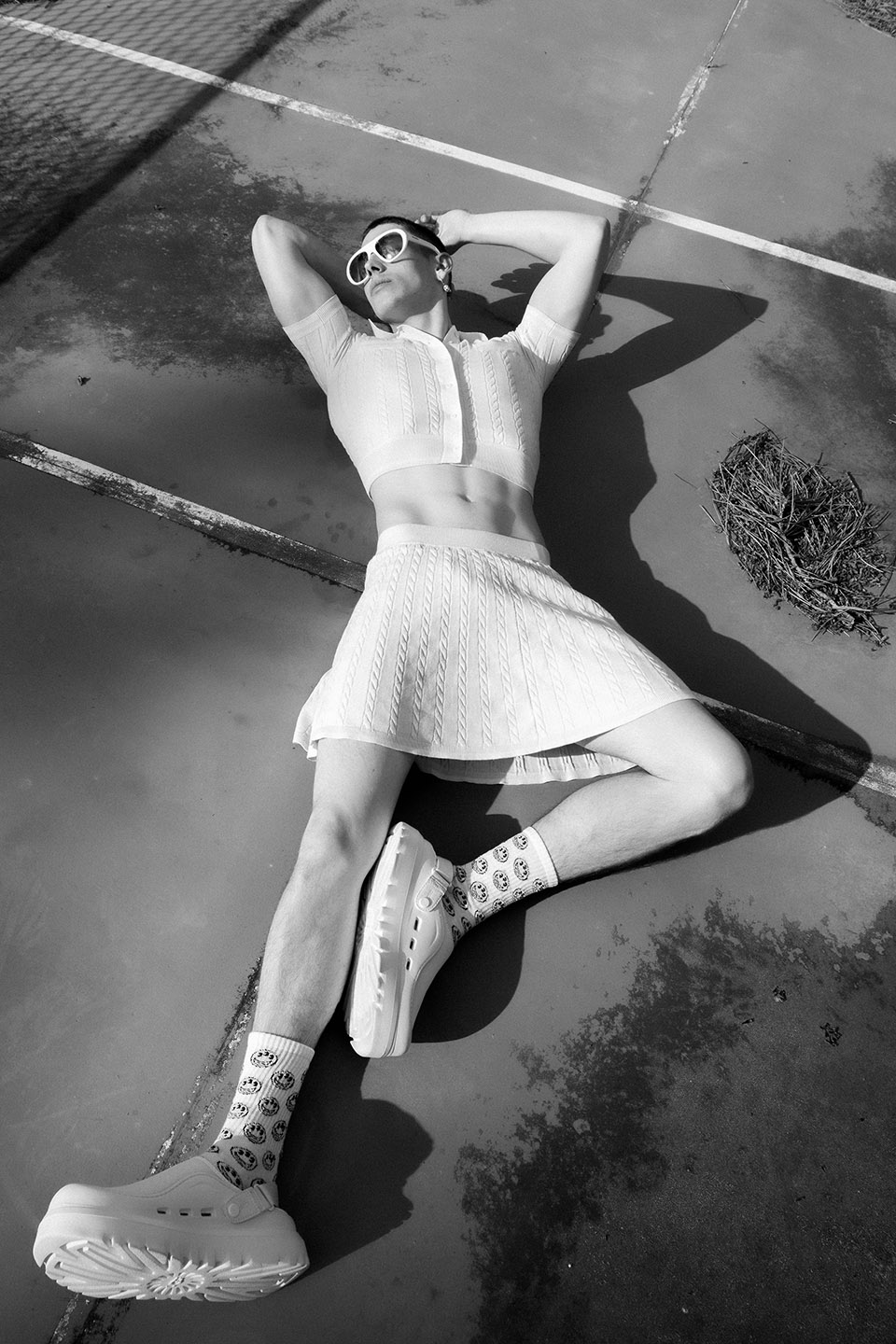
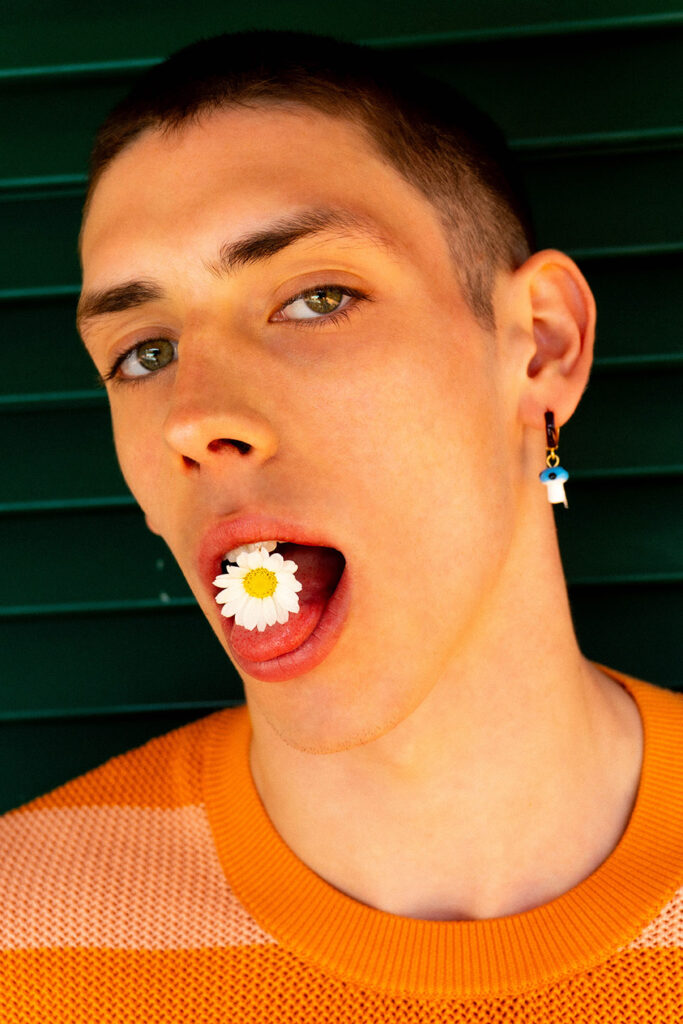
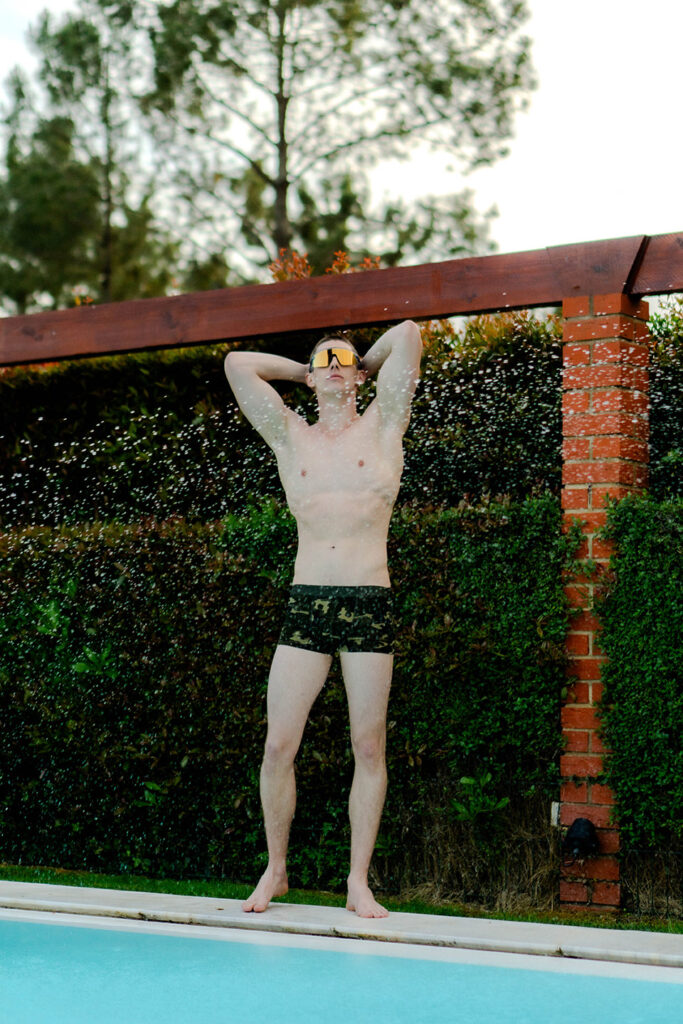
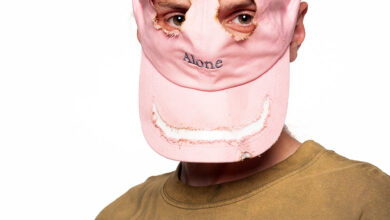
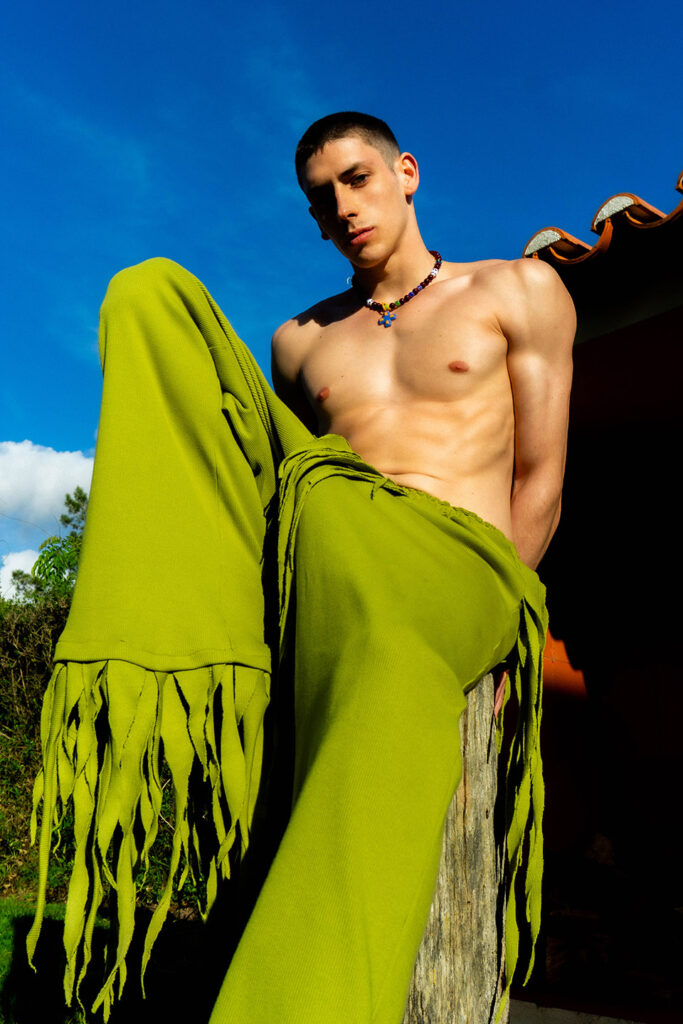
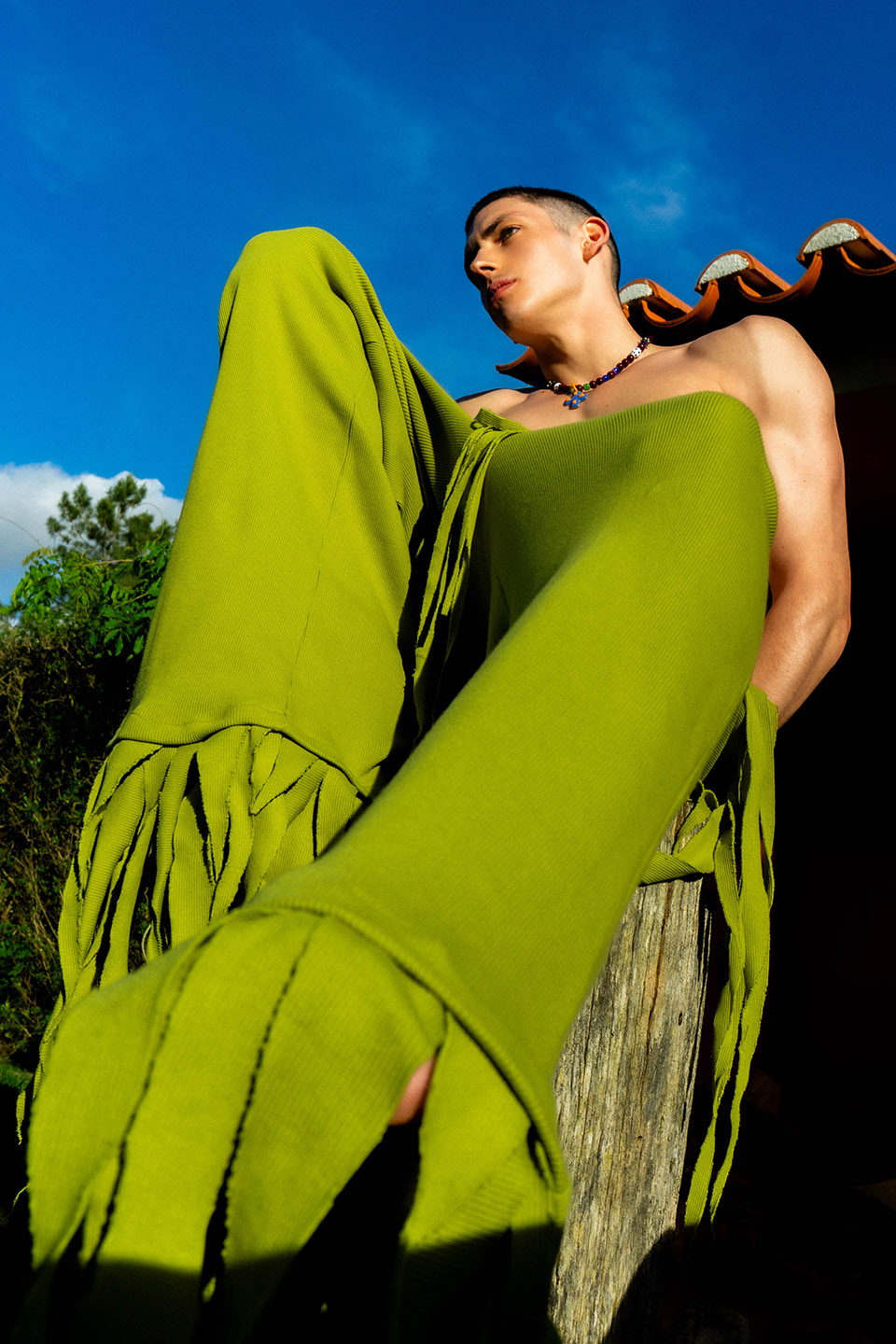
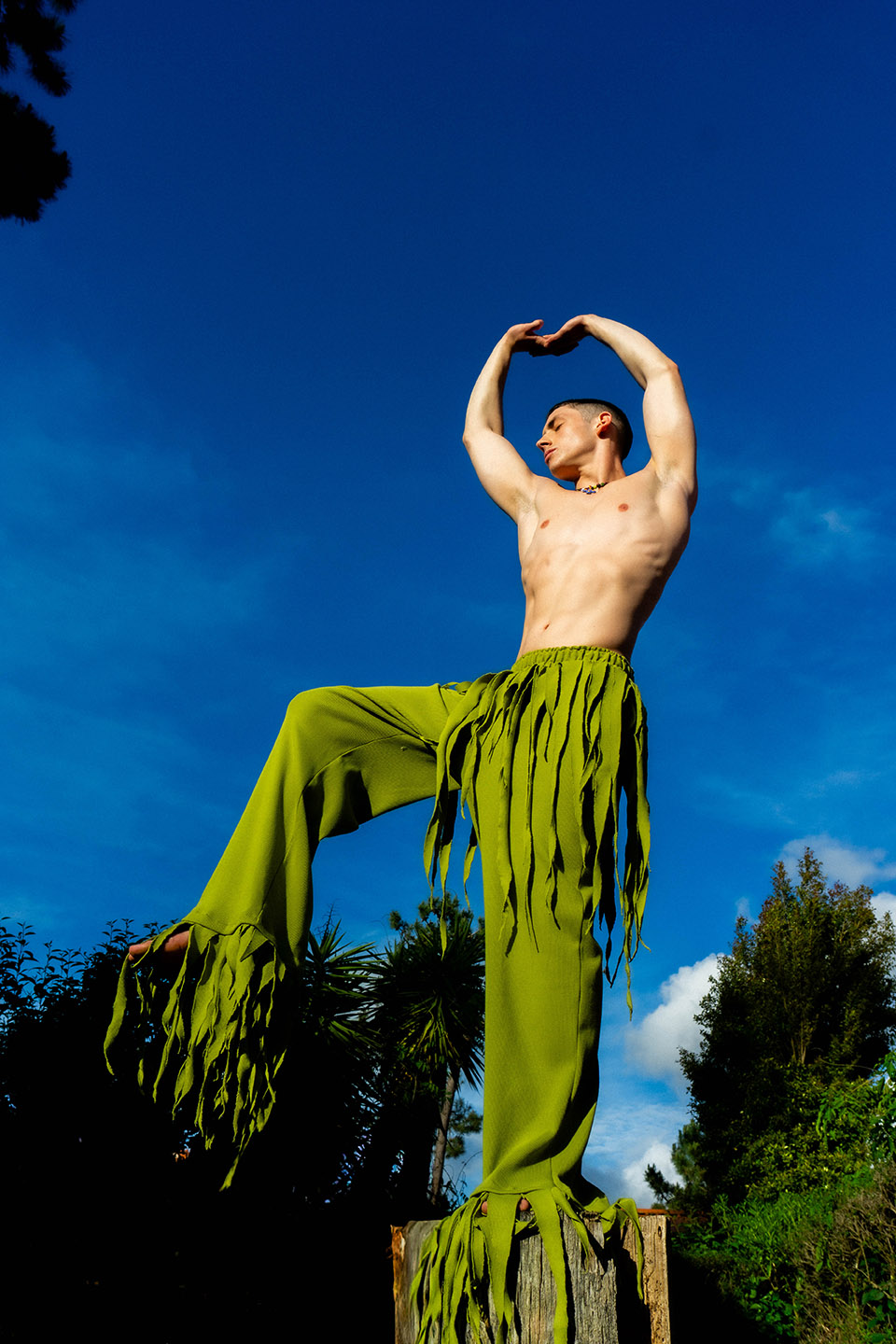
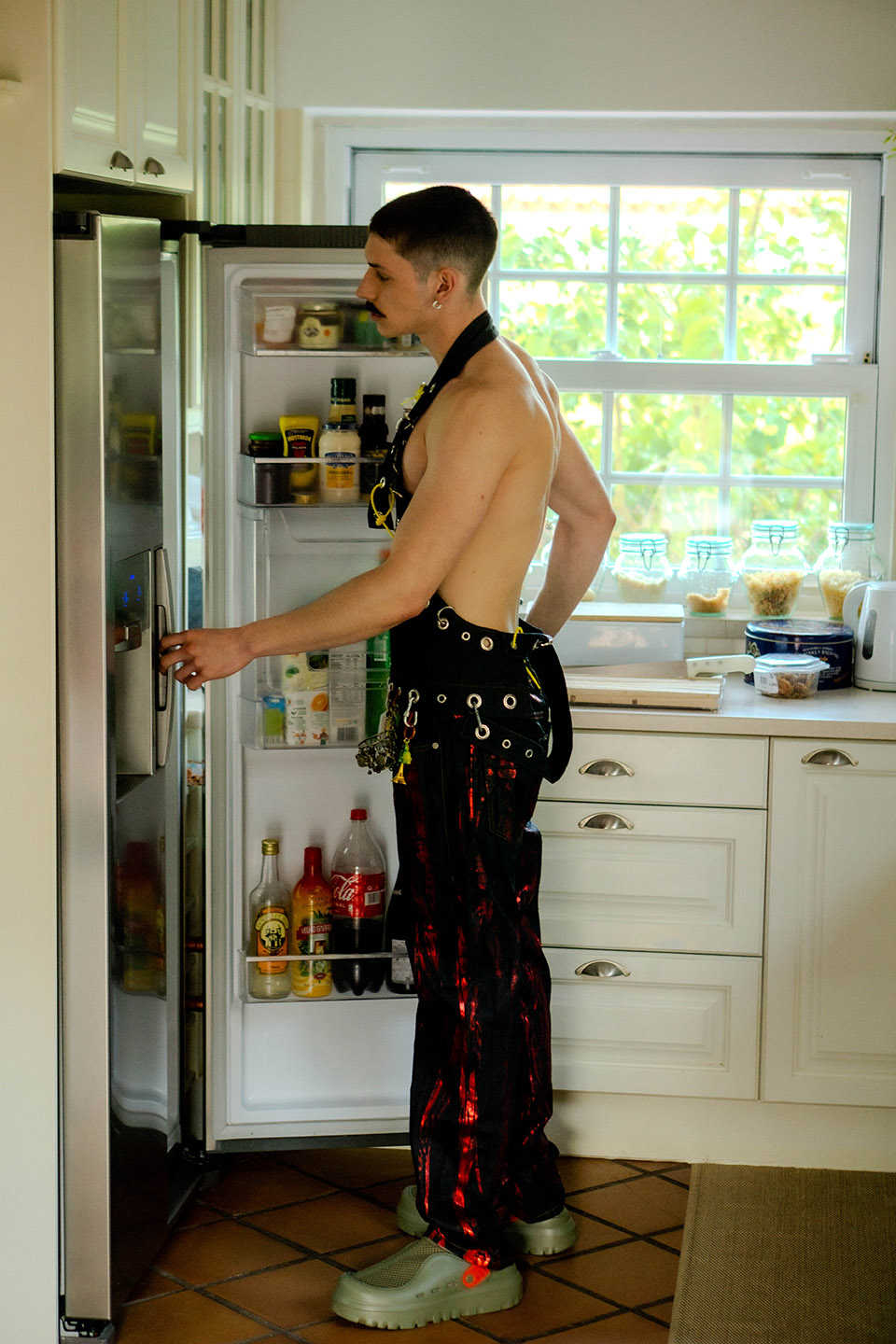
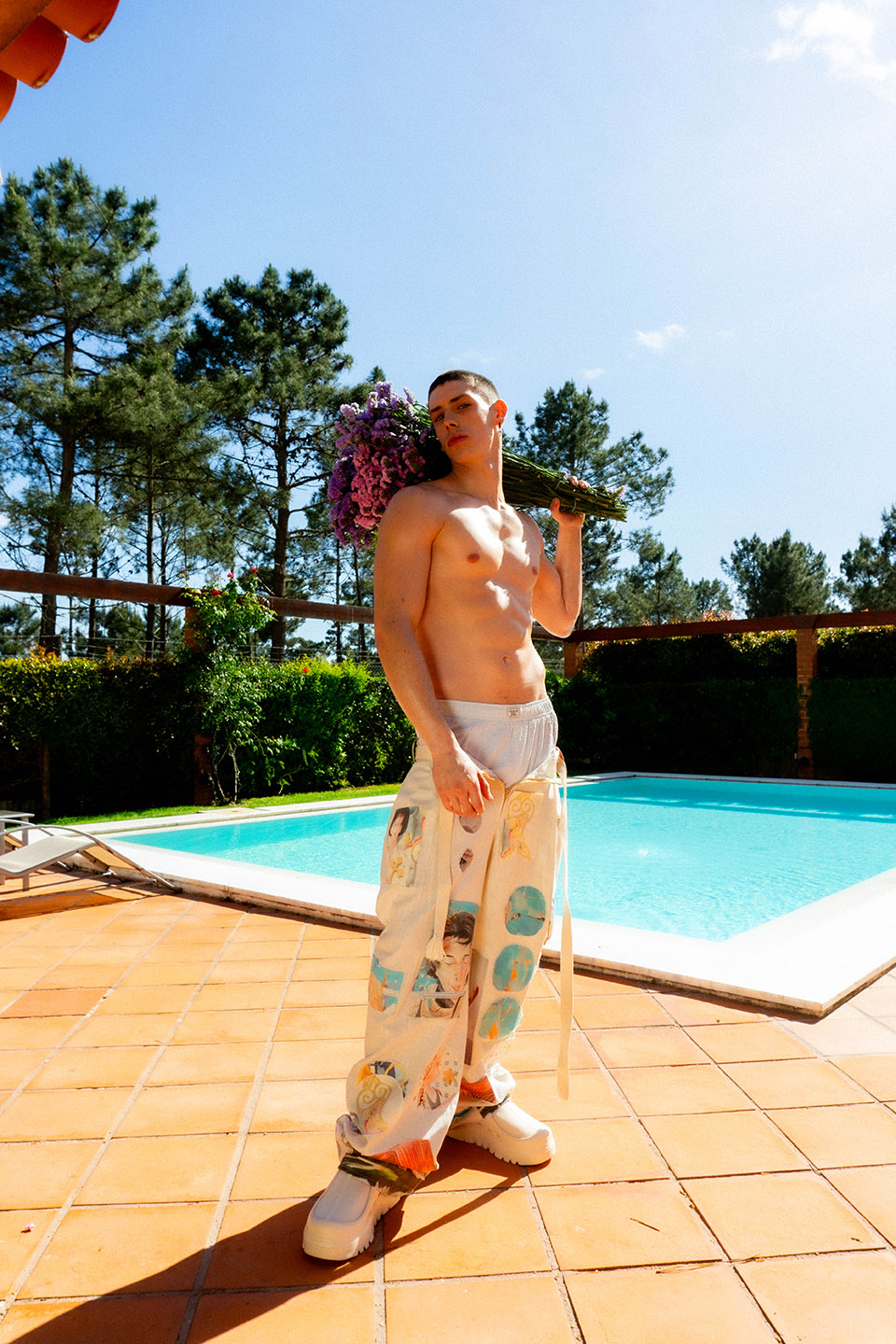
In this editorial, we play with that idea by disrupting the relationship between the individual and the world around him. A body can suddenly appear too large for a space, or too small against its surroundings. The effect is playful, but the question underneath is more profound: how much of who we are is determined by the environment we find ourselves in?
Jonathan Swift explored a similar idea centuries ago in Gulliver’s Travels. Gulliver’s body and identity take on entirely different meanings depending on the society he enters. In Lilliput, he is a giant; elsewhere, he is the small one. His physical proportions haven’t fundamentally changed, but his relationship to the world has. Real life isn’t so different. Some environments can make us feel like we are too much or not enough, while others feel like the perfect fit for who we are. It reminds us that identity is never experienced in isolation; we are constantly being measured against the spaces, people and expectations built around us.
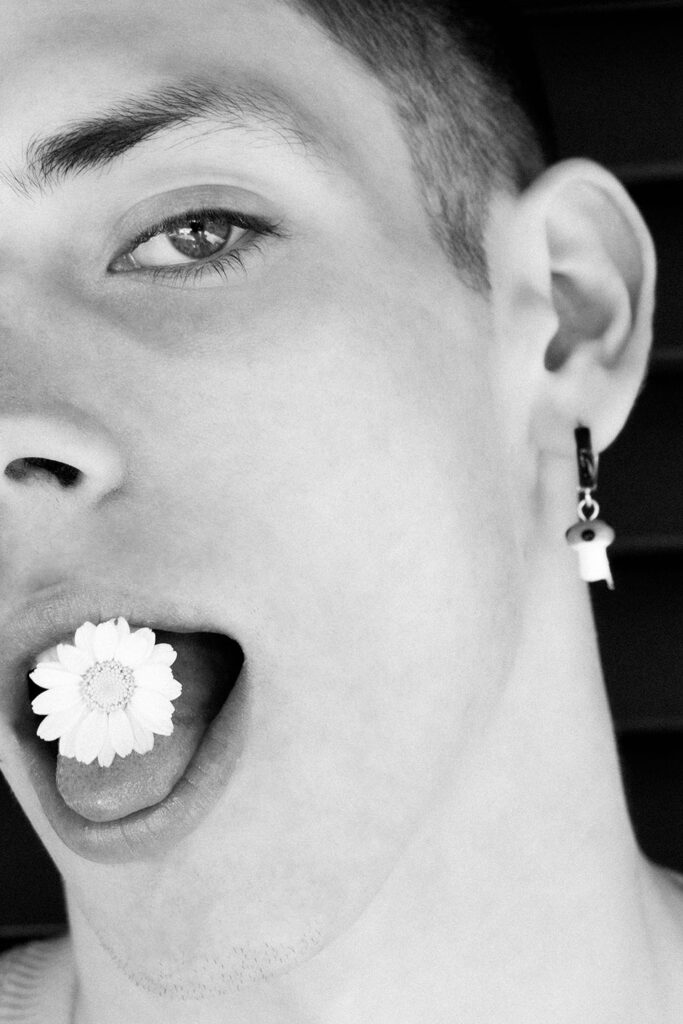
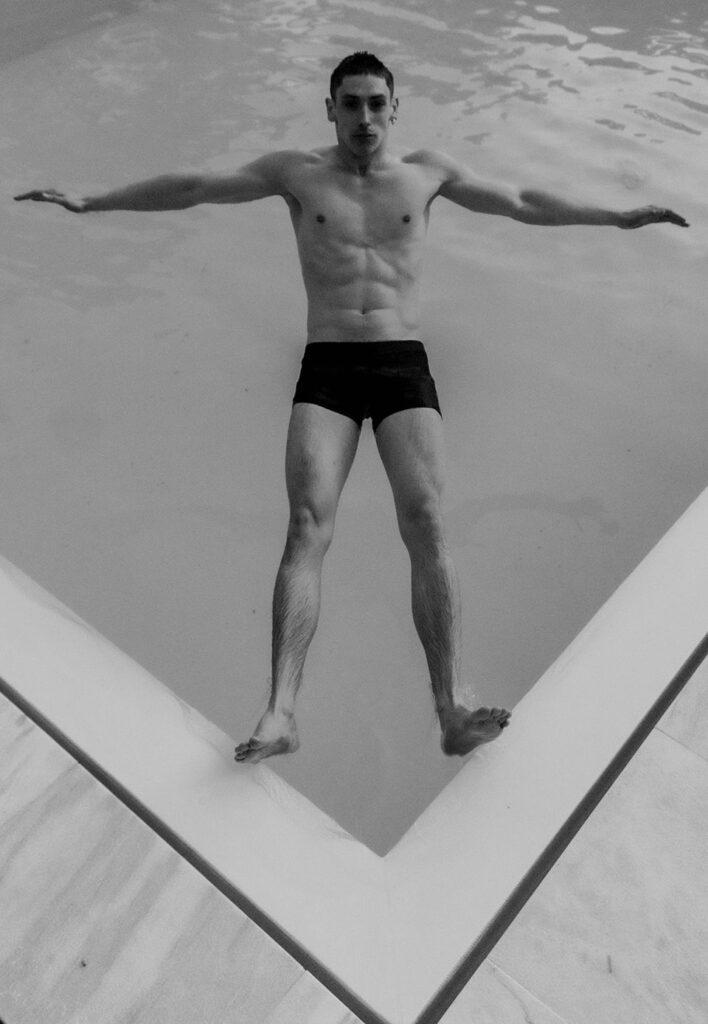
Identity is not a trend or something that can be copy pasted, it is something we negotiate every day — through what we wear, how we move, what we reject and what we embrace. Sometimes that means fitting into the room, sometimes it means making the room look too small. Either way, the choice is ours and who we are will always be one of a kind.

To boot…
FASHION REFERENCES
BESTA DE ESTILO ARCHIVE @archivebestadeestilo
COMPANHIA DAS SOLUÇÕES @companhiasolucoes
For
@guess
GANESH COMUNICAÇÃO @ganesh_comunicacao
For
@ugg
SHOWPRESS @showpress.pressoffice
For
@arianaorrico
@m.alves.goncalves
Eyewear @prada
And