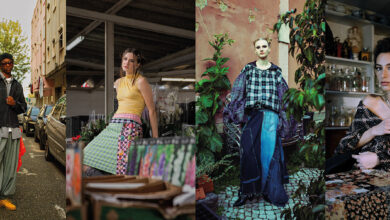
Who Are You Polly Magoo?
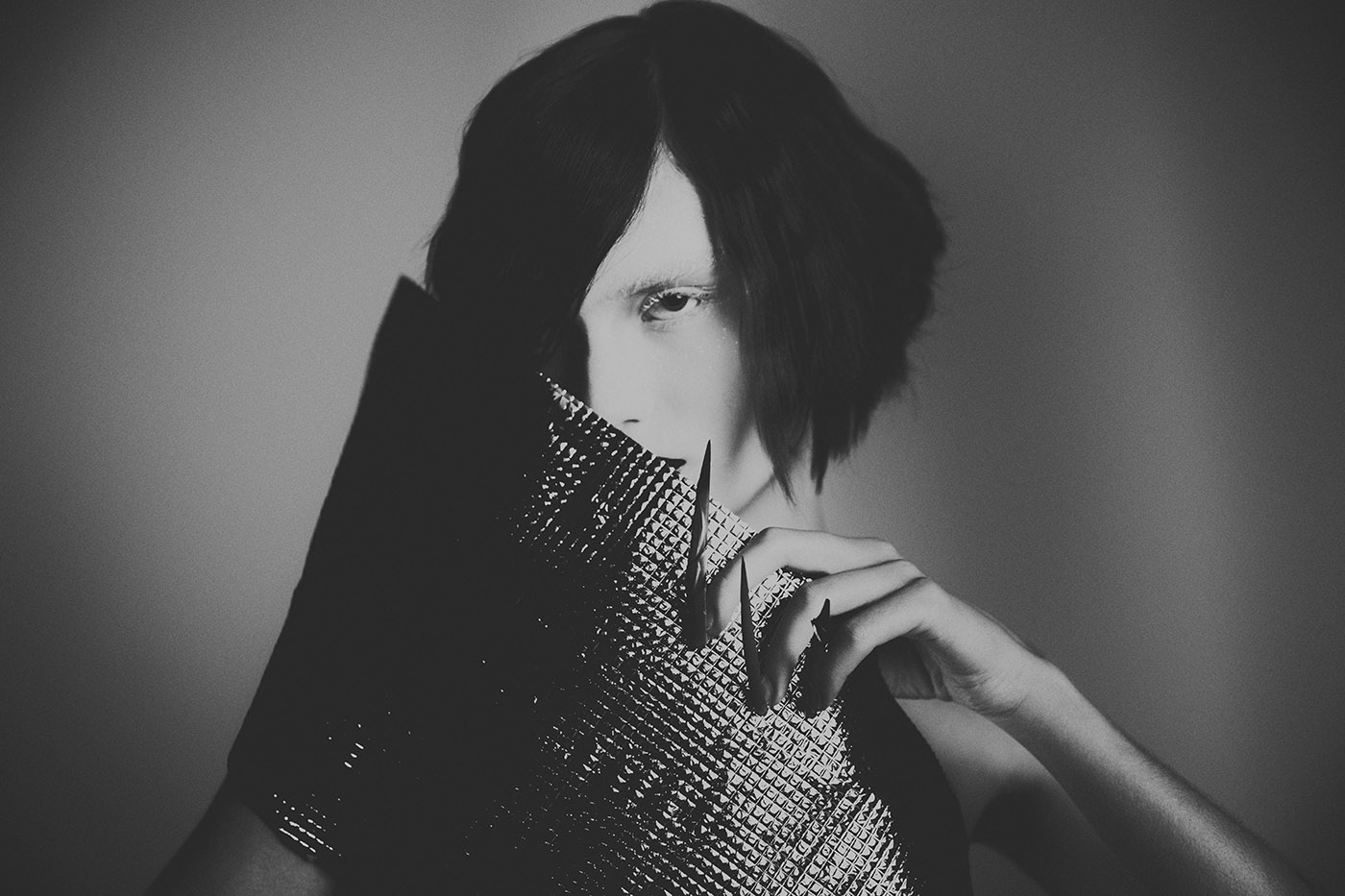
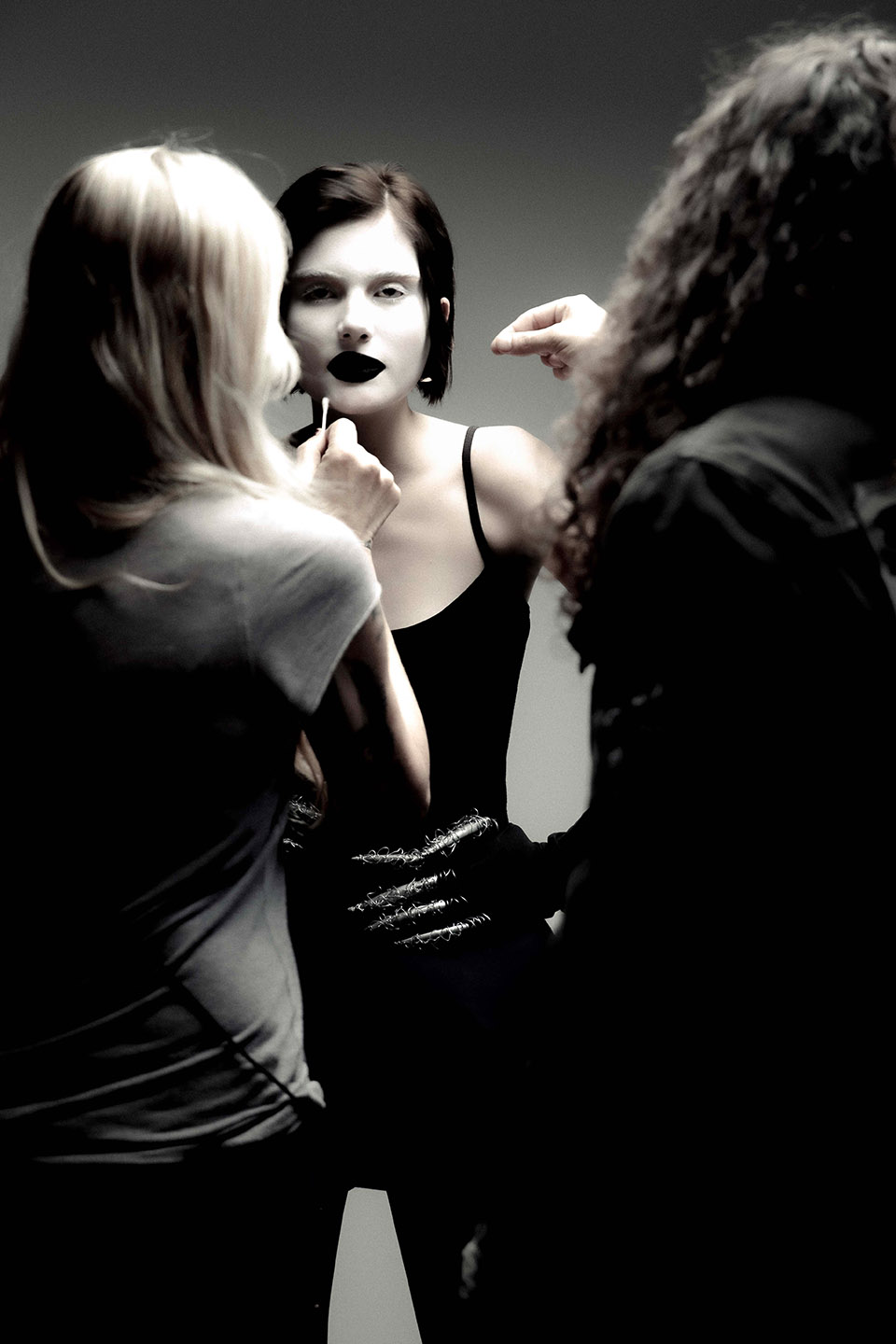
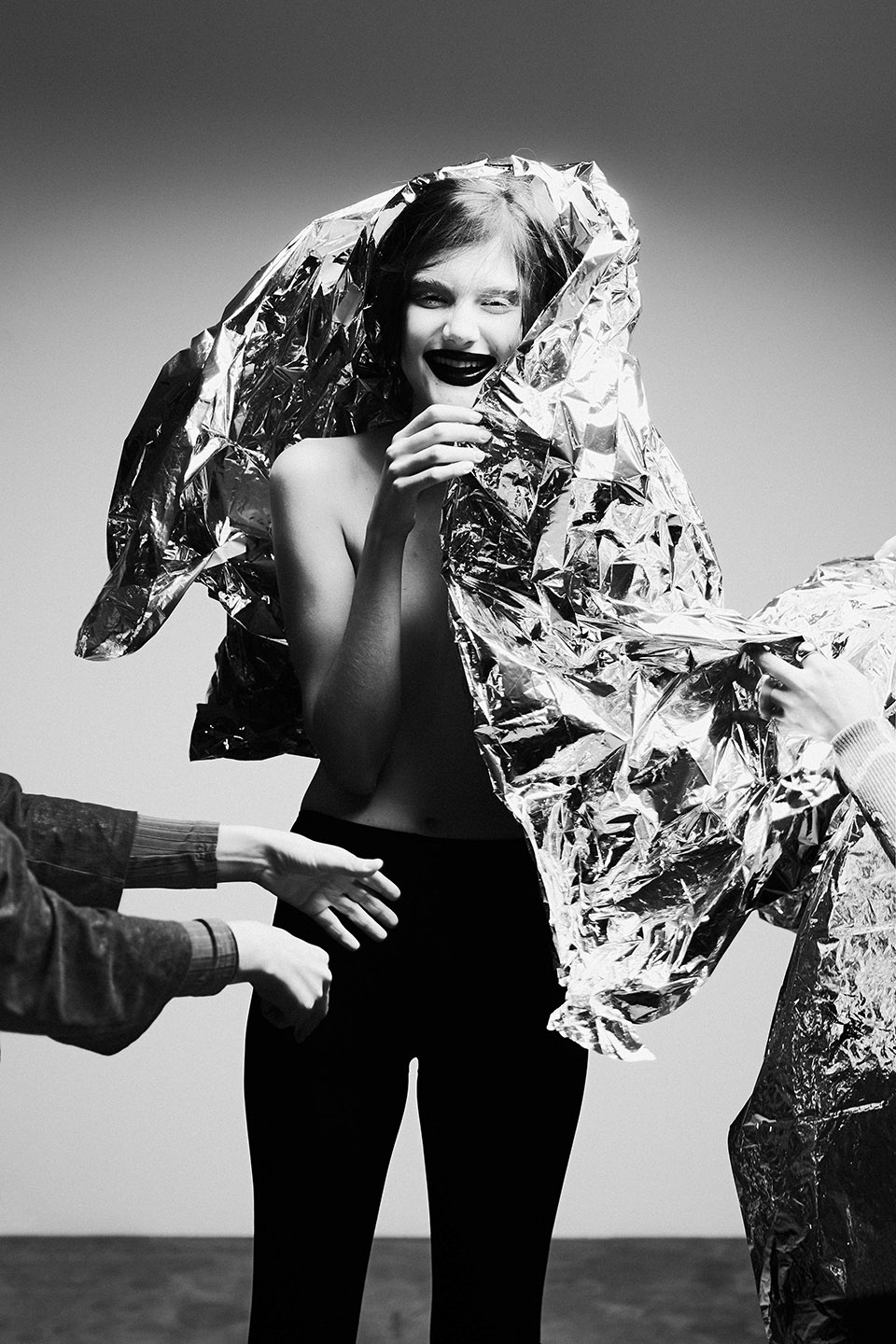
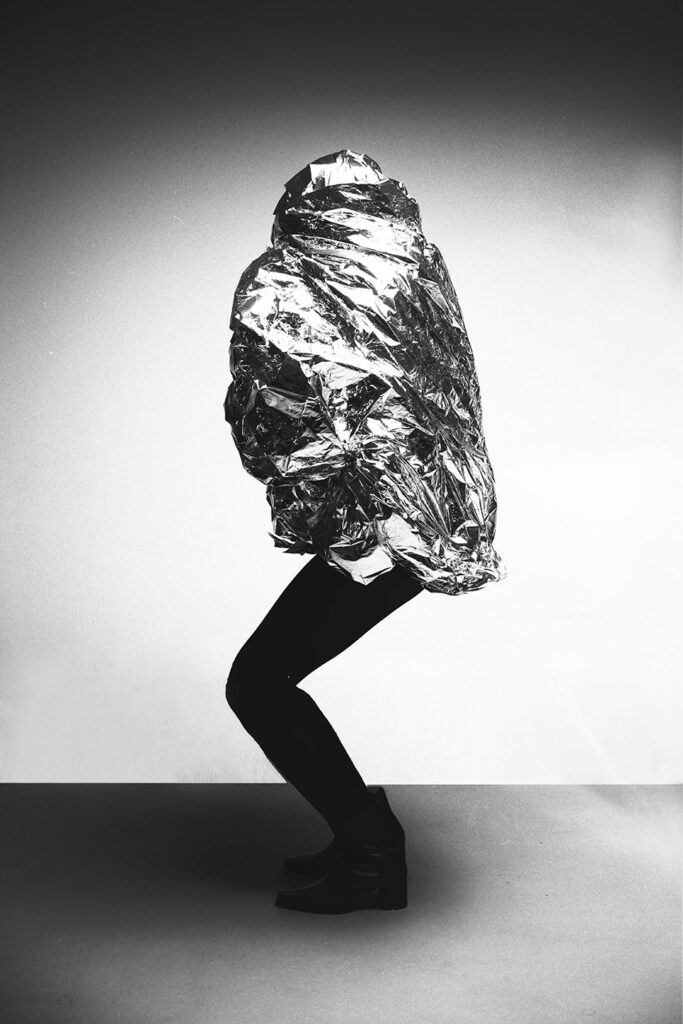
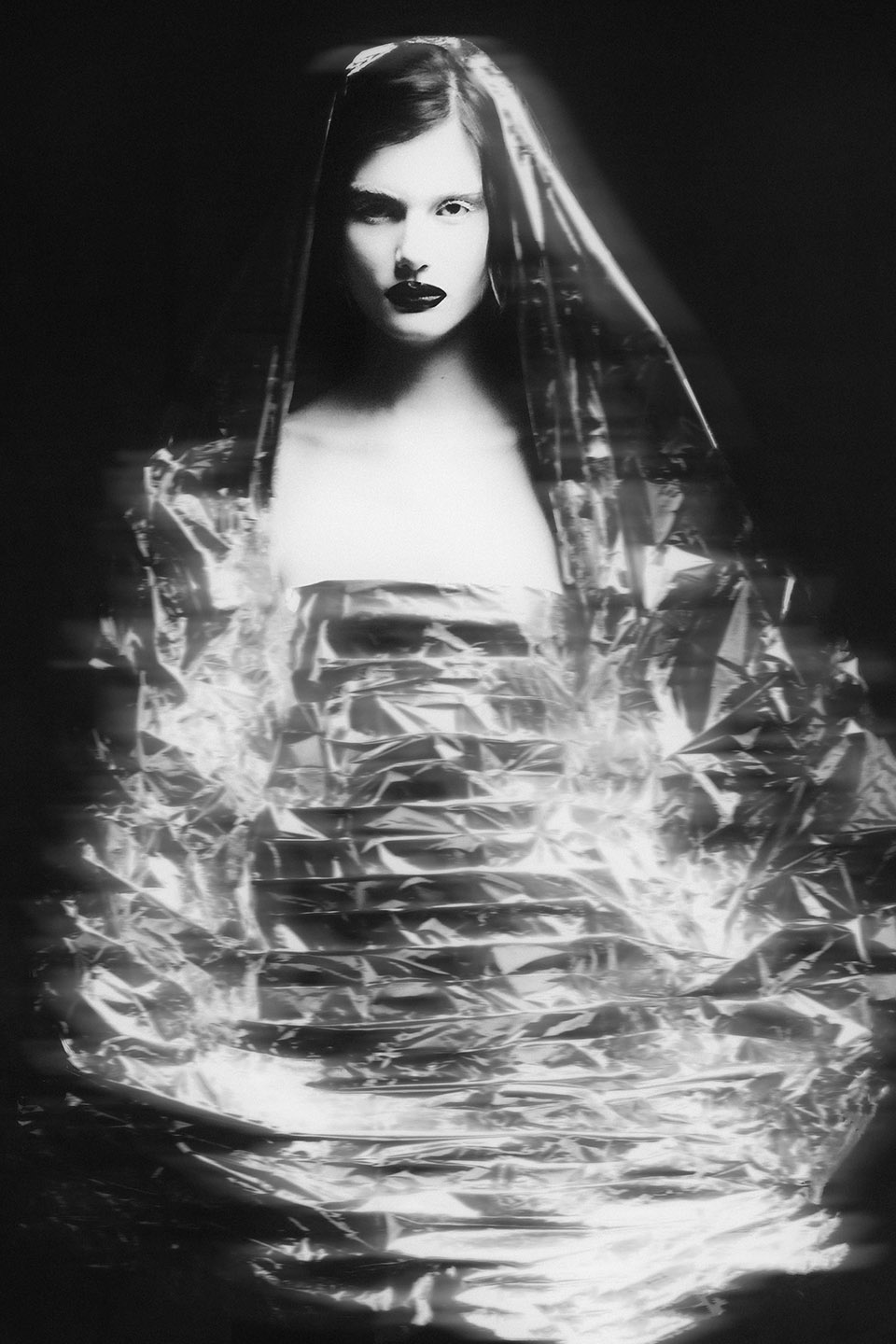
Inspired by William Klein’s surreal 1966 satire Who Are You, Polly Magoo?, Julia Sarturi and Karol Moreira explore what it means to create for the silhouette rather than simply dress the body. Aluminium foil, graphic patterns, unusual accessories and exaggerated shapes turn unconventional materials into clothing, pushing fashion somewhere between construction, the absurd and the avant-garde.
Here, silhouettes become sculptural, materials become garments, and fashion becomes less about function and more about the ideas it can provoke.
Creative Direction & Styling Karol Moreira
Photography & Art Direction Julia Sarturi
Styling Assistance Nath Castañola
Lighting Assistance Carolina Maya
Set Design Nath Castañola
Hair Jordan Alves
Makeup Antônia Rosa
Makeup Assistance Diana da Silva
Nails Sandra Luz from Dez Studio
Model Amanda Debom from Papaya Management
Words Priscila Vieira
Special thanks to am : studio lisbon.
While fashion can be personal and practical, it is also intentional, often existing beyond comfort and logic. Throughout history, designers have experimented with unconventional materials, exaggerated silhouettes, and sculptural forms to communicate ideas rather than simply dress the body. These pieces challenge our expectations of what clothing should be, asking viewers to reconsider the relationship between beauty, function, and identity.
What remains is a way of looking at fashion as construction, something that reveals and conceals at the same time, often existing more as an idea than as a function.
KAROL MOREIRA, JULIA SARTURI
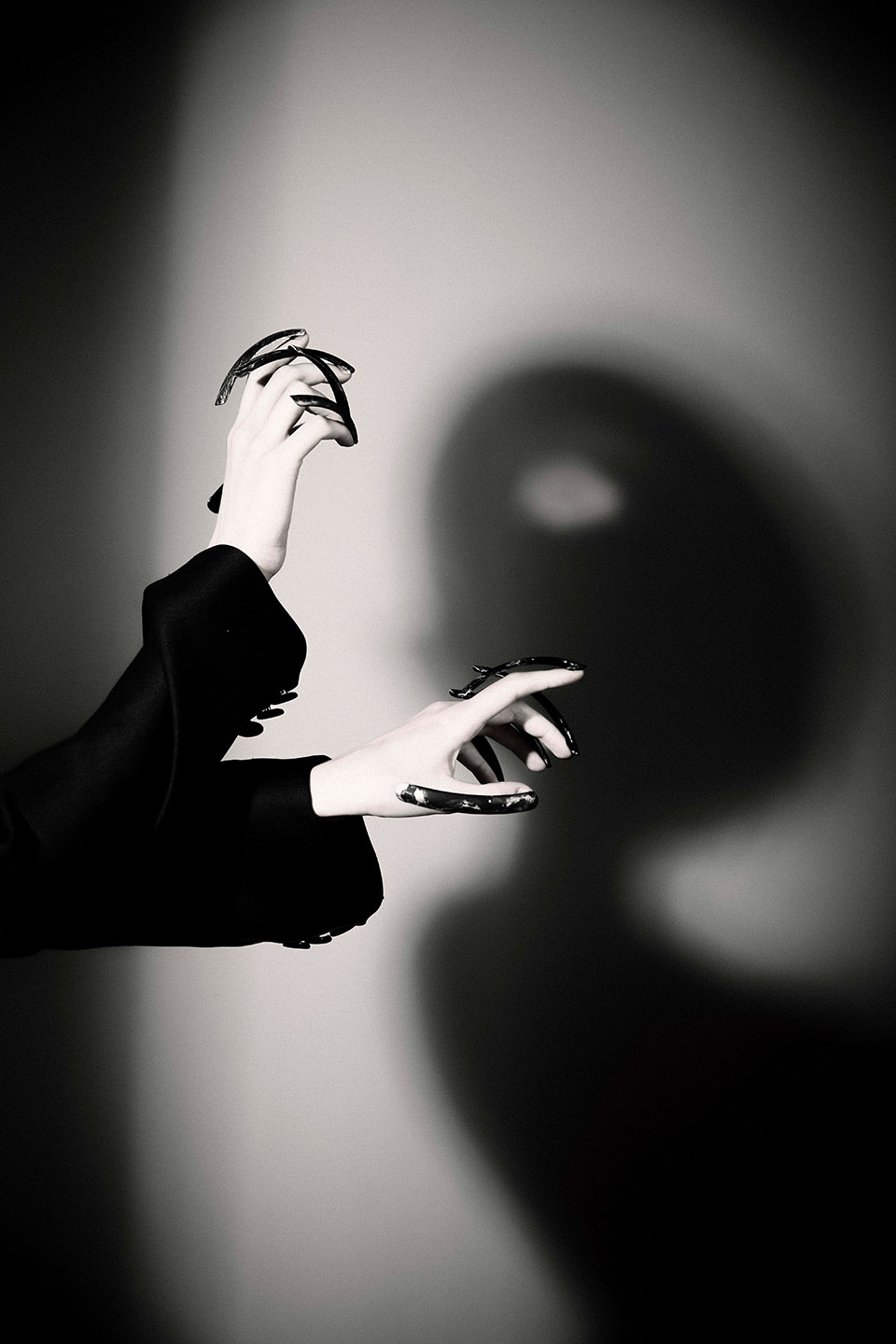
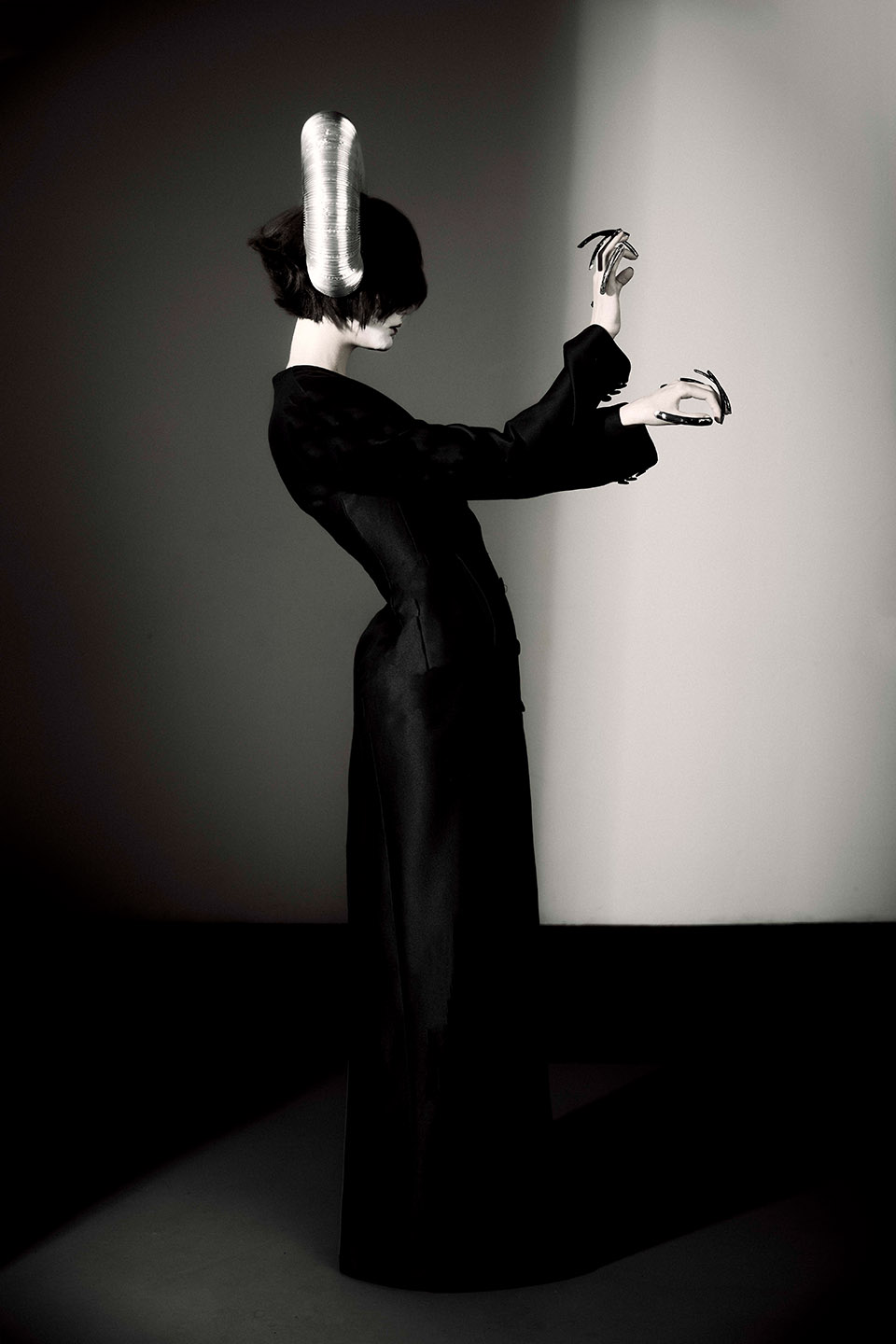
In the 1966 French film Who Are You, Polly Maggoo?, we follow Polly Maggoo, a successful Brooklyn-born model living in Paris. Constantly admired, photographed, and pursued by the media, Polly becomes less of a person and more of an image. Everyone projects their own expectations onto her, yet no one is truly interested in discovering who she is from within. The film satirizes the fashion industry by exposing its obsession with spectacle and appearances, suggesting that fashion often values the idea of a person more than the actual person themselves.
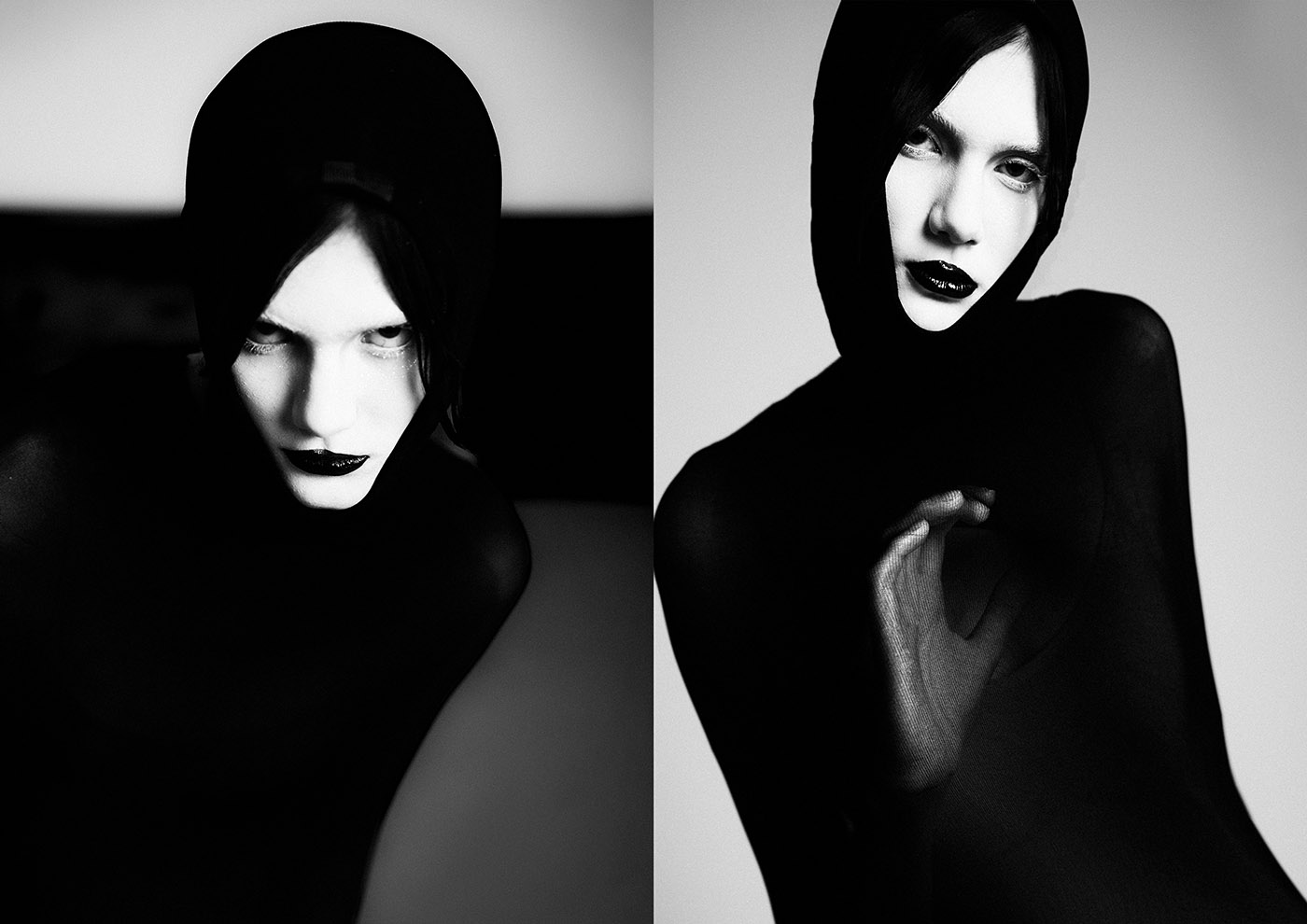
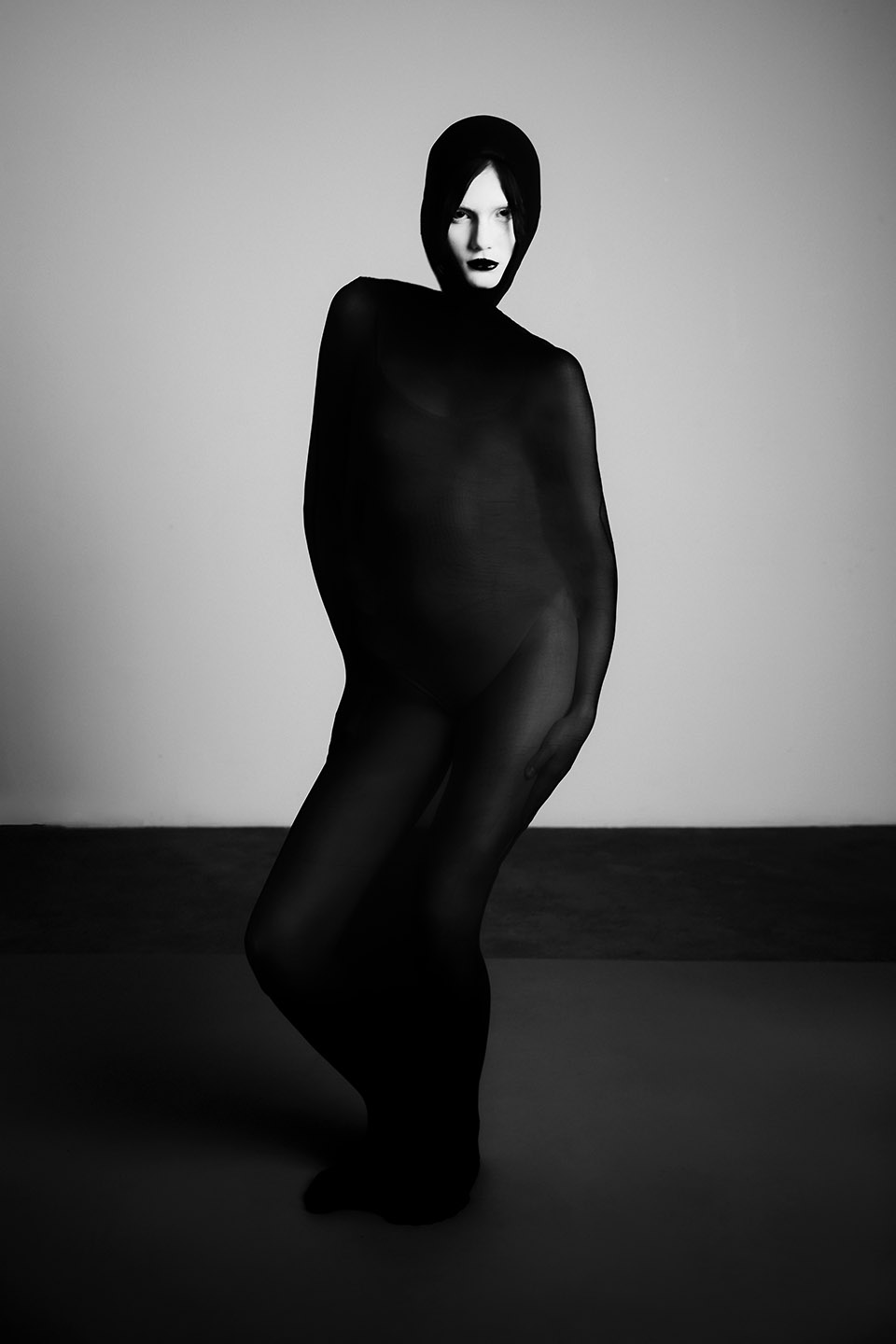
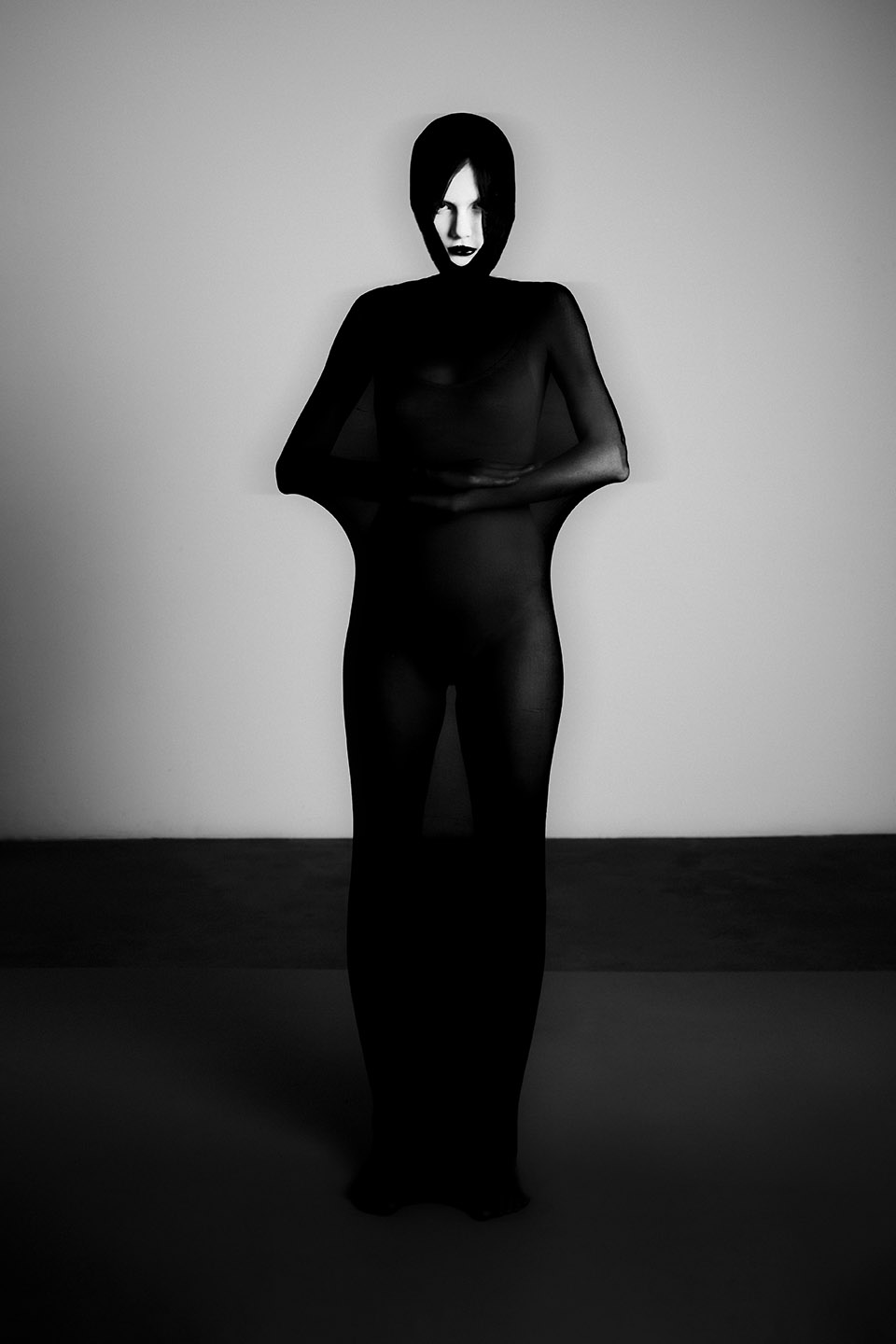
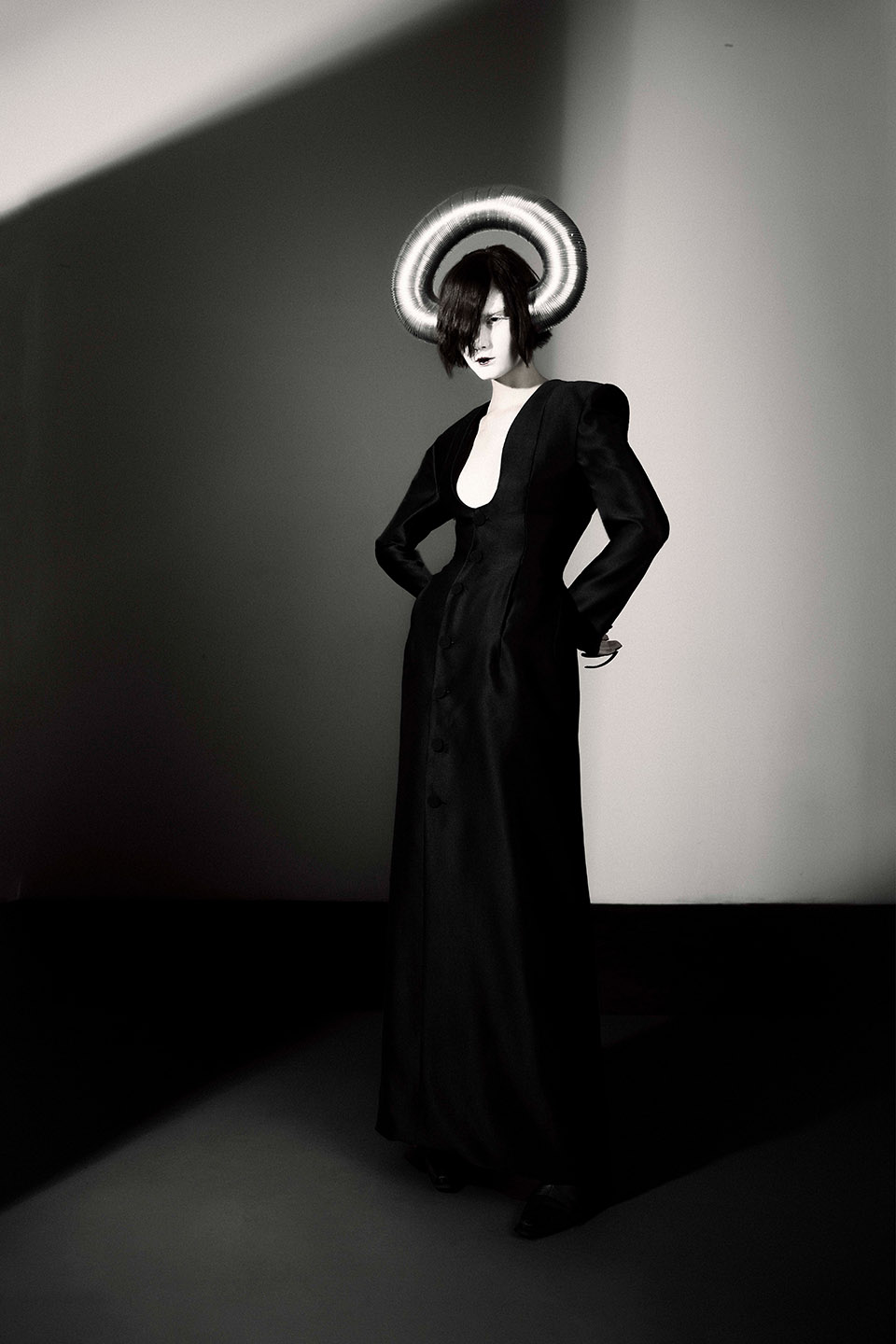
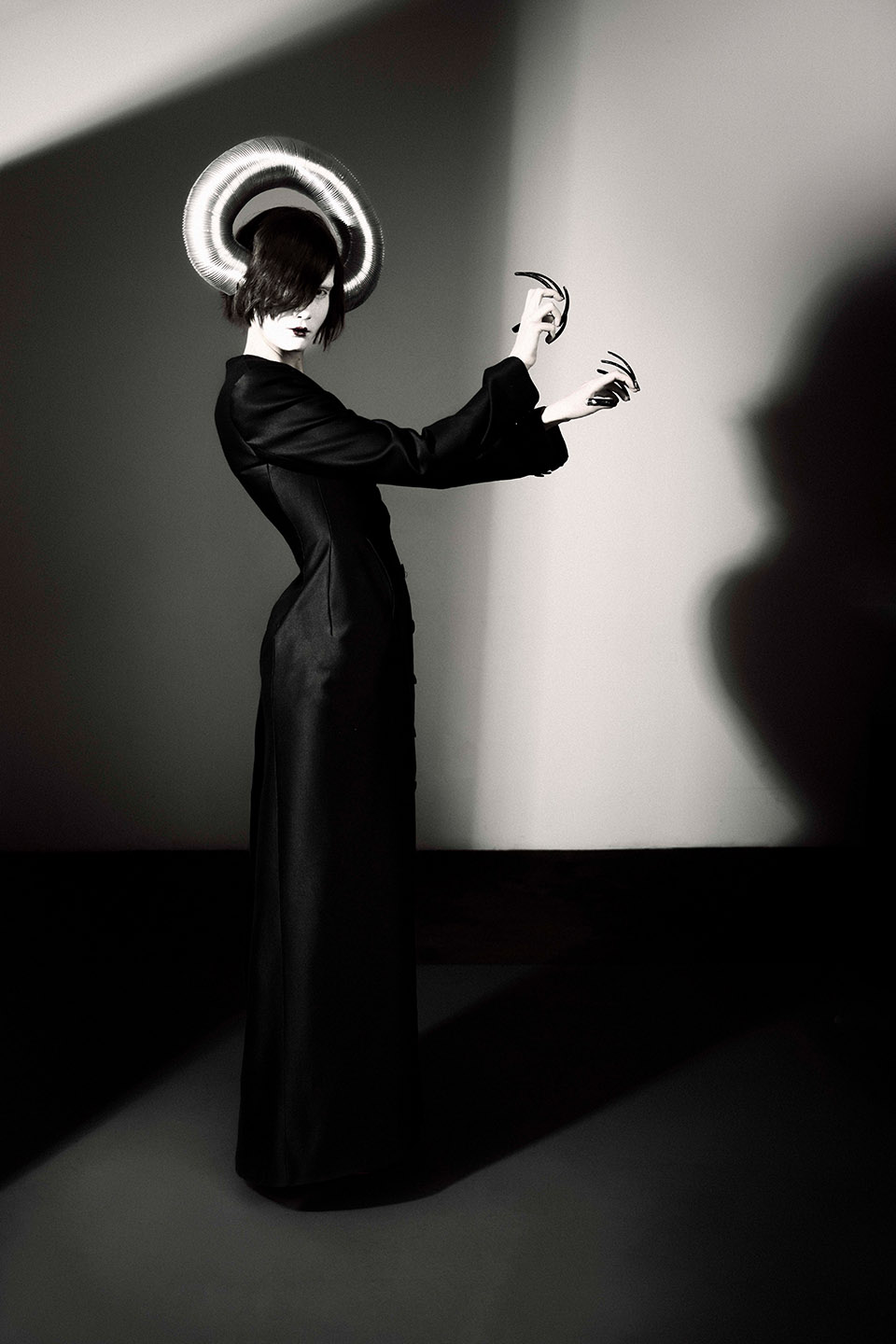
Inspired by this critique, this editorial developed by Photography & Art Direction by Julia Sarturi and Creative Direction & Styling by Karol Moreiro, embraced the same spirit of experimentation found in Who Are You, Polly Maggoo?. Rather than only relying on traditional fashion pieces, they transformed everyday materials—aluminum foil and simple items gathered from the grocery store—into sculptural garments with unexpected shapes and textures. By taking ordinary objects out of their familiar context, they challenge the idea of what fashion can be, proving that clothing does not have to be expensive or conventional to communicate a powerful concept. Each piece exists somewhere between garment and sculpture. Some appear protective, others restrictive, while many simply occupy space, resisting the practical purpose traditionally associated with dress. Their awkwardness is intentional; they invite the viewer to question why fashion so often celebrates the extraordinary simply because it is presented as such.
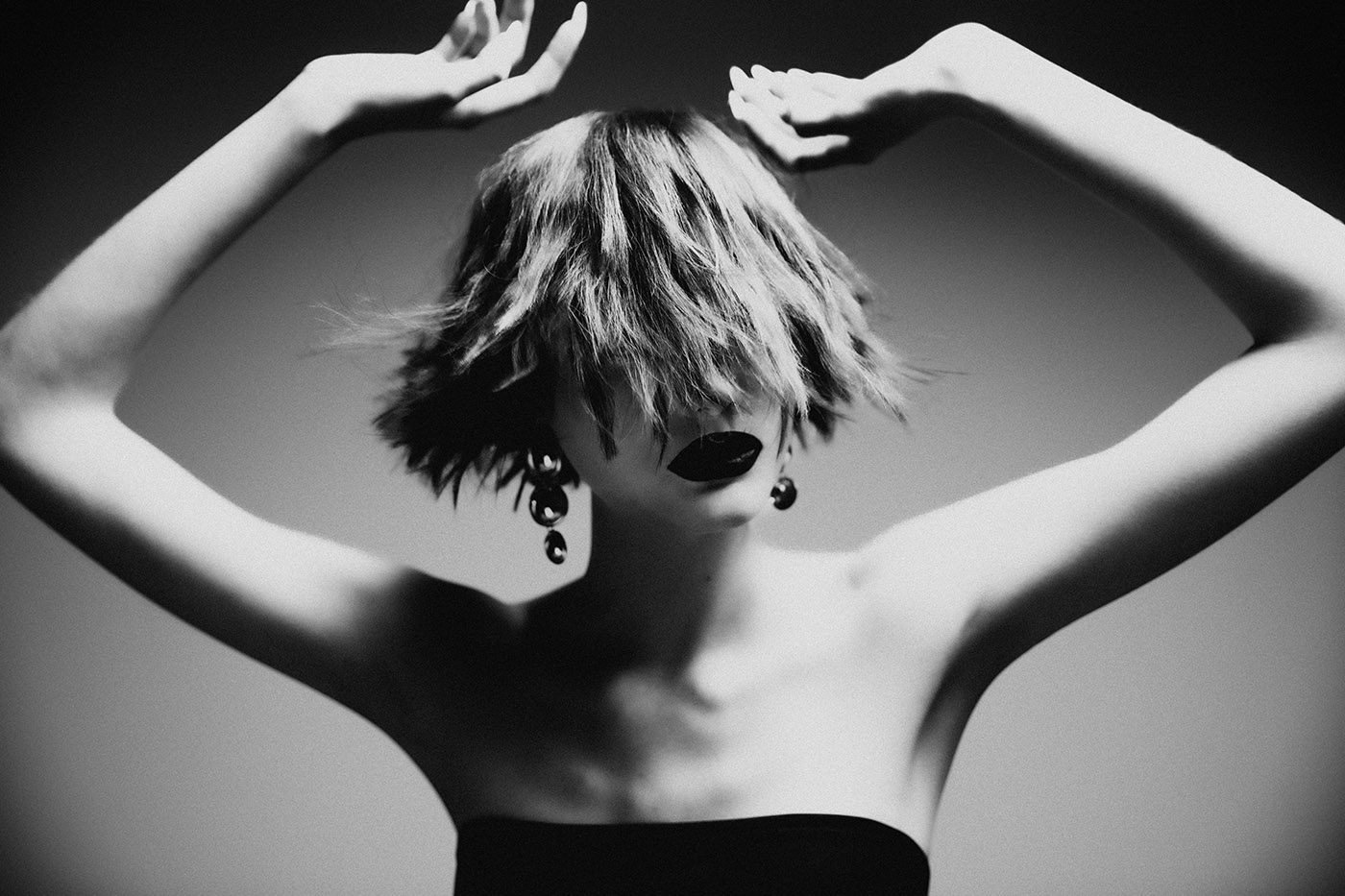
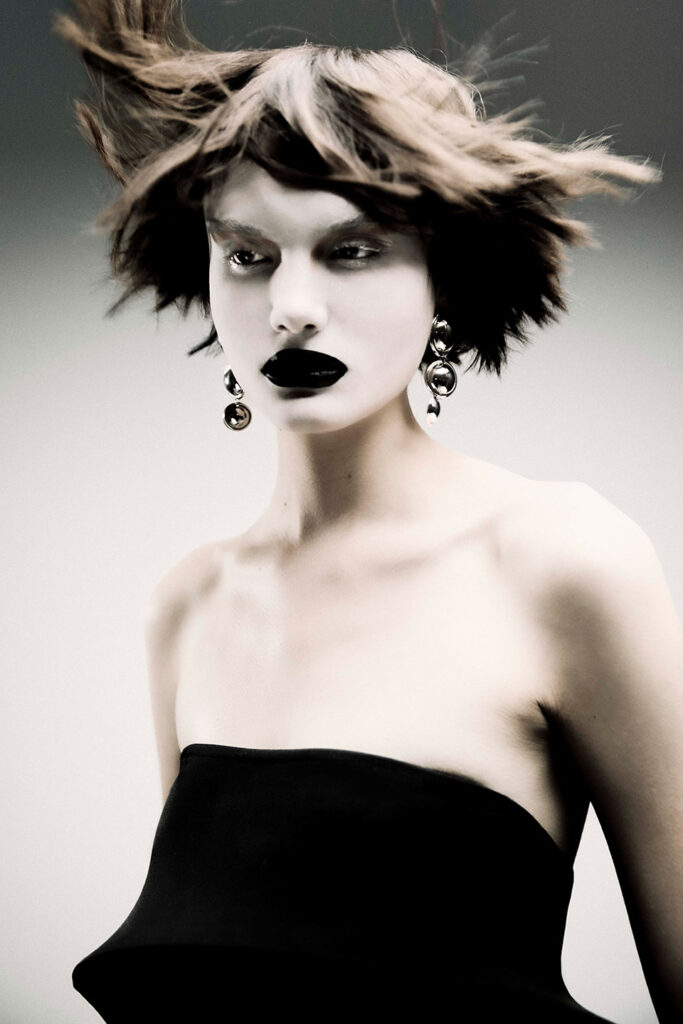
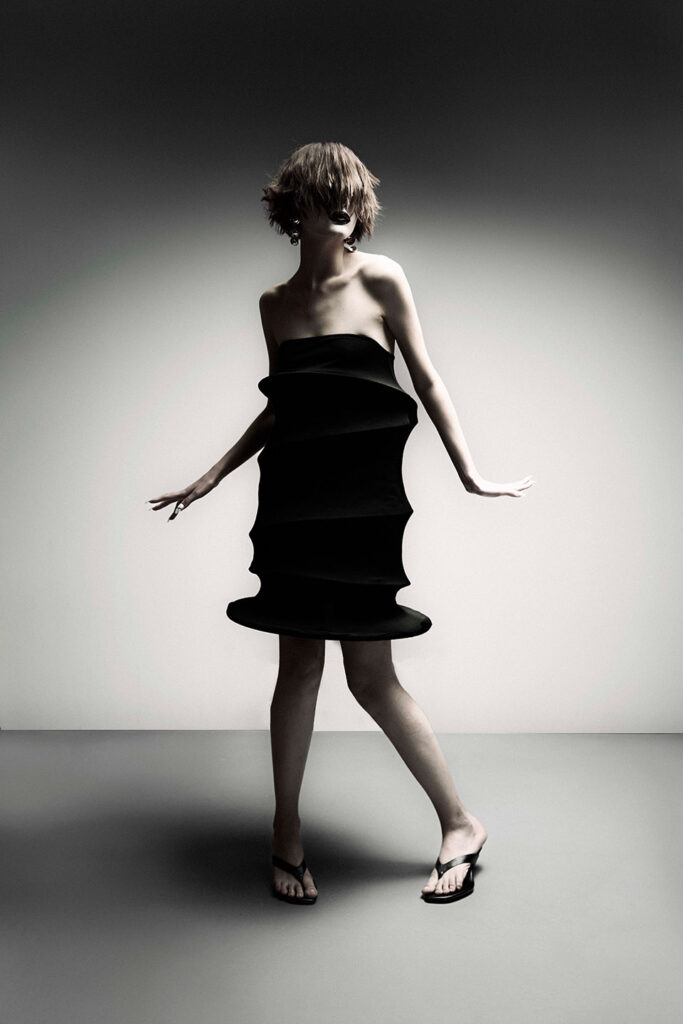


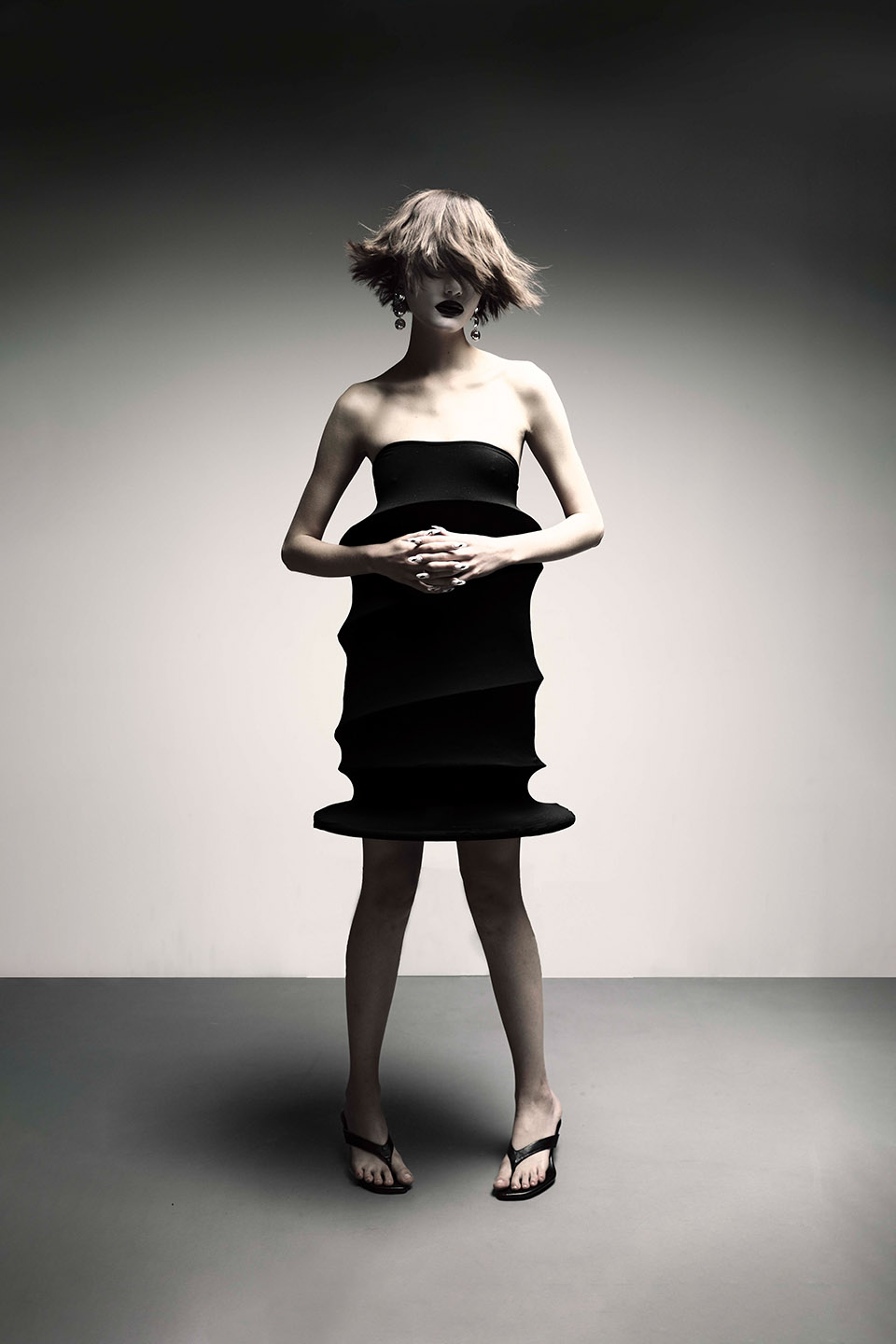

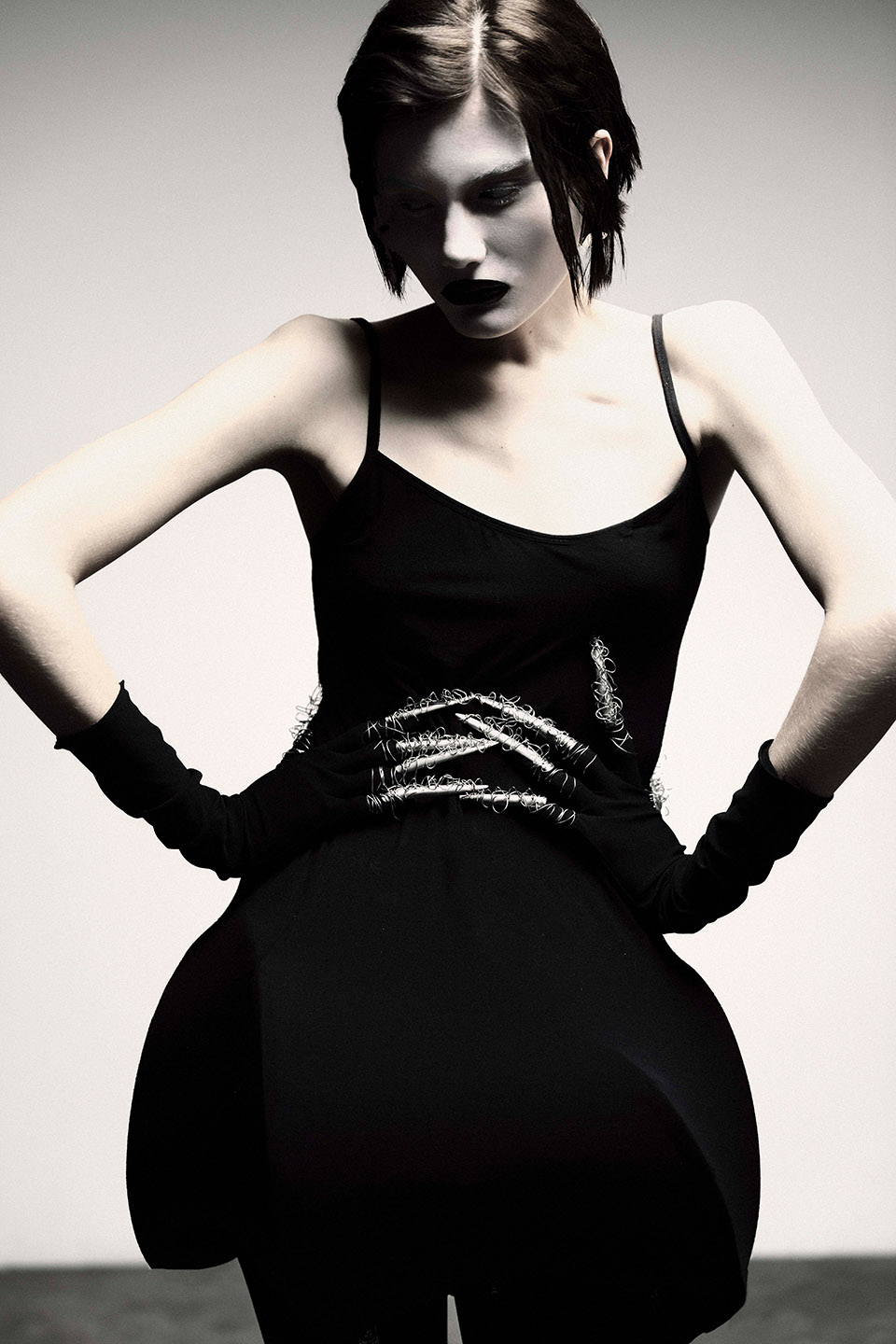
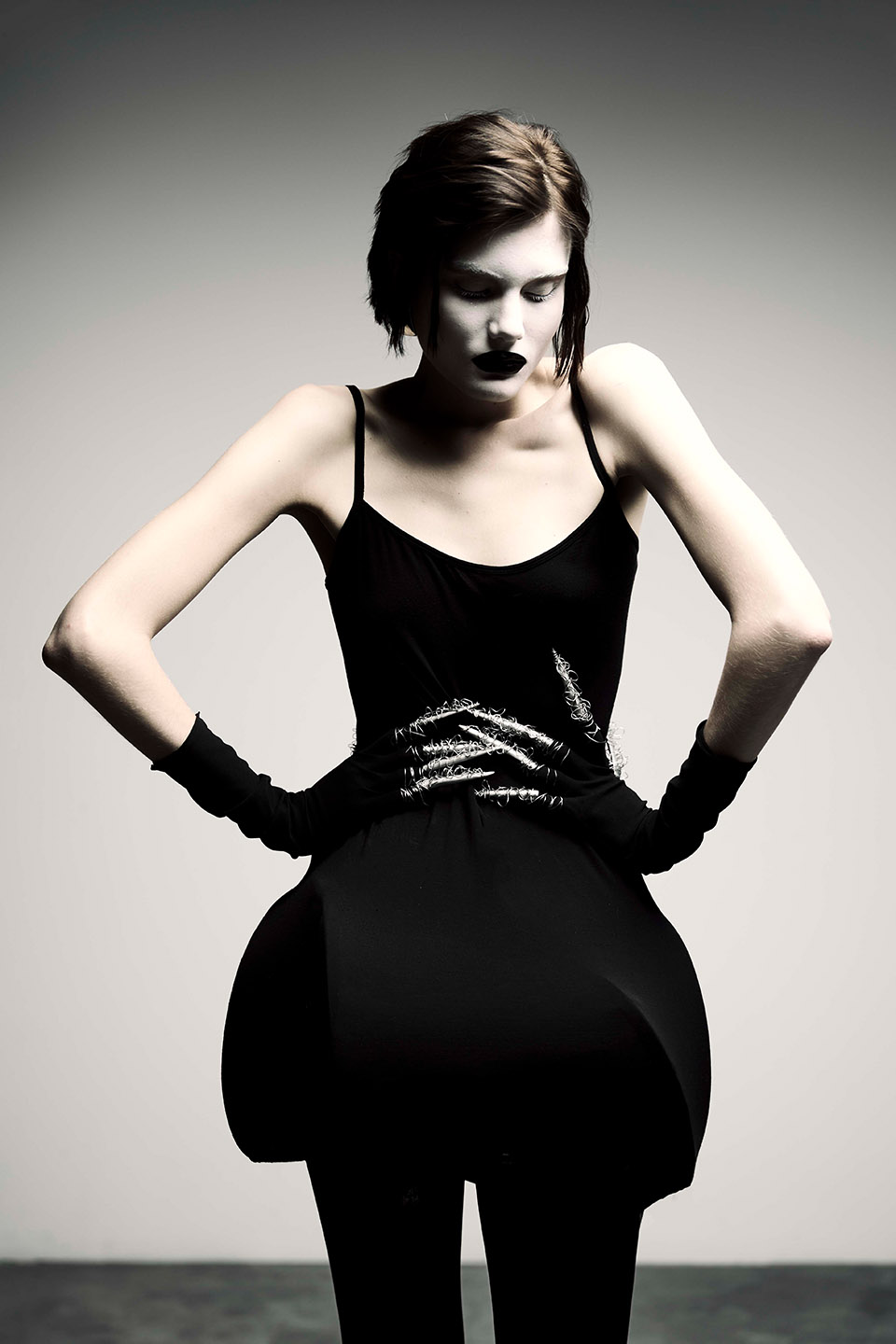
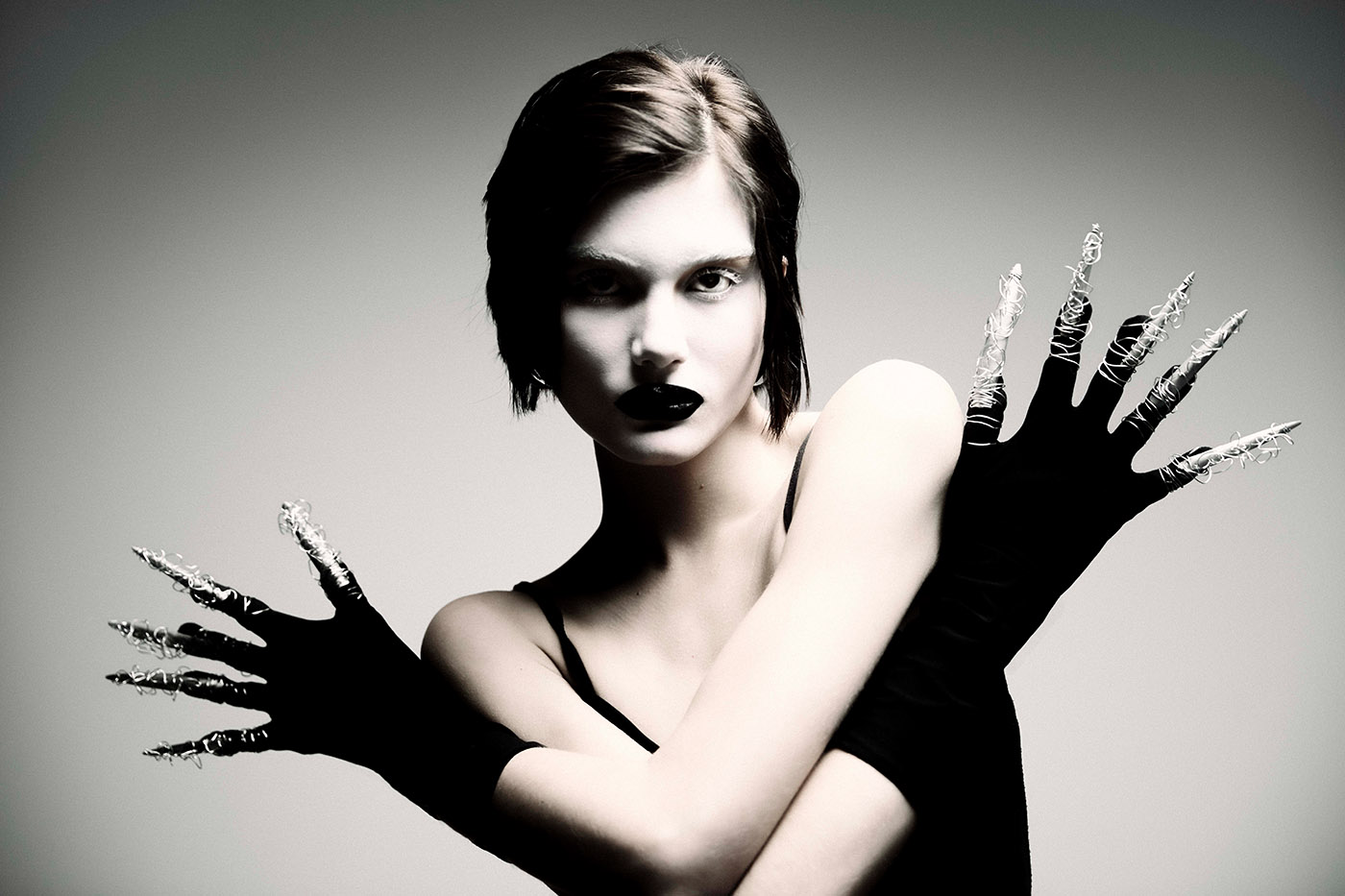
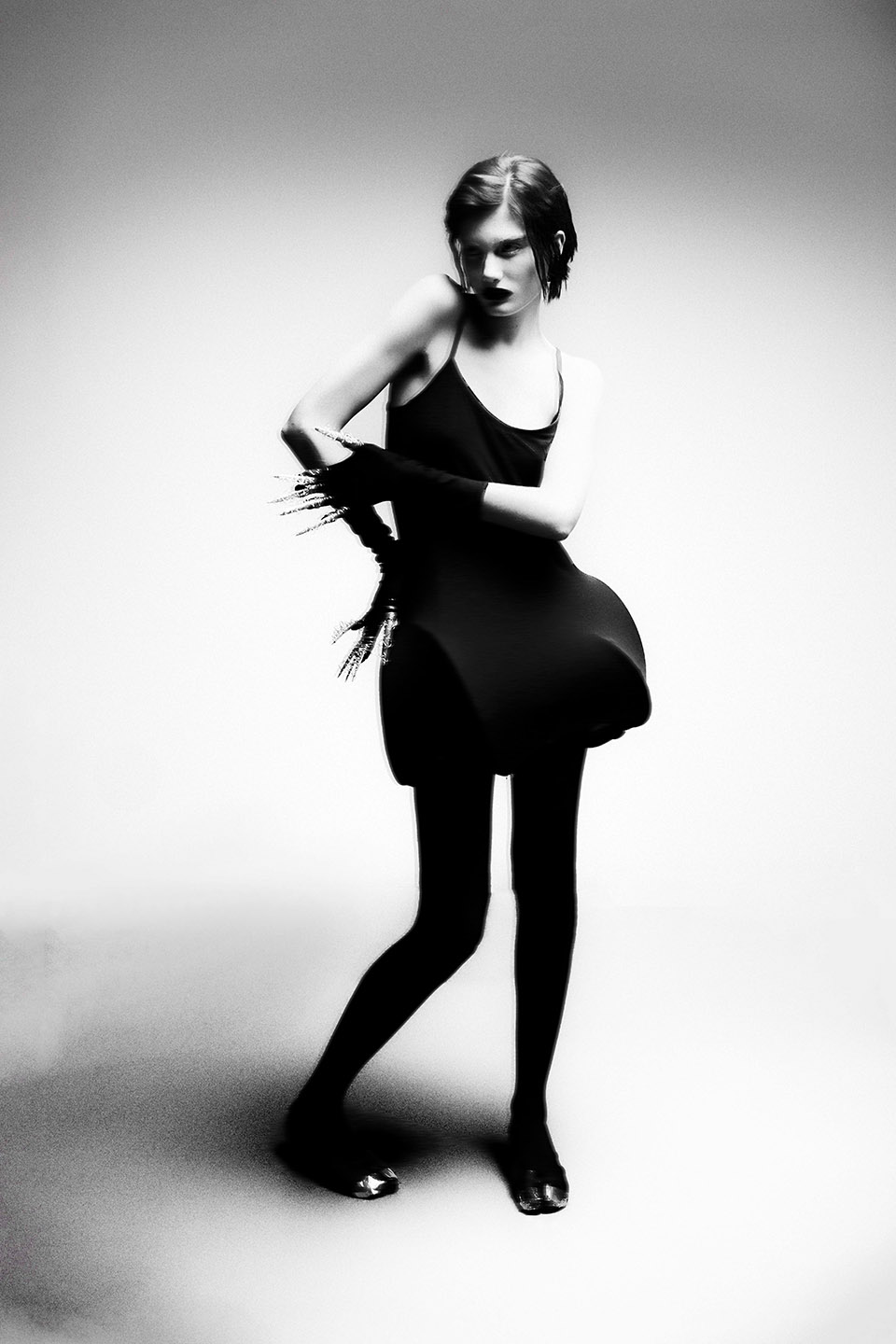
Like in surrealism, familiar objects are placed in unexpected situations, creating images that feel both strange and intriguing. In this editorial, the scenes feel unexpected and clothing becomes more like a piece of art rather than something made to be worn. The hard shapes, reflective materials, and unusual textures make the clothes feel distant and unfamiliar, creating a contrast between what looks beautiful and what seems uncomfortable or impractical.
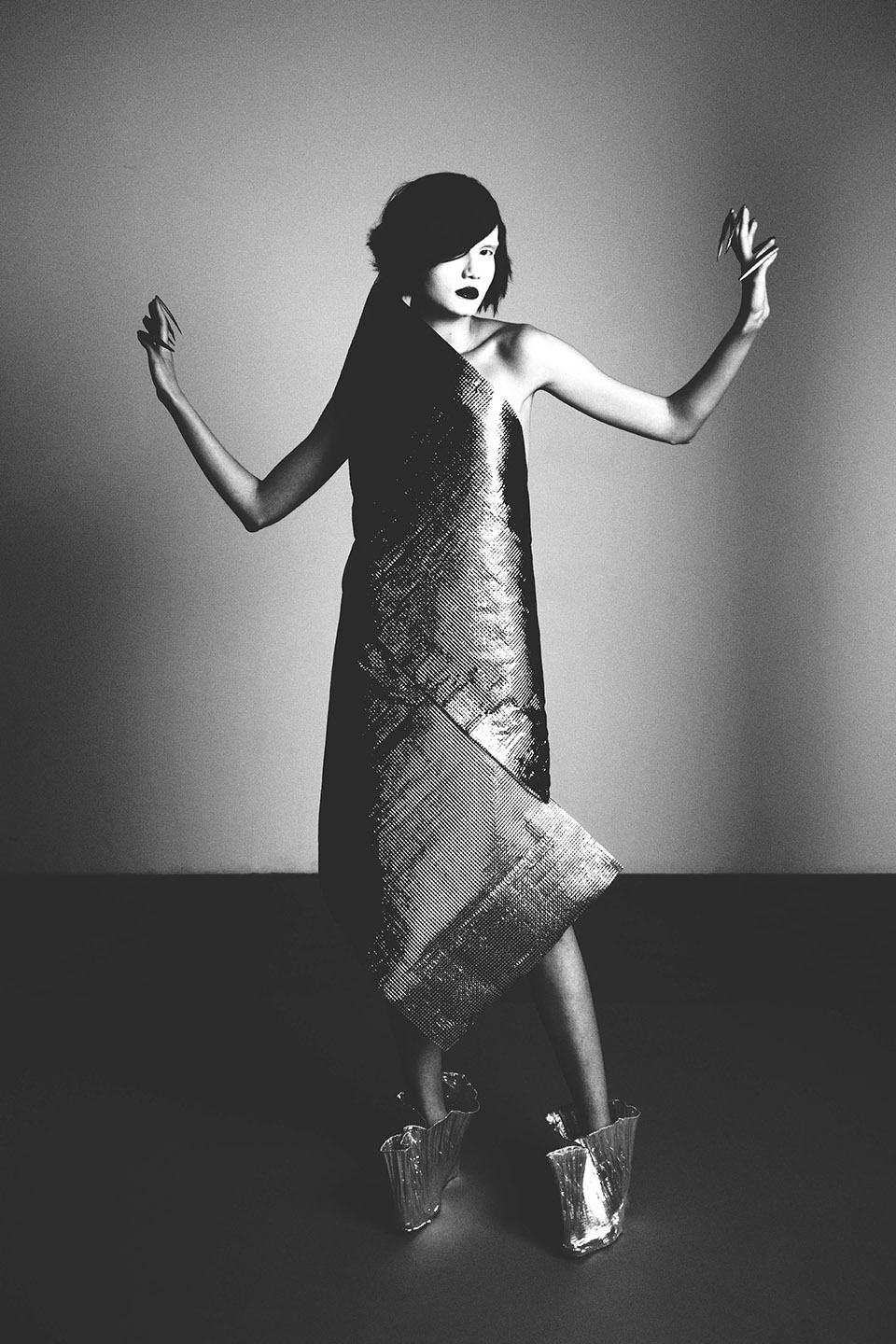
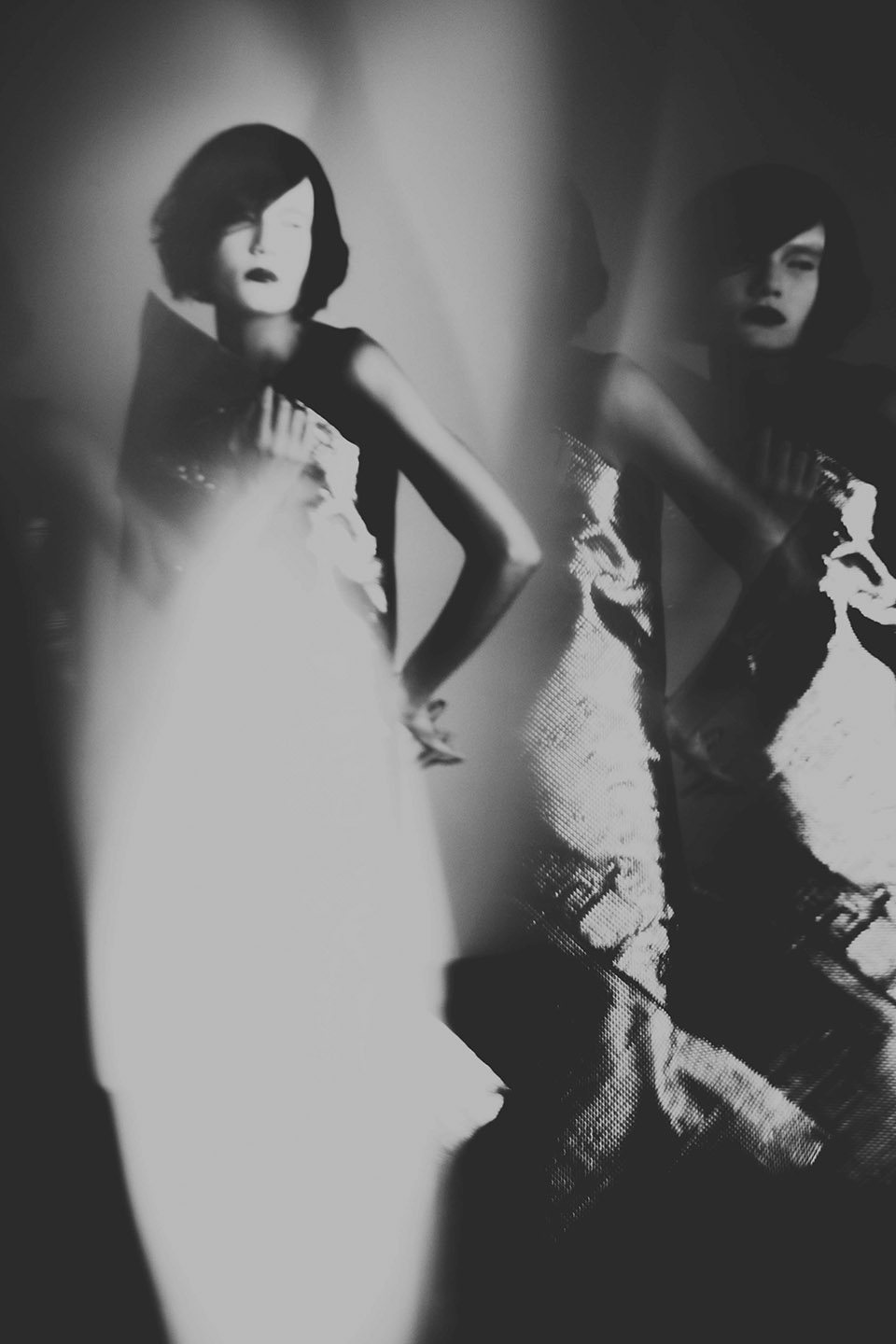
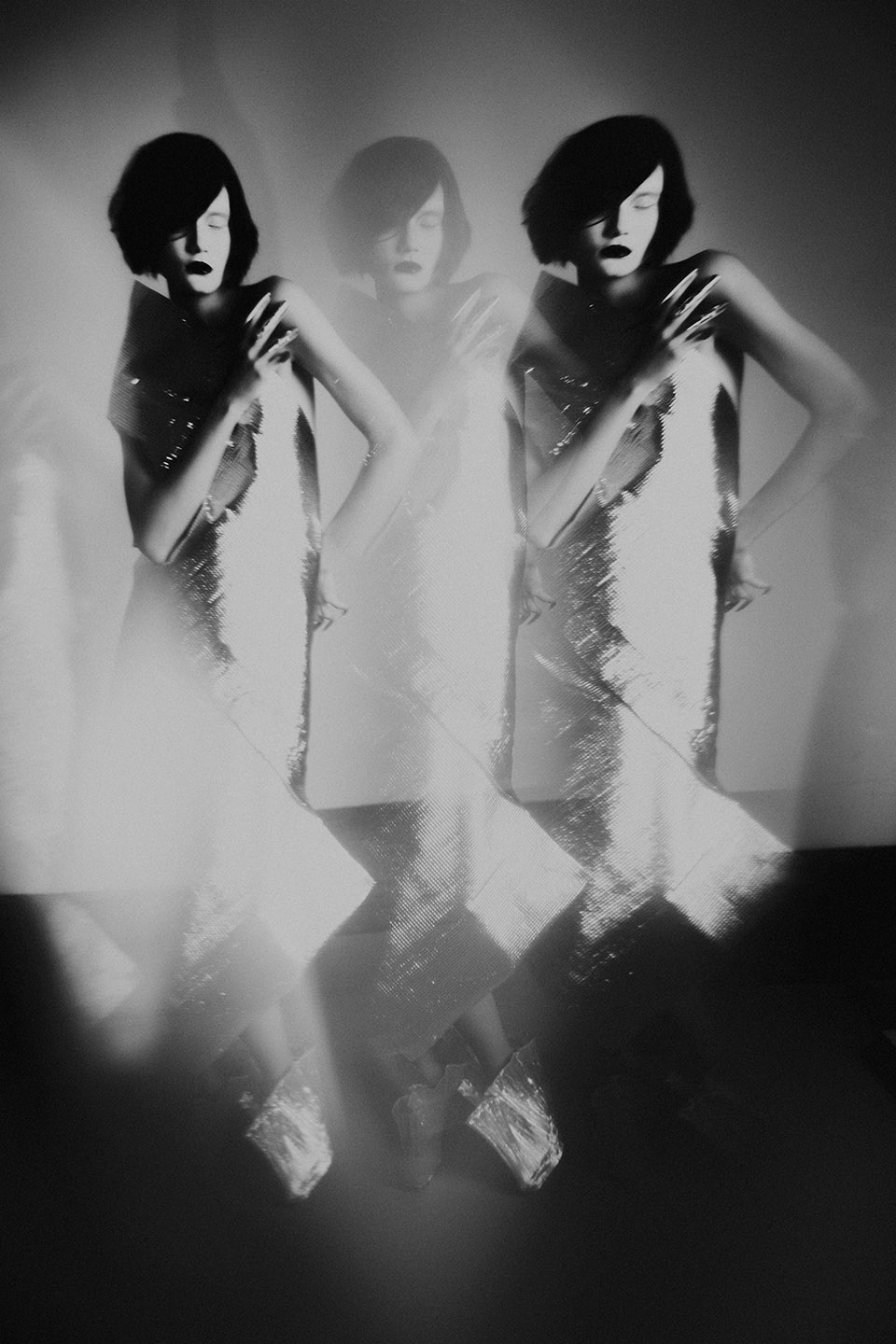
Rather than offering an ideal of beauty, Who Are You, Polly? embraces contradiction. It celebrates the artificial while exposing it, transforming fashion into both spectacle and critique.

To boot…
JULIA SARTURI, Creative Direction & Styling
KAROL MOREIRA, Photography & Art Direction
FASHION REFERENCES
RO Archives @roarchive